- Published on
Cartwheel Robotics Shuts Down, Joining the Humanoid Startup "Valley of Death"
One tap, and our reporting appears more often in your Google Top Stories. It makes a real difference to a small newsroom.

Supported by RoboStrategySupport for Humanoids Daily comes from RoboStrategy
Sponsored
Investing involves risk, including possible loss of principal. Read the prospectus before investing.
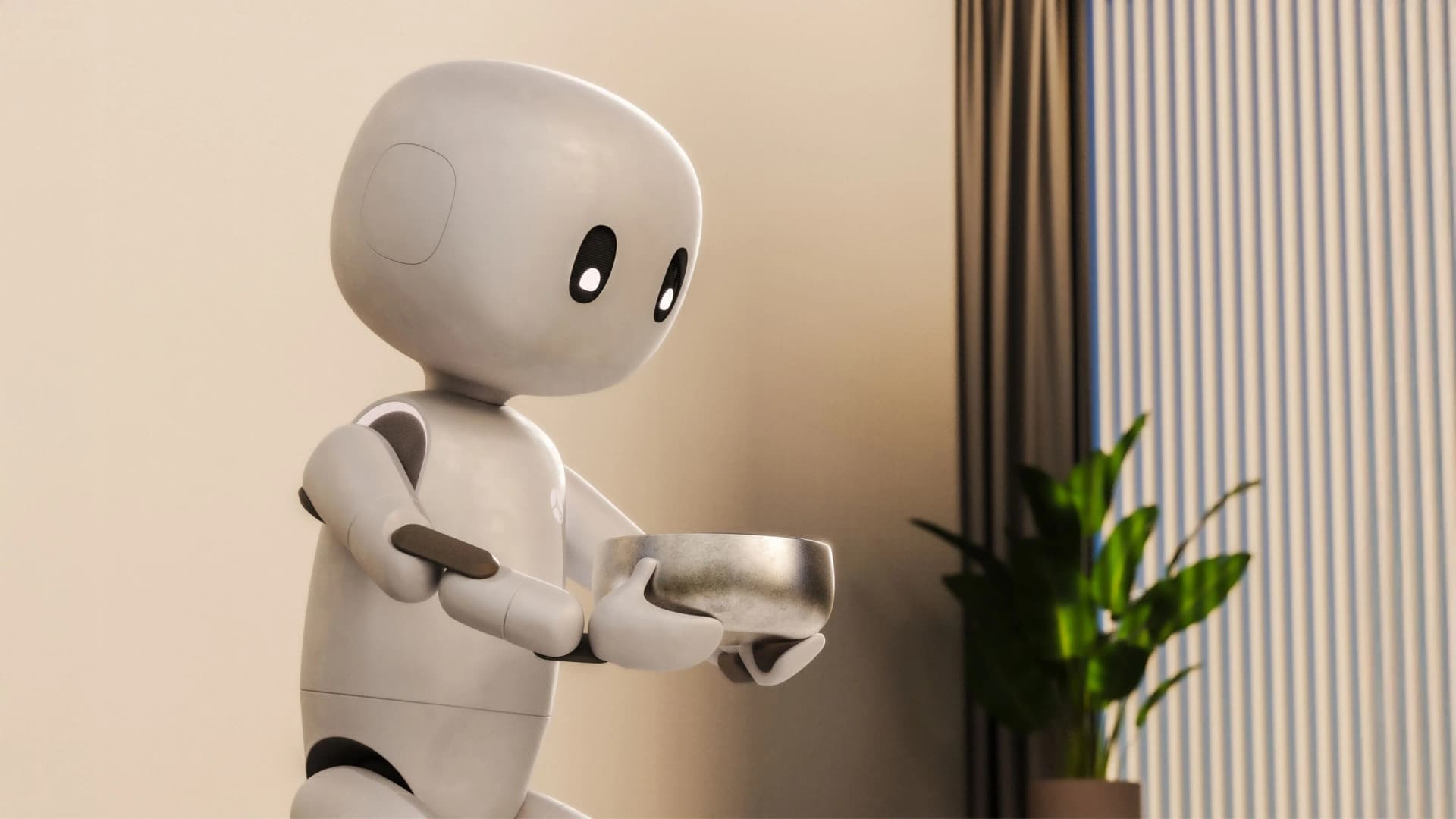
In a sobering moment for the American robotics industry, Scott LaValley, founder and CEO of Cartwheel Robotics, announced on LinkedIn that the company is closing its doors. The closure marks the end of a four-year journey to develop "lovable" humanoids, a mission that stood in stark contrast to the industrial-heavy focus of the broader sector.
A Symbolic Farewell at Moore Pier
To accompany the announcement on LinkedIn, LaValley shared a final video of Speedy—a developmental precursor to the company's flagship Yogi robot—walking down Moore Pier with the Golden Gate Bridge in the background. The clip, intended to be symbolic of the team's optimism, serves as a bookend to a series of impressive technical demonstrations. Only months ago, Cartwheel was showing off impressively smooth motion driven by its proprietary "motion language model" (MLM), which promised to turn text or voice commands into expressive behaviors.
Despite the technical momentum, LaValley stated that the company "didn't find the right capital partner to bridge the gap between our progress and our potential".
Capital as "Oxygen" in Hardware
Cartwheel’s trajectory was characterized by efficiency. Operating as a revenue-funded entity for years, the company only recently pivoted toward building a full humanoid. With a lean team of seven and just $3 million in outside capital, they built a complete robotics lab and the Yogi platform from the ground up.
The weekly humanoid robotics briefing
One email a week: the launches, funding and research that mattered, with context from Humanoids Daily.
Read recent issuesYogi was designed with "toddler proportions"—a large head and rounded features—to appear friendly and approachable for home and entertainment use. While Yogi attracted significant interest from corporate venture capitals (CVCs) and global customers, the capital intensive nature of hardware proved insurmountable.
"In hardware, capital is oxygen," LaValley noted, ending his post with a warning to other founders: "No money is better than the wrong money."
A Pattern of "Betting the Farm"
The fall of Cartwheel Robotics echoes the recent shutdown of K-Scale Labs in late 2025. Like Cartwheel, K-Scale was a promising American startup that failed to secure a lead investor for its Series A round.
K-Scale's CEO, Benjamin Bolte, later explained that he had "bet the farm" on a high-end platform, similar to Cartwheel's pursuit of a "full-stack" humanoid. Both companies represent a segment of the industry that sought to innovate on form and accessibility—K-Scale through open-source designs and Cartwheel through emotional intelligence—only to be halted by the immense costs of scaling physical AI.
The Road Ahead
LaValley, an alumnus of Boston Dynamics and Disney Imagineering who led the development of the autonomous Baby Groot robot, expressed deep gratitude for his team and his co-founder sister, Samantha. While Cartwheel Robotics is over, LaValley teased that he would be "sharing what’s next shortly".
Watch Cartwheel Robotics' mission statement, published just four months ago:
Share this article
Read next
- Published on
- Reading time
- 3 min read
Cartwheel Robotics Founder Scott LaValley Joins Google DeepMind
- Published on
- Reading time
- 4 min read
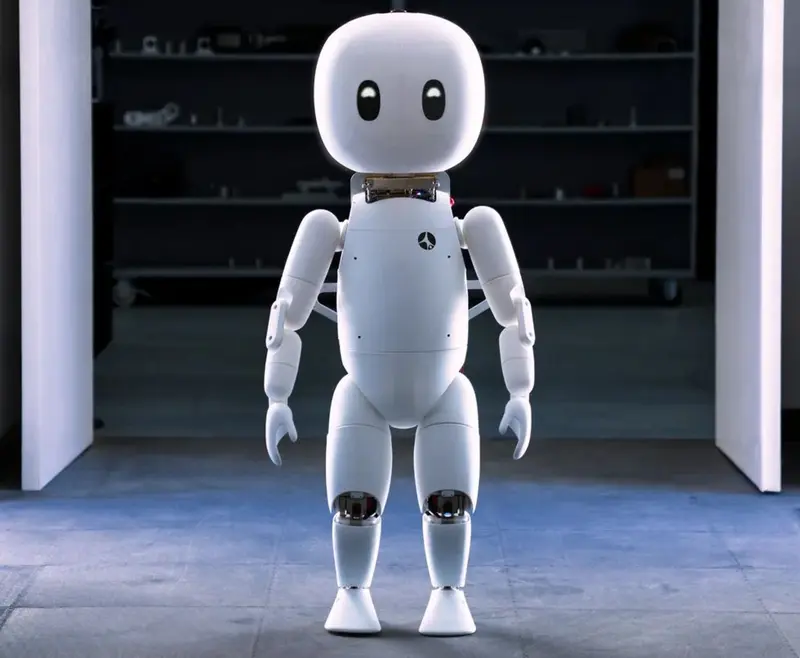
Cartwheel Robotics Steps Out of Stealth, Aiming for 'Lovable' Humanoids
- Published on
- Reading time
- 4 min read
Physical Intelligence in Talks for $1 Billion Round, Eyeing an $11 Billion Valuation
- Published on
- Reading time
- 4 min read
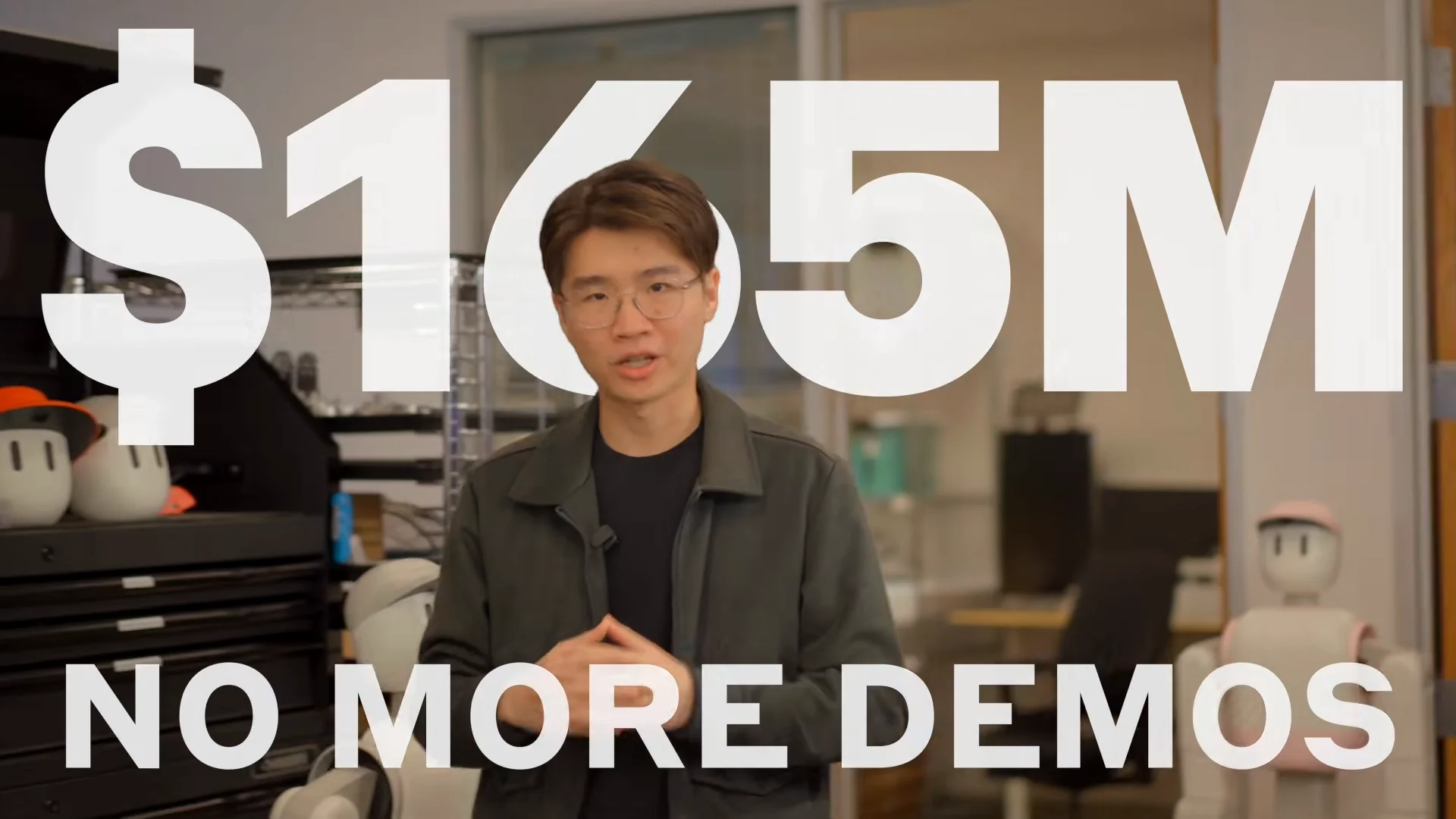
Sunday Robotics Raises $165M to Transition from Demos to Real-World Deployment
- Published on
- Reading time
- 3 min read
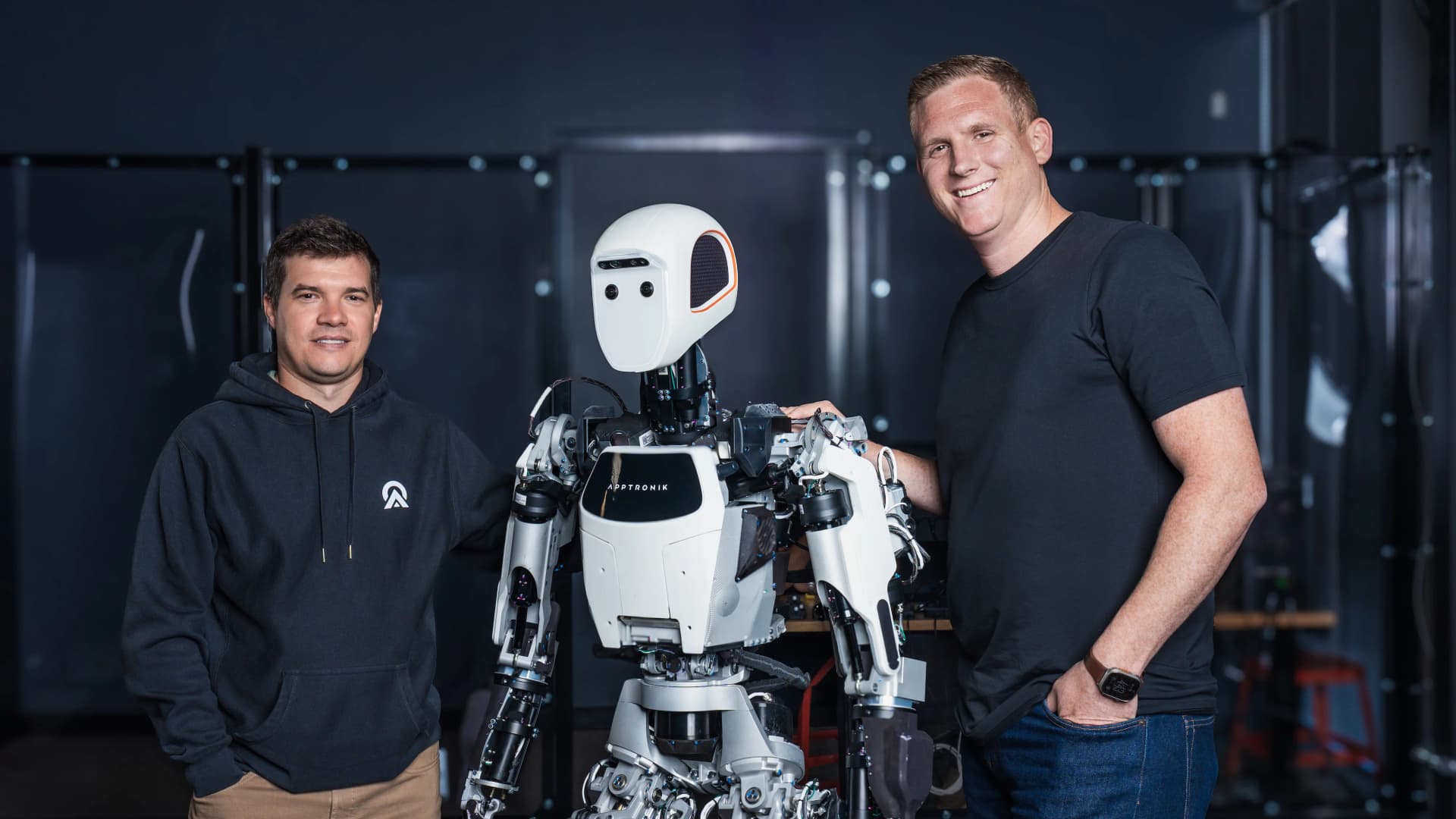
Apptronik Nears $1 Billion Milestone with Massive $520 Million Funding Extension
- Published on
- Reading time
- 4 min read
Skild AI Secures $1.4 Billion Series C, Tripling Valuation to Over $14 Billion


The weekly humanoid robotics briefing
One email a week: the launches, funding and research that mattered, with context from Humanoids Daily.
Read recent issues