- Published on
- Reading time
- 3 min read
This Week in Humanoids: Agility on Nasdaq, GR00T 2 and Fable 5.2
Our November 10 newsletter covers Agility’s Nasdaq debut, NVIDIA’s GR00T 2 at CoRL, Anthropic’s Fable 5.2, Atlas on wheels and Apple’s HALO.
Supported by RoboStrategySupport for Humanoids Daily comes from RoboStrategy
SponsoredInvesting involves risk, including possible loss of principal. Read the prospectus before investing.
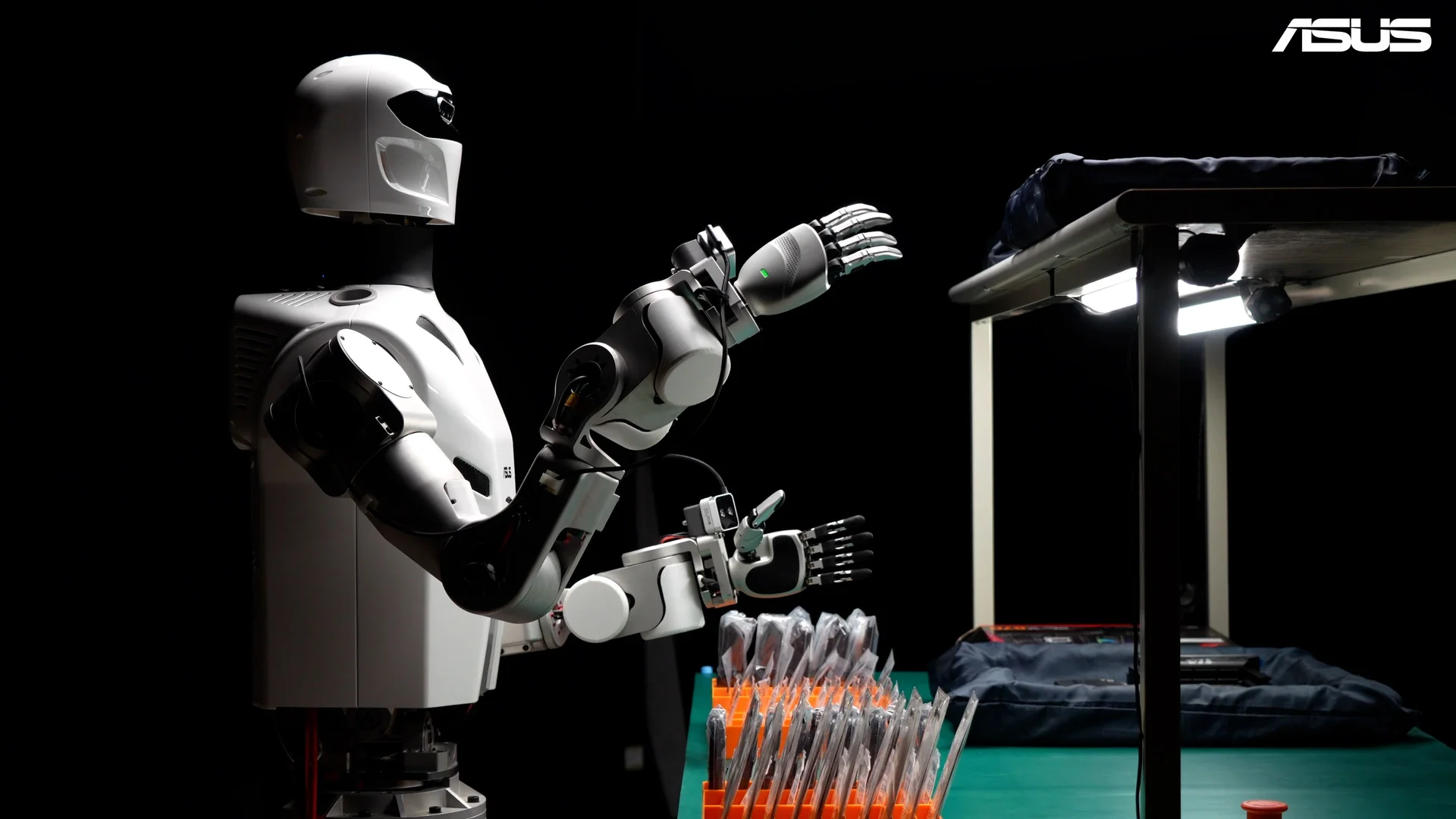
The two-armed robot runs on NVIDIA Jetson Thor and learns from head-camera footage of ASUS factory workers. Partner pilots start in 2027, with a market launch targeted for the second half of 2028.
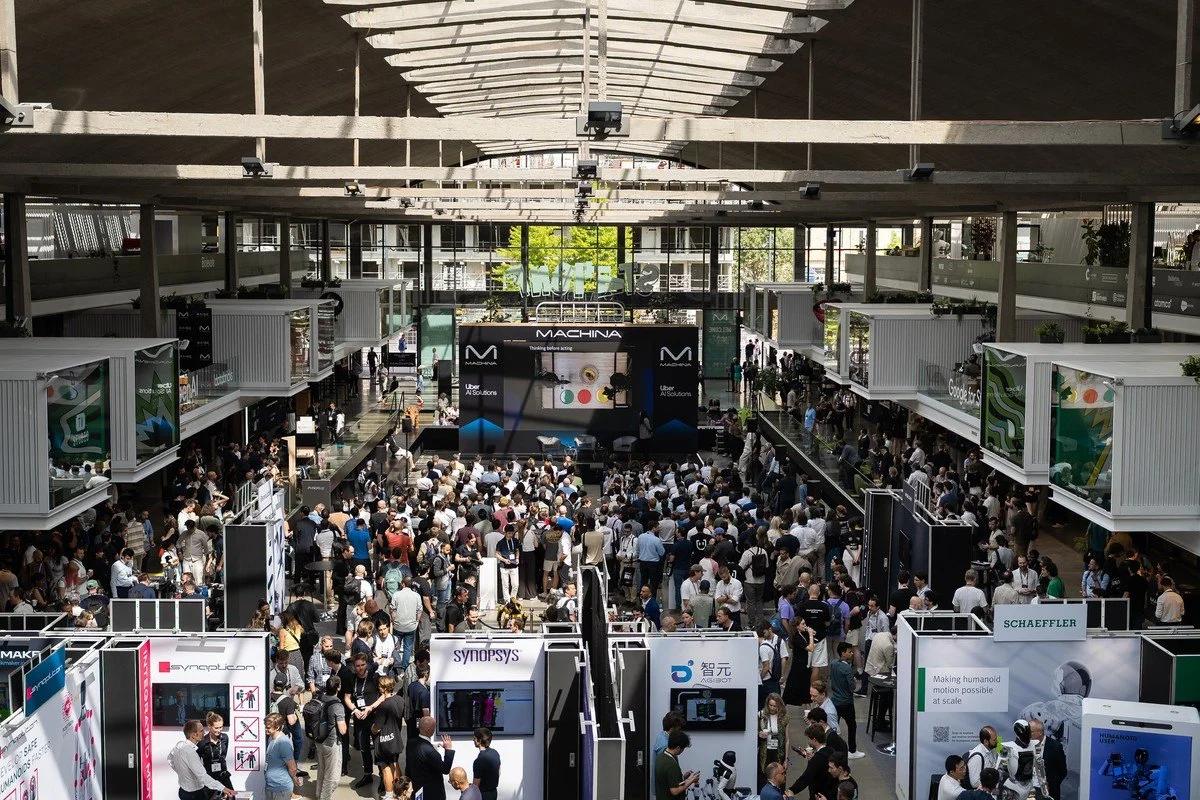
Join AGIBOT, Unitree, Dassault Systèmes and PSYONIC at Europe’s leading event for humanoid robotics, Physical AI and industrial automation.
Mention partner code HUMANOIDDAILY when contacting the organizers for 5% off visitor passes.
One email a week: the launches, funding and research that mattered, with context from Humanoids Daily.
Read recent issuesSponsored coverage and analysis from RoboStrategy
Inside the BOT portfolio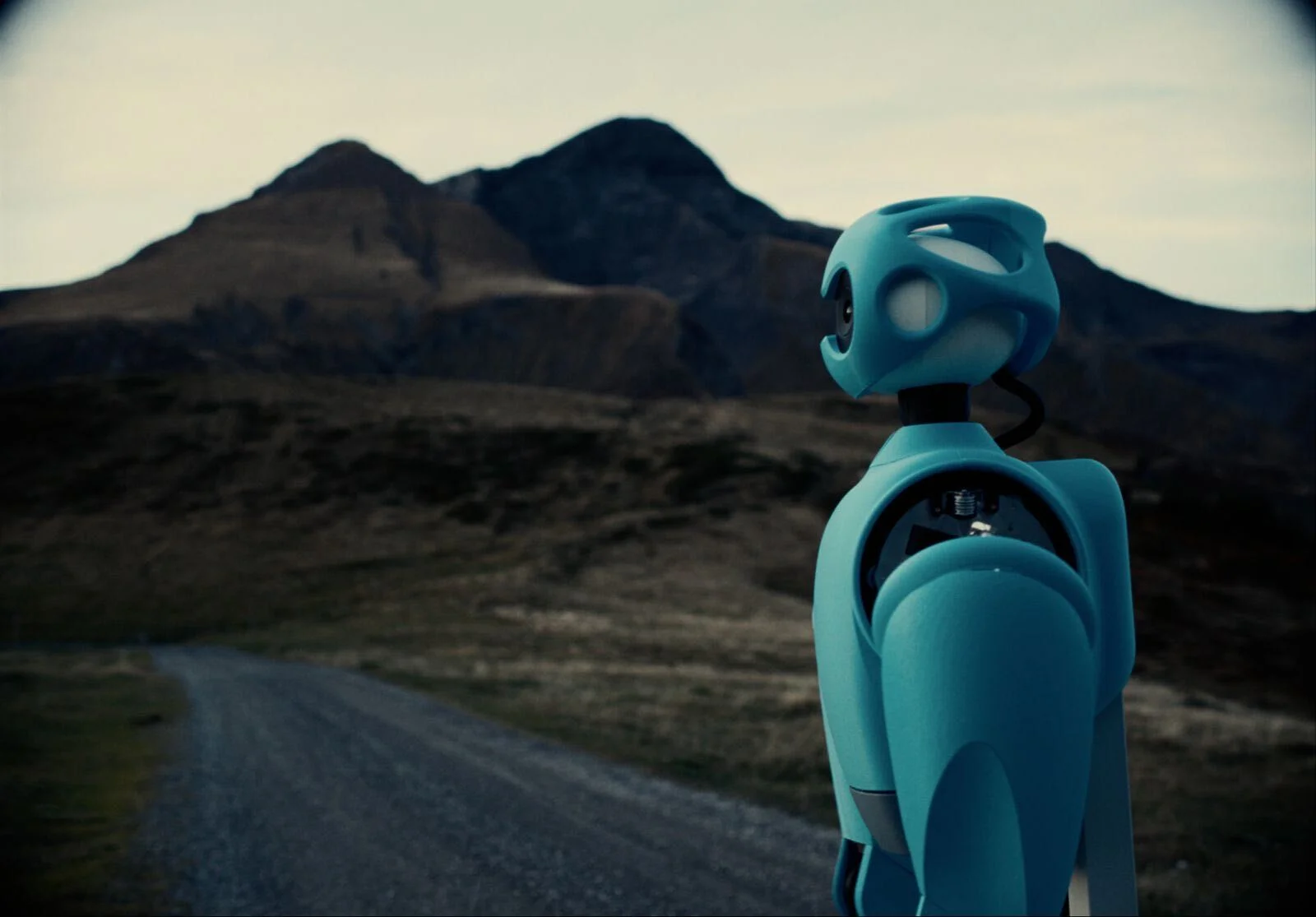
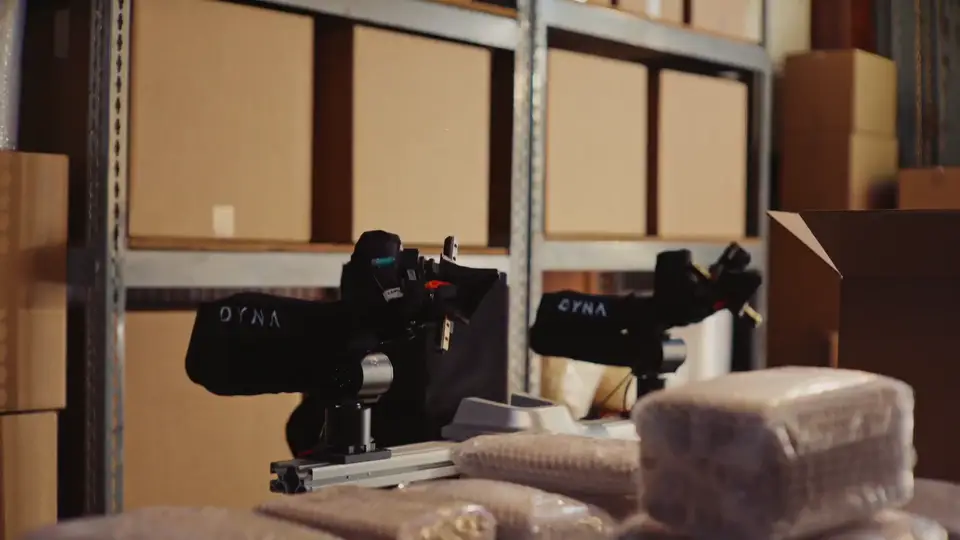
The EPFL spin-off's two-armed robot starts each job under remote control and, the company says, takes the task over within a month. It reports a 95% average success rate in paid pilots.
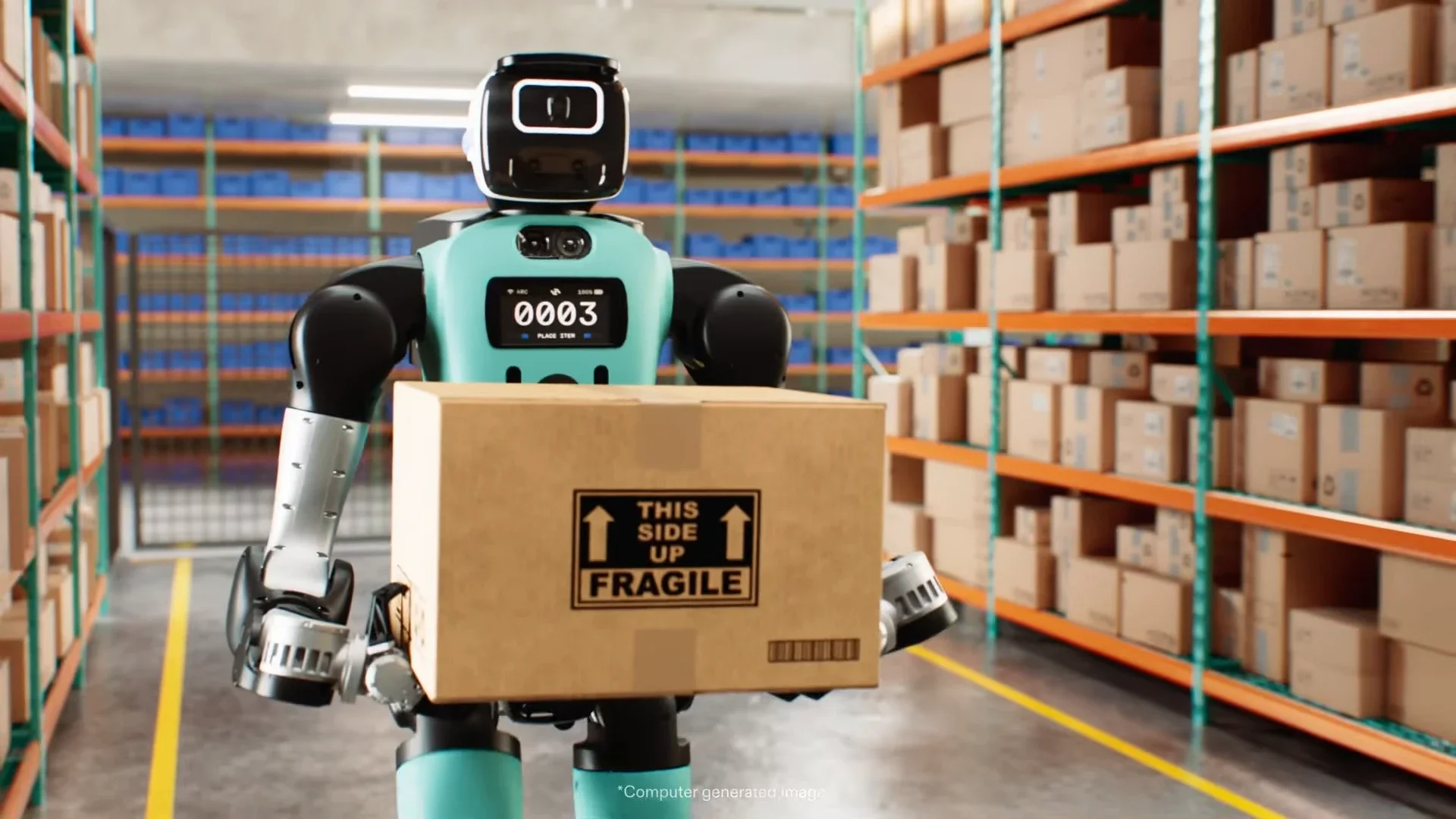
The Churchill XI merger closed with about $465 million in gross capital, below the $600 million-plus projected in June, as Agility debuts with $1.78 million in 2025 sales.
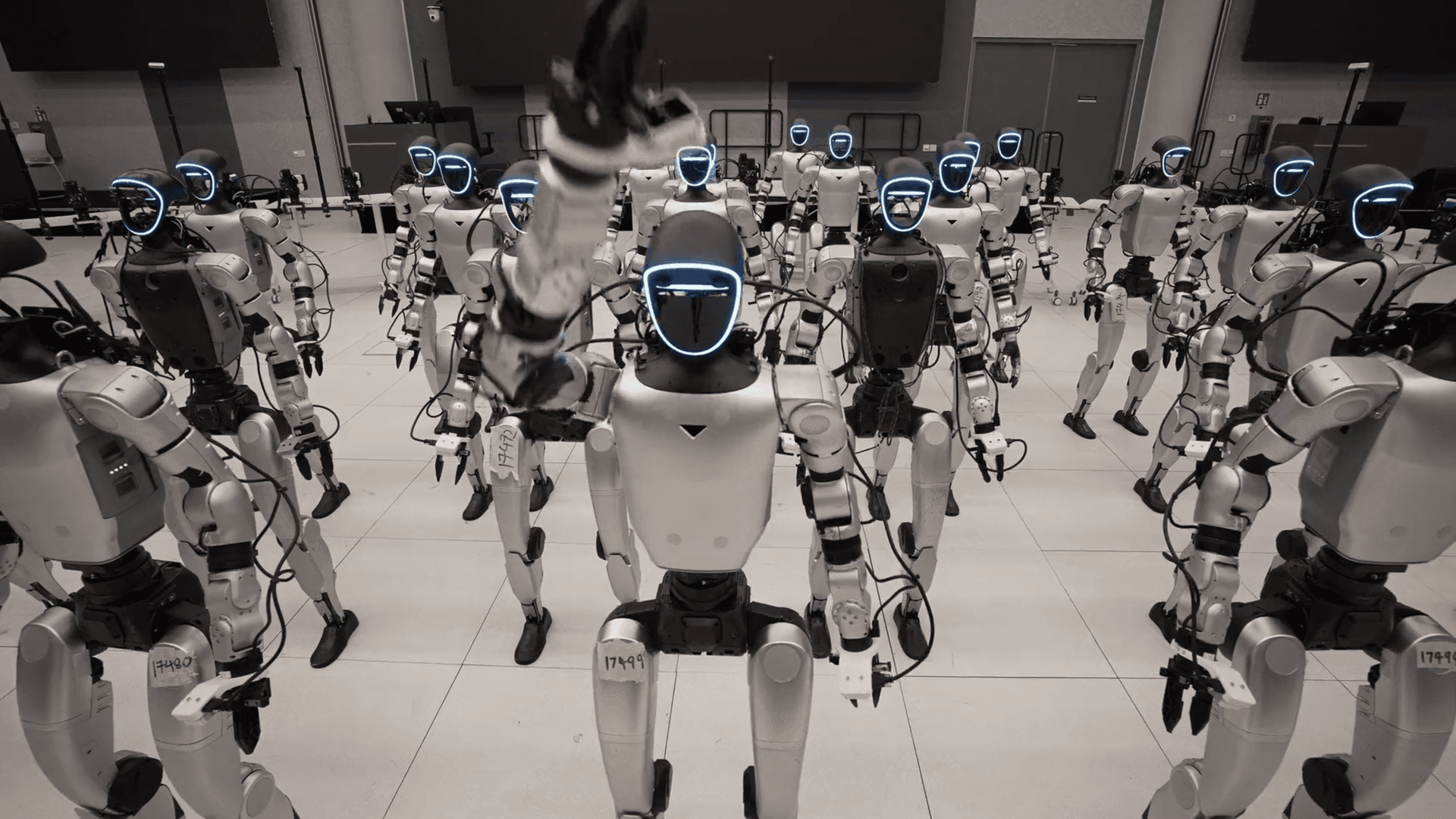
The initiative offers more than 100 robots and 10,000 free evaluation hours, while initial G1 tests reveal how far robot policies remain from reliably completing tasks.
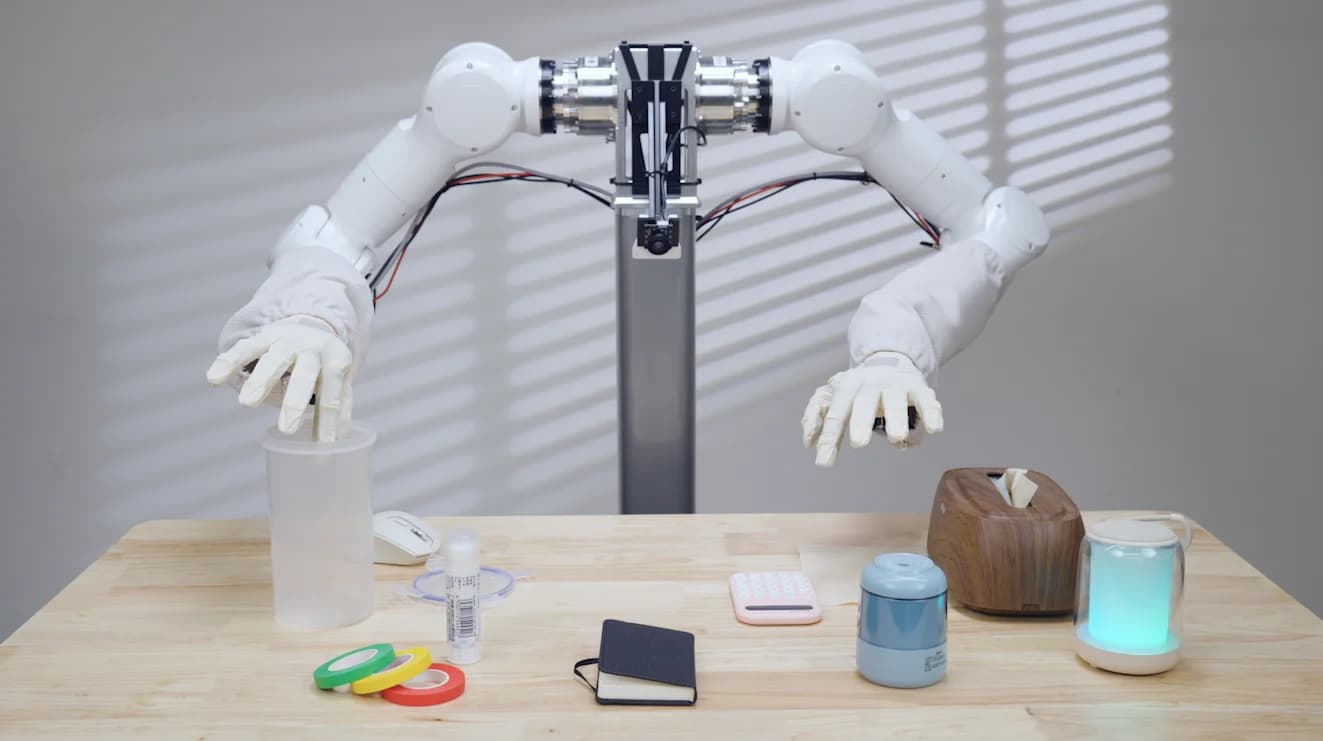
LiberAI's Liber-0 world action model learns from more than 2.2 million hours of human experience and reached 36.0% success on 60 GPT-6-proposed tasks without task-specific robot demonstrations.
Humanoids Daily covers the fast-moving world of humanoid robots — from research labs to factory floors. We report on the companies, technologies, and breakthroughs shaping the next generation of intelligent machines.
Our November 10 newsletter covers Agility’s Nasdaq debut, NVIDIA’s GR00T 2 at CoRL, Anthropic’s Fable 5.2, Atlas on wheels and Apple’s HALO.
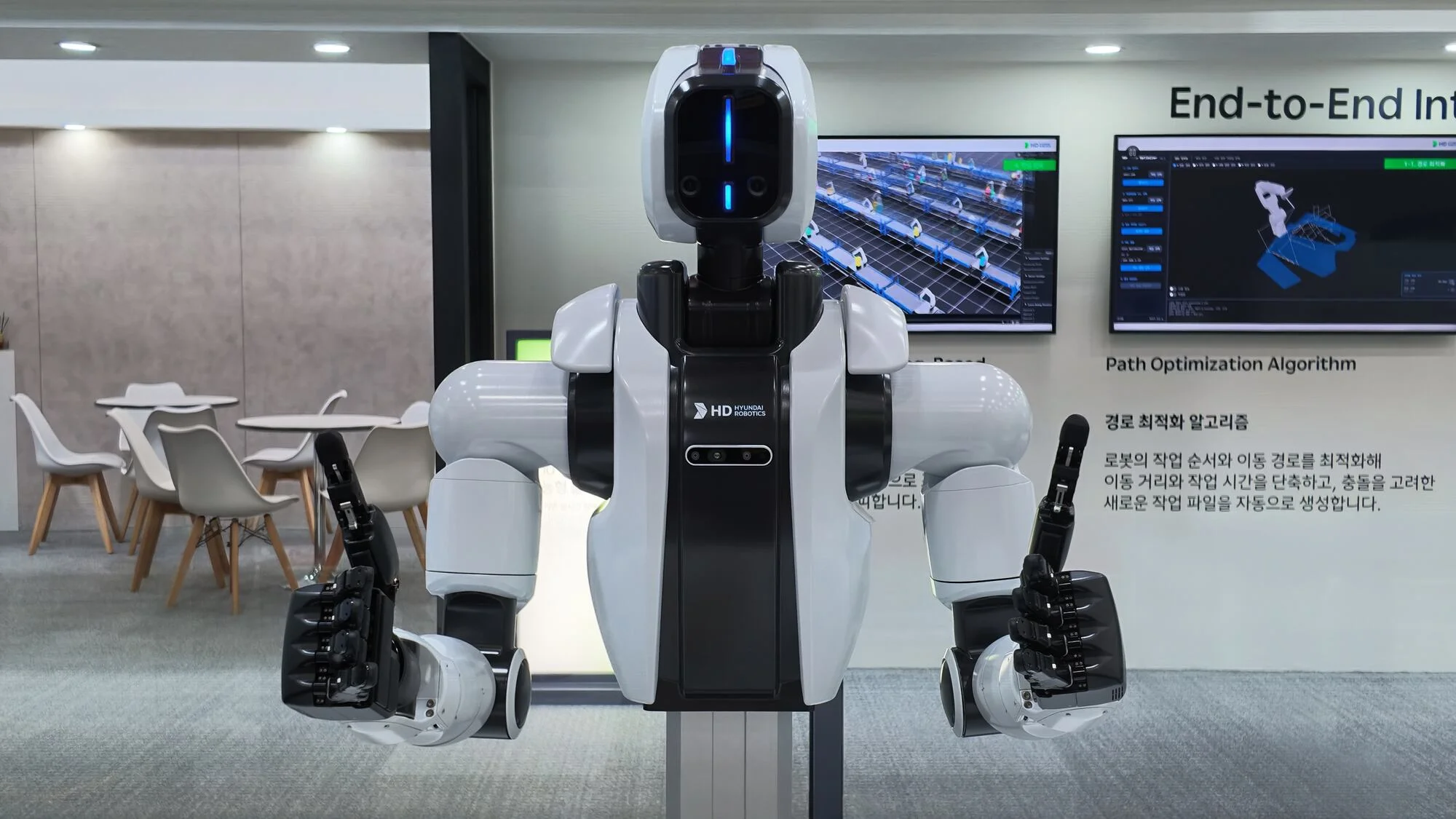
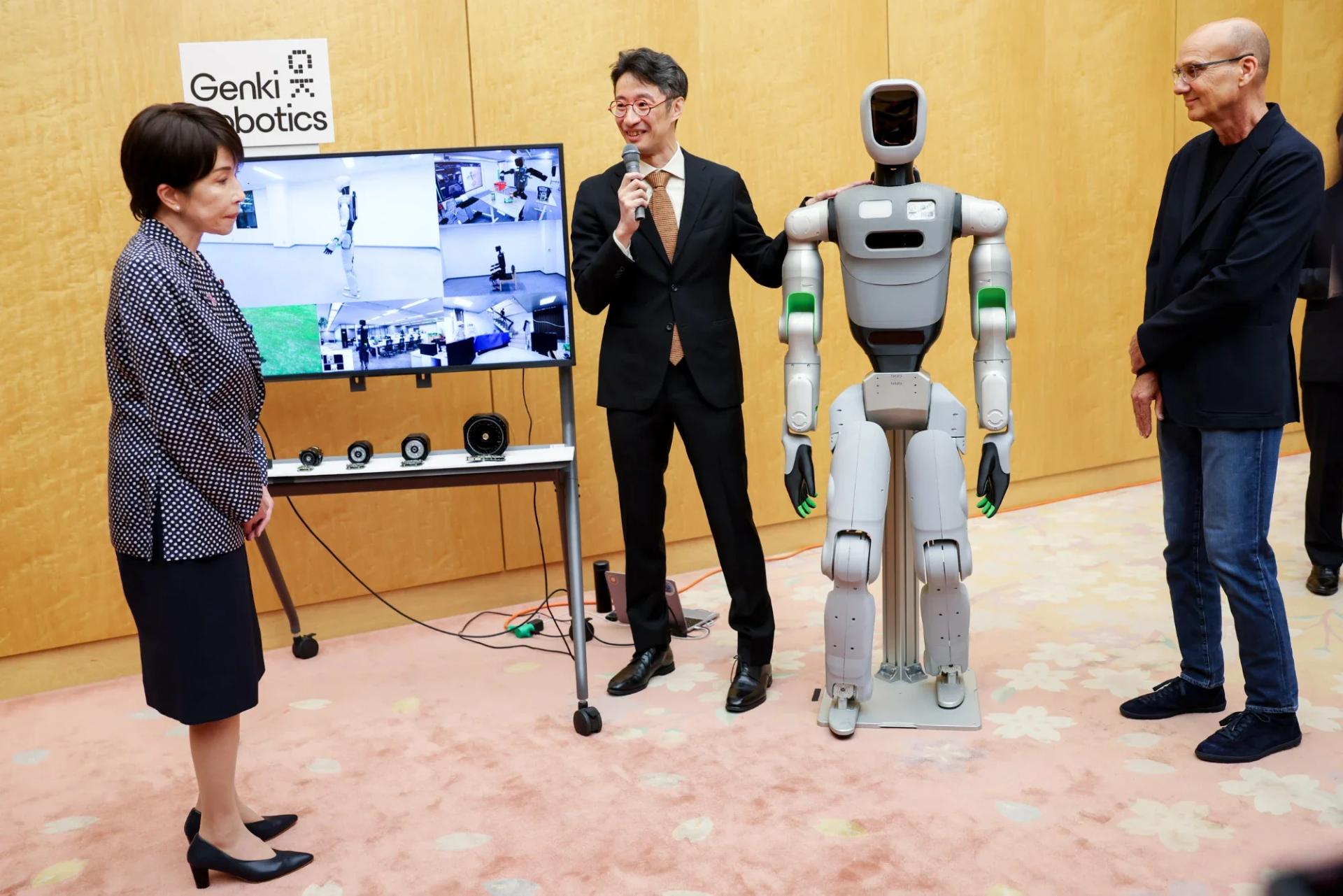
HD Hyundai Robotics' new dual-arm robot runs a foundation model it trained itself, and Palantir AI agents have cut its problem-resolution time by 63%. In Seoul the same week, Skild AI's Deepak Pathak courted Korean motor makers and described deployments at LG and Market Kurly.
Anthropic reports 64.9% on the RoboDojo simulated two-arm benchmark, against 29.8% for Astra in its own runs. On RoboDojo's leaderboard, only one agent system scores higher.
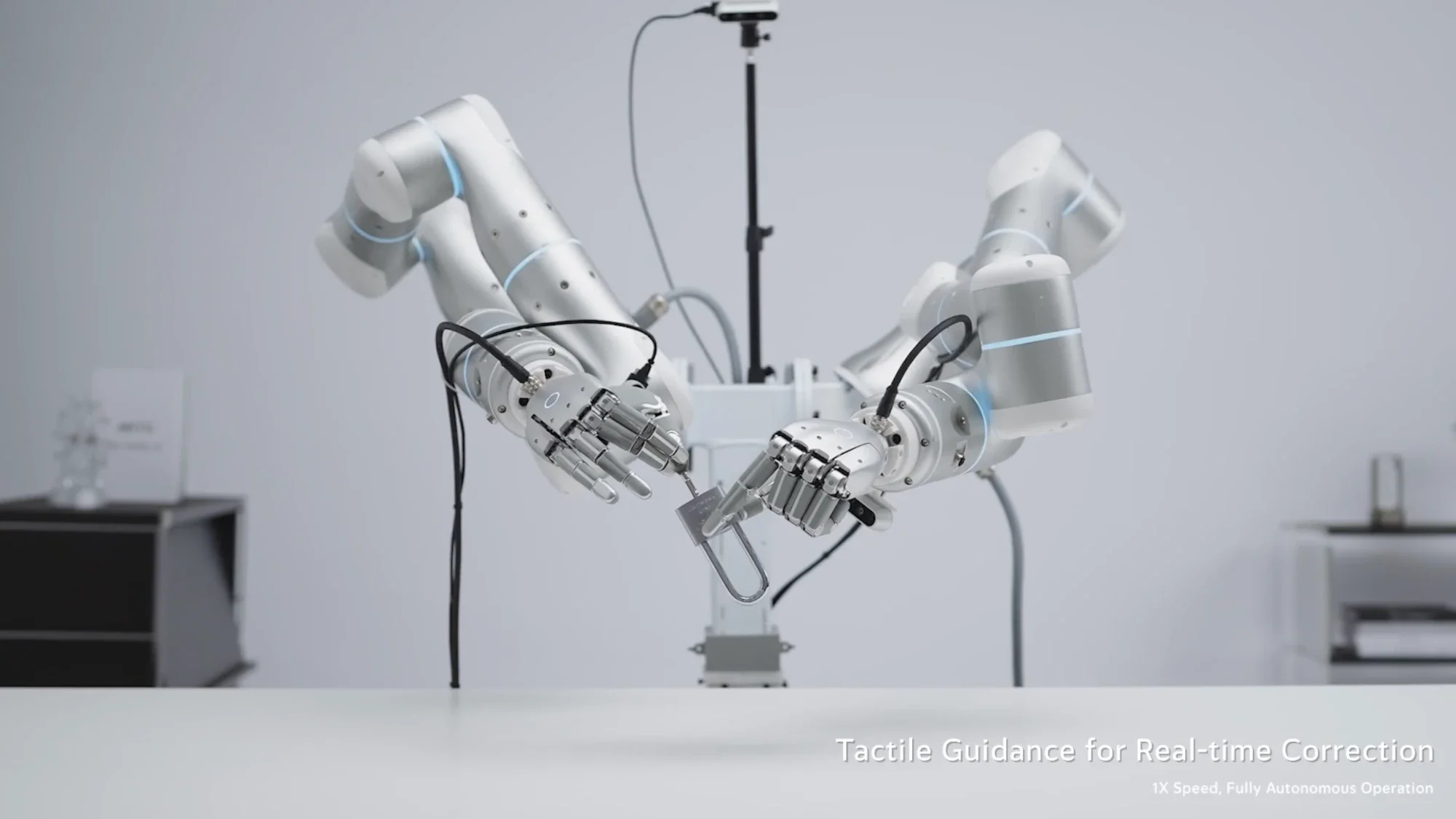
Ant Group's Robbyant has released LingBot-Touch under Apache 2.0. Across 26 real-robot tasks, its tactile tokens lifted four policies by 14 to 25 points, including on a hand whose sensor it never saw.
The Paris physical AI conference grows to two days and 3,500 expected attendees on 7–8 July 2027, closing with an invitation-only gala at Versailles.
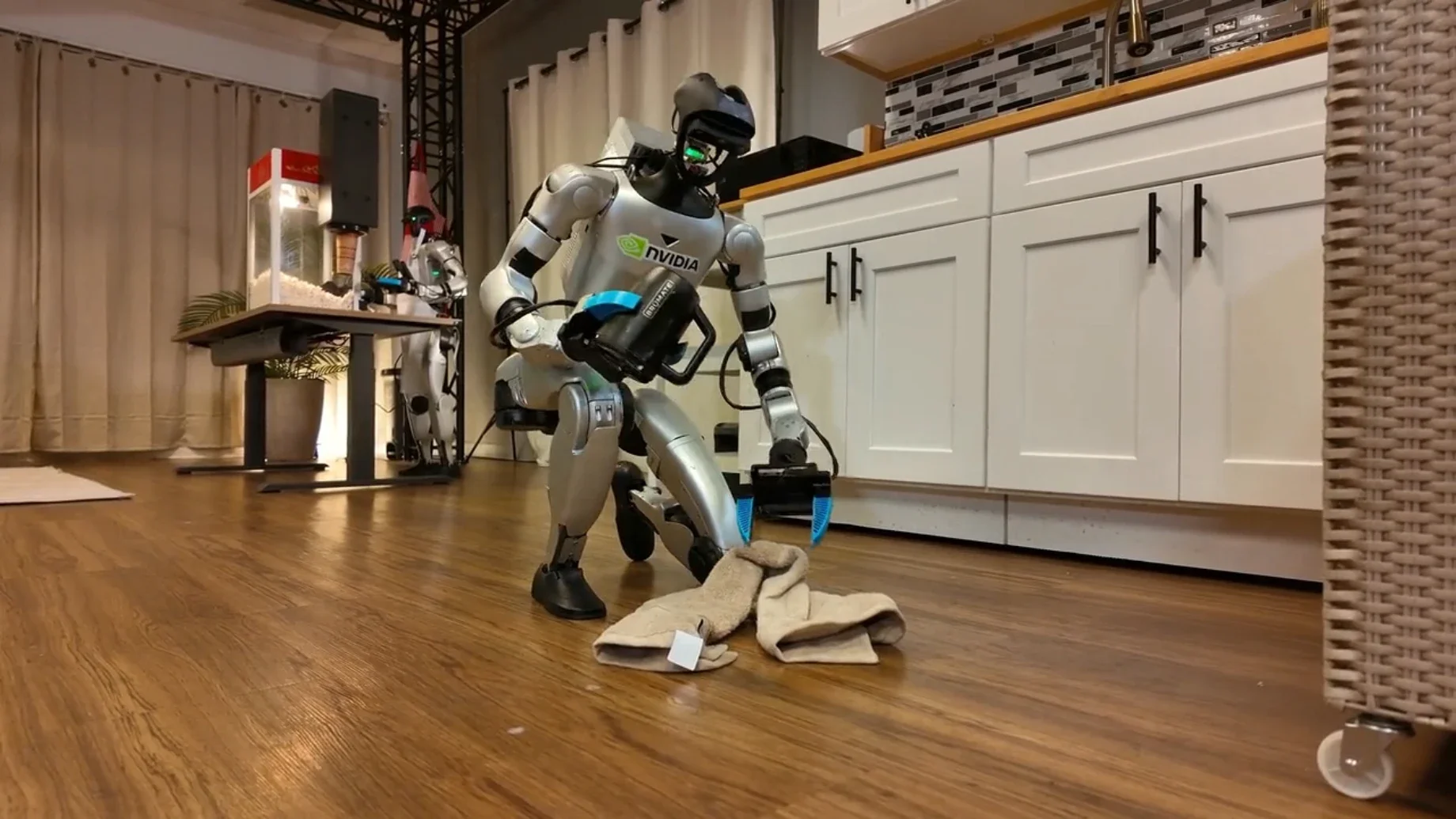
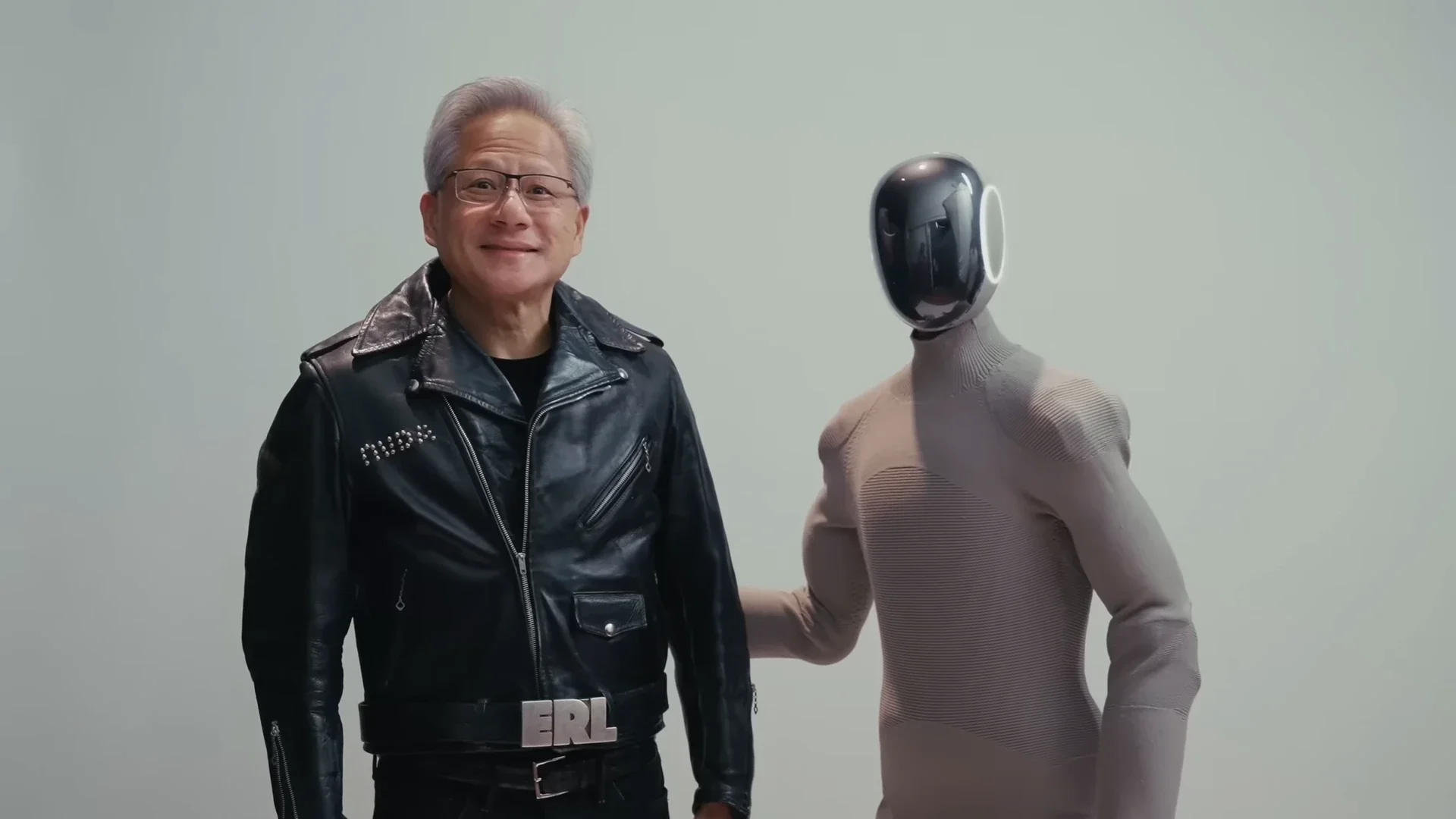
Jim Fan presented the 2B-parameter model at CoRL. NVIDIA reports 95% success from five demonstrations per task; weights open in December, with data, SimFoundry and hardware designs out now.
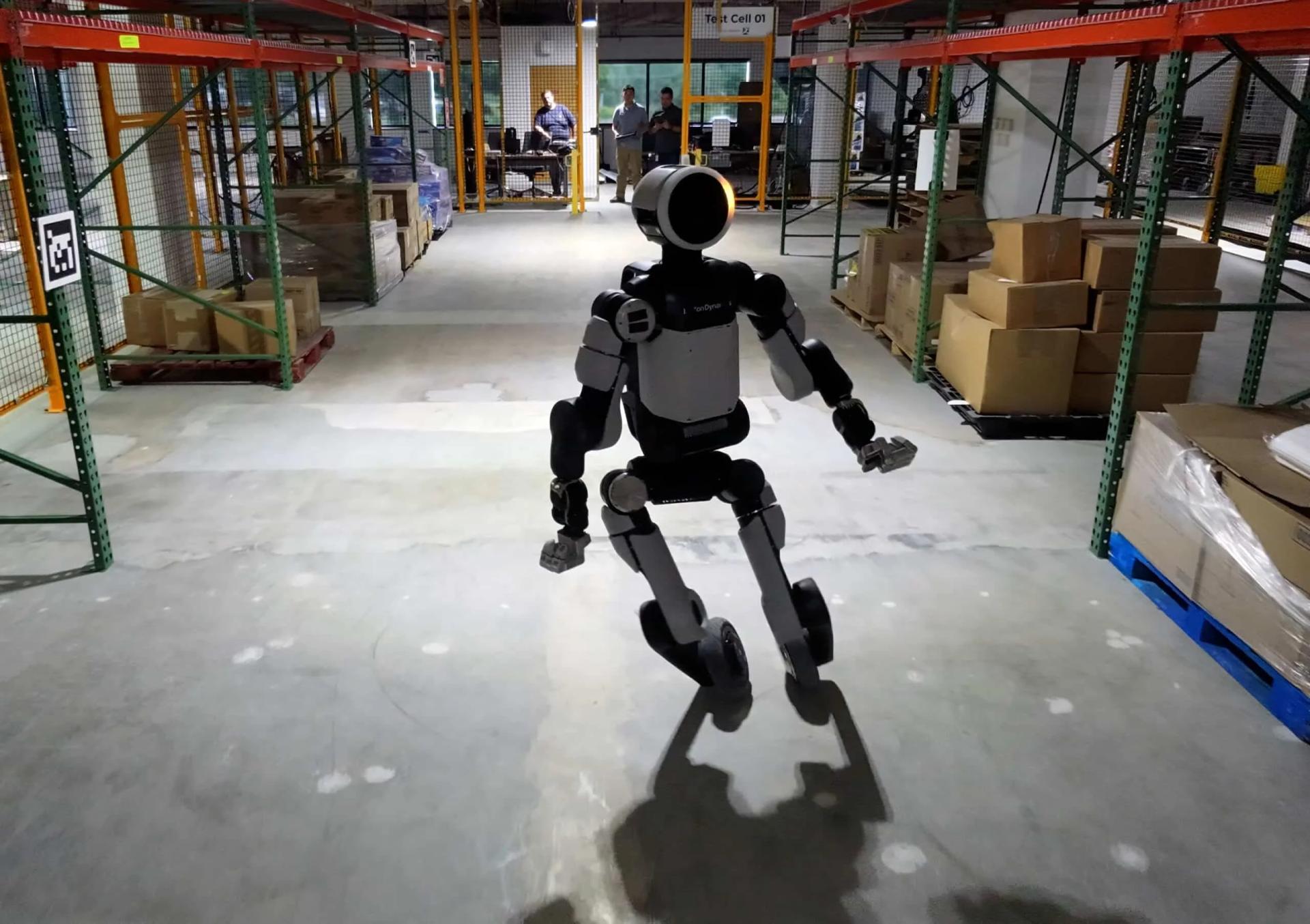
Boston Dynamics swapped Atlas's feet for scooter wheels on the ankle actuators and retrained its whole-body RL controller to roll, drift and spin-jump. It is a motor stress test, not a product.
PrimeBOT says its 10,000th Q1 and T1 personal robot rolled off the line on November 8, with daily capacity at 240 units. It has not disclosed sales or deliveries.
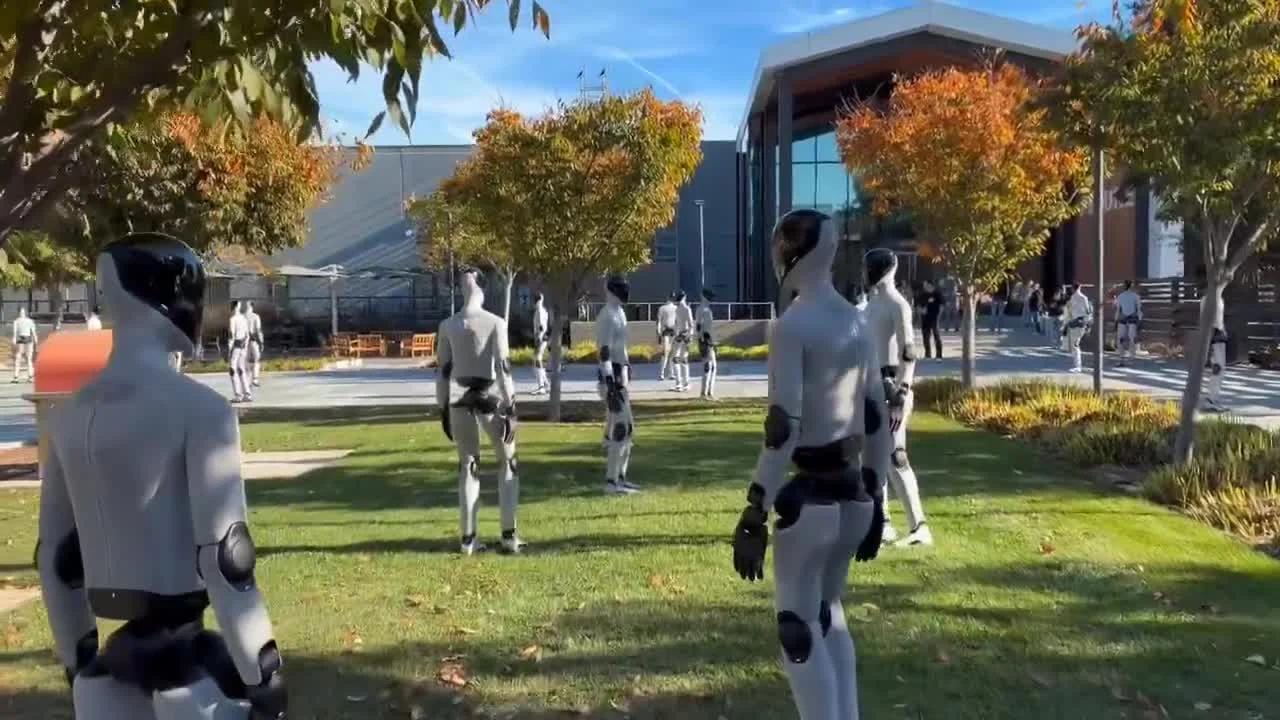
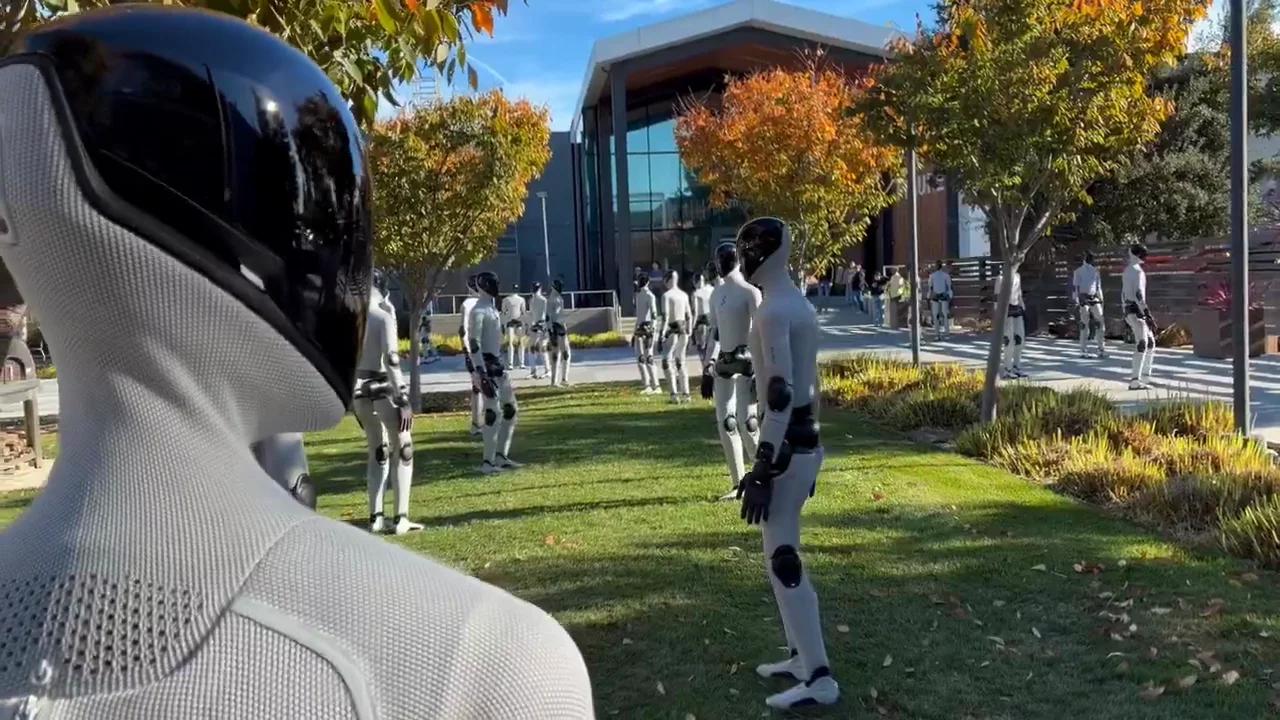
Two new videos from Brett Adcock show dozens of Figure 03 humanoids roaming Figure’s headquarters, inside and out. The company is close to having more robots than employees, but has said little about how many are doing paid work.
The reported 1.3 kWh pack adds detail to Atlas’s power system as humanoid makers pursue battery swapping, fast charging and new chemistries.
Josef Chen's visit to Unitree's Hangzhou factory, and the company's own filings, show a robot maker running on manual assembly with about $50 of machinery per robot. He argues US wages and trade barriers make factory automation far more valuable to American robot makers.
The EPFL spin-off's two-armed robot starts each job under remote control and, the company says, takes the task over within a month. It reports a 95% average success rate in paid pilots.