- Published on
Faraday Future Pivots to Robotics with White-Labeled AgiBot Fleet
One tap, and our reporting appears more often in your Google Top Stories. It makes a real difference to a small newsroom.

Supported by RoboStrategySupport for Humanoids Daily comes from RoboStrategy
Sponsored

Investing involves risk, including possible loss of principal. Read the prospectus before investing.
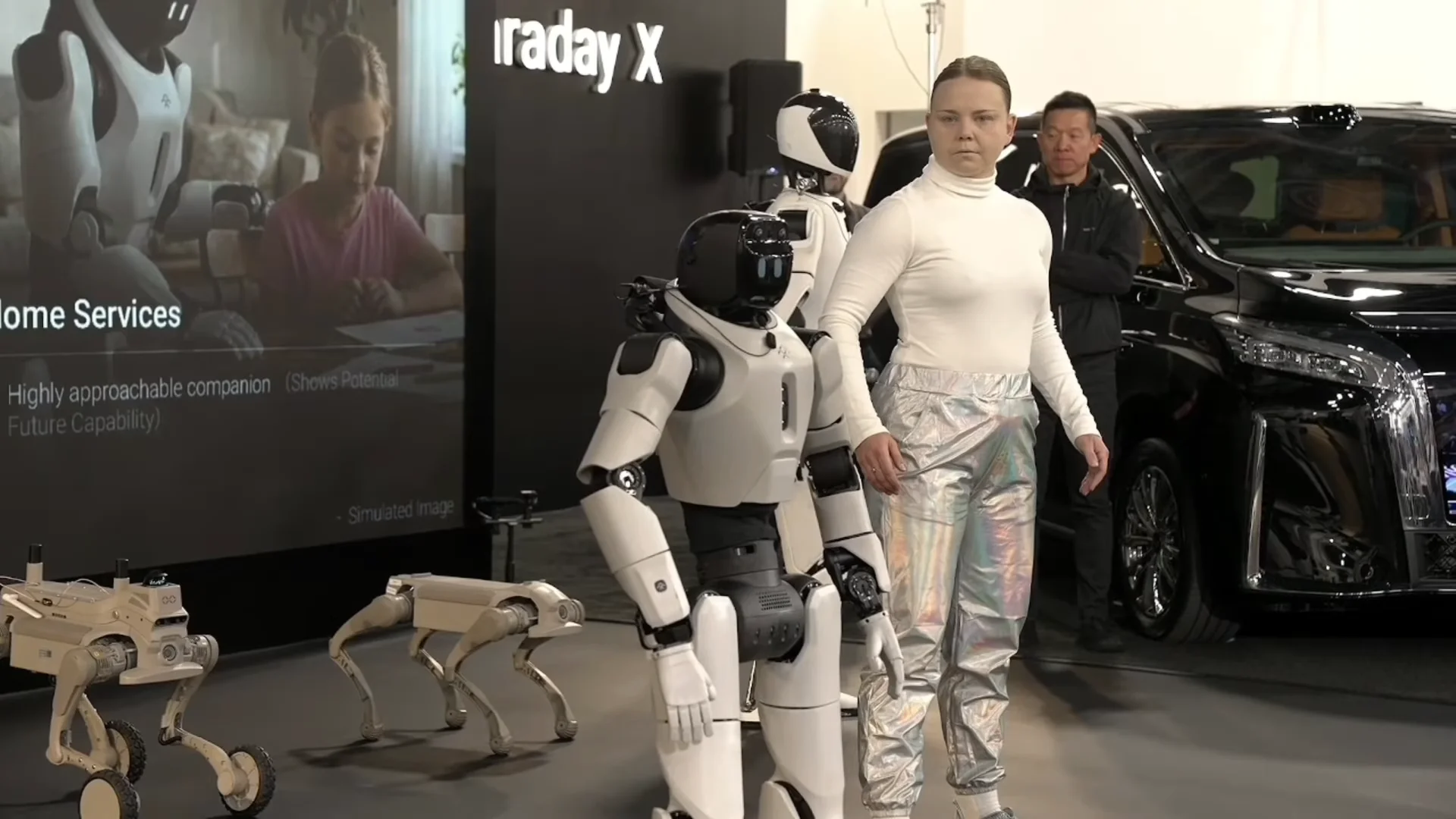
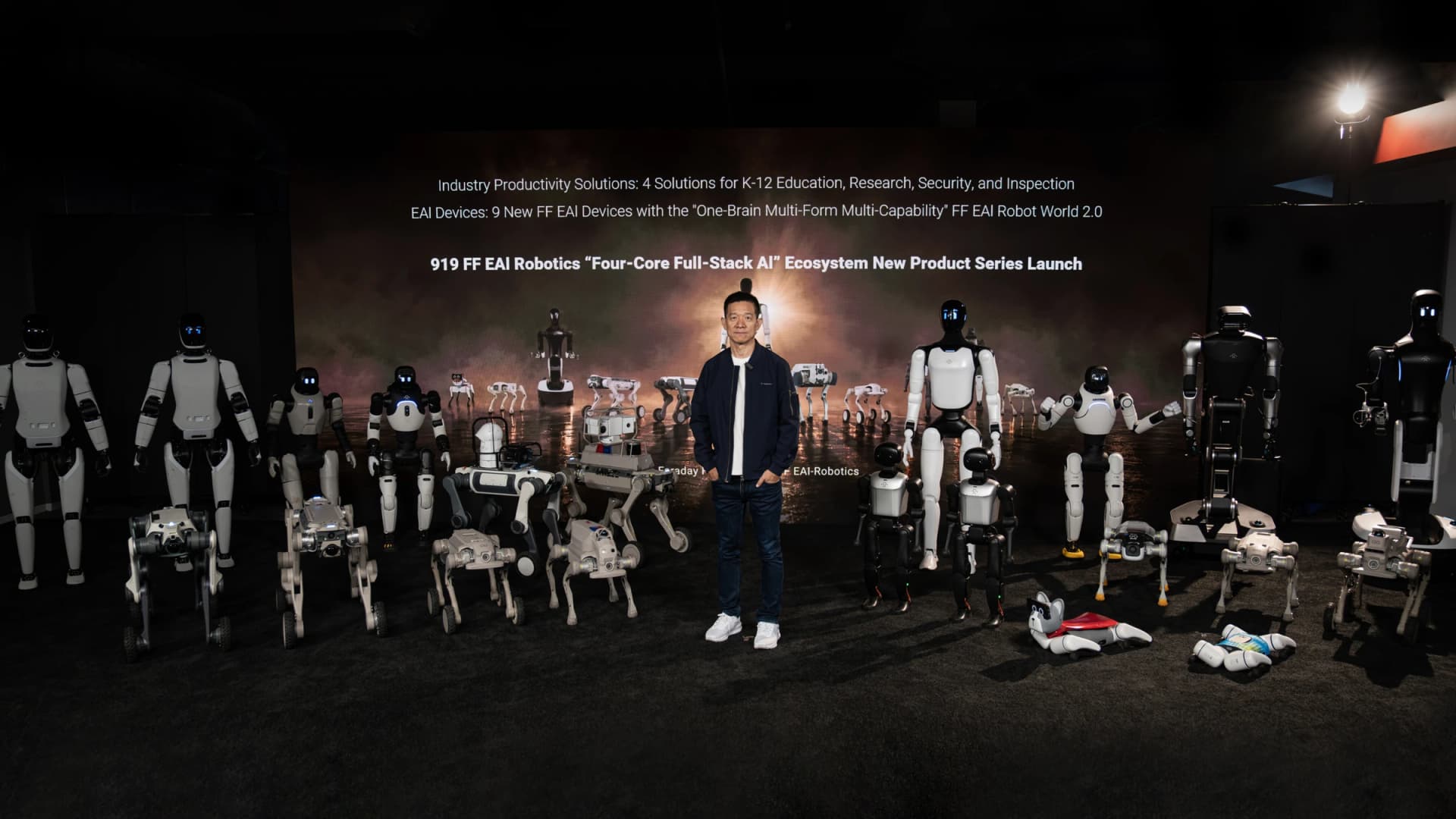
Faraday Future (FF), the embattled California-based EV maker, officially launched its robotics division, FF EAI-Robotics, at the National Automobile Dealers Association (NADA) Show in Las Vegas yesterday. The company unveiled three products—the FF Futurist, FF Master, and FX Aegis—claiming it aims to be the "first U.S. company to deliver both humanoid and bionic robots."
However, the hour-long presentation, which featured a somewhat awkward dance-off between a humanoid and a human performer, has drawn immediate skepticism from industry analysts. Despite FF’s branding, the hardware appears to be white-labeled versions of the A2 and X2 models developed by Shanghai-based AgiBot. Following the announcement and social media reports regarding the robots' origins, FF’s stock ($FFAI) plummeted.
The Hardware: A Familiar Silhouette
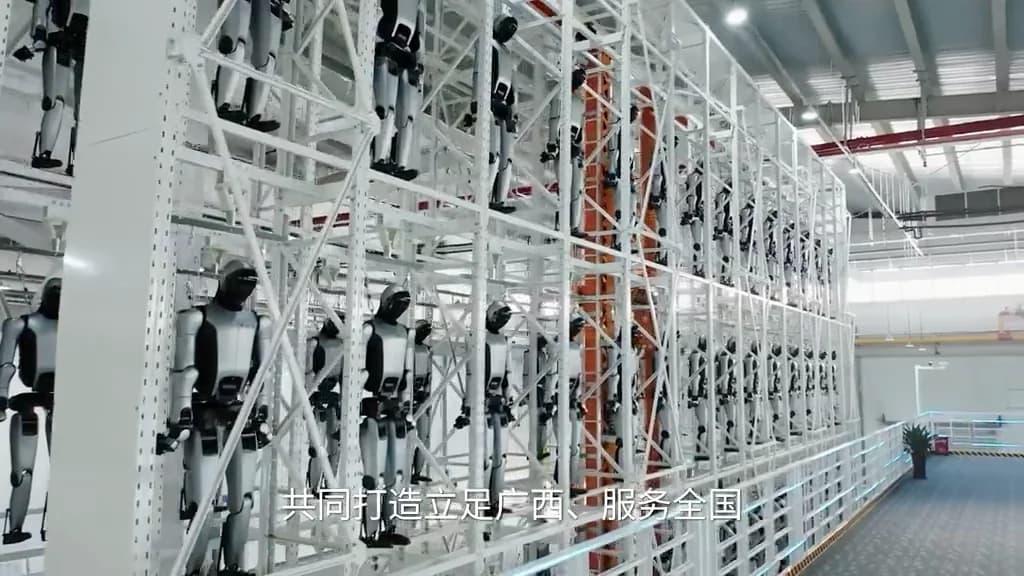
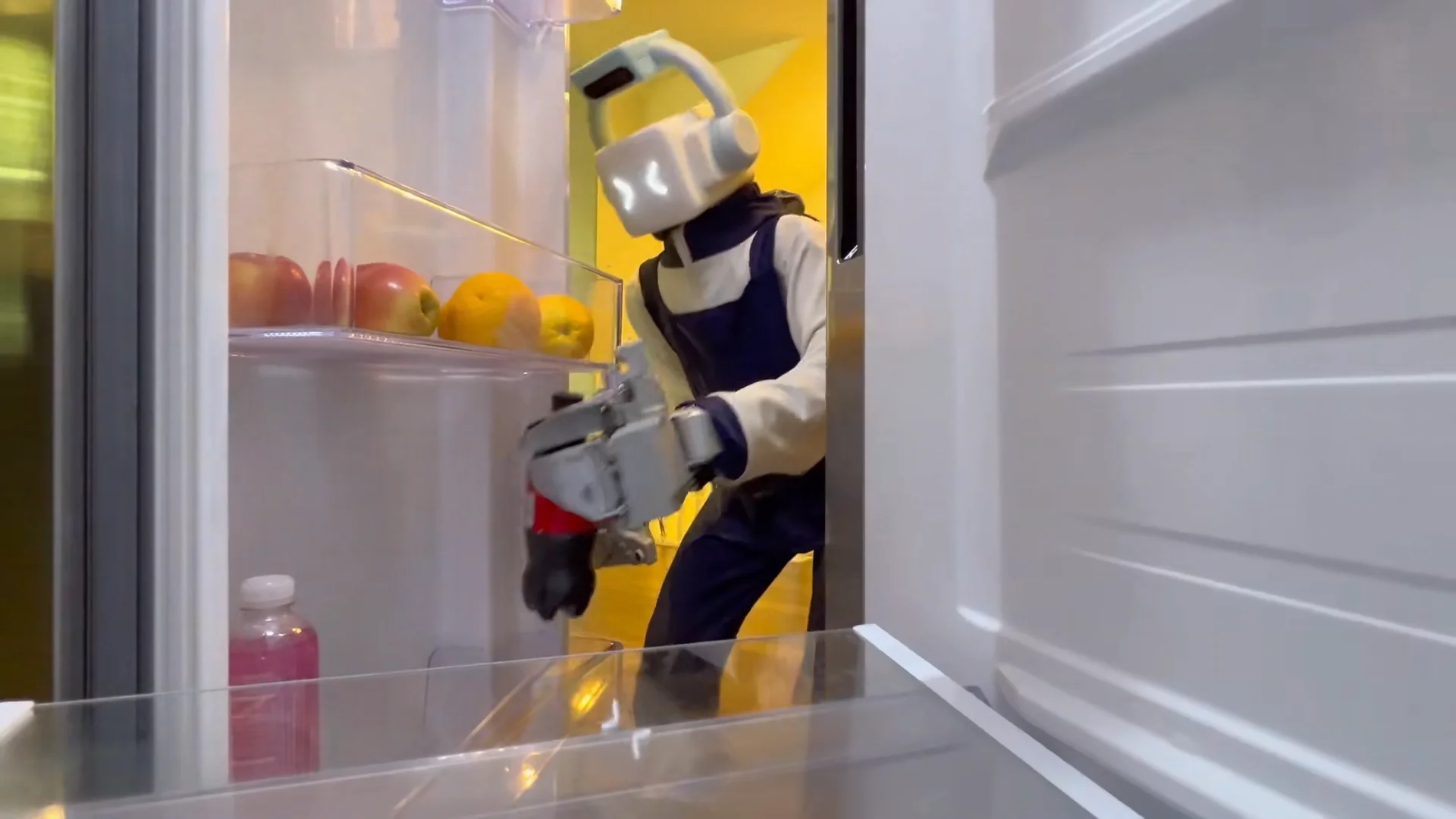
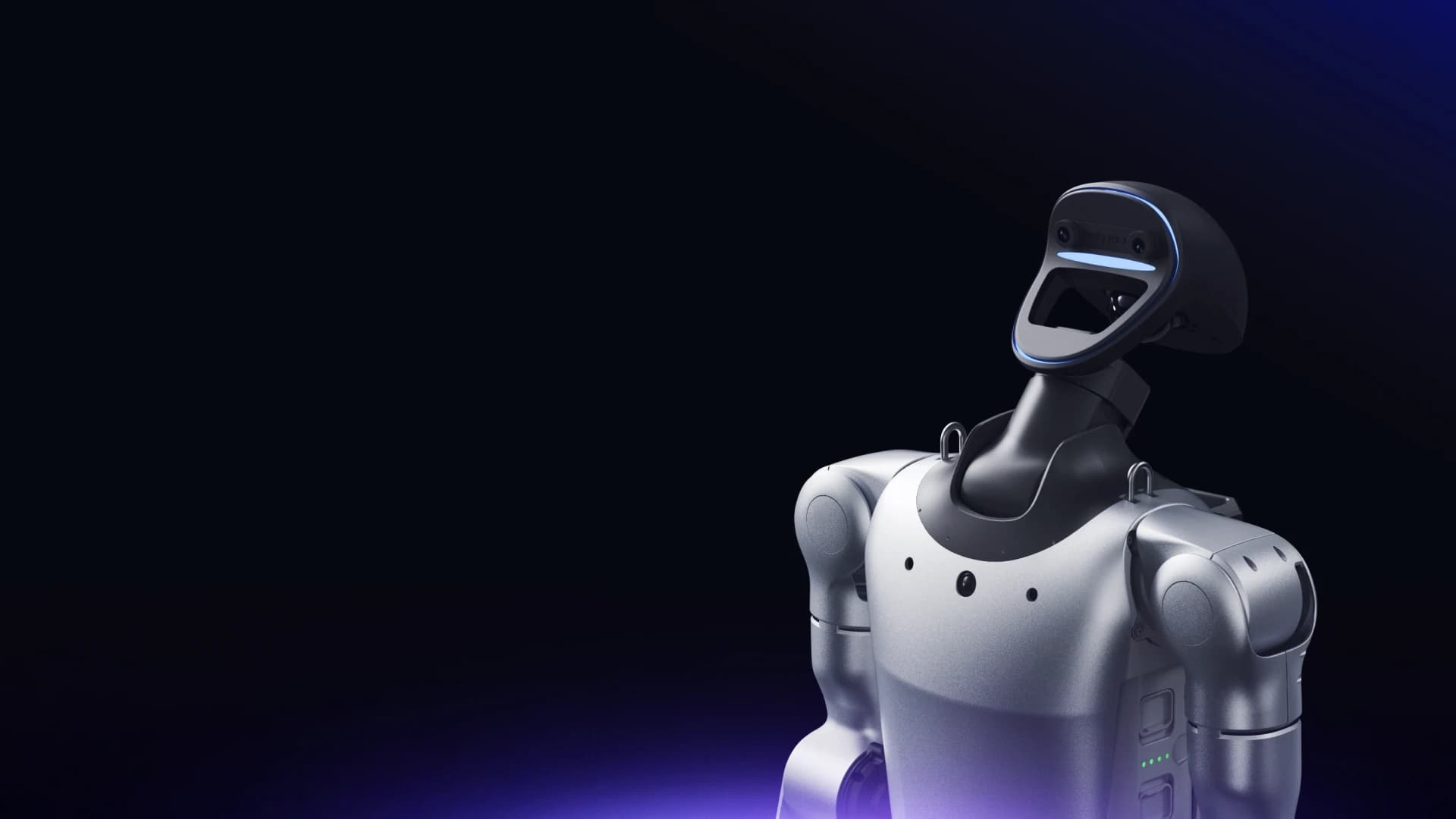
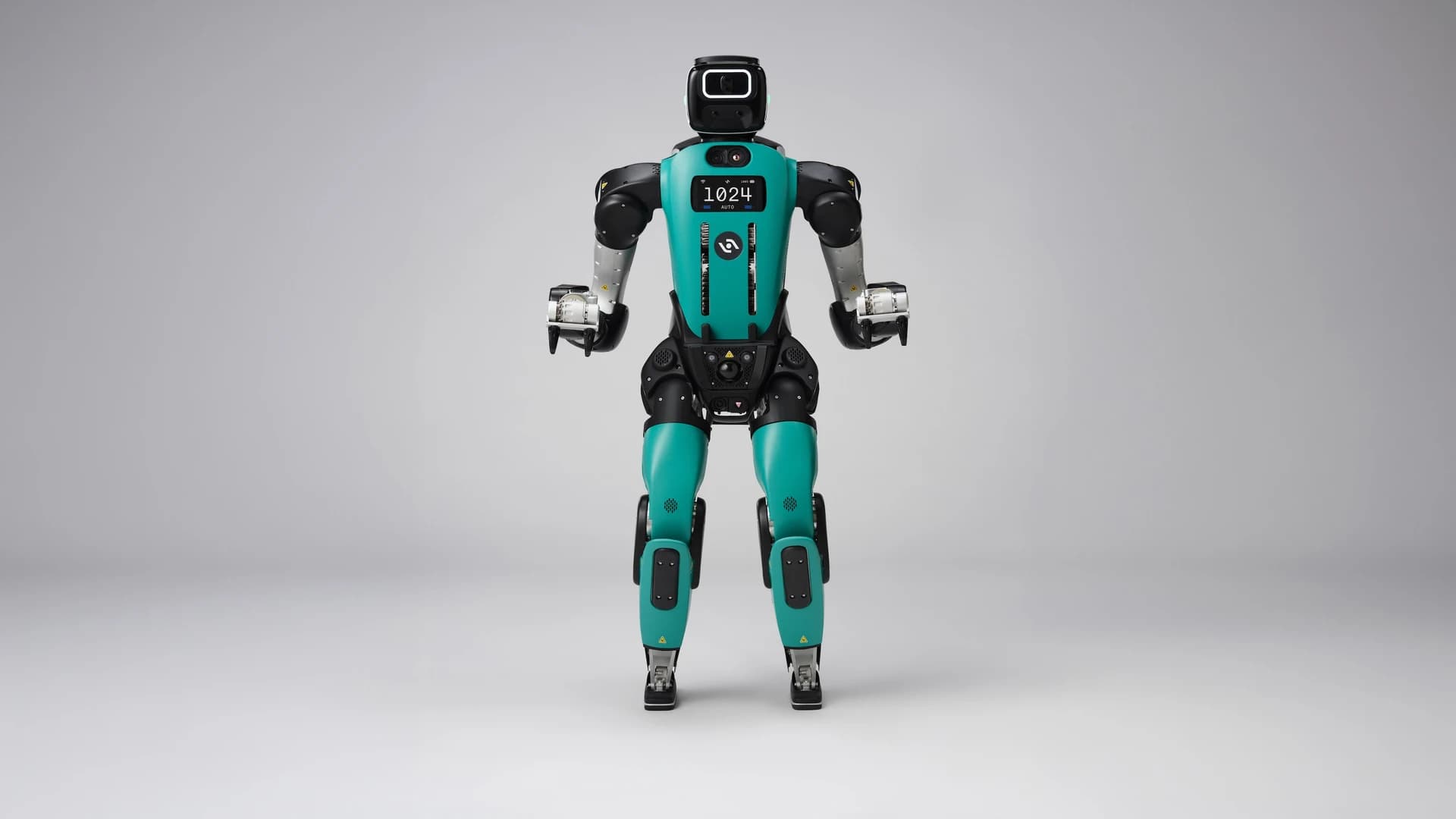
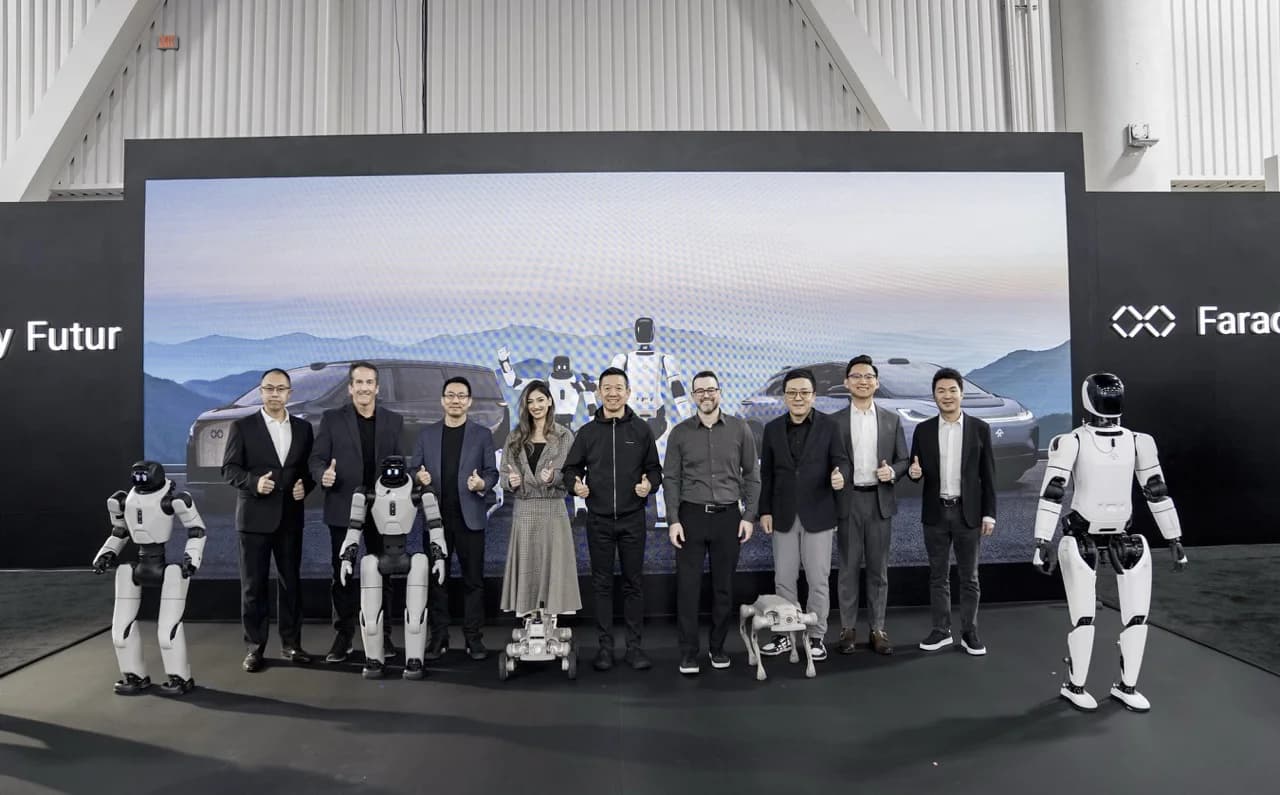
During the presentation, FF showcased the FF Futurist, a full-size professional humanoid, and the FF Master, an "athletic action" humanoid. Observers were quick to note that these machines are visually very similar to the AgiBot A2 and X2.
The specs provided by FF further support this connection. The FF Futurist features 28 high-performance motors, a peak torque of 500 Nm, and a hot-swappable battery design—the same architecture AgiBot used during its record-breaking 106km autonomous trek between Suzhou and Shanghai.
The weekly humanoid robotics briefing
One email a week: the launches, funding and research that mattered, with context from Humanoids Daily.
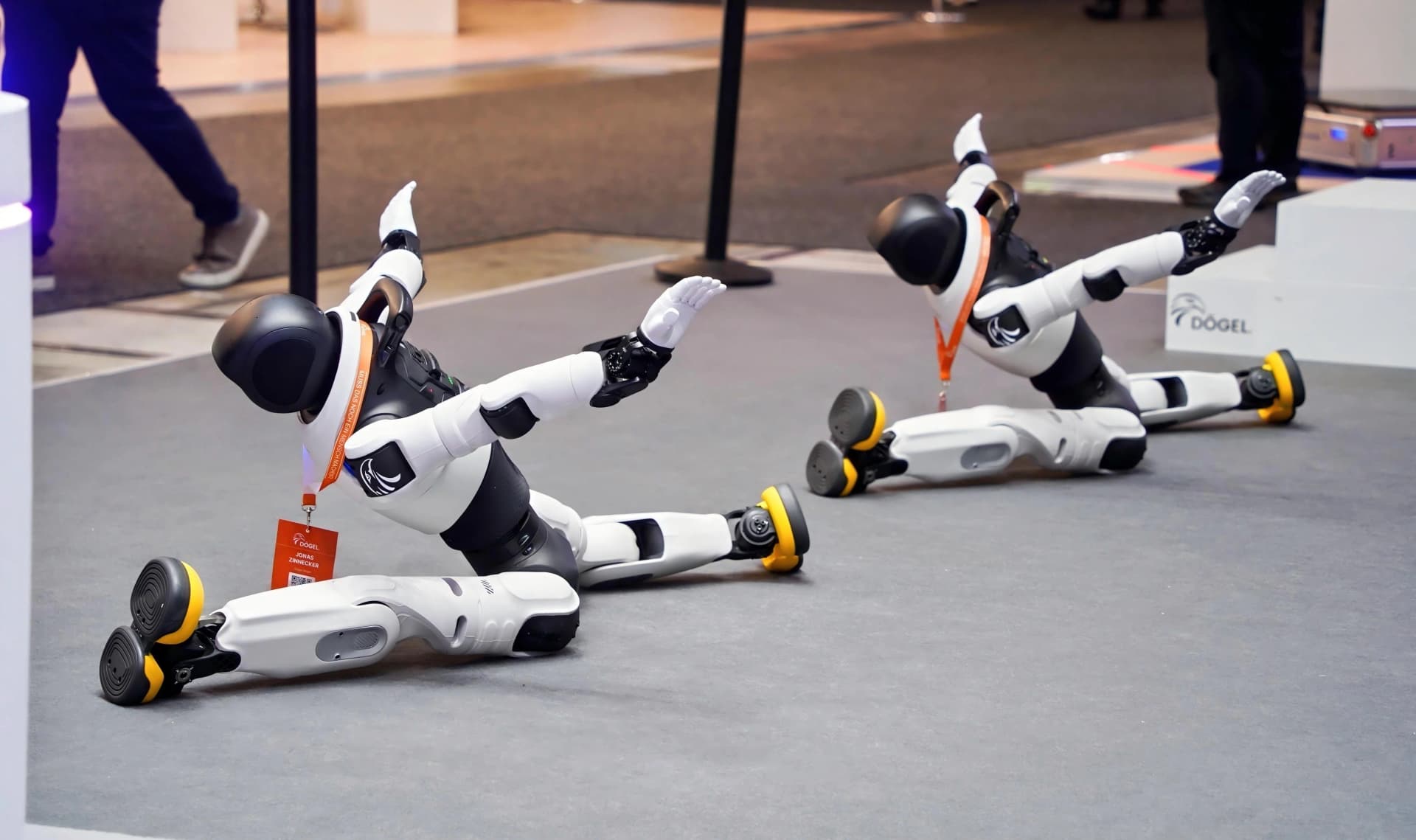
Read recent issuesThe FF Master, which participated in the Las Vegas dance demonstration, matches the profile of the agile Lingxi X2.

The "Bridge" Strategy
While FF did not explicitly name AgiBot during the keynote, its press release alludes to a "Bridge model" designed to "integrate a global EAI supply chain." The company’s forward-looking statements also acknowledge a "reliance on a single OEM for robotics products" and potential "tariff uncertainty for products imported... particularly China."
FF is positioning itself as the software and ecosystem layer for this existing hardware. The company introduced its "FF Par" model, suggesting that automotive dealers could evolve into "intelligent terminal operators" selling both vehicles and robots. This aligns with AgiBot’s own mixed-fleet strategy, which targets diverse commercial sectors including retail, showrooms, and research.
Pricing and Market Positioning
FF’s pricing structure includes both a base hardware cost and an "Ecosystem Skill Package":
| Model | Base Price | Skill Package | Total Starting Price |
|---|---|---|---|
| FF Futurist | $34,990 | $5,000 | $39,990 |
| FF Master | $19,990 | $3,000 | $22,990 |
| FX Aegis | $2,499 | $1,000 | $3,499 |
FF claims it has already secured over 1,200 non-binding B2B deposits.
Analysis: Software Over Substance?
The decision to white-label hardware reflects the current "Great Numbers War" in the robotics sector. As Chinese firms like AgiBot and Unitree vye for shipment dominance to justify IPO valuations, Western companies are increasingly looking to skip the hardware R&D phase and focus on "embodied intelligence" software.
FF’s "FF Embodied Intelligence" promises to add value through natural interaction in 50 languages and specific "EAI Brain" upgrades. However, with AgiBot already deploying real-world reinforcement learning on its own production lines, it remains to be seen if FF’s proprietary software layer can offer a distinct advantage over the original manufacturer's native capabilities.
FF plans to begin the first batch of deliveries by the end of February 2026. Whether the market views this as a legitimate entry into the robotics race—or a desperate pivot by an EV maker—will likely depend on the actual performance of the "FF Brain" in real-world scenarios.
Share this article
Read next
- Published on
- Reading time
- 5 min read
Faraday Future Expands Robot Lineup With $9,990 Master Mini
- Published on
- Reading time
- 3 min read
AGIBOT Says A3 Ultra Is Going to Work in Hotels, Shops and Metro Inspection
- Published on
- Reading time
- 7 min read
AGIBOT Open-Sources GE-Act 2.0, Challenging Unitree in the Open Embodied AI Race
- Published on
- Reading time
- 5 min read
AGIBOT Deepens European Push at IFA 2026 with TÜV Rheinland Certification and Tekpoint Retail Alliance
- Published on
- Reading time
- 5 min read
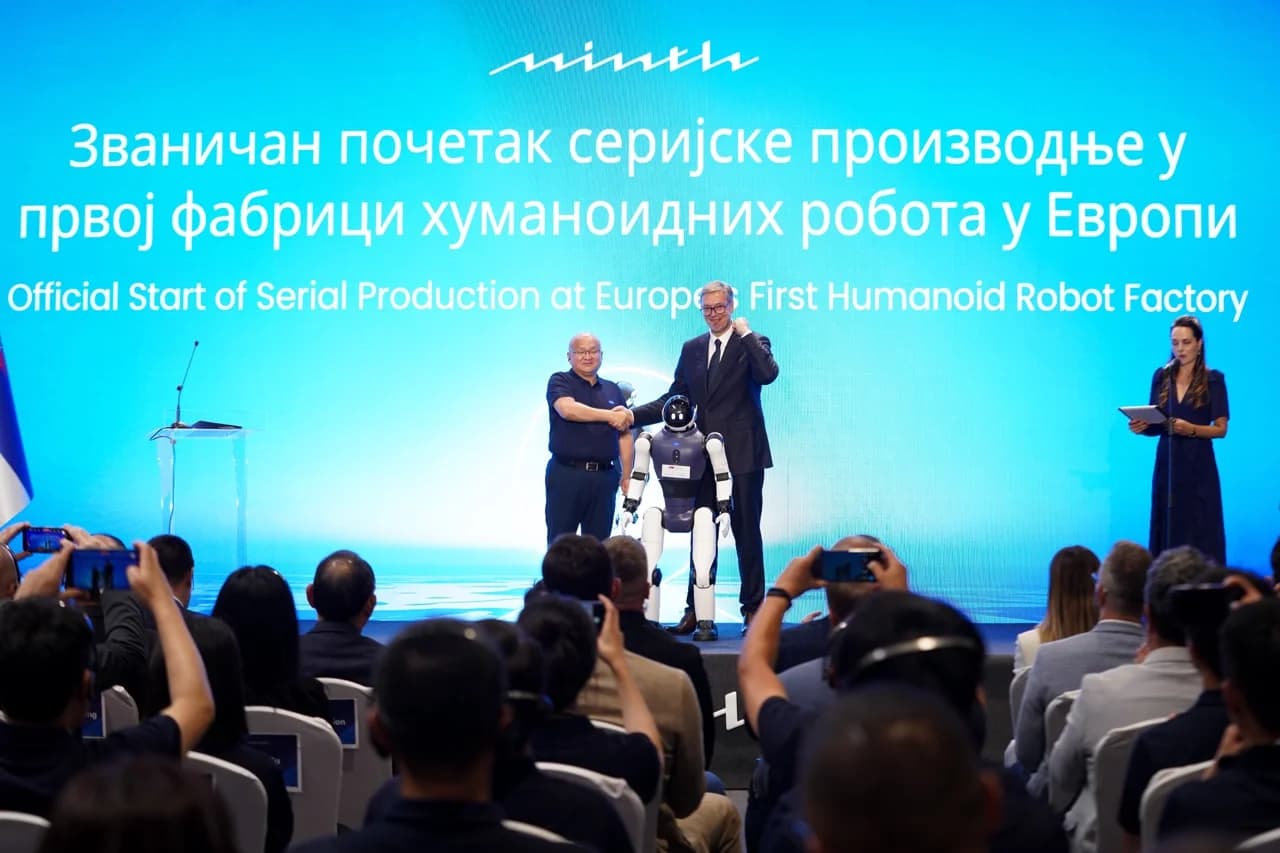
Minth Group and AGIBOT Launch Europe’s First Humanoid Mass Production Line in Serbia
- Published on
- Reading time
- 4 min read
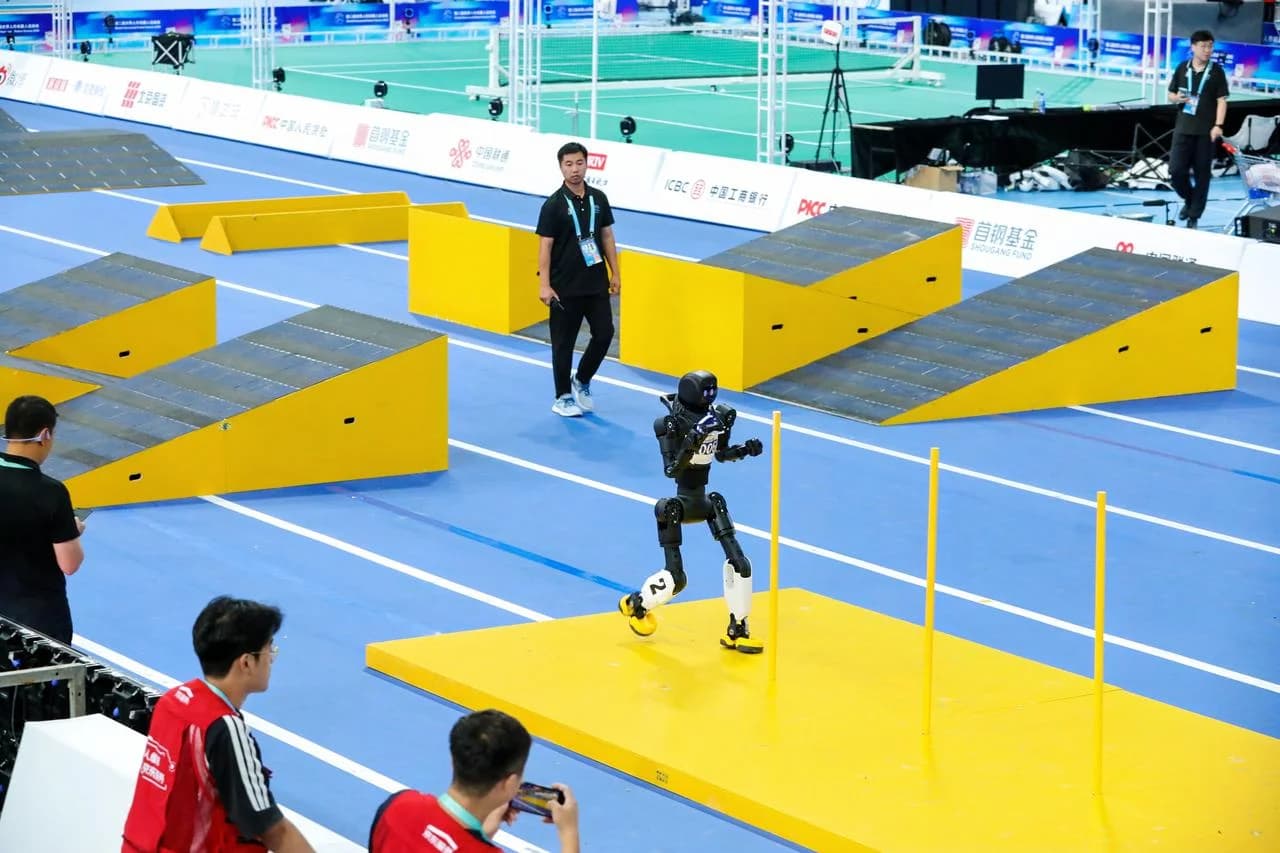
AGIBOT Tops Medal Table at 2nd World Humanoid Robot Games as Beijing Showdown Concludes


The weekly humanoid robotics briefing
One email a week: the launches, funding and research that mattered, with context from Humanoids Daily.
Read recent issues