- Published on
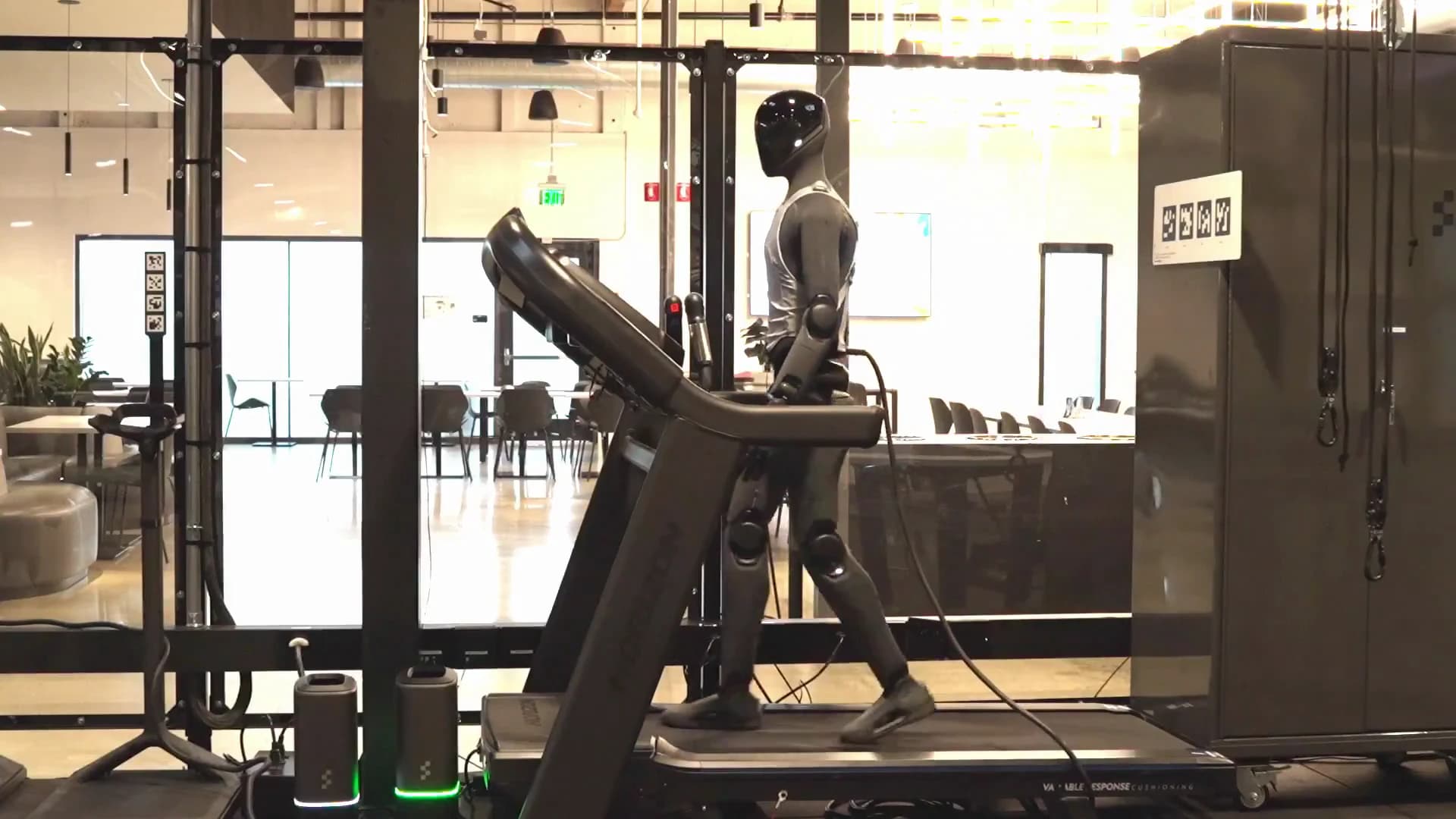
Agility Robotics Partners with Mercado Libre, Eyeing Latin American Expansion
One tap, and our reporting appears more often in your Google Top Stories. It makes a real difference to a small newsroom.


Your guide
Rich Robinson
Jee Chee Ren · Executive tour
See China’s AI and robotics ecosystem first-hand.
Six days exploring AI, robotics and advanced manufacturing.
With Rich Robinson, Clinical Professor of Entrepreneurship at Peking University
Beijing · Guangzhou · Shenzhen
29 November–4 December 2026
Referral partnership · We earn a commission on referred bookings.
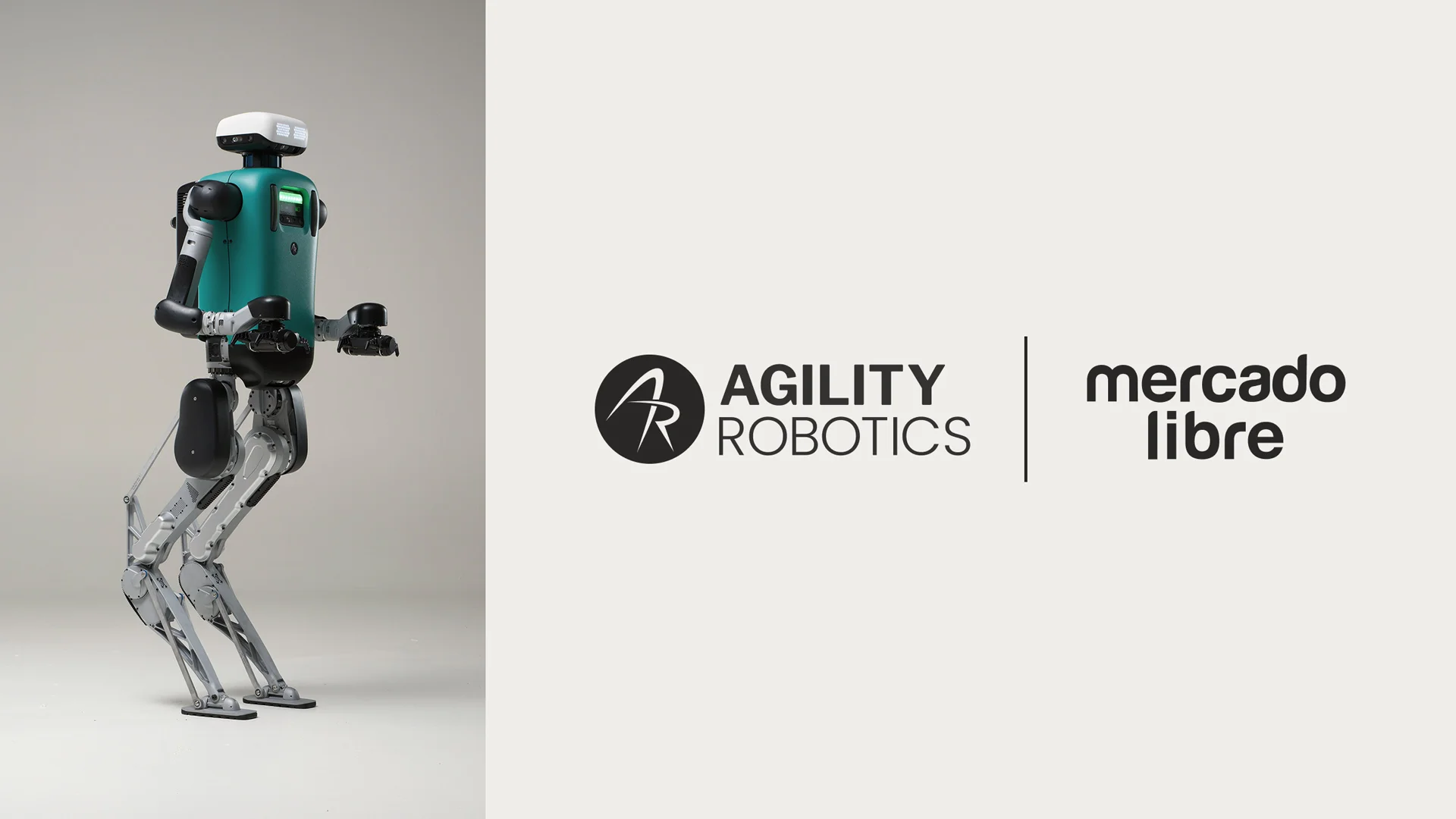
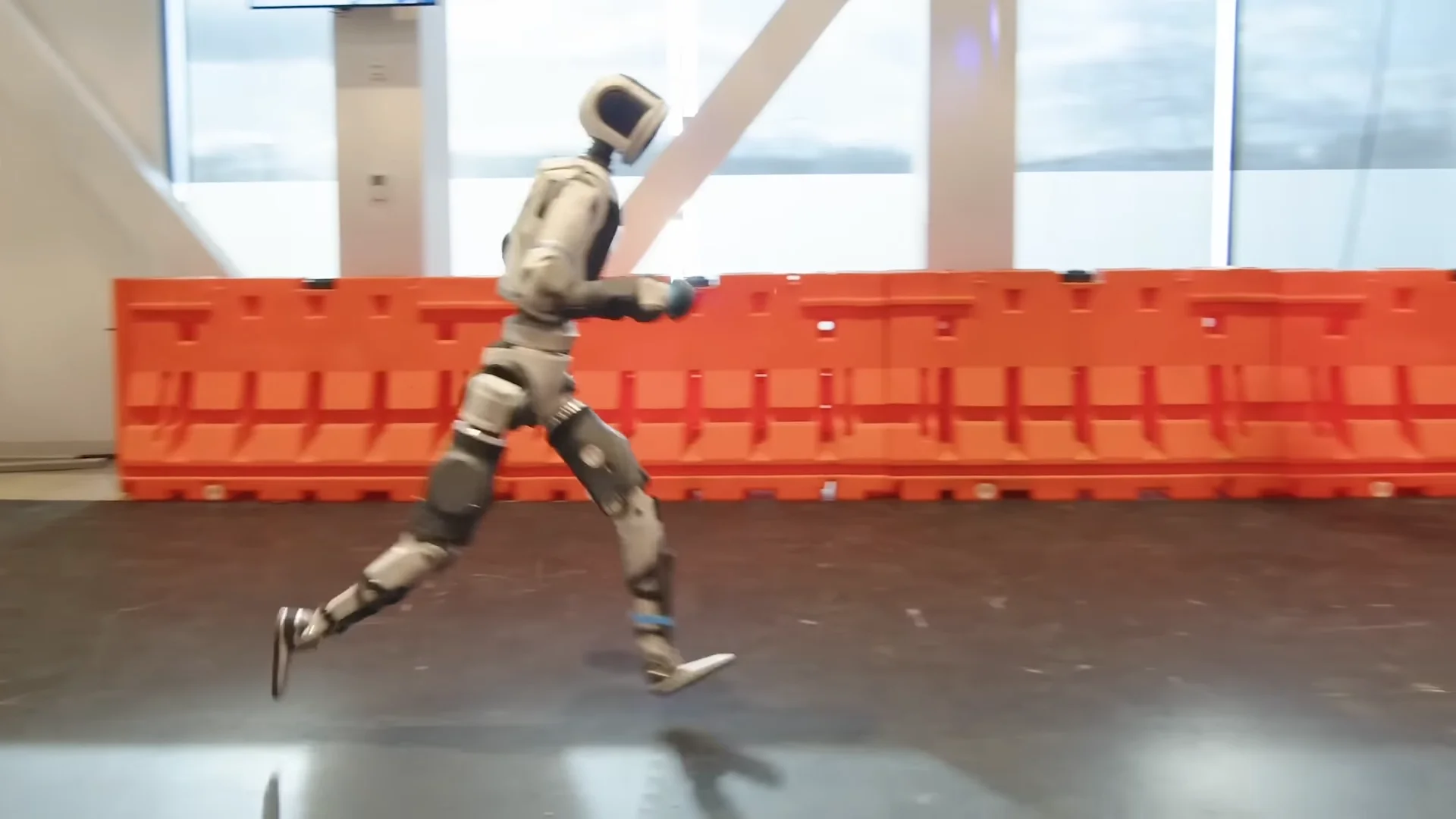
Agility Robotics has secured another major commercial partner in its push to normalize humanoid workers in logistics. Mercado Libre, the e-commerce and fintech giant often referred to as the "Amazon of Latin America," announced today that it will begin deploying Agility’s Digit robots into its fulfillment operations.
The partnership will launch at a Mercado Libre facility in San Antonio, Texas, with plans to evaluate the technology for potential expansion into the company’s vast warehouse network across Latin America.
For Agility, the deal represents a significant validation of its "reliability-first" strategy. While many competitors continue to chase viral moments and impressive teleoperated demos, Agility is steadily stacking commercial contracts with logistics heavyweights, adding Mercado Libre to a roster that already includes Amazon and GXO Logistics.
From Texas to the Hemisphere
According to the announcement, the initial deployment will focus on "tasks that support commerce fulfillment." While specific workflows were not detailed, this likely involves the kind of repetitive material handling—such as moving totes from autonomous mobile robots (AMRs) to conveyors—that Digit has been refining with other partners.
The weekly humanoid robotics briefing
One email a week: the launches, funding and research that mattered, with context from Humanoids Daily.
Read recent issuesThe choice of a Texas facility for the pilot offers a controlled regulatory environment for the initial rollout. However, the long-term implication of the deal is the potential entry into the Latin American market, a region where Mercado Libre dominates the logistics landscape.
"We are constantly exploring how emerging technologies can elevate our operations," said Agustin Costa, Senior VP of Shipping at Mercado Libre, in a press statement. Costa noted that the company aims to test how humanoids can "complement our team's capabilities and drive the next evolution of commerce in Latin America."
Momentum Through Certification
The timing of this agreement suggests that Agility’s recent focus on regulatory compliance and safety certifications is paying dividends in the sales cycle.
Just last month, Agility Robotics secured an OSHA-recognized safety approval, a critical "license to operate" that differentiates it from startups that are still in the prototype phase. For publicly traded multinationals like Mercado Libre (NASDAQ: MELI), utilizing certified, insurable hardware is often a prerequisite for deployment alongside human workers.
This focus on safety and standardized compliance appears to be the wedge Agility is using to separate itself from the crowded field of humanoid competitors. While the industry is rife with predictions of bankruptcy and heated social media feuds, Agility has responded by publishing audit certificates and signing contracts.
The "Boring" Metric of Success
The Mercado Libre deal also reinforces Agility's narrative that "boring" consistency is more valuable than acrobatic capability. The announcement explicitly referenced Agility's recent milestone, noting that its fleet has moved over 100,000 totes in live commercial operations.
Agility Robotics emphasized this operational maturity in its statement, asserting that Digit is "the first humanoid robot commercially deployed to do real work in industrial settings today, not someday in the future."
Daniel Diez, Agility’s Chief Business Officer, highlighted the strategic fit, calling Mercado Libre a "true innovator" in commerce and fintech. "We are excited to partner with them to integrate our autonomous humanoid robots capable of performing meaningful work and delivering real value into their facilities," Diez said.
The partnership aims to address the standard friction points in modern logistics: labor gaps, high turnover in repetitive roles, and ergonomic safety. By automating the physically taxing task of lifting and moving totes, Mercado Libre hopes to shift human employees toward "value-added work."
Looking Ahead
As the humanoid sector moves toward 2026, the gap is widening between companies with robots in labs and those with robots in warehouses.
Agility’s co-founder Jonathan Hurst has previously outlined a 25-year vision for human-robot coexistence, prioritizing a slow-but-steady entry into industrial spaces before even considering the home. The Mercado Libre agreement fits squarely into this timeline, utilizing controlled industrial environments to build the reliability data necessary for broader adoption.
Whether Digit will eventually become a staple in Mercado Libre's Latin American hubs remains to be seen, but the pilot in Texas signals that major logistics operators are ready to move past the "demo" phase and start putting these machines to work.
Share this article
Read next
- Published on
- Reading time
- 3 min read
Agility Robotics Lands Toyota as Commercial Partner, Aiming at Automotive Production
- Published on
- Reading time
- 3 min read
Texas Instruments Deploys UBTECH Humanoids in Strategic Semiconductor Push
- Published on
- Reading time
- 4 min read
1X Partners with EQT to Deploy Up to 10,000 Humanoid Robots Across Global Industry
- Published on
- Reading time
- 5 min read
Boston Dynamics Teases "Automotive Volumes" of Atlas in January Update
- Published on
- Reading time
- 4 min read
White House Eyes "Robotics Executive Order" as Trump Administration Pivots to Hardware
- Published on
- Reading time
- 6 min read
New Survey Reveals What Americans Actually Want From Home Robots (And What They Fear)



The weekly humanoid robotics briefing
One email a week: the launches, funding and research that mattered, with context from Humanoids Daily.
Read recent issues