- Published on
Tokyo Robotics Steps Into the Bipedal Arena with RL-Driven Humanoid
One tap, and our reporting appears more often in your Google Top Stories. It makes a real difference to a small newsroom.

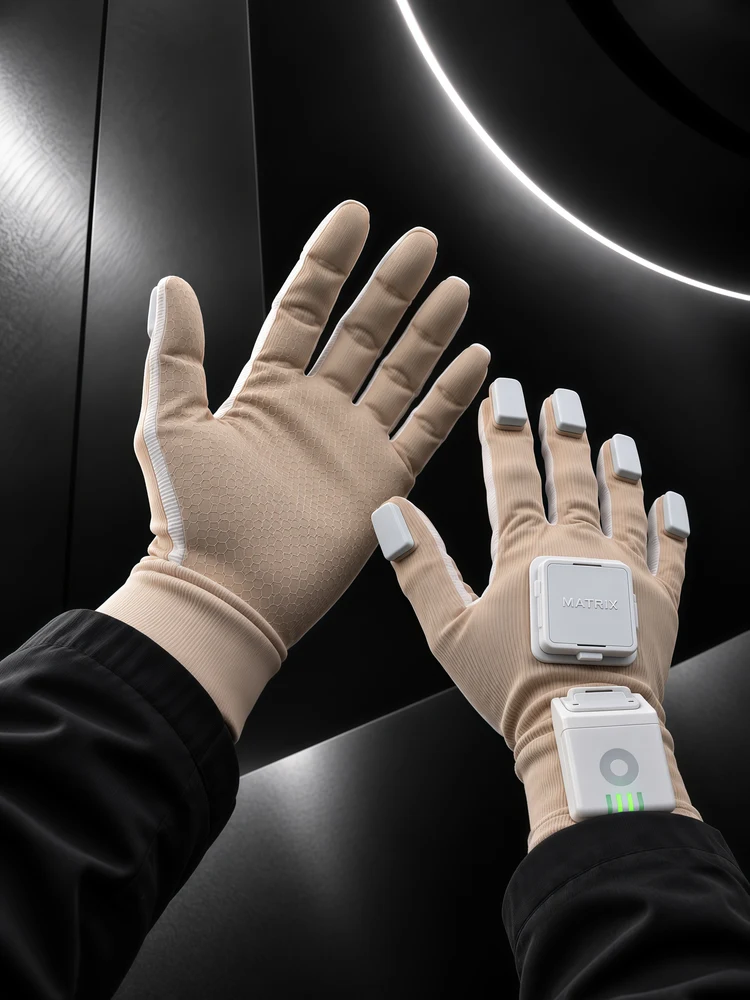
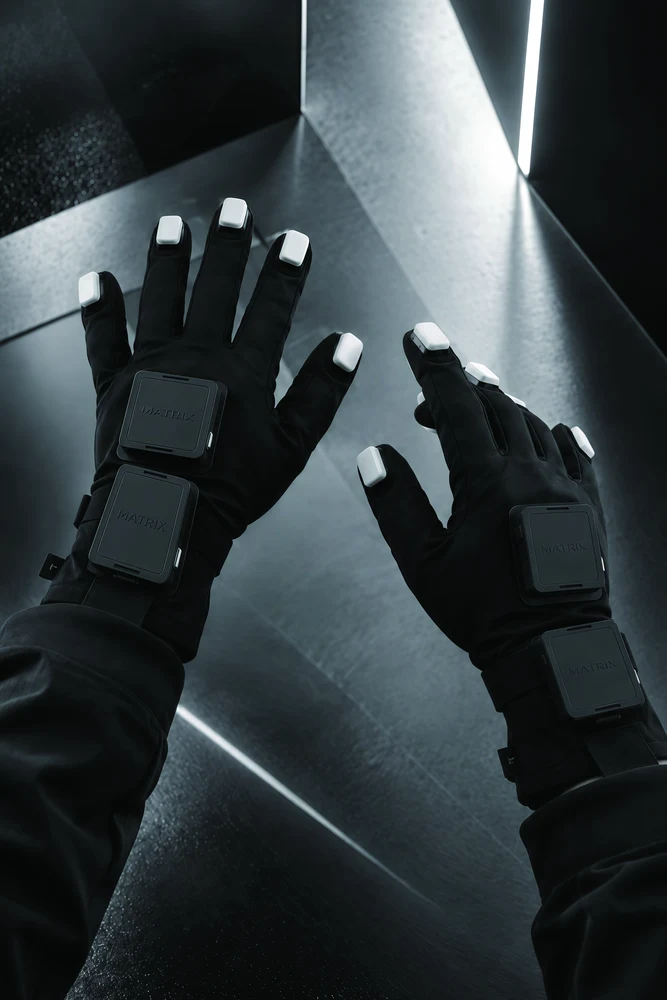

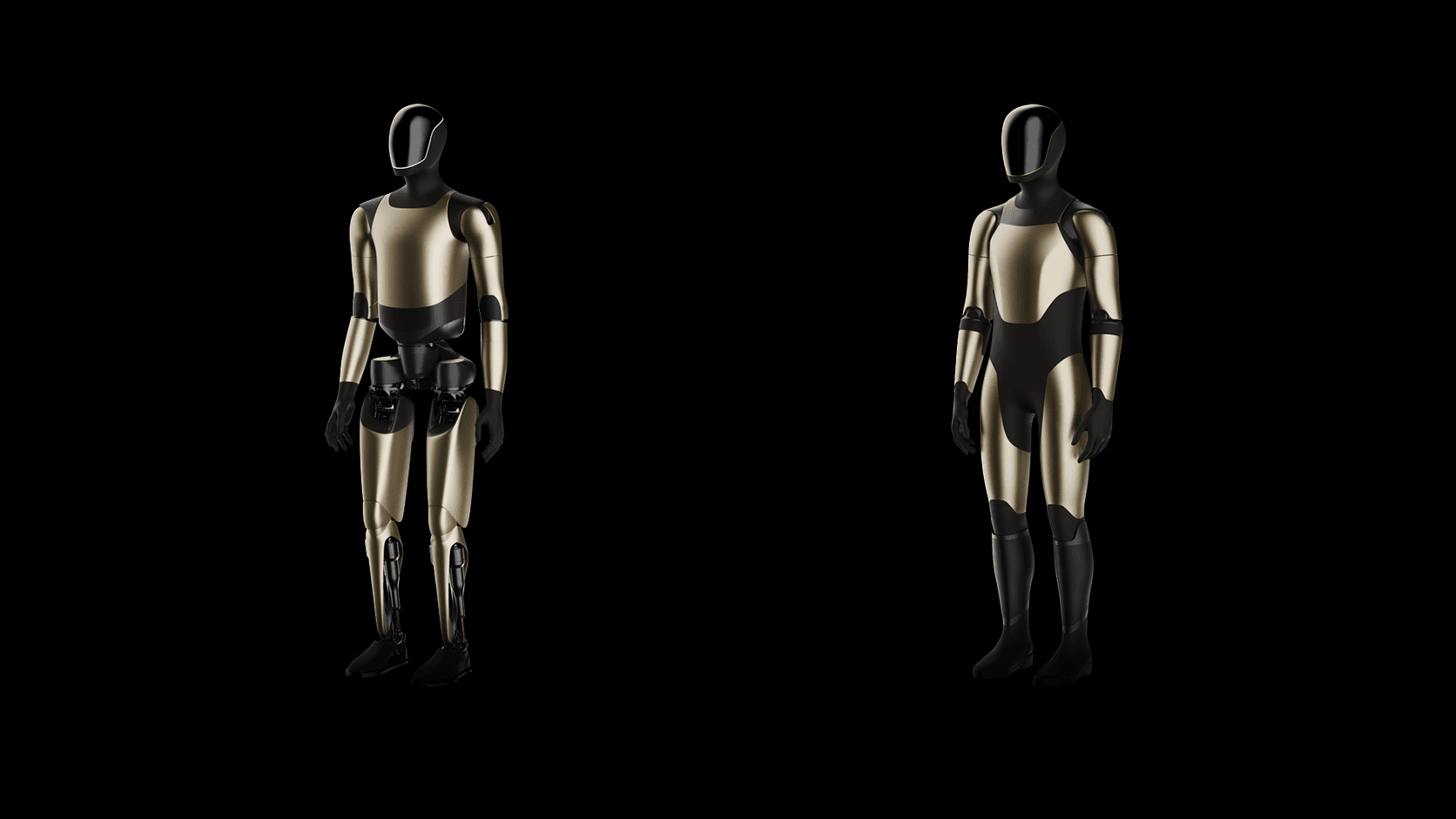
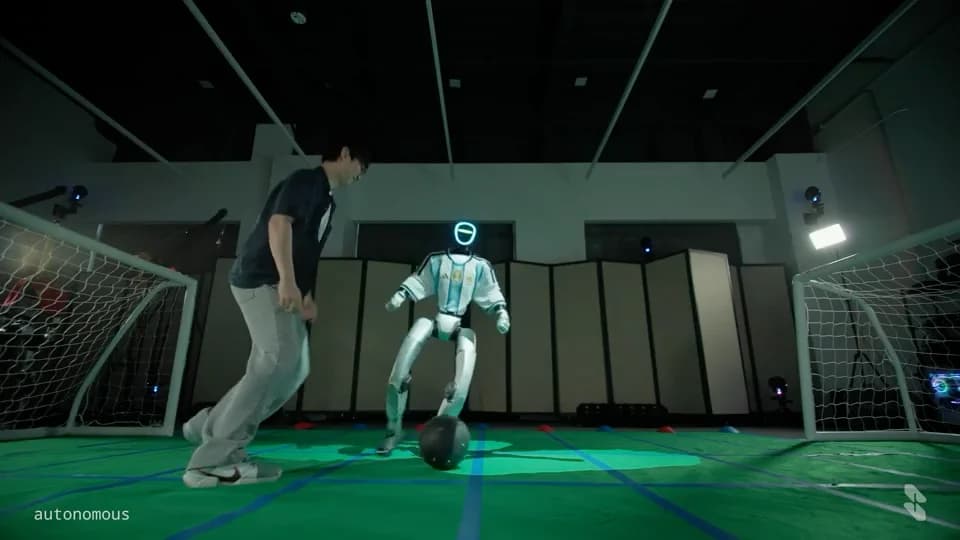
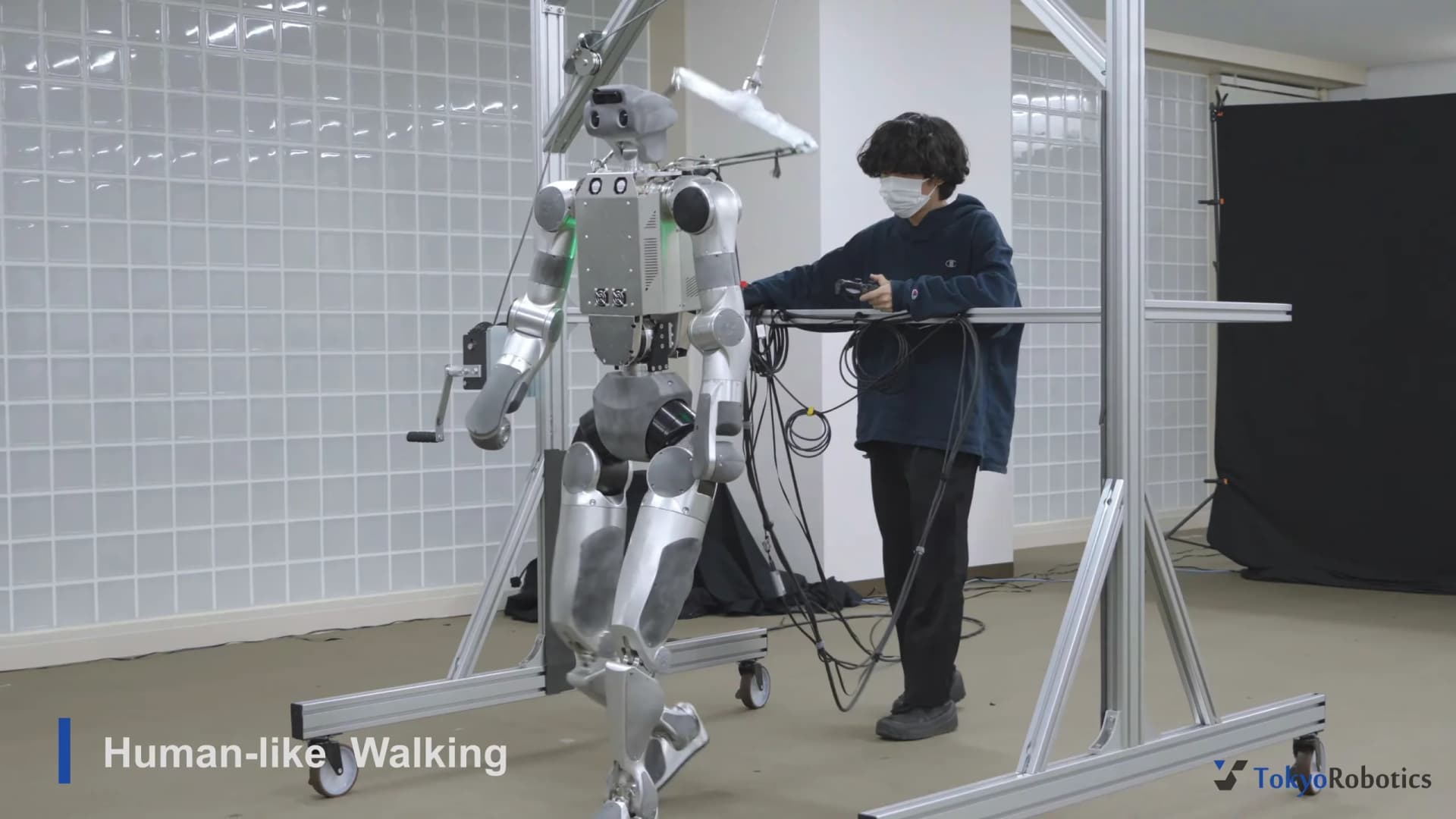
Tokyo Robotics, the Japanese firm widely recognized for its research-oriented wheeled humanoid "Torobo," has officially entered the race for bipedal locomotion. In a demonstration released today, April 2, 2026, the company showcased a prototype capable of human-like walking, dynamic push recovery, and high-fidelity whole-body teleoperation.
The move marks a significant evolution for the Tokyo-based company, which has spent years refining torque-controlled arms and mobile bases. This latest project signals a pivot toward the more complex, high-stakes domain of legged robotics currently dominated by North American and Chinese firms.
From Simulation to the Real World
The core of the new humanoid’s capabilities lies in its control architecture. According to the company, the robot’s control policies were developed using large-scale parallel reinforcement learning (RL). By training these policies in a physics simulator—likely leveraging the company's existing support for environments like MuJoCo or NVIDIA Isaac Sim—engineers were able to achieve stable, dynamic motions that are notoriously difficult to hand-code.
The demonstration video highlights several key milestones:
The weekly humanoid robotics briefing
One email a week: the launches, funding and research that mattered, with context from Humanoids Daily.
Read recent issues- Human-Like Gait: The robot exhibits a fluid walking cycle that mimics human joint kinematics.
- Self-Balancing: The machine demonstrates "push recovery," maintaining its upright posture despite external disturbances.
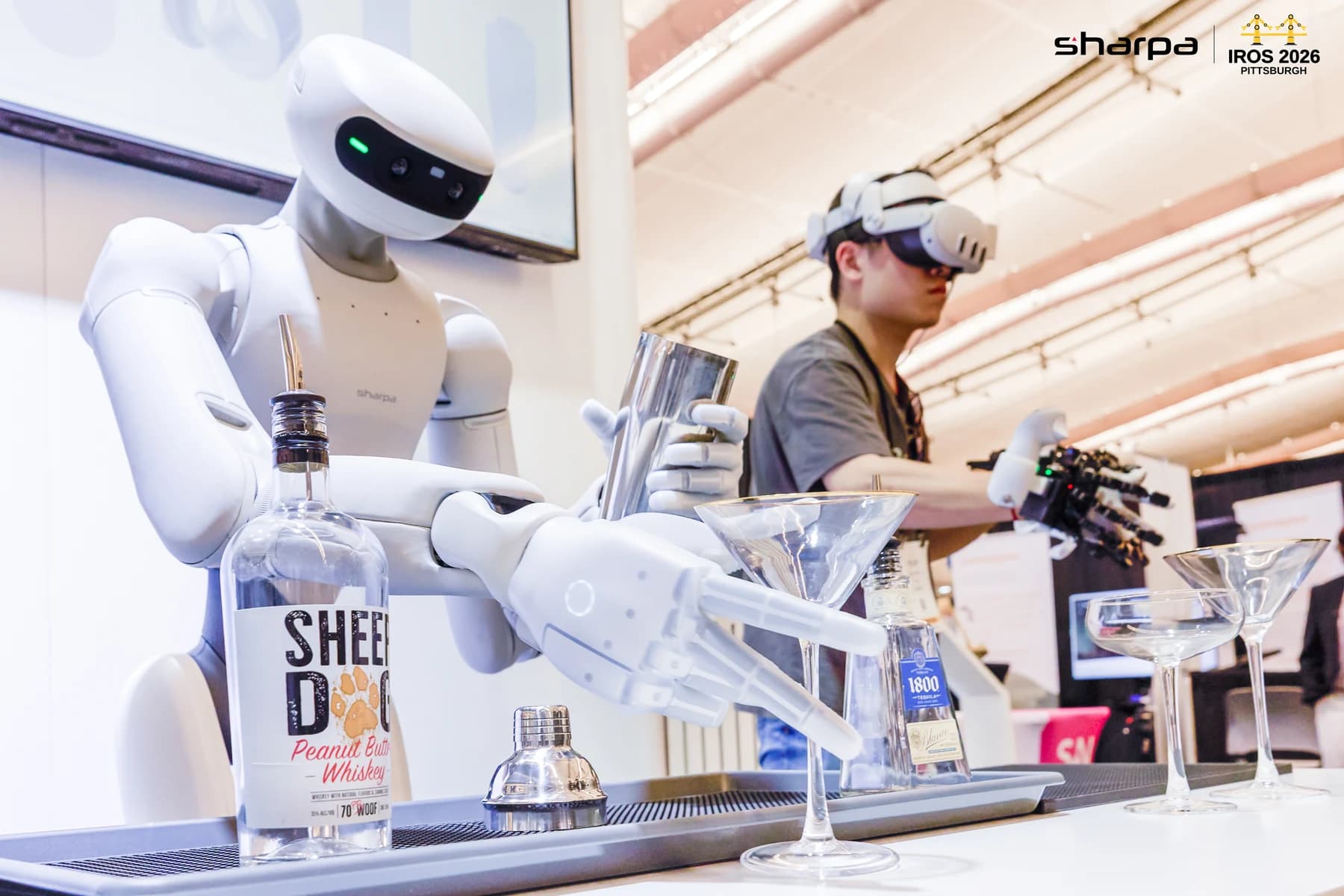
- Whole-Body Teleoperation: In perhaps the most visually striking segment, a human operator wearing a VR headset and motion trackers controls the robot in real-time. The robot mirrors the operator's movements, including complex torso and arm coordination, with minimal latency.
Japan’s Humanoid Resurgence
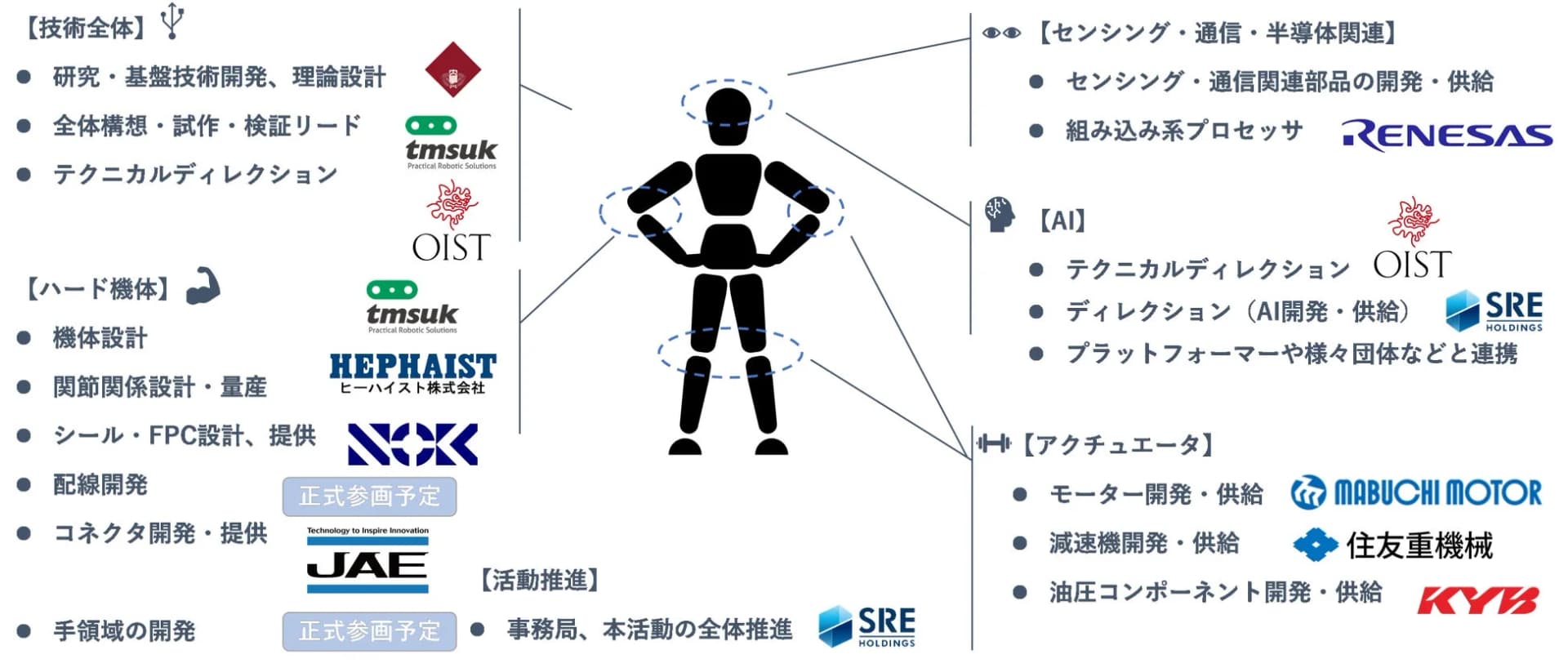
The timing of this reveal coincides with a broader national effort to reclaim Japan’s historical dominance in robotics. As Japan enters the alliance war, industrial giants are consolidating to form an "All-Japan" supply chain. While Tokyo Robotics operates independently of the Kyoto Humanoid Association (KyoHA), its trajectory aligns with the national trend of moving toward "monozukuri" (precision manufacturing) integrated with modern AI.
Tokyo Robotics has a strong foundation for this transition. Founded in 2015 and now 100% owned by industrial robotics titan Yaskawa Electric, the company has secured significant backing, including a $200 million yen (approx. $1.3 million) investment from Yamaha Motor in 2020. Their client list is a "who's who" of Japanese tech, including Sony, Panasonic, and Waseda University—the latter of which serves as the theoretical backbone for many of Japan's humanoid initiatives.
The Road to Autonomy
While the teleoperation demonstration is impressive, Tokyo Robotics is clear about the project's ultimate goal: autonomy. The company stated that its next steps involve improving both hardware and software stability while implementing AI models for autonomous task execution.
The challenge will be transitioning from a human-in-the-loop system to "embodied intelligence" that can navigate and interact with the world independently. This is the same hurdle facing Andy Rubin’s Genki Robotics, which is also operating out of Tokyo to leverage the city's deep pool of engineering talent.
For now, the Tokyo Robotics prototype remains in the development phase. The hardware shown in the demonstration features an exposed, industrial aesthetic, suggesting a focus on functional testing over consumer-ready design. However, given the company's track record with the Torobo platform—which won the 10th Robot Award for excellence in R&D—the industry will be watching closely to see if this bipedal newcomer can compete with the rapid hardware iterations coming out of the U.S. and China.
The company is currently recruiting engineers specializing in whole-body control and motion tracking to accelerate the project. For a sector that has long criticized Japan for being "hardware-heavy and software-light," Tokyo Robotics' emphasis on reinforcement learning suggests a shift in philosophy that could be vital for the next generation of Japanese humanoids.
Share this article
Read next
- Published on
- Reading time
- 6 min read
O-ID Raises $1.2M to Build Humanoids With Swappable Parts
- Published on
- Reading time
- 4 min read
Tokyo Now Has a Dedicated 911 Service—for Busted Humanoid Robots
- Published on
- Reading time
- 6 min read
SoftBank in Talks for Majority Stake in 1X at $6 Billion — Below the $10 Billion It Sought Last Year
- Published on
- Reading time
- 4 min read
Mitsubishi Electric and Chiba Tech Forge 3-Year Pact to Build "Homegrown" Physical AI
- Published on
- Reading time
- 5 min read
SoftBank and NVIDIA Reportedly Near Deal to Value Skild AI at $14 Billion
- Published on
- Reading time
- 4 min read
Japan Enters the Alliance War: ''KyoHA'' Taps Industrial Giants to Reclaim Humanoid Glory

The weekly humanoid robotics briefing
One email a week: the launches, funding and research that mattered, with context from Humanoids Daily.
Read recent issues