- Published on
Scale at Speed: Humanoid and Schaeffler Move to Massive Multi-Thousand Unit Rollout
One tap, and our reporting appears more often in your Google Top Stories. It makes a real difference to a small newsroom.

Supported by RoboStrategySupport for Humanoids Daily comes from RoboStrategy
Sponsored


Investing involves risk, including possible loss of principal. Read the prospectus before investing.
- Humanoid and Schaeffler have signed a binding, phased deployment agreement for a four-digit number of wheeled units (thousands) to be integrated by 2032.
- The rollout begins in late 2026 at Schaeffler’s German facilities in Herzogenaurach and Schweinfurt, utilizing a Robot-as-a-Service (RaaS) model.
- Schaeffler becomes the preferred actuator supplier for Humanoid, covering over 50% of the startup's joint requirements for its wheeled platforms through 2031.
- This deal reinforces the "Schaeffler Effect," with the industrial giant positioning itself as both an anchor customer and an essential Tier 1 supplier for the robotics era.
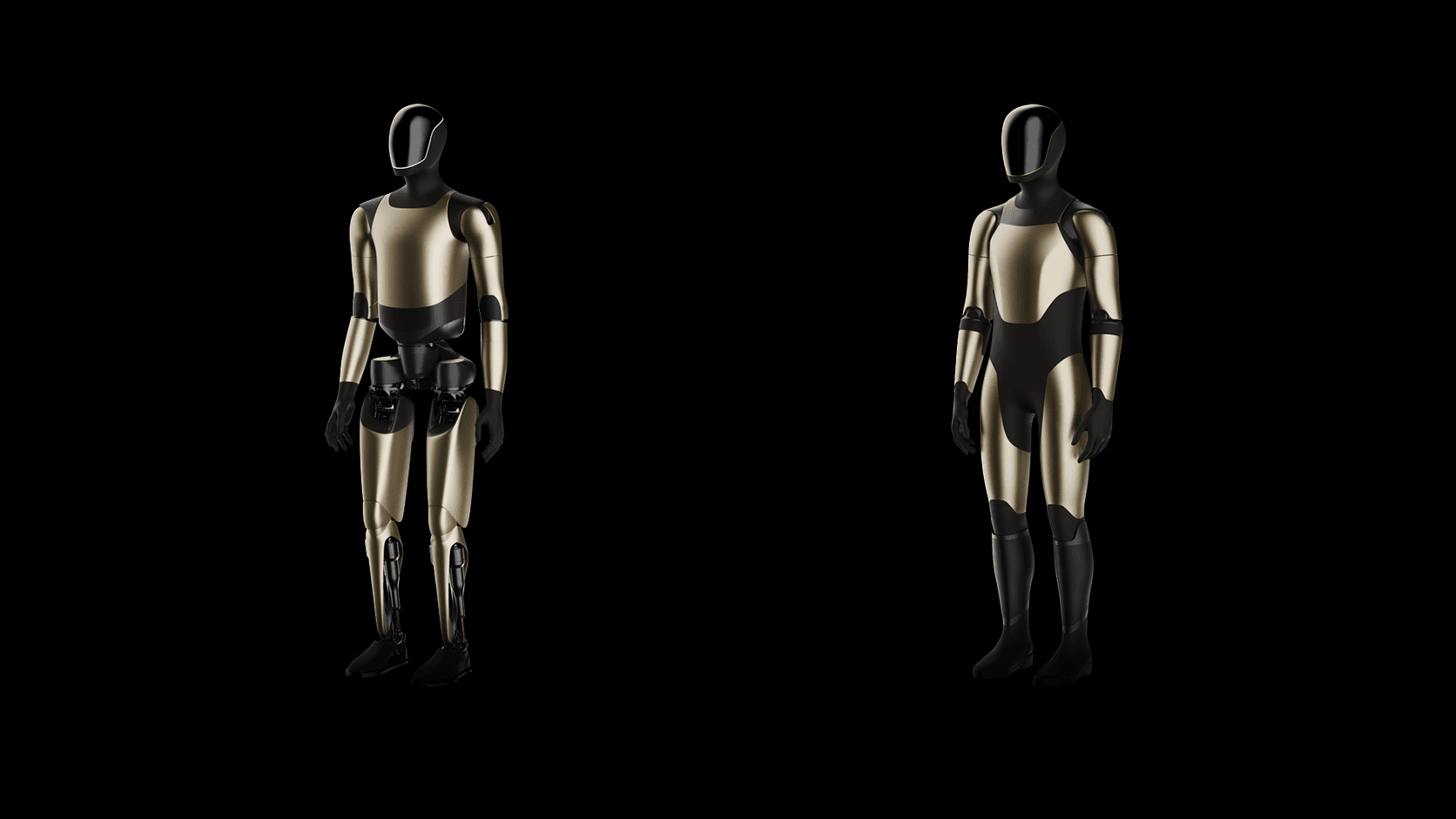
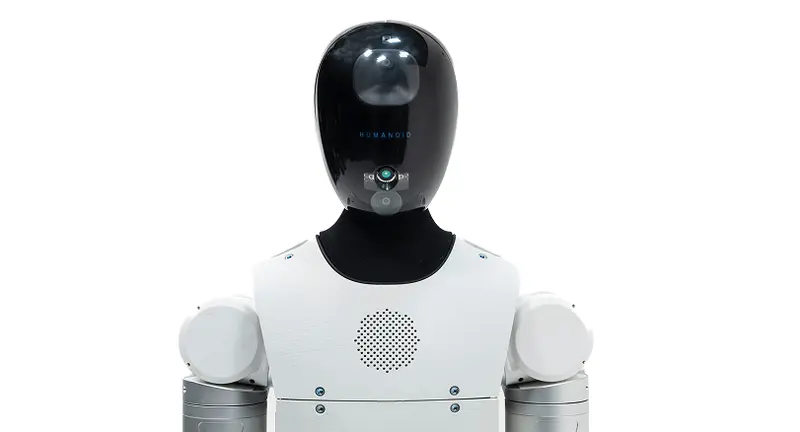
The "Schaeffler Effect"—the industrial giant’s aggressive market re-rating as a primary proxy for the humanoid sector—now has a concrete timeline for industrial-scale deployment. In a move that signals the transition from laboratory prototypes to factory-floor labor, the UK-based startup Humanoid has signed a landmark binding agreement with Schaeffler to deploy a four-digit number of robots across the firm’s global production network by 2032.
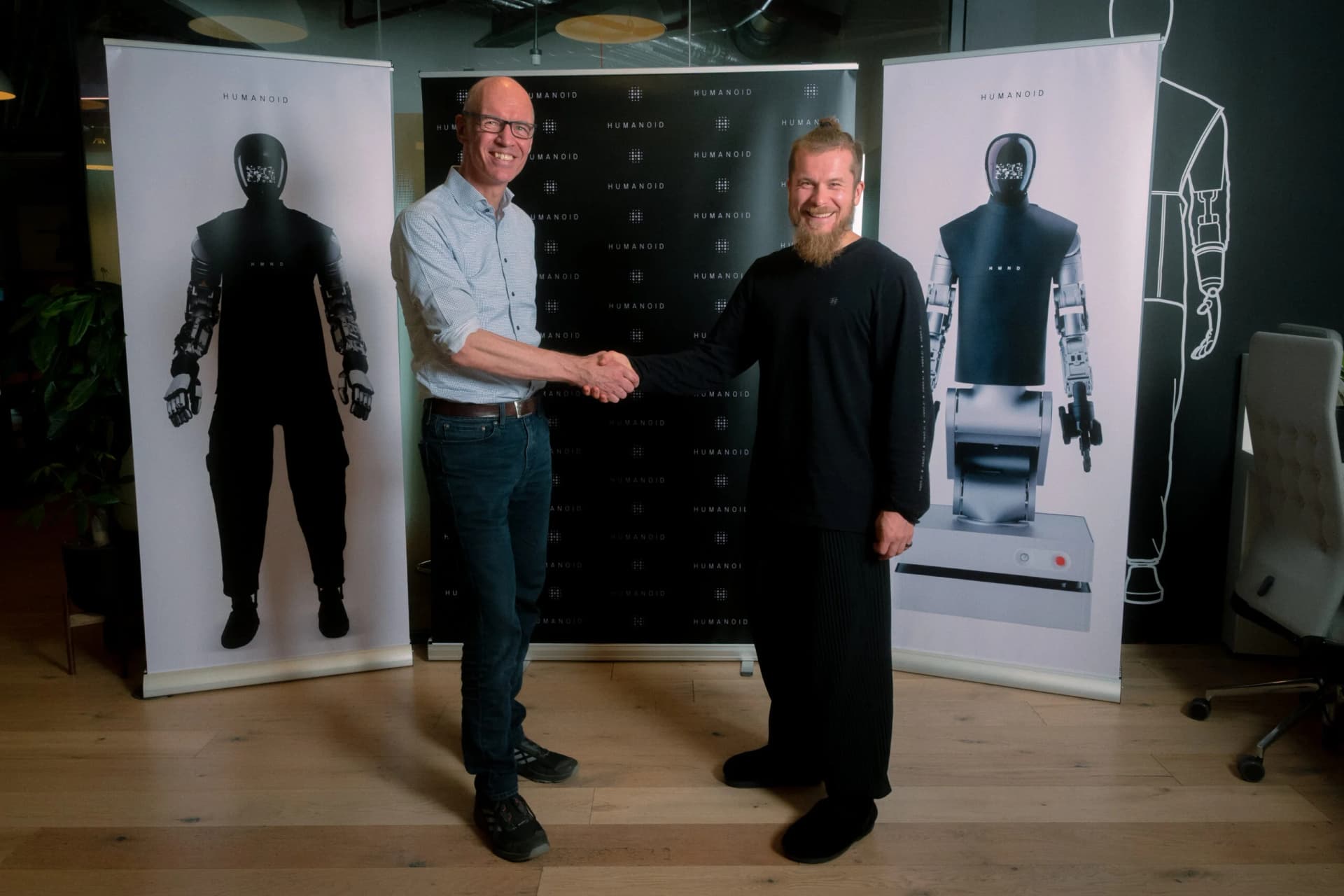
The deal, announced yesterday, follows a string of successful proof-of-concept trials and a strategic partnership established in January 2026. By committing to thousands of units, Schaeffler is doubling down on its "user-supplier" strategy, where it acts as both the proving ground for robotic labor and the manufacturer of the high-precision components that power it.
From Proof-of-Concept to Production Floor
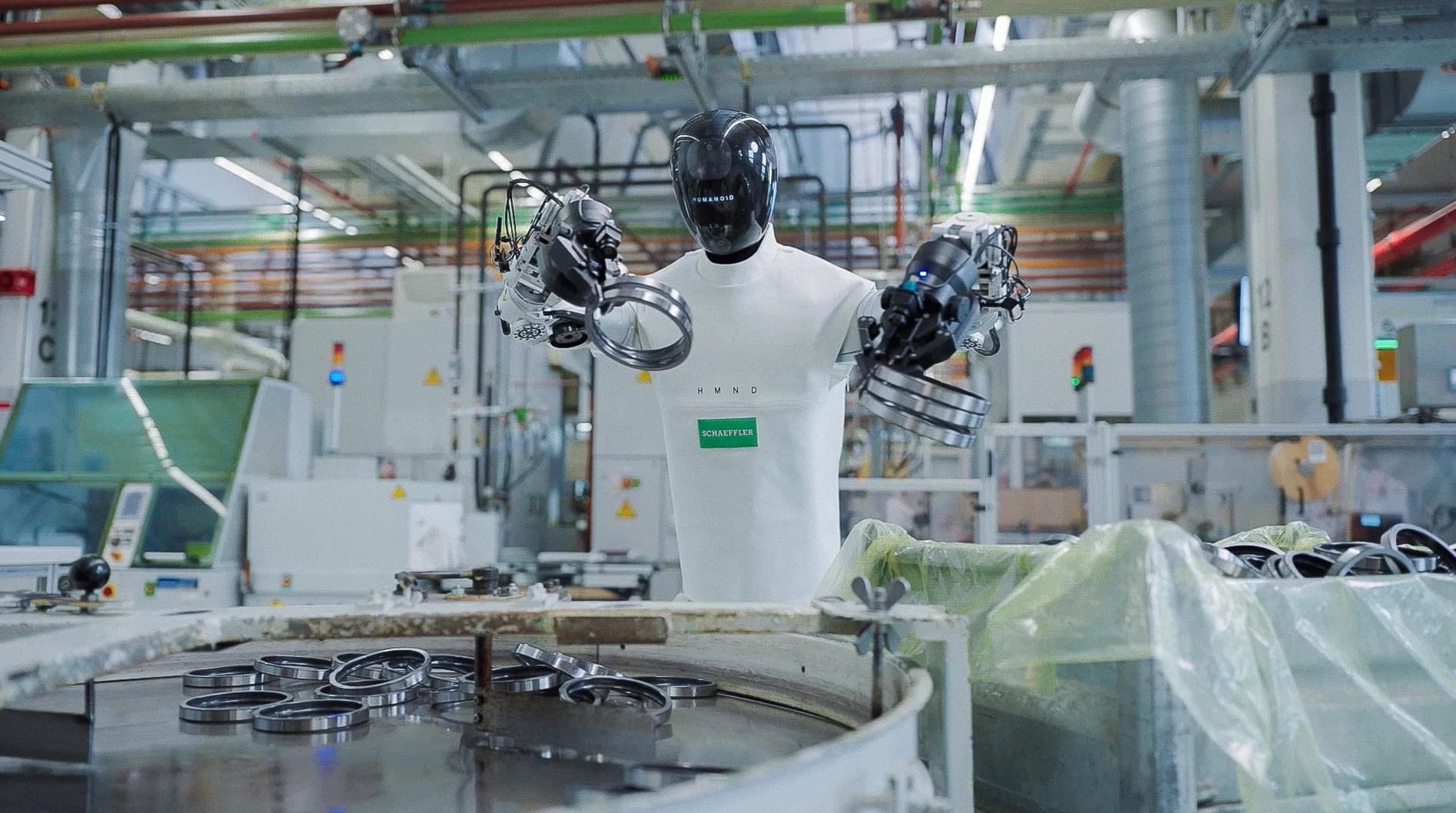
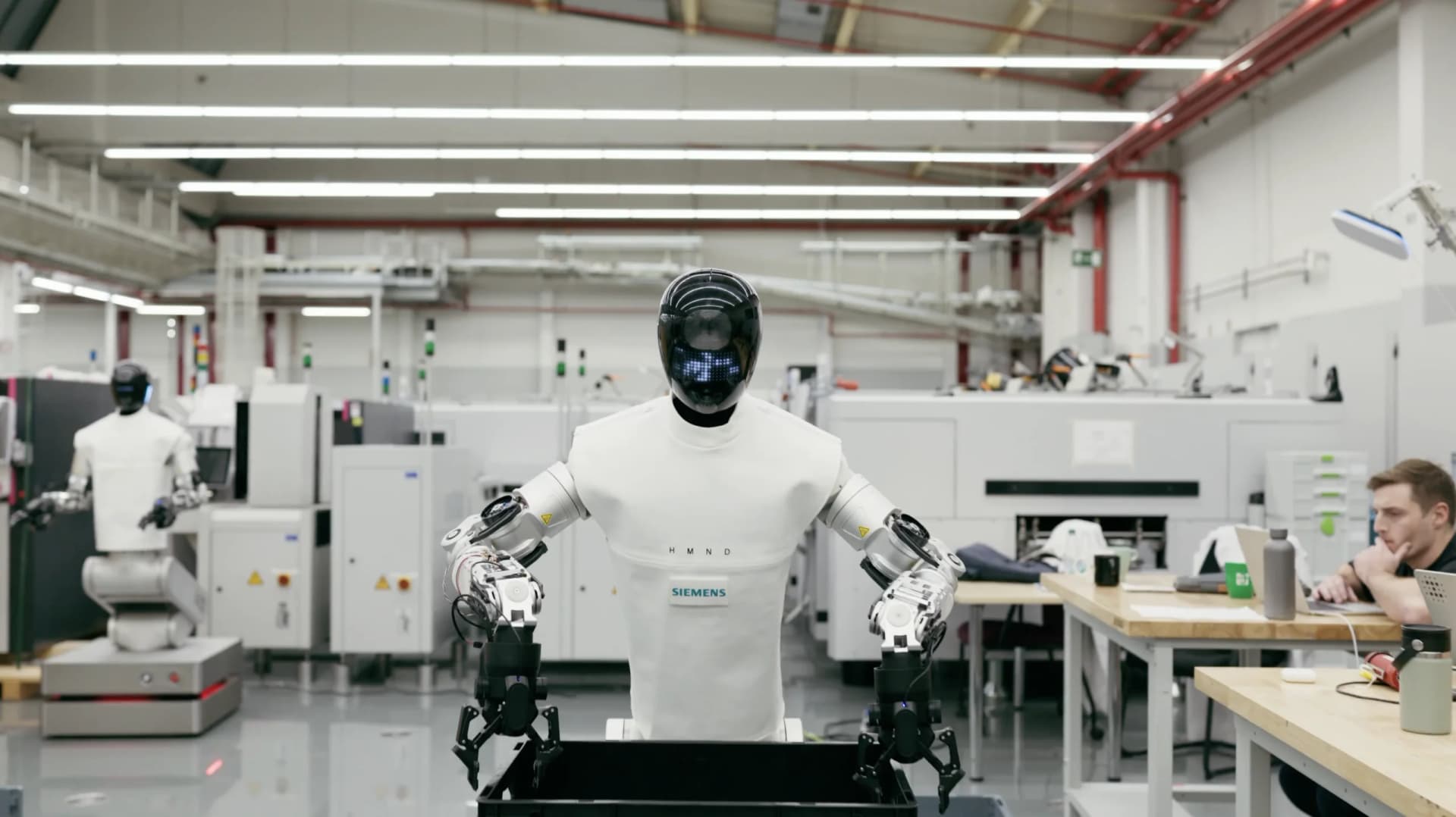
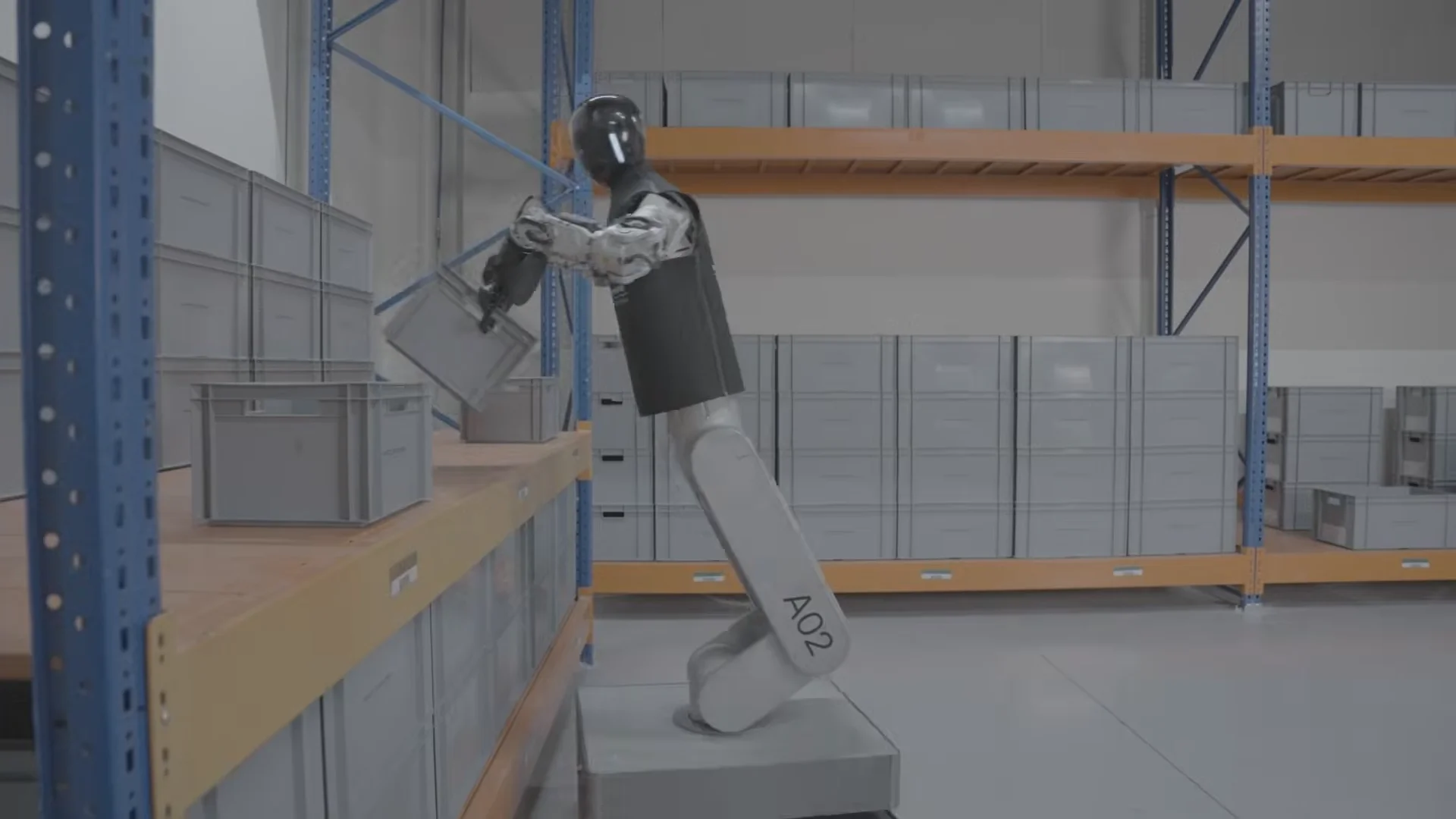
The rollout is scheduled to begin in December 2026, targeting two key German sites. In Herzogenaurach, the robots will handle live production box-handling tasks, while the Schweinfurt facility will host a rigorous six-month validation phase to test stable, continuous operation at full production scale. Unlike isolated "hero videos" common in the industry, this deployment focuses on meeting Schaeffler’s strict internal requirements for IT infrastructure, safety, and standardized industrial rollout processes.
The agreement utilizes a Robot-as-a-Service (RaaS) model, an increasingly popular approach to lowering the barrier for entry into high-tech automation. Under this framework, Humanoid provides end-to-end services, including 24/7 technical support, fleet management via its KinetIQ framework, and ongoing hardware updates.
The weekly humanoid robotics briefing
One email a week: the launches, funding and research that mattered, with context from Humanoids Daily.
Read recent issuesA Symbiotic Supply Chain
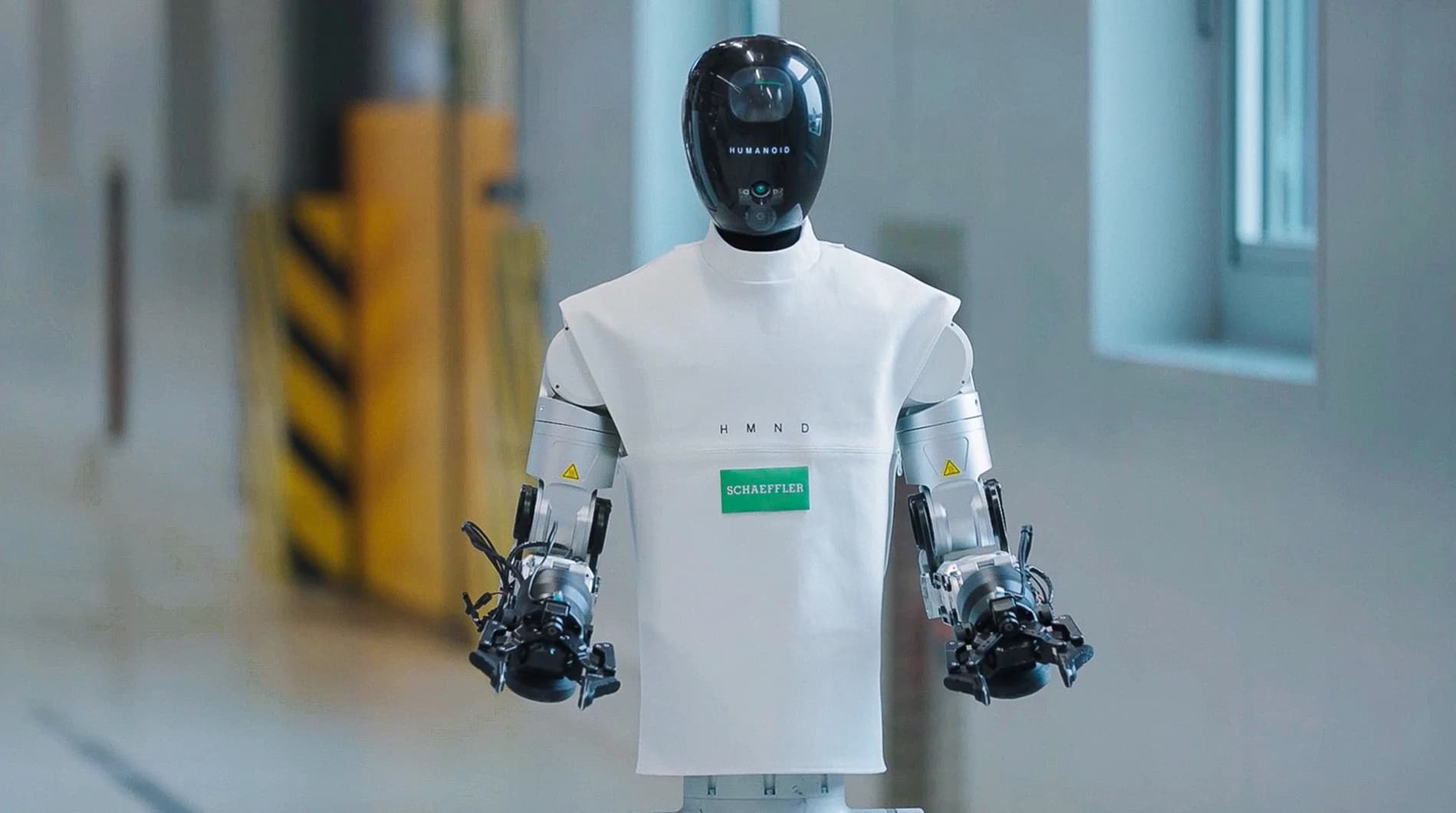
While the deployment of thousands of robots is a major win for Humanoid—now boasting a backlog of 30,000 non-binding pre-orders—the second half of the agreement solidifies Schaeffler’s position in the humanoid supply chain. Schaeffler has officially become Humanoid's preferred supplier for joint actuators, covering more than 50% of the company’s demand through 2031.
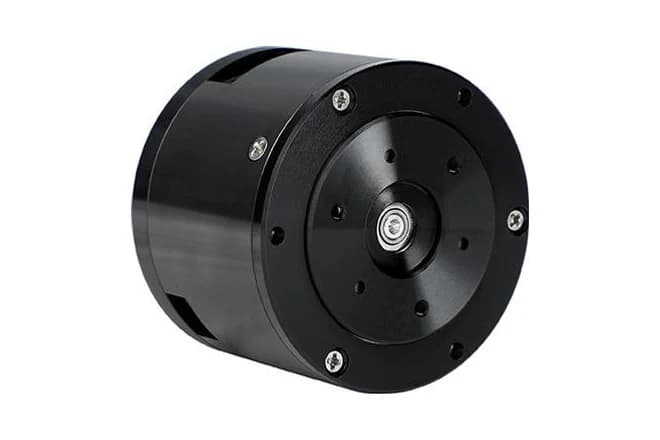
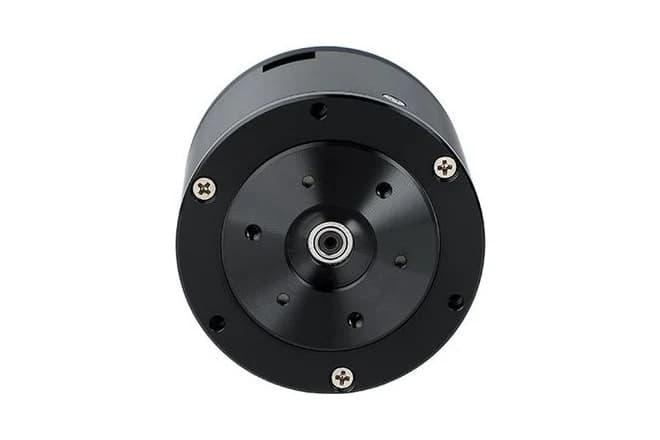
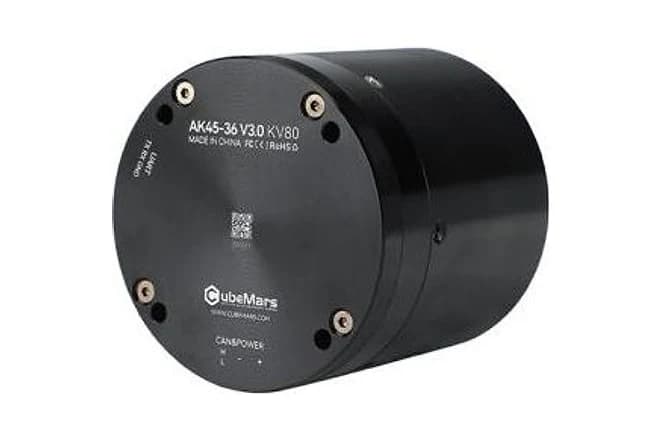
This supply deal is expected to translate into the production of a "seven-digit number" (millions) of actuators. It leverages Schaeffler’s recently unveiled all-in-one planetary gear actuators, which integrate motors, gearboxes, and controllers into a single unit designed for the high-torque requirements of robotic limbs. Schaeffler estimates it can address roughly 50% of the total materials bill for a standard humanoid, and this deal secures a massive portion of that addressable market.
Managing the Industrial Pivot
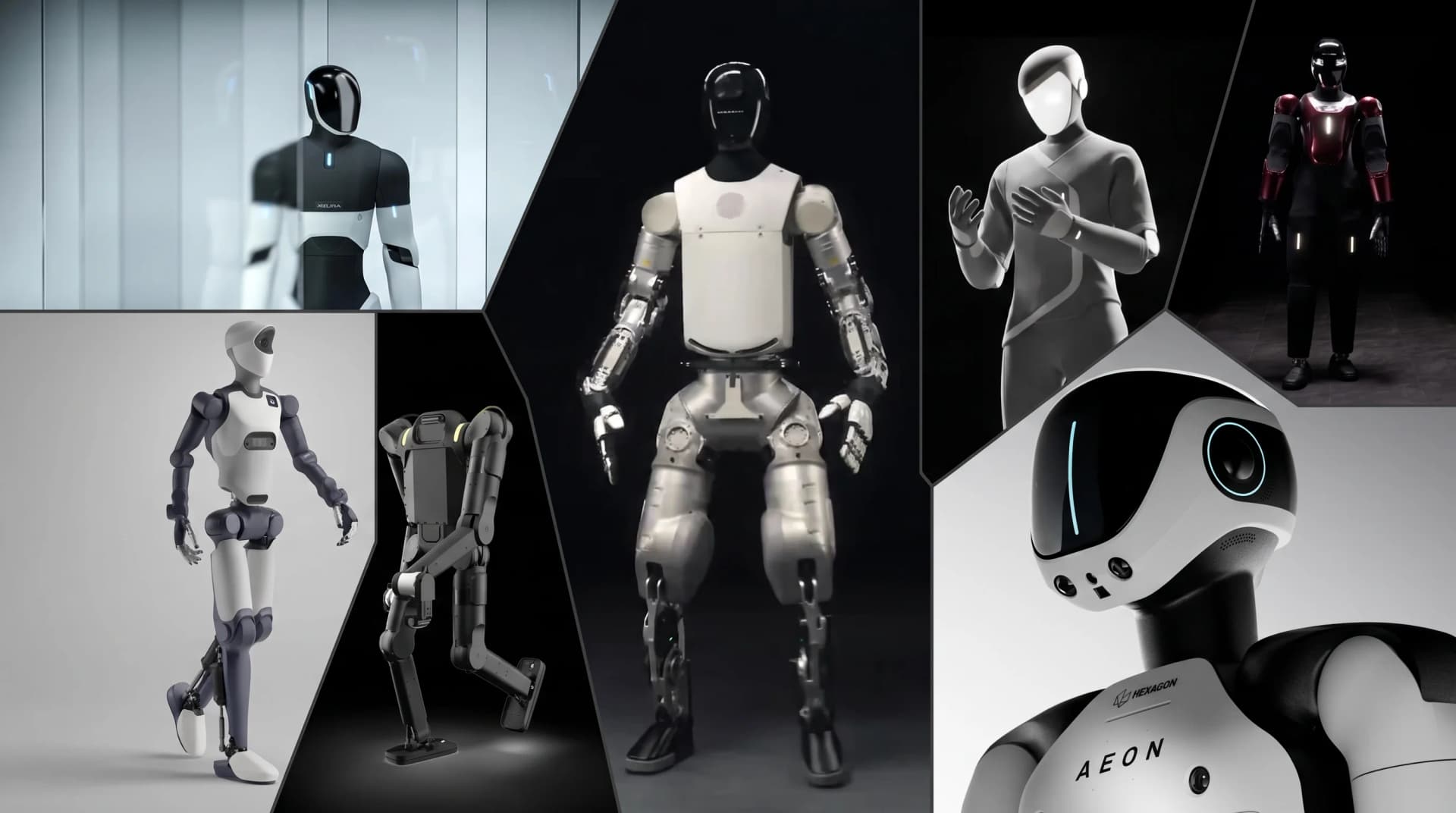
The partnership with Humanoid is not an isolated experiment. Schaeffler has already committed to a "mid-four-digit number" of units from Germany’s Neura Robotics and a fleet of 1,000 AEON humanoids from Hexagon. By diversifying its fleet across multiple vendors while acting as a Tier 1 supplier to each, the company is effectively hedging its bets on the winning humanoid form factor.
CEO Klaus Rosenfeld has previously framed this aggressive robotics pivot as a hedge against automotive sector volatility. While European carmakers struggle with stagnant volumes, Schaeffler’s robotics and defense divisions are aimed at generating 10% of total sales—approximately $3.2 billion—by 2035.
As the first units prepare to hit the factory floor in late 2026, the industry will be watching to see if Humanoid's "simulation-first" KinetIQ AI stack can handle the noise, dust, and rigor of heavy manufacturing at scale. For now, the "Schaeffler Effect" remains in full force, bridging the gap between hardware excellence and the reality of Physical AI.
Share this article
Read next
- Published on
- Reading time
- 25 min read
The Humanoids of Europe: Built by Their Customers
- Published on
- Reading time
- 4 min read
Humanoid's Pre-Alpha Robot Completes Bin-Picking Trial at Schaeffler Factory
- Published on
- Reading time
- 5 min read
Europe’s First Pure-Play Humanoid Unicorn: Humanoid Raises $152M at $1.35B Valuation
- Published on
- Reading time
- 4 min read
From Prototype to Production: Humanoid Taps Bosch for European Manufacturing Push
- Published on
- Reading time
- 4 min read
Siemens and Humanoid Formalize Partnership Following Successful "Physical AI" Trials in Erlangen
- Published on
- Reading time
- 3 min read
From ERP to the Edge: Humanoid and SAP Bridge the Gap in Martur Fompak Logistics Trial

The weekly humanoid robotics briefing
One email a week: the launches, funding and research that mattered, with context from Humanoids Daily.
Read recent issues