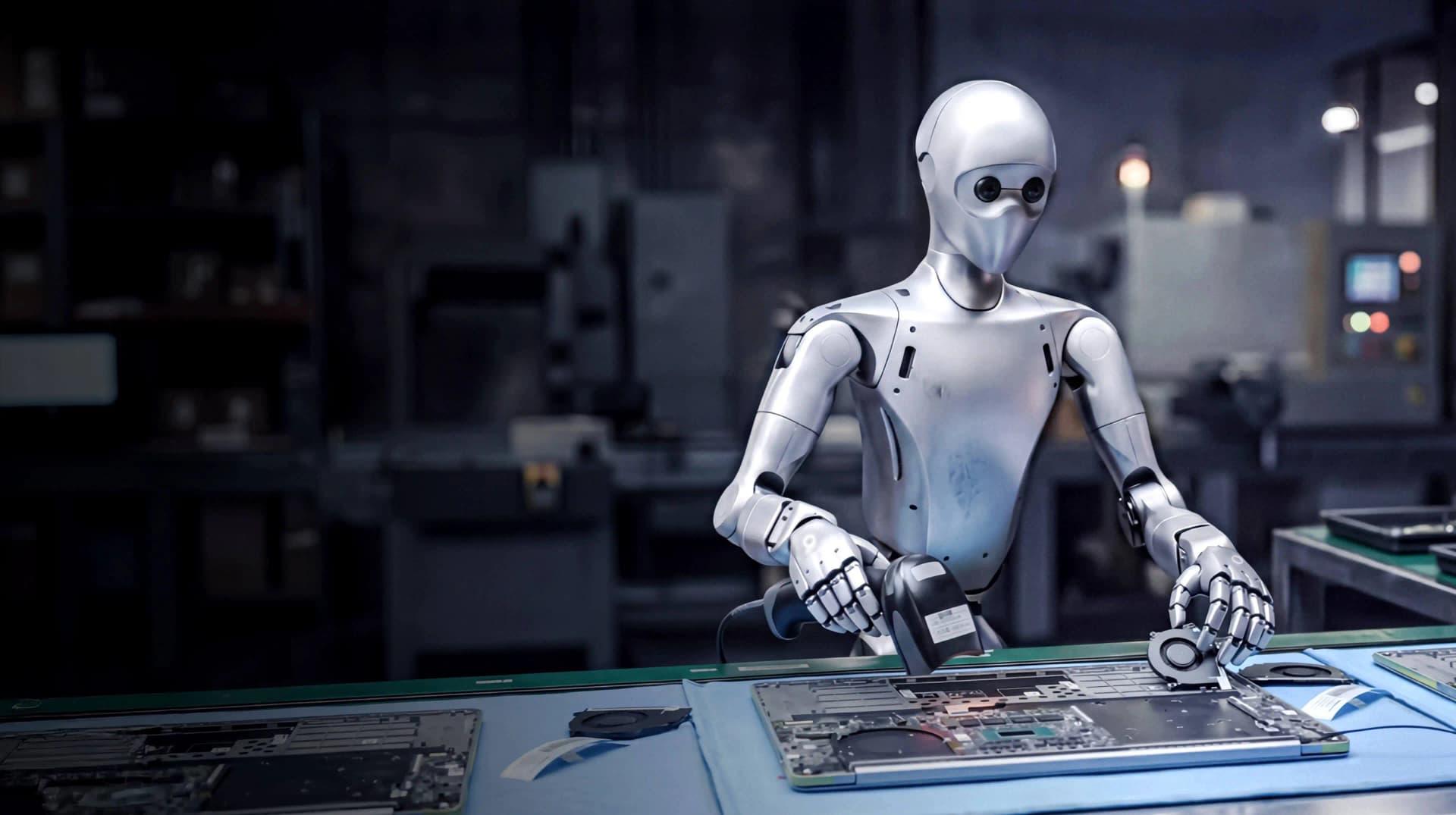
A new strategic collaboration between Neura Robotics and Qualcomm aims to accelerate the commercialization of humanoid robots by combining Dragonwing processors with the Neuraverse ecosystem.
Bloomberg reports that German robotics firm Neura Robotics has closed a €1 billion funding round led by stablecoin giant Tether, valuing the company at €4 billion as it prepares to mass-produce its cognitive humanoids.
Texas Instruments integrates mmWave radar with NVIDIA Jetson Thor to bridge the gap between AI simulation and real-world deployment, targeting the "last mile" of robotic safety.
With over 10 billion yuan poured into the sector in just two months, China’s humanoid industry is shifting from "showbiz" spectacles to a brutal race for industrial commercialization and survival.
Industrial giant Schaeffler has signed its first Chinese humanoid partnership with Leju Robotics and opened a specialized innovation factory in Taicang, even as leadership prepares investors for a conservative 2026 fiscal year.
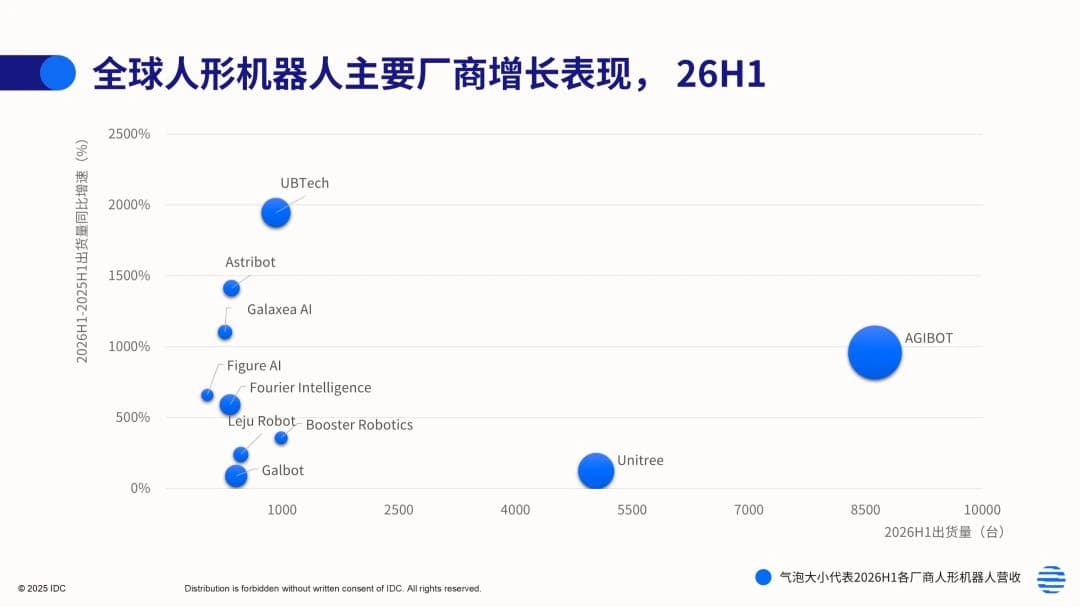
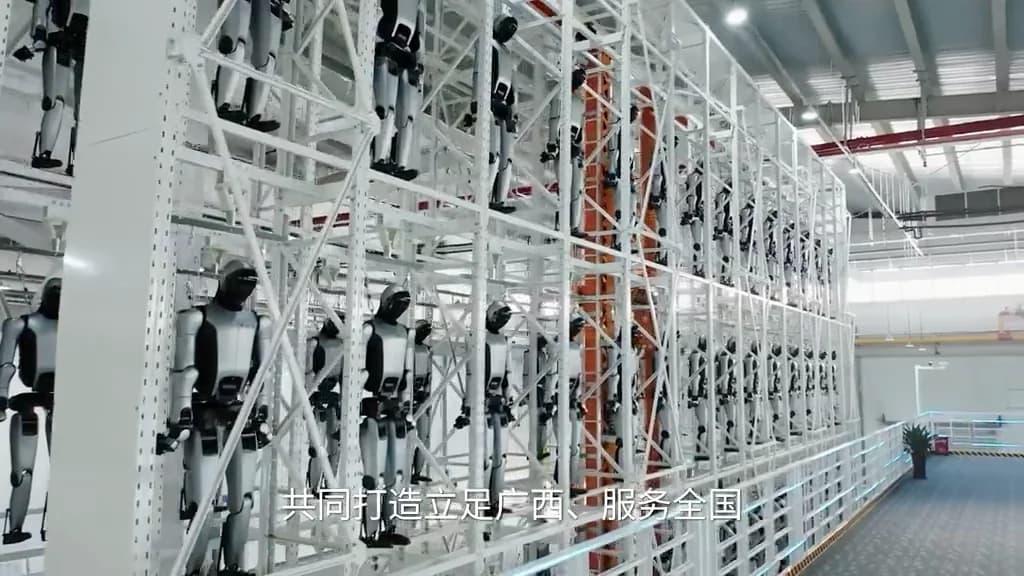
At the inaugural HEIS conference in Beijing, industry giants Unitree and AgiBot joined regulators to release China’s first comprehensive humanoid standard system, signaling a shift toward industrial utility and mass-production reliability.
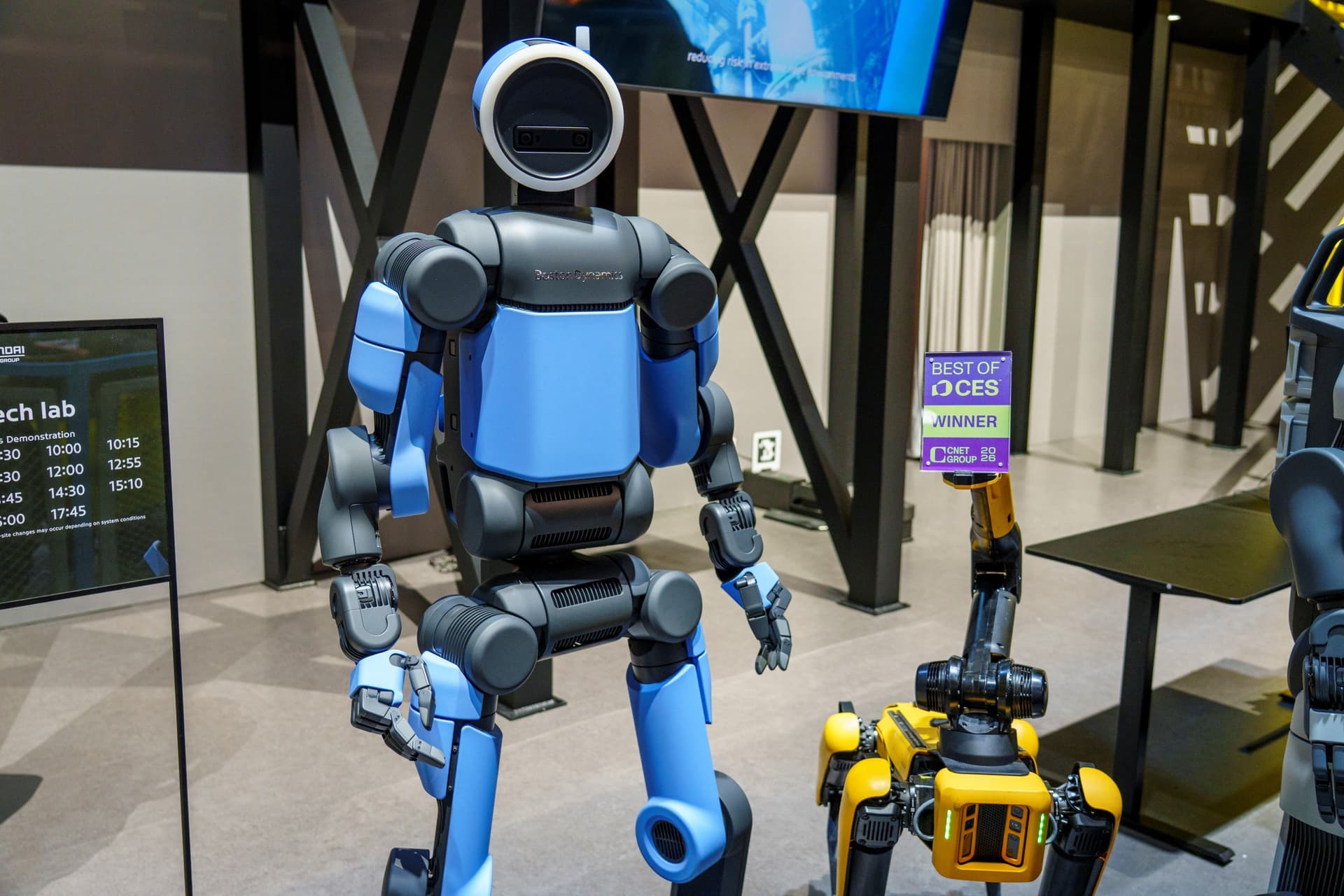
Hyundai Motor Group announces a KRW 9 trillion investment in a Saemangeum innovation hub, while the South Korean government launches a "One-Team" council to unify humanoid research across national institutes.
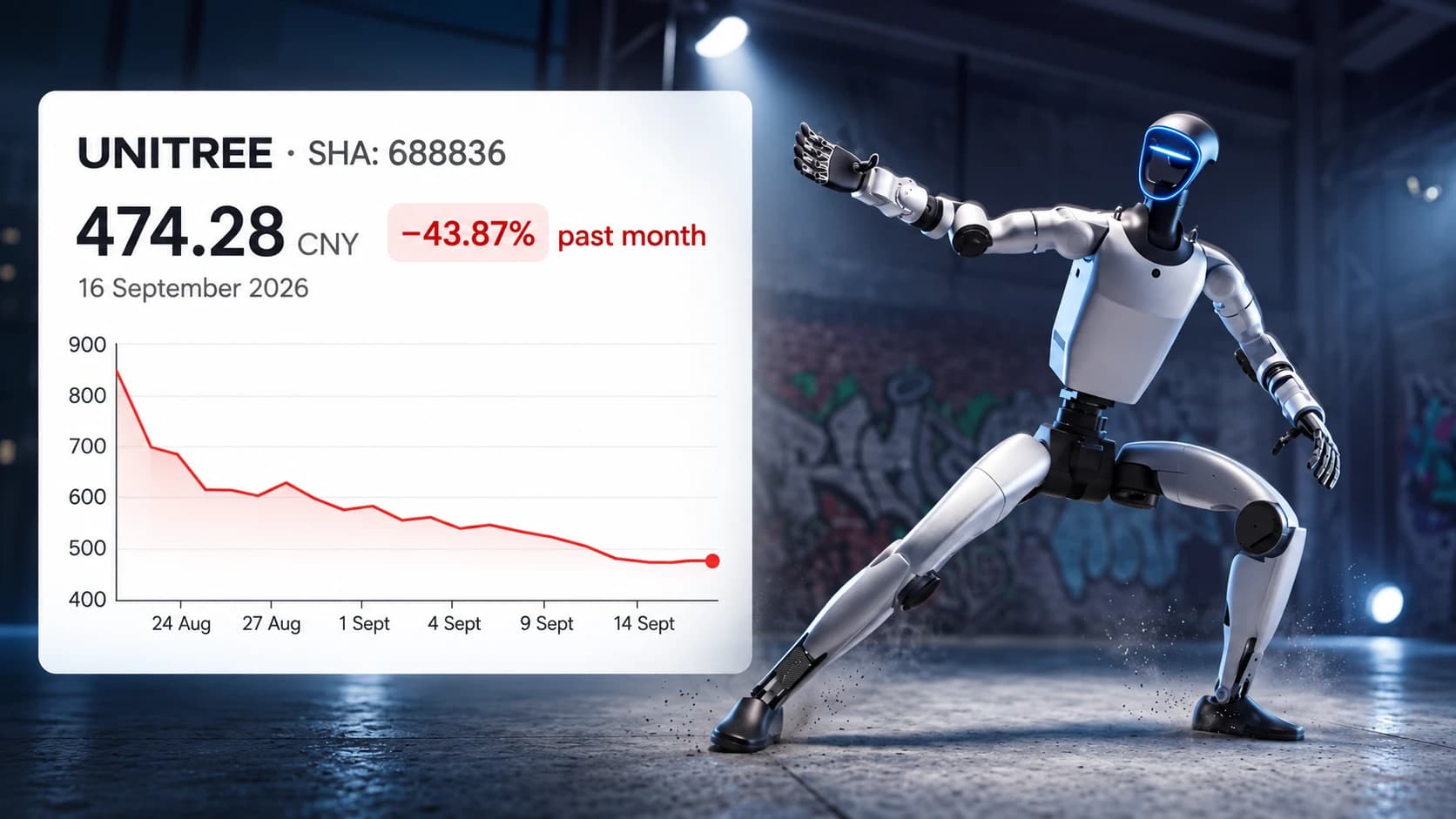
Chancellor Friedrich Merz led a delegation of 30 German business executives to Unitree’s Hangzhou headquarters, signaling a potential shift from humanoid entertainment to global industrial cooperation.
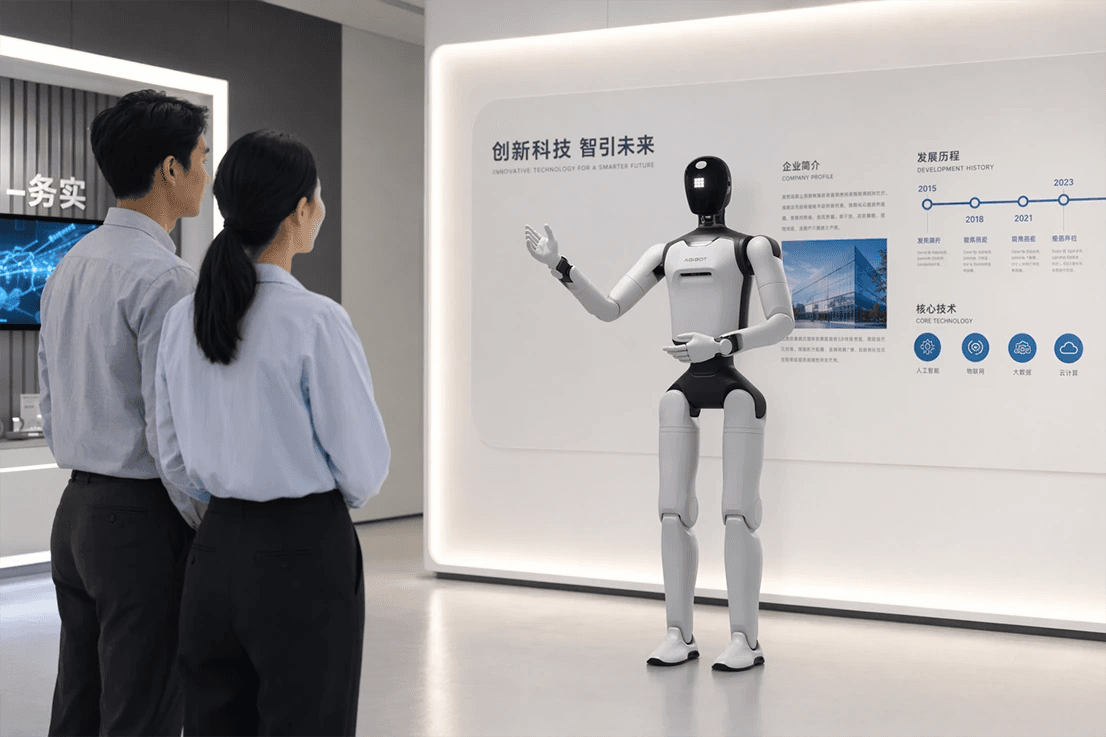
AgiBot has officially launched its full humanoid and industrial robot portfolio in Europe, securing a strategic partnership with Tier 1 automotive supplier Minth Group to drive localized deployment and manufacturing.
As humanoid robots move from research labs to the "robot gig economy" and specialized 7S retail stores, the industry is finding its first sustainable revenue streams through entertainment and rentals.
Physical Intelligence (Pi) is positioning its foundation models as a universal 'intelligence layer' for the industry, releasing new data that shows significant reliability gains for laundry-folding and industrial-packaging robots.