- Published on
Humanoid Europe 2026: From Robot Demos to Real Deployment in Munich
Humanoid Europe 2026 comes to Munich on November 5–6, with a programme covering embodied AI, manufacturing, safety and commercial adoption. Here is what to expect.

From autonomous sparring to handling laundry, Unitree is building the AI behind its humanoids. Here is how its UniFoLM models differ—and what developers can actually download.
RoboStrategy’s Jack Pearson explains why the firm led Maven Robotics’ Series A, outlining its thesis on industrial teams, enterprise deployment, and general-purpose robotics.
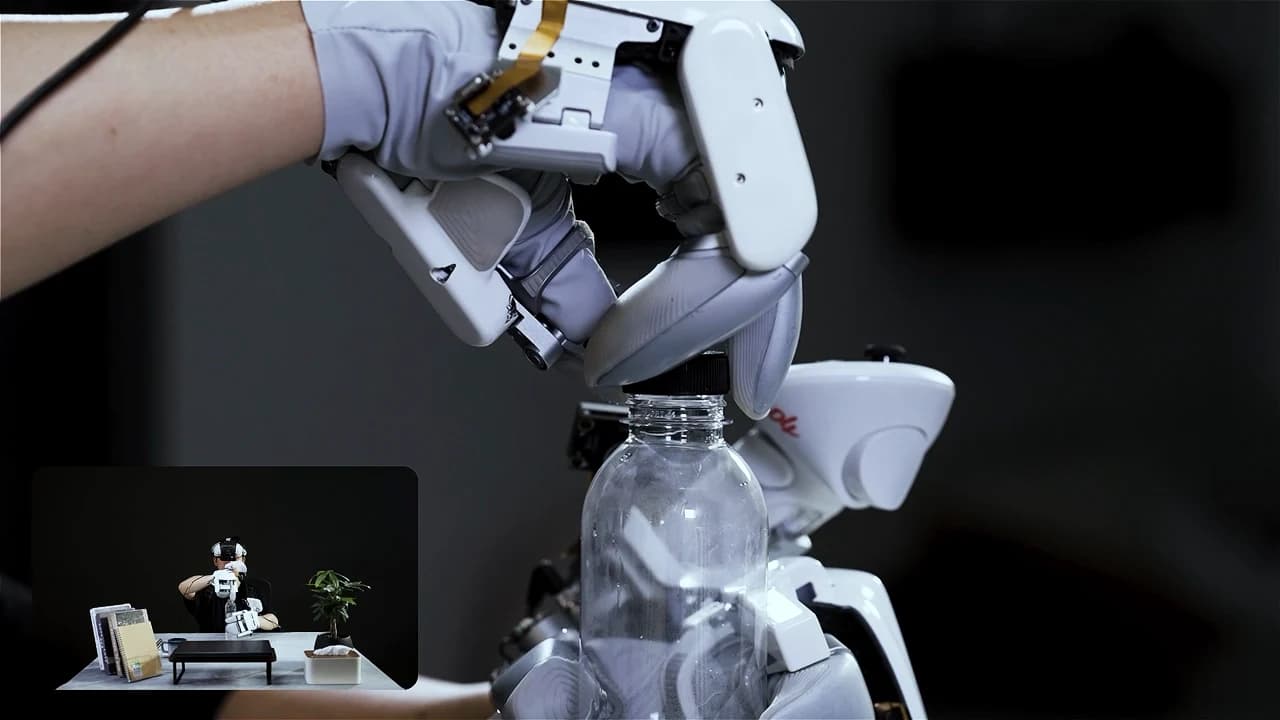
From a handheld GoPro gripper to Sunday’s Skill Capture Glove, Reward AI’s Omnibody Hand and X Square’s TwinDEX, a growing school of robot development starts with the device humans use to teach the machine.
How Sharpa Wave gained a place in NVIDIA and DeepMind’s robotics programs, with a guide to its tactile sensing, specifications and software.
While the coverage stays fixed on China and the United States, seven European companies have quietly signed deployment commitments running into the thousands of units. Europe's humanoid sector is being built by its buyers.
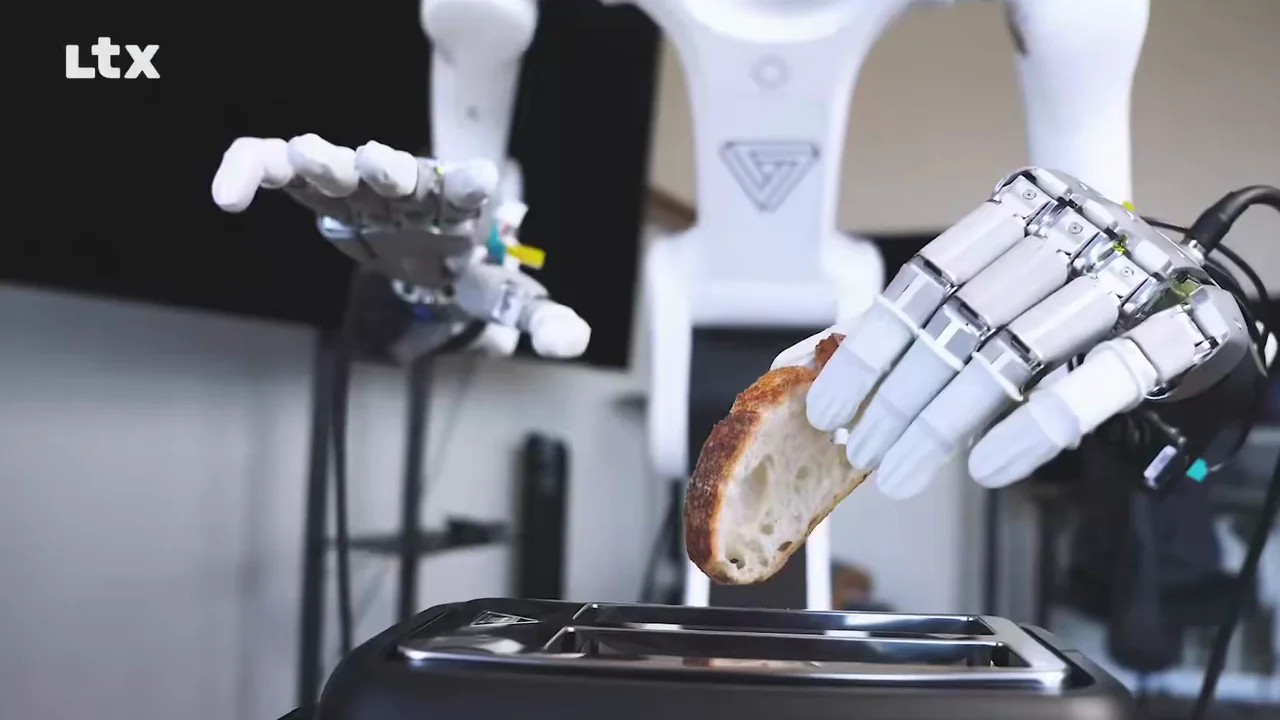
LTX-2.5 ships a raw pretrained checkpoint built for fine-tuning, and a robotics team is already using the open world model to generate the video of a task and execute what the video says.
RoboStrategy CMO Kevin McCordic lays out the case for physical AI: why AI finally makes humanoid labour possible, why it lands under $2 an hour, and why a roughly $200B market is aimed at a $60T one.
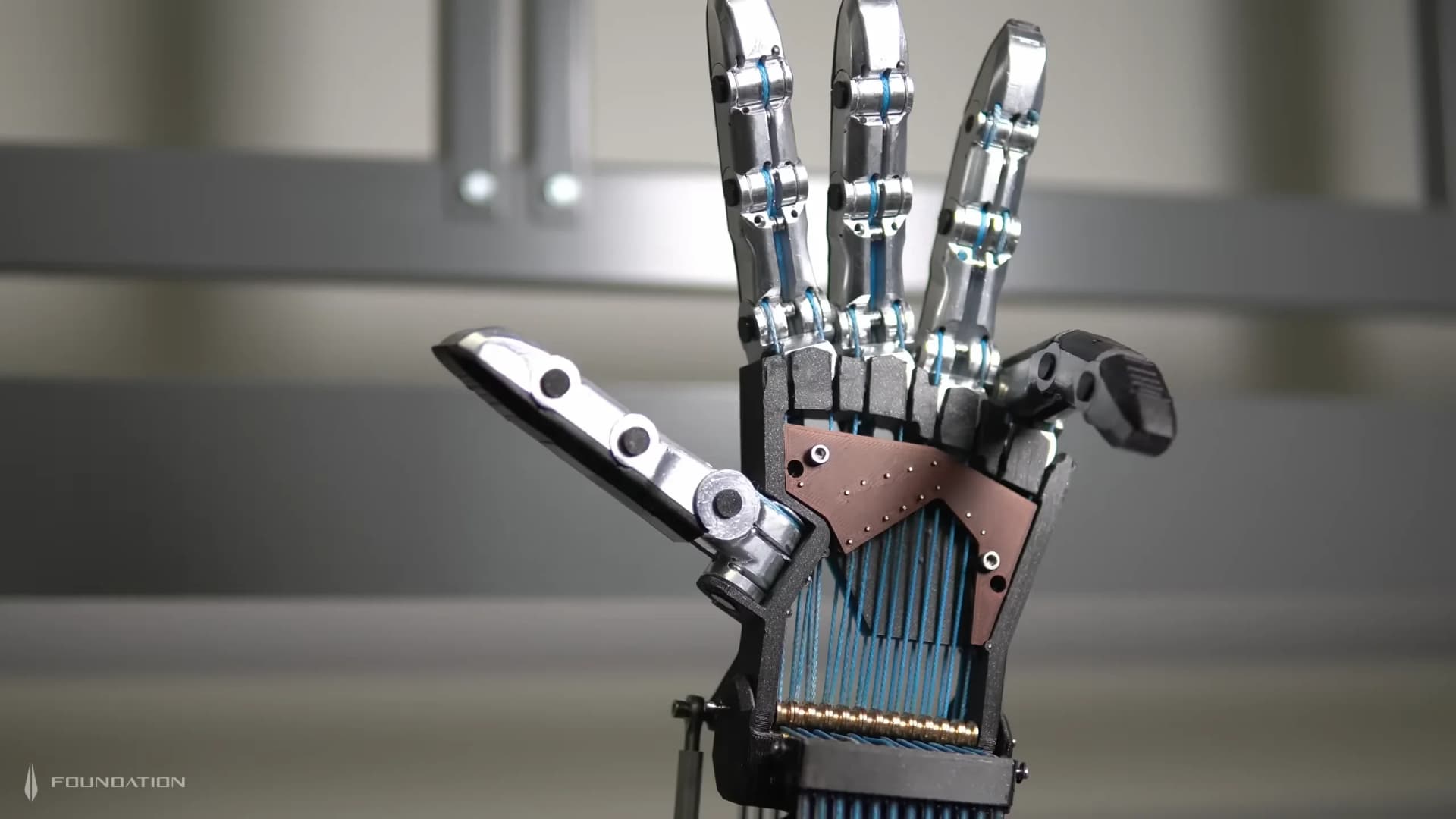
Figure CEO Brett Adcock dismissed tendon-driven hands as a "complete local maximum," igniting a fierce debate with Foundation over friction, force, and the future of humanoid manipulation.
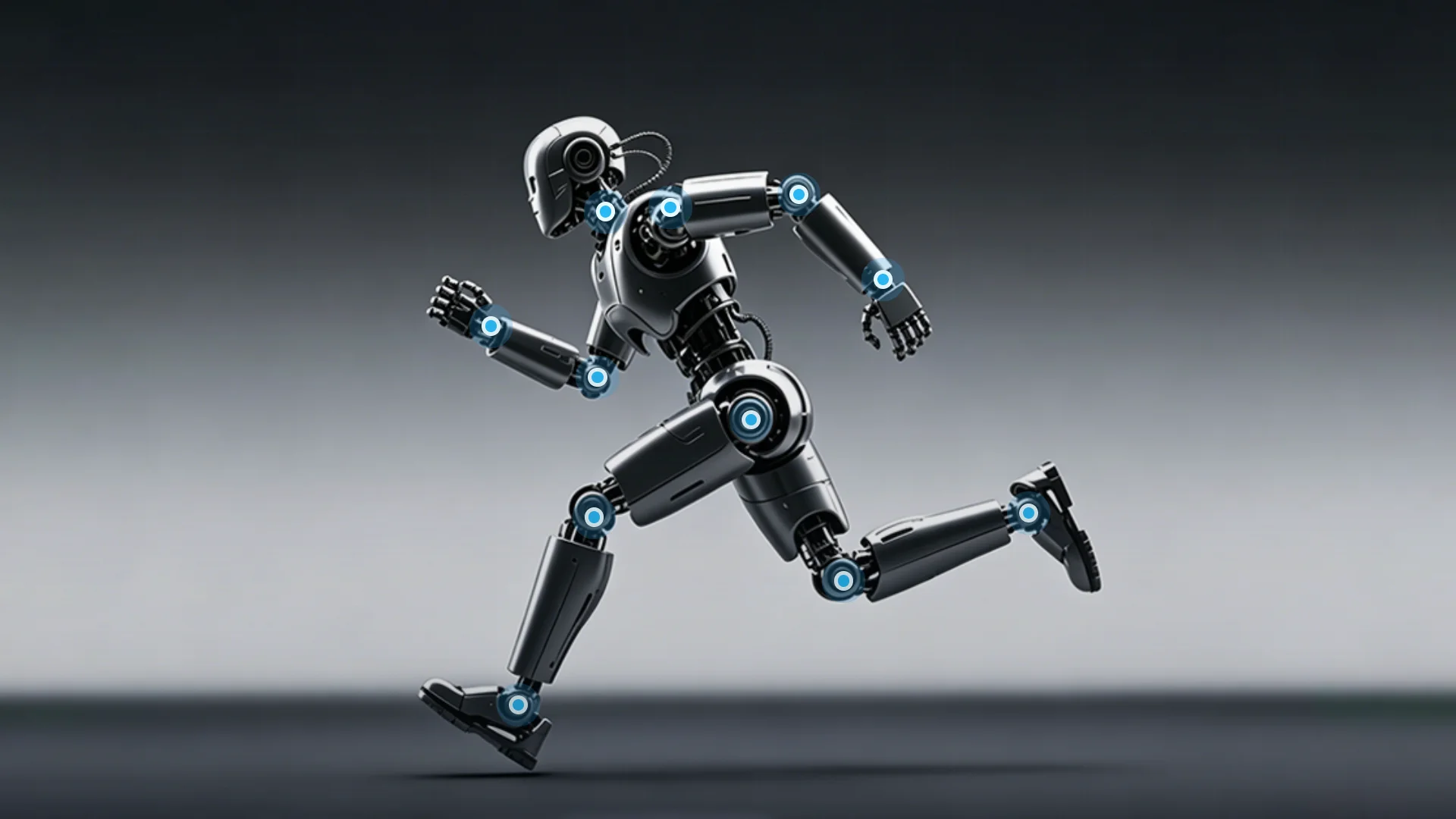
As artificial intelligence models leap forward, the physical capabilities of humanoid robots remain constrained by their hardware. Advanced integrated actuators and quasi-direct drive (QDD) systems are emerging as the crucial link between digital intelligence and real-world motion.
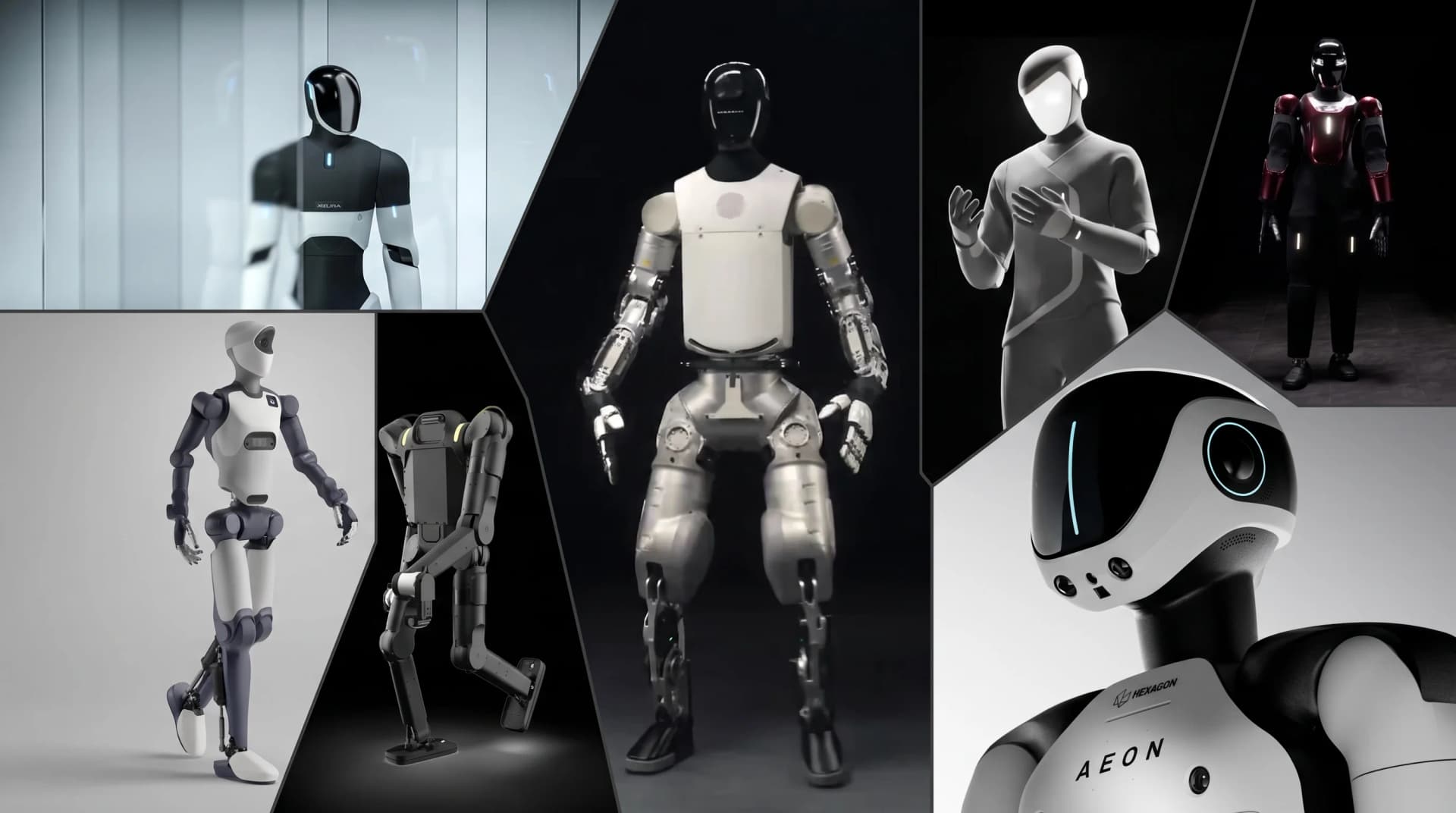
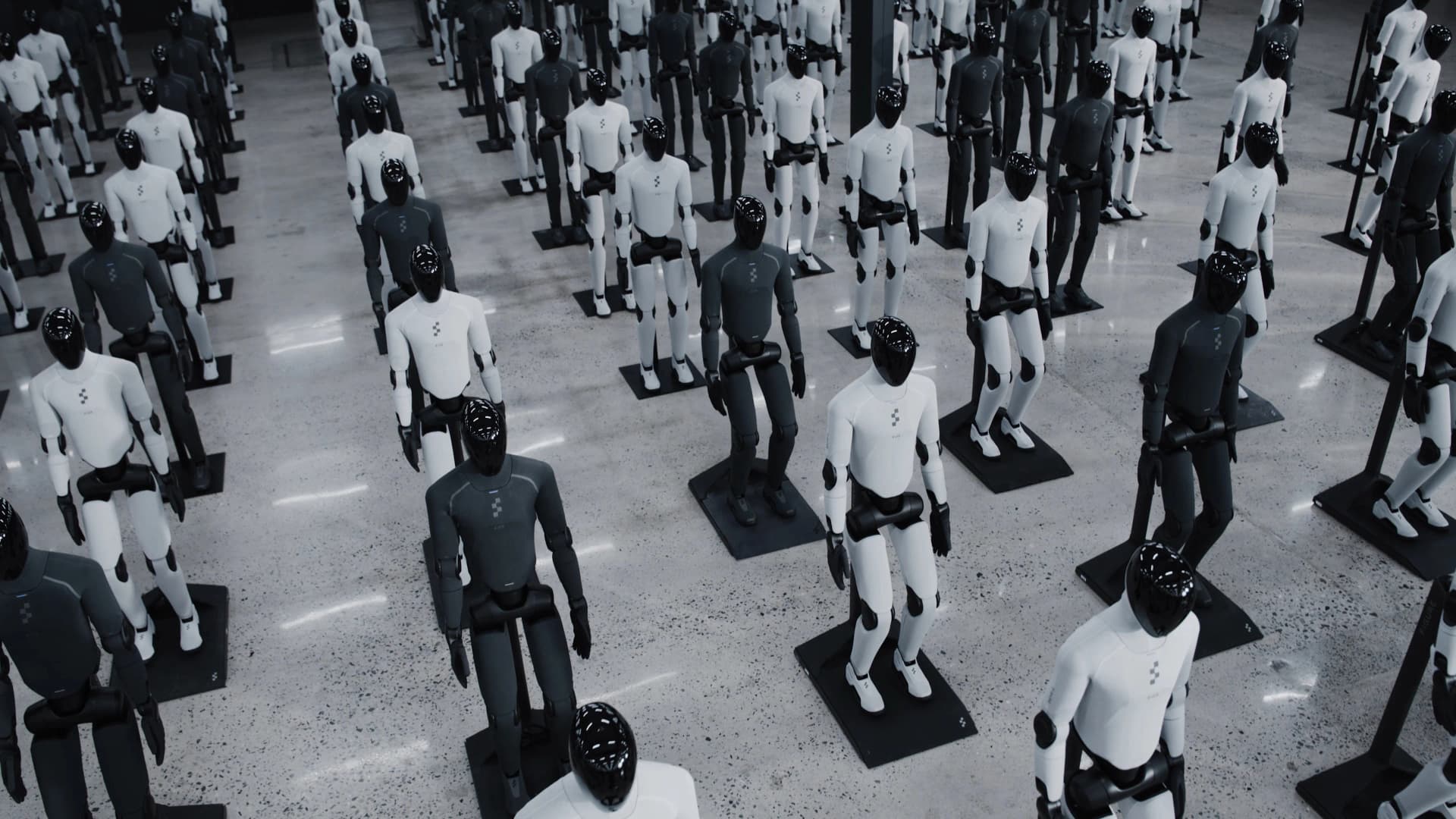
As major U.S. robotics firms shift from prototypes to mass production, a clear divide is emerging between the maturity of mechanical hardware and the intelligence of the AI driving it.
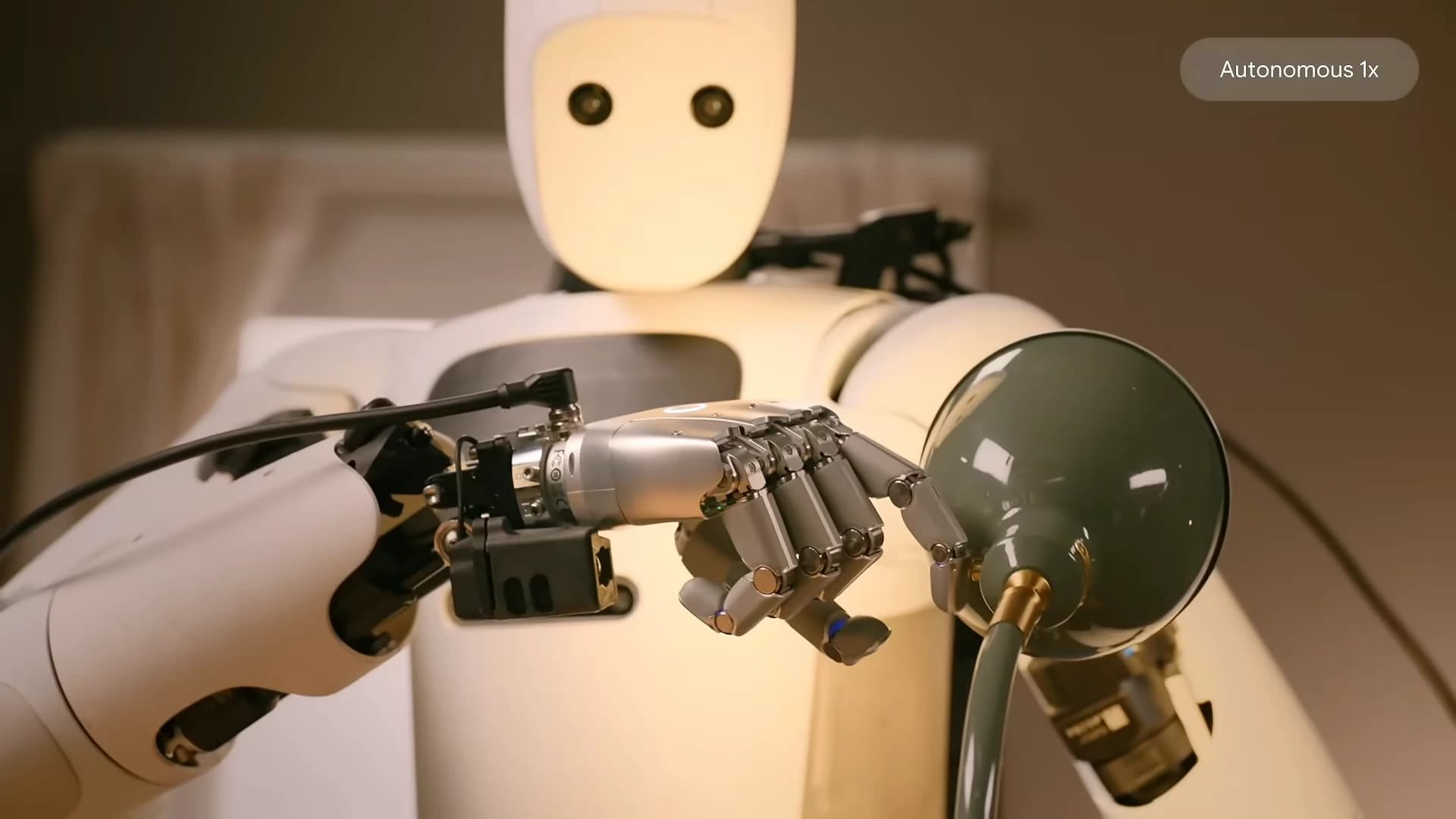
As "world models" become the dominant paradigm in robotics, the industry is grappling with a term that means everything and nothing. We map out the competing visions from LeCun, NVIDIA, 1X, and Tesla.