- Published on
Sanctuary AI Achieves "Zero-Shot" Sim-to-Real Milestone for Hydraulic Dexterous Hands
One tap, and our reporting appears more often in your Google Top Stories. It makes a real difference to a small newsroom.


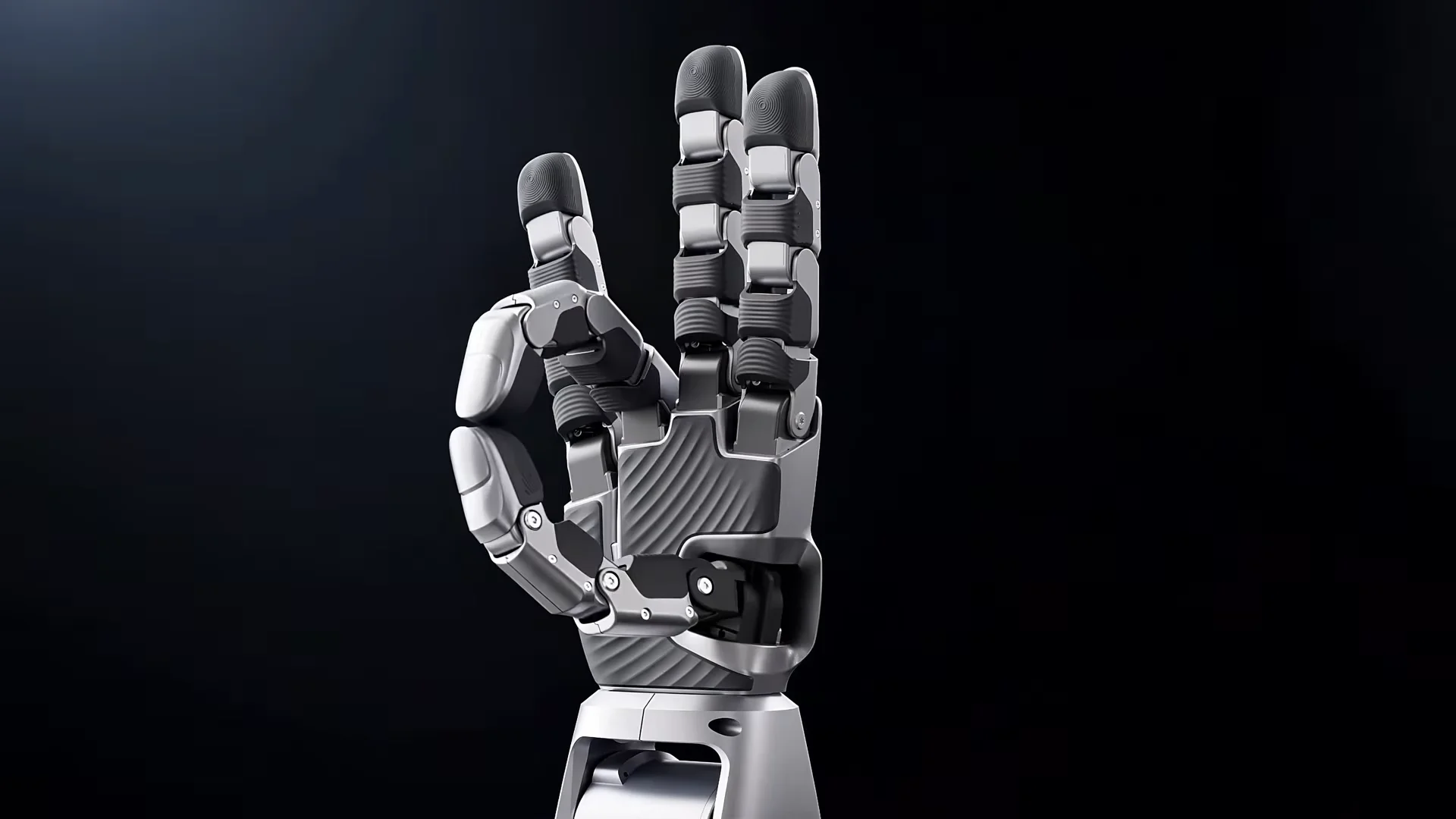
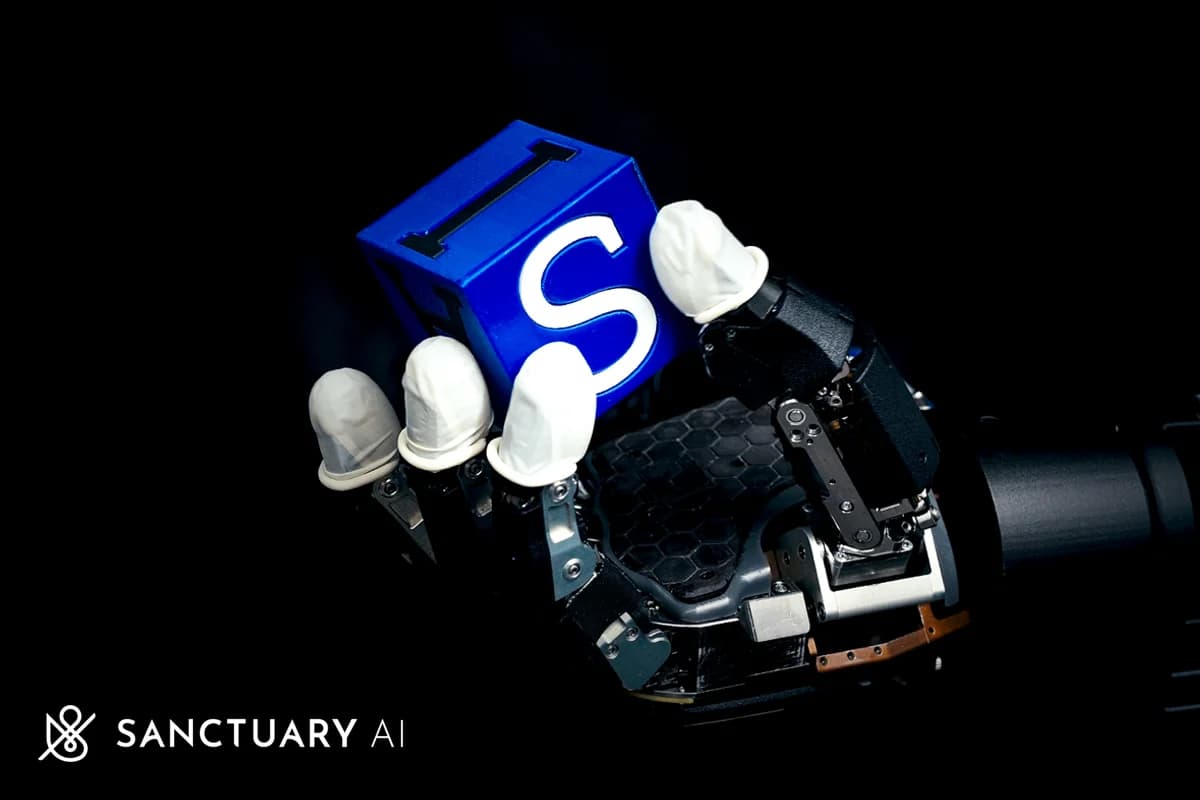
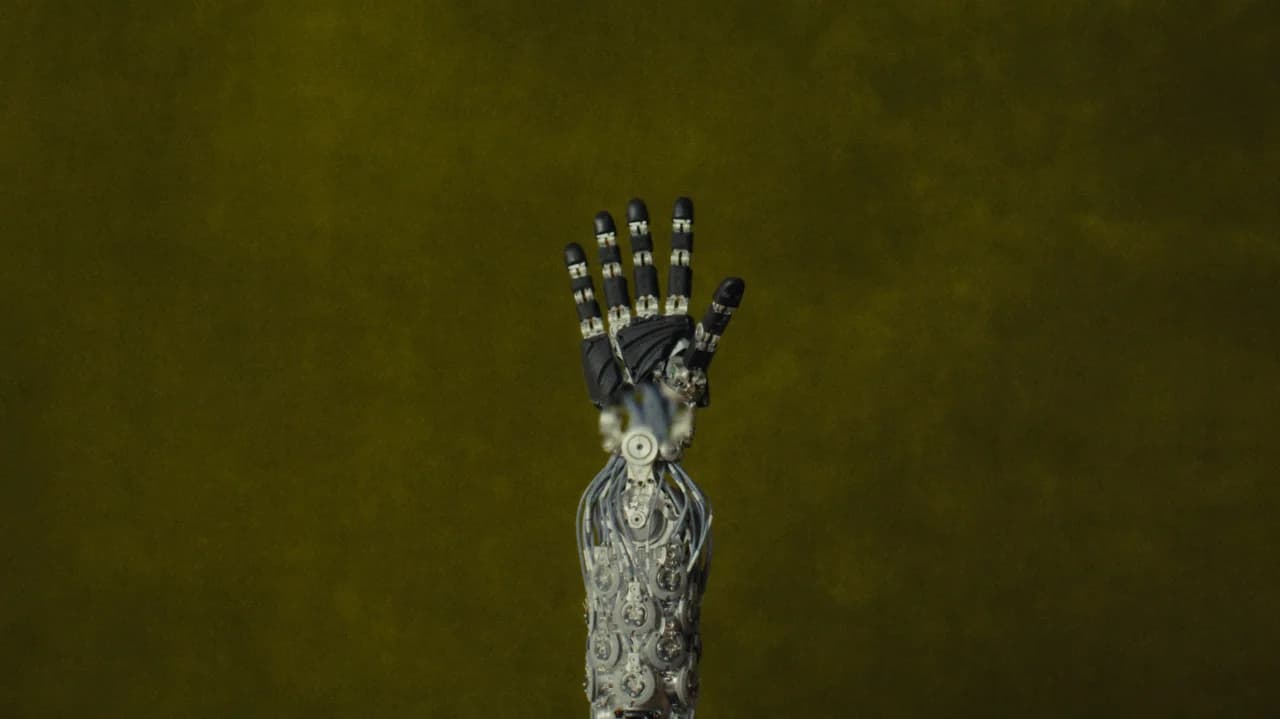
Vancouver-based Sanctuary AI has announced a significant technical achievement in robotic manipulation, demonstrating "zero-shot" transfer from simulation to reality for its five-fingered hydraulic hands. In a demonstration released today, the company showed its robotic hand repeatedly reorienting a lettered cube—a task notoriously difficult in robotics due to complex contact dynamics—using a control policy that had never been tested on physical hardware prior to the demo.
The Sim-to-Real Hurdle
The achievement focuses on bridging the "reality gap," the physical discrepancy between a digital simulation and the messy, unpredictable real world. While Sanctuary AI previously touted success in using reinforcement learning (RL) to handle unexpected 500g loads, this new milestone indicates that their simulation environments have reached a level of high fidelity where "zero-shot" transfer is possible.
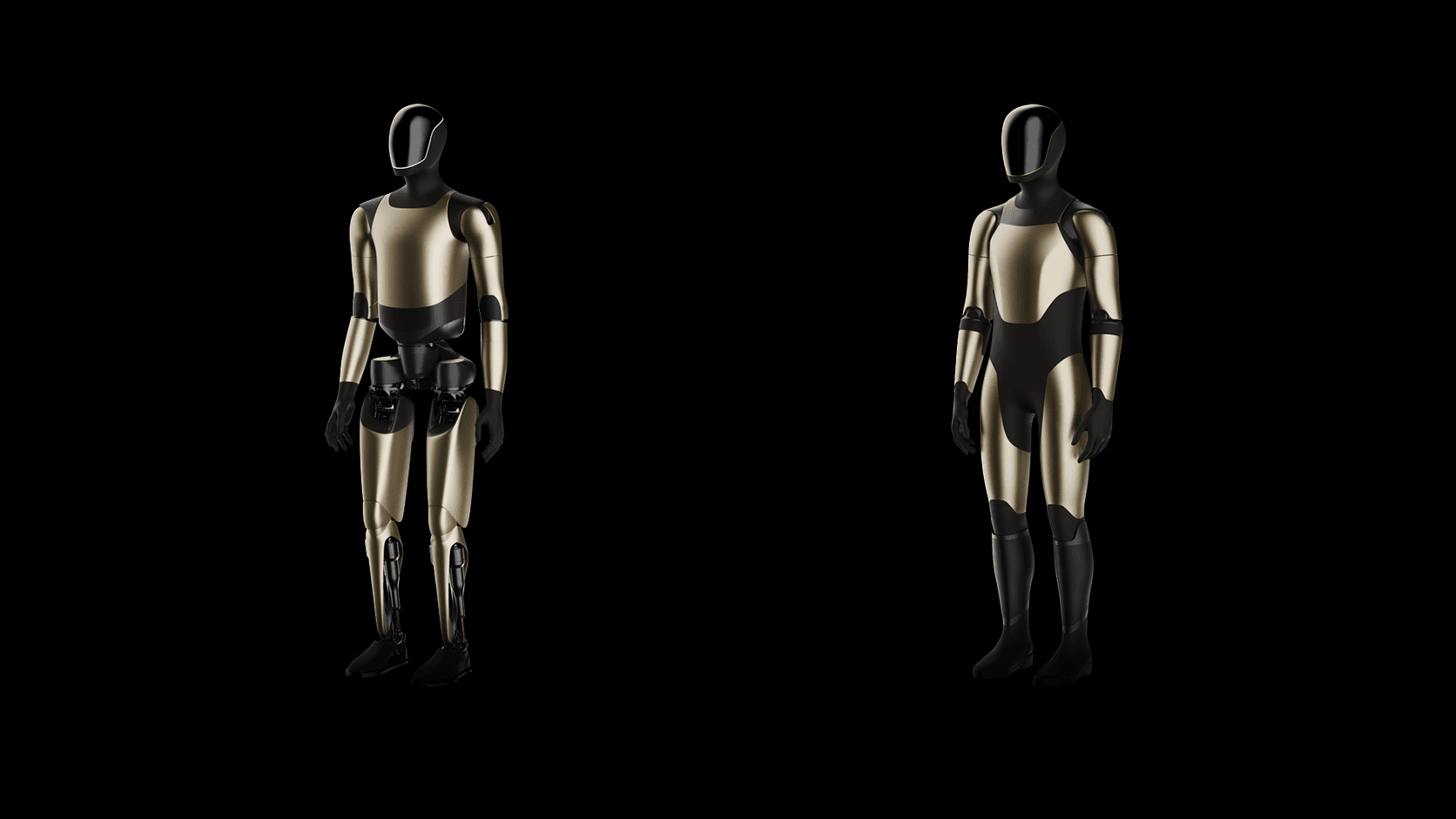
This means the AI policy was trained entirely in a virtual environment and performed seamlessly when deployed on the physical Phoenix robot platform. This stands in contrast to many contemporary approaches that require extensive real-world "fine-tuning" or human-in-the-loop data collection to succeed in contact-rich tasks.
Hydraulic Advantage and Hardware Design
A central pillar of Sanctuary’s strategy remains its commitment to hydraulic actuation, a path less traveled compared to the electric motors favored by competitors like Tesla and Figure. Sanctuary claims that hydraulics provide superior strength, speed, and precision control, which are essential for achieving human-level dexterity. While Sanctuary AI’s demonstration is a significant step for hydraulic hardware, the underlying software approach mirrors a historical breakthrough from OpenAI nearly eight years ago
The weekly humanoid robotics briefing
One email a week: the launches, funding and research that mattered, with context from Humanoids Daily.
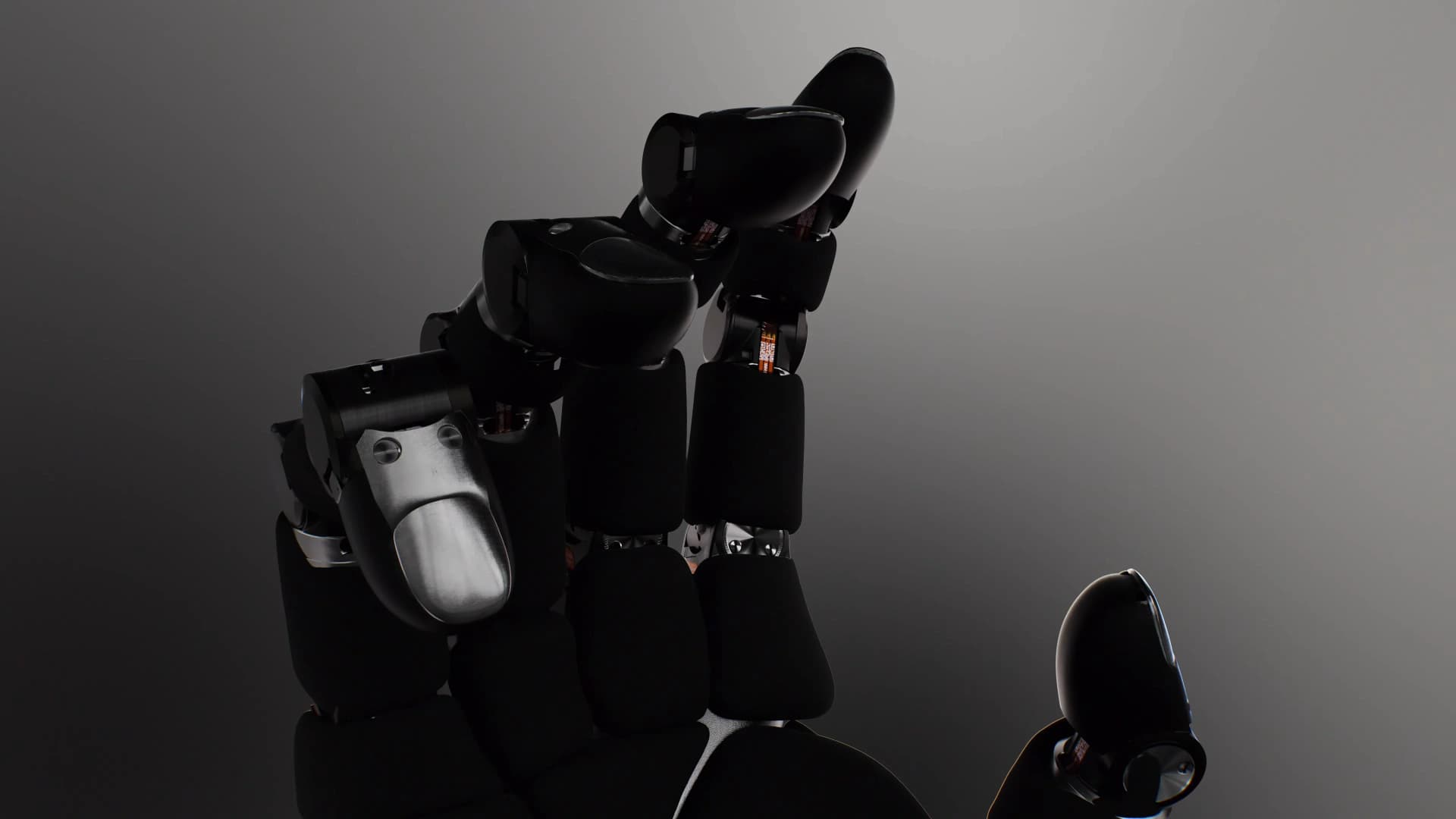
Read recent issuesThe proprietary hand used in the demo features a high number of active degrees of freedom (DOF), including finger abduction—the ability to spread fingers apart. This mechanical versatility is increasingly seen as the baseline for "human parity." For comparison:
- Tesla is currently aiming for a 25-actuator "V3" hand to achieve superhuman precision.
- Figure recently teased its 7th-generation hand, which also emphasizes finger abduction and adduction for stabilizing irregular objects.
- Xiaomi has focused on shrinking its hardware to a 1:1 human scale while adding "bionic sweat glands" for thermal management.
The Competitive Landscape of Dexterity
Sanctuary AI’s "zero-shot" success arrives at a time when the industry is debating the best software architecture for manipulation. While Sanctuary relies on robust RL and high-fidelity simulation, other players are taking different routes:
- Sharpa Robotics recently achieved an apple-peeling milestone using a "Mixture-of-Dexterous-Experts" (MoDE-VLA) architecture, though it currently maintains a 30% success rate on that specific task.
- Kyber Labs is distancing itself from monolithic models in favor of a deterministic "primitive workflow" approach for lab automation, prioritizing auditability over the emergent behaviors of RL.
- PSYONIC and NVIDIA are collaborating on real-to-real transfer, using a sensorized prosthetic hand to capture high-fidelity human data for training various robotic embodiments.
By demonstrating that its hydraulic hardware can execute complex in-hand reorientation without real-world training, Sanctuary AI is positioning its "Carbon" AI control system as a leader in generalized dexterity. However, the broader challenge for the Vancouver firm—and the industry at large—remains scaling these specialized skills into a reliable, affordable system capable of handling the vast array of objects found in human environments.
Share this article
Read next
- Published on
- Reading time
- 3 min read
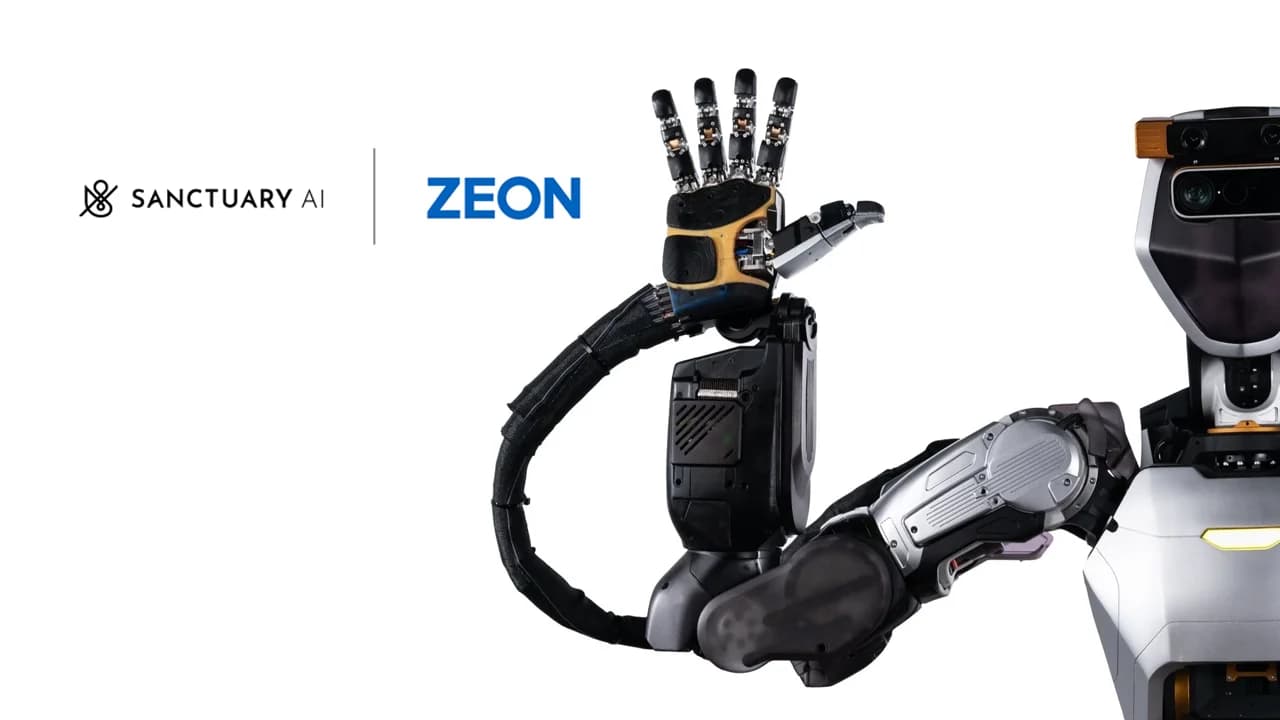
Sanctuary AI Secures Zeon Investment to Develop Resilient Materials for Industrial Robotic Hands
- Published on
- Reading time
- 5 min read
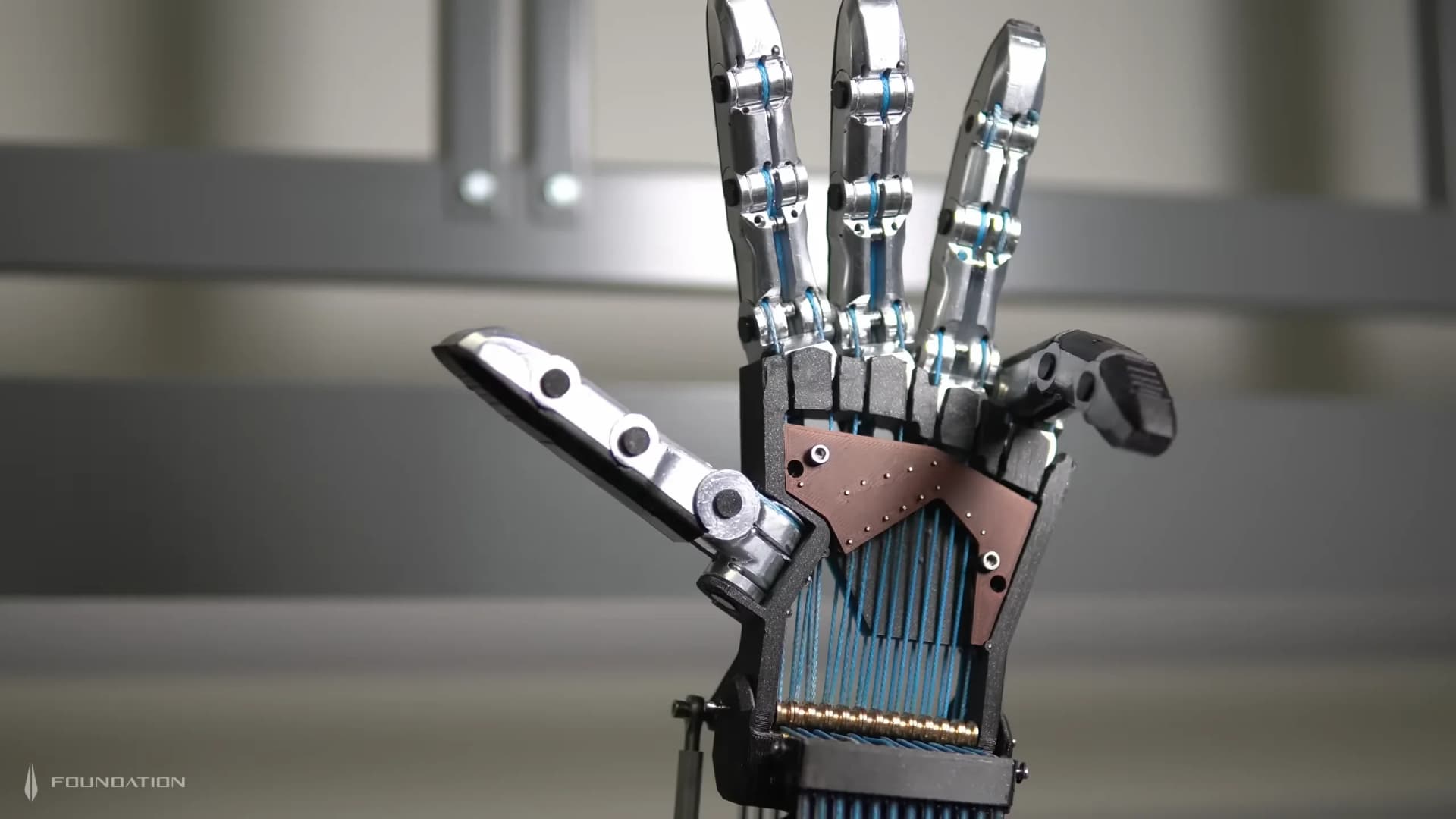
The Great Dexterity Divide: Why Robotics Leaders Are Warring Over Tendon vs. Direct-Drive Hands
- Published on
- Reading time
- 6 min read
The "Final Boss" of Home Robotics: 1X Unveils Next-Gen Robotic Hands for NEO Alongside New CFO
- Published on
- Reading time
- 10 min read
The Contact Problem: How AGILINK’s New OmniHand 3 Ultra-M is Teaching Robots to Feel
- Published on
- Reading time
- 5 min read
Wuji Tech Teases Wuji Hand 2: High Engineering Ambitions Behind a CGI Veil
- Published on
- Reading time
- 5 min read
Sweating the Details: Xiaomi Unveils Upgraded CyberOne Hand with "Bionic Glands" and Full-Palm Touch
The weekly humanoid robotics briefing
One email a week: the launches, funding and research that mattered, with context from Humanoids Daily.
Read recent issues