- Published on
Mind Robotics Hits $1 Billion Funding Milestone with New $400M Round Led by Kleiner Perkins
One tap, and our reporting appears more often in your Google Top Stories. It makes a real difference to a small newsroom.

Supported by RoboStrategySupport for Humanoids Daily comes from RoboStrategy
Sponsored


Investing involves risk, including possible loss of principal. Read the prospectus before investing.
- Mind Robotics has raised $400 million in a new funding round led by Kleiner Perkins, bringing its total capital to over $1 billion.
- The company continues to leverage a "captured distribution" model with Rivian, using active production lines as a "data flywheel" for training its foundation models.
- Unlike competitors focused on human mimicry, Mind is prioritizing "reasoning-intensive" manufacturing tasks through a co-design of hardware and software.
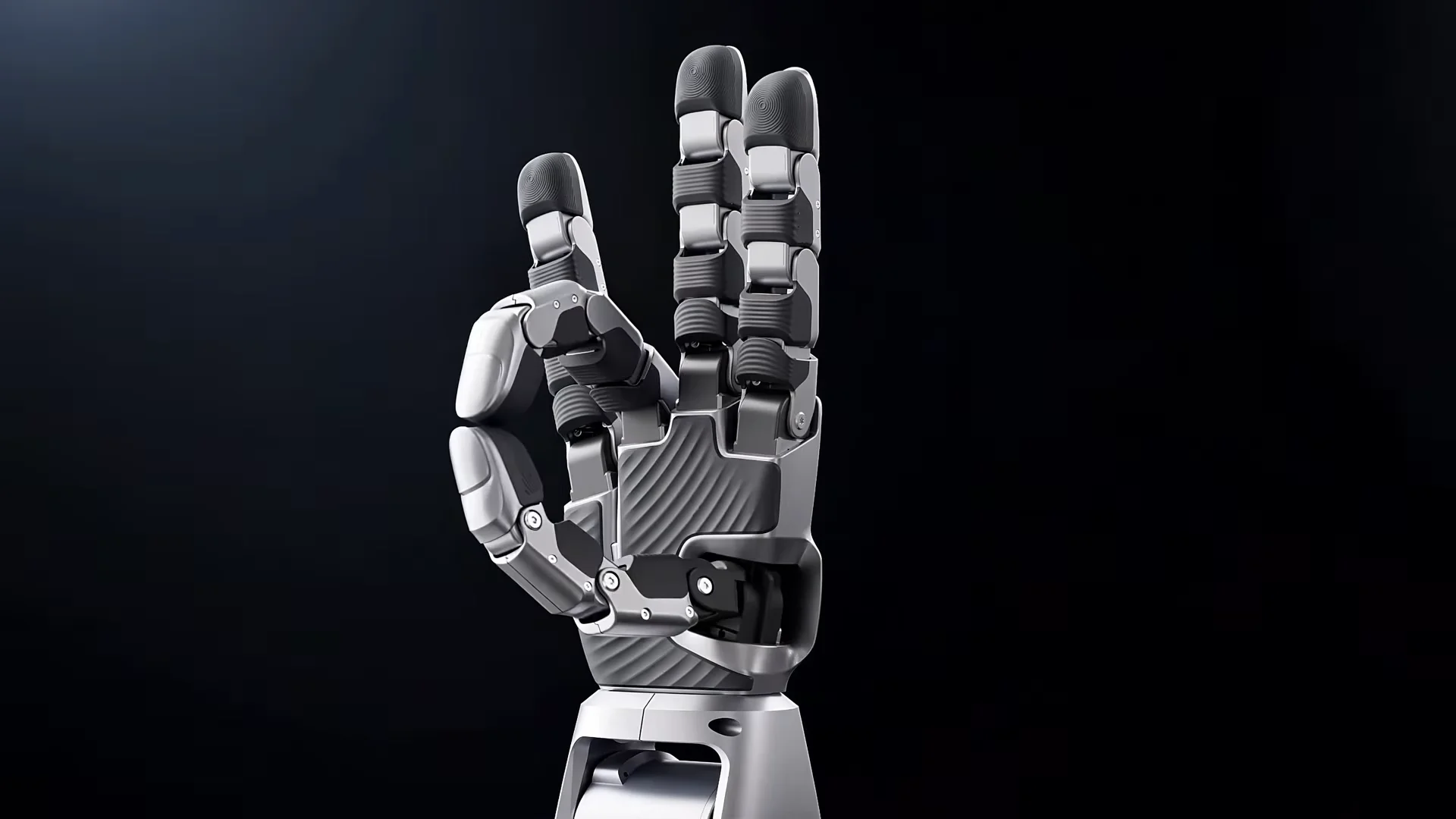
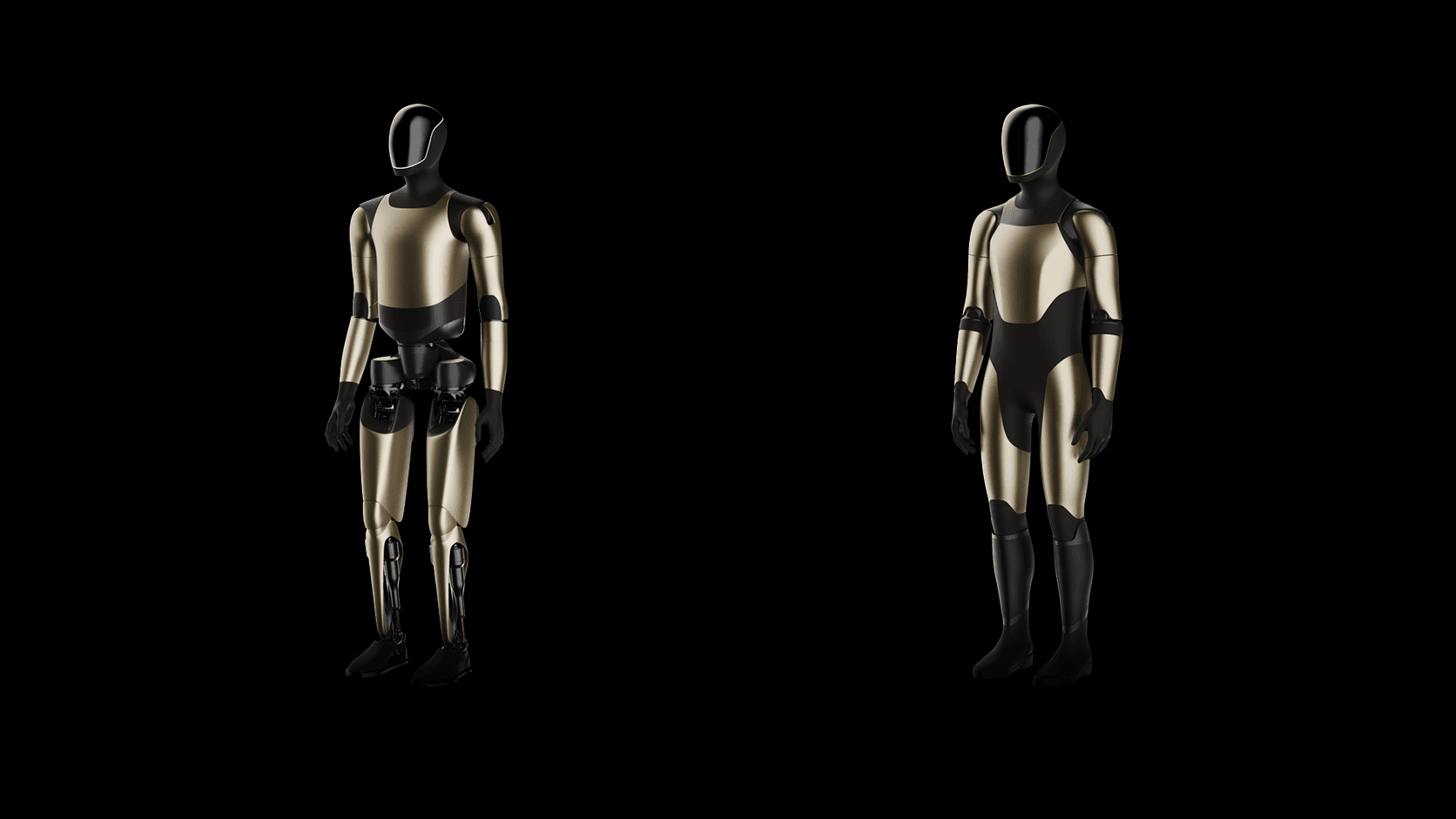
Mind Robotics is moving at a pace rarely seen even in the high-octane world of AI-driven automation. Just weeks after announcing a $500 million Series A, the Palo Alto-based startup led by Rivian CEO RJ Scaringe has closed an additional $400 million in financing. Led by Kleiner Perkins, the latest round pushes the company’s total funding past the $1 billion mark—a staggering war chest for a company that has yet to publicly debut its first hardware unit.
The round saw broad participation from a coalition of Silicon Valley’s most prominent heavyweights. New investors including Meritech Capital, Redpoint Ventures, and SV Angel joined the cap table alongside existing backers like Accel, Andreessen Horowitz, and Eclipse. This rapid succession of funding rounds suggests a significant acceleration in Mind’s roadmap as it attempts to bridge the gap between digital "brains" and physical industrial labor.
The Power of the Data Flywheel
The central thesis of Mind Robotics remains its unique relationship with Rivian. While many robotics startups struggle to find consistent, high-quality data to train their models, Mind utilizes Rivian as a shareholder, partner, and primary pilot customer. This "captured distribution" strategy gives the startup immediate access to high-volume manufacturing environments.
According to Mind researcher Advait Patel, the company is integrating data directly from Rivian’s production lines into its training mixture. This real-world feedback loop is designed to solve the "reasoning-intensive" problems that have historically limited robots to simple, repeatable tasks. By training on live manufacturing data, Mind aims to build foundation models that understand the nuances of a factory floor—an approach that mirrors Tesla’s use of its own factories to develop the Optimus humanoid.
The weekly humanoid robotics briefing
One email a week: the launches, funding and research that mattered, with context from Humanoids Daily.
Read recent issuesScaling Beyond Human Mimicry
While companies we write about here focus on humanoids that mimic the human form, Mind Robotics appears to be doubling down on a "utility-first" philosophy. The company’s mission centers on developing general-purpose robots that can perform dexterous tasks in "real plants at real scale."
By controlling both the foundation models and the hardware architecture, Mind is pursuing a co-design strategy. This allows the team to optimize industrial processes for robotic efficiency rather than forcing machines to navigate environments designed purely for humans. This approach is becoming a dominant trend in the sector, as seen in Hexagon’s AEON platform, which prioritizes multifunctional capability over strictly human-like proportions.
Overcoming the "Last Mile" of Reliability
The billion-dollar valuation reflects investor confidence, but the road to widespread deployment remains fraught with technical challenges. Mind Robotics believes its "live manufacturing" data loop is the key to surmounting these reliability hurdles. "Robotics is poised to become one of the biggest markets, and advances in models and hardware are coming together to make this possible," noted Ilya Fushman, Partner at Kleiner Perkins.
With this new injection of capital, Mind Robotics is expected to aggressively expand its headcount across research and hardware engineering. The automotive sector serves as the initial proving ground, but the company’s stated goal is to unlock "every industrial vertical" by mastering the exacting standards of modern vehicle assembly. For now, the industry is watching to see if Scaringe’s "Physical AI" can succeed where previous generations of industrial automation have stalled.
Share this article
Read next
- Published on
- Reading time
- 4 min read
RJ Scaringe Unveils Mind Robotics: A $500M Bet on 'Captured Distribution' for Industrial AI
- Published on
- Reading time
- 10 min read
Agility's Numbers Are In: $1.8M in Sales, a $138M Loss, and a Backlog Owed to an Insider
- Published on
- Reading time
- 6 min read
SoftBank in Talks for Majority Stake in 1X at $6 Billion — Below the $10 Billion It Sought Last Year
- Published on
- Reading time
- 4 min read
Hyundai to Take Full Ownership of Boston Dynamics in $325 Million SoftBank Buyout
- Published on
- Reading time
- 5 min read
Physical AI Arms Race Accelerates: Generalist AI Secures $400M to Scale Robot Learning
- Published on
- Reading time
- 4 min read
Figure Inks Commercial Deal with Catalyst Brands for Large-Scale Humanoid Deployment


The weekly humanoid robotics briefing
One email a week: the launches, funding and research that mattered, with context from Humanoids Daily.
Read recent issues