- Published on
- Reading time
- 8 min read
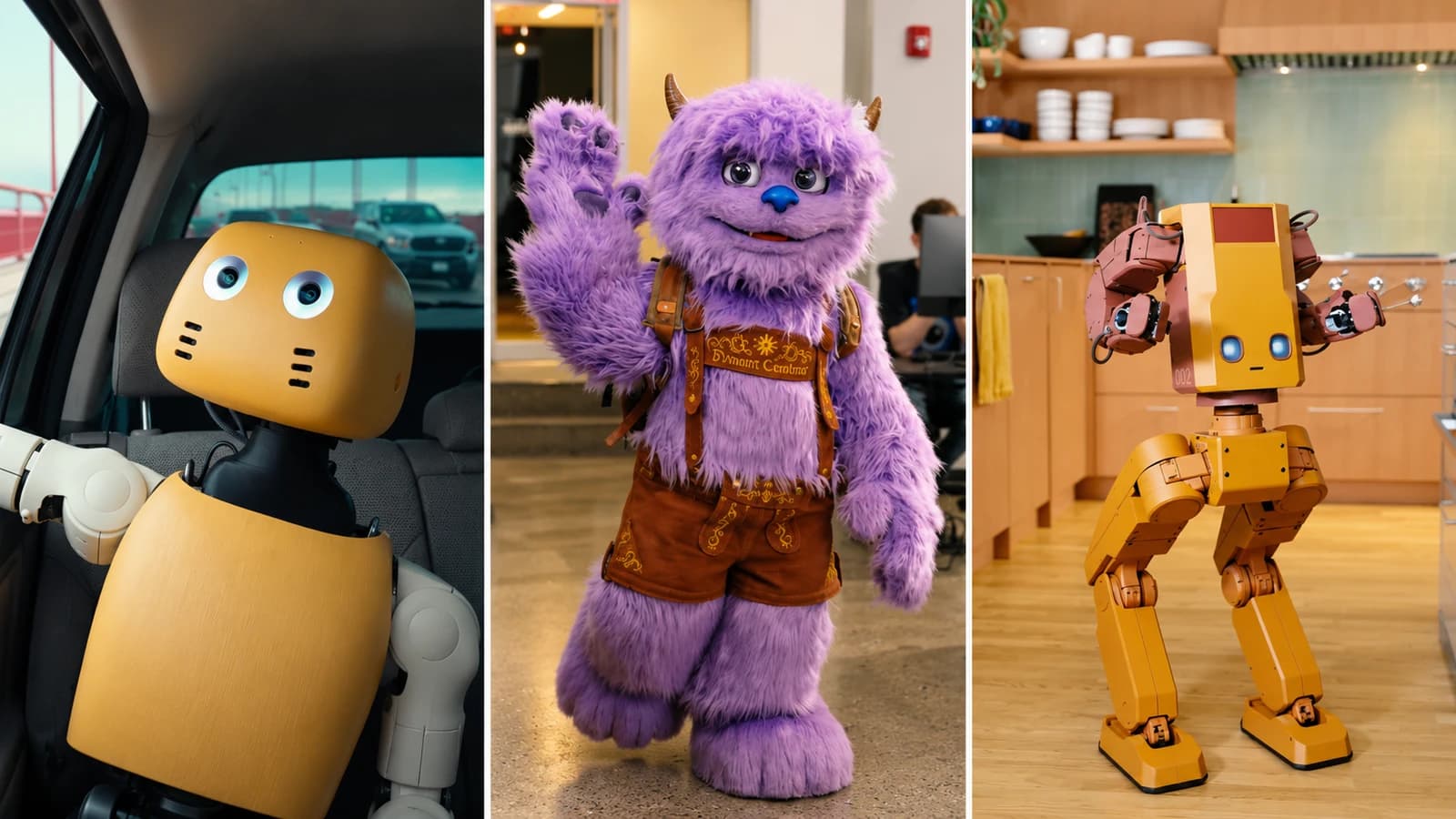
The Unitree G1 Is Becoming a Platform for American Robot Startups
Lumi, Voxel and a possible G1 connection beneath Hugo highlight how American startups are building new robot identities around Unitree hardware.
Lumi, Voxel and a possible G1 connection beneath Hugo highlight how American startups are building new robot identities around Unitree hardware.
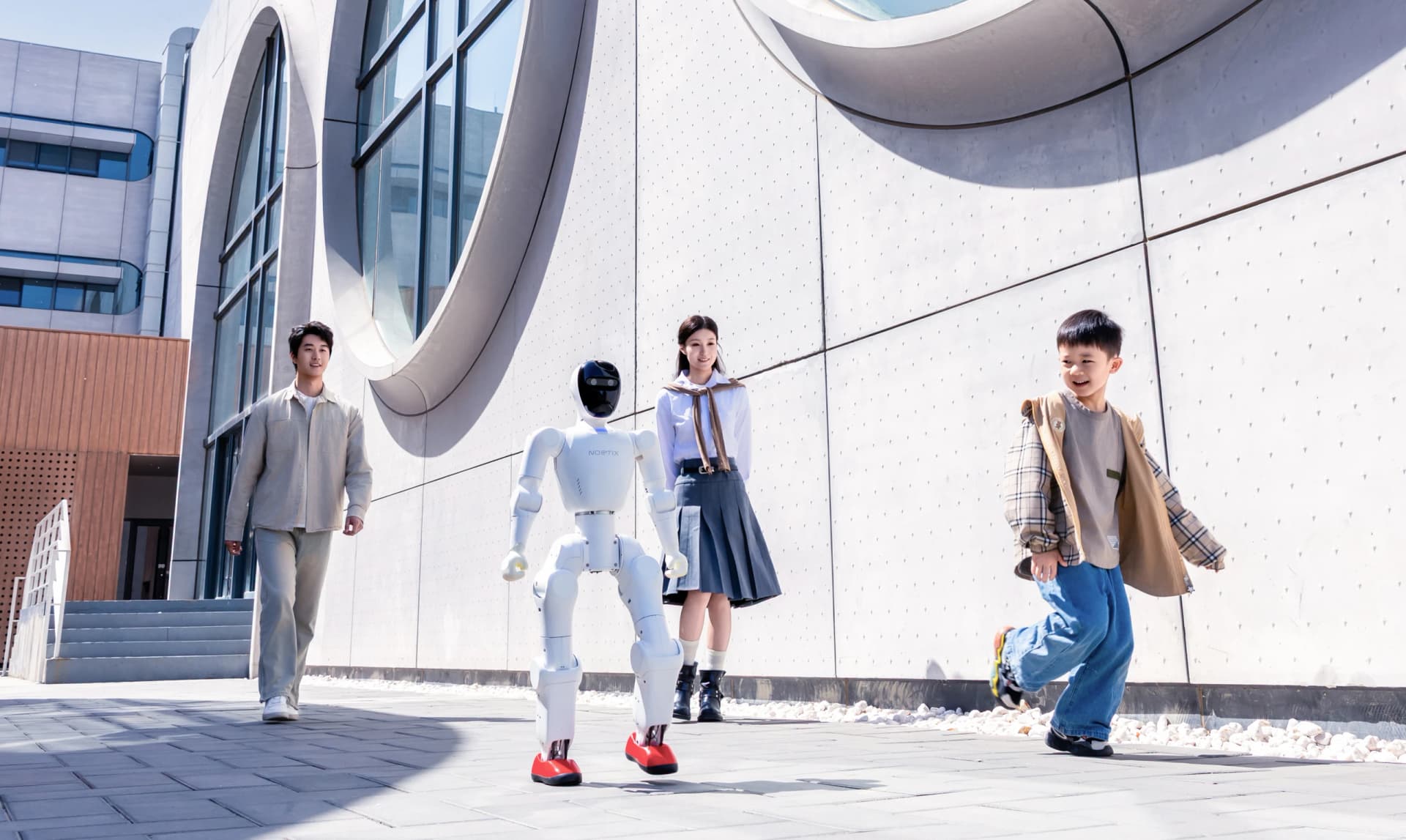
The humanoid robot maker could raise several hundred million dollars and list as early as 2027, following a funding round led by a CATL-affiliated investment platform.
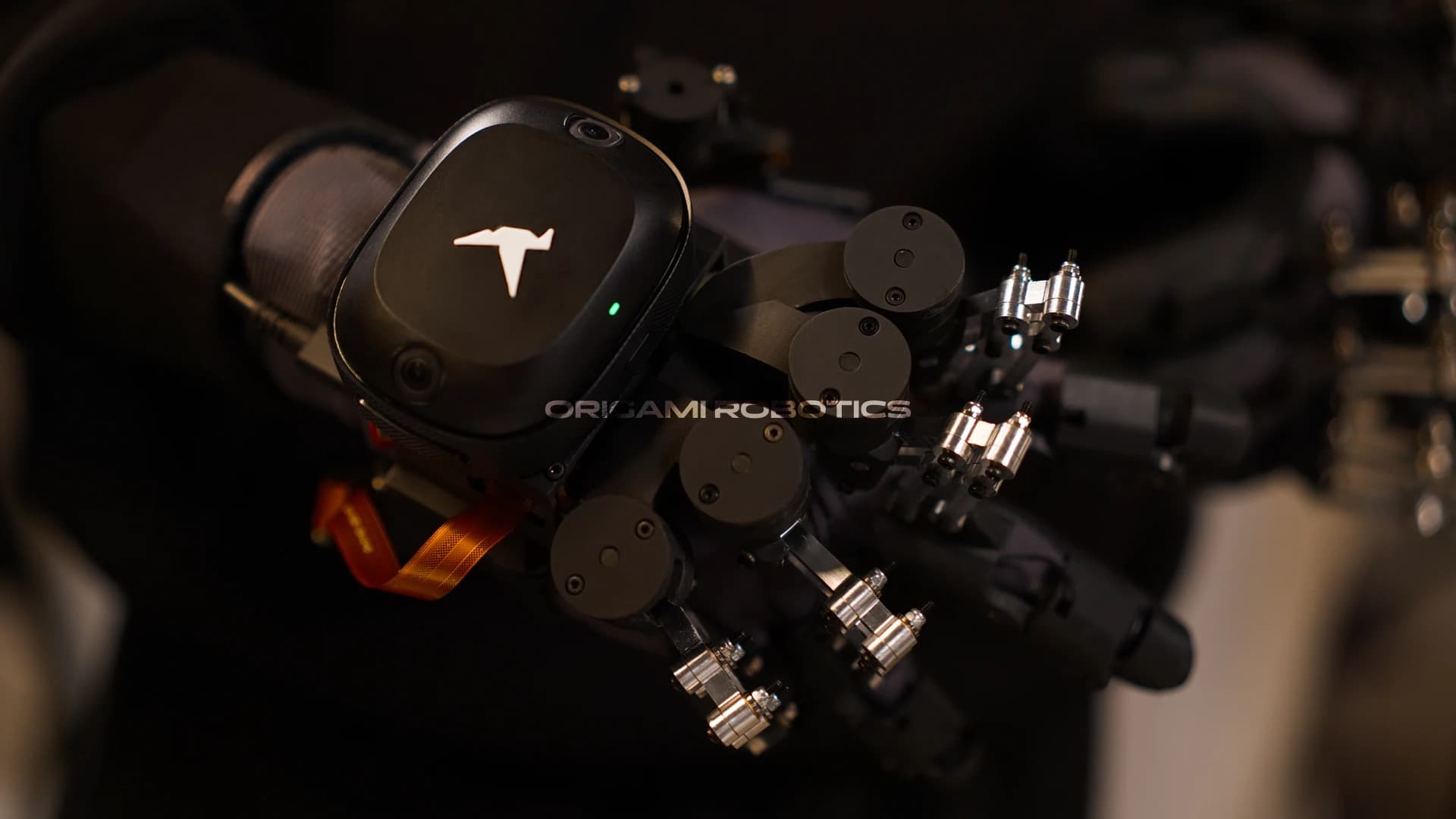
The S1 glove records finger movements, touch and video, with joints matched to Origami’s robot hand. The company says mass production has started.
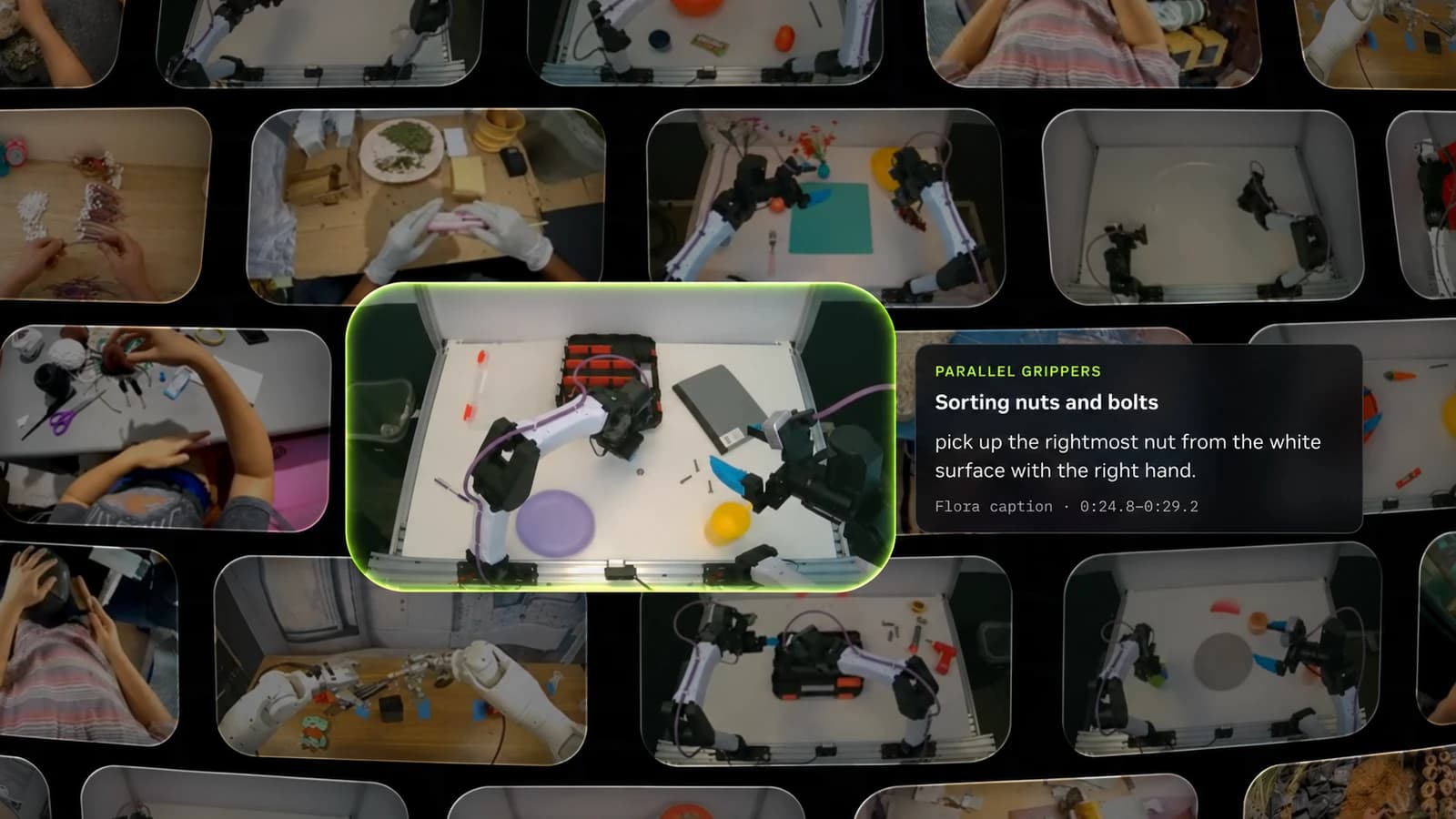
Flora labels actions and scores robot performance from video. NVIDIA reports 200,000 hours processed daily, with model weights available for research under noncommercial terms.
The UK robot maker says Jetson Thor consolidates two onboard computers into one, as it integrates NVIDIA tools for sensing, AI inference and real-time control.
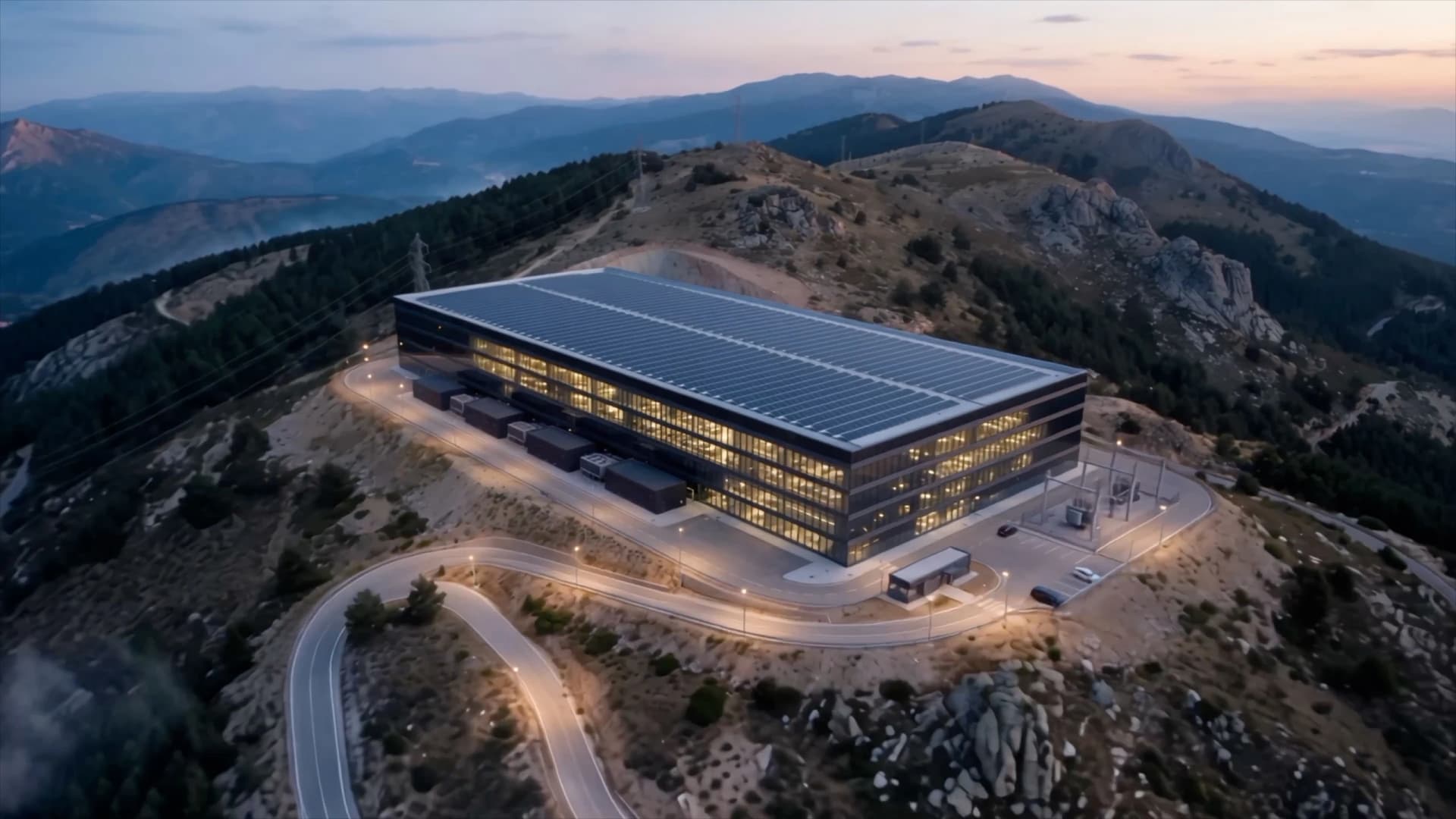
A planned 5,000-square-metre Italian hub would train GENE.01 humanoids using physical tasks and AMD-powered digital twins, with operations targeted for Q4 2027.
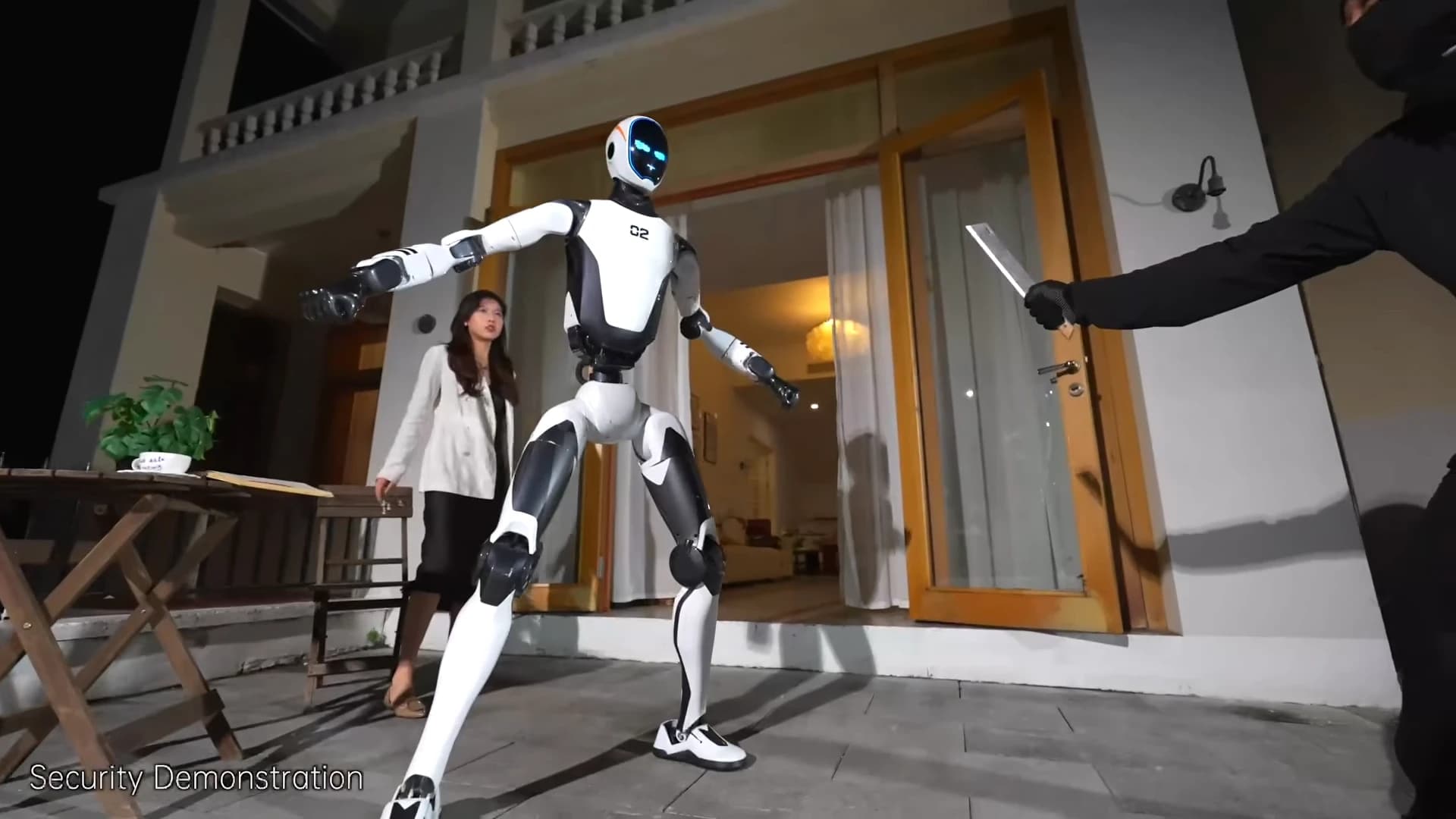
Unitree’s new H2-X video combines car-roof flips, martial arts and staged rescue scenes, alongside a claim of approximately eight hours of standing endurance.
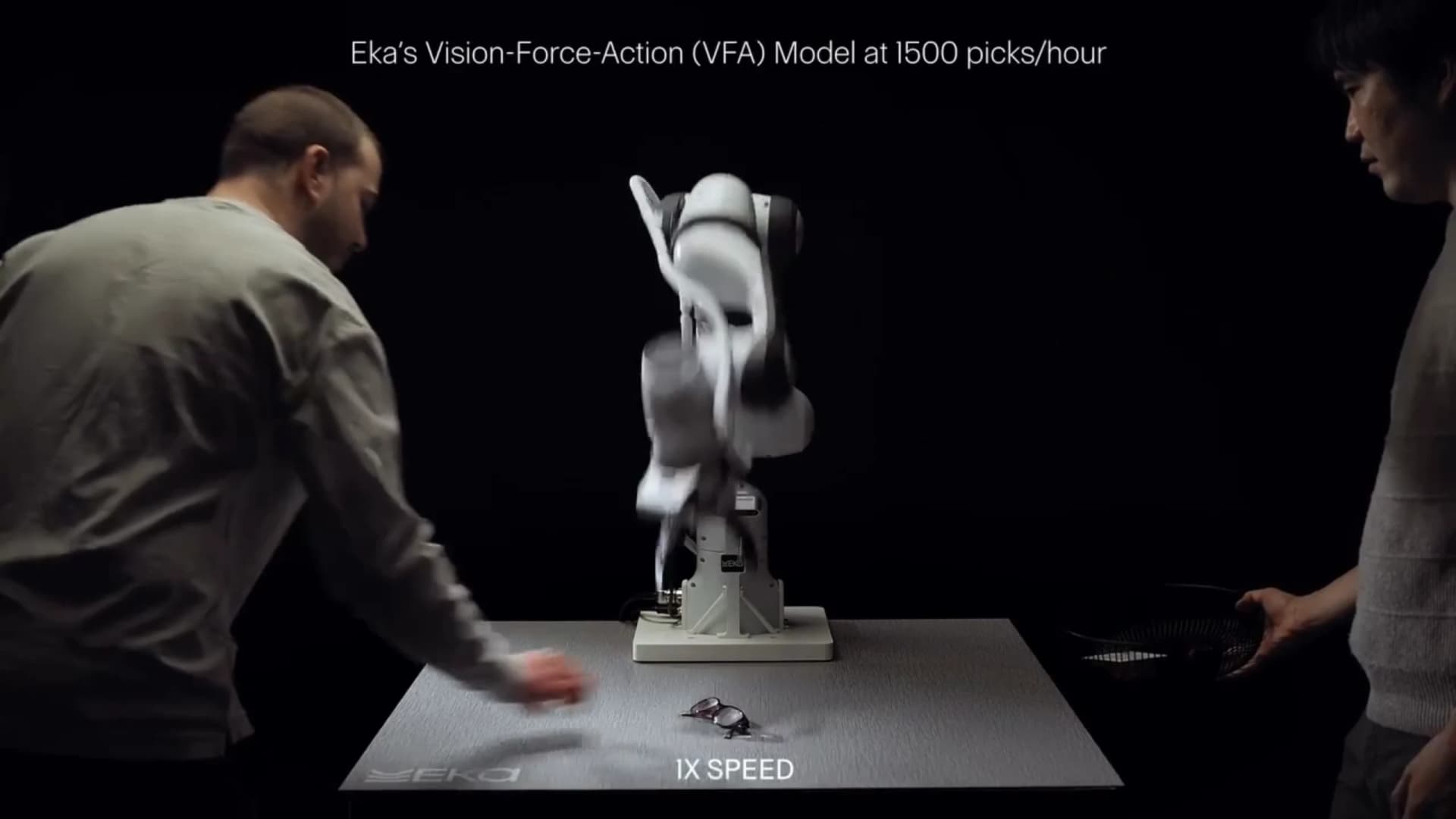
Eka’s Series A backs a vision-force-action model trained in simulation, with a reported $1.45 billion valuation and a focus on fast, adaptable robot manipulation.
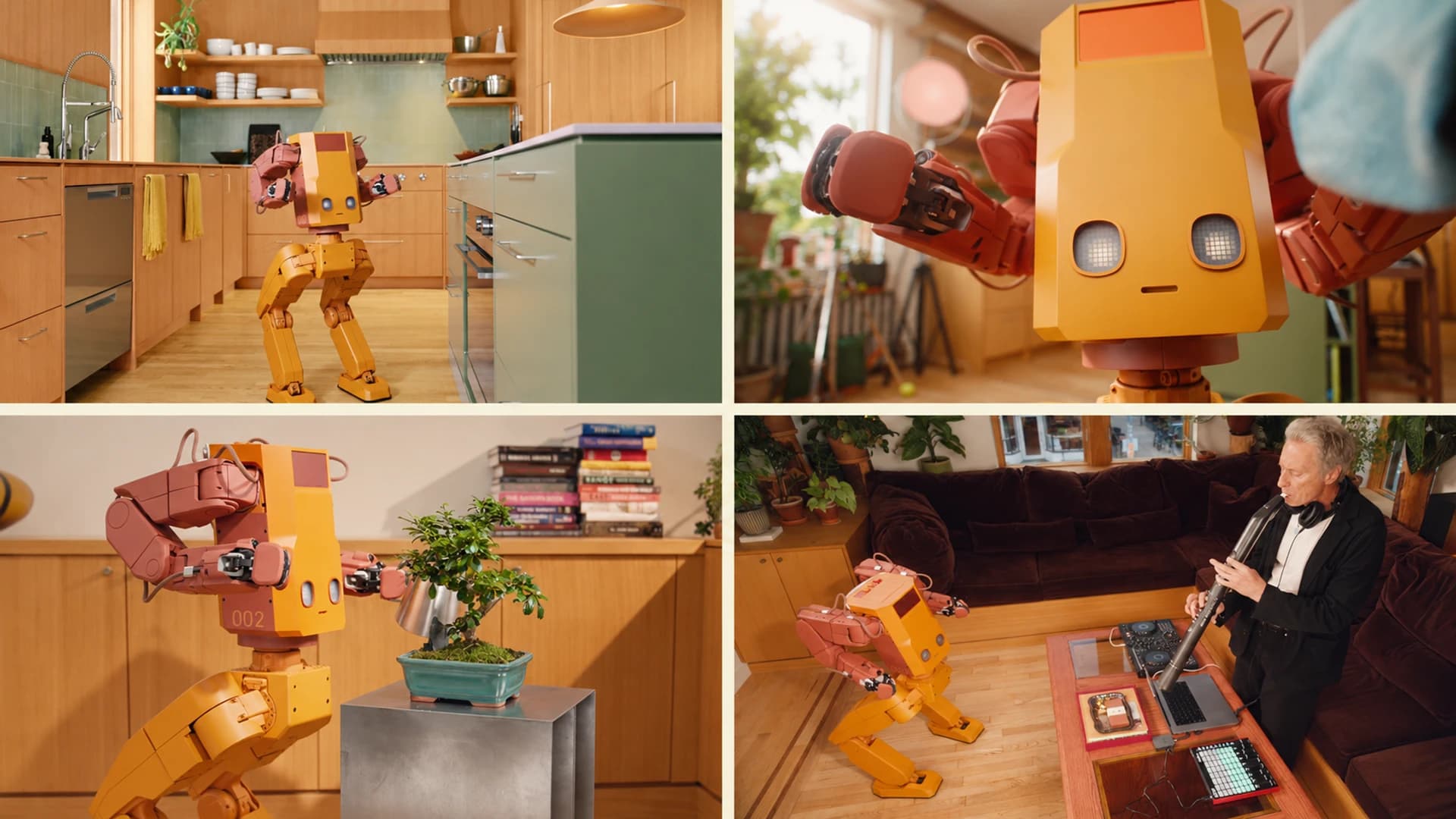
Tuesday Labs opens $200 refundable reservations for Voxel, a household robot targeting US deliveries in 2028. Its $20,000 price is an estimate, and the hardware remains in development.
Catch up on Apollo’s Gemini 4 demonstration, PI’s API beta, Figure’s endurance test and the week’s manufacturing and market news in our free weekly briefing.
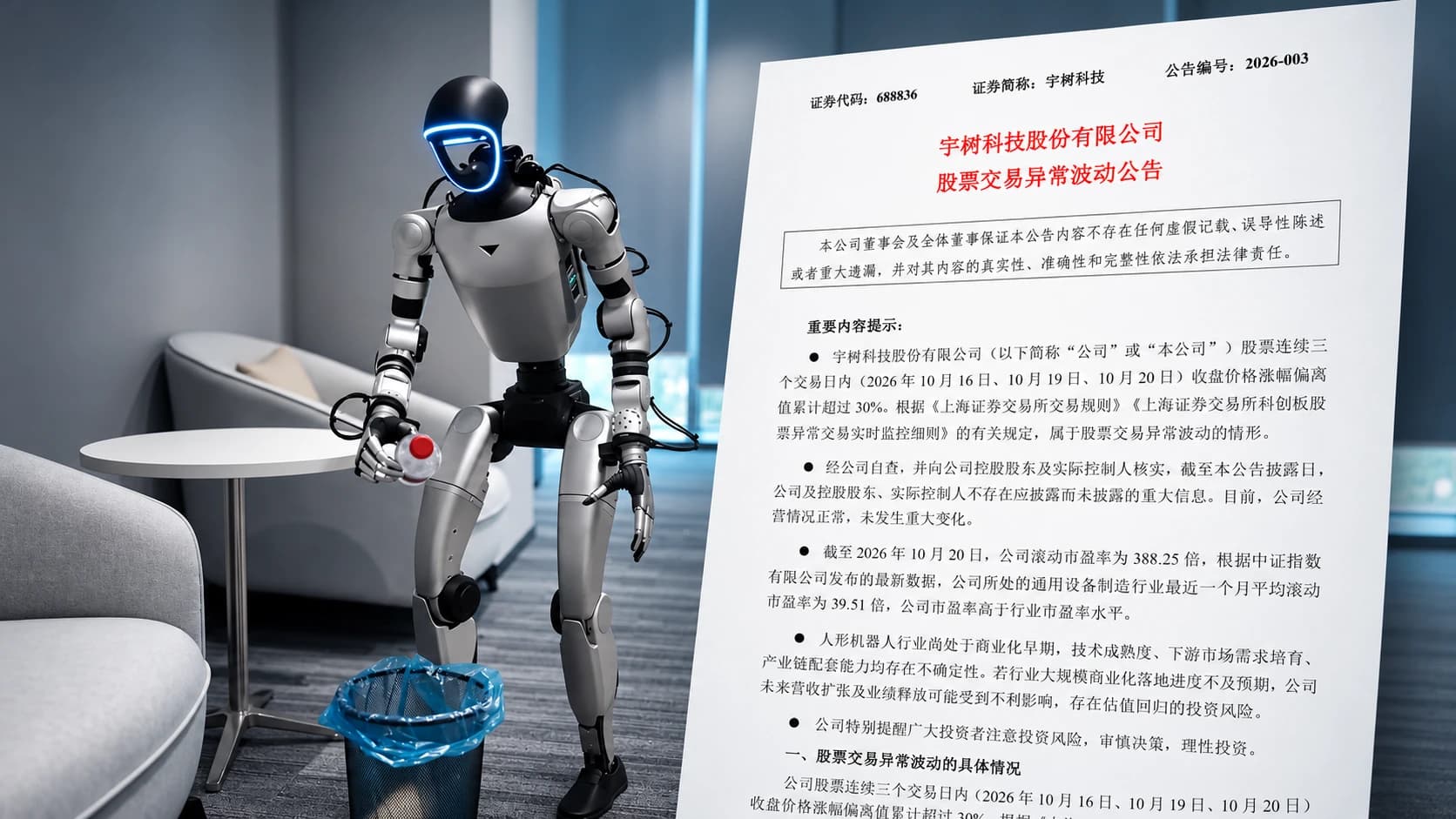
Unitree flags commercialization and valuation risks after unusual share-price gains, while reporting normal operations and no undisclosed material information.
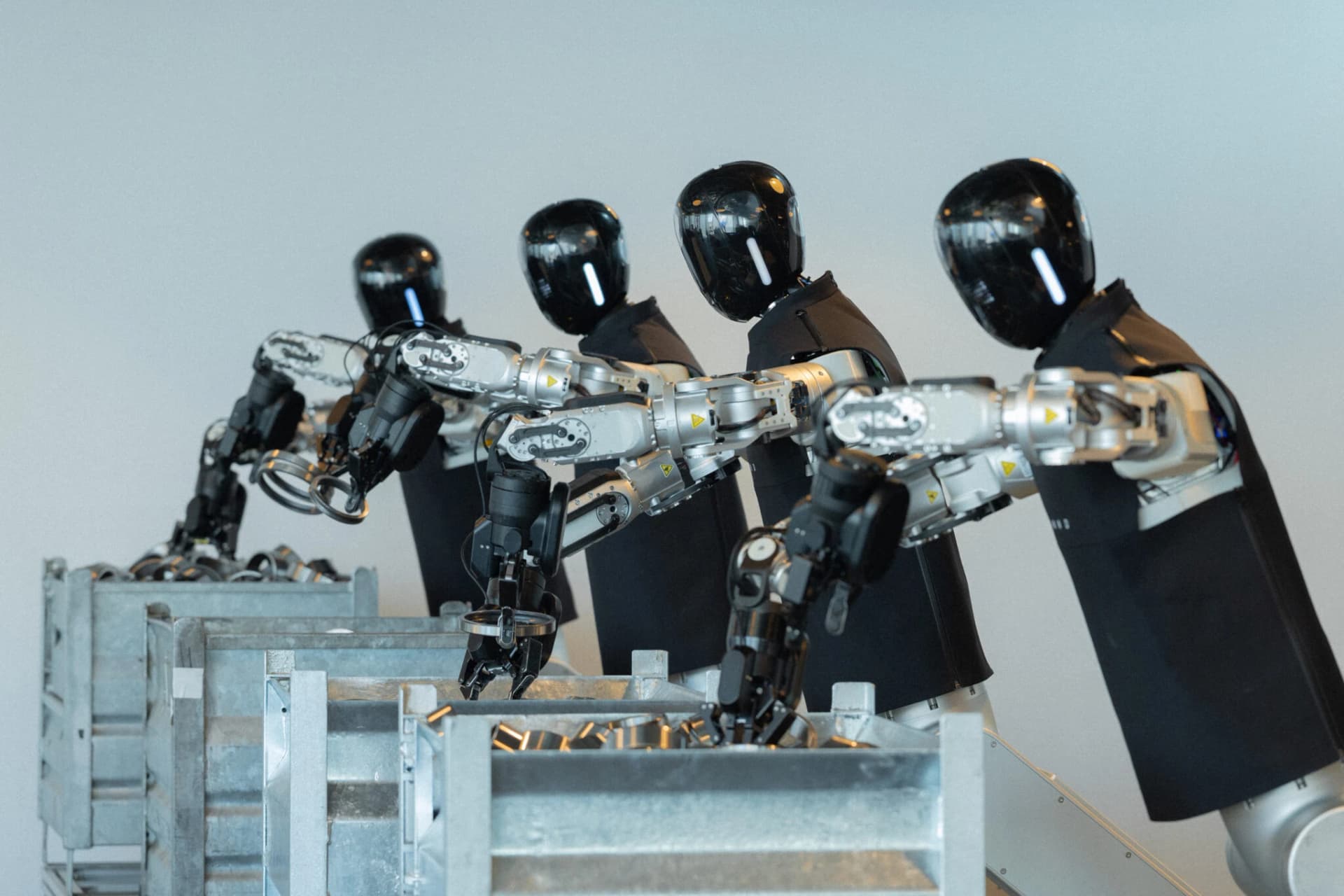
Six humanoids work across five stations at Schaeffler’s new Taicang facility, which combines robot-component production with training, data collection and digital twins.