
Wandercraft
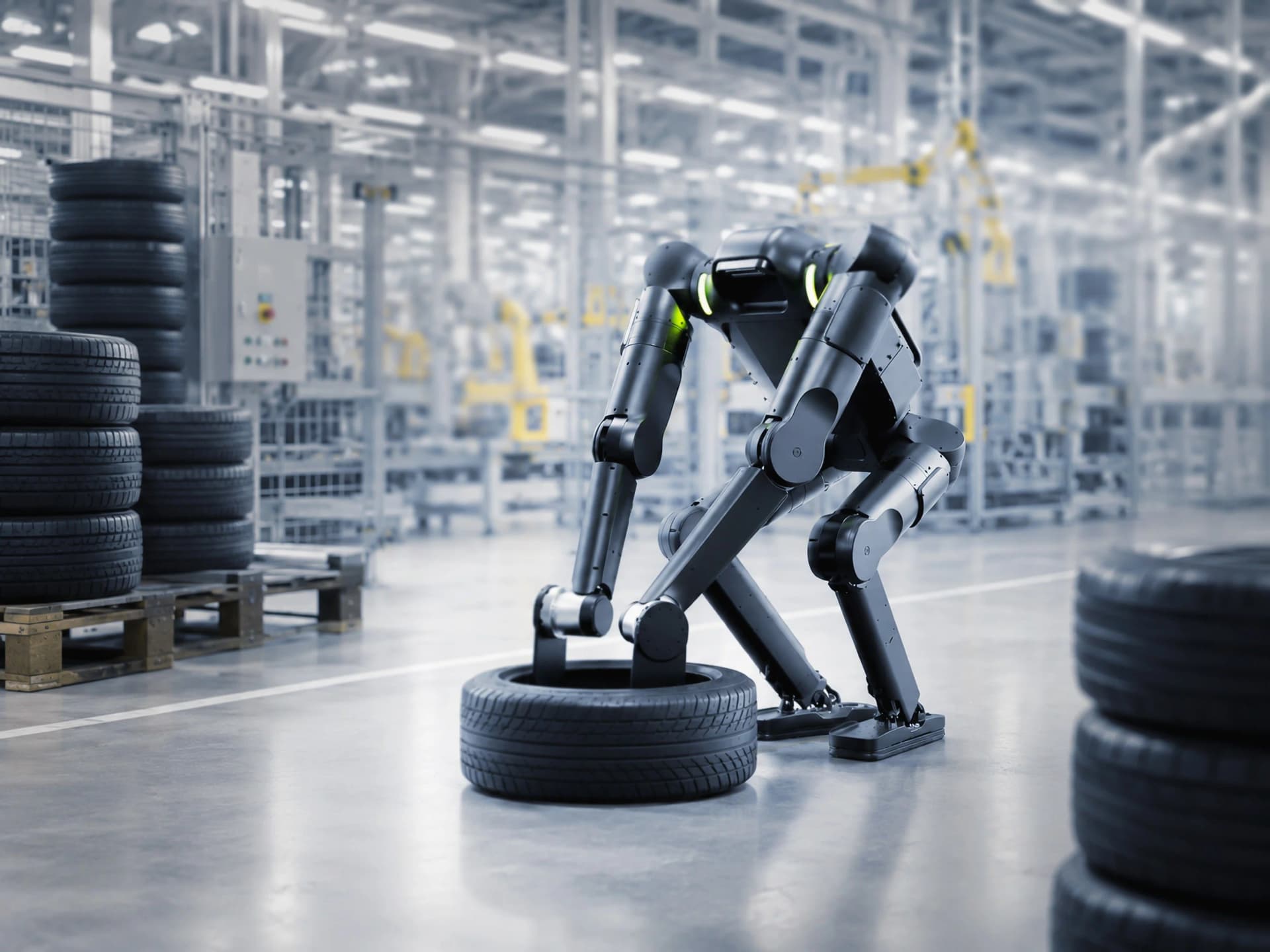
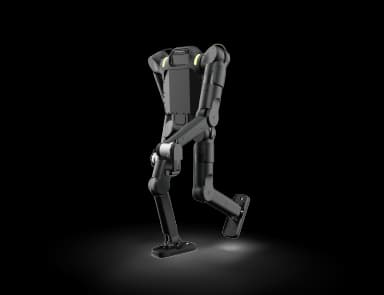
French robotics company that builds self-balancing bipedal systems: the Atalante X rehabilitation exoskeleton, the FDA-cleared Eve personal exoskeleton, and the Calvin-40 industrial humanoid, a headless 40 kg-payload robot co-developed with Renault Group for automotive and logistics work.
- Founded
- 2012
- Headquarters
- ParisFrance
- Products
- 2
- Our coverage
- 6stories
Wandercraft Seeks €100M at €750M Valuation to Scale Industrial Humanoid Ambitions 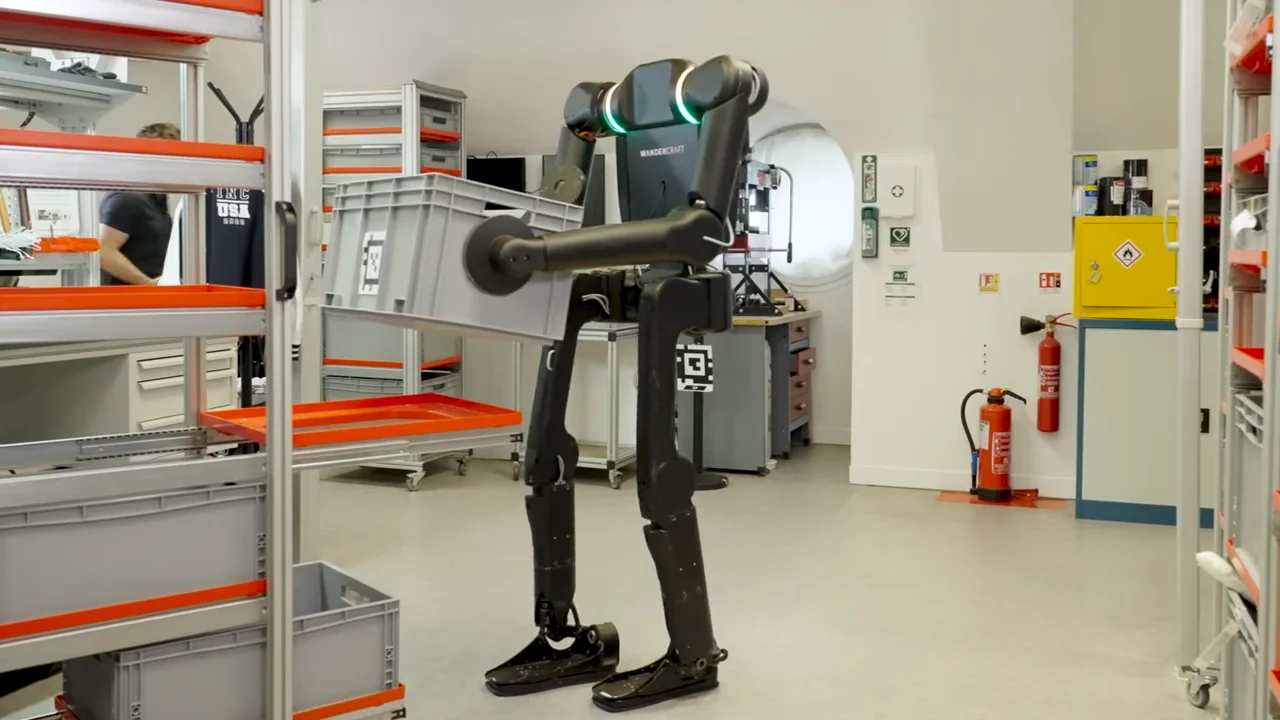
Wandercraft Expands Industrial Push, Inks Deal With Auto Supplier SAPA 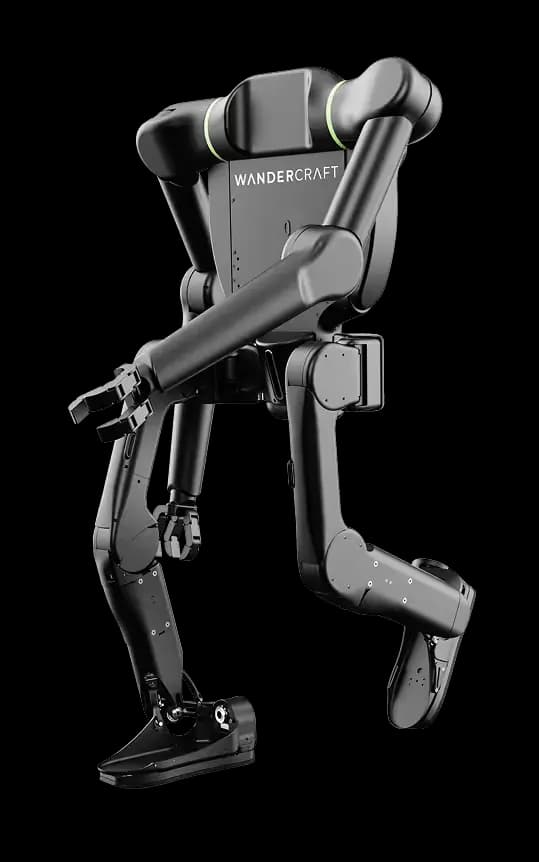
Exoskeleton Pioneer Wandercraft Partners with Renault, Unveils 'Calvin' Industrial Humanoid
From rehabilitation floors to factory floors
Wandercraft is a Paris-founded robotics company built around one narrow, hard capability: dynamic, self-balancing bipedal walking. Founded in 2012 by engineers out of École Polytechnique, it spent its first decade applying that control stack to medical exoskeletons — Atalante, and its successor Atalante X, a hands-free rehabilitation device used in hospital and clinic settings — before extending the same platform to a personal device, Eve, and to industrial humanoids. The company runs a second corporate base in New York, where CEO and co-founder Matthieu Masselin relocated in late 2022; it remains privately held, with Renault Group among its shareholders.
The Calvin platform
The industrial line began in June 2025, when the company unveiled the Calvin humanoid alongside a Renault partnership that combined a minority investment with a co-development plan. Calvin-40 is deliberately unlike most general-purpose humanoids: it has no head, with cameras and sensors mounted lower on the torso, and it is rated to carry payloads of up to 40 kilograms — roughly double the figure quoted for Tesla's Optimus or Figure's Figure 02. The company says the first unit was assembled in 40 days by reusing actuation and balance software already qualified for medical use. End-effectors are modular, ranging from suction grippers to dexterous hands, and the robot accepts voice commands.
Management has been explicit that this is not a bet on generality. "We don't believe in building a general-purpose robot and hoping customers figure out how to use it," Masselin said when the company signed Italian Tier 1 supplier SAPA as its second industrial customer.
Traction and capital
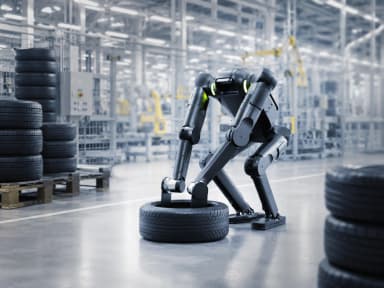
Wandercraft closed a Series D in June 2025 that it described as $75 million in equity and debt — reported in Europe as €64.3 million — with Renault Group, the French state-backed PSIM fund via Bpifrance, Teampact Ventures and Quadrant Management participating. In March 2026 Renault said at its futuREady strategy day that it would deploy 350 Calvin units by 2027, with the robot already working a tire-handling line at the Douai plant. In September 2026 the company said it had signed 12 customers for Calvin-40 across automotive, logistics, retail, healthcare and defence, and Bloomberg reported it was seeking roughly €100 million at a €750 million pre-money valuation with Goldman Sachs advising.
The medical business continues in parallel and remains the source of its regulatory track record: Atalante X is deployed in more than 150 rehabilitation centres worldwide, gained a CE mark expansion in September 2025 and a second FDA indication extension in November 2025, and cleared Ecuador's ARCSA in July 2026. Eve received FDA clearance on 11 August 2026 for eligible wheelchair users with spinal cord injuries, with a US commercial launch set for 17 September 2026; Wandercraft says it anticipates Medicare reimbursement eligibility under the K1007 pathway within 60 to 90 days of launch.
Where it sits
Among European humanoid developers, Wandercraft is unusual in reaching production customers through an existing regulated hardware business rather than from a standing start, and in competing on payload and ergonomics rather than dexterity or general autonomy.
Robots & products
A selection of the company's announced products, not a complete catalogue.
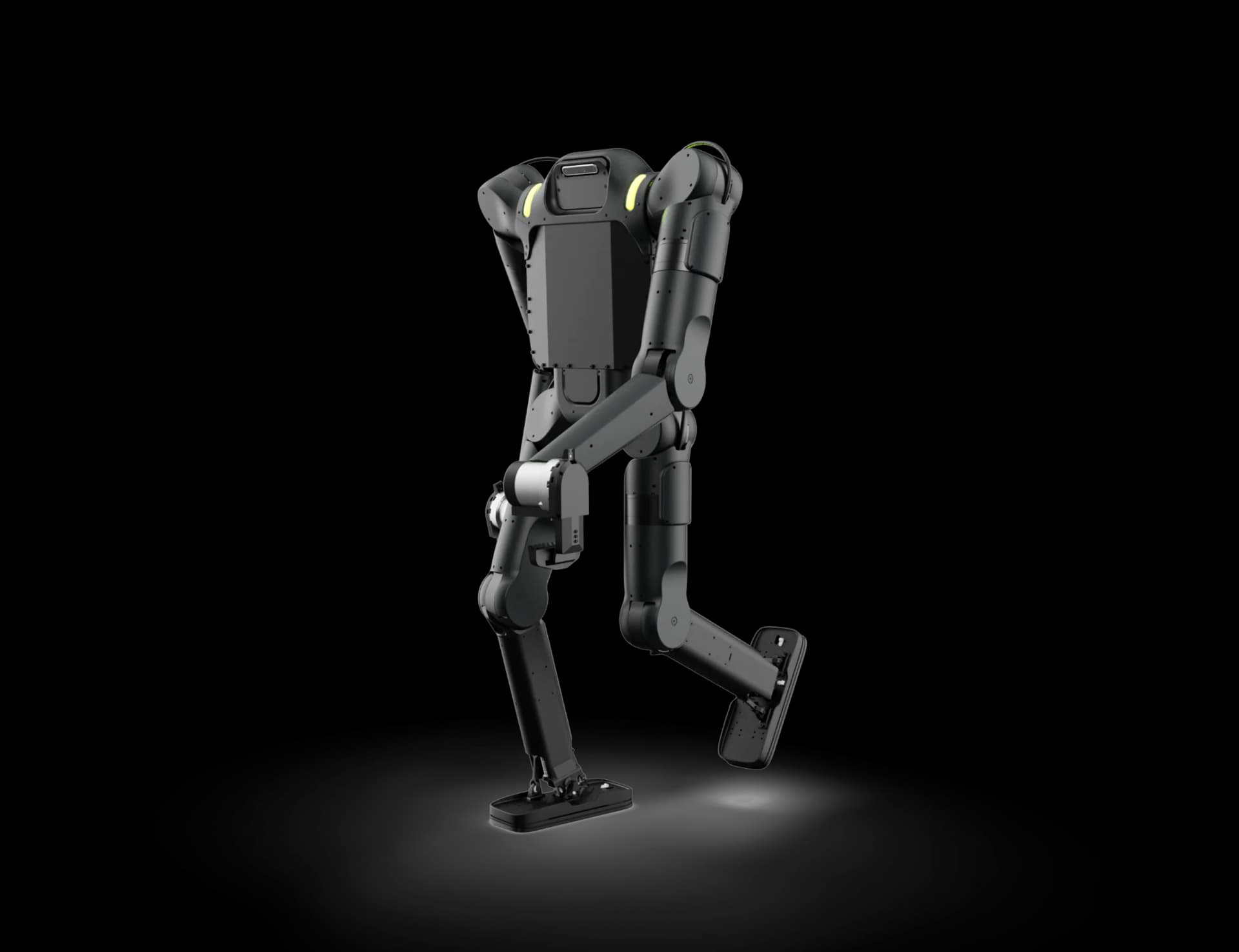
Calvin-40
Pilot deploymentBipedal humanoid · announced June 2025
Headless bipedal industrial humanoid built on Wandercraft's exoskeleton balance platform, rated to carry up to 40 kg with modular end-effectors and voice control.
- Height
- 170 cm· 5 ft 7 in
- Weight
- 80 kg· 176 lb
- Payload
- 40 kg· 88 lb
- DoF
- 28
- Runtime
- 4 h
- Top speed
- 0.8 m/s· 1.9 mph
Atalante X
Commercially availableExoskeleton
Self-balancing, hands-free lower-body rehabilitation exoskeleton used in hospital and clinic settings, deployed in more than 150 rehabilitation centres worldwide.
Funding
$75M raised| Round | Date | Amount | Valuation | Lead investors |
|---|---|---|---|---|
| Series D | June 2025 | $75M | — | — |
Timeline
Twelve customers signed for Calvin-40
Wandercraft said it had secured 12 customers across automotive, logistics, retail, healthcare and defence as it prepares a production ramp.
Wandercraft Signs 12 Enterprise Customers for Calvin-40 Industrial Humanoid- Reported
Seeking €100 million at €750 million pre-money
Bloomberg reported the company was working with Goldman Sachs on a new round; terms and close were unconfirmed.
Wandercraft Seeks €100M at €750M Valuation to Scale Industrial Humanoid Ambitions FDA clears Eve personal exoskeleton
Clearance covers eligible wheelchair users with spinal cord injuries at any level, with US launch set for 17 September 2026. Wandercraft says it anticipates Medicare reimbursement eligibility under the K1007 pathway within 60 to 90 days of launch.
wandercraft.eu ↗Renault plans 350 Calvin humanoids by 2027
At its futuREady strategy day Renault said Calvin was already working the tire-handling line at Douai and would scale to 350 units across its plants.
Renault to Deploy 350 Wandercraft Calvin Humanoids in Industrial Speed RunSAPA signs as second industrial customer
The Italian Tier 1 automotive supplier agreed to deploy Calvin-40 in its manufacturing operations, extending Wandercraft's humanoid footprint from an OEM to a supplier within five months of the robot's debut.
Wandercraft Expands Industrial Push, Inks Deal With Auto Supplier SAPASecond FDA indication extension for Atalante X
The rehabilitation exoskeleton gained a second US indication extension in under two years, covering more patients with severe mobility loss.
wandercraft.eu ↗CE mark expansion for Atalante X
European clearance extended to patients with tetraplegia and other complex neurological conditions.
wandercraft.eu ↗Series D of $75 million announced
Equity and debt round backed by Renault Group, the state-backed PSIM fund via Bpifrance, Teampact Ventures and Quadrant Management, reported in Europe as €64.3 million.
therobotreport.com ↗Renault partnership and Calvin humanoid unveiled
Renault Group took a minority stake and agreed to co-develop the Calvin family of industrial humanoids, becoming the first commercial customer for Calvin-40.
Exoskeleton Pioneer Wandercraft Partners with Renault, Unveils 'Calvin' Industrial HumanoidPersonal Exoskeleton prototype unveiled in New York
The device later branded Eve was shown as a prototype at an invitation-only keynote at the company's US headquarters.
wandercraft.eu ↗US headquarters opens in New York
Wandercraft opened a US corporate base at the Cure healthcare innovation campus in Manhattan, where CEO Matthieu Masselin relocated.
wewillcure.com ↗Atalante exoskeleton commercialised
The first version of the self-balancing rehabilitation exoskeleton went on sale to hospitals in Europe and the United States.
en.wandercraft.eu ↗Wandercraft founded in Paris
Engineers from École Polytechnique set out to build self-balancing walking exoskeletons as an alternative to the wheelchair.
en.wandercraft.eu ↗
Latest on Wandercraft

The Humanoids of Europe: Built by Their Customers
While the coverage stays fixed on China and the United States, seven European companies have quietly signed deployment commitments running into the thousands of units. Europe's humanoid sector is being built by its buyers.
Wandercraft Signs 12 Enterprise Customers for Calvin-40 Industrial Humanoid
Parisian robotics pioneer Wandercraft has signed 12 enterprise clients across automotive, defense, logistics, and retail for its Calvin-40 humanoid, advancing its deliberate, payload-focused path to industrial scale.
Wandercraft Seeks €100M at €750M Valuation to Scale Industrial Humanoid Ambitions
Backed by Renault and working with Goldman Sachs, French robotics pioneer Wandercraft is targeting €100 million in fresh capital to ramp up its dual focus on industrial humanoids and medical exoskeletons.
Renault to Deploy 350 Wandercraft Calvin Humanoids in Industrial Speed Run
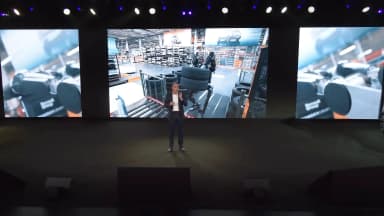
During its futuREady strategy launch, Renault Group announced plans to integrate 350 humanoid robots developed with Wandercraft into its production lines by 2027, marking a major acceleration in the European industrial robotics race.
Wandercraft Expands Industrial Push, Inks Deal With Auto Supplier SAPA
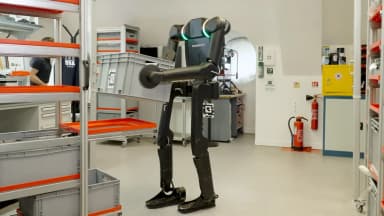
Five months after partnering with Renault, Wandercraft has signed its second industrial customer, Italian auto supplier SAPA, to deploy its Calvin-40 humanoid in manufacturing.
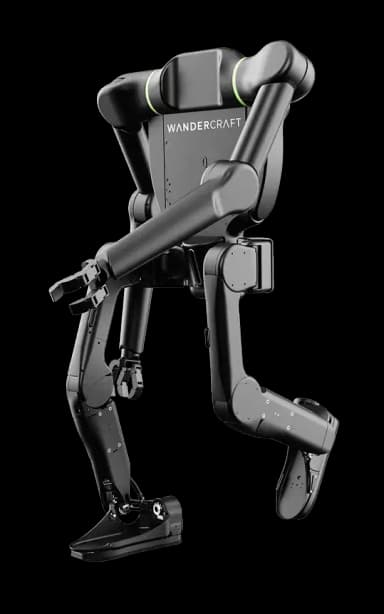
Exoskeleton Pioneer Wandercraft Partners with Renault, Unveils 'Calvin' Industrial Humanoid
French exoskeleton leader Wandercraft has finalized a strategic partnership with Renault Group, including a minority investment and a plan to co-develop a new family of industrial humanoid robots named 'Calvin.' The collaboration aims to leverage Wandercraft's advanced AI and self-balancing technology for use in Renault's manufacturing plants.
Sources
- Wandercraft boosts its development with financing· checked September 6, 2026
- Wandercraft SAS Asset Profile· checked September 6, 2026
- French Exoskeleton Company Wandercraft Pivots to Humanoid Robots· checked September 6, 2026
- Wandercraft Secures 12 Calvin-40 Customers as It Accelerates Commercial Dominance in Industrial Humanoids· checked September 6, 2026