- Published on
Wandercraft Signs 12 Enterprise Customers for Calvin-40 Industrial Humanoid
One tap, and our reporting appears more often in your Google Top Stories. It makes a real difference to a small newsroom.


Your guide
Rich Robinson
Jee Chee Ren · Executive tour
See China’s AI and robotics ecosystem first-hand.
Six days exploring AI, robotics and advanced manufacturing.
With Rich Robinson, Clinical Professor of Entrepreneurship at Peking University
Beijing · Guangzhou · Shenzhen
29 November–4 December 2026
Referral partnership · We earn a commission on referred bookings.
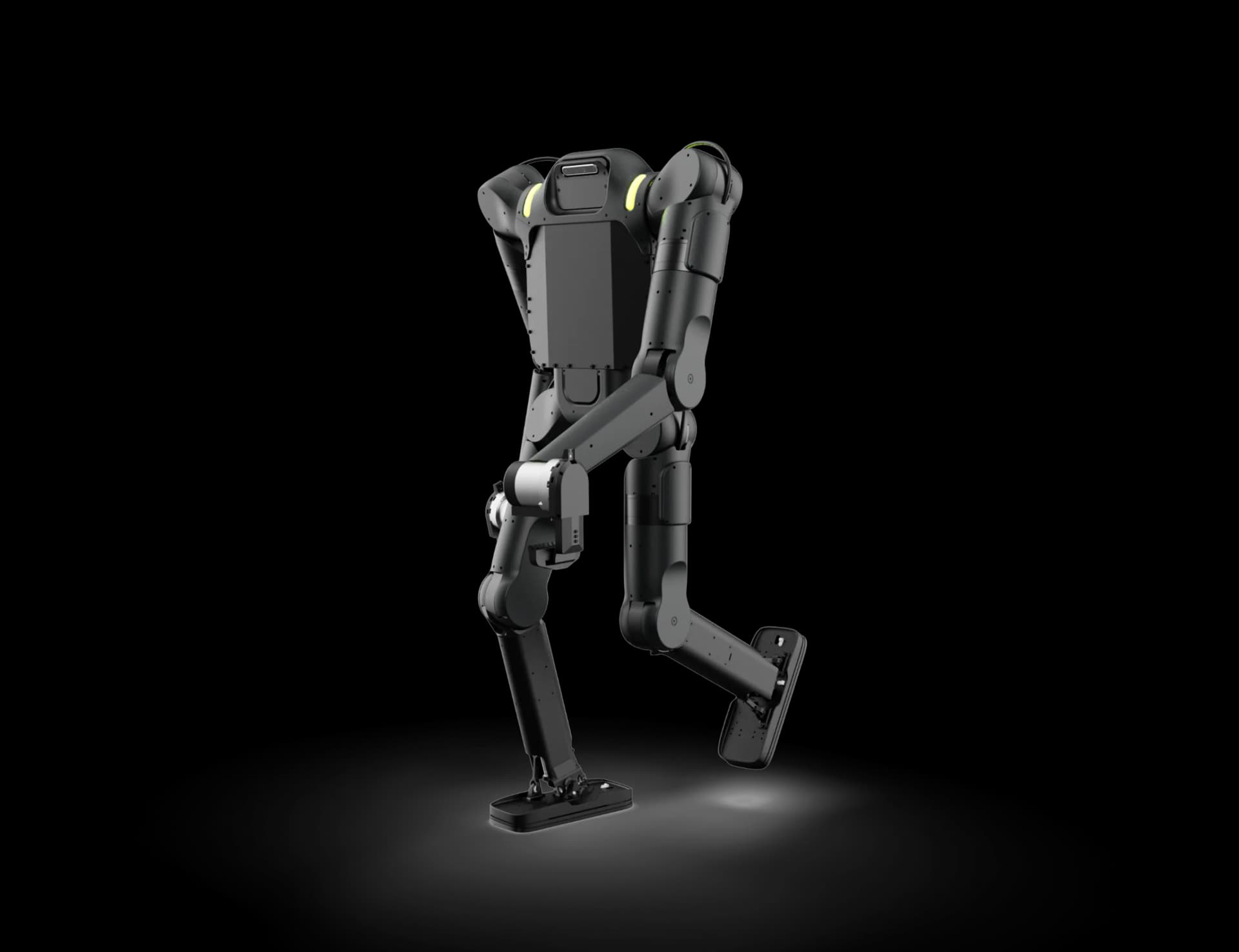
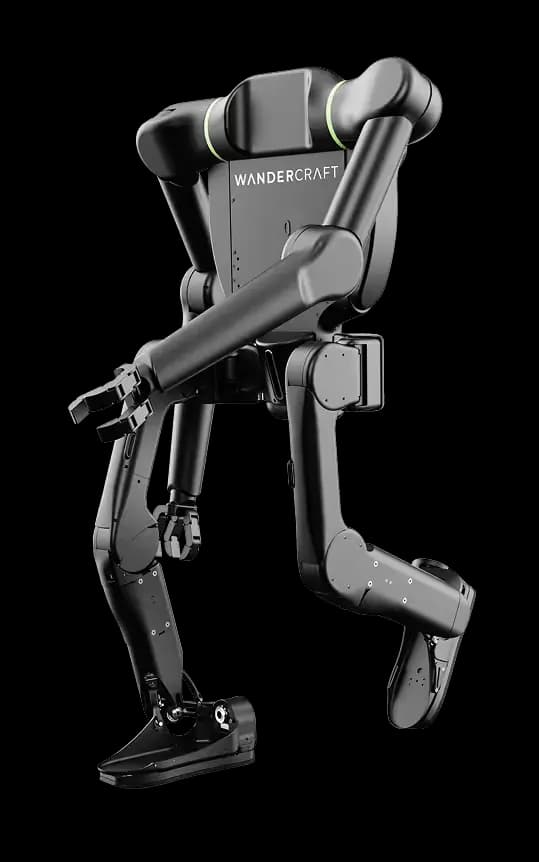
- Wandercraft has secured 12 blue-chip customers for its Calvin-40 industrial humanoid, expanding into logistics, retail, defense, and healthcare facilities.
- The customer expansion follows reports that the Parisian firm is raising €100 million at a €750 million valuation to ramp up commercial production.
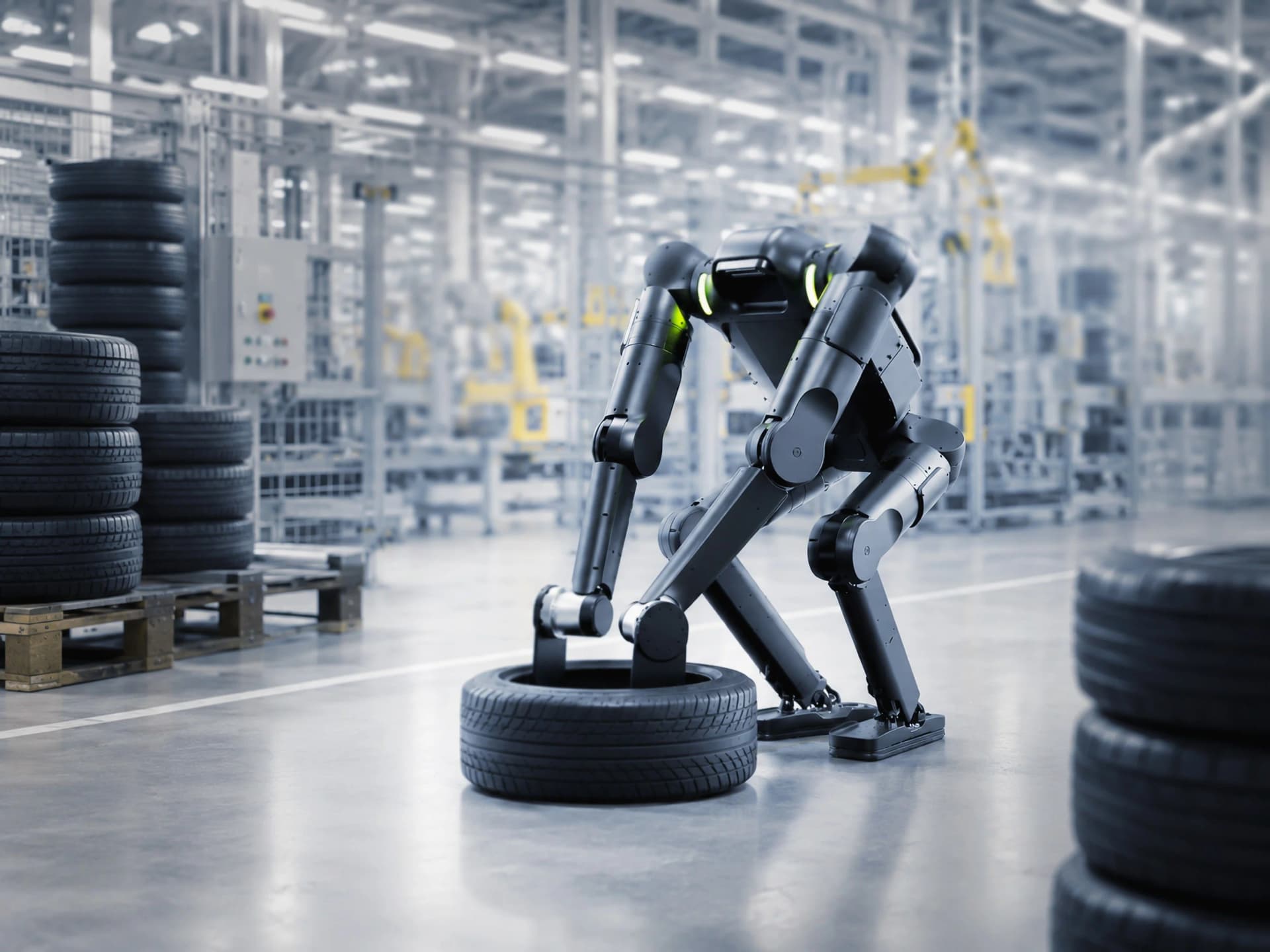
- Early deployments focus on heavy-payload material handling like tires, panels, and carts, with picking and sorting slated as next development milestones.
- The roster builds on anchor commitments from Renault Group’s 350-unit rollout and Tier 1 auto supplier SAPA.
Paris-based robotics maker Wandercraft announced that it has secured 12 enterprise customers for its Calvin-40 humanoid platform. The customer roster spans sectors including automotive, retail, healthcare facilities, logistics, and defense, marking a notable commercial validation as the company pushes beyond early proof-of-concept testing into multi-industry enterprise trials.
The influx of industrial contracts arrives just days after reports revealed Wandercraft is working with Goldman Sachs to raise roughly €100 million ($116 million) at a pre-money valuation near €750 million. The fresh commercial pipeline reinforces the company’s bid to scale hardware production while proving that its heavy-payload, task-first design philosophy can capture commercial interest outside its initial automotive testing grounds.
A Task-First Path to Generalization
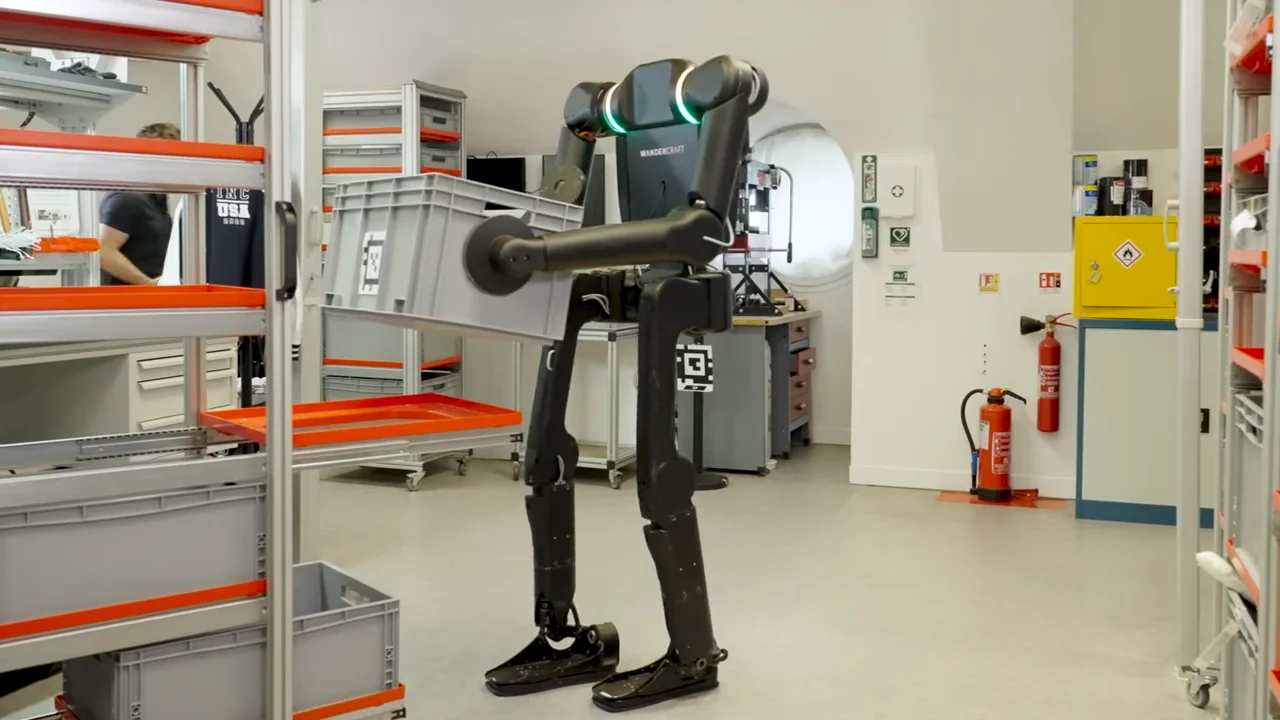
Rather than pursuing universal dexterity or end-to-end general intelligence from day one, Wandercraft has built its commercial pitch around bounded, physically intensive tasks where high uptime and safety are paramount. Calvin-40 was originally engineered around heavy-payload material handling—such as manipulating parcels, boxes, tires, panels, and carts.
According to the company, finer manipulation skills like picking and sorting are currently undergoing active testing, serving as the next layer built atop its dynamic locomotion and lifting foundation. Wandercraft also pointed toward future deployments targeting unstructured outdoor settings, including agriculture and construction.
The weekly humanoid robotics briefing
One email a week: the launches, funding and research that mattered, with context from Humanoids Daily.
Read recent issues"Humanoid robots will not scale because they are general. They will become general as they scale," said Matthieu Masselin, co-founder and CEO of Wandercraft. "Our approach is to solve important industrial problems first, deploy Calvin-40 in real-world environments, and then expand outward from capabilities that have already proven themselves. Each new deployment generates experience and data that can help make Calvin-40 more capable and successful."
Wandercraft is banking on this task-focused deployment flywheel to generate proprietary operational data independent of third-party foundation model suppliers.
Beyond the Automotive Anchor
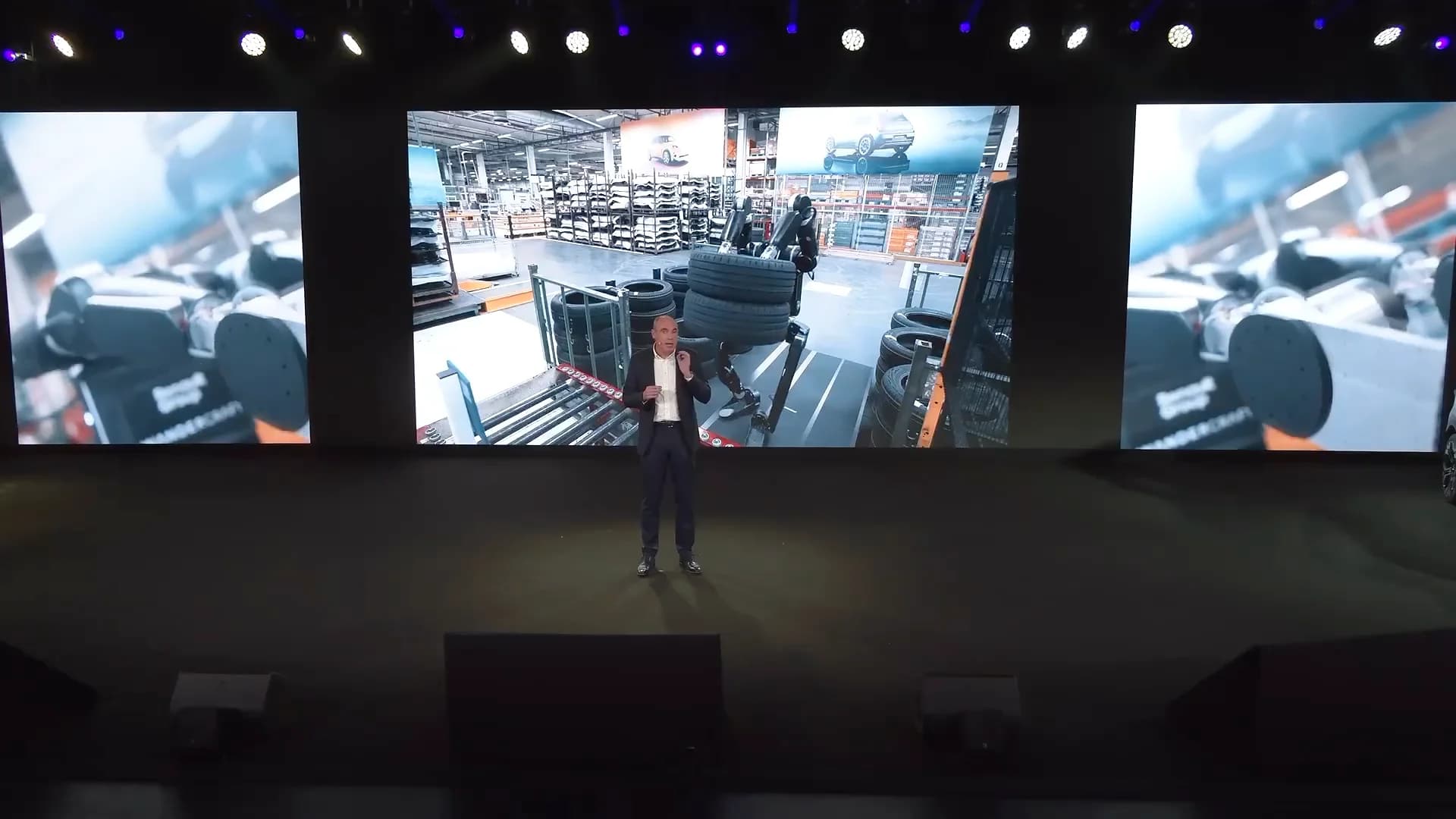
The newly announced client roster broadens Wandercraft's footprint well beyond its initial manufacturing base. The company previously established high-profile industrial ties by partnering with Renault Group, which committed to deploying 350 Calvin humanoids across facilities in France and Spain as part of its "futuREady" cost-reduction plan. The platform has also been adopted by Italian automotive supplier SAPA for high-precision components handling.
While Renault continues to provide essential industrial expertise in automotive assembly line integration and high-volume "design-to-cost" engineering, securing 12 separate enterprise customers indicates demand across sectors plagued by persistent ergonomics and labor shortages. Deployments across defense logistics depots and retail stockrooms present differing balance, safety, and envelope constraints compared to structured automotive plants, giving Wandercraft diverse environments to validate its fleet in the wild.
Medical Lineage Meets Factory Reality
Underpinning Calvin-40's control architecture is Wandercraft's decade-long heritage developing self-balancing medical exoskeletons. Its Atalante X and Eve systems, designed to help individuals with severe walking impairments walk hands-free, are currently deployed in more than 150 rehabilitation centers worldwide.
Operating in clinically regulated spaces required fail-safe dynamic balancing and high architectural reliability—traits that Wandercraft argues translate directly to industrial sites where heavy bipedal robots operate in close proximity to human personnel.
As automakers and enterprise operators pilot humanoids across North America, Europe, and Asia, the industry's focus is quickly shifting from scripted facility demos to sustained throughput, mean time between failures (MTBF), and fleet maintenance economics. With 12 commercial partners in hand and a substantial funding round underway, Wandercraft's focused, heavy-payload bet is entering its most critical operational test yet.
Share this article
Read next
- Published on
- Reading time
- 5 min read
Wandercraft Seeks €100M at €750M Valuation to Scale Industrial Humanoid Ambitions
- Published on
- Reading time
- 25 min read
The Humanoids of Europe: Built by Their Customers
- Published on
- Reading time
- 4 min read
Renault to Deploy 350 Wandercraft Calvin Humanoids in Industrial Speed Run
- Published on
- Reading time
- 3 min read
Wandercraft Expands Industrial Push, Inks Deal With Auto Supplier SAPA
- Published on
- Reading time
- 4 min read
Exoskeleton Pioneer Wandercraft Partners with Renault, Unveils 'Calvin' Industrial Humanoid
- Published on
- Reading time
- 7 min read
Agile Robots CEO Predicts Physical AI Will Surpass Automotive by 10x
The weekly humanoid robotics briefing
One email a week: the launches, funding and research that mattered, with context from Humanoids Daily.
Read recent issues