- Published on
Renault to Deploy 350 Wandercraft Calvin Humanoids in Industrial Speed Run
One tap, and our reporting appears more often in your Google Top Stories. It makes a real difference to a small newsroom.


Your guide
Rich Robinson
Jee Chee Ren · Executive tour
See China’s AI and robotics ecosystem first-hand.
Six days exploring AI, robotics and advanced manufacturing.
With Rich Robinson, Clinical Professor of Entrepreneurship at Peking University
Beijing · Guangzhou · Shenzhen
29 November–4 December 2026
Referral partnership · We earn a commission on referred bookings.
Renault Group is shifting its automation strategy into high gear. At the company’s "futuREady" strategic plan launch on March 10, 2026, Chief Industry, Quality & Supply Chain Officer Thierry Charvet announced that the automaker will deploy 350 humanoid robots across its manufacturing facilities within the next 18 months.
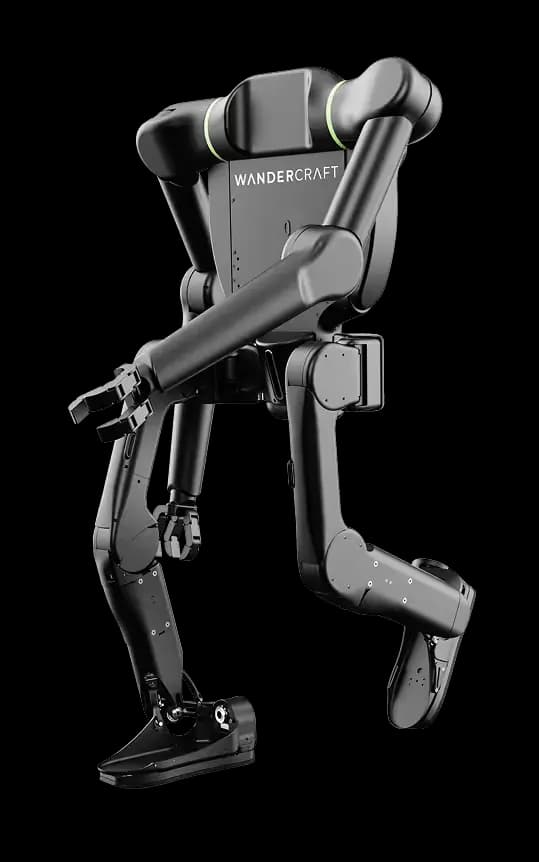
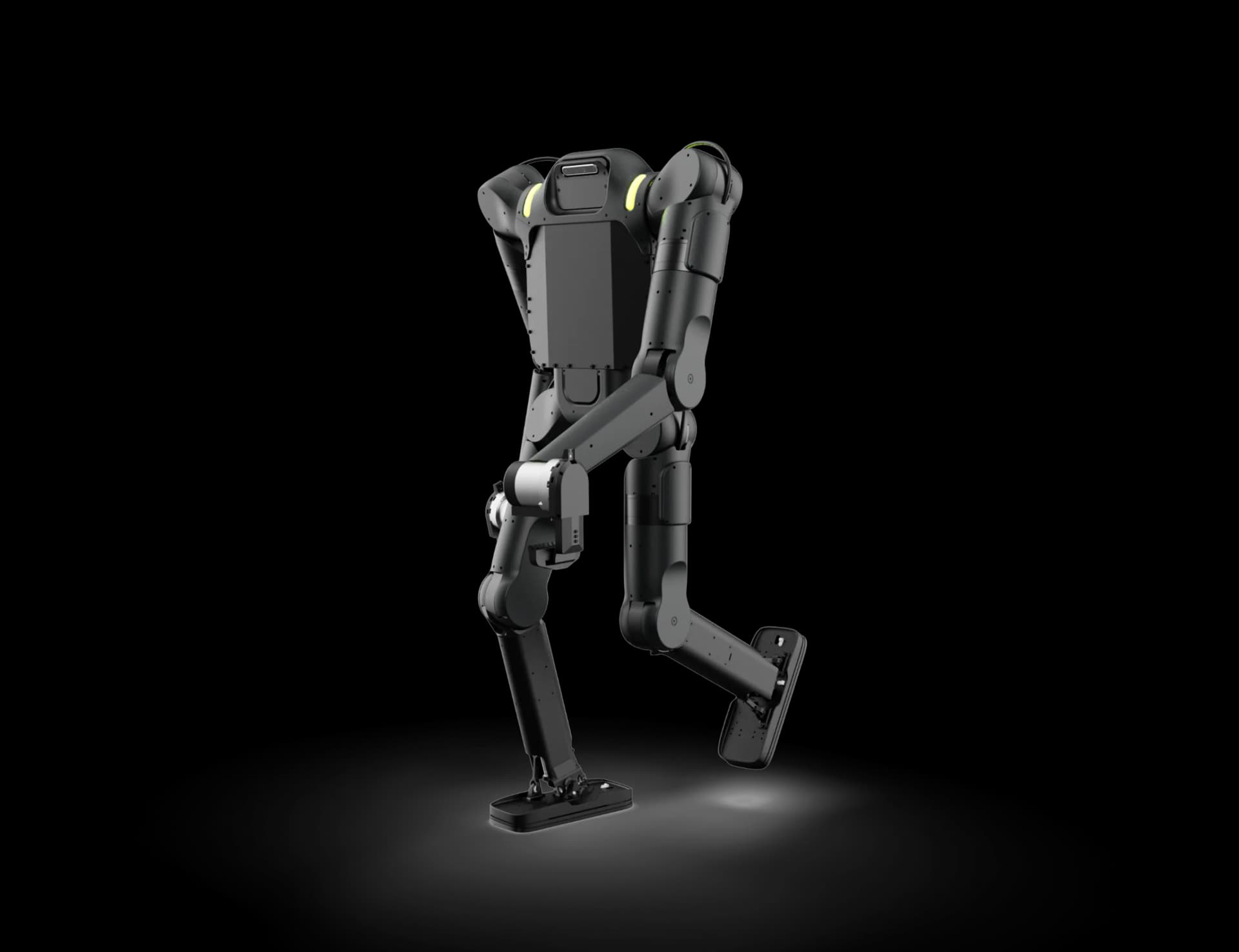
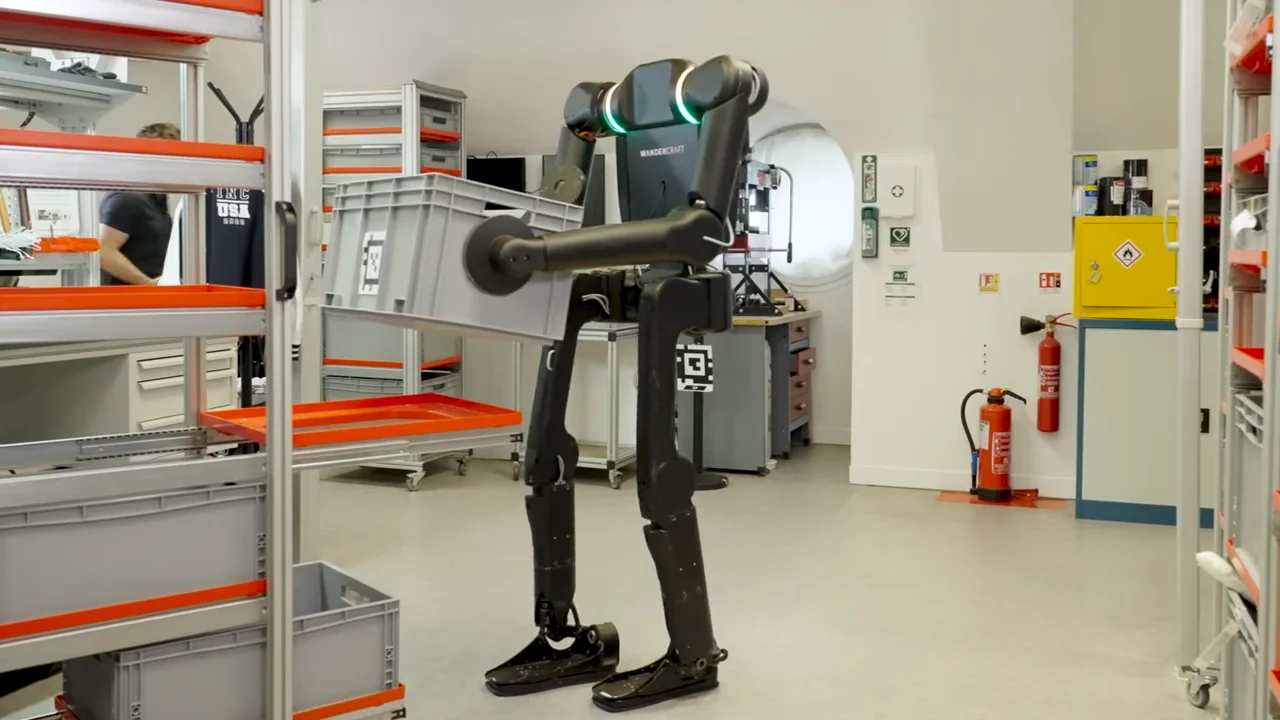
The announcement marks a significant scaling of Renault's strategic partnership with Parisian robotics firm Wandercraft, which includes a minority investment and a co-development plan for the "Calvin" family of industrial humanoids.
From Prototype to the Assembly Line
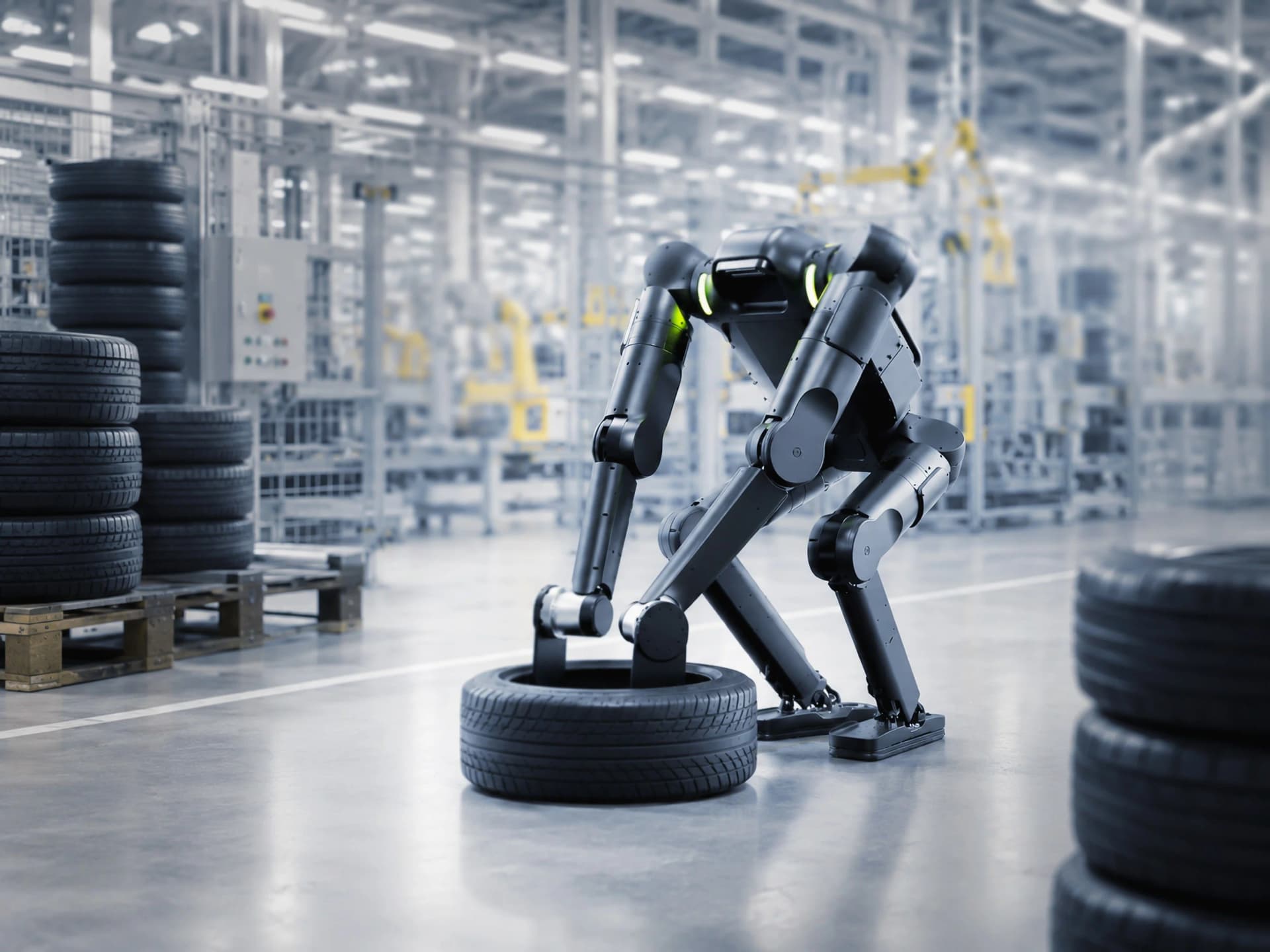
While many competitors are still in the pilot phase, Renault provided visual evidence that Calvin is already "punching a clock." During the conference, Charvet introduced footage of the robot operating at the Douai plant in France.
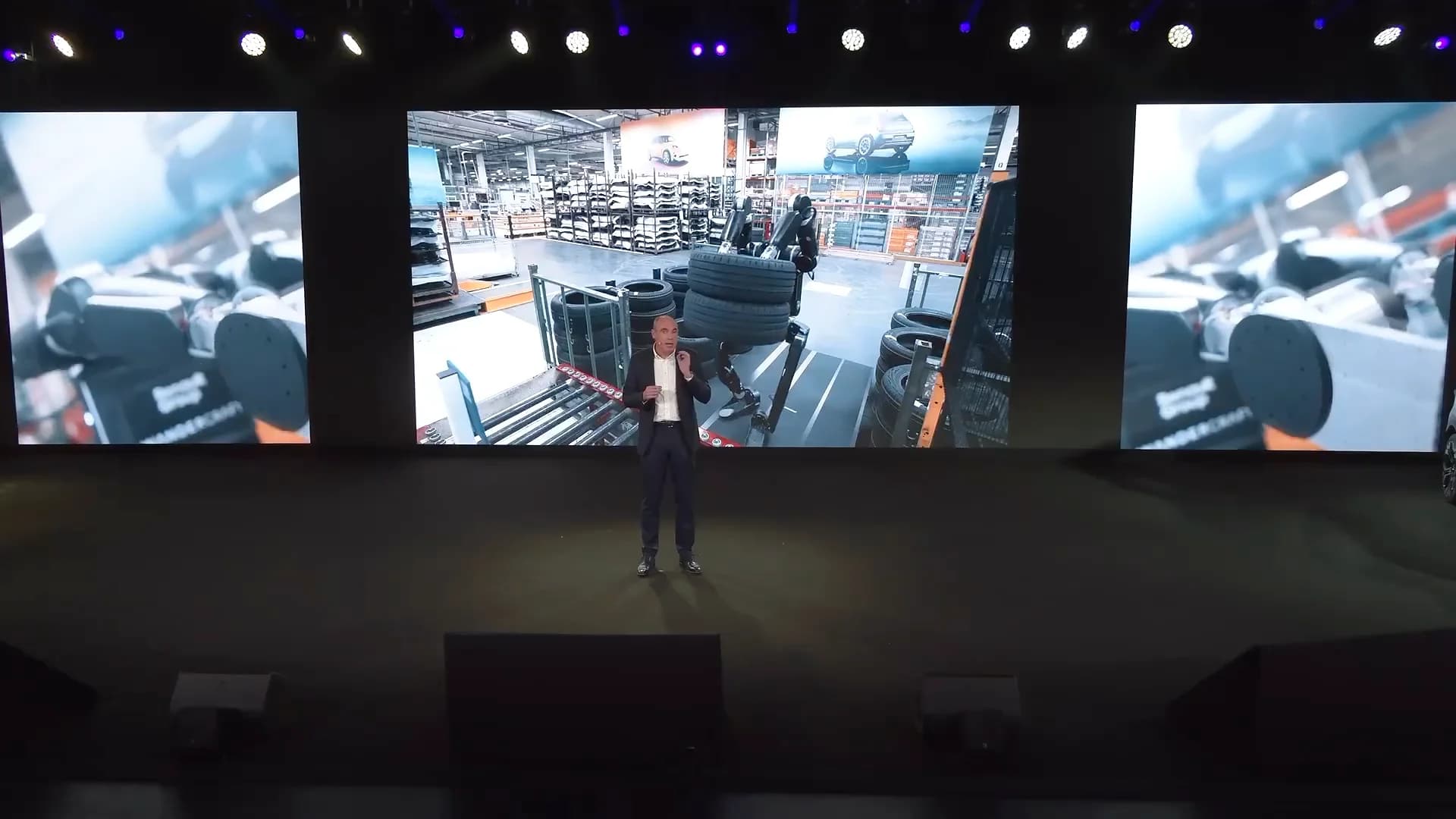
The robot is currently tasked with tire handling—a physically demanding role that involves feeding the assembly line. "Calvin is already operational on the tire handling line," Charvet noted, highlighting the robot's ability to move heavy loads while maintaining balance and navigating autonomously.
The weekly humanoid robotics briefing
One email a week: the launches, funding and research that mattered, with context from Humanoids Daily.
Read recent issuesThis focus on ergonomics and heavy payloads aligns with Wandercraft’s use-case-driven strategy, leveraging a decade of experience in self-balancing medical exoskeletons to tackle specific "brownfield" industrial challenges.
The "Excellence-Ready" Strategy
The deployment of 350 humanoids is a cornerstone of Renault's broader "Excellence-ready" pillar, which aims to reduce production costs by 20% and bridge the gap with highly efficient Chinese manufacturers.
Key industrial targets mentioned in the plan include:
- Part Reduction: Cutting the average number of parts per vehicle by 30%.
- Speed of Development: Reducing vehicle development cycles to just two years.
- AI Integration: Using 350 humanoid robots alongside AI-driven quality control to halve factory interruptions and decrease energy consumption by 25%.
Jean-Louis Constanza, co-founder of Wandercraft, characterized the move on social media as a defining moment for European robotics, stating that the announcement proves France and the EU are "taking up the humanoid robots challenge" at scale.
A Crowded Factory Floor
Renault’s aggressive rollout timeline places it at the forefront of a rapidly densifying sector. The automotive industry has become the primary proving ground for "Phase One" humanoid deployments, as companies move from laboratory demos to the rigorous demands of 10-hour shifts.
The move follows several major milestones from global rivals:
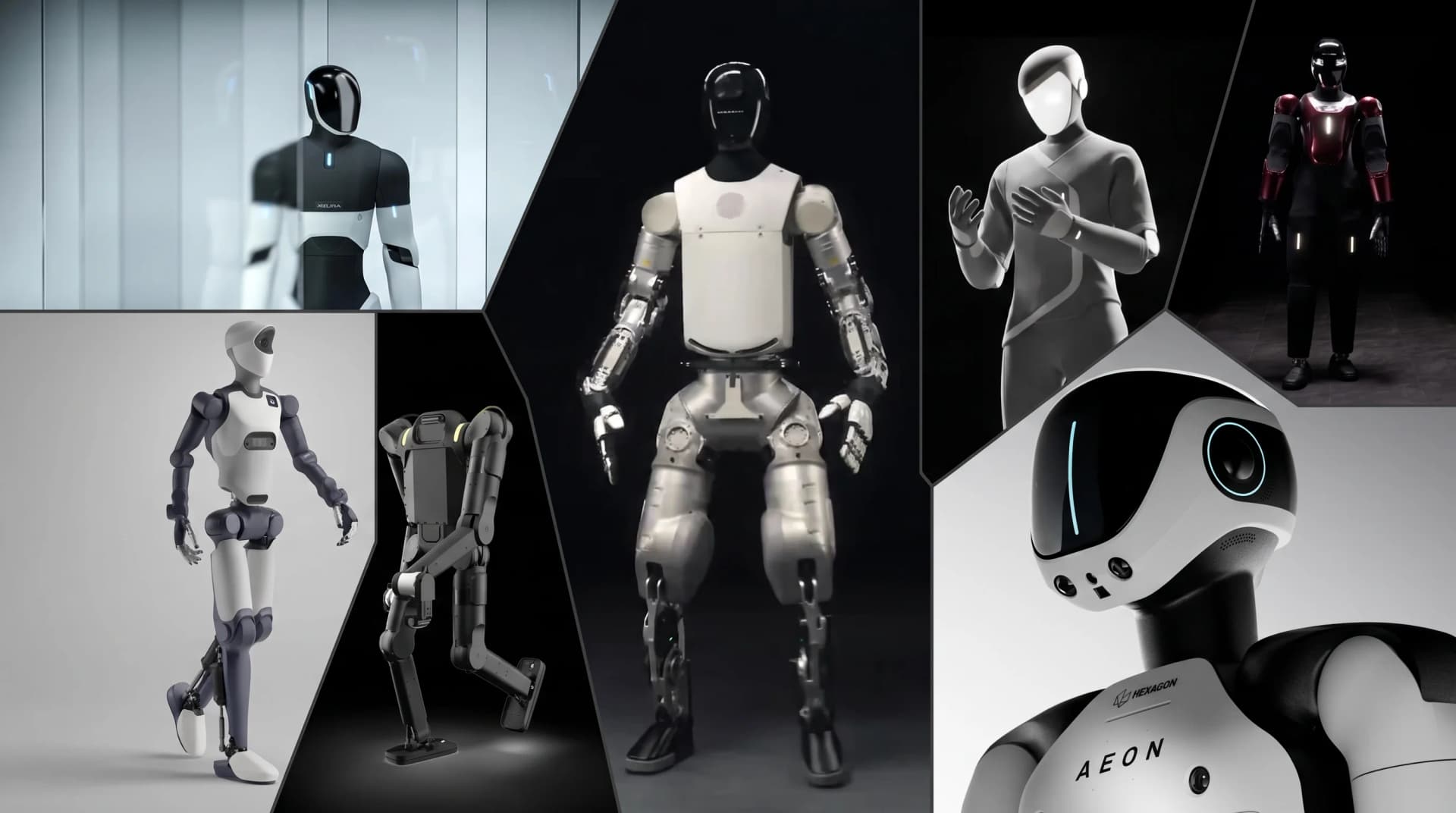
- BMW recently retired its Figure 02 fleet after an 11-month pilot and is now integrating Hexagon’s AEON humanoid in Germany.
- Ford has completed high-throughput kitting trials in Cologne with the UK-based startup Humanoid.
- Audi is exploring dexterous manipulation for complex assembly tasks via its partnership with Zurich’s Mimic Robotics.
- Xiaomi recently reported a 90.2% success rate in a three-hour autonomous pilot at its Beijing EV facility.
For Renault, the success of the futuREady plan depends on whether the 350-unit fleet can move beyond ergonomic relief to become a reliable "success system" that delivers measurable financial results. With a target of a 5% to 7% operating margin, the pressure is now on Calvin to prove that European industrial robotics can compete on the global stage.
Share this article
Read next
- Published on
- Reading time
- 25 min read
The Humanoids of Europe: Built by Their Customers
- Published on
- Reading time
- 4 min read
Exoskeleton Pioneer Wandercraft Partners with Renault, Unveils 'Calvin' Industrial Humanoid
- Published on
- Reading time
- 4 min read
Wandercraft Signs 12 Enterprise Customers for Calvin-40 Industrial Humanoid
- Published on
- Reading time
- 5 min read
Wandercraft Seeks €100M at €750M Valuation to Scale Industrial Humanoid Ambitions
- Published on
- Reading time
- 3 min read
Wandercraft Expands Industrial Push, Inks Deal With Auto Supplier SAPA
- Published on
- Reading time
- 4 min read
Enact Raises $30M Pre-Seed to Give Factory Robots a Sense of Force
The weekly humanoid robotics briefing
One email a week: the launches, funding and research that mattered, with context from Humanoids Daily.
Read recent issues