- Published on
Wandercraft Seeks €100M at €750M Valuation to Scale Industrial Humanoid Ambitions
One tap, and our reporting appears more often in your Google Top Stories. It makes a real difference to a small newsroom.


Your guide
Rich Robinson
Jee Chee Ren · Executive tour
See China’s AI and robotics ecosystem first-hand.
Six days exploring AI, robotics and advanced manufacturing.
With Rich Robinson, Clinical Professor of Entrepreneurship at Peking University
Beijing · Guangzhou · Shenzhen
29 November–4 December 2026
Referral partnership · We earn a commission on referred bookings.
- Wandercraft is reportedly working with Goldman Sachs to raise roughly €100 million ($116 million) in fresh capital.
- The Parisian robotics firm is targeting a pre-money valuation of approximately €750 million.
- Fresh funds follow a $75 million Series D in 2025 backed by Renault SA, the PSIM fund, Teampact Ventures, and Quadrant Management.
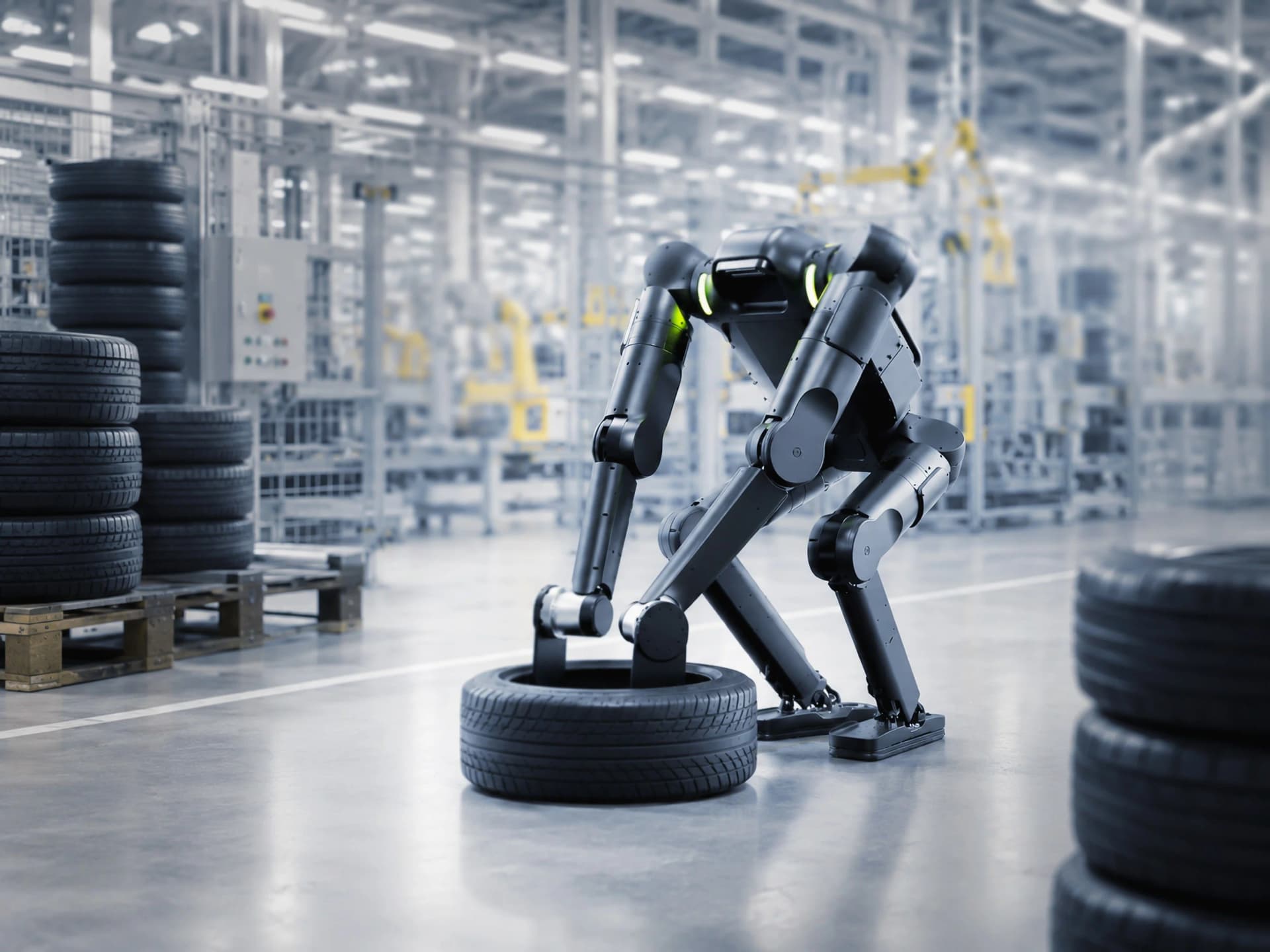
- Capital will support the commercial expansion of its medical exoskeletons and the aggressive manufacturing ramp-up of the Calvin humanoid platform across European automotive plants.
Parisian robotics firm Wandercraft is preparing for its next major financial leap. According to a report from Bloomberg, the French startup is currently seeking roughly €100 million (approximately $116 million) in new equity funding as it accelerates the commercialization of its hardware platforms.
People familiar with the matter indicated that Wandercraft is working alongside Goldman Sachs Group Inc. to orchestrate the raise, targeting a pre-money valuation near €750 million. Deliberations remain ongoing, and spokespeople for both Wandercraft and Goldman Sachs declined to comment on specific deal terms or timing.
The push for late-stage capital comes during an aggressive pivot from specialized rehabilitation hardware to heavy industrial automation. Last year, Wandercraft closed a $75 million Series D round that brought automotive giant Renault SA onto its cap table alongside the French state-backed PSIM fund, Teampact Ventures, and Quadrant Management.
Funding the Calvin Rollout
While Wandercraft made its name building hands-free, dynamic balancing medical exoskeletons like the Atalante and Eve, its recent momentum has been driven by its industrial humanoid program.
The weekly humanoid robotics briefing
One email a week: the launches, funding and research that mattered, with context from Humanoids Daily.
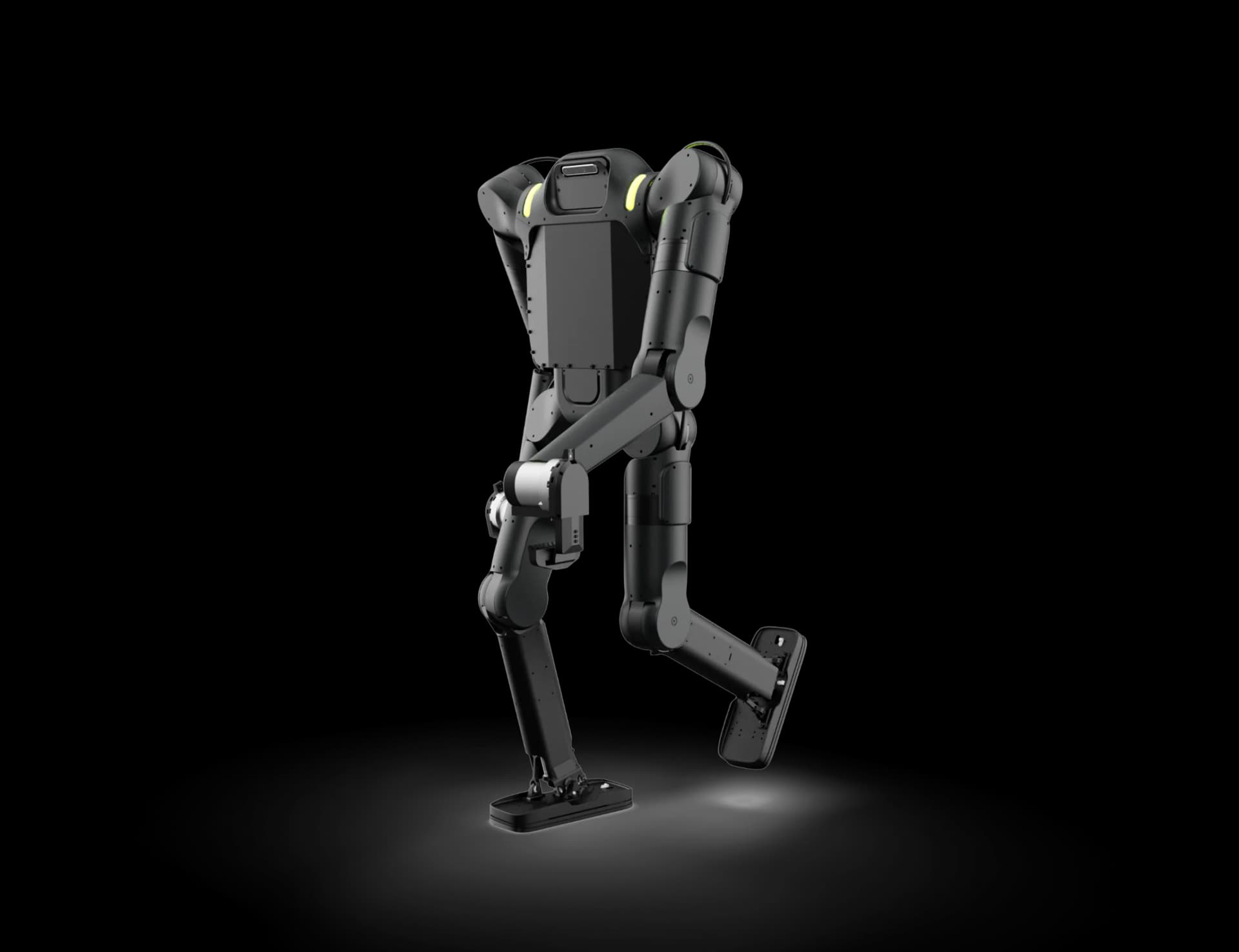
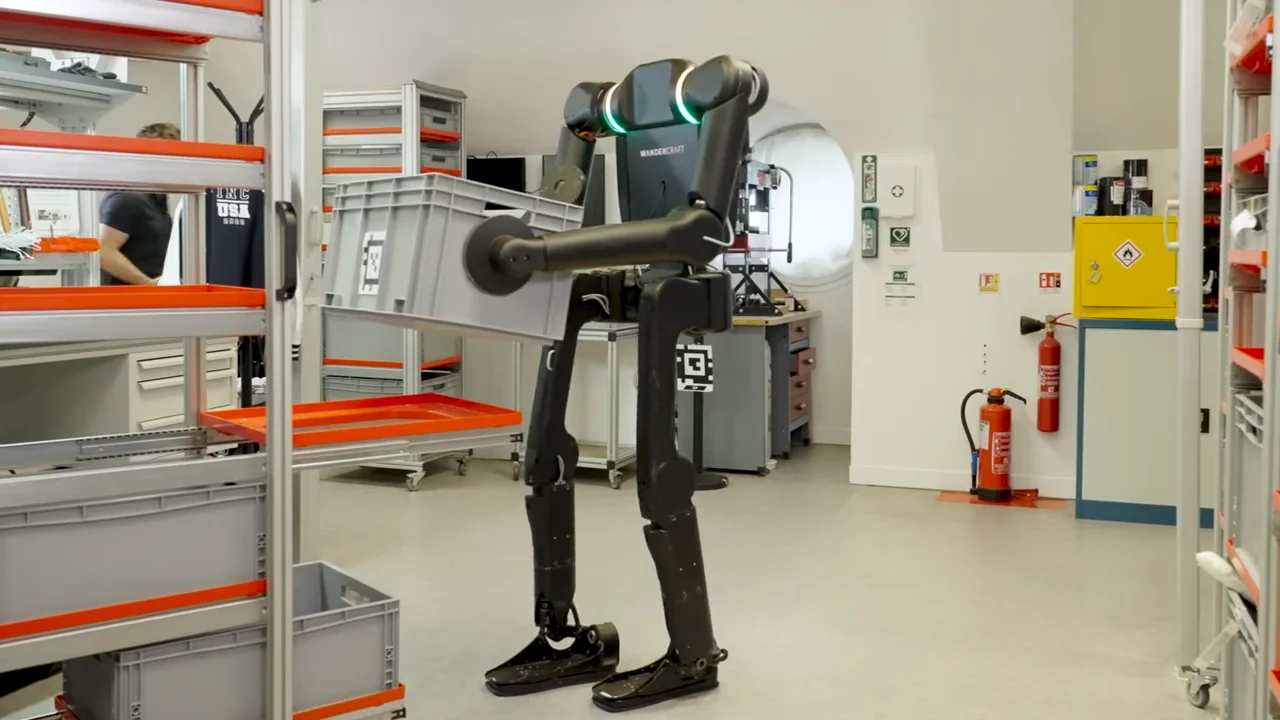
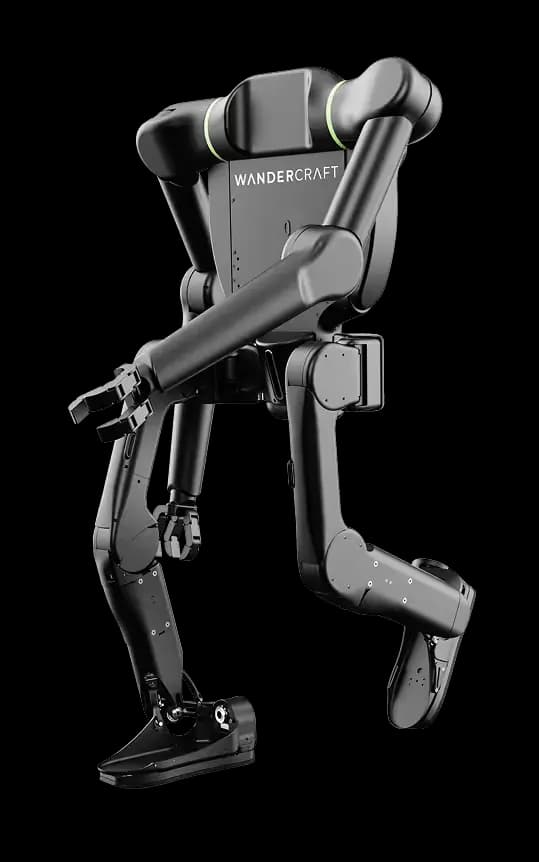
Read recent issuesIn mid-2025, the company unveiled its strategic partnership with Renault and introduced the Calvin family of industrial humanoids. Rather than focusing on general-purpose manipulation in unconstrained environments, Wandercraft oriented Calvin around heavy-payload material handling and brownfield automotive manufacturing.
That enterprise bet has since evolved into concrete operational commitments:
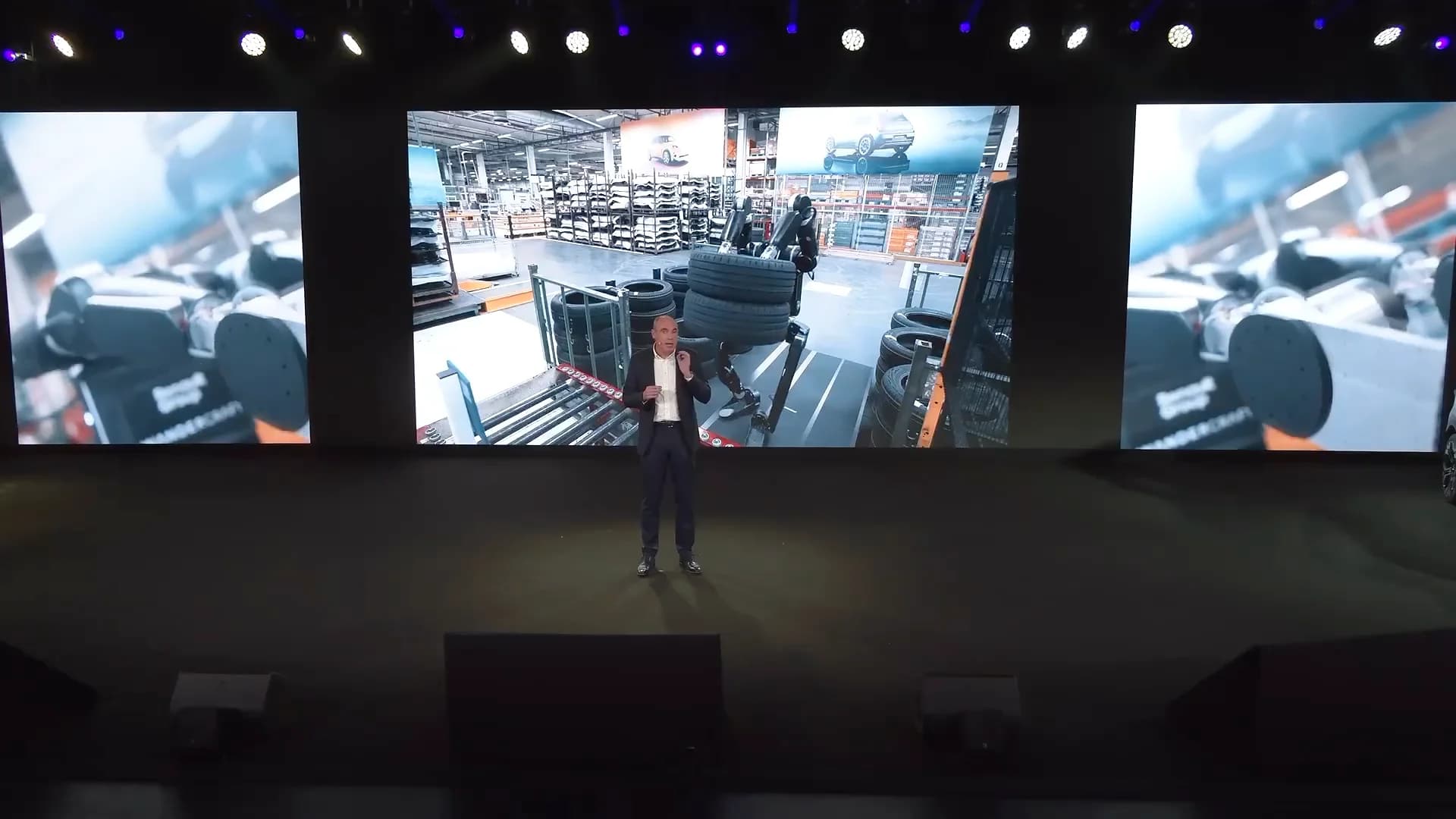
- Factory Deployment: Renault announced plans during its "futuREady" strategic update to deploy 350 Wandercraft Calvin humanoids across facilities in France and Spain by late 2027.
- Tier 1 Adoption: The company expanded beyond OEMs by forming a deployment partnership with Italian supplier SAPA to handle large, repetitive parts manufacturing.
- Production Validation: Calvin units are already undergoing live duty cycles at Renault’s Douai plant, managing physically intensive tasks such as tire handling on the assembly line.
Reaching a scale of several hundred production units requires substantial working capital, specialized supply-chain tooling, and continued software investment. Bringing Goldman Sachs into the fold suggests Wandercraft is looking beyond conventional European venture syndicates toward institutional growth investors capable of supporting long-term manufacturing deployment cycles.
A Continental Funding Surge
Wandercraft’s prospective €100 million round highlights a broader financing wave sweeping across Europe’s robotics ecosystem. While venture capital in physical AI was long concentrated in Silicon Valley and China, European startups are securing substantial late-stage rounds anchored by heavy industrial strategics.
German cognitive robotics developer NEURA Robotics set a benchmark earlier this summer by closing an unprecedented $1.4 billion Series C round led by Tether, alongside tech heavyweights like NVIDIA, Amazon, Qualcomm, and automotive supplier Schaeffler. Weeks later, UK-based startup Humanoid raised a $152 million Series A at a $1.35 billion valuation to become Europe's first pure-play humanoid unicorn, drawing strategic co-investments from both Bosch and Schaeffler.
Where NEURA is chasing large-scale cognitive physical AI platforms and Humanoid is targeting rapid fleet rollouts via wheeled-chassis humanoids, Wandercraft’s pitch remains tied to its specialized, safety-tested biomechanical lineage. If closed, the €100 million round would reaffirm that global capital is willing to back distinct, competing philosophies as European manufacturers race to automate brownfield production lines.
A Pragmatic Stance in a Frothy Sector
At a targeted €750 million valuation, Wandercraft is pricing its growth ambitiously, yet comparatively grounded when set against American peers raising at multi-billion-dollar paper multiples.
The startup’s pitch rests heavily on pragmatic differentiation. Wandercraft has avoided broad claims of universal utility, opting instead for a use-case-driven methodology that leans on a decade of safety-critical biomechanical data gathered in rehabilitation clinics. By deploying high-payload systems to solve specific ergonomic pain points on real assembly lines, Wandercraft has secured committed purchase targets from tier-one manufacturers.
If completed, the €100 million round would mark one of the largest private capital injections into a European humanoid robotics company to date. It also arrives at a critical juncture: as automakers worldwide test humanoids for factory floors, the challenge is shifting rapidly from working prototypes to reliable, scaled fleet execution.
Share this article
Read next
- Published on
- Reading time
- 4 min read
Wandercraft Signs 12 Enterprise Customers for Calvin-40 Industrial Humanoid
- Published on
- Reading time
- 25 min read
The Humanoids of Europe: Built by Their Customers
- Published on
- Reading time
- 4 min read
Renault to Deploy 350 Wandercraft Calvin Humanoids in Industrial Speed Run
- Published on
- Reading time
- 3 min read
Wandercraft Expands Industrial Push, Inks Deal With Auto Supplier SAPA
- Published on
- Reading time
- 4 min read
Exoskeleton Pioneer Wandercraft Partners with Renault, Unveils 'Calvin' Industrial Humanoid
- Published on
- Reading time
- 7 min read
Agile Robots CEO Predicts Physical AI Will Surpass Automotive by 10x
The weekly humanoid robotics briefing
One email a week: the launches, funding and research that mattered, with context from Humanoids Daily.
Read recent issues