- Published on
120 Days to a Run: RoboParty Open-Sources Its "ROBOTO ORIGIN" Humanoid Baseline
One tap, and our reporting appears more often in your Google Top Stories. It makes a real difference to a small newsroom.

Supported by RoboStrategySupport for Humanoids Daily comes from RoboStrategy
Sponsored
Investing involves risk, including possible loss of principal. Read the prospectus before investing.
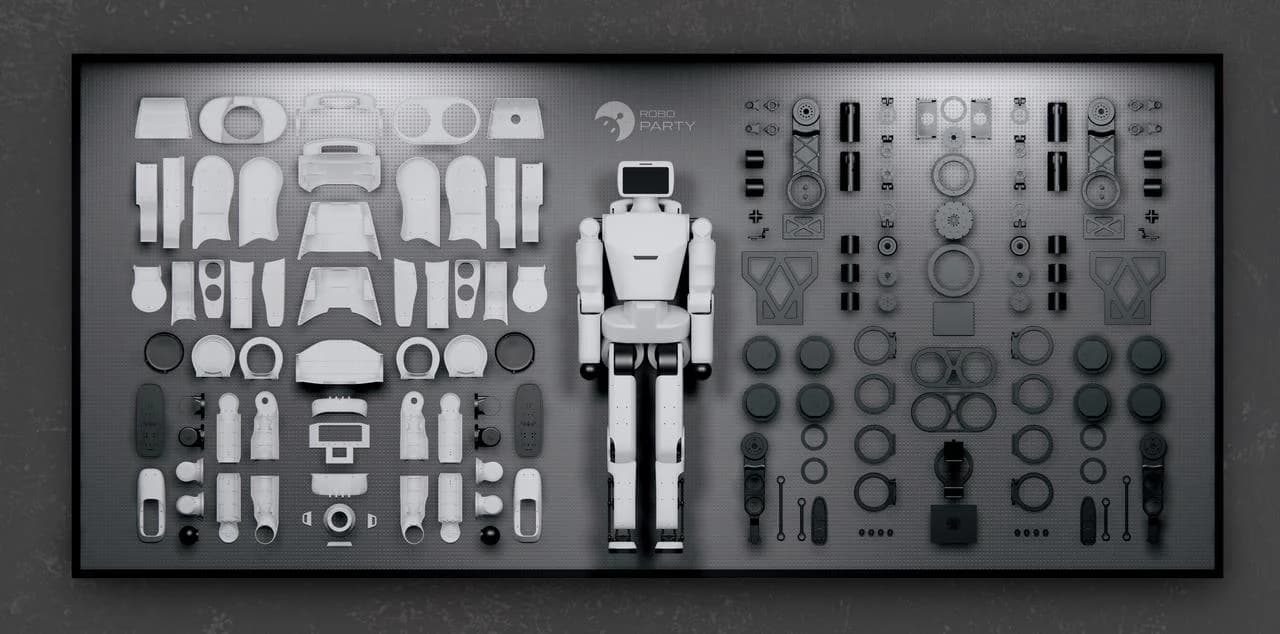
The timeline for developing a humanoid robot is shrinking. RoboParty, a newcomer to the robotics scene founded in early 2025, has announced that it took just four months—roughly 120 days—to go from a blank sheet to a running bipedal prototype. Now, the company is open-sourcing the entire project, dubbed ROBOTO ORIGIN, in an effort to turn "repeated parts of humanoid building into reusable infrastructure."
Moving Beyond "Performative" Open-Source
RoboParty’s entry comes at a time of significant transition for the open-source humanoid movement. The company frames its release as a challenge to "performative open-source" projects that provide code without hardware or CAD files without the assembly "know-how" required to actually build the machine.
ROBOTO ORIGIN is presented as a "full-stack" baseline, encompassing:
- Hardware: Complete structural drawings, EBOM (Engineering Bill of Materials), and Standard Operating Procedures (SOPs) for assembly.
- Control Stack: Lower-level control code for imitation, perception-driven motion, and navigation.
- Engineering Validation: A published test matrix and debugging logs to bridge the gap between simulation and real-world performance.
The prototype is intentionally designed for reproducibility, utilizing components accessible through platforms like Taobao (China's largest online marketplace) and services like Jialichuang (a digital platform specializing in rapid PCB prototyping and 3D printing). This DIY-friendly approach aims to reduce the "rebuild friction" that often slows down research labs and hobbyist teams.
The weekly humanoid robotics briefing
One email a week: the launches, funding and research that mattered, with context from Humanoids Daily.
Read recent issuesLearning from the "Bet the Farm" Era
The launch of ROBOTO ORIGIN follows the high-profile shutdown of K-Scale Labs, another champion of the open-source model. While K-Scale initially shipped its $8,999 K-Bot Founder’s Edition, the company ultimately collapsed after failing to secure a $20 million Series A funding round.
K-Scale’s CEO, Benjamin Bolte, admitted that he "bet the farm" on a high-CapEx flagship model rather than a cheaper, more accessible project. Bolte noted that Silicon Valley investors were skeptical of the high costs required to redesign robots for "die casting or cold forging" to make unit economics work. Upon shutting down, K-Scale released its IP under non-commercial licenses.
RoboParty appears to be navigating this landscape by positioning its robot as a "reproducible baseline" rather than a commercial product immediately destined for mass-market deployment. By focusing on a "shared ground truth" for developers, they hope to cut embodied AI development costs by 80%.
Technical Specs and Motion Capabilities
ROBOTO ORIGIN is not just a static development platform; the company has already demonstrated the prototype running at 3 m/s. The software stack is built on a modular ROS2 deployment framework and utilizes IsaacLab for reinforcement learning (RL) training.
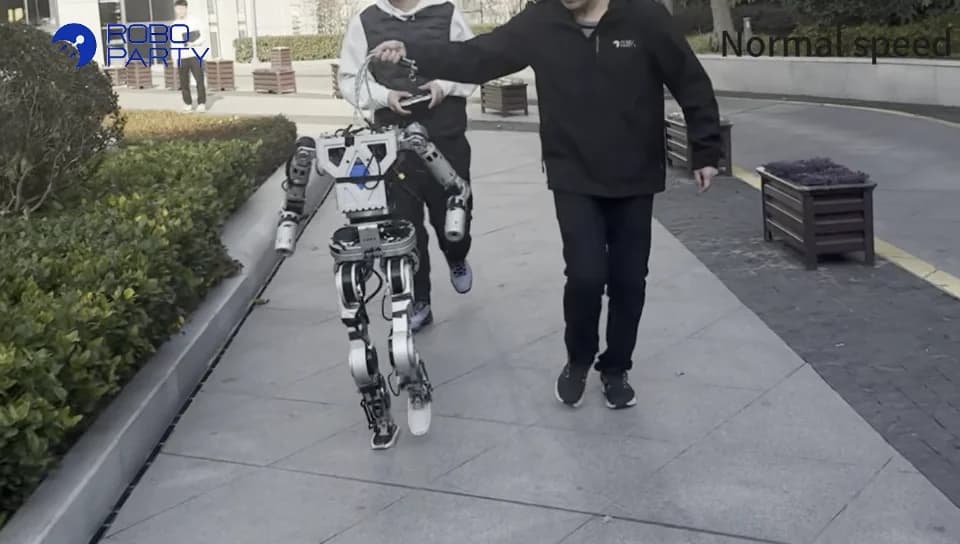
Key technical highlights include:
- AMP Locomotion: Using Adversarial Motion Priors to target more natural, human-like gaits.
- SMPL-X Support: Allowing the robot to reuse large-scale human motion capture data, which reduces the fine-tuning cost for new tasks.
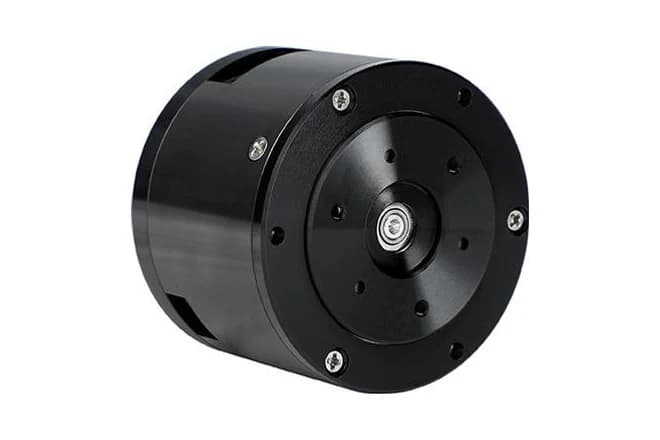
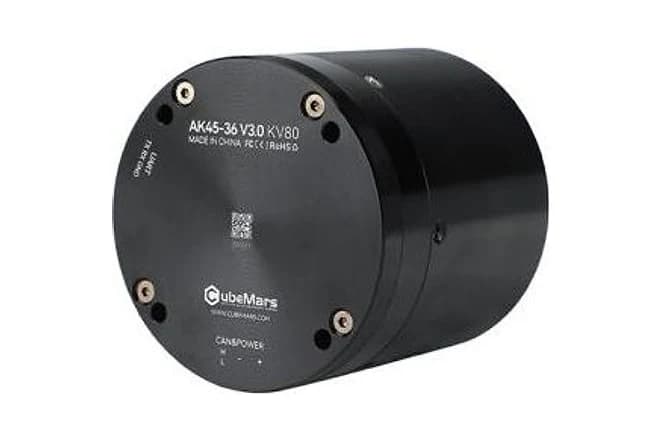
- Modular Joints: Designed for easier repair and upgrades, specifically targeting research and teaching environments.
This technical philosophy mirrors K-Scale's earlier efforts with the K-Scale Operating System (KOS), which also aimed for low-latency control and simulation-to-real-world transfer. However, where K-Scale struggled with the leap to industrial-scale manufacturing, RoboParty is currently focusing on "Joint Definition Manufacturing" (JDM) and co-development with partners to bridge the gap from reference prototype to engineering-grade delivery.
The Growing Open Ecosystem
RoboParty joins a busy field of open-source projects attempting to commoditize humanoid hardware. Beyond the legacy of K-Scale’s open-sourced IP, other players are emerging. We are currently tracking Asimov, another open-source humanoid project, and expect to provide a deeper look into their architecture in the coming weeks.
For RoboParty, the immediate goal is to invite the community to "pressure-test" the baseline. The company is actively seeking replication reports and failure mode documentation from other builders. As the industry moves away from "big black box" proprietary models, projects like ROBOTO ORIGIN suggest the future of robotics may be built on shared, verifiable foundations rather than isolated corporate labs.
Share this article
Read next
- Published on
- Reading time
- 7 min read
AGIBOT Open-Sources GE-Act 2.0, Challenging Unitree in the Open Embodied AI Race
- Published on
- Reading time
- 7 min read
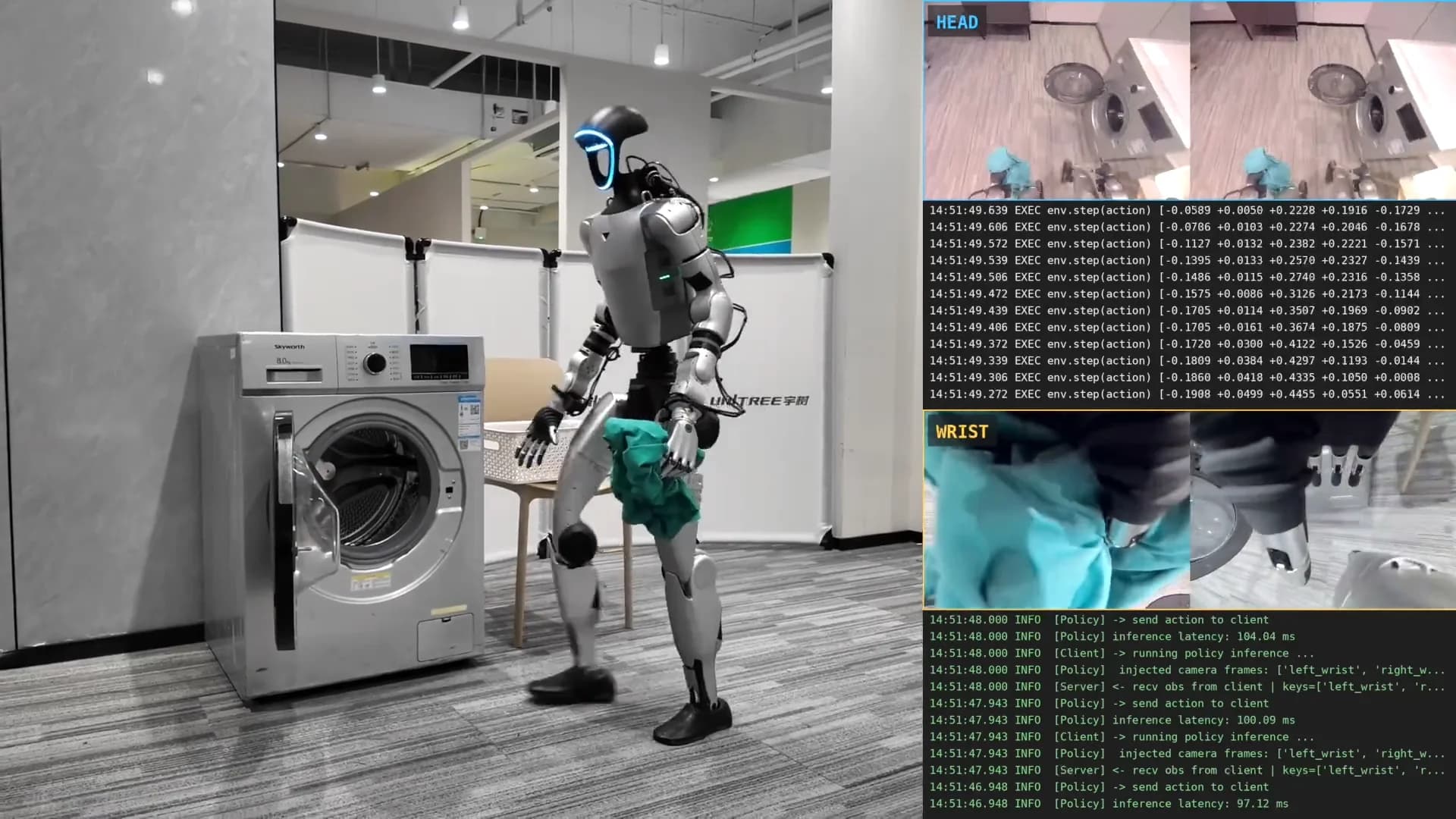
Unitree Begins Open Release of UnifoLM-WLA-1.0 to Tackle Humanoid Generalization
- Published on
- Reading time
- 4 min read
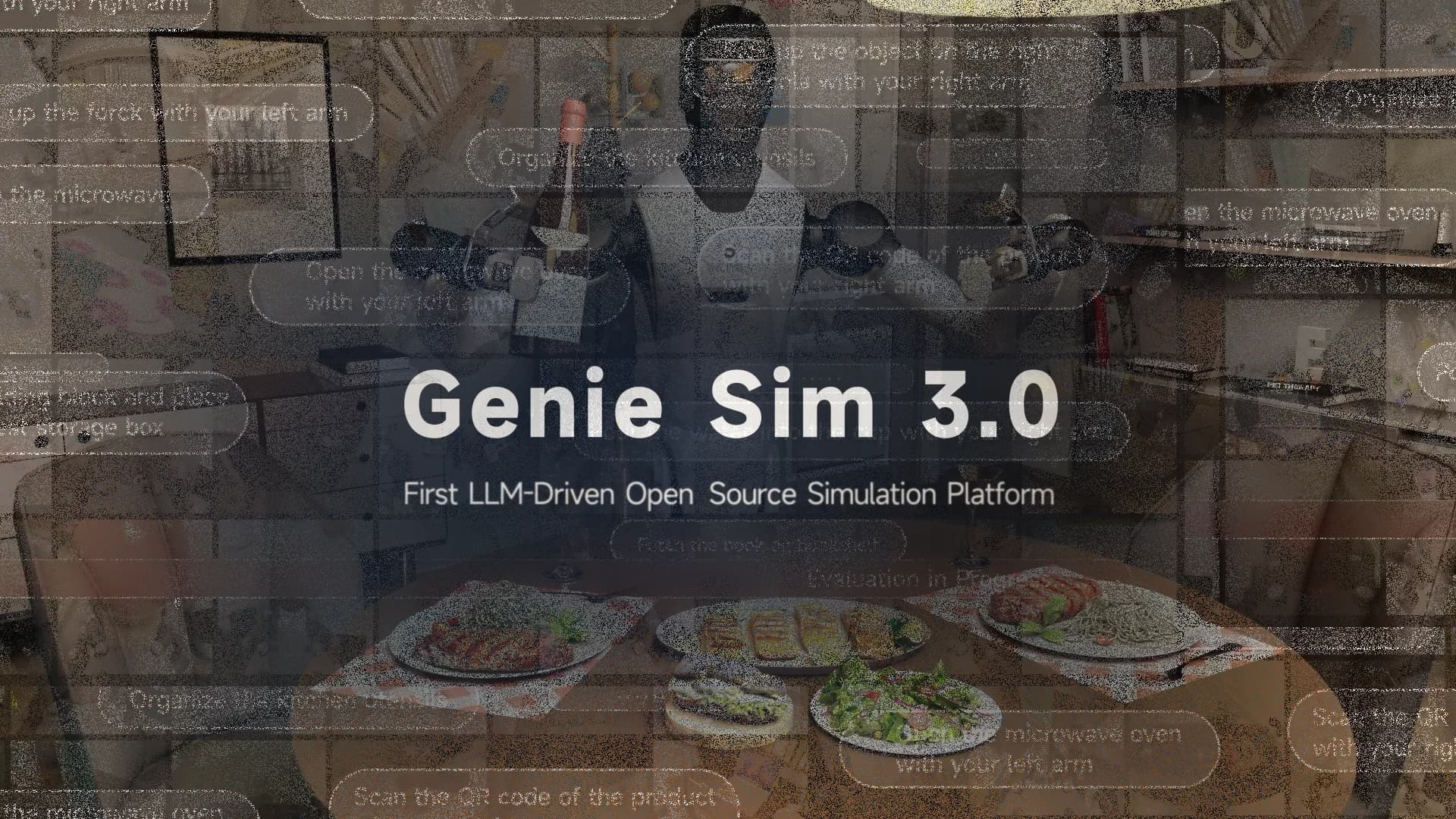
The Synthetic Engine: How AGIBOT Genie Sim 3.0 Resolves the Embodied AI Data Bottleneck
- Published on
- Reading time
- 4 min read
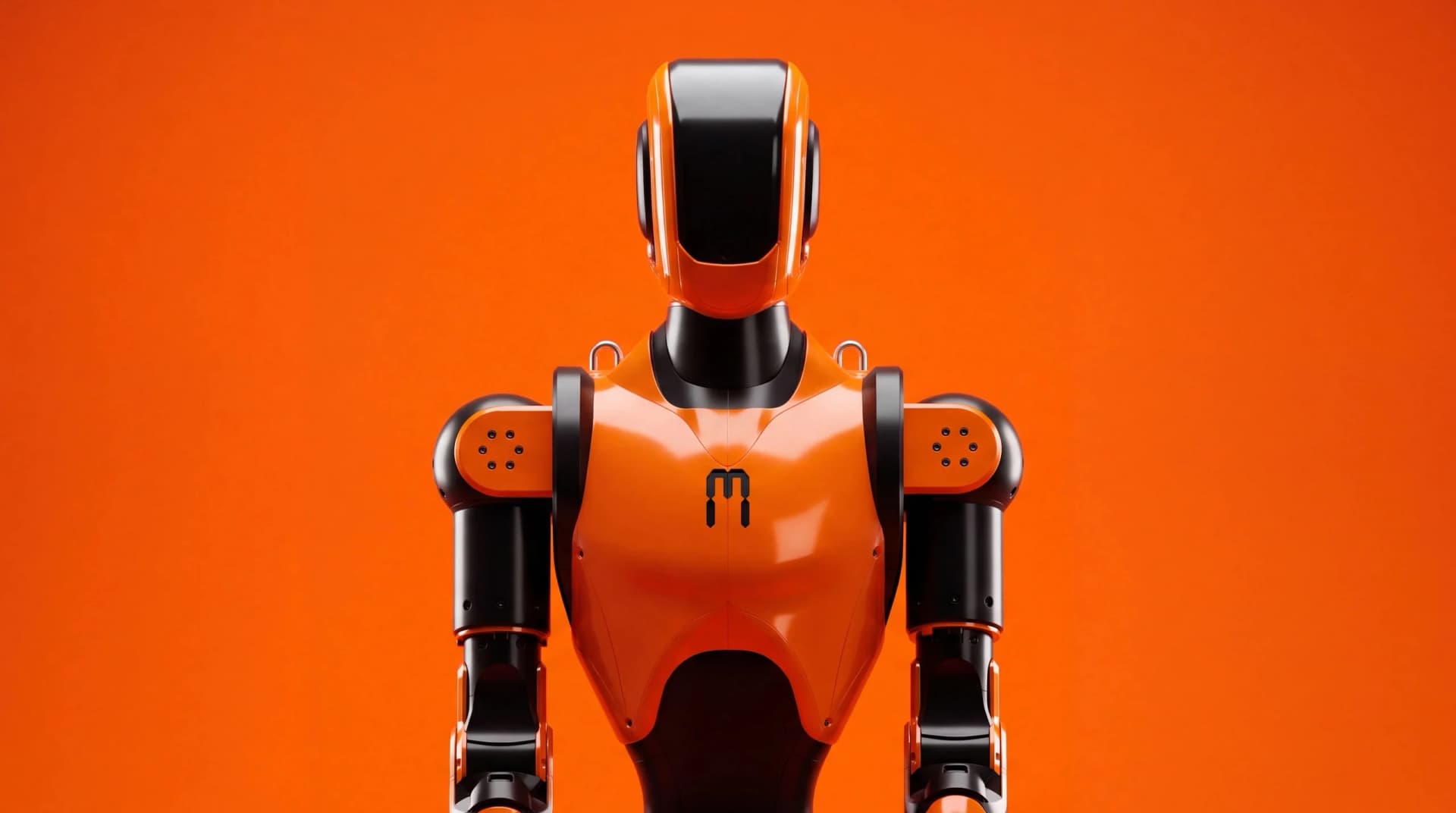
Asimov 1 DIY Humanoid Kits Begin Shipping as Team Details Final Costs
- Published on
- Reading time
- 4 min read
NVIDIA and Hugging Face Standardize Open-Source Robotics Pipeline via LeRobot
- Published on
- Reading time
- 5 min read
BitRobot and Hugging Face Drop HIW-500: A Massive 10TB Real-Home Humanoid Dataset

The weekly humanoid robotics briefing
One email a week: the launches, funding and research that mattered, with context from Humanoids Daily.
Read recent issues