- Published on
Fincantieri and Generative Bionics Partner to Bring Humanoid Welders to Italian Shipyards
One tap, and our reporting appears more often in your Google Top Stories. It makes a real difference to a small newsroom.

Supported by RoboStrategySupport for Humanoids Daily comes from RoboStrategy
Sponsored

Investing involves risk, including possible loss of principal. Read the prospectus before investing.
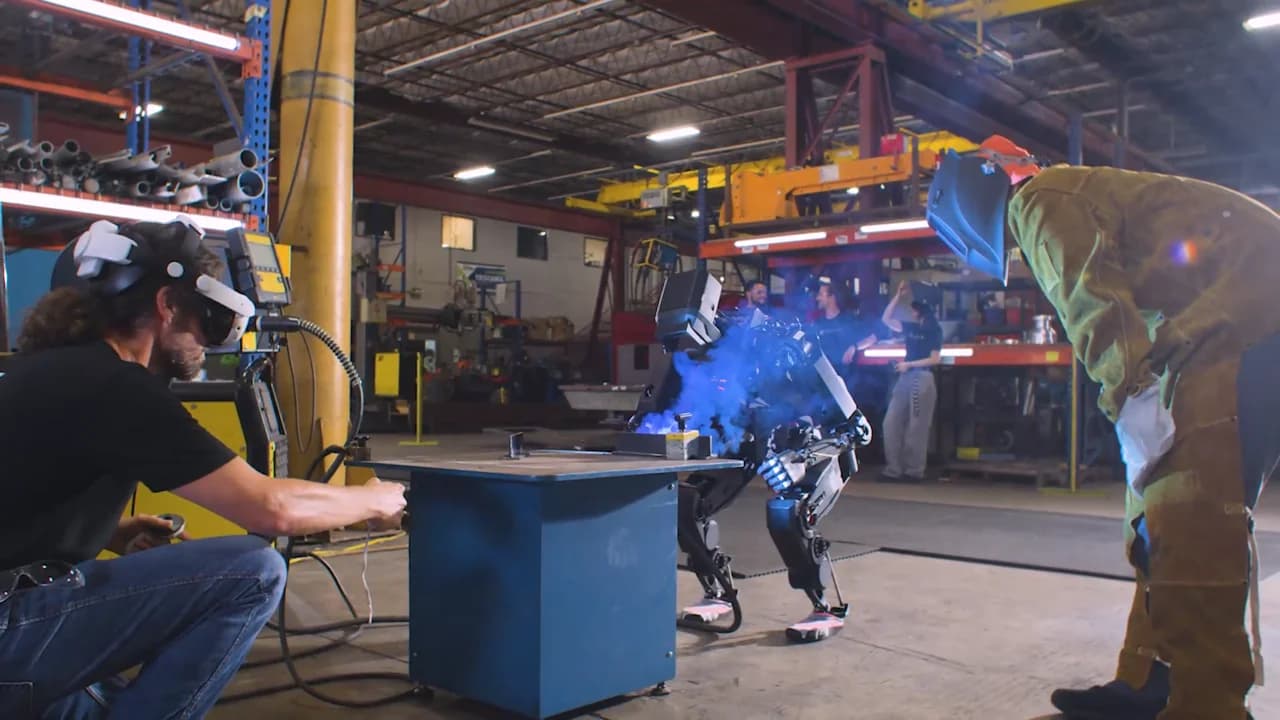
The ambition to move humanoid robots out of the laboratory and into the grit of heavy industry reached a new milestone today. Fincantieri, a global leader in complex shipbuilding, and Generative Bionics, the Italian "Physical AI" startup that recently exited stealth, have announced an industrial partnership to develop and deploy humanoid welding robots within European shipyards.
The collaboration centers on integrating Generative Bionics’ robotic platform with Fincantieri’s industrial expertise to address the growing shortage of skilled labor and the increasing complexity of naval manufacturing. The project is a core pillar of Fincantieri’s new Industrial Plan, which emphasizes advanced robotics and "Physical AI" to maintain production continuity in ergonomically challenging environments.
From CES Concept to Shipyard Floor
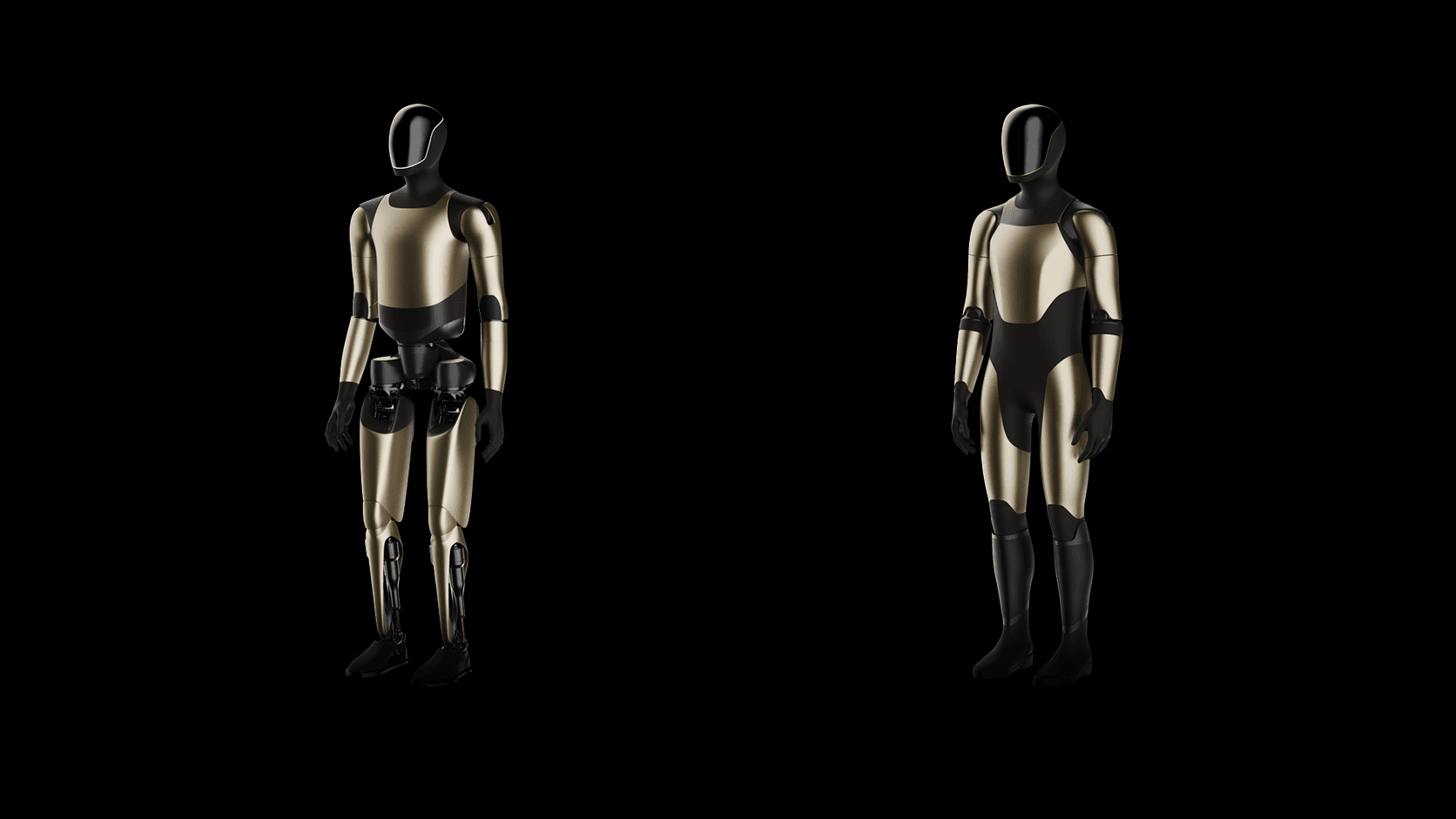
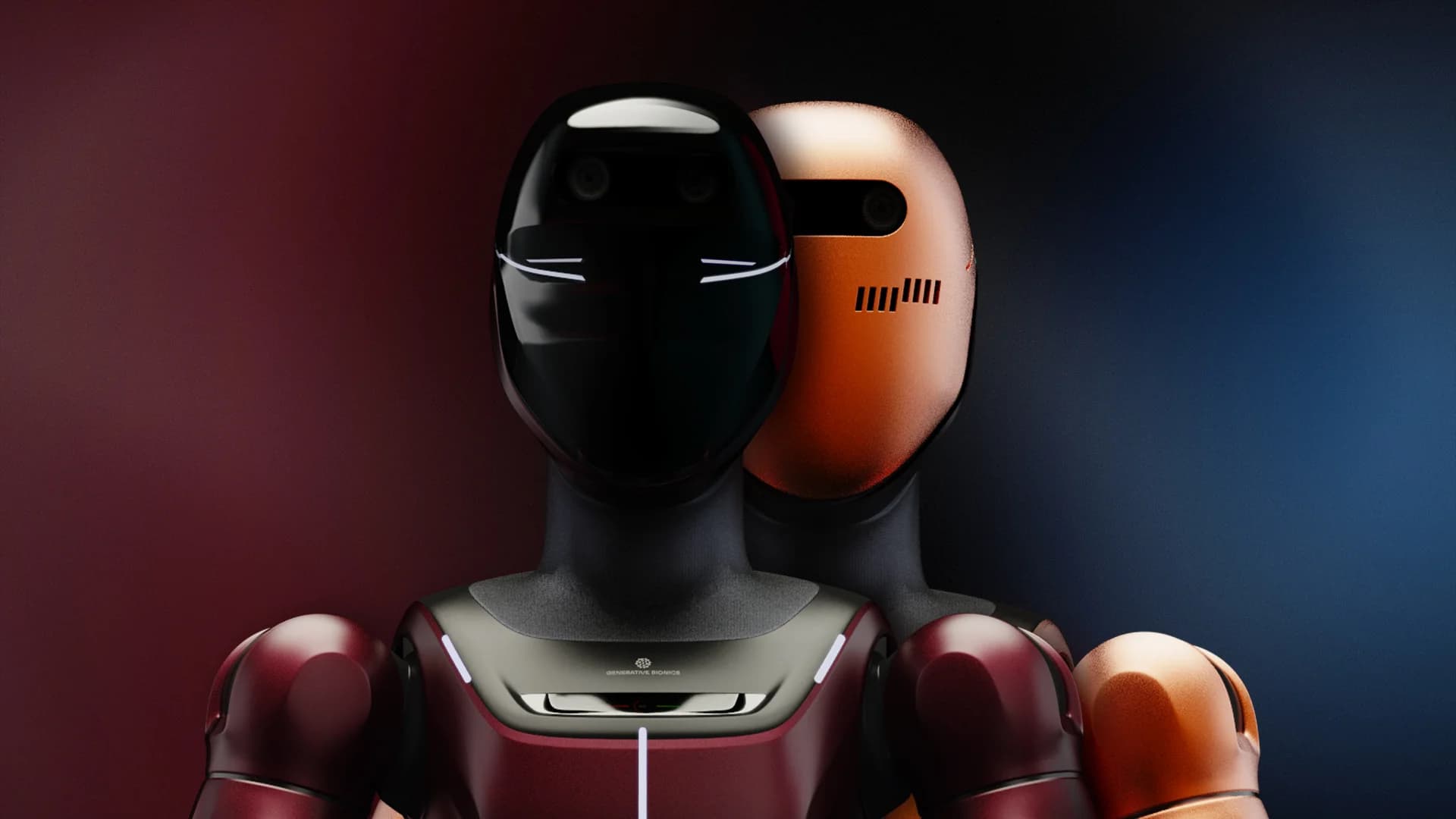
The announcement comes just weeks after Generative Bionics made waves at CES 2026. During the AMD opening keynote, CEO Daniele Pucci unveiled GENE.01, a concept robot designed to define the company’s visual and technological identity.
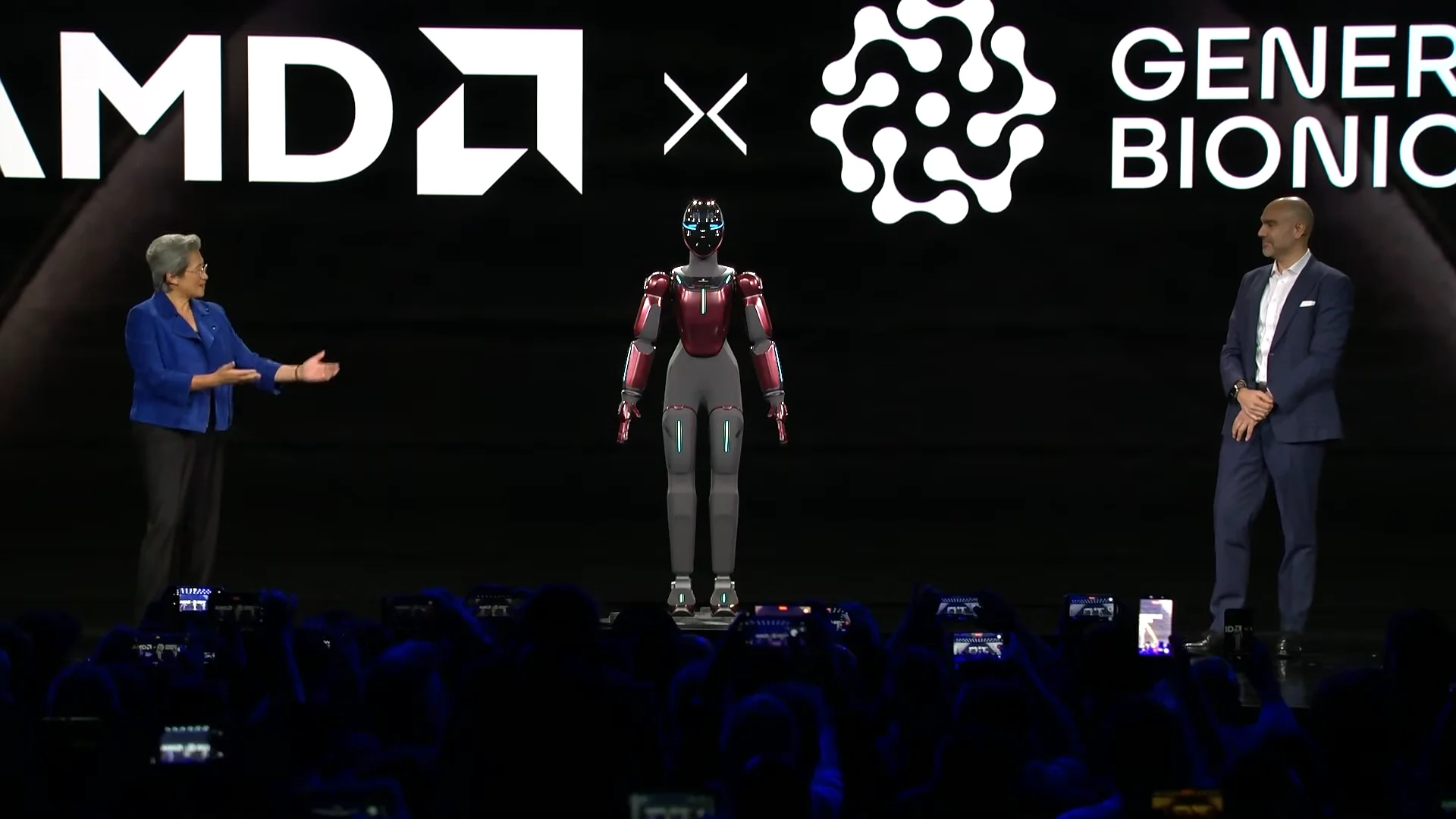
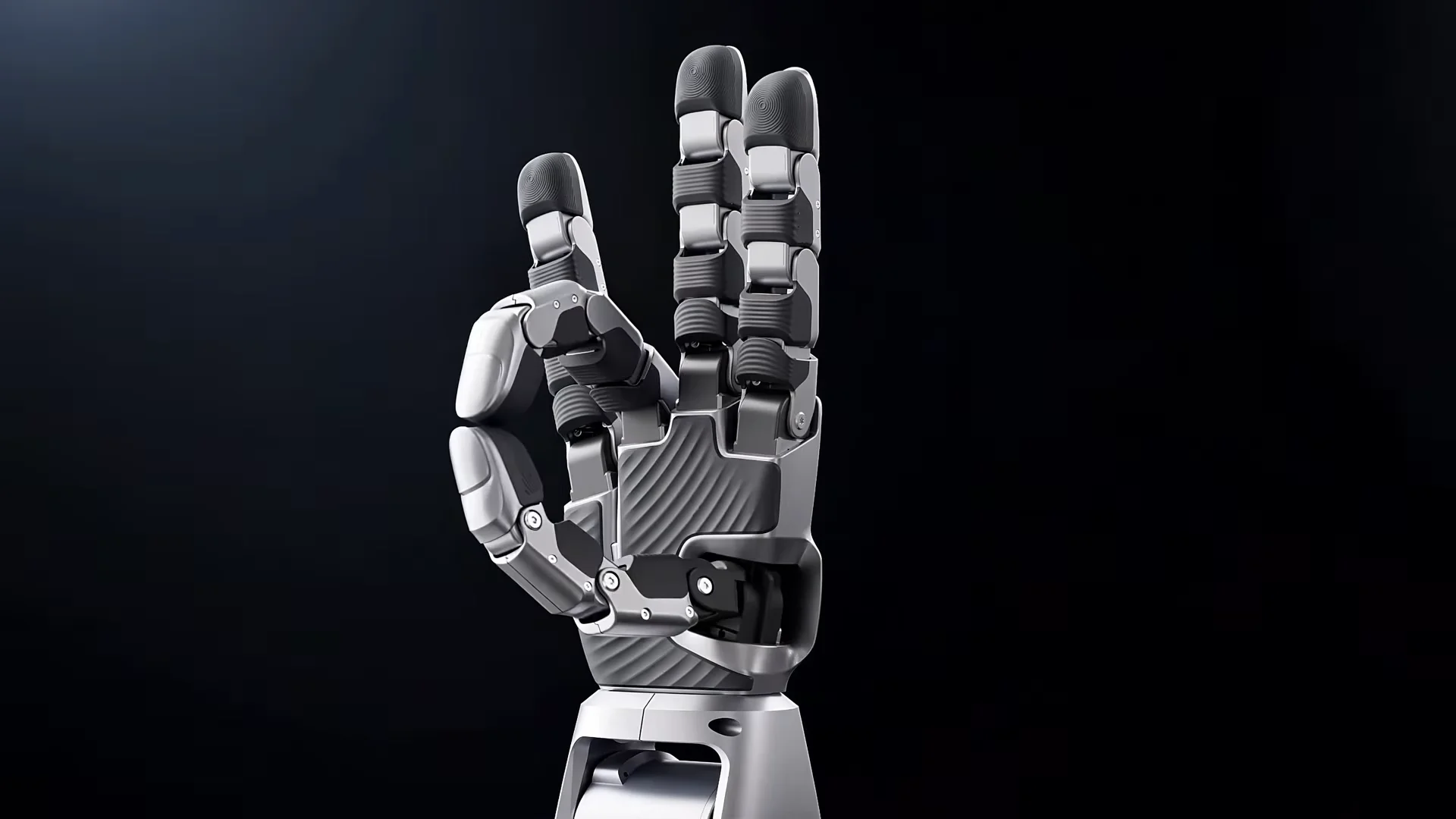
GENE.01 is characterized by what the company calls a "human-centric" design, featuring a full-body tactile skin—a distributed network of touch and force sensors—that allows the robot to perceive pressure and micro-interactions. This hardware stack, powered by AMD’s high-performance computing and FPGA-based embedded vision platforms, enables the robot to treat its own body as part of the compute, allowing for real-time adaptation to its environment.
The weekly humanoid robotics briefing
One email a week: the launches, funding and research that mattered, with context from Humanoids Daily.
Read recent issuesGenerative Bionics has since confirmed that the specific humanoid developed for Fincantieri will carry the official designation GENE.01/W. This "/W" suffix marks the debut of a structured nomenclature system for the company’s new robotic lineage, where different letters will identify variants tailored to specific industrial tasks. The approach reflects a modular development strategy: a common core platform that is adapted through hardware and software configurations to meet the operational requirements of distinct sectors.
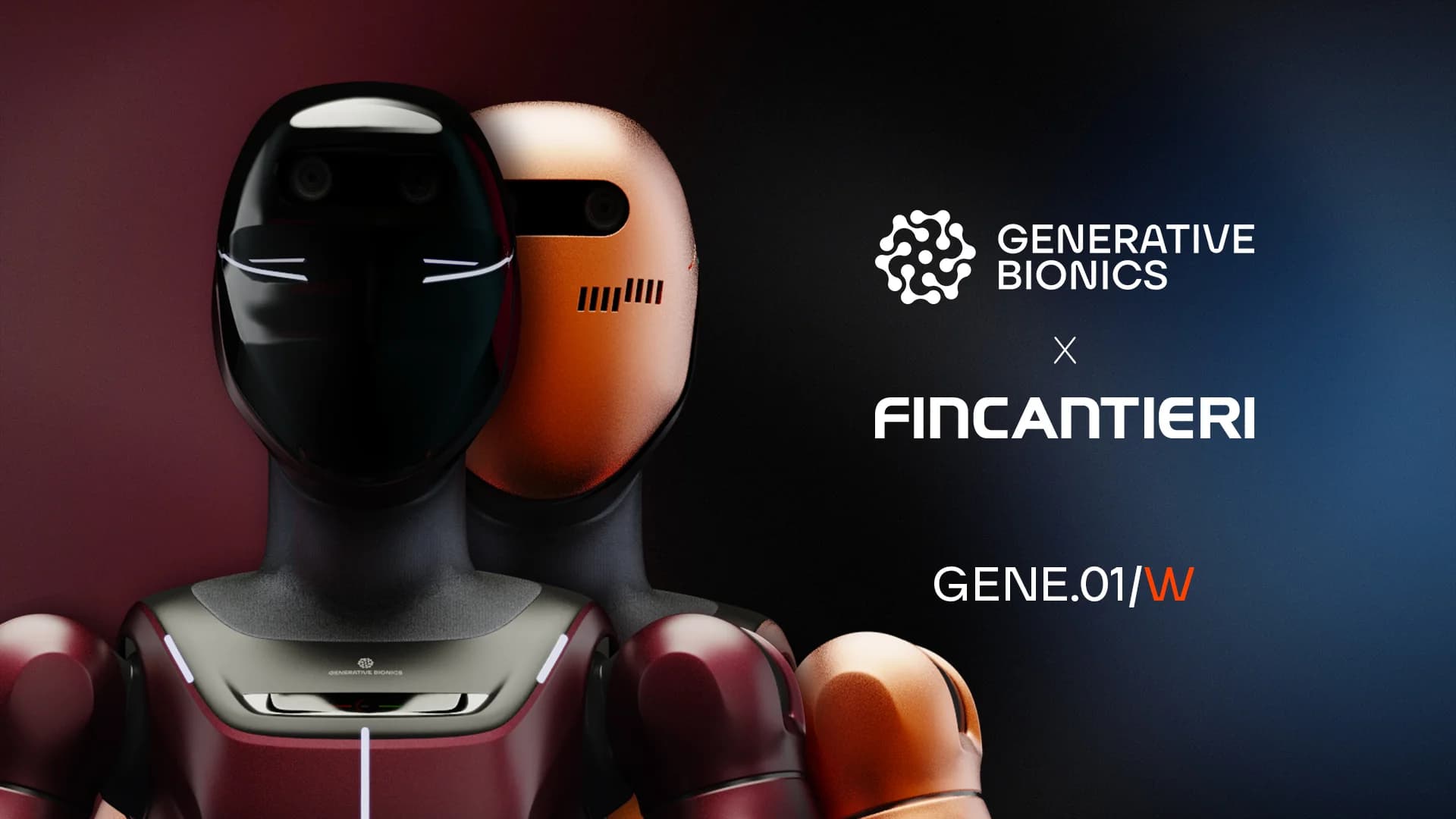
The GENE.01/W will be equipped with specialized AI for monitoring welding seams and optimized locomotion to navigate the complex, non-uniform terrain of a shipyard. This represents the first structured industrial validation for the platform since the company raised €70 million to commercialize its research from the Italian Institute of Technology.
A Four-Year Roadmap in Trieste and Genoa
The partnership is structured as a four-year program with an aggressive timeline for deployment.
- Late 2026: Initial on-site tests are scheduled to begin.
- 2027–2028: The goal is to make operational functionalities available within the first two years.
- Beyond 2028: Activities will shift toward further refinement, expansion, and formal industrial certification.
Testing and validation will be centralized at Fincantieri’s Sestri Ponente shipyard, which will function as an "industrial laboratory" for the technology. Pierroberto Folgiero, CEO of Fincantieri, noted that these systems are intended to support workers in repetitive and physically demanding tasks while maintaining high safety standards.
The Global Race for Humanoid Labor
The deal reinforces a growing trend of "Physical AI" entering the maritime and heavy fabrication sectors. This move follows the €70 million funding round Generative Bionics secured in late 2025 to commercialize its research from the Italian Institute of Technology.
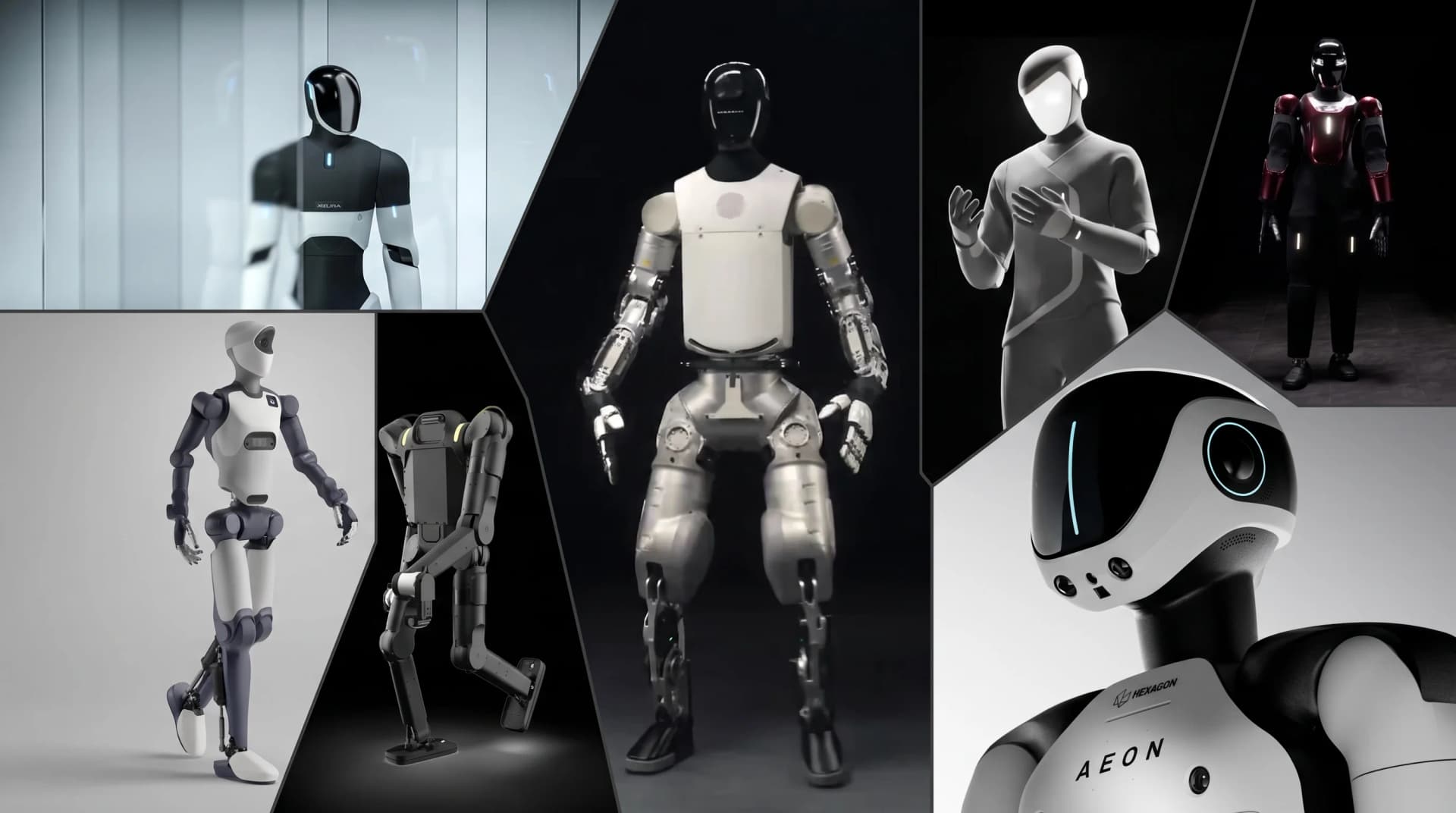
However, the Italian firm is not alone in targeting this niche. In the United States, Houston-based Persona AI—which raised $27 million in pre-seed funding in May 2025—is pursuing an almost identical use case. Persona AI has already forged an alliance with HD Hyundai to develop humanoid welding robots for South Korean shipyards, with prototypes also expected by late 2026.
Most recently, Persona AI signed a Memorandum of Understanding with the State of Louisiana to launch a pilot program at SSE Steel Fabrication. That initiative focuses on collecting real-world data on human movement to inform how humanoids can work alongside skilled tradespeople in live manufacturing settings.
Strategic Sovereignty
For Fincantieri and Generative Bionics, the partnership is also framed as a matter of European technological sovereignty. By leveraging a domestic supply chain and research from IIT, the companies aim to strengthen the competitiveness of the European industrial system against global counterparts.
As both Generative Bionics and Persona AI race toward 2026 test dates, the shipyard is becoming the ultimate proving ground for whether humanoid robots can handle the "4D" jobs—dull, dirty, dangerous, and declining—that traditional automation has historically failed to master.
Share this article
Read next
- Published on
- Reading time
- 25 min read
The Humanoids of Europe: Built by Their Customers
- Published on
- Reading time
- 7 min read
Generative Bionics Unveils GENE.01: A Smart-Skin Humanoid Built on Peer-Reviewed Ergonomics
- Published on
- Reading time
- 3 min read
Generative Bionics Demonstrates Outdoor Locomotion, Taps Italdesign for Mass Production
- Published on
- Reading time
- 4 min read
Italy Enters the Chat: Generative Bionics Raises €70M to Bring "Physical AI" to Industry
- Published on
- Reading time
- 4 min read
Persona AI Humanoids Touch Down in Korea Following Successful Teleoperated Welding Demo
- Published on
- Reading time
- 3 min read
Persona AI Takes Gen 1 Humanoid for a Stroll in the Houston Heat—and It’s Wearing Under Armour

The weekly humanoid robotics briefing
One email a week: the launches, funding and research that mattered, with context from Humanoids Daily.
Read recent issues