- Published on
Beijing’s Newest Humanoid: Tiangong 3.0 Breaks Cover with Parkour and Open-Source Ambitions
One tap, and our reporting appears more often in your Google Top Stories. It makes a real difference to a small newsroom.

Supported by RoboStrategySupport for Humanoids Daily comes from RoboStrategy
Sponsored


Investing involves risk, including possible loss of principal. Read the prospectus before investing.
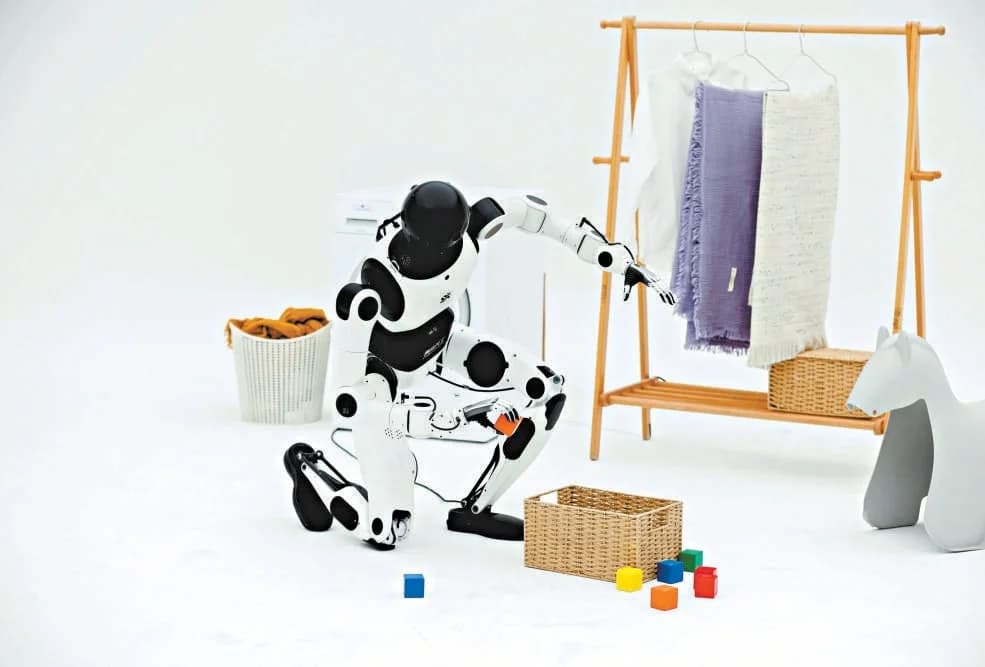
Just days after securing $100 million in commercial financing, the Beijing Humanoid Robot Innovation Center (also known as X-Humanoid) has officially launched its next-generation platform: the Embodied Tiangong 3.0.
Unveiled on February 10, 2026, the new model represents a significant leap from the Tiangong Ultra that claimed victory in the Beijing Half-Marathon last year. While previous iterations focused on endurance and speed records—including a 21.5-second 100-meter sprint—the 3.0 version prioritizes "embodied intelligence" and industrial utility.
Technical Breakthroughs: Beyond the Sprint
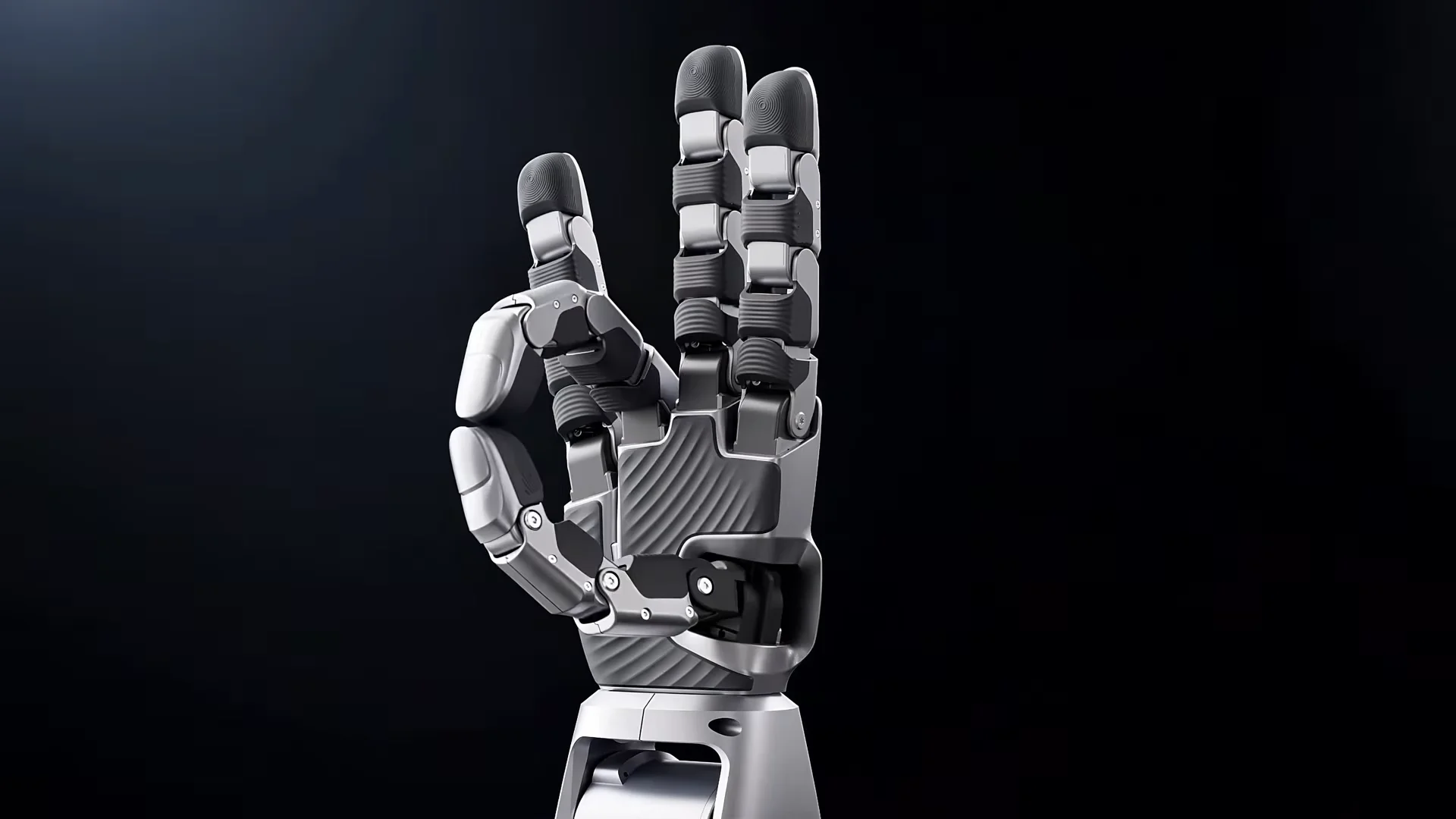
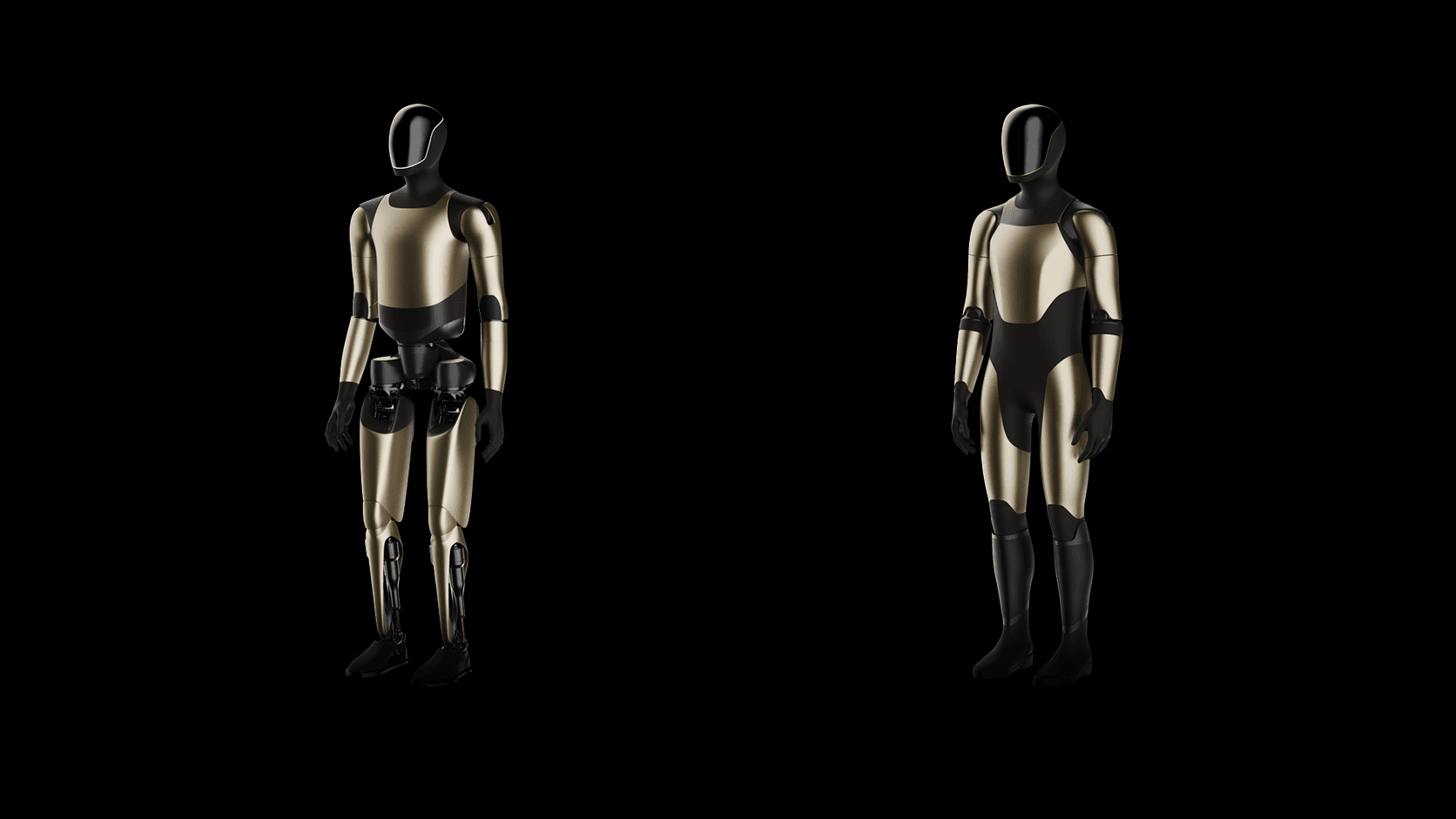
The Tiangong 3.0 is a 169 cm tall, 62 kg machine equipped with 43 degrees of freedom. The robot has demonstrated high-dynamic movements that signal a shift toward more complex physical reasoning, including:
- Obstacle Negotiation: Performing a one-handed vault over a 1-meter-high block.
- Precision Tasks: Executing operations such as turning small knobs and working in confined spaces.
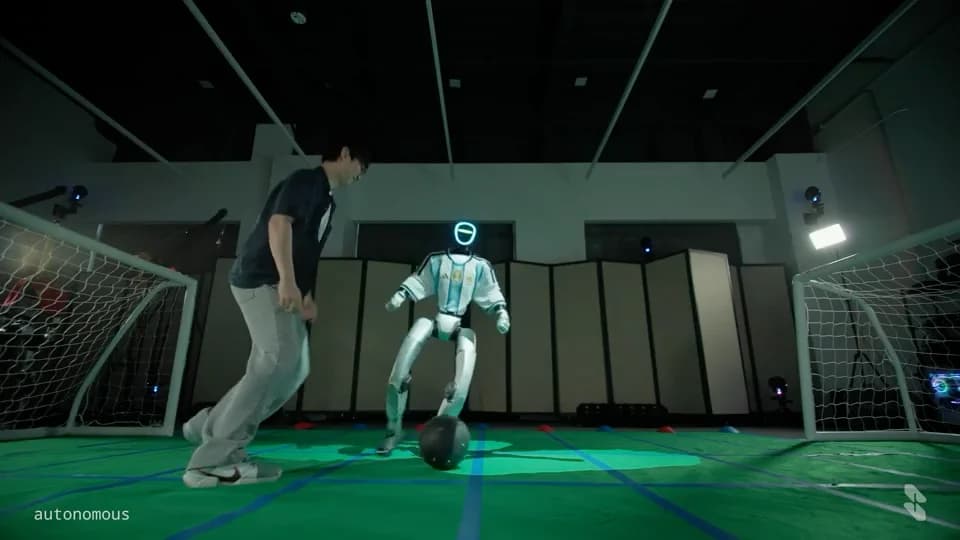
- Agility: Demonstrating capabilities for somersaults, dancing, and even juggling ping-pong balls.
These feats are powered by high-torque integrated joints and the new Huisi Kaiwu general embodied intelligence platform. This software stack creates a "perception-decision-execution" closed loop, allowing for fully autonomous operations rather than pre-programmed routines.
The weekly humanoid robotics briefing
One email a week: the launches, funding and research that mattered, with context from Humanoids Daily.
Read recent issuesAn "Open" Ecosystem for Industry
The most strategic aspect of the Tiangong 3.0 release is its focus on accessibility. Beijing has recently warned against repetitive, low-quality robotics projects, and X-Humanoid appears to be positioning itself as a central player trying to combat market fragmentation.
To achieve this, the center has open-sourced several core components, including the robot's physical design blueprints, the Pelican-VL vision-language model (VLM), and the RoboMIND dataset.
On the hardware side, the 3.0 platform includes multiple expansion interfaces for peripheral tools, while the software supports mainstream protocols like ROS2, MQTT, and TCP/IP. This allows industrial partners to perform secondary development without rebuilding the underlying architecture—a move aimed directly at accelerating deployment in factories and warehouses.
The Path to Mass Deployment
The launch marks a transition from laboratory milestones to "one brain, multiple robots" scalability. By utilizing asynchronous multi-robot scheduling, the Huisi Kaiwu platform can manage several units simultaneously, a requirement for the industrial environments where the center’s TianYi 2.0 is already being tested.
While the 3.0’s parkour maneuvers are impressive for a highlight reel, the real test will be whether its open-source strategy can unify a Chinese robotics sector currently in the midst of an aggressive IPO rush. If successful, Tiangong 3.0 could provide a useful standardized foundation for the industry.
Share this article
Read next
- Published on
- Reading time
- 4 min read
AGIBOT Tops Medal Table at 2nd World Humanoid Robot Games as Beijing Showdown Concludes
- Published on
- Reading time
- 5 min read
Beijing Humanoid Half-Marathon: Honor Sweeps Podium as Robots Shatter Human World Record
- Published on
- Reading time
- 3 min read
Beijing Humanoid Robot Innovation Center Secures $100 Million to Scale Commercial Operations
- Published on
- Reading time
- 8 min read
Analysts See a PEEK Boom in Humanoid Robots. Kingfa’s Robotics Lead Says Most of It Is Hype
- Published on
- Reading time
- 4 min read
AGIBOT Brings 300-Plus Robots to Chimelong Theme Park
- Published on
- Reading time
- 4 min read
XPENG Lines Up Humanoid Suppliers Ahead of Year-End Production Target


The weekly humanoid robotics briefing
One email a week: the launches, funding and research that mattered, with context from Humanoids Daily.
Read recent issues