- Published on
End of an Era: Boston Dynamics CEO Robert Playter to Retire
One tap, and our reporting appears more often in your Google Top Stories. It makes a real difference to a small newsroom.

Supported by RoboStrategySupport for Humanoids Daily comes from RoboStrategy
Sponsored
Investing involves risk, including possible loss of principal. Read the prospectus before investing.
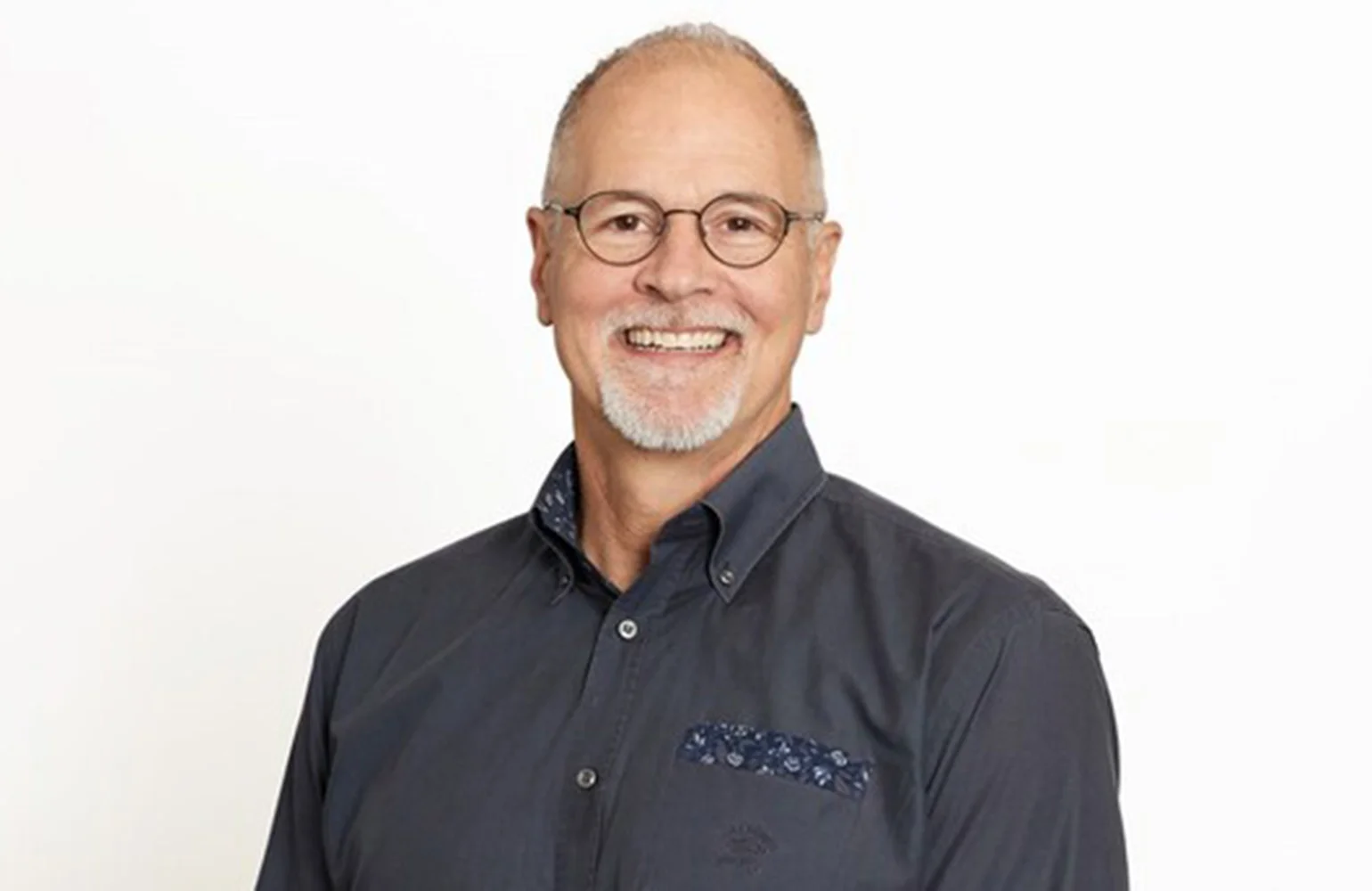
The leadership of Boston Dynamics is entering a new chapter. Robert Playter, the CEO who navigated the legendary robotics firm through its acquisition by Hyundai Motor Group and its transition from a research lab to a commercial enterprise, has announced his retirement.
His final day with the company will be February 27, 2026. In the interim, Amanda McMaster, the company’s Chief Financial Officer, will step in as interim CEO while the board of directors conducts a search for a permanent successor.
A Thirty-Year Legacy
Playter’s departure marks the end of a 32-year tenure. Joining the firm in 1994, just two years after its founding by Marc Raibert, Playter was a foundational figure in the development of the "hopping robots" and quadrupeds that first brought the company to international prominence.
"Rob and I worked closely together at Boston Dynamics, with Rob building the teams and teamwork, and helping us all to stay sane," Raibert said in a statement. "When it was time to steer the company from a pure research operation to more of a commercially-focused one, Rob was the person for the job."
The weekly humanoid robotics briefing
One email a week: the launches, funding and research that mattered, with context from Humanoids Daily.
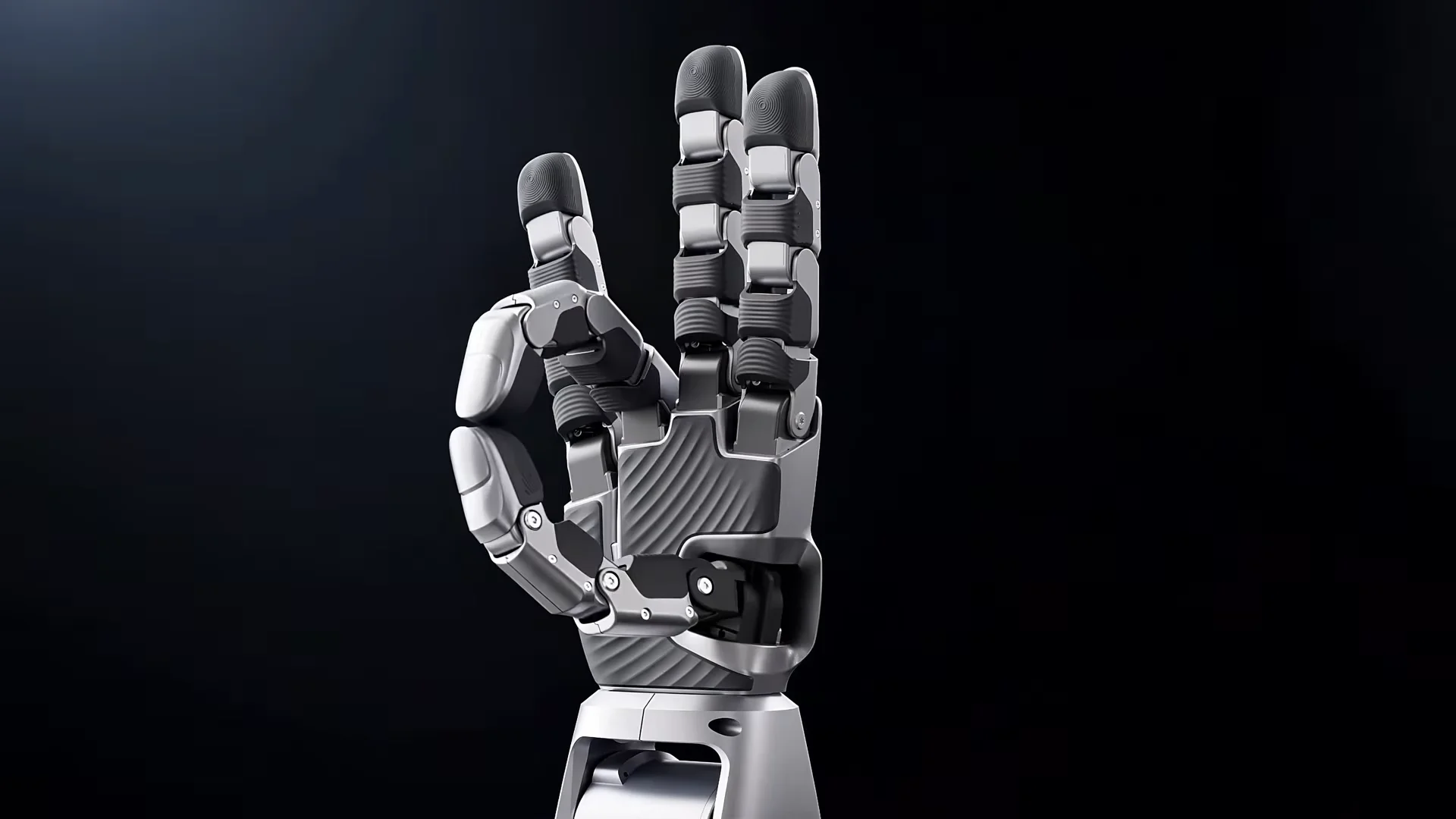
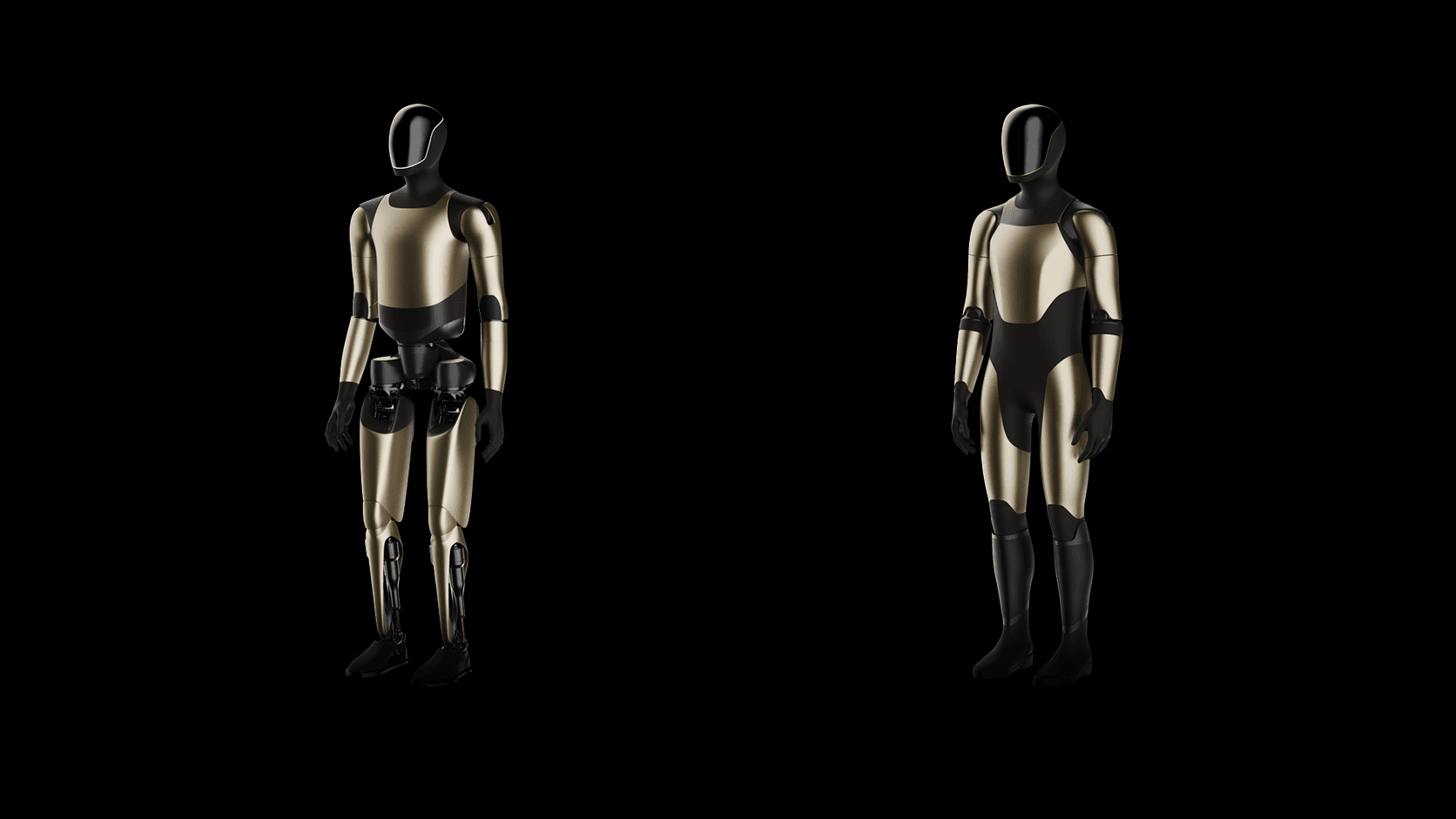
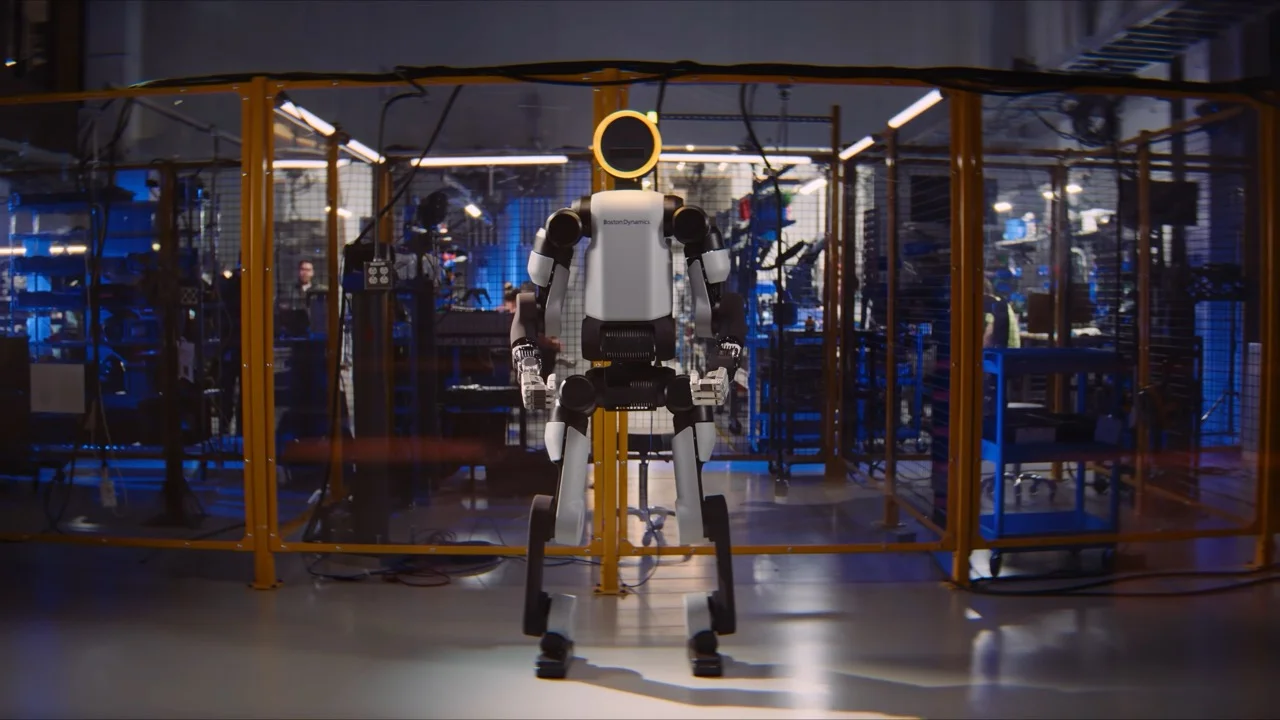
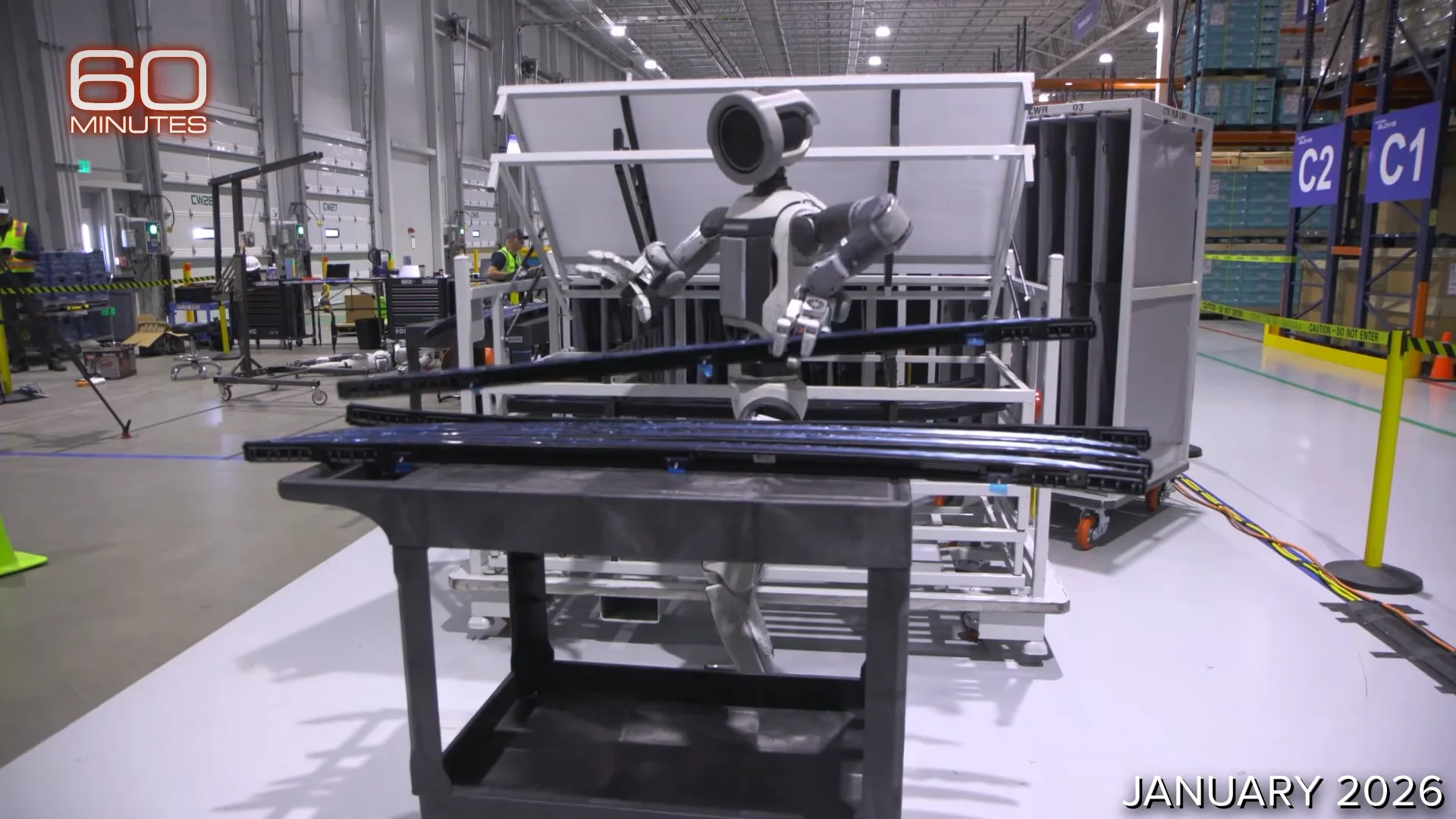
Read recent issuesPlayter took the helm in late 2019, inheriting a company renowned for viral research videos but facing skepticism regarding its commercial viability. Under his leadership, Boston Dynamics successfully productized the quadruped Spot and the warehouse-focused Stretch, while overseeing the critical shift from hydraulic to all-electric actuation for the Atlas humanoid.
Shifting from "Phase One" to "Phase Two"
The timing of Playter's retirement aligns with what the company has termed the graduation from "Phase One"—the grueling grind of hardware validation—to "Phase Two," which focuses on finding product-market fit and scaling production.
In his farewell email to staff, Playter noted that the company is currently at an inflection point. The success of the recent CES 2026 launch of the production-ready Atlas has already seen the 2026 production run fully committed to pilots with Google DeepMind and Hyundai.
The appointment of McMaster, a financial expert, as interim CEO has also fueled speculation regarding a potential Initial Public Offering (IPO). Analysts suggest that as the company moves toward Hyundai's goal of manufacturing 30,000 humanoids annually by 2028, the leadership focus is naturally shifting from R&D breakthroughs to the rigorous unit economics and supply chain management required for mass scale.
The New Guard
While the search for a permanent CEO is underway, the influence of recent high-profile hires is expected to grow. Milan Kovac, the former head of Tesla’s Optimus program who joined as a board advisor in early 2026, is likely to play a central role in shaping the technical strategy for the "Physical AI" that will drive the next generation of Atlas.
"The robotics market is at an early stage," Playter wrote in his departure note. "Companies that combine technical excellence, commercial discipline, and patient capital are best positioned to capture what comes next. Boston Dynamics has all three."
As the "research version" of Atlas performs its final runs in the sun, the departure of its longtime leader reinforces the sense that the era of laboratory curiosity is officially over, replaced by the demanding realities of a global industrial rollout.
Share this article
Read next
- Published on
- Reading time
- 7 min read
Hyundai Says Atlas Will Not Replace Workers — One Day After Settling a Strike Over Exactly That
- Published on
- Reading time
- 4 min read
The Production Pivot: Leadership Exodus and Internal Pressure at Boston Dynamics
- Published on
- Reading time
- 4 min read
The Blueprint for a Bipedal Workforce: Kia Details Atlas Deployment Roadmap
- Published on
- Reading time
- 5 min read
Form as Function: Boston Dynamics Details the Industrial Design Logic Behind the Production Atlas
- Published on
- Reading time
- 5 min read
From Viral Clips to the Factory Floor: 60 Minutes Goes Inside Boston Dynamics’ Industrial Shift
- Published on
- Reading time
- 6 min read
The Alien in the Factory: Boston Dynamics Launches Production-Ready Atlas at CES 2026
The weekly humanoid robotics briefing
One email a week: the launches, funding and research that mattered, with context from Humanoids Daily.
Read recent issues