- Published on
Weave Robotics Launches "Isaac 0": A $9,999 Stationary Bet on the Future of Laundry
One tap, and our reporting appears more often in your Google Top Stories. It makes a real difference to a small newsroom.

Supported by RoboStrategySupport for Humanoids Daily comes from RoboStrategy
Sponsored
Investing involves risk, including possible loss of principal. Read the prospectus before investing.
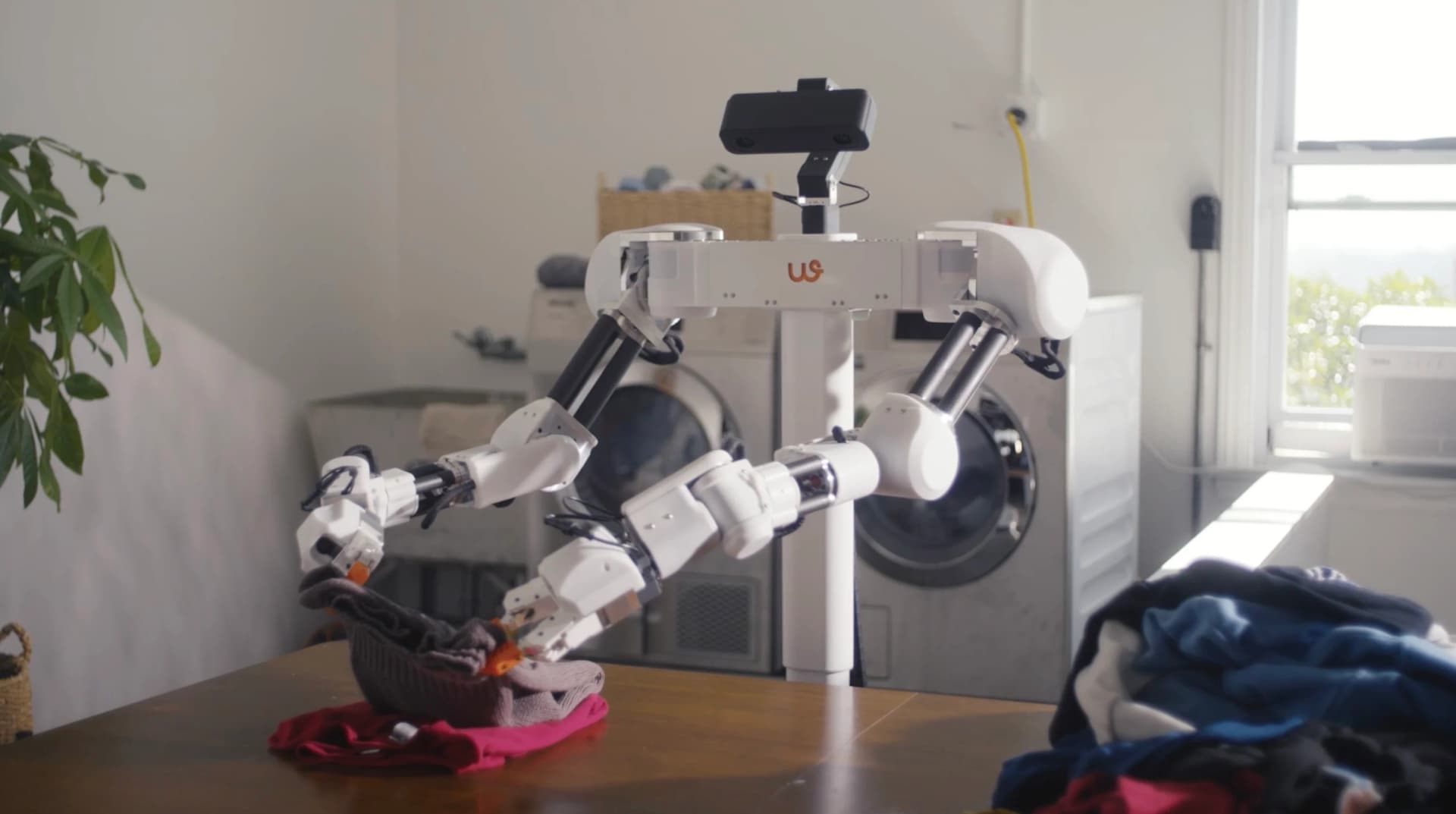
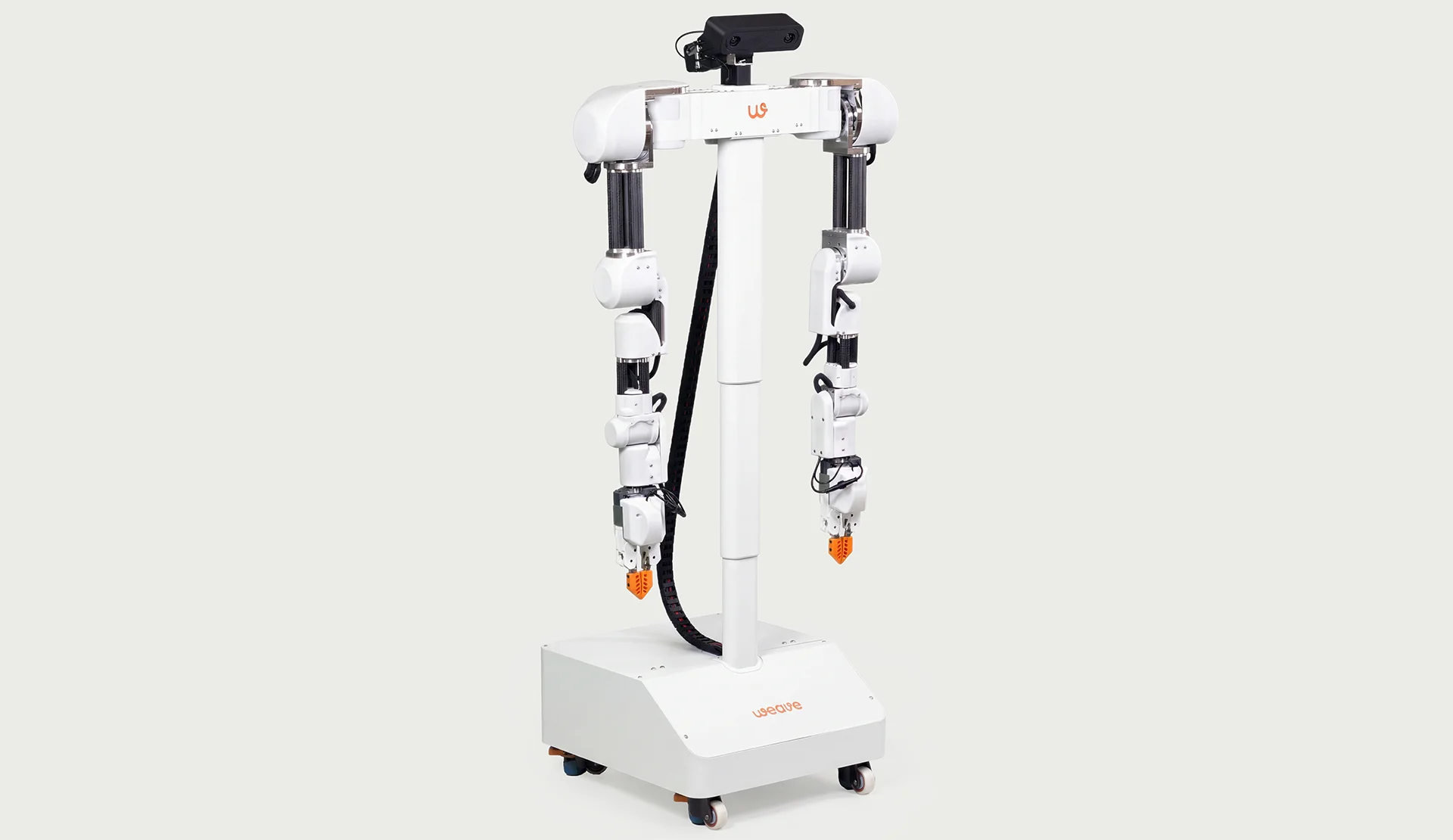
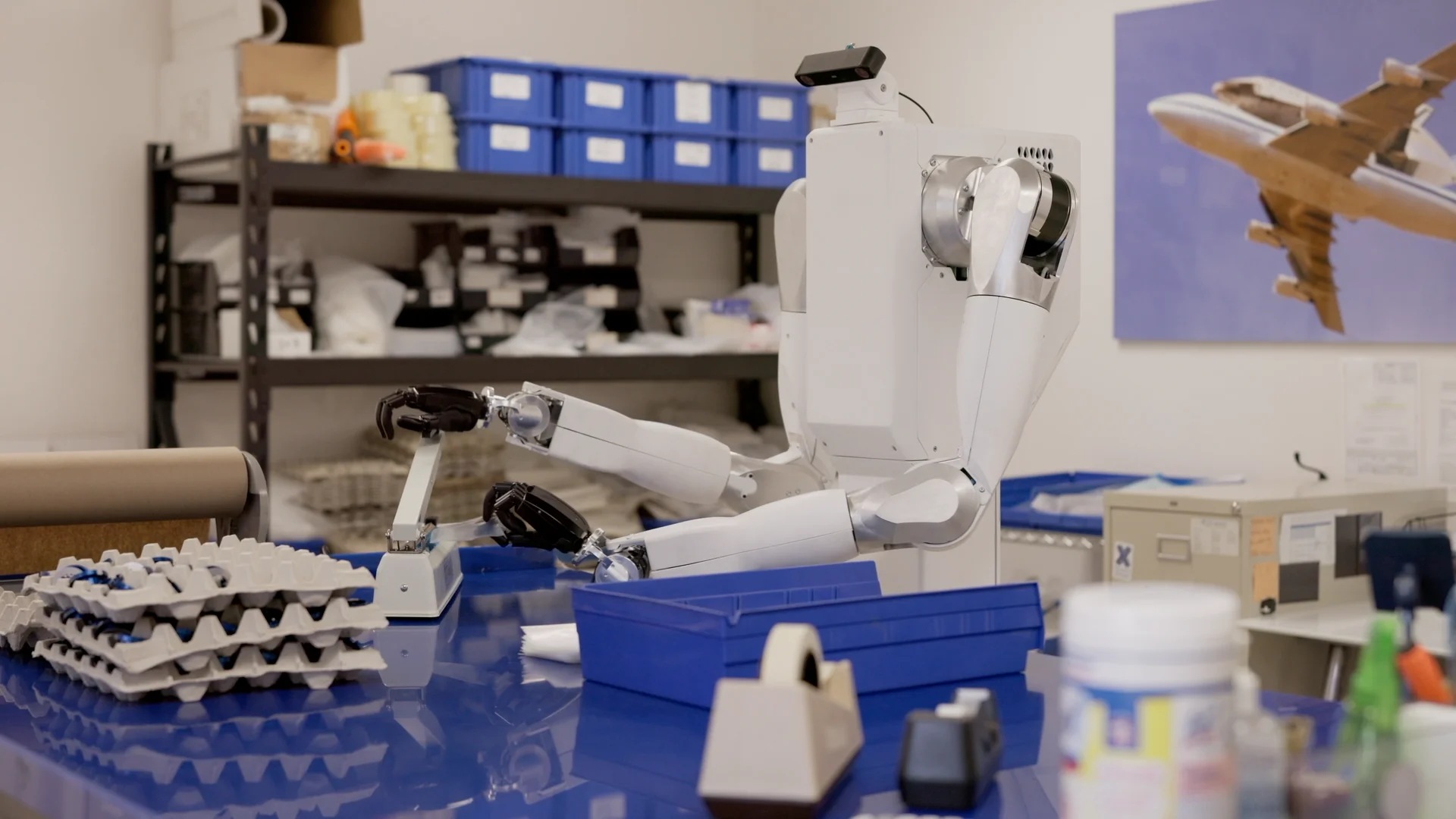
The dream of an autonomous home robot has long been stalled by the mechanical complexity of navigating the unstructured mess of a human house. Today, San Francisco-based Weave Robotics announced a radical pivot to bypass that hurdle: Isaac 0, a stationary version of their flagship assistant designed to do exactly one thing—fold your laundry.
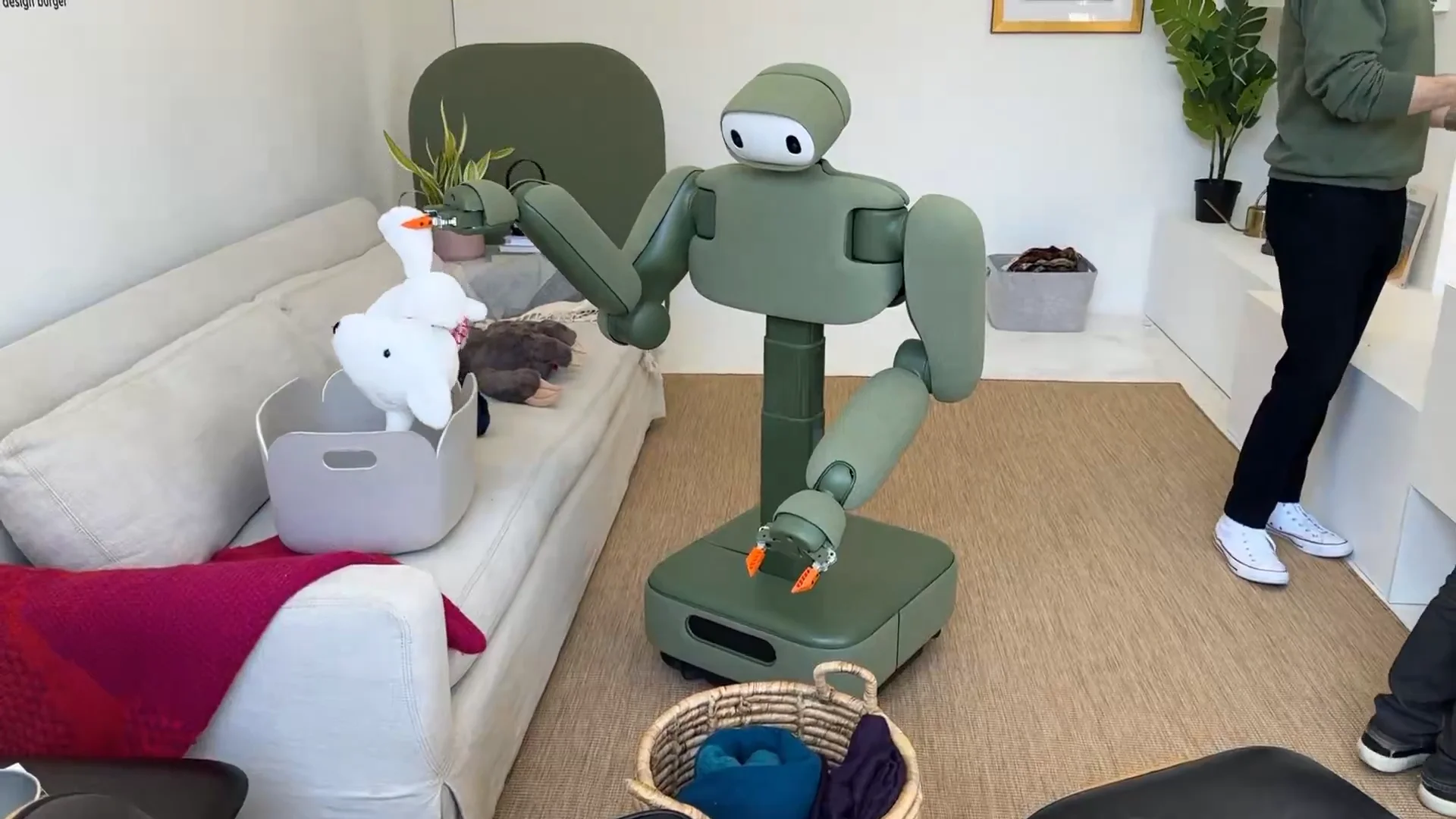
Founded in 2024 by Apple and Carnegie Mellon alumni Kaan Doğrusöz and Evan Wineland, Weave had previously announced a mobile, telescoping robot named Isaac, capable of autonomous tidying and laundry folding. However, with today’s announcement and a website overhaul, the company is prioritizing a "ship-now" mentality. Isaac 0 is a desk-mounted system that ditches the wheeled base in favor of immediate domestic utility.
Despite this pivot to a stationary form factor, the mobile version remains a core part of the company's roadmap. To maintain loyalty among early adopters, the company has announced an upgrade program: customers who purchase the $9,999 Isaac 0 will receive preferred pricing when they transition to the wheel-based Isaac.
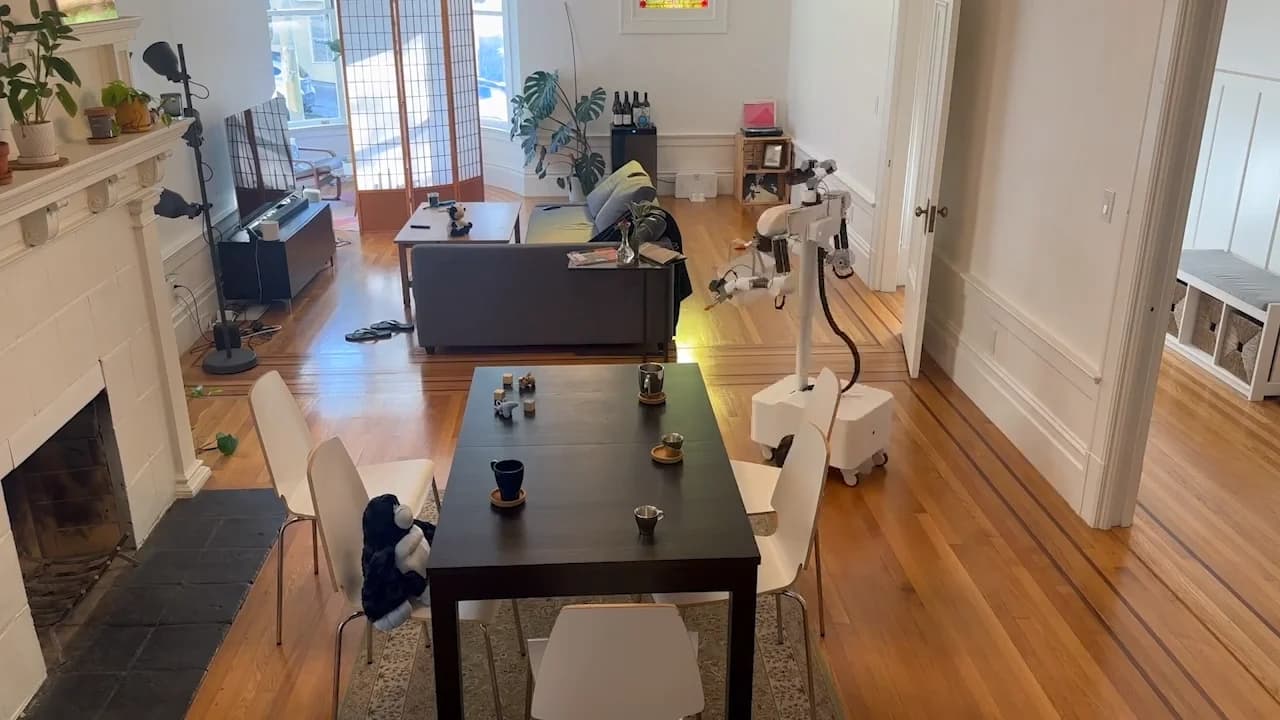
The "Isaac 0" Proposition: Laundry as a Service
Isaac 0 is being positioned as a "first-of-its-kind" early-release prototype. Unlike general-purpose humanoids that aim to handle everything from cooking to cleaning, Weave is betting that customers will pay a premium for a machine that solves the universal "time sink" of laundry.
The weekly humanoid robotics briefing
One email a week: the launches, funding and research that mattered, with context from Humanoids Daily.
Read recent issuesKey Technical Specifications:
- Form Factor: A stationary torso with a neck (4 degrees of freedom) and dual arms (6 degrees of freedom each).
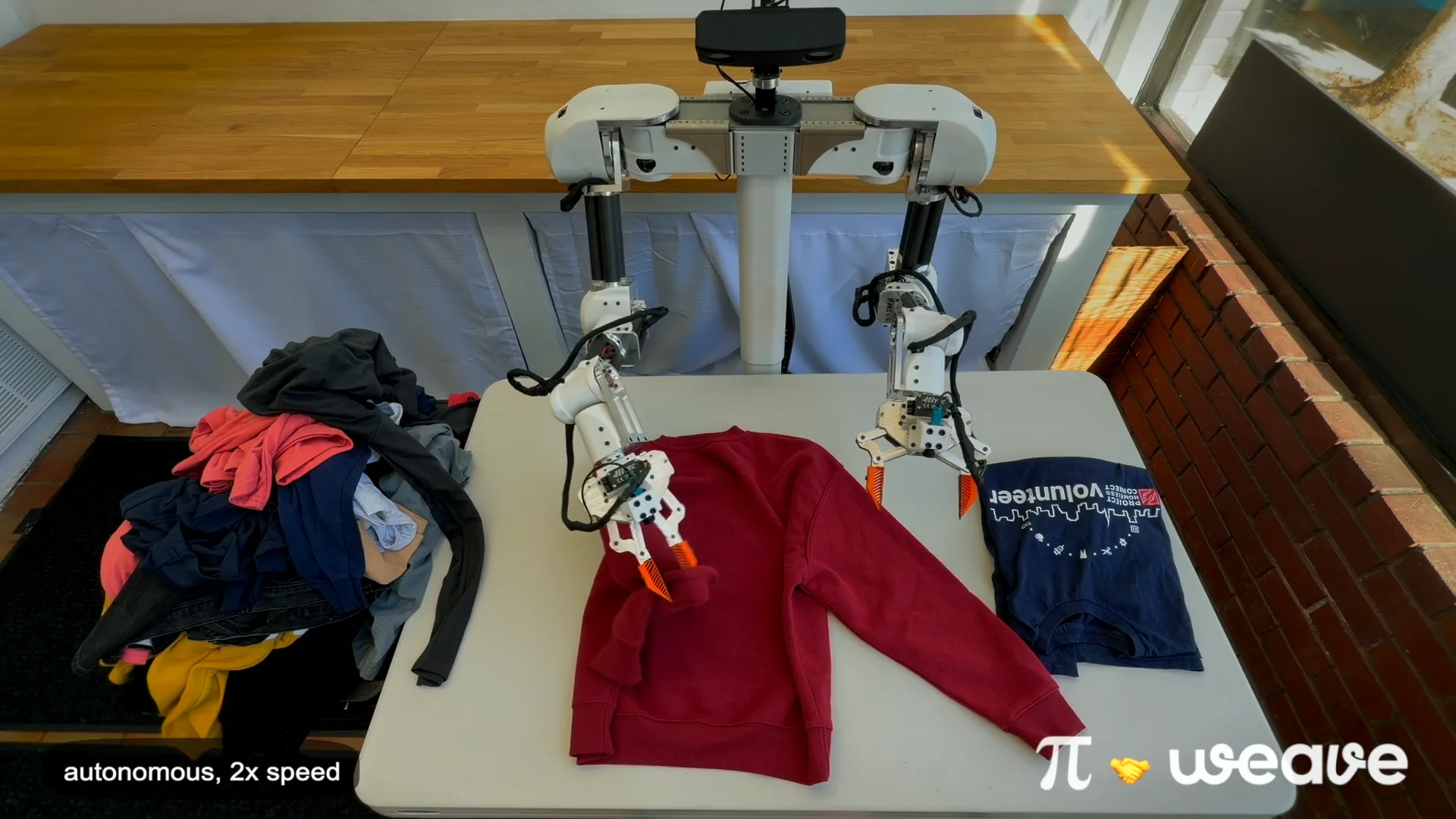
- Performance: Capable of folding an average load of laundry in 30 to 90 minutes.
- Repertoire: T-shirts, hoodies, pants, towels, and undergarments. (Notably, it cannot yet handle large blankets or turn garments right-side out).
- "Safety through Simplicity": By removing the mobility aspect, Weave claims they have created a safer, more reliable entry point for home robotics.
Pricing and the "Human-in-the-Loop" Fail-safe
Weave is offering two distinct paths to ownership for Bay Area residents:
- Priority Delivery: A one-time payment of $9,999 (due at production time).
- Subscription Model: $450 per month (due at delivery time).
A critical component of the Isaac 0 experience is its reliance on "Remote Op" or teleoperation. While the robot runs autonomously for common items like t-shirts, it uses a "blend" of AI and human assistance. If the system encounters a difficult sweater or an unknown textile, a Weave specialist can "sub in" remotely for a 5-to-10-second correction. This data is then fed back into the training pipeline to improve the robot's autonomous models weekly.
The Race for the Home: Weave vs. 1X vs. Sunday
Weave’s decision to go stationary is a tactical departure from its primary competitors:
- 1X Technologies: Their NEO robot is also targeting home deliveries in 2026. Unlike the stationary Isaac 0, NEO is a 5-foot-6-inch humanoid designed for "whole-body" tasks, priced at $20,000.
- Sunday Robotics: Like the original Isaac, Memo uses a wheeled base for stability rather than legs, and the company plans to launch a limited "Founding Family Beta" program in late 2026.
By choosing a stationary form factor, Weave is effectively betting that consumers value task completion over form factor. By simplifying the hardware to a stable, tabletop unit, Weave eliminates the risk of toppling or navigation failures—common pitfalls for mobile robots in cluttered homes.
From Commercial Stress-Tests to the Living Room
The confidence to ship Isaac 0 comes from months of (not so) "stealth" deployments. Weave’s fleet has already been operating in commercial environments, such as Tumble Laundry and Seabreeze Cleaners in San Francisco, folding thousands of pounds of laundry for paying customers.
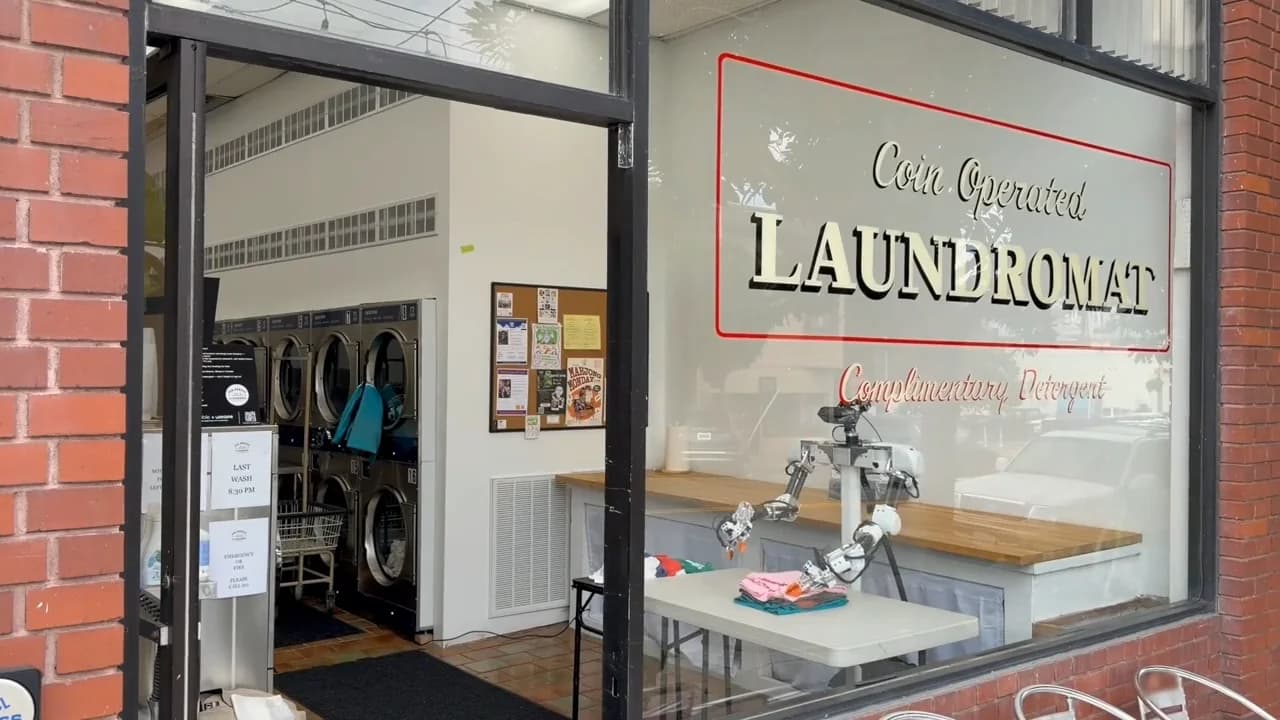
However, the home is likely a significantly more "unforgiving" environment than a commercial laundry facility. Isaac 0 requires a 6' x 5' dedicated workspace and a stable internet connection to function. Whether consumers are willing to sacrifice a table’s worth of real estate for a $9,999 folding machine remains the ultimate market test.
If successful, Isaac 0 could represent a functional tool that sets the stage for the more ambitious, mobile Isaac models currently still in development.
Share this article
Read next
- Published on
- Reading time
- 4 min read
Weave Robotics Unveils Isaac 1: A Mobile, Friendly Bet on the Messy Reality of Tidying Up
- Published on
- Reading time
- 5 min read
The API-fication of Robotics: Physical Intelligence Unveils Real-World Performance Data with Weave and Ultra
- Published on
- Reading time
- 5 min read
Feather launches a $30,000 wheeled humanoid for developers, announces $7.6M funding
- Published on
- Reading time
- 4 min read
Noble Machines Exits Stealth: The "Anti-Human" Approach to Industrial Humanoids
- Published on
- Reading time
- 3 min read
Unitree Unveils Human-Sized Robot Hand Starting at $6,500
- Published on
- Reading time
- 4 min read
PrimeBOT Launches Personal Robots at 19,999 Yuan, Betting on Apps and Companionship

The weekly humanoid robotics briefing
One email a week: the launches, funding and research that mattered, with context from Humanoids Daily.
Read recent issues