- Published on
Meta Reportedly Built “Max” Humanoid With Fourier, With a Second Version Underway
One tap, and our reporting appears more often in your Google Top Stories. It makes a real difference to a small newsroom.

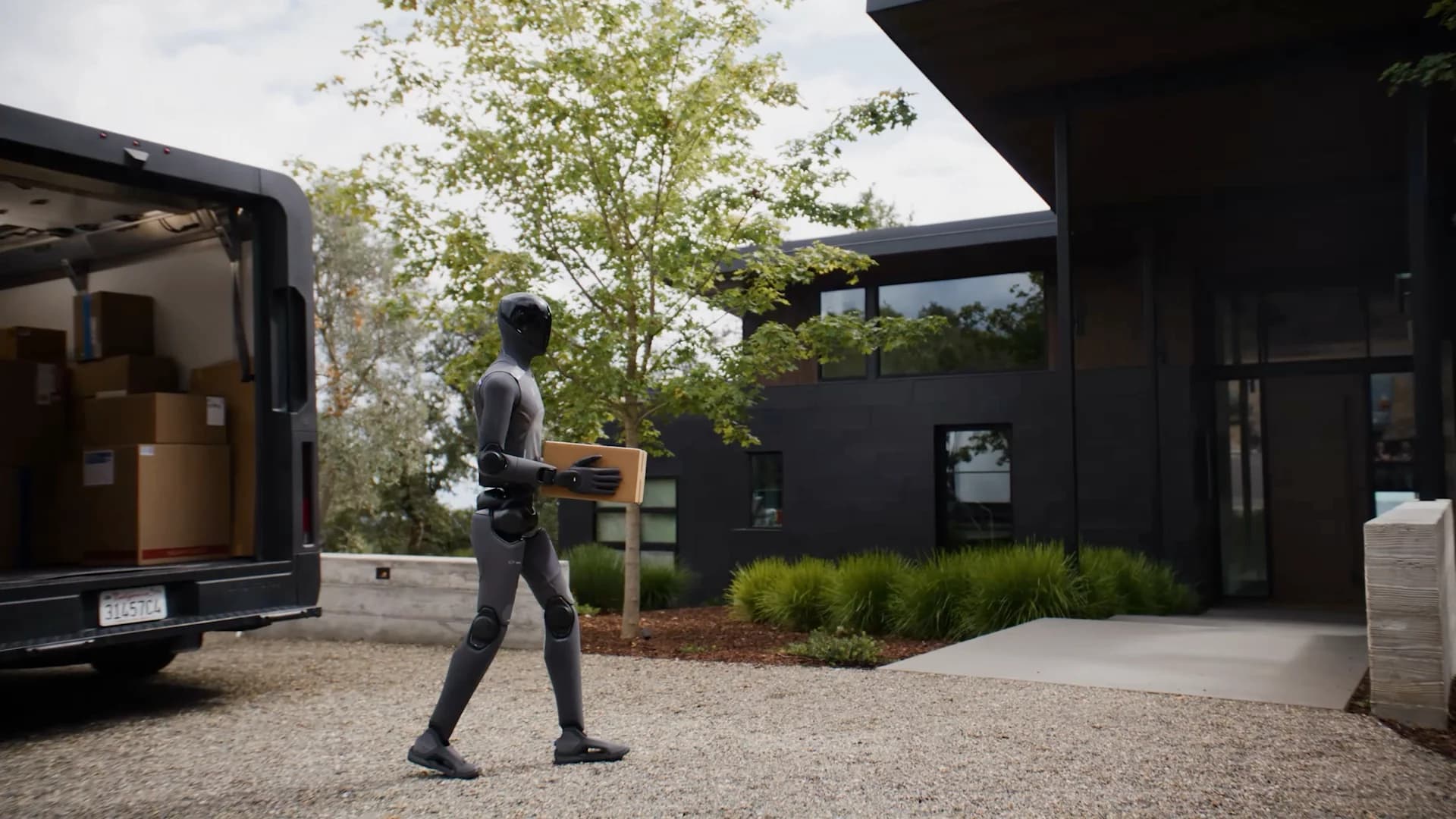
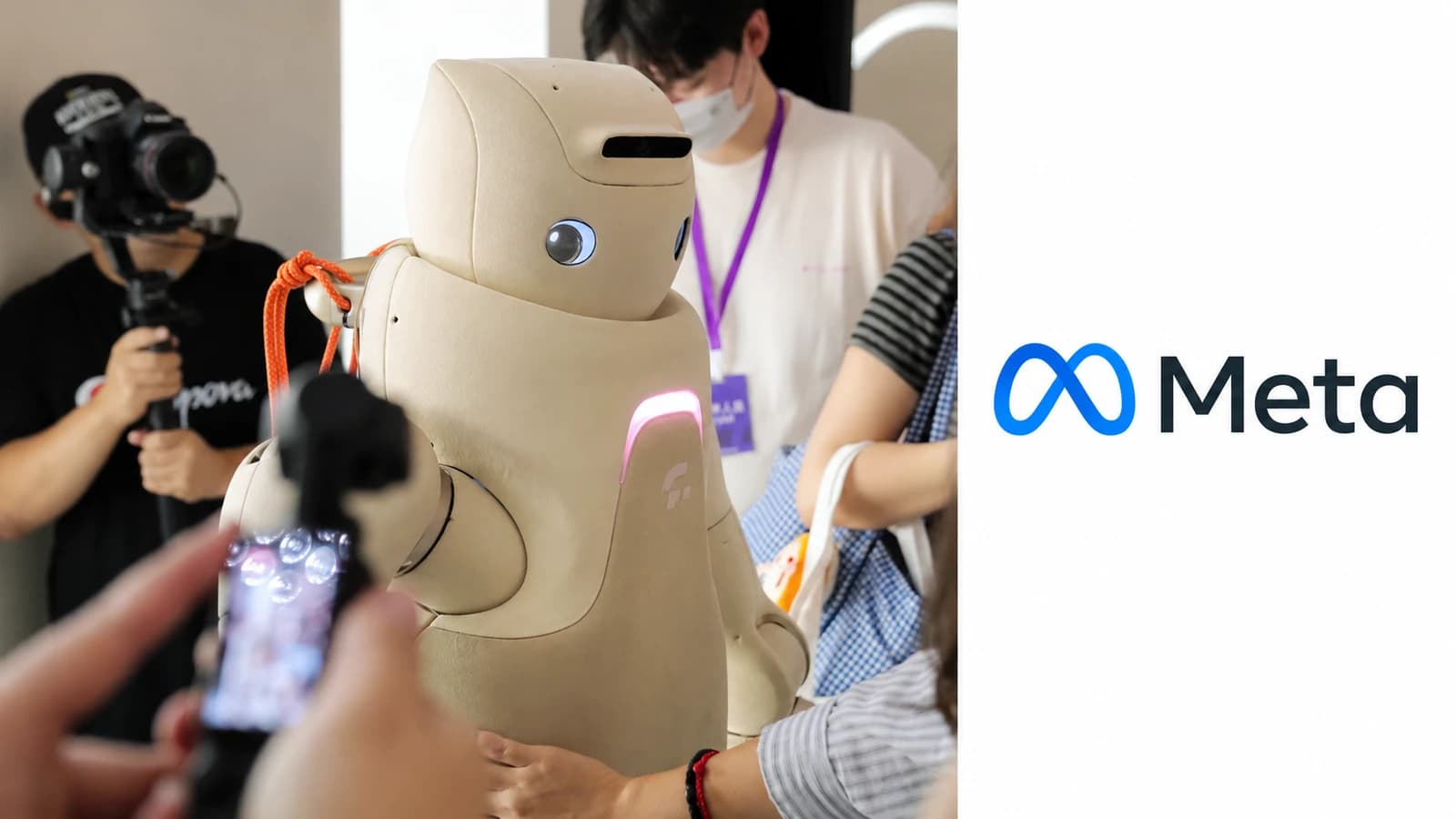
Meta has built a humanoid prototype with Shanghai-based Fourier and is developing a second version, according to an October 31 report by The Information’s Jyoti Mann. Known internally as Max, the robot gives a more concrete shape to Meta’s ambitions in home robotics, although the company says the Fourier effort is for internal research and it has no plans to sell these units.
- The Information reports that Meta and Fourier built Max in three months and began work on Max 2 in September.
- Max reportedly stands about 1.5 meters tall, weighs roughly 48 kilograms and uses NVIDIA Jetson Thor computing.
- Meta’s requirements emphasize interaction with people, including voice recognition, gestures, eye contact and communicating the robot’s state.
- Meta says the collaboration concerns internal research and experimentation. The report identifies no product launch date.
From hardware hiring to a named prototype
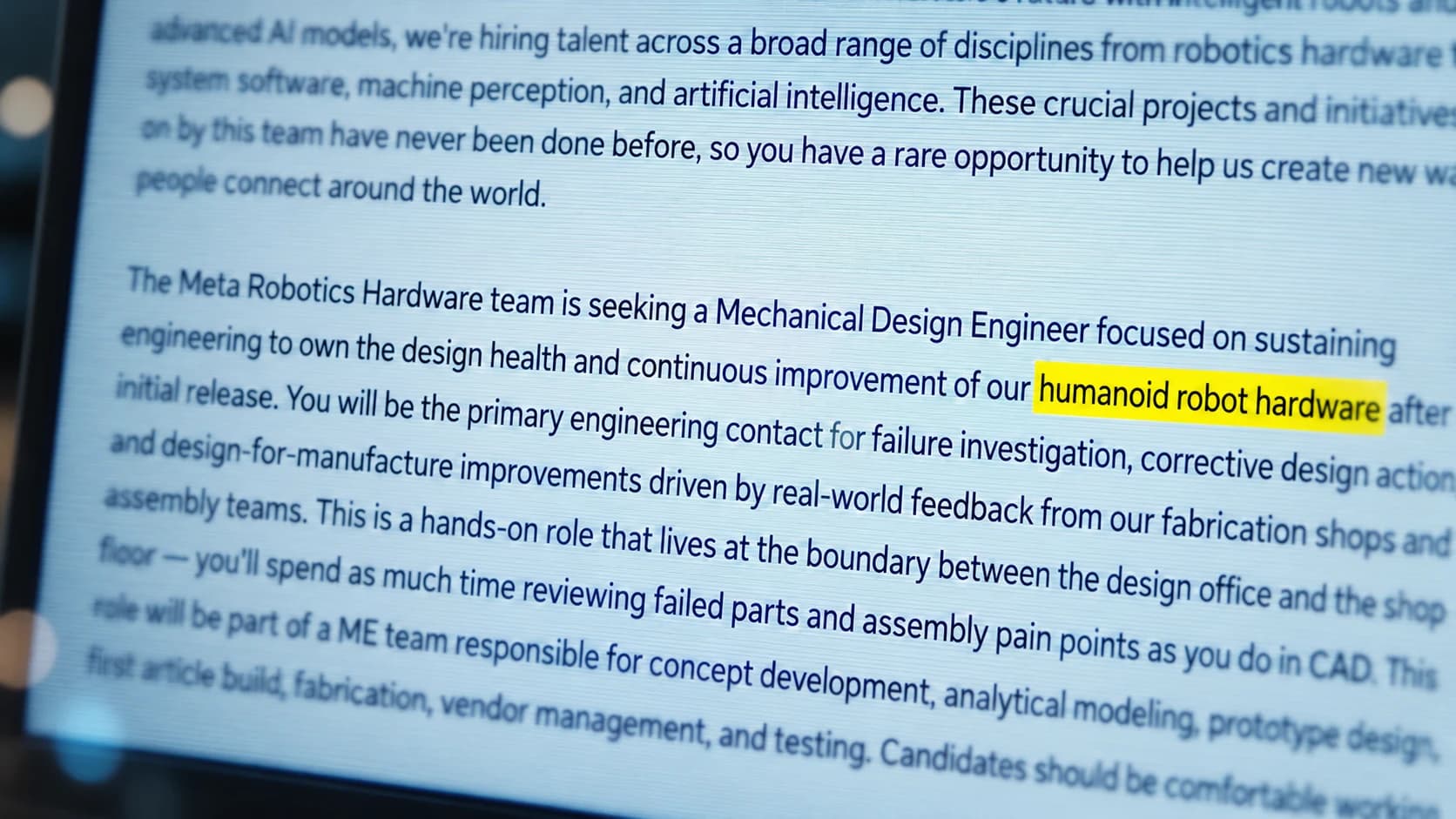
Earlier in October, Humanoids Daily covered a Meta job listing explicitly referring to its humanoid robot hardware. That role described maintaining research machines, resolving mechanical failures and improving assembly. The new reporting adds a hardware partner, a prototype name and a development timeline.
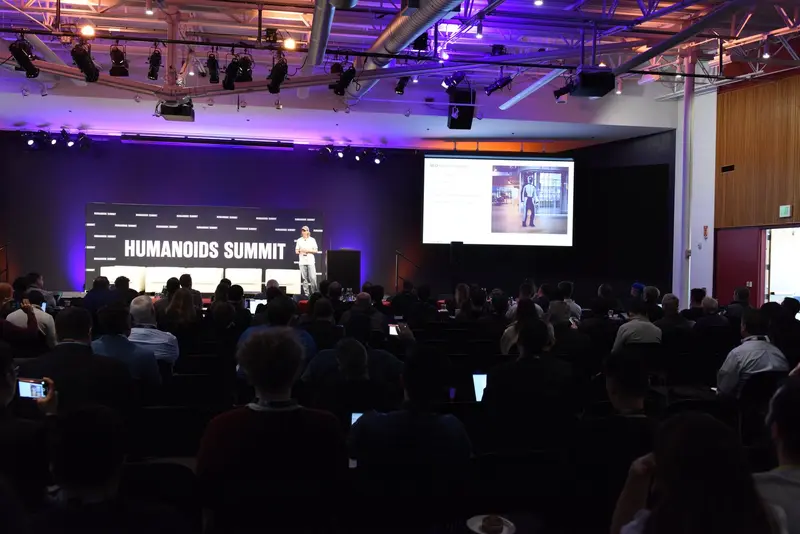
According to The Information, Meta’s robotics product vice president Li-Chen Miller spent almost two months working at Fourier’s Shanghai factory. The collaboration culminated in an internal demonstration at a robotics summit in late August.
The publication describes Max as a custom machine using Fourier hardware and experience from three generations of its robots. The partners changed its proportions, head, display and cameras, among other elements. Max reportedly has five-fingered hands capable of picking up small bottles and toys, chest-mounted speakers and a face that can display expressions.
Follow humanoid robotics without following every announcement.
Get the week’s most important launches, funding and research—and why they matter—in one email from Humanoids Daily.
Once a week. Unsubscribe anytime.
Read recent issuesFourier brings an interaction-focused background
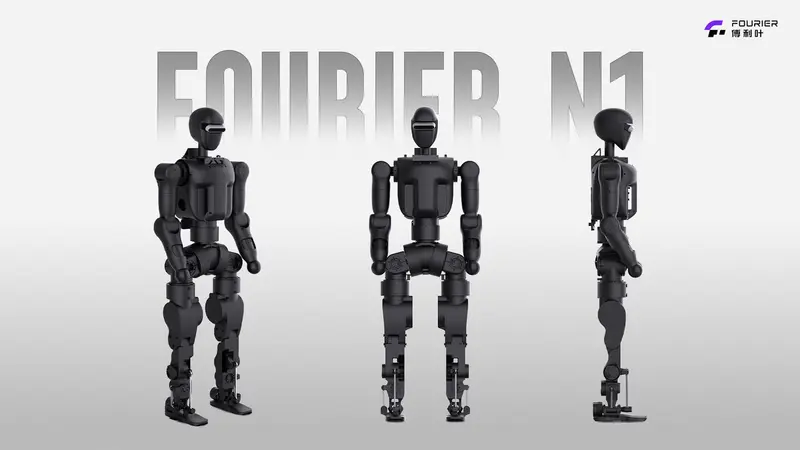
Fourier already develops humanoids designed for close interaction with people. Its official GR-3 documentation describes a companionship-focused “Care-bot” combining hearing, vision and touch. The model stands approximately 1.65 meters tall, weighs about 71 kilograms and offers up to 55 degrees of freedom.
That background helps explain the relevance of Fourier’s hardware to a home-robot research program. But the reported Max specifications differ from the GR-3, and The Information describes a customized platform drawing on multiple generations rather than a rebadged GR-3.
Meta’s requirements reportedly included recognizing a voice from five meters away, interpreting a wave or gesture from three meters, maintaining eye contact and indicating when the robot is listening, thinking, speaking or uncertain. Those are design requirements in the report, not published test results establishing performance in ordinary homes.
Max 2 and the route toward a future product
Work on Max 2 reportedly began in September. Planned changes include a redesigned torso, improved hands, a projector and additional sensors intended to help with stairs. The report also describes robotics hiring in Shanghai and Shenzhen spanning prototype development and preparation for manufacturing at scale.
The hardware effort follows Meta’s acquisition of Assured Robot Intelligence, which brought additional robot-learning expertise into the company. The Information reports that CTO Andrew Bosworth has internally described humanoids as a physical embodiment of Meta’s consumer AI agent, Muse.
Meta nevertheless drew a clear boundary around the current collaboration. A spokesperson told The Information: “this effort with Fourier is focused on internal research and experimentation, and we have no plans to sell these units.”
That statement leaves room for research to inform a later product, but does not establish a commercial commitment. The report’s significance is the move from broad ambitions and hiring signals to a described physical platform undergoing iteration. It does not yet show how reliably Max can complete household tasks, or when a Meta robot might reach customers.
Share this article
Follow humanoid robotics without following every announcement.
Get the week’s most important launches, funding and research—and why they matter—in one email from Humanoids Daily.
Once a week. Unsubscribe anytime.
Read recent issuesRead next
- Published on
- Reading time
- 3 min read
Meta Job Listing Explicitly References Its Humanoid Robot Hardware
- Published on
- Reading time
- 4 min read
Humanoid Robotics Momentum: London and Shanghai Host Major Industry Summits Concurrently
- Published on
- Reading time
- 3 min read
Meta Acquires Assured Robot Intelligence to Bolster Humanoid Ambitions
- Published on
- Reading time
- 10 min read
The Great Valuation Chasm: A 2025 Guide to the Humanoid Robotics Capital Race
- Published on
- Reading time
- 3 min read
Unitree CEO: End-to-End AI is the Real Bottleneck for Humanoid Robots
- Published on
- Reading time
- 3 min read
Fourier Intelligence Launches N1 Humanoid Robot with Open-Source Strategy