- Published on
Figure 04 Reaches Design Lock as Adcock Details a Multibillion-Dollar AI Push
One tap, and our reporting appears more often in your Google Top Stories. It makes a real difference to a small newsroom.


Your guide
Rich Robinson
Jee Chee Ren · Executive tour
See China’s AI and robotics ecosystem first-hand.
Six days exploring AI, robotics and advanced manufacturing.
With Rich Robinson, Clinical Professor of Entrepreneurship at Peking University
Beijing · Guangzhou · Shenzhen
29 November–4 December 2026
Referral partnership · We earn a commission on referred bookings.
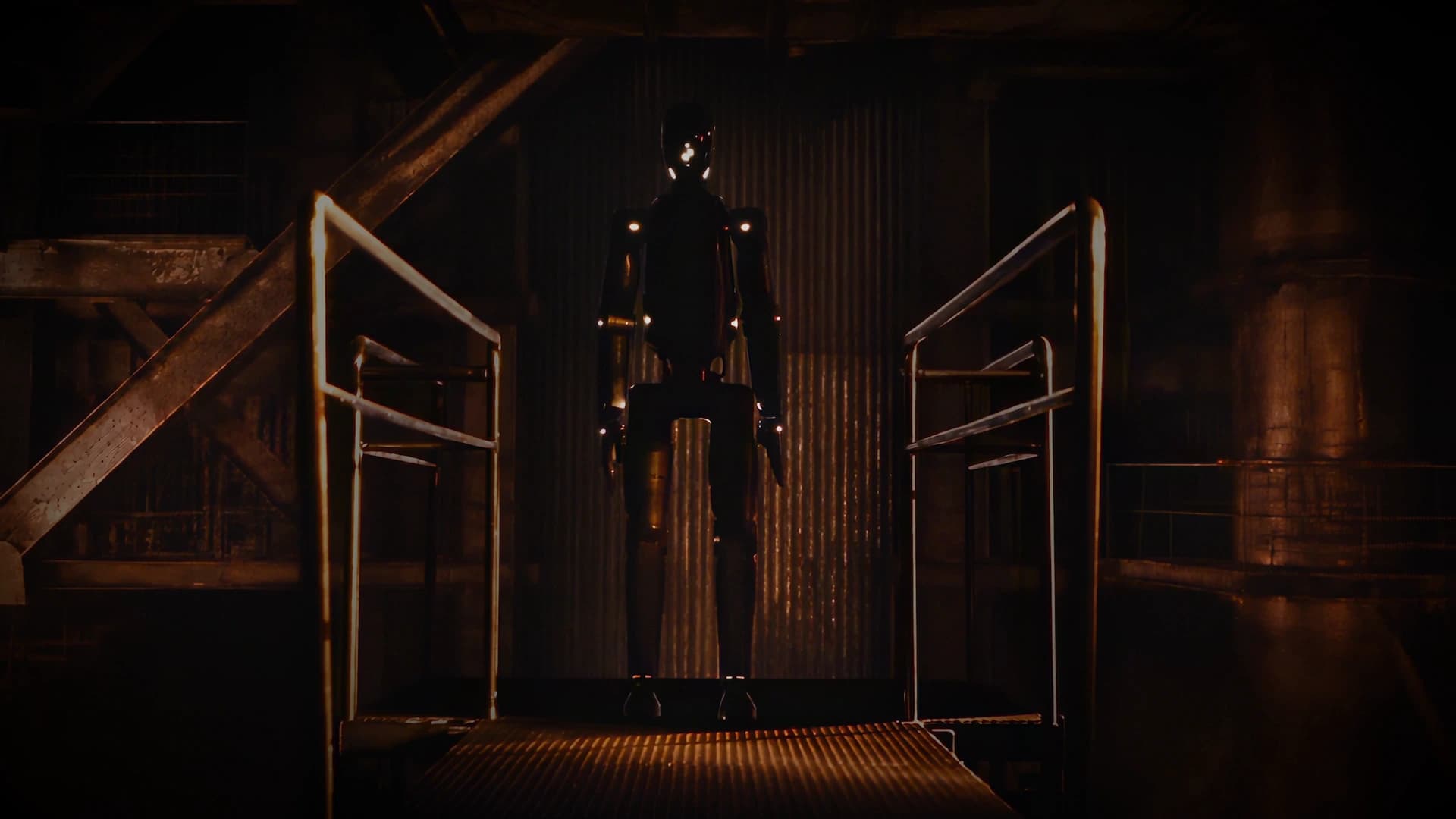
- Adcock says Figure 04 is in design lock, with parts shipping and new actuators, batteries and hands undergoing development and testing.
- Figure's Index human-video program has received 37.5 million uploads across 112 countries, according to the presentation.
- Adcock reported more than 3.5 billion Nscale compute commitment, with an intention to scale to $6 billion.
- The presentation teased Helix 3.0, but did not provide a full capability breakdown or release date.
Figure AI is locking down its fourth-generation humanoid while committing billions of dollars to the data and computing infrastructure intended to train it. In a public recording of an internal all-hands meeting, CEO Brett Adcock said Figure 04 has reached design lock, disclosed an estimated $8.1 million spent on data in a single week, and previewed the next phase of Helix.
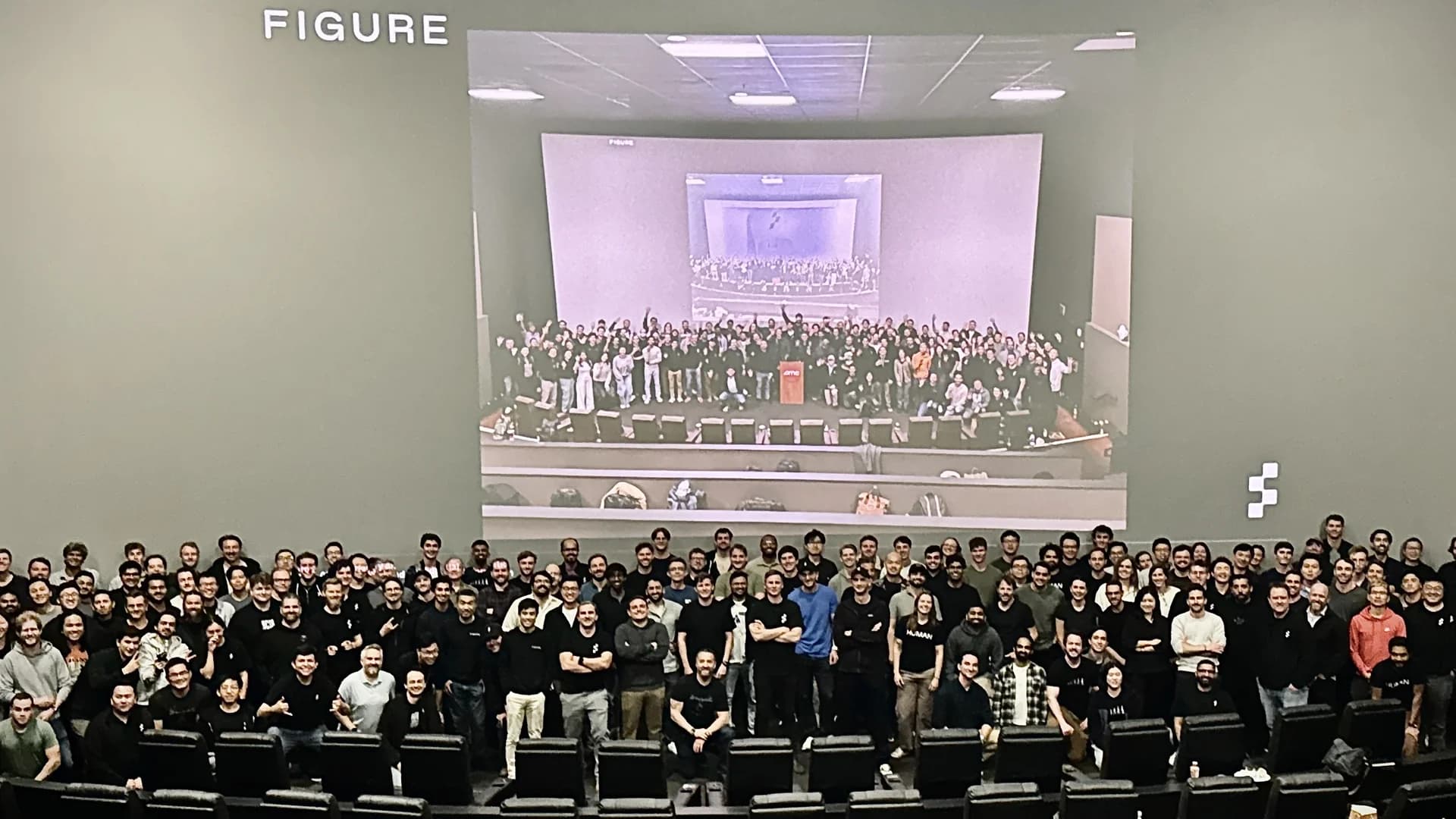
The hour-long presentation, published on October 22, offers a detailed account of how Figure intends to move from demonstrations to broadly capable robots. In his accompanying post, Adcock said the company's roadmap had changed completely over the past year and its team had doubled.
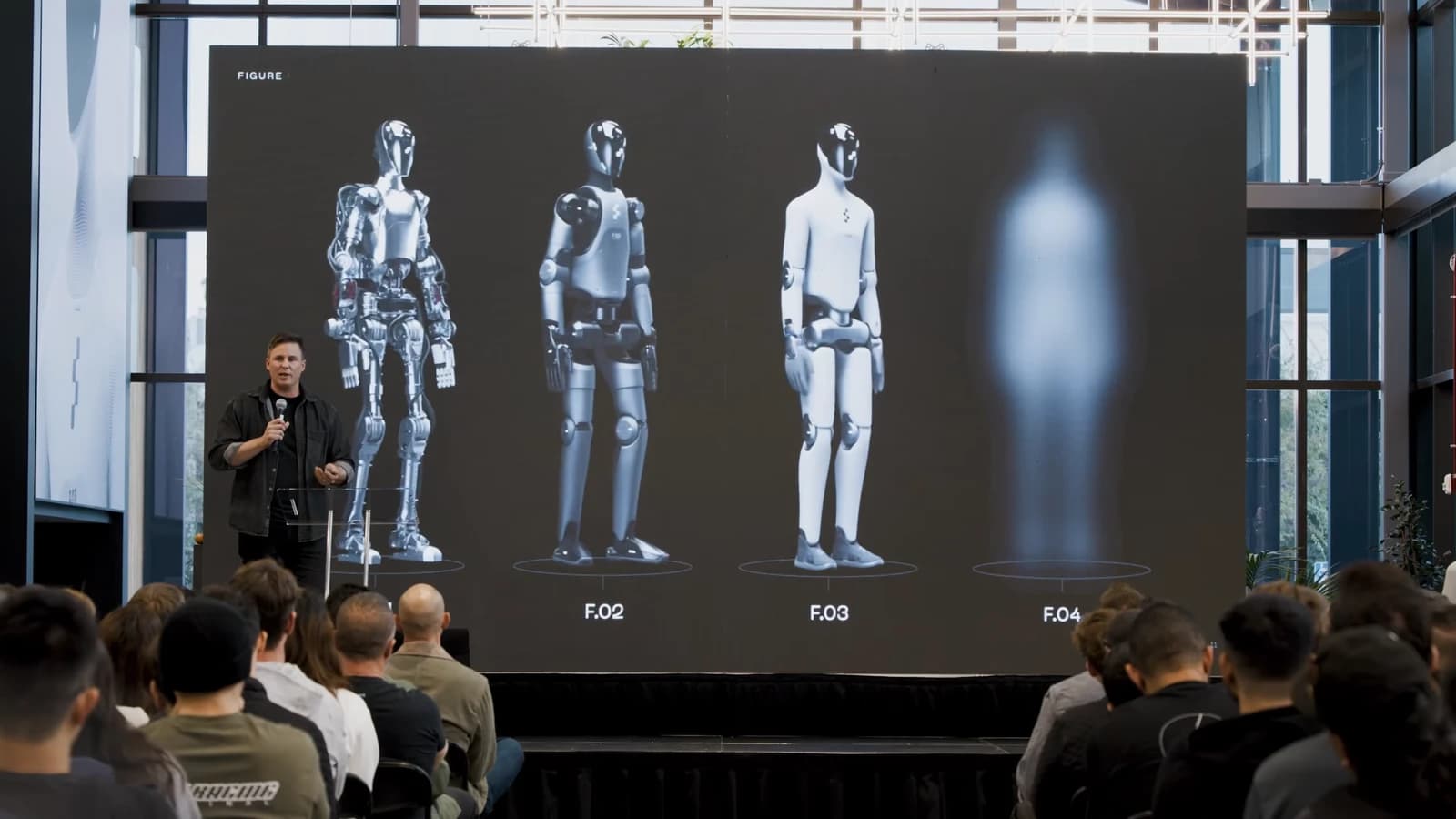
Figure 04: hardware designed to learn from humans
In the hardware section, Adcock said Figure built its 1,000th Figure 03 over the summer and reduced costs by more than 90% between Figure 02 and Figure 03. He did not provide an absolute cost or a customer price.
Figure 04 is now moving through component testing. Adcock said its actuators were running in the company's test lab and that the team had brought up ten full battery packs the preceding week. Battery load and thermal testing would follow.
The weekly humanoid robotics briefing
One email a week: the launches, funding and research that mattered, with context from Humanoids Daily.
Read recent issuesThe hands are central to the redesign. Adcock described a fourth iteration of the Figure 04 hand and said the team had spent months working on fingertip tracking at millimeter-level precision against human references. He characterized the new hand as approaching human parity, without presenting a standardized dexterity benchmark.
His explanation connects hardware directly to Figure's data strategy: learning from human movement requires a robot capable of reproducing it. More human-like hands and body movements are intended to make human demonstrations easier to transfer into robot actions.
Millions of videos, collected through Index
The data section provides some of the presentation's most concrete figures. Adcock said Figure built Index, an app-based creator program, after attempts to buy suitable data fell short. Our coverage of Index’s August launch reported 16 million uploaded videos across 108 countries, providing a baseline for the latest figures.
He reported 37.5 million uploaded videos, 1.26 million app downloads across 112 countries, and 210,000 people who uploaded at least one video in the preceding week. Estimated data spending that week was $8.1 million. These are company-reported figures; uploads are not necessarily equivalent to cleaned, annotated footage used in training.
The objective is variety: everyday activities across different homes, workplaces, objects and lighting conditions. Figure then processes and annotates the footage to track hands, bodies and movement for Helix pre-training.
Adcock's argument is that training robots individually for specific tasks will not be enough to achieve general-purpose capability. Figure wants broad pre-training to give its models a foundation that transfers to unfamiliar work. He cited Helix 2.5 tests in 30 rented homes as evidence of progress, saying the robots encountered environments and objects absent from training. As our September coverage detailed, the company reported 237 successful trials out of 420, about 56%, across three previously trained chores. That demonstrated transfer to unfamiliar settings while leaving a substantial reliability gap.
Billions for compute, and robots in three states
At 48:44, Adcock described Figure's Nscale agreement, which we covered in September as an initial $3.5 billion commitment with an intention to expand to $6 billion. He said the companies were working toward NVIDIA Vera Rubin infrastructure in West Texas coming online in 2027, while Figure planned to roughly double its nearer-term compute capacity within about a week and a half of the meeting.
He also reported a cash balance above $2 billion following additional capital, without detailing the financing terms. The cash balance and multi-year compute commitment are separate figures, rather than a newly announced funding round of either amount.
On deployment, Adcock said Figure robots were operating in three states, with further customer details dependent on approval. He also revisited the company's 200-hour logistics demonstration, explaining that robots swapped in when charging was needed. The run therefore represented continuity of the operation, rather than one robot working for 200 hours on a single charge.
A Helix 3.0 teaser, with details still to come
The closing segment teased Helix 3.0 on screen. Adcock described testing a model trained with more data and GPUs than Figure had previously used, followed by a still-larger model expected to be ready within weeks.
He characterized the internal result as “baby AGI,” but said it was not ready to share in full. The presentation did not establish general intelligence or disclose enough evaluation detail to assess that description. What it did make clear was Figure's direction: more human data, more compute, and increasingly complex hardware built to turn that training into physical work.
Share this article
Read next
- Published on
- Reading time
- 4 min read
The "iPhone 1 Moment": Figure 04 Reaches Full Design Lock
- Published on
- Reading time
- 6 min read
Brett Adcock Says Figure 04 Will Be Figure’s Biggest Hardware Leap
- Published on
- Reading time
- 2 min read
Figure’s Humanoid Has Walked 348 Miles on a Treadmill—and It’s Still Going
- Published on
- Reading time
- 5 min read
Figure Melts Figure 02 With Arnold Schwarzenegger in a Terminator-Style Sendoff
- Published on
- Reading time
- 3 min read
Hasta La Vista, Figure 02: Adcock Teases a Terminator-Style Sendoff
- Published on
- Reading time
- 2 min read
Brett Adcock’s vehicle clip echoes Figure 03’s delivery demo

The weekly humanoid robotics briefing
One email a week: the launches, funding and research that mattered, with context from Humanoids Daily.
Read recent issues