- Published on
Meta Acquires Assured Robot Intelligence to Bolster Humanoid Ambitions
One tap, and our reporting appears more often in your Google Top Stories. It makes a real difference to a small newsroom.

Supported by RoboStrategySupport for Humanoids Daily comes from RoboStrategy
Sponsored
Investing involves risk, including possible loss of principal. Read the prospectus before investing.
- Meta has acquired Assured Robot Intelligence (ARI), a startup focused on AI models that help robots navigate and adapt to human-centric environments.
- The ARI team, led by Lerrel Pinto and Xiaolong Wang, will join the Meta Superintelligence Labs to work on whole-body humanoid control.
- Meta’s strategy mirrors the "Android model," aiming to provide a foundational hardware and software stack for the broader robotics industry.
- The acquisition follows Amazon's acquisition of Fauna Robotics — a company Pinto previously co-founded — highlighting an intensifying Big Tech talent war.
- The move comes amid a pivot in Meta’s research focus following the recent launch of AMI Labs by former Meta AI chief Yann LeCun.
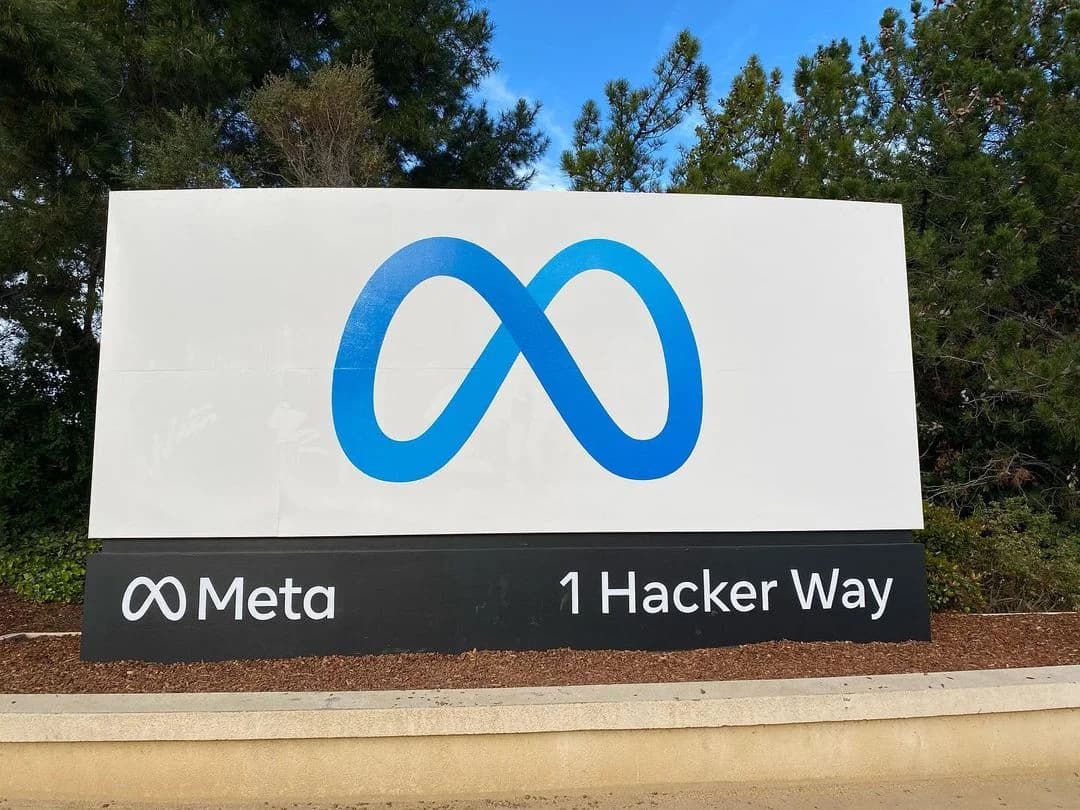
Meta Platforms Inc. has finalized the acquisition of Assured Robot Intelligence (ARI), a specialist startup developing the underlying "intelligence" required for robots to operate alongside humans. The deal, confirmed by a Meta spokesperson on Friday, underscores the social media giant’s pivot toward physical automation and humanoid hardware.
While financial terms remain undisclosed, the acquisition represents a strategic land grab for talent and intellectual property. The ARI team is specifically noted for its expertise in models that allow machines to understand and predict human behavior within dynamic, unpredictable environments—a core requirement for the "messy reality" of home and retail robotics.
The "Android" of Robotics
The acquisition is not merely about adding AI research to Meta's portfolio; it is part of a broader ambition to become the foundational layer for the next generation of hardware. Meta intends to develop in-house humanoid hardware, sensors, and software that it will eventually make available to third-party companies.
As reported by Bloomberg, Meta's goal is to do for robotics what Google’s Android did for smartphones or Qualcomm did for mobile chips. By building a standardized foundation for whole-body control and perception, Meta could potentially dictate the standards of the industry before it reaches mass-market scale.
The weekly humanoid robotics briefing
One email a week: the launches, funding and research that mattered, with context from Humanoids Daily.
Read recent issuesA Targeted Talent Acquisition
The ARI team will be integrated into the Meta Superintelligence Labs and will work closely with the Meta Robotics Studio, a dedicated unit launched in 2025 to develop humanoid technology.
The move reunites several heavy hitters in the field. ARI co-founder Lerrel Pinto is a well-known figure in the sector, having previously co-founded Fauna Robotics. Pinto’s former company was itself a target of Big Tech interest, as Amazon acquired Fauna Robotics in March to bolster its own consumer-facing robotics efforts.
The other ARI co-founder, Xiaolong Wang, brings deep industry experience from his tenure as a researcher at Nvidia, a company currently dominating the compute infrastructure for the "world models" required for humanoid intelligence.
Navigating the "World Model" Debate
The timing of the acquisition is notable. Meta is ramping up its robotics investment just as its former AI leadership has begun to publicly question the industry's current direction.
Former Meta Chief AI Scientist Yann LeCun recently departed to form AMI Labs, a startup focused on building "world models" that learn through observation rather than text. LeCun has been a vocal critic of the "LLM-pilled" approach to robotics, frequently arguing that many current humanoid firms lack a clear path to general AI because they rely on low-bandwidth data sources.
By folding the ARI team into its Superintelligence Labs, Meta appears to be hedging its bets. ARI’s focus on "self-learning" and "whole-body control" suggests Meta is pursuing the very predictive, sensory-driven architectures that LeCun advocates, but doing so within its own corporate ecosystem rather than through an external research lab.
Share this article
Read next
- Published on
- Reading time
- 8 min read
Inside UBTECH’s 10,000-Unit Super Factory: How Robots Are Building Humanoids in Liuzhou
- Published on
- Reading time
- 7 min read
Agile Robots CEO Predicts Physical AI Will Surpass Automotive by 10x
- Published on
- Reading time
- 10 min read
Agility's Numbers Are In: $1.8M in Sales, a $138M Loss, and a Backlog Owed to an Insider
- Published on
- Reading time
- 4 min read
Wandercraft Signs 12 Enterprise Customers for Calvin-40 Industrial Humanoid
- Published on
- Reading time
- 5 min read
NEURA Robotics and SECO Team Up to Scale European Physical AI Hardware
- Published on
- Reading time
- 6 min read
Galbot Opens Pre-Orders for ET1 Bipedal Humanoid Aimed at Entertainment and Performance
The weekly humanoid robotics briefing
One email a week: the launches, funding and research that mattered, with context from Humanoids Daily.
Read recent issues