- Published on
Substance Over Hype: Inside Apptronik’s Measured Push for the "Next" Apollo
One tap, and our reporting appears more often in your Google Top Stories. It makes a real difference to a small newsroom.



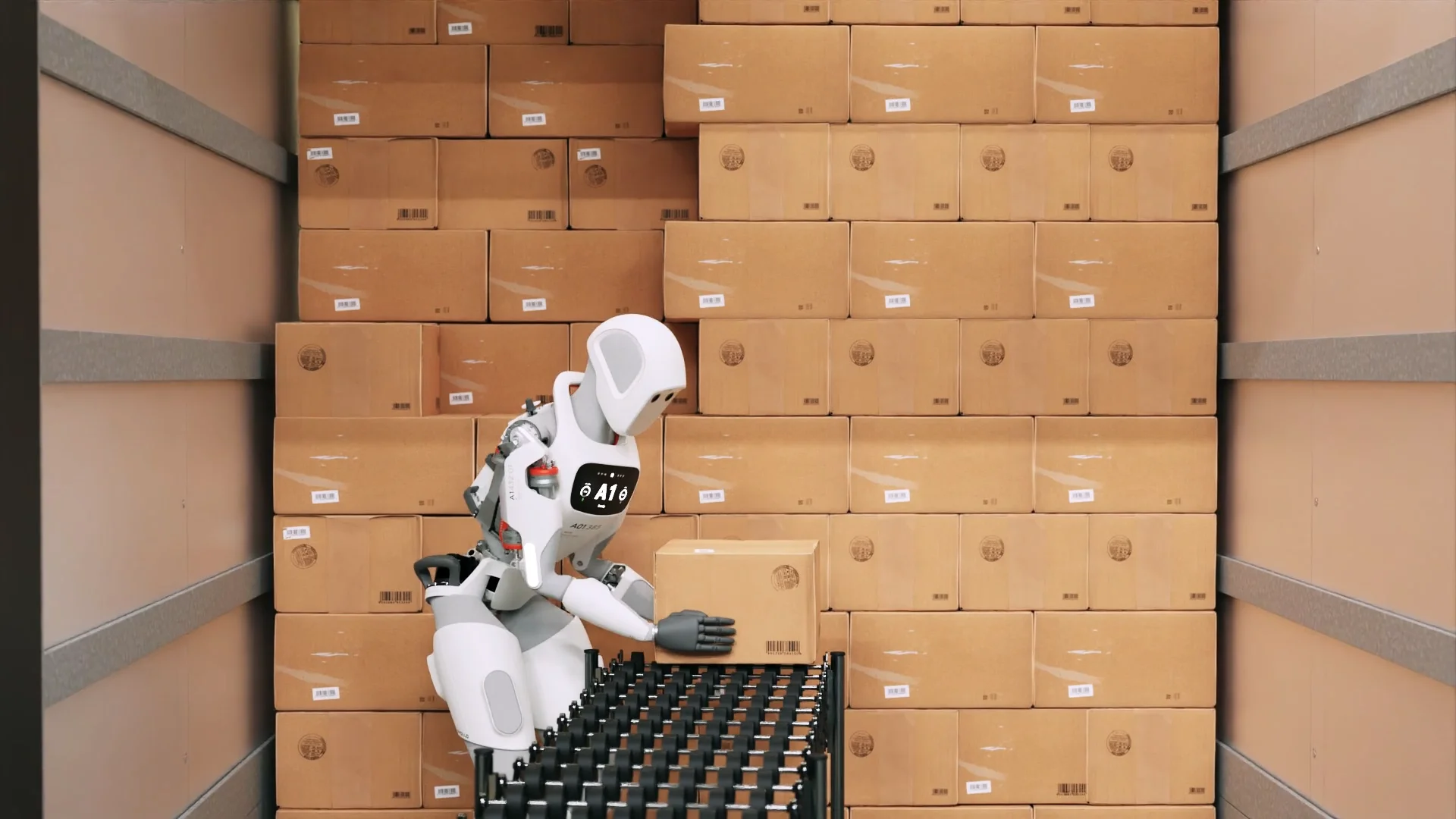
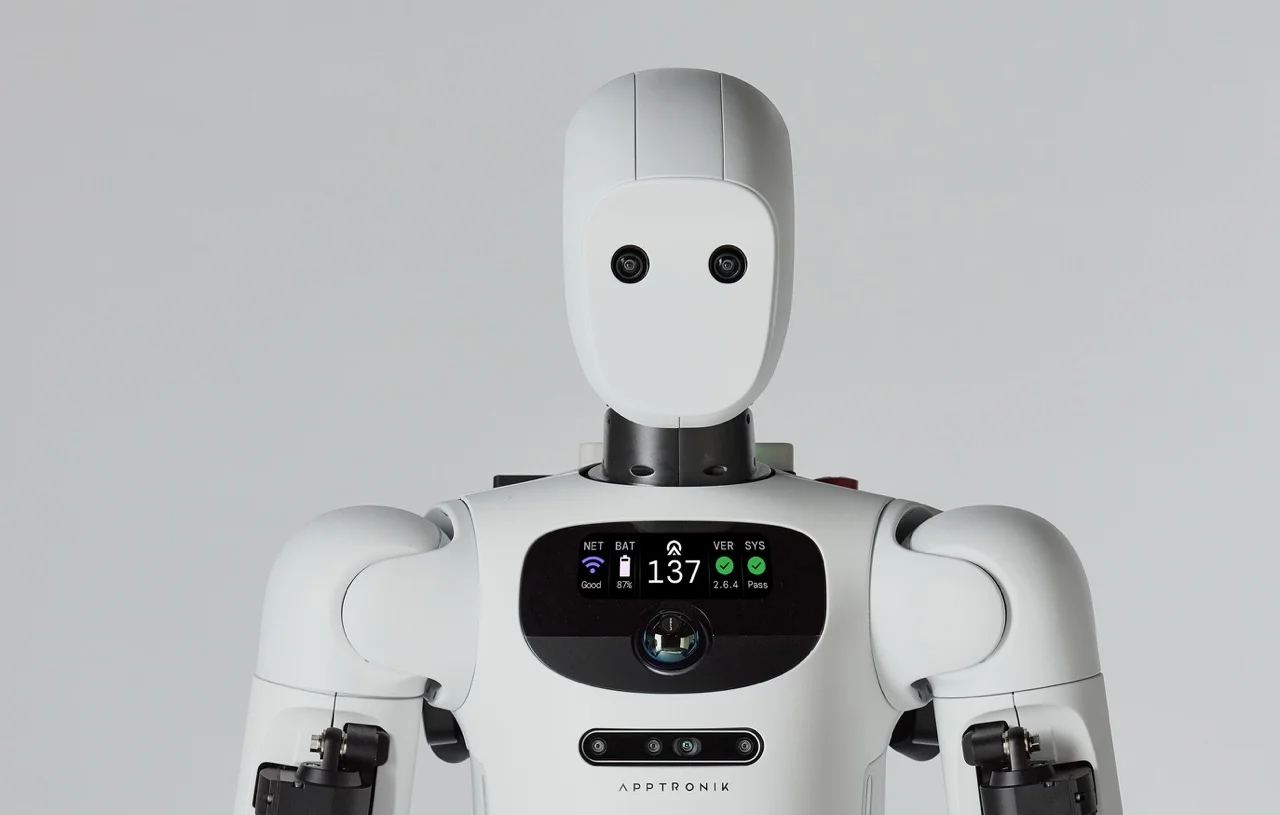
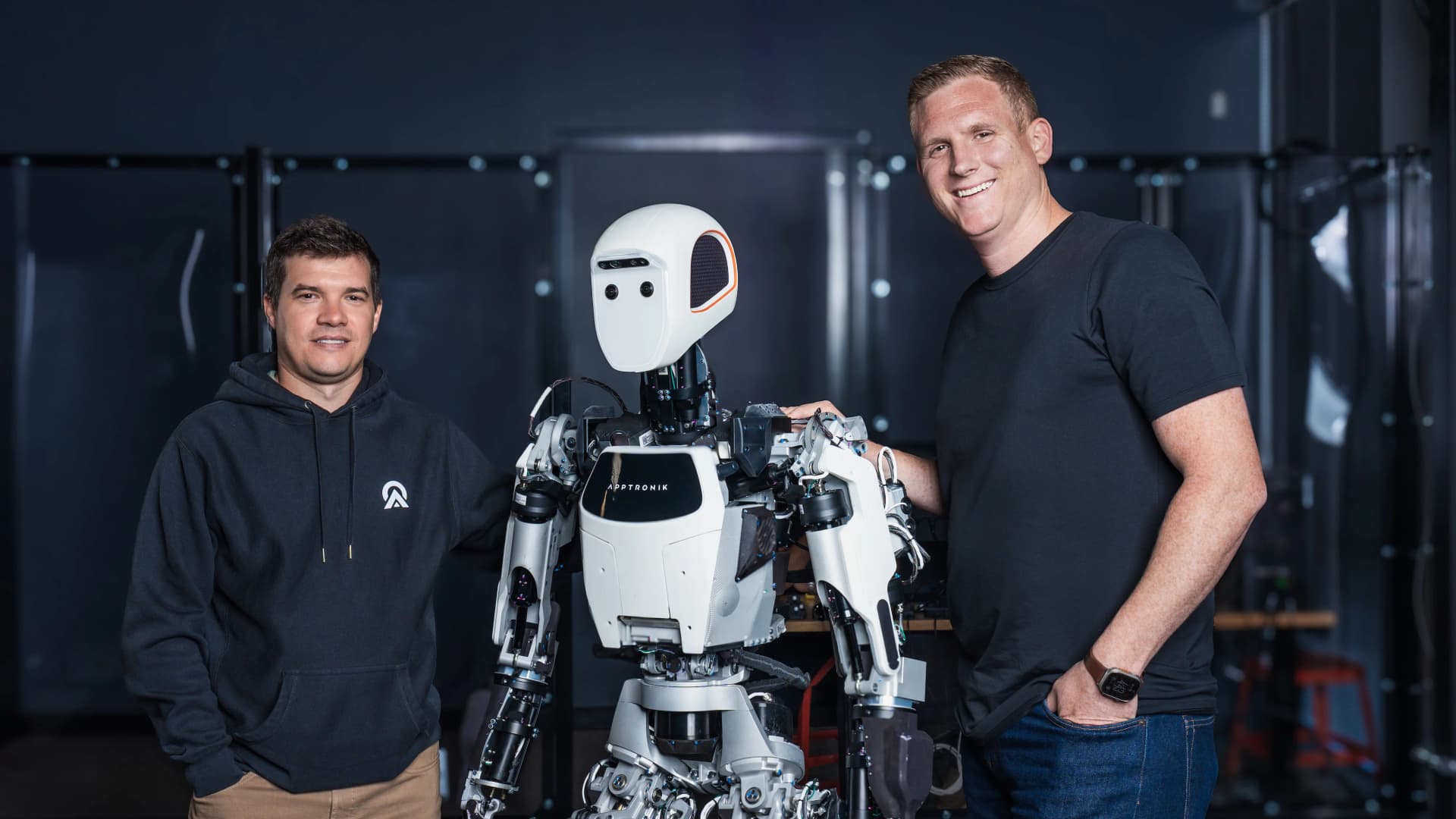
In an industry often dominated by high-speed viral videos and slickly edited demos, Austin-based Apptronik is attempting to carve out a reputation for industrial-grade reliability. Despite closing a massive $520 million Series A-X extension that brought its total capital to nearly $1 billion, the company has remained notably quiet about the latest iterations of its flagship humanoid, Apollo.
In a recent interview with the Association for Advancing Automation (A3), Apptronik co-founder and CEO Jeff Cardenas explained that this restraint is intentional.
“One of the bars that I have is if I can show you something in a video, I should be able to show you the same thing in person live,”
Cardenas told A3, emphasizing a "substance over hype" approach in a sector where competitors like Figure and Tesla are locked in a high-stakes visibility war.
Watch Apptronik CEO Jeff Cardenas explain the three phases of humanoid evolution below:
The weekly humanoid robotics briefing
One email a week: the launches, funding and research that mattered, with context from Humanoids Daily.
Read recent issuesThe "Next" Apollo and the 2026 Roadmap
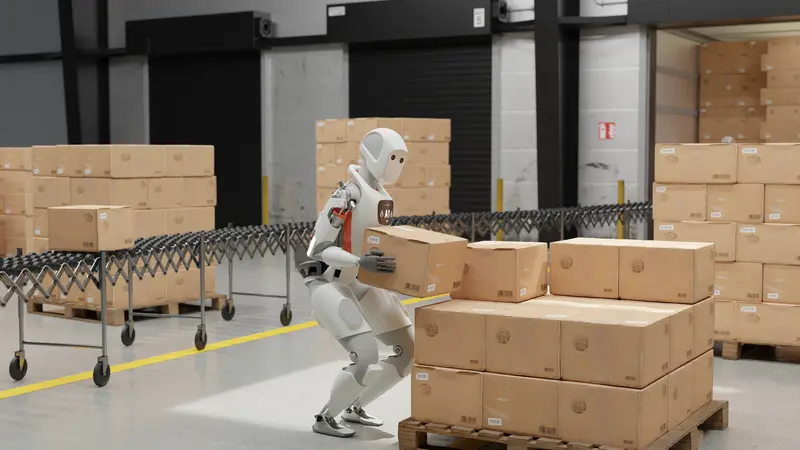
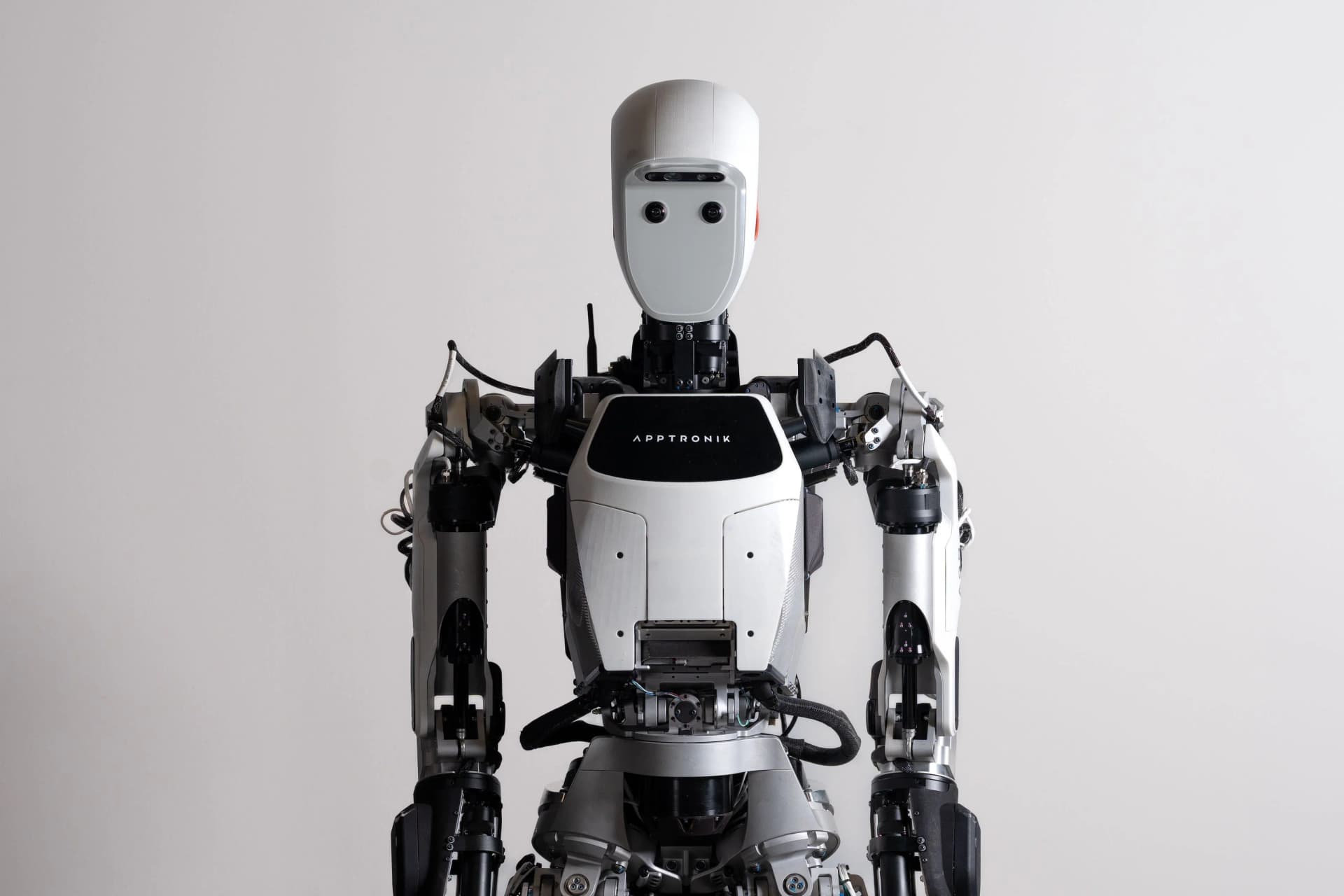
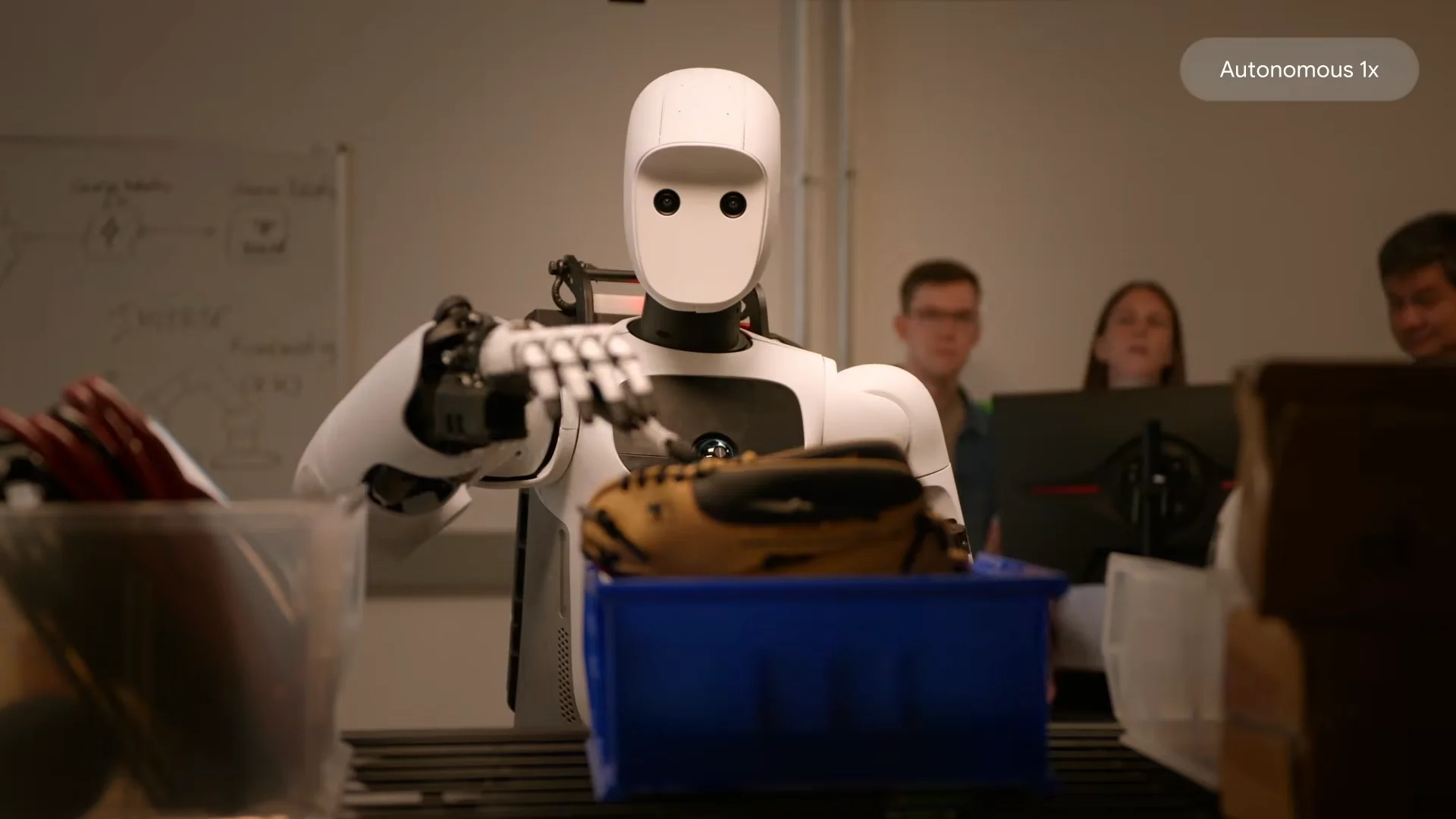
The current version of Apollo has already seen significant deployment in commercial pilots with partners like Mercedes-Benz and GXO Logistics. It has also served as the primary hardware platform for Google DeepMind’s agentic Gemini models. However, Cardenas revealed that multiple "next versions" of the robot are currently being developed in parallel.
While a public debut for the next iteration was initially expected in 2025, the timeline has been delayed to this year. Cardenas described the upcoming release as a "refinement," to be followed quickly by a "significant jump up" in hardware and software integration. The goal is to move beyond robots that can execute a task once for a camera to machines that can operate "repeatedly, at scale, and with minimal downtime."
Wheels vs. Legs: A Pragmatic Take
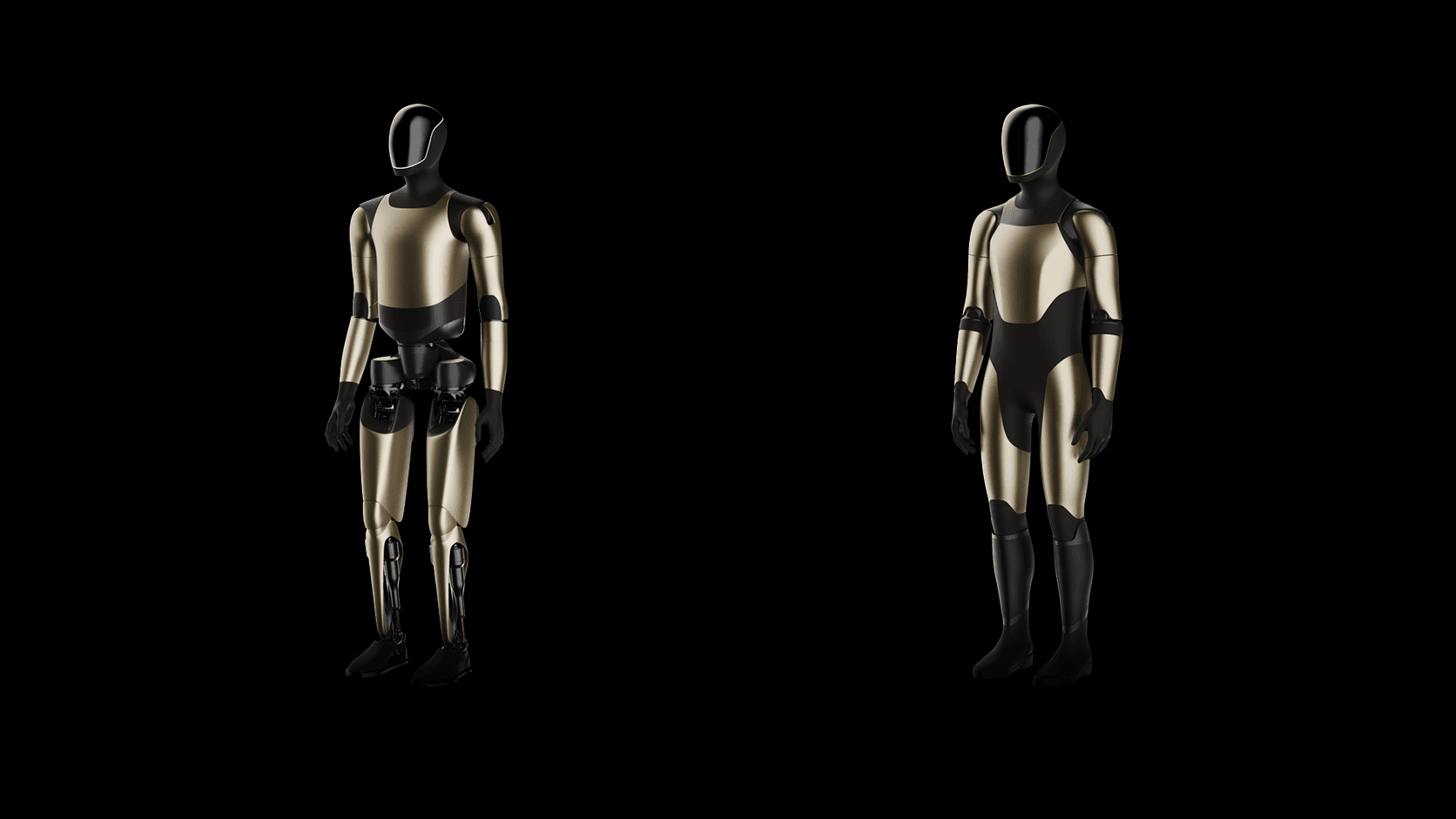
One of Apptronik’s most distinctive strategic choices is its dual-track approach to mobility. While the "humanoid" label usually implies bipedal walking, Apptronik also uses wheeled bases for its humanoid upper bodies.
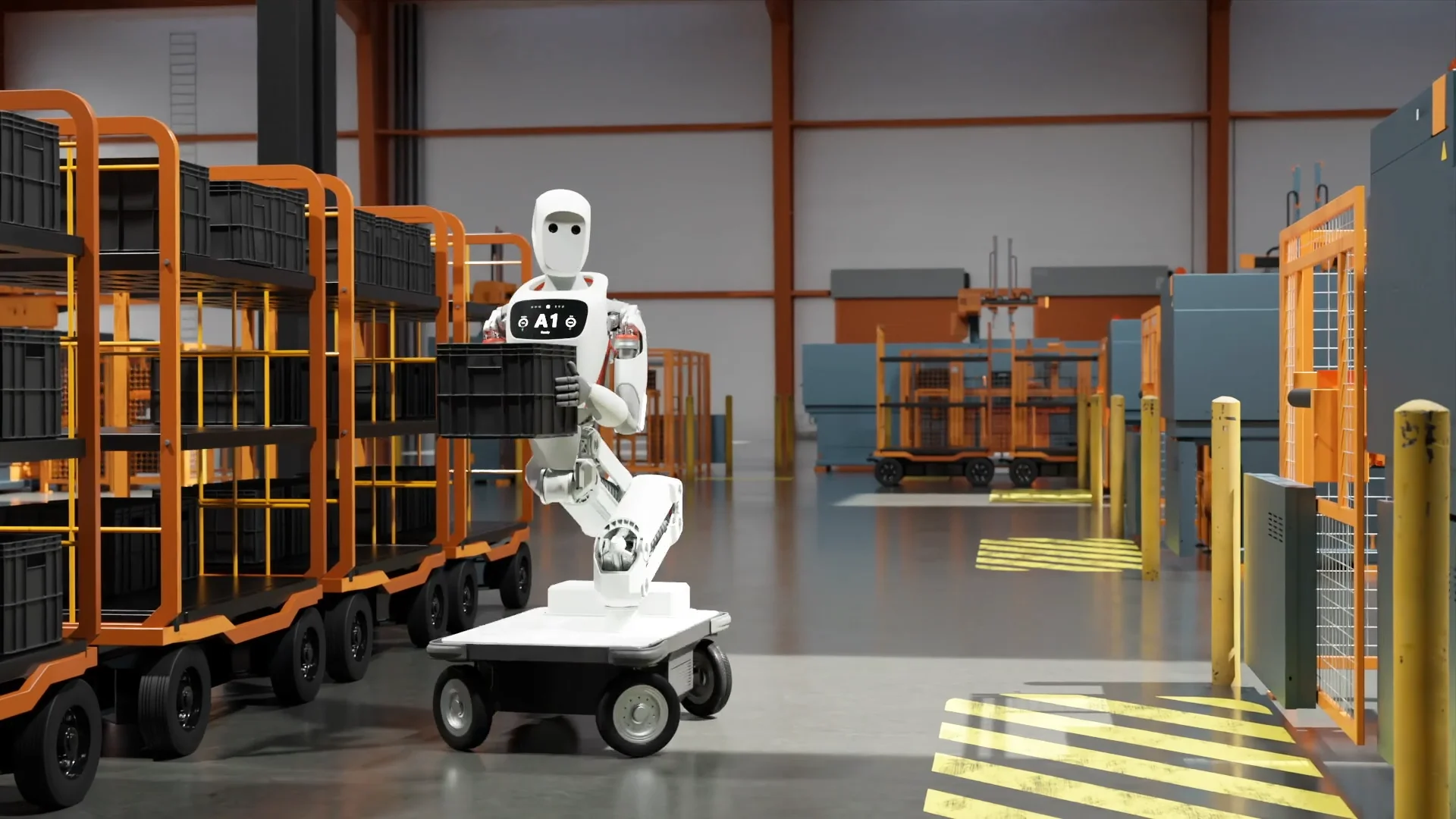
Cardenas argues that wheeled variants offer a faster path to ROI (return on investment) in structured environments like factory floors:
- Ease of Deployment: Wheeled systems are inherently more stable and do not require constant power to remain upright.
- Cost Efficiency: They are generally cheaper to manufacture and maintain than complex bipedal systems.
- Safety: In early industrial settings, wheeled robots present fewer safety risks when operating near or around human workers.
"The ceiling is much higher for a legged system," Cardenas admitted, noting that legs are essential for uneven terrain and narrow profiles. However, for the immediate needs of logistics and manufacturing, he expects the "early pull" from customers to favor wheeled humanoids.
The Three Phases of Humanoid Evolution
Beyond the immediate industrial horizon, Cardenas outlined a long-term vision for the industry that spans three distinct phases of adoption:
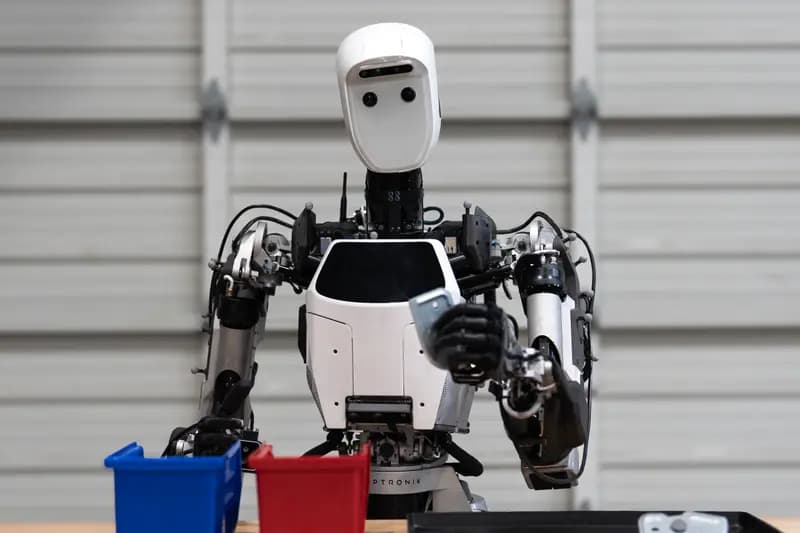
- Stage One (Industrial): Focus on logistics and manufacturing (e.g., tote moving and bin picking). These environments allow robots to be separated from people while safety standards are hardened.
- Stage Two (Commercial): Expansion into healthcare, hospitality, and retail. This phase requires the "fine manipulation" and "collaborative safety" standards Apptronik is currently developing.
- Stage Three (The Home): The "grand prize" of assistive care and domestic help. Cardenas views this as a 5-to-10-year goal, requiring robots to eventually become "cheaper than a car" to achieve mass-market viability.
New Strategic Alliances
The recent funding extension saw the entry of John Deere as a strategic investor, a move that suggests Apptronik’s technology may soon find a home in agricultural settings. While Cardenas declined to provide specifics on the partnership, he described the heavy-equipment giant as a "bellwether of the American economy."
This follows the company’s recent launch of Elevate Robotics, a subsidiary focused on "superhuman" industrial automation that moves away from the humanoid form factor entirely to tackle heavy-duty tasks.
As Apptronik moves into what Cardenas calls the "commercial viability stage," the next two years will be critical. With nearly $1 billion in backing and a focus on "hardening" its hardware for the real world, the company is betting that the winner of the humanoid race won't be the one with the most viral videos, but the one whose robots can actually show up for a full shift.
Share this article
Read next
- Published on
- Reading time
- 6 min read
Substance Over Hype: Apptronik Quietly Unveils Apollo 2 Humanoid via Website Update
- Published on
- Reading time
- 3 min read
Apptronik Cracks CNBC Disruptor 50, Highlighting Humanoid Robotics' Rise in AI Era
- Published on
- Reading time
- 3 min read
Apptronik Nears $1 Billion Milestone with Massive $520 Million Funding Extension
- Published on
- Reading time
- 5 min read
Apptronik CEO Calls Humanoid Robotics the "Space Race of Our Time," Says Fewer Than 5 U.S. Players Are Credible
- Published on
- Reading time
- 4 min read
Apptronik Gears Up Apollo Humanoid Production with Jabil Partnership, Teases Upgrades
- Published on
- Reading time
- 7 min read
Google DeepMind Unveils Gemini Robotics 2, Bringing Whole-Body Intelligence and Multi-Robot Teams to Physical AI
The weekly humanoid robotics briefing
One email a week: the launches, funding and research that mattered, with context from Humanoids Daily.
Read recent issues