- Published on
Decoupling the Brain: Inside Foundation’s Phantom Head Assembly
One tap, and our reporting appears more often in your Google Top Stories. It makes a real difference to a small newsroom.



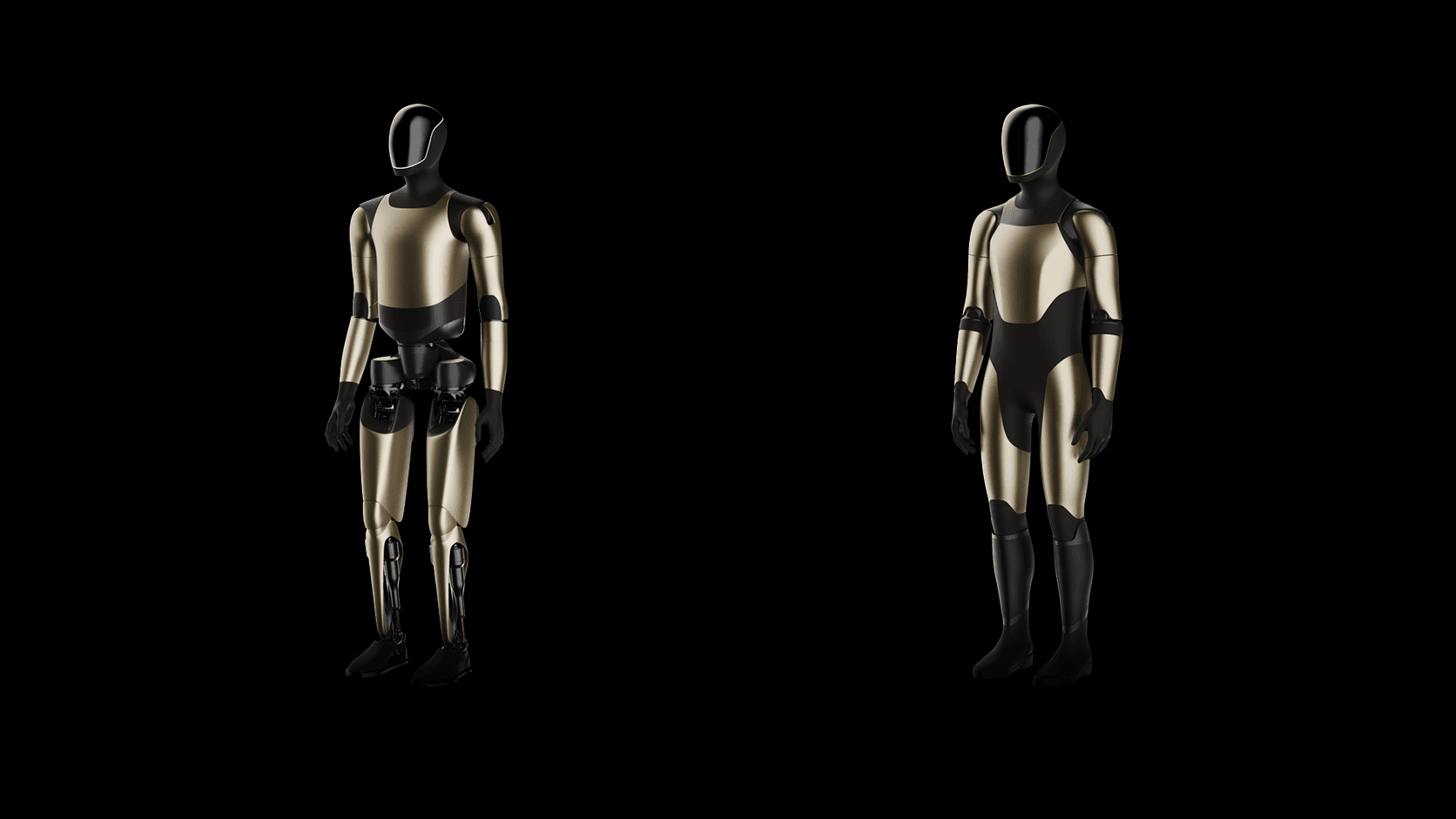
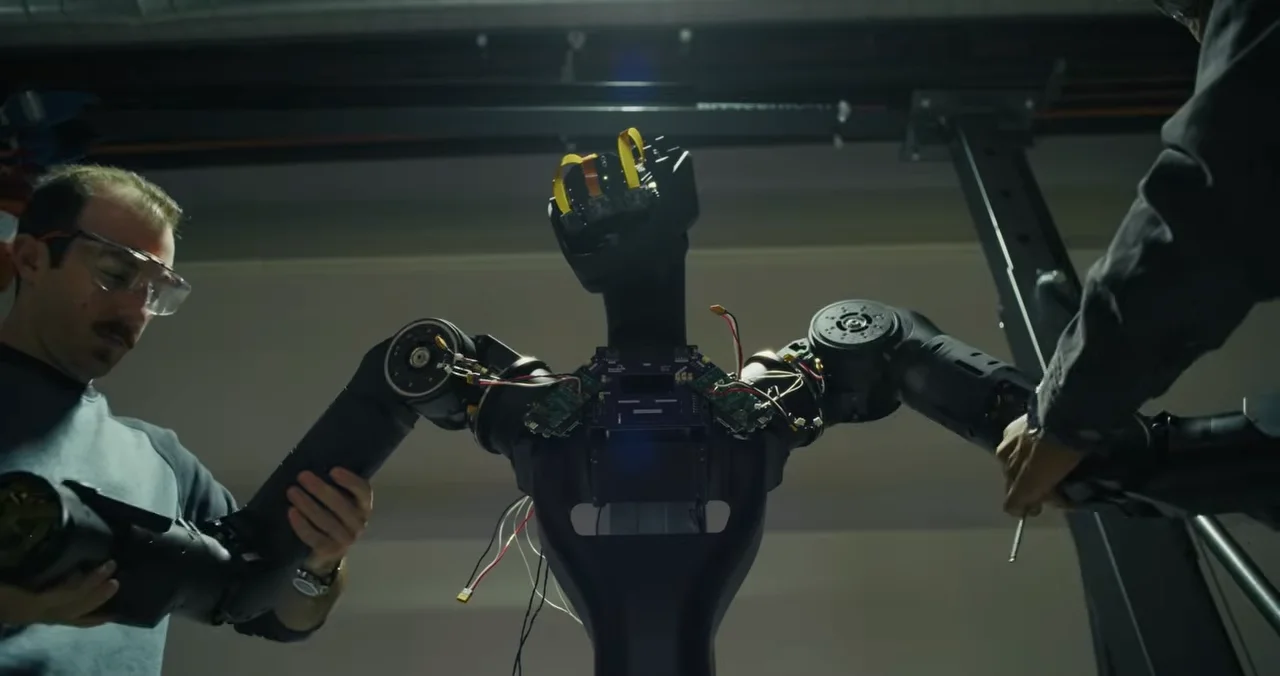
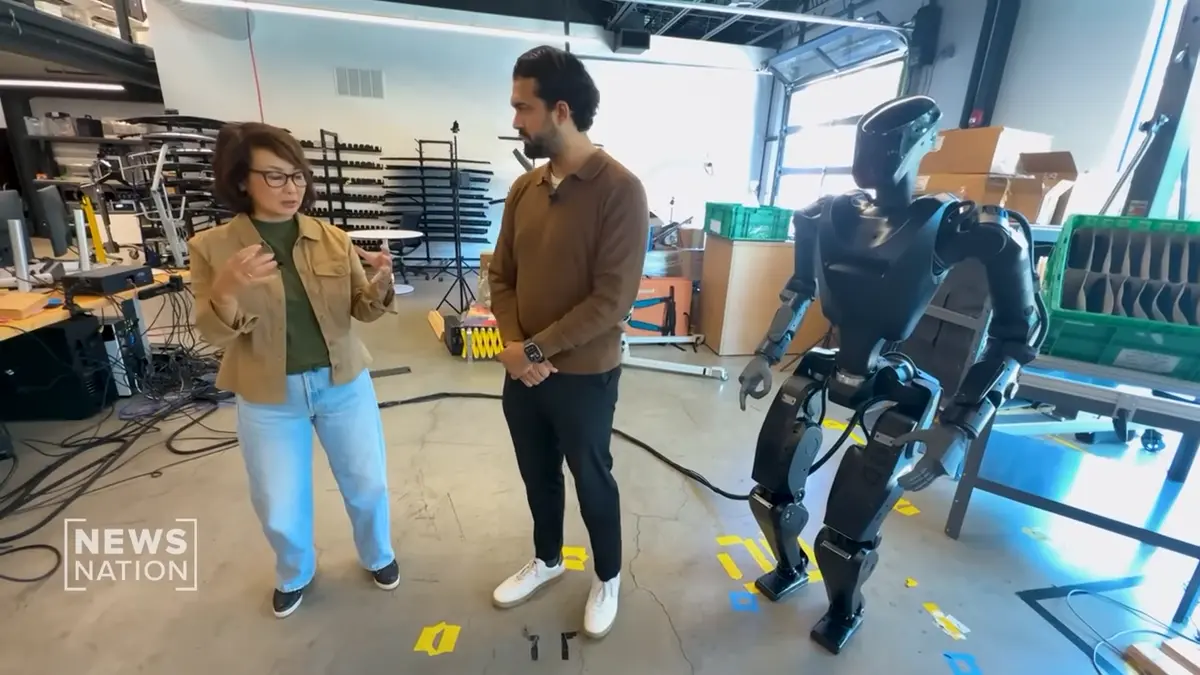
Foundation Robotics has released a new technical breakdown of its Phantom MK1 humanoid, this time focusing on the engineering of the "head" assembly. Following a recent look at the company’s manual factory and "alien" hand prototypes, CEO Sankaet Pathak is positioning these videos as part of a broader "science education" initiative.
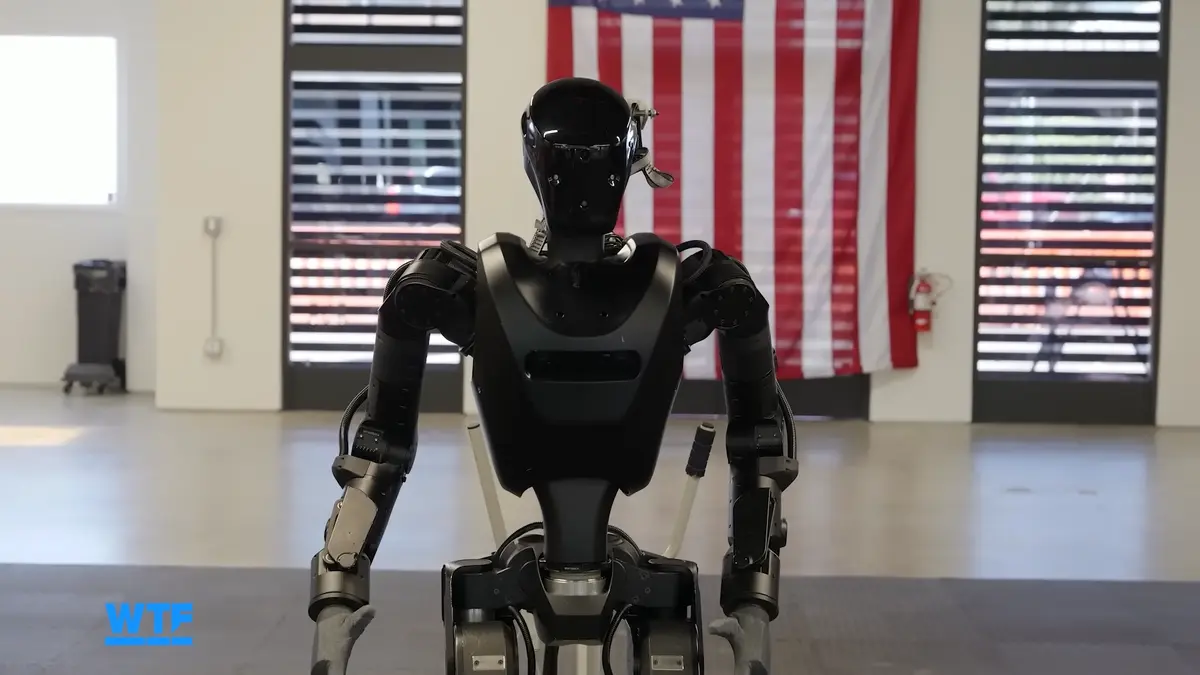
The latest footage clarifies a fundamental difference between biological and robotic architecture: the location of the "brain." While biological organisms typically house their central nervous system in the head to minimize signal latency from primary senses, the Phantom MK1 separates its "senses" from its core "cognition."
The Chest-Mounted Brain
In the video, Foundation explains that the Phantom’s computer is safely housed in its chest rather than its head. This design choice is made possible by the efficiency of electronic signals. While biological nerve impulses travel at roughly 120 meters per second, electronic signals move at nearly 99% the speed of light. This discrepancy allows Foundation to relocate the primary computer without sacrificing the response time needed to process sensory data.
Sensory Hardware and Thermal Management
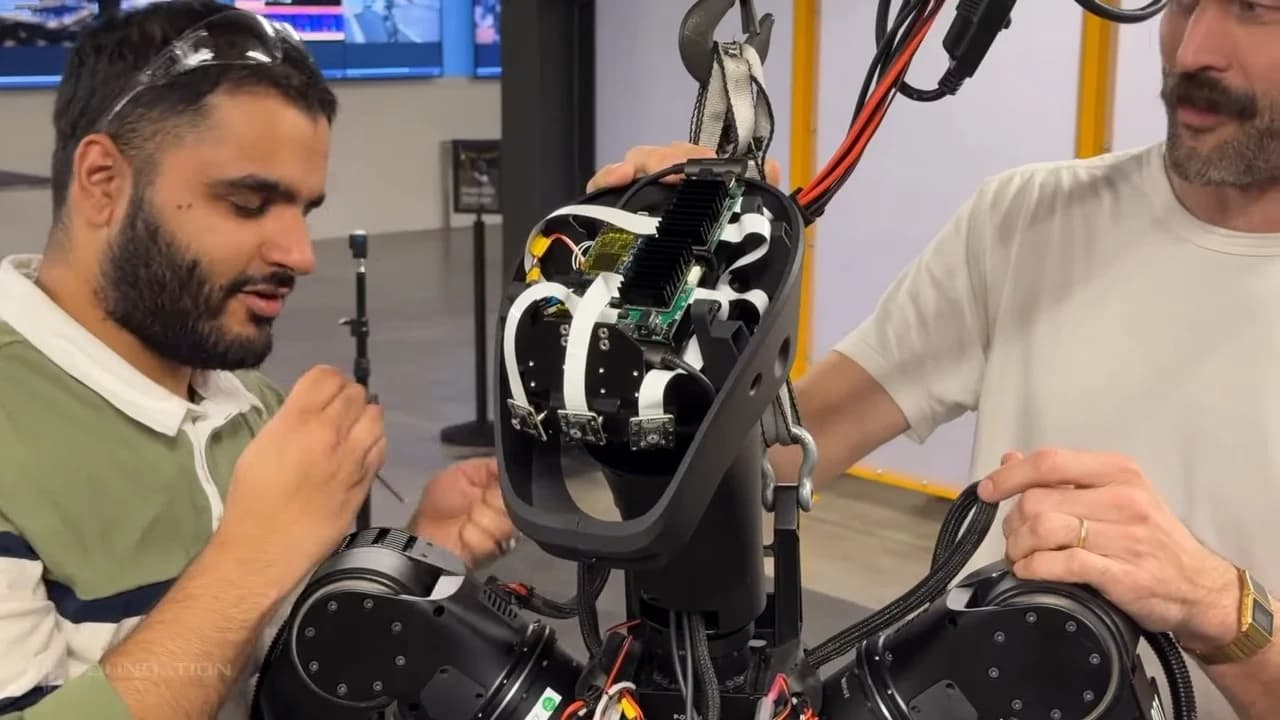
The head serves primarily as a sensory and motor hub rather than a processing center. Key components include:
The weekly humanoid robotics briefing
One email a week: the launches, funding and research that mattered, with context from Humanoids Daily.
Read recent issues- IMU Sensors: Used to record velocity, orientation, and motion, which are critical for maintaining balance during bipedal movement.
- Microcontrollers: These manage the direct interface between the head’s hardware and the central computer.
- Neck Actuators: The assembly includes neck yaw and neck pitch actuators to facilitate naturalistic movement.
A significant portion of the head’s internal volume is occupied by a large heat sink. Because the Phantom does not use liquid cooling, it relies on a high thermal mass heat sink with a large surface area to dissipate heat from the cameras and microcontrollers into the surrounding air.
Evolutionary Mimicry and Cephalization
The placement of the head itself follows the biological concept of "cephalization"—the evolutionary trend of concentrating sensory organs at one end of an organism. Pathak notes that placing cameras at the highest point of the frame maximizes the horizon line, which is essential for detecting obstacles and tools.
This sensory arrangement aligns with previous reports that the Phantom utilizes six cameras to provide a near-360-degree field of view. By emulating these biological traits, Foundation aims to give the Phantom a human-like perspective of the physical world.
A Scaling Strategy
This "educational" pivot comes as Foundation faces an aggressive manufacturing roadmap. The company has previously stated it aims to produce thousands of units in 2026. While these videos highlight the "craftsmanship" and engineering logic of the current prototypes, the transition to high-volume production will likely require moving away from the manual assembly processes seen in "Robo Factory 1."
The focus on science education also provides a more approachable public face for the company, contrasting with Pathak's more militant rhetoric regarding "war machines" seen in other industry forums.
Watch the video below:
Share this article
Read next
- Published on
- Reading time
- 5 min read
Foundation Robotics CEO Details Ukraine Pilot, "Super-Heavy" Phantom 2, and Rejection of Companion Bots
- Published on
- Reading time
- 4 min read
"Peace Through Strength": Foundation CEO Showcases Phantom Robot on Fox Business
- Published on
- Reading time
- 5 min read
Watch: Inside Foundation’s Humanoid Factory and the Anatomy of a "War Machine"
- Published on
- Reading time
- 5 min read
Foundation Robotics Leans Into the "Killer App" — Literally
- Published on
- Reading time
- 4 min read
Foundation CEO Details Path to Armed Robots, Aims for 10,000-Unit Production in 2026
- Published on
- Reading time
- 3 min read
CNET Goes Hands-On With Foundation's 'Phantom' Humanoid as CEO Discusses Arming Robots


The weekly humanoid robotics briefing
One email a week: the launches, funding and research that mattered, with context from Humanoids Daily.
Read recent issues