- Published on
Video: Figure Offers First Look at 7th-Gen Hand Aiming for "Human Parity"
One tap, and our reporting appears more often in your Google Top Stories. It makes a real difference to a small newsroom.

Supported by RoboStrategySupport for Humanoids Daily comes from RoboStrategy
Sponsored
Investing involves risk, including possible loss of principal. Read the prospectus before investing.

In the rapidly accelerating race to master robotic dexterity, Figure has just provided a first look at the hardware it believes will finally close the gap between machines and humans.
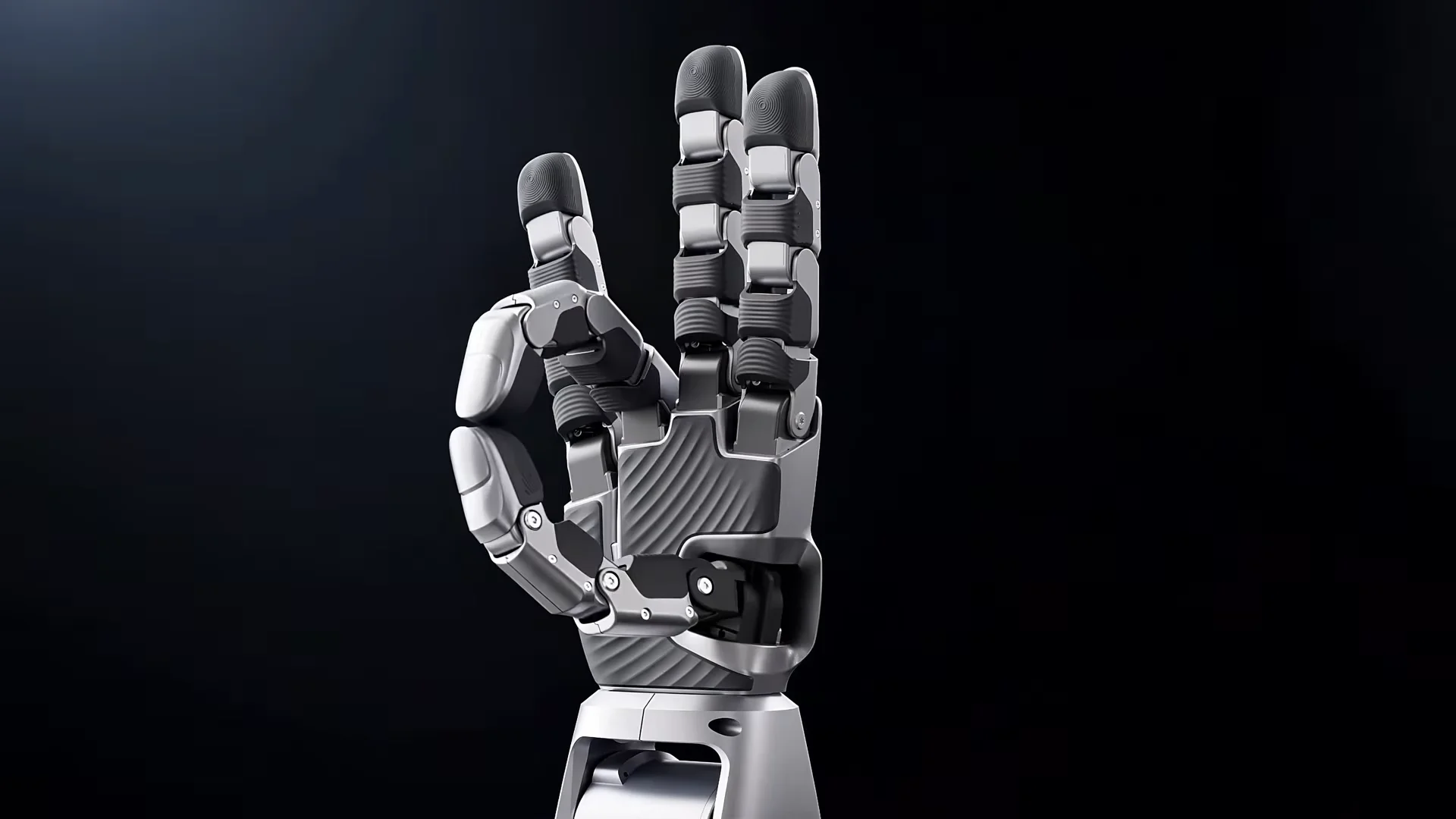
Yesterday, Figure CEO Brett Adcock and the official Figure social media accounts shared a teaser video of the company’s 7th-generation humanoid hand. The footage, which features a Figure 03 robot in dark silhouette, demonstrates a range of sophisticated hand-poses that highlight a significant leap in mechanical complexity.
"I’ve been waiting 3 years to show you this," Adcock posted on X. "We just launched our 3rd-gen humanoid, but we’re already on our 7th-gen hand. Our team has quietly worked for years to approach parity with a human hand."
Anatomy of the 7th-Gen Hand
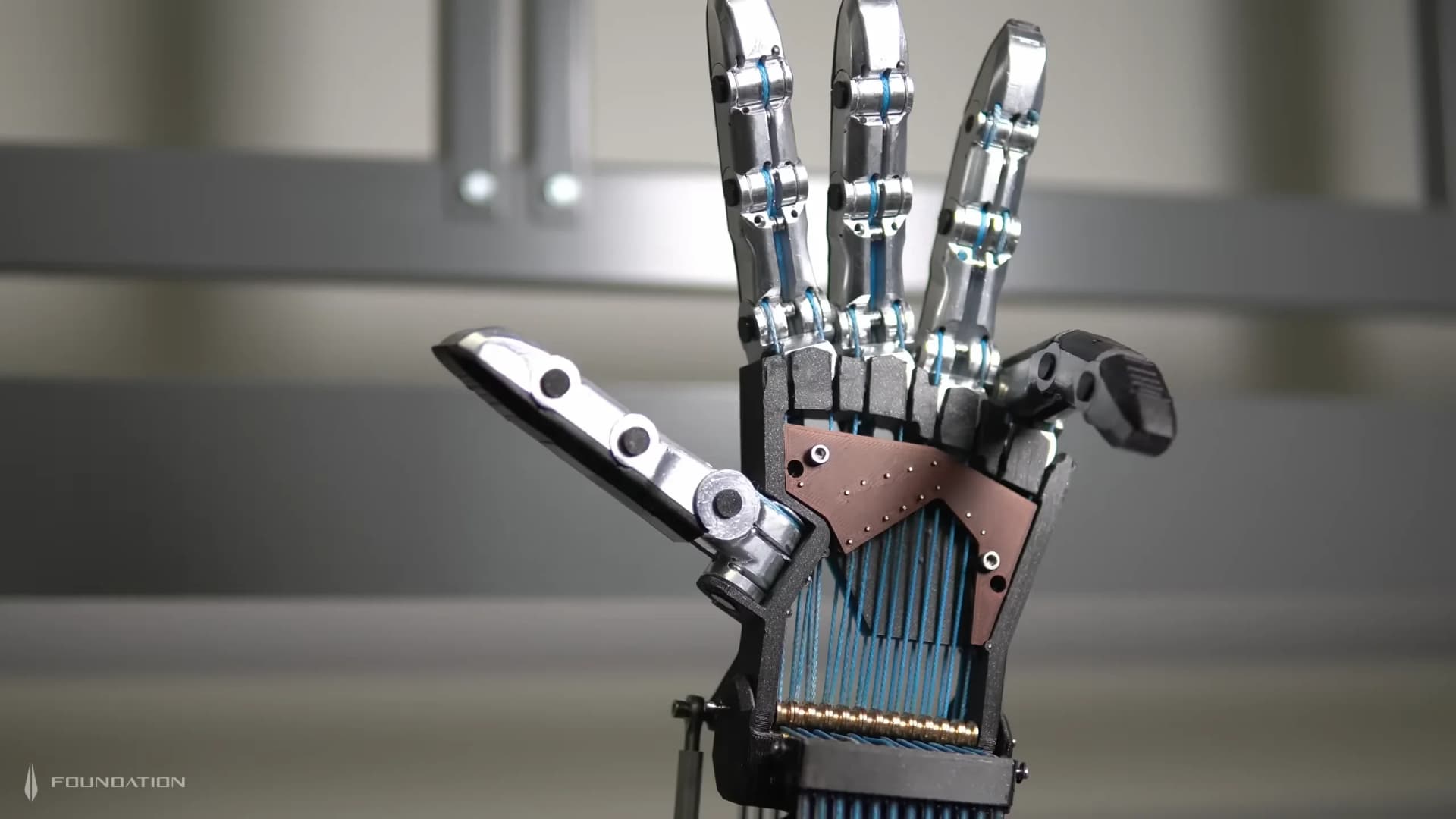
While technical specifications like exact motor counts were not explicitly detailed in the teaser, the visual evidence confirms several key upgrades over the previous generation. Industry analysts noted that the new hand features a significantly higher number of degrees of freedom (DOF) compared to the Figure 03’s current tactile hands.
The weekly humanoid robotics briefing
One email a week: the launches, funding and research that mattered, with context from Humanoids Daily.
Read recent issuesKey observations from the footage include:
- Abduction and Adduction: The fingers can spread apart and bring themselves back together, a movement essential for stabilizing large or irregular objects.
- Rotating Thumb: The thumb demonstrates a full range of motion, including the ability to rotate and touch the tips of each individual finger. This "opposition" is a critical metric for human-like dexterity and secure pinching.
- Integrated Sensing: While the silhouette obscures fine details, the hand likely integrates the palm cameras and tactile sensors that Figure has made a cornerstone of its "pixels-to-torque" Helix 02 architecture.
The Quest for Human Parity
Figure’s aggressive iteration cycle—seven generations of hands in just a few years—underscores the industry's shift in focus from locomotion to manipulation. Adcock has frequently argued that while walking is largely a solved problem through reinforcement learning, the "bottleneck" for true domestic and industrial utility remains the hand.
The 7th-gen hand enters a market that is suddenly crowded with high-dexterity contenders. Figure’s focus on "human parity" via traditional electromechanical actuation stands in contrast to the 3D tissue braiding approach of Allonic, which aims to weave tendons and joints into monolithic units. It also directly challenges Tesla’s upcoming V3 Optimus hand, which Elon Musk has claimed will achieve superhuman precision.
Scaling the "BotQ" Vision
The timing of the reveal aligns with Figure’s broader manufacturing roadmap for 2026. Adcock recently detailed plans to move toward a self-replicating production model at the company’s "BotQ" facility, with a target capacity of nearly 50,000 units per year.
If this new hand can be mass-produced with the same 90% cost reduction Adcock claimed for the Figure 03 chassis, it could provide the hardware foundation for the "surgical-level dexterity" Figure expects to reach by the end of 2026.
For now, the 7th-gen hand remains a "sneak peek," with Figure yet to show the hardware performing high-force or high-precision tasks in a non-silhouetted, real-world environment.
Share this article
Read next
- Published on
- Reading time
- 5 min read
The Great Dexterity Divide: Why Robotics Leaders Are Warring Over Tendon vs. Direct-Drive Hands
- Published on
- Reading time
- 6 min read
Figure CEO Brett Adcock Claims Humanoids Are Already Delivering ROI Amid Severe Labor Shortages
- Published on
- Reading time
- 4 min read
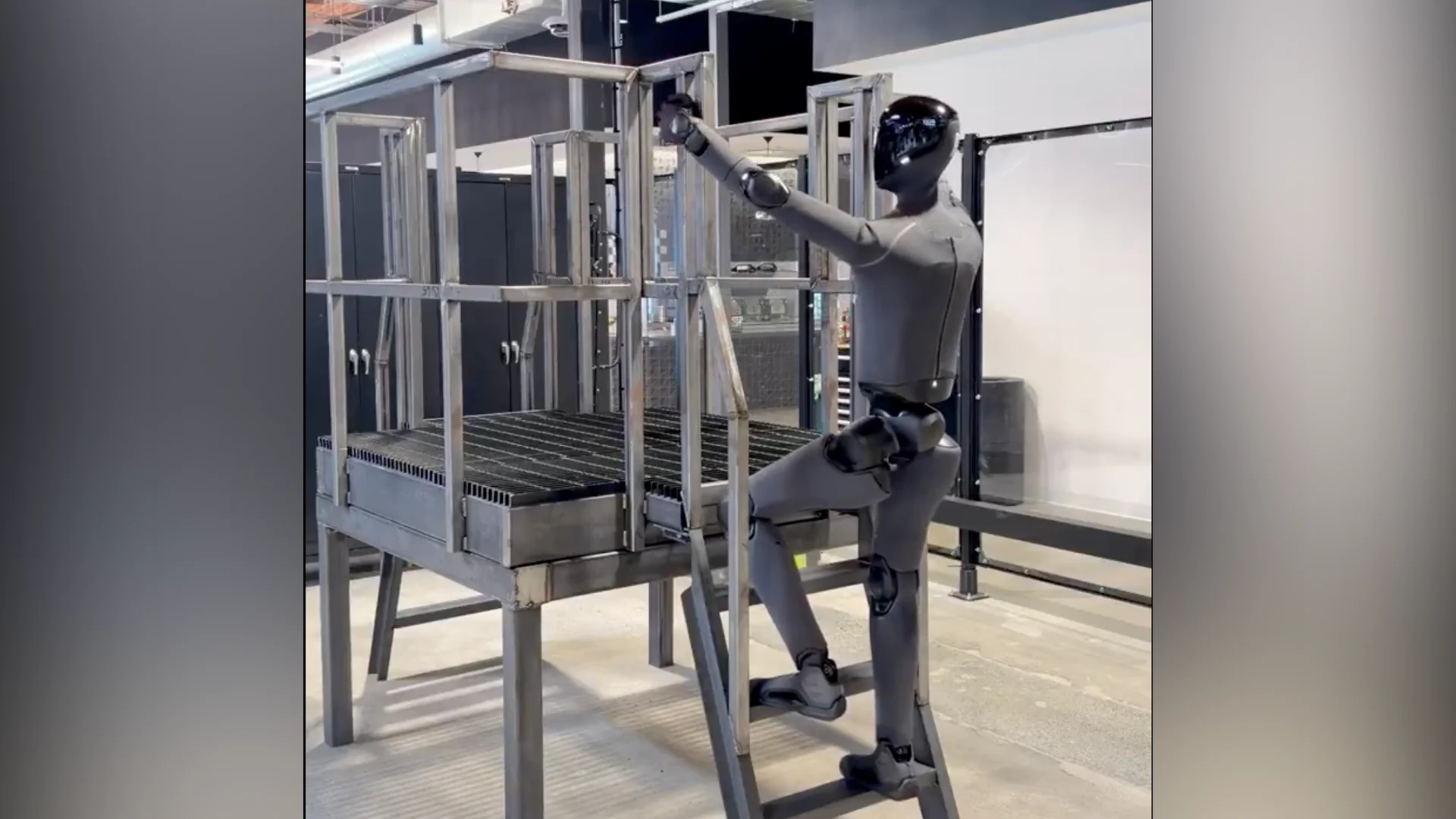
Stepping Up: Figure 03 Achieves Autonomous Ladder Climbing, Reigniting the Bipedal Debate
- Published on
- Reading time
- 4 min read
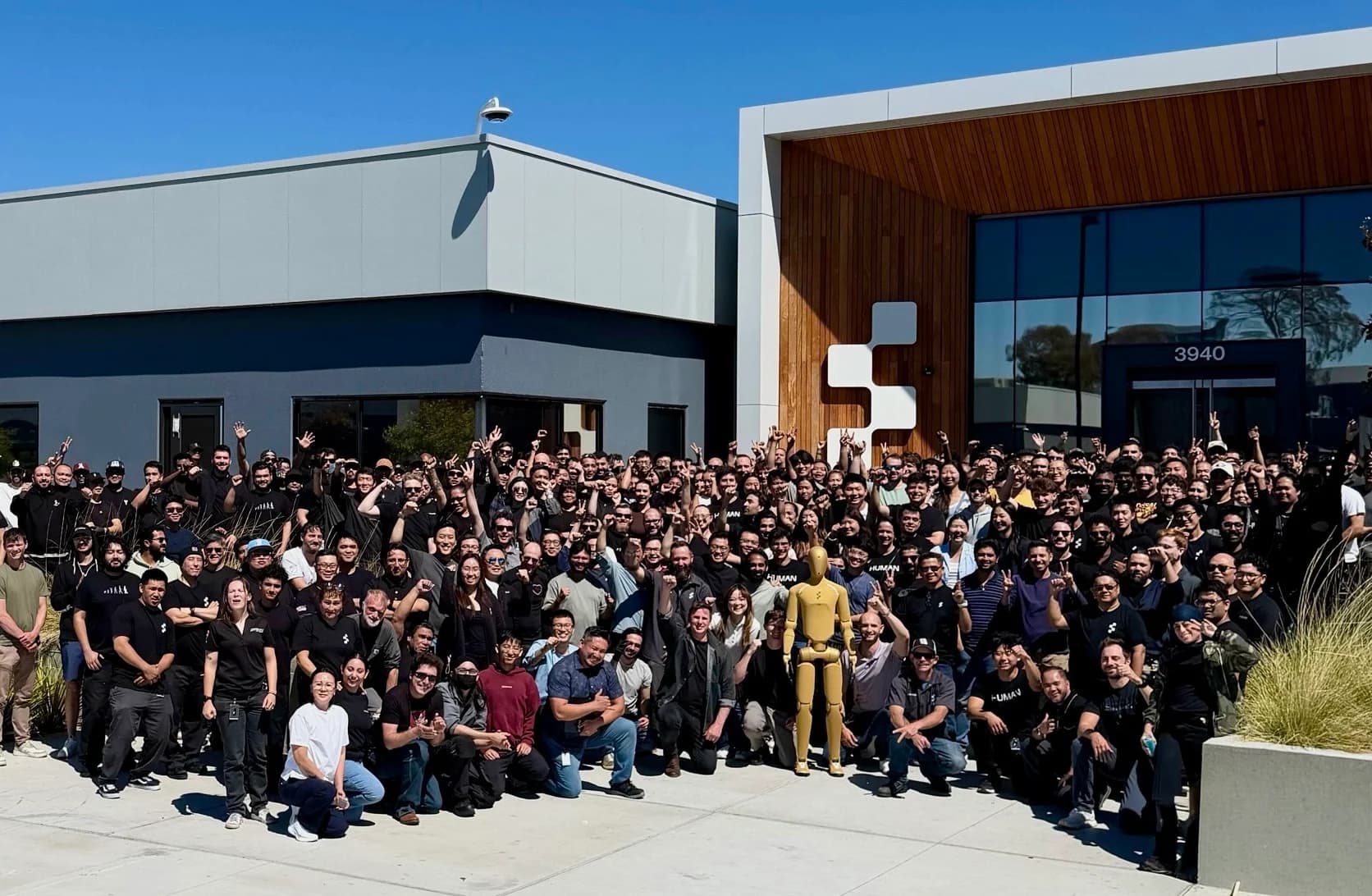
A Golden Milestone: Figure Manufactures Its 1,000th Figure 03 Humanoid
- Published on
- Reading time
- 4 min read
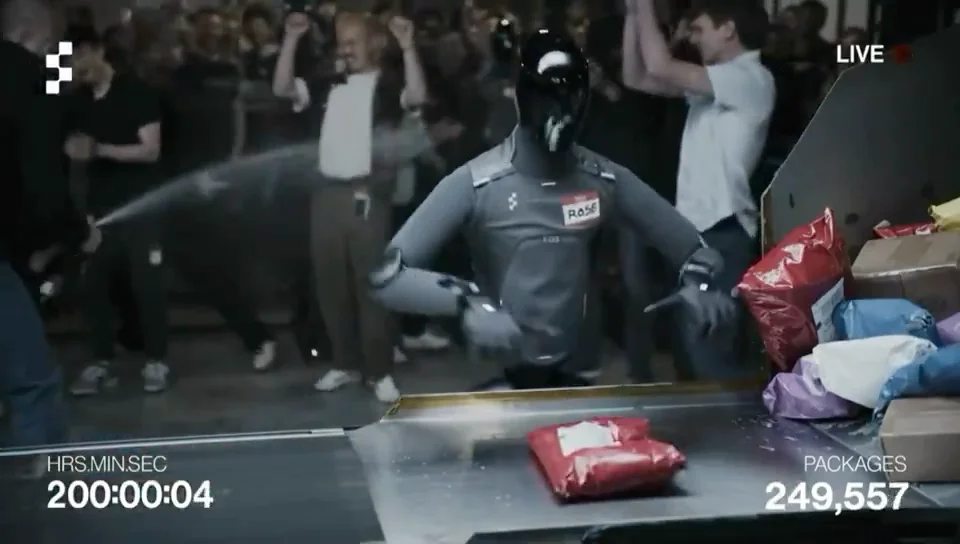
Figure AI Pops Champagne as Autonomous Marathon Crosses 200 Hours Without Hardware Failure
- Published on
- Reading time
- 5 min read
Man vs. Machine: Figure AI Intern Edges Out Humanoid Fleet in 10-Hour Sorting Challenge


The weekly humanoid robotics briefing
One email a week: the launches, funding and research that mattered, with context from Humanoids Daily.
Read recent issues