- Published on
Watch: Inside Humanoid’s 10-Month Sprint from First CAD to Factory Floor
One tap, and our reporting appears more often in your Google Top Stories. It makes a real difference to a small newsroom.

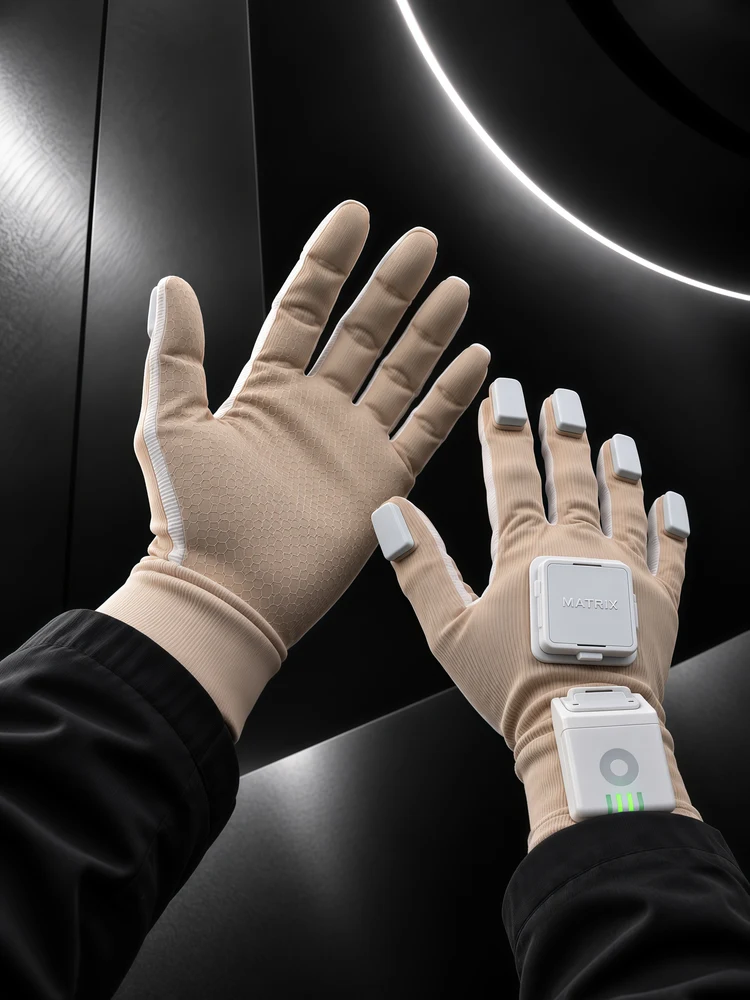


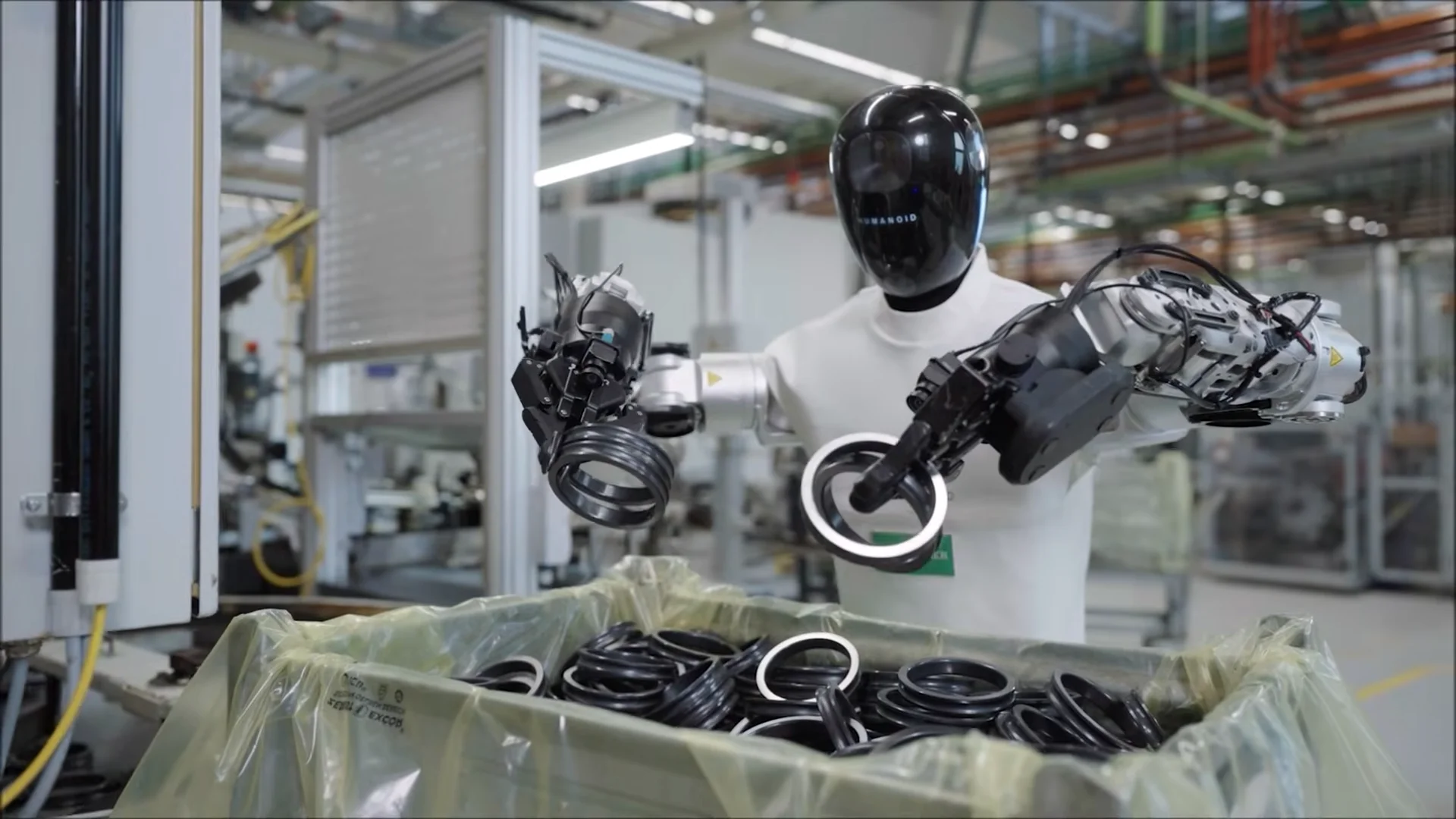
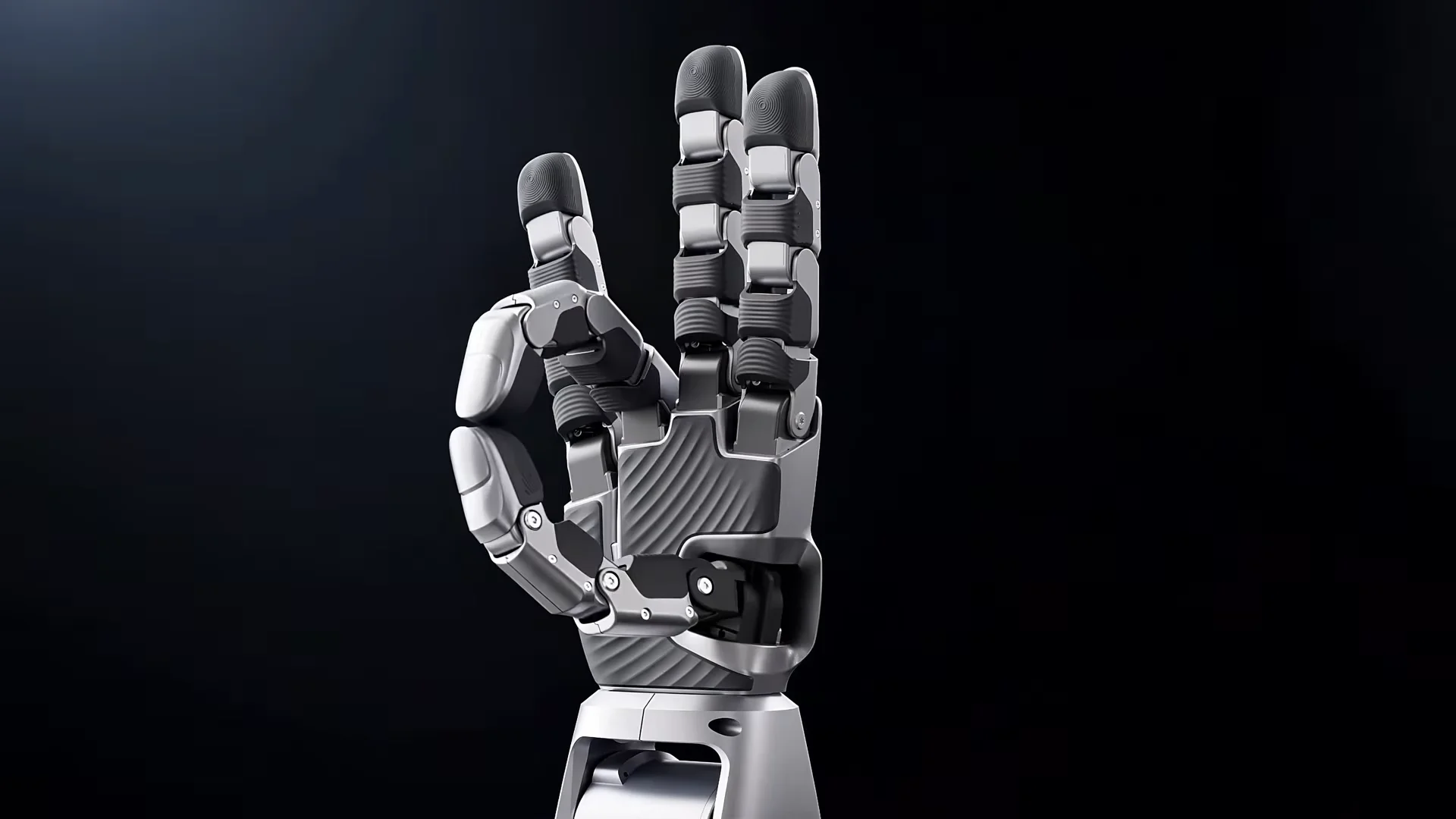
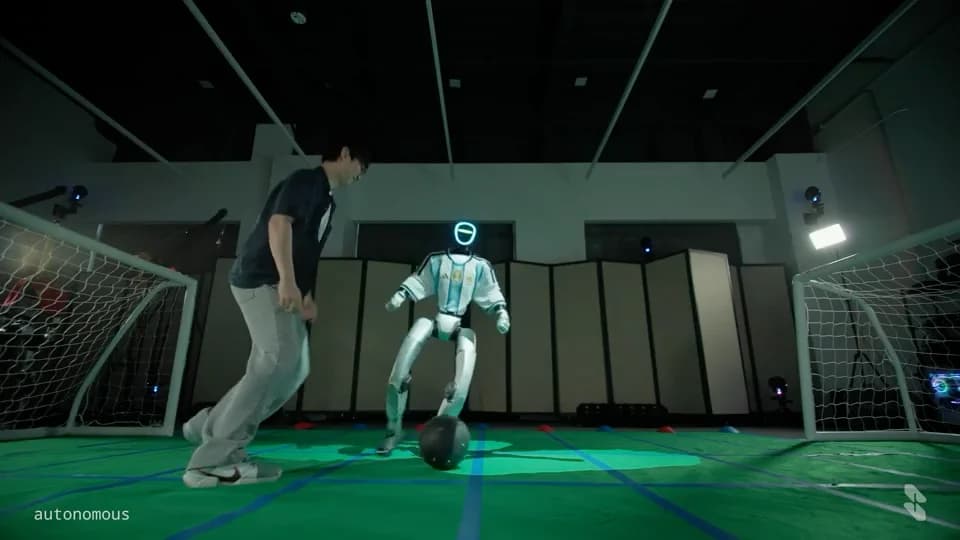
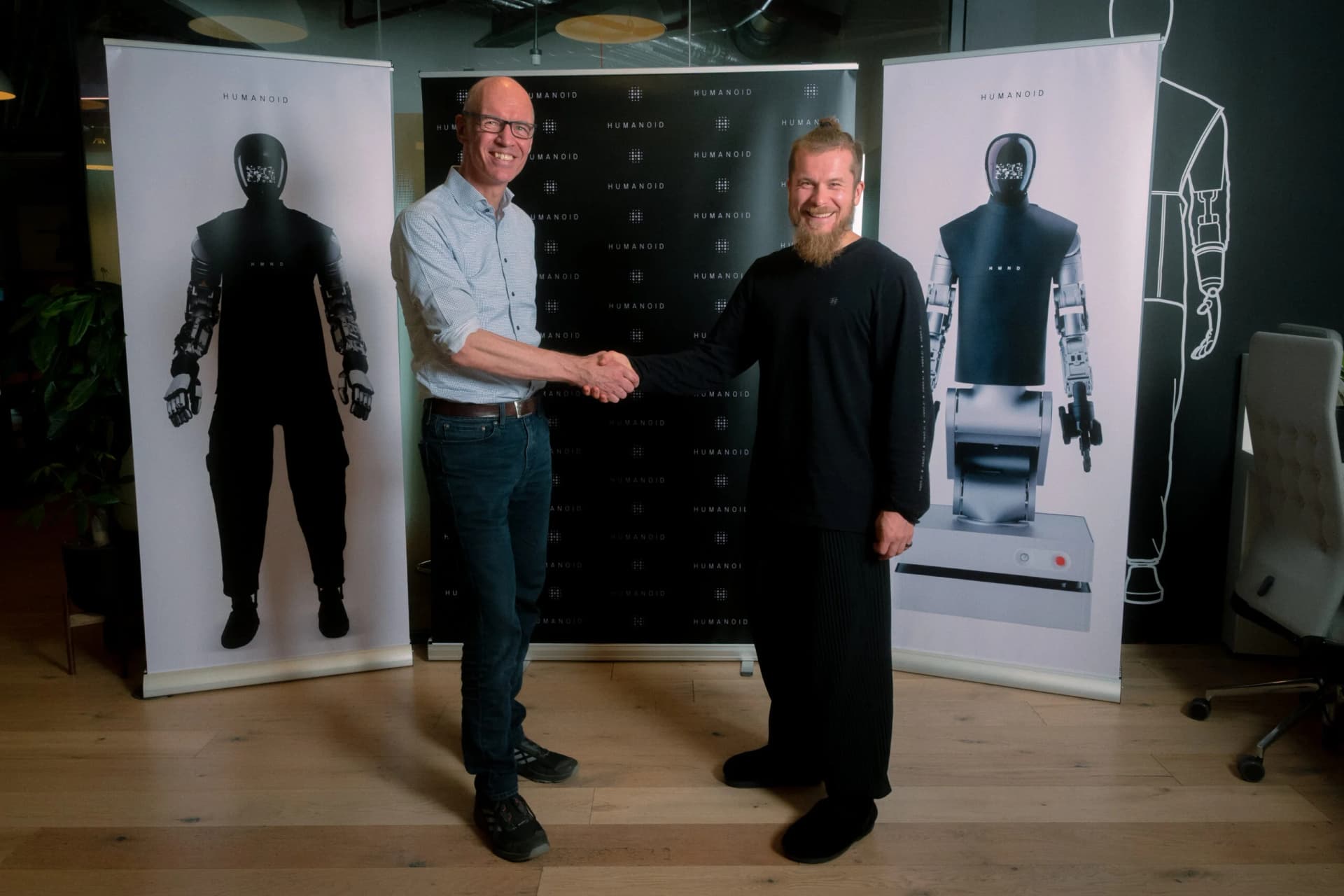
The UK-based robotics startup Humanoid has released a nearly 19-minute documentary providing an unfiltered look at the high-pressure environment behind what it calls the "fastest development cycle in history". The film, titled “HMND SERIES E02 | Our Path to Global Leadership in Industrial AI Humanoid Robotics,” chronicles the company’s journey from initial strategy meetings to deploying functional robots in some of the world’s most demanding industrial environments.
From Strategy to Steel in 10 Months
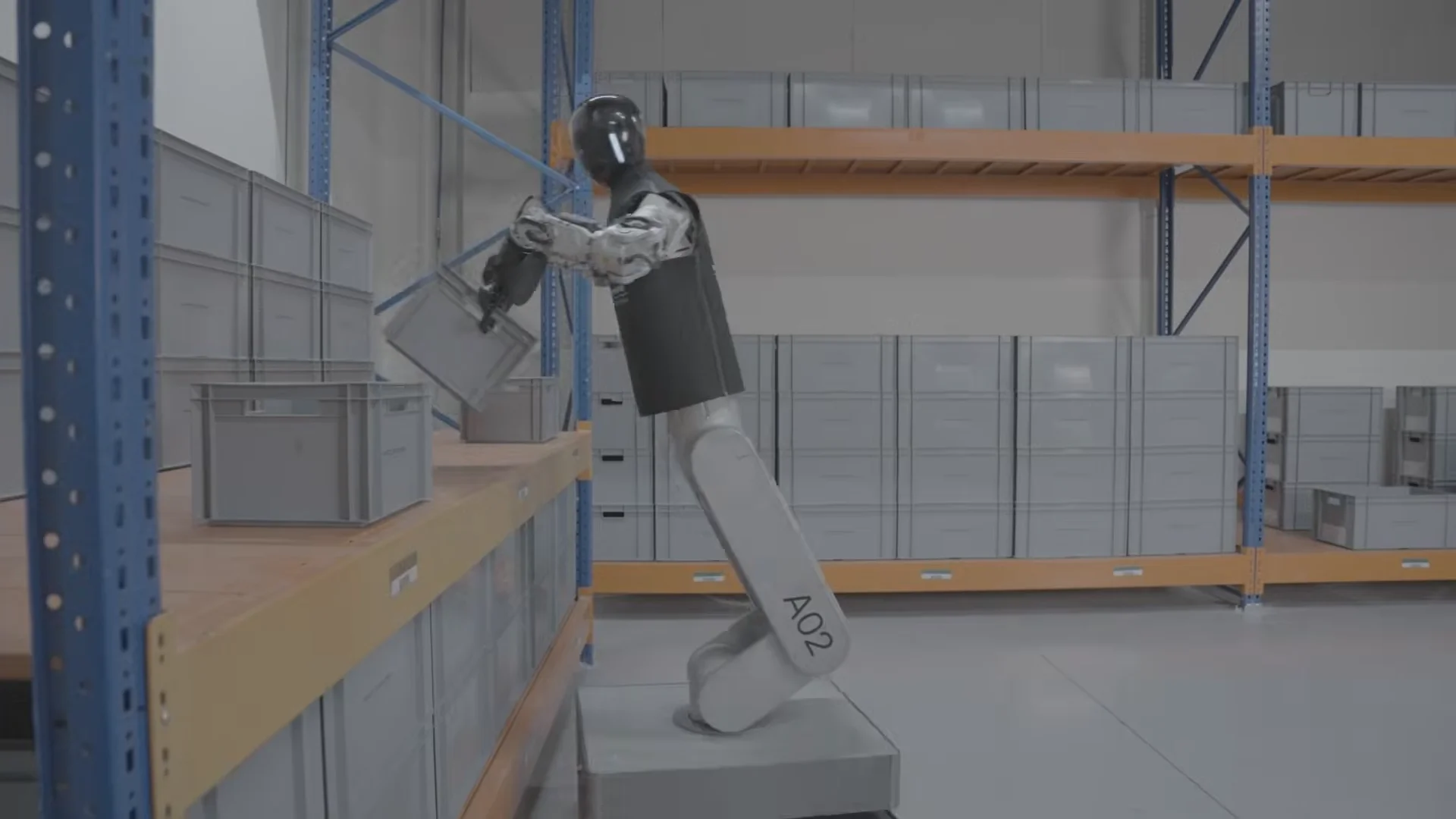
Perhaps the most striking revelation in the documentary is the timeline of the hardware’s evolution. CEO Artem Sokolov and his team note that there were no CAD models or assigned engineers until the end of January 2025. Within 10 months, the firm transitioned from blank pages to a fully functional wheeled humanoid performing real-world work.
The development is a globally coordinated effort. The documentary clarifies the roles of Humanoid’s three primary hubs:
- Vancouver: Focuses on "local manipulation," including the mechanical design and testing of arms and bipedal legs.
- Boston: Houses the expertise for core battery systems and high-density power electronics.
- London: Functions as the "brain," where the AI and Vision-Language-Action (VLA) frameworks are developed.
The "Capability Factory" and 24-Hour AI Training
While the hardware milestones are significant, Humanoid is increasingly positioning itself as a software-first entity. The film details the company’s KinetIQ framework, an end-to-end fleet management system designed to orchestrate diverse robot embodiments—both wheeled and bipedal—across complex workflows.
The weekly humanoid robotics briefing
One email a week: the launches, funding and research that mattered, with context from Humanoids Daily.
Read recent issuesA central pillar of this strategy is the "Capability Factory." The company claims its simulation-to-reality pipeline has reached a point where it can train a new behavioral policy from scratch and deploy it to physical hardware within just 24 hours. This agility is intended to allow customers and third-party integrators to teach the robots new skills exponentially rather than linearly.
Industrial Validation and the 30,000 Pre-Order Surge
The documentary coincides with a period of massive commercial momentum for the startup. While earlier reports indicated the company had secured 20,500 pre-orders, the film reveals that this number has since surged to 30,000 non-binding pre-orders.
This demand is backed by a string of high-stakes industrial milestones achieved in early 2026:
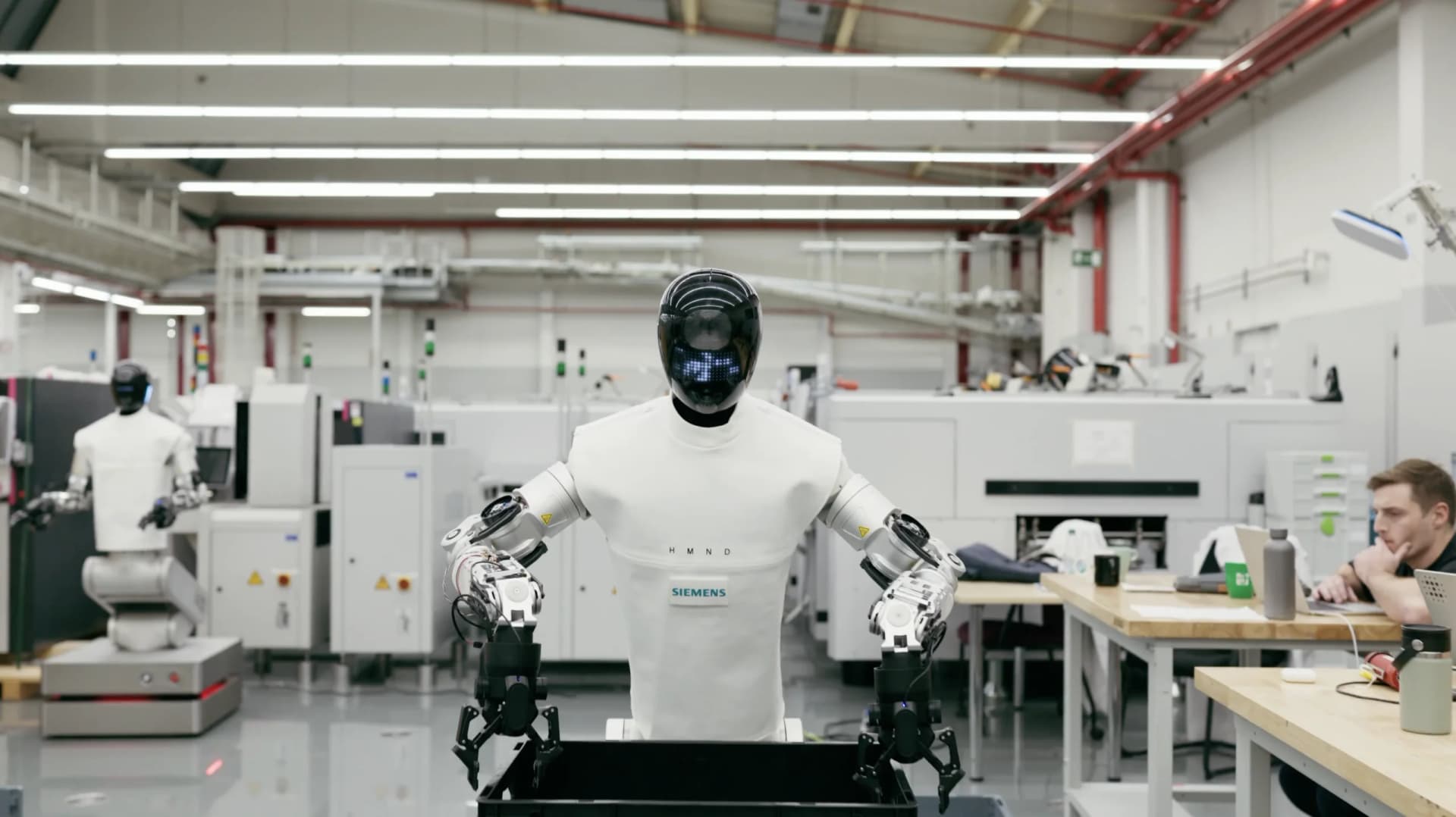
- Siemens: The wheeled HMND 01 Alpha achieved a 90% autonomous success rate in tote-to-conveyor operations.
- Ford: In Cologne, the platform demonstrated dual-arm manipulation of sheet metal parts, exceeding performance targets by 60%.
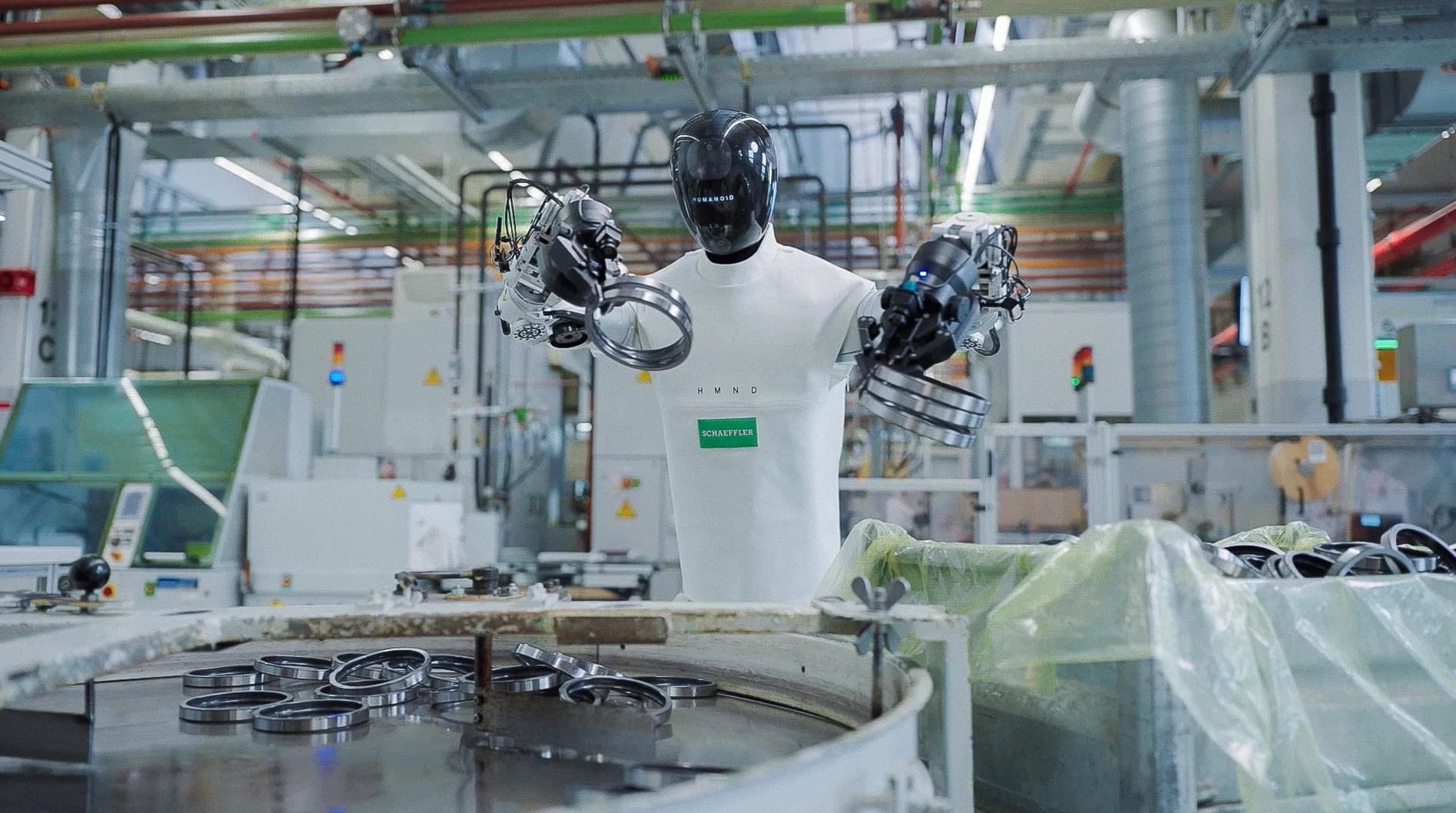
- Schaeffler: A five-year strategic partnership was established to deploy "hundreds" of robots across the industrial giant’s global footprint.
The Road to Beta: Q3 2026
Despite the "home runs" touted in the film, Humanoid remains transparent about the limitations of its current "Alpha" phase. The Alpha prototypes are described as research and development solutions not yet optimized for mass manufacturing or long-term reliability.
The company is now pivoting toward its "Beta mindset." Starting in Q3 2026, Humanoid plans to launch its production-intent hardware. These low-rate initial production (LRIP) units will be the first revenue-generating machines, intended to scale fleets from tens of units to thousands.
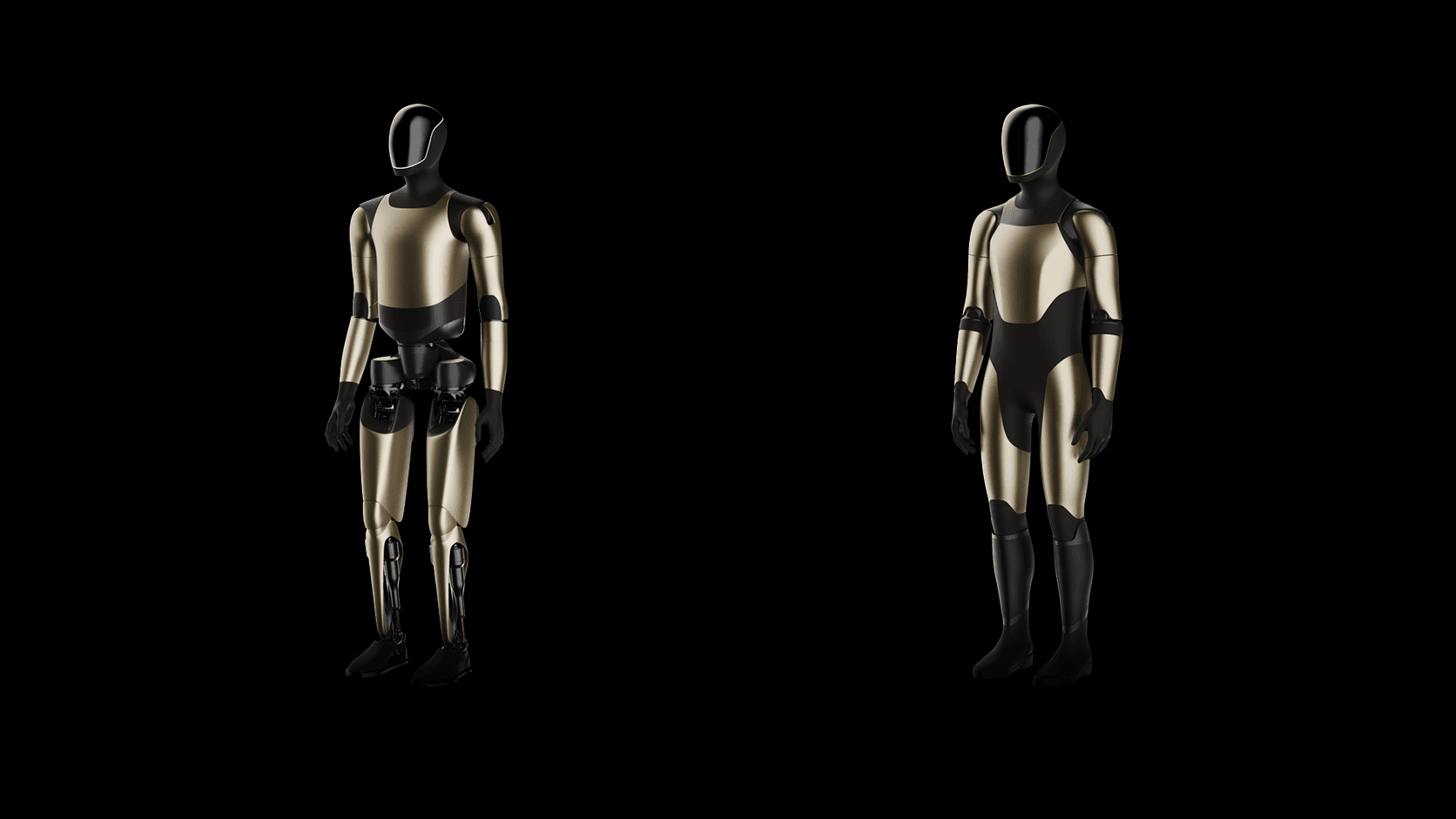
As the firm moves toward this commercial endgame, it continues to balance its pragmatic, "clothed" industrial aesthetic with the high-gloss expansion of its newly opened Riyadh showroom. Whether the "Capability Factory" can maintain its 24-hour iteration speed at a global scale remains the critical question for the year ahead.
Share this article
Read next
- Published on
- Reading time
- 25 min read
The Humanoids of Europe: Built by Their Customers
- Published on
- Reading time
- 5 min read
Europe’s First Pure-Play Humanoid Unicorn: Humanoid Raises $152M at $1.35B Valuation
- Published on
- Reading time
- 4 min read
From Prototype to Production: Humanoid Taps Bosch for European Manufacturing Push
- Published on
- Reading time
- 4 min read
Scale at Speed: Humanoid and Schaeffler Move to Massive Multi-Thousand Unit Rollout
- Published on
- Reading time
- 4 min read
Siemens and Humanoid Formalize Partnership Following Successful "Physical AI" Trials in Erlangen
- Published on
- Reading time
- 3 min read
From ERP to the Edge: Humanoid and SAP Bridge the Gap in Martur Fompak Logistics Trial

The weekly humanoid robotics briefing
One email a week: the launches, funding and research that mattered, with context from Humanoids Daily.
Read recent issues