- Published on
Boston Dynamics Deep Dives into the ''Robot Brain'': Why Generalist Droids Are the Only Fix for Manufacturing
One tap, and our reporting appears more often in your Google Top Stories. It makes a real difference to a small newsroom.

Supported by RoboStrategySupport for Humanoids Daily comes from RoboStrategy
Sponsored
Investing involves risk, including possible loss of principal. Read the prospectus before investing.
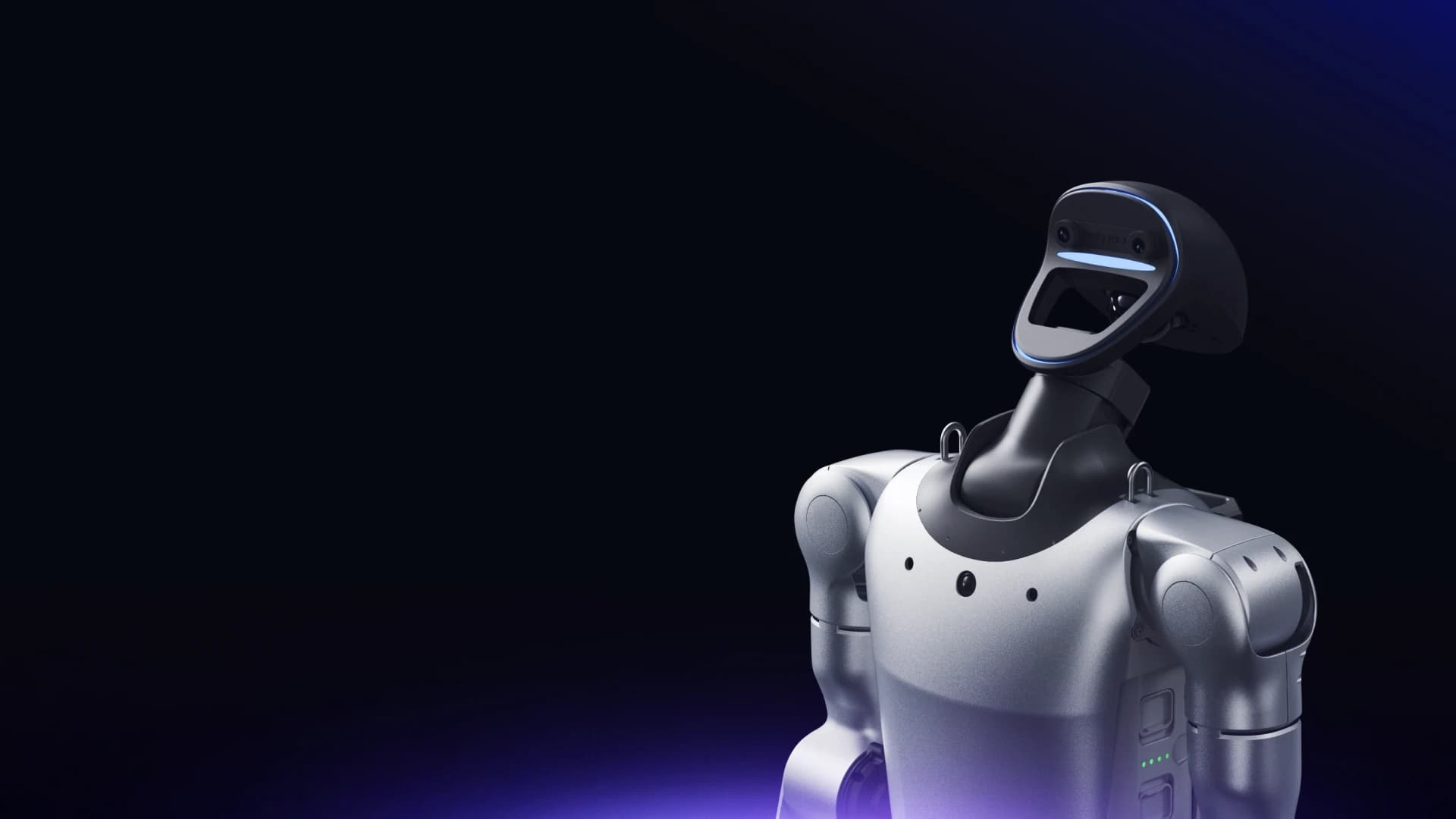
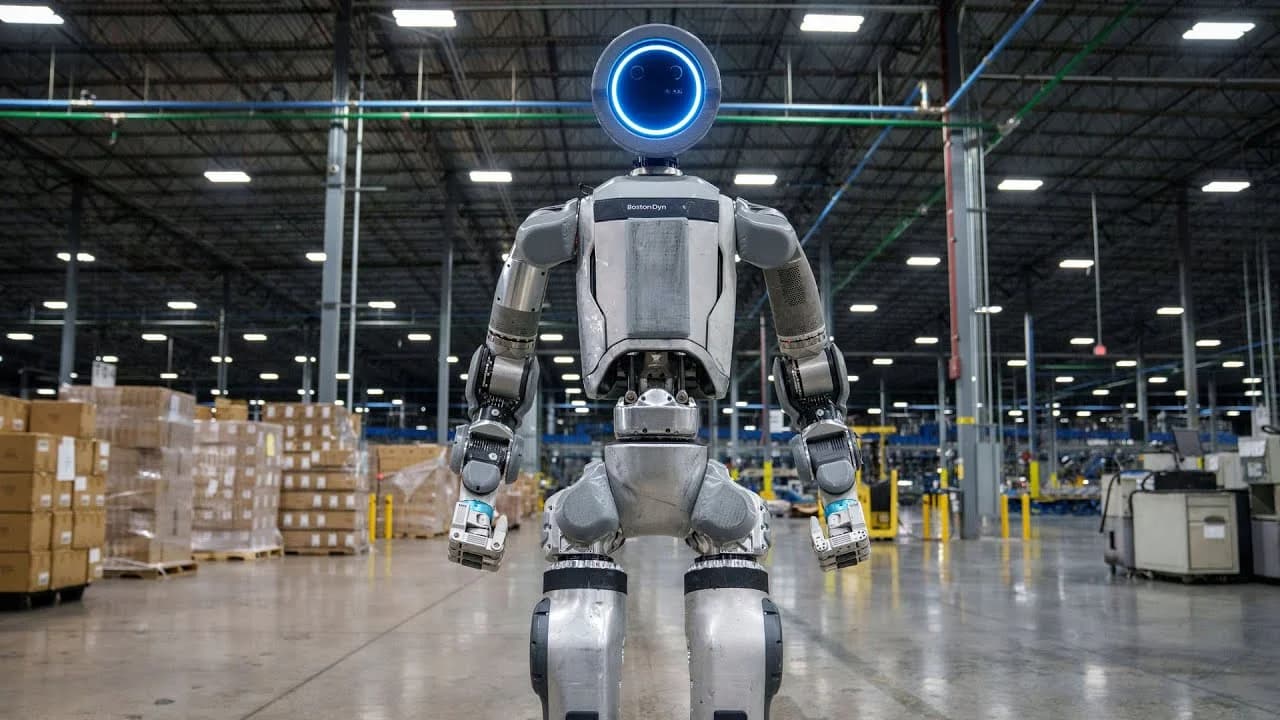
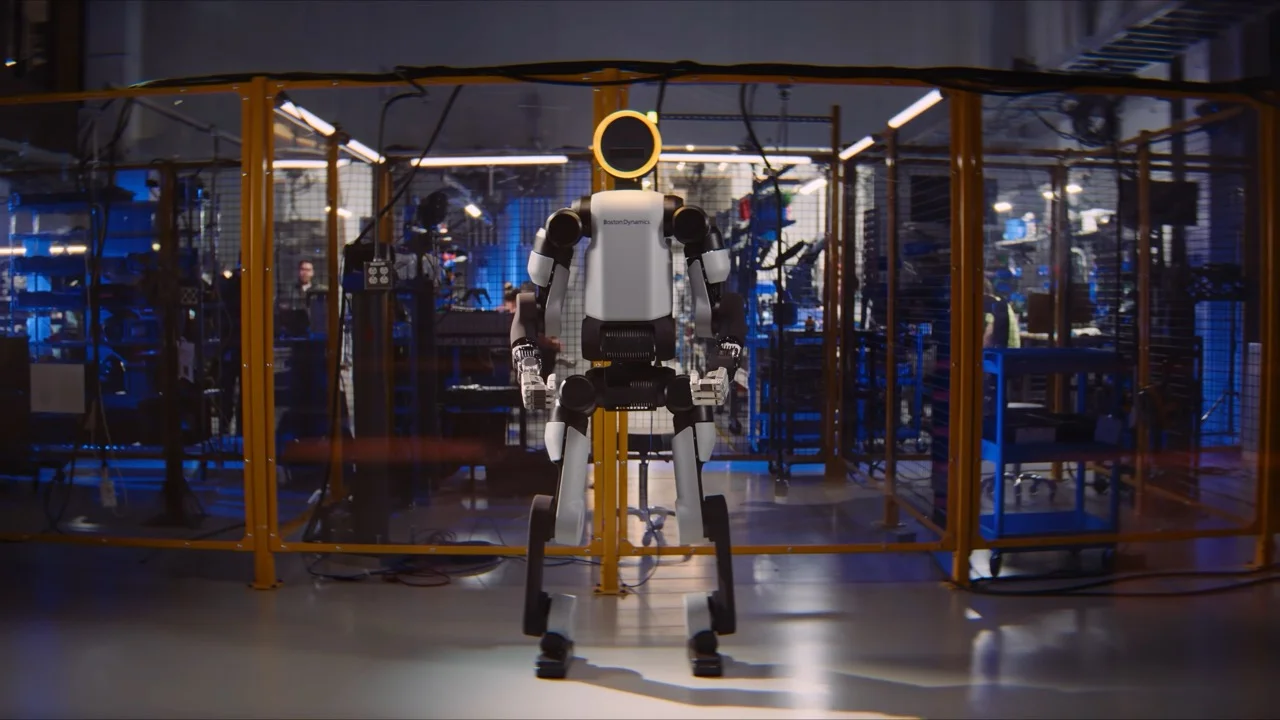
Boston Dynamics has spent the last year teasing the hardware capabilities of its all-electric Atlas, but on Wednesday, the company pulled back the curtain on the software architecture intended to drive it.
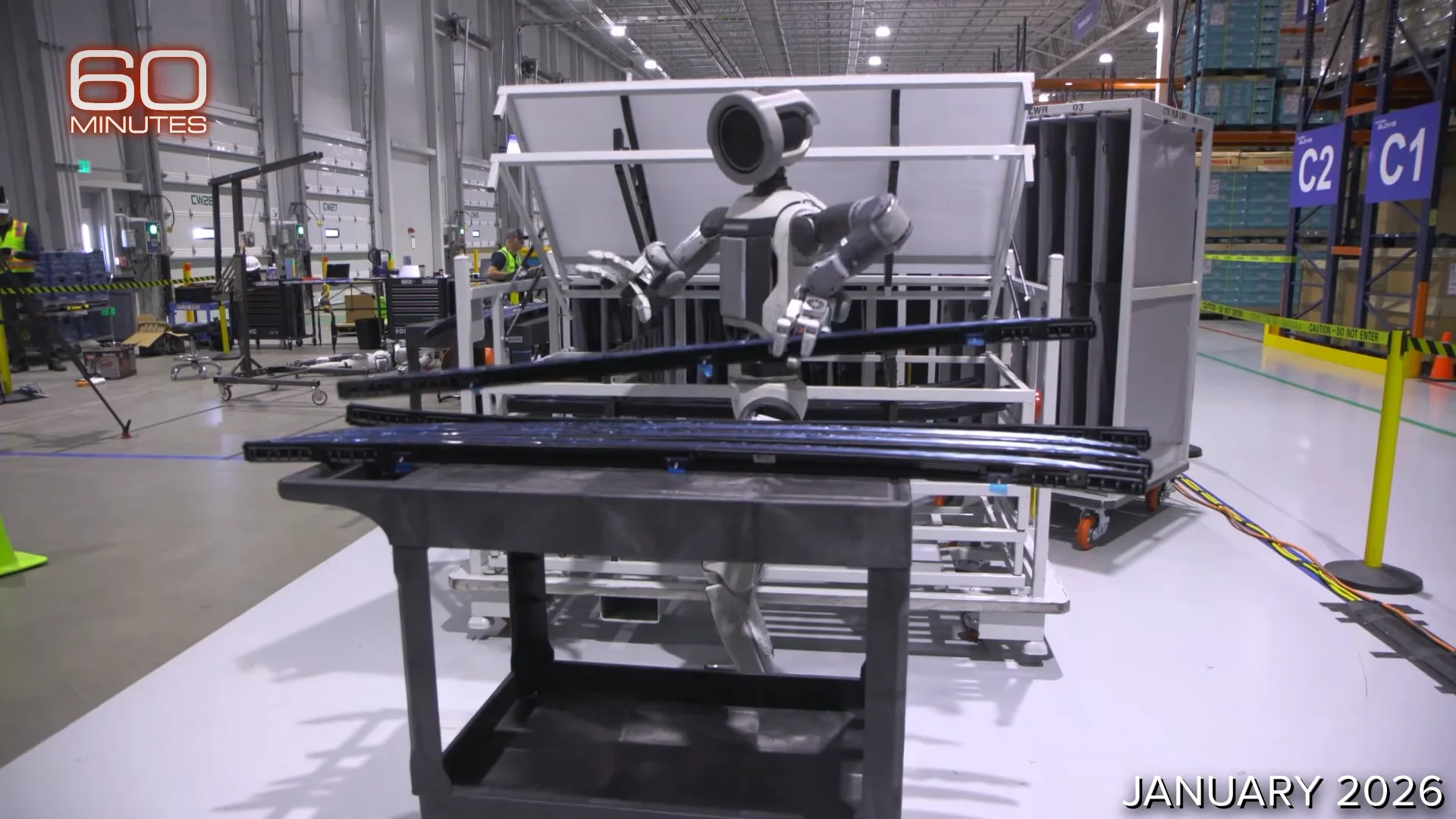
In a candid 40-minute technical discussion, Zack Jackowski, VP of Atlas, and Alberto Rodriguez, Director of Robot Behavior, laid out the company's specific roadmap for solving "The Humanoid Mission in Manufacturing." The conversation marks a significant shift in messaging for the Waltham-based firm, moving away from viral parkour videos toward a sober explanation of how they plan to build a "generalist brain" capable of surviving the chaos of a car factory.
The Economic Case Against "Hard Automation"
For years, the robotics industry has grappled with a central question: Why use a complex, expensive bipedal robot when a stationary arm or wheeled cart could do the job?
According to Jackowski, the answer lies in the economic trap of "hard automation." In a modern automotive plant, tasks are highly variable. A single line might produce five different car models with thousands of part variations.
The weekly humanoid robotics briefing
One email a week: the launches, funding and research that mattered, with context from Humanoids Daily.
Read recent issues"If you want to bolt a wheel onto a car, you would commission a machine... and a bunch of automation engineers are going to design that machine for you," Jackowski explained. Rodriguez estimated that integrating a specialized machine for a single task typically takes about a year and costs north of $1 million.
With tens of thousands of distinct tasks in a factory, automating them individually is mathematically impossible. "You'd be well into the next century," Jackowski noted.
This necessitates a "generalist" machine—one that can be reprogrammed in days rather than engineered in years. This aligns with the company's previous confirmation of an "automotive volumes" mandate, aiming to deploy fleets of robots rather than bespoke pilots.
Building the Brain: A Three-Pillared Approach
To build a robot capable of this generality, Boston Dynamics is moving away from explicit programming—where engineers write code for every movement—toward "post-training," where the robot learns from demonstration and correction.
Rodriguez, a former MIT faculty member who has previously described the industry as being in a hardware validation "Phase One," detailed three specific "swim lanes" for data collection that feed the Atlas brain:
- Teleoperation (The Ground Truth): Human pilots control the robot via VR to generate high-quality data. While Rodriguez noted this data is "zero gap" (it corresponds exactly to the robot's body), it is hard to scale and often includes human inefficiencies.
- Reinforcement Learning (RL) in Simulation: This allows the robot to run millions of trials virtually. Rodriguez described this as superior for dynamic movements, noting that "it's very unrealistic to expect we're going to get one of our demonstrators to get Atlas to do a cartwheel." This method is also being used for high-precision tasks, such as the haptic insertion of steering wheels.
- Human Observation: The longest-term bet involves training robots by watching video of humans—potentially even YouTube videos—to learn "common sense" physics and object interaction.
Read more about how AI can learn from watching human videos here.
The "System 1 vs. System 2" Architecture
Crucially, Boston Dynamics is not pursuing a pure "pixels-to-torques" end-to-end model, a holy grail for some AI purists where a single neural network takes camera input and directly fires motors.
Instead, Rodriguez described a "System 1 / System 2" separation, drawing an analogy to the human nervous system:
- The "Brain" (System 2): Takes in visual data and issues abstract commands (e.g., "move hand here," "step there").
- The "Cerebellum" (System 1): A high-frequency whole-body controller that translates those commands into motor torques, ensuring the robot keeps its balance and respects physical limits.
"It needs to know that you shouldn't move your hand too fast over in this direction without counterbalancing," Rodriguez explained, arguing that forcing a high-level AI to learn gravity from scratch every time is inefficient.
The "System 1 / System 2" approach is similar to that of Figure's Helix, among others.
The Hyundai Advantage
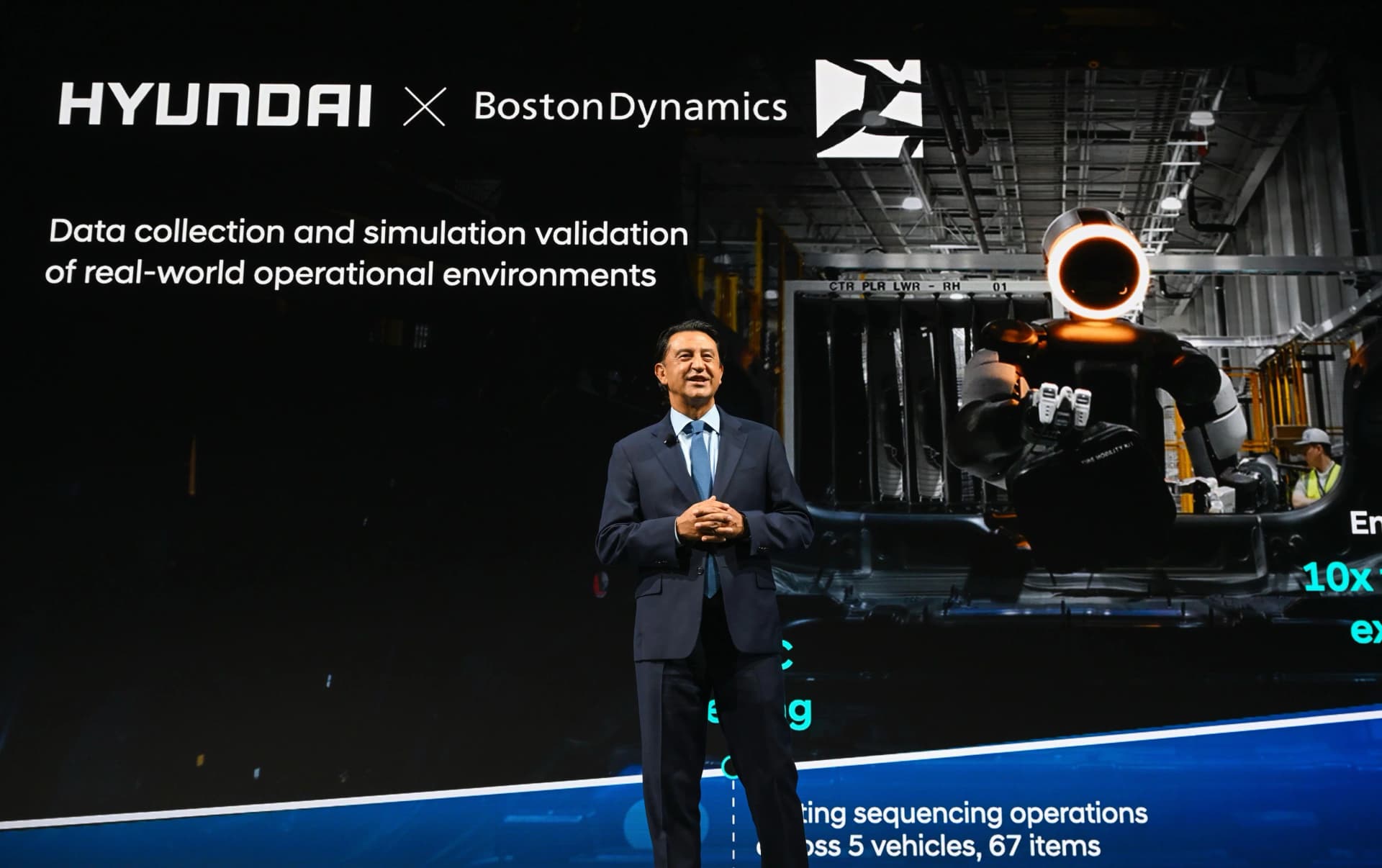
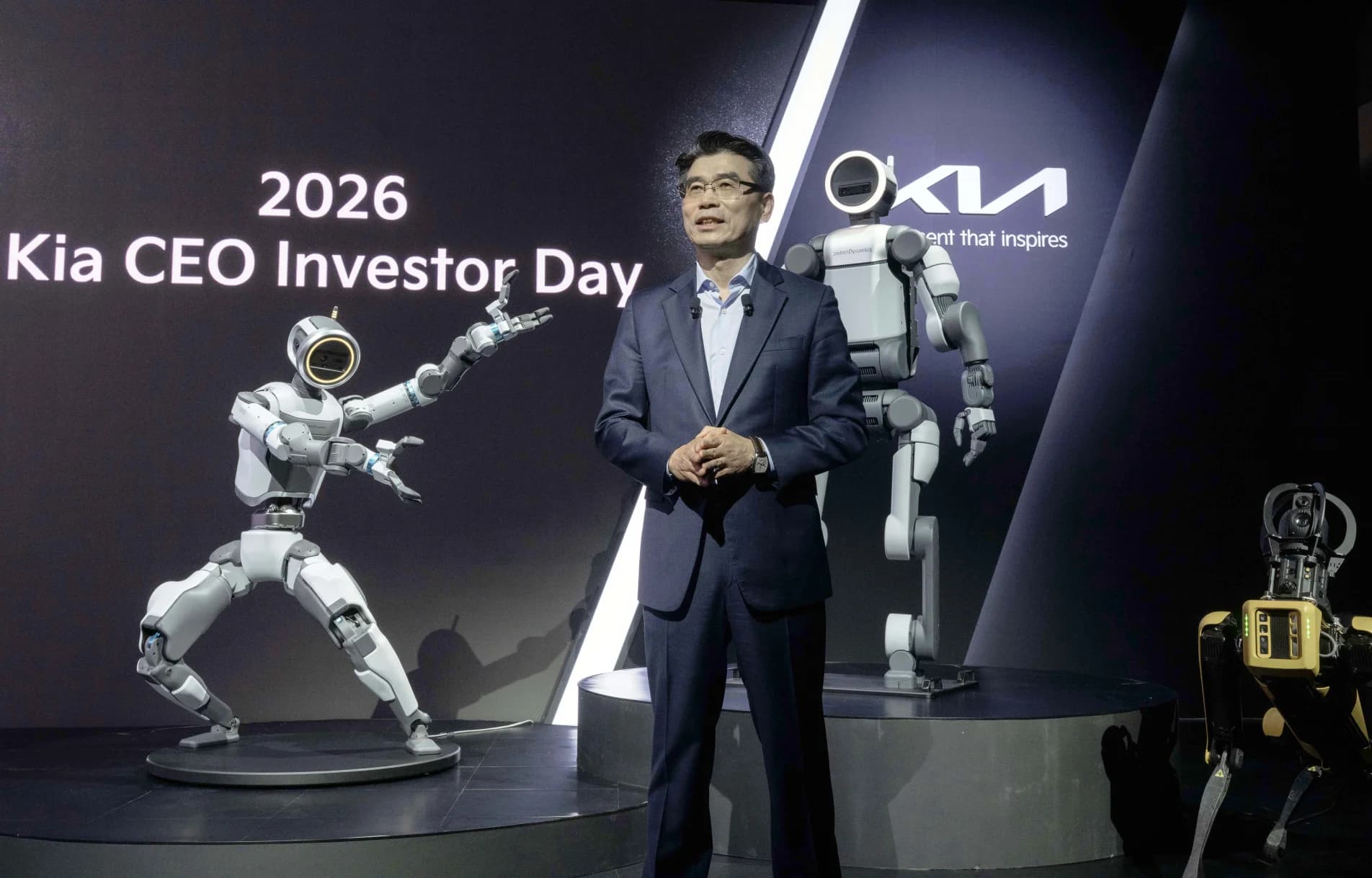
The discussion also highlighted the strategic weight of Hyundai Motor Group (HMG). Jackowski noted that the partnership allows them to do more than just drop robots into existing lines; they are "redesigning car plants" to accommodate the robots.
This creates a feedback loop where HMG provides the massive infrastructure investments and real-world testbeds, while Boston Dynamics focuses on the "manipulation complete" challenge of automotive assembly.
The video concluded with a direct recruiting pitch for machine learning engineers, signaling that while the hardware design of the electric Atlas may be settling, the war for the software talent to drive it is just beginning.
Share this article
Read next
- Published on
- Reading time
- 7 min read
Hyundai Says Atlas Will Not Replace Workers — One Day After Settling a Strike Over Exactly That
- Published on
- Reading time
- 4 min read
Hyundai to Take Full Ownership of Boston Dynamics in $325 Million SoftBank Buyout
- Published on
- Reading time
- 4 min read
The Production Pivot: Leadership Exodus and Internal Pressure at Boston Dynamics
- Published on
- Reading time
- 4 min read
The Blueprint for a Bipedal Workforce: Kia Details Atlas Deployment Roadmap
- Published on
- Reading time
- 5 min read
Form as Function: Boston Dynamics Details the Industrial Design Logic Behind the Production Atlas
- Published on
- Reading time
- 5 min read
From Viral Clips to the Factory Floor: 60 Minutes Goes Inside Boston Dynamics’ Industrial Shift
The weekly humanoid robotics briefing
One email a week: the launches, funding and research that mattered, with context from Humanoids Daily.
Read recent issues