- Published on
- Reading time
- 2 min read
Boston Dynamics Names Former Amazon AI Leader Rohit Prasad as CEO
Prasad takes over on October 7, bringing experience leading Alexa and Amazon Nova as Boston Dynamics advances its AI and commercialization plans.
44 articles · Last covered
Prasad takes over on October 7, bringing experience leading Alexa and Amazon Nova as Boston Dynamics advances its AI and commercialization plans.
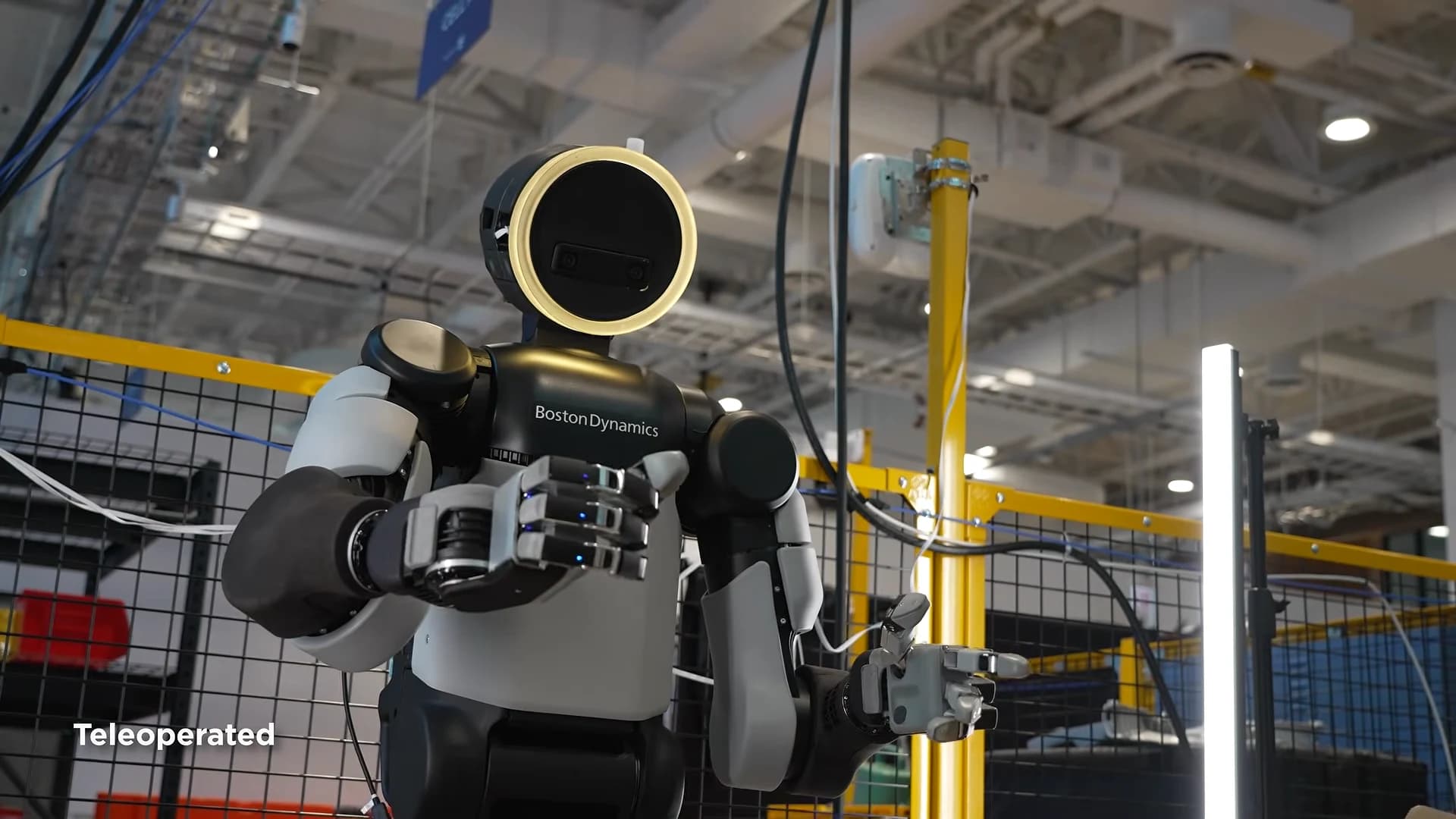
Atlas’s new hands increase dexterity from seven to 13 degrees of freedom, combining tactile sensing and direct actuation with a design built for simulation-based learning.
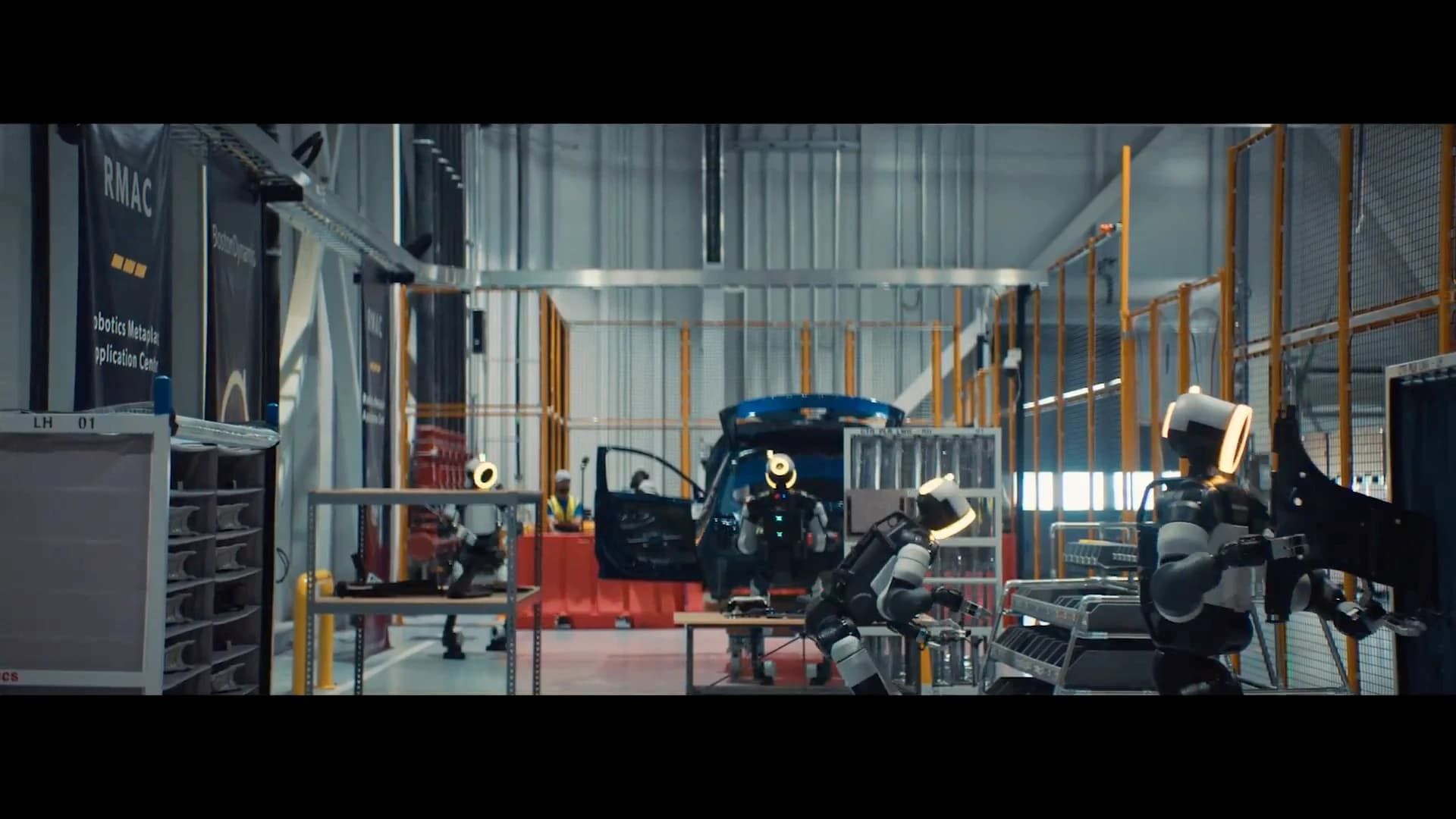
A new short film argues that experience with Spot and Stretch, plus Hyundai’s factories and supply chain, gives Boston Dynamics an edge in commercializing Atlas.
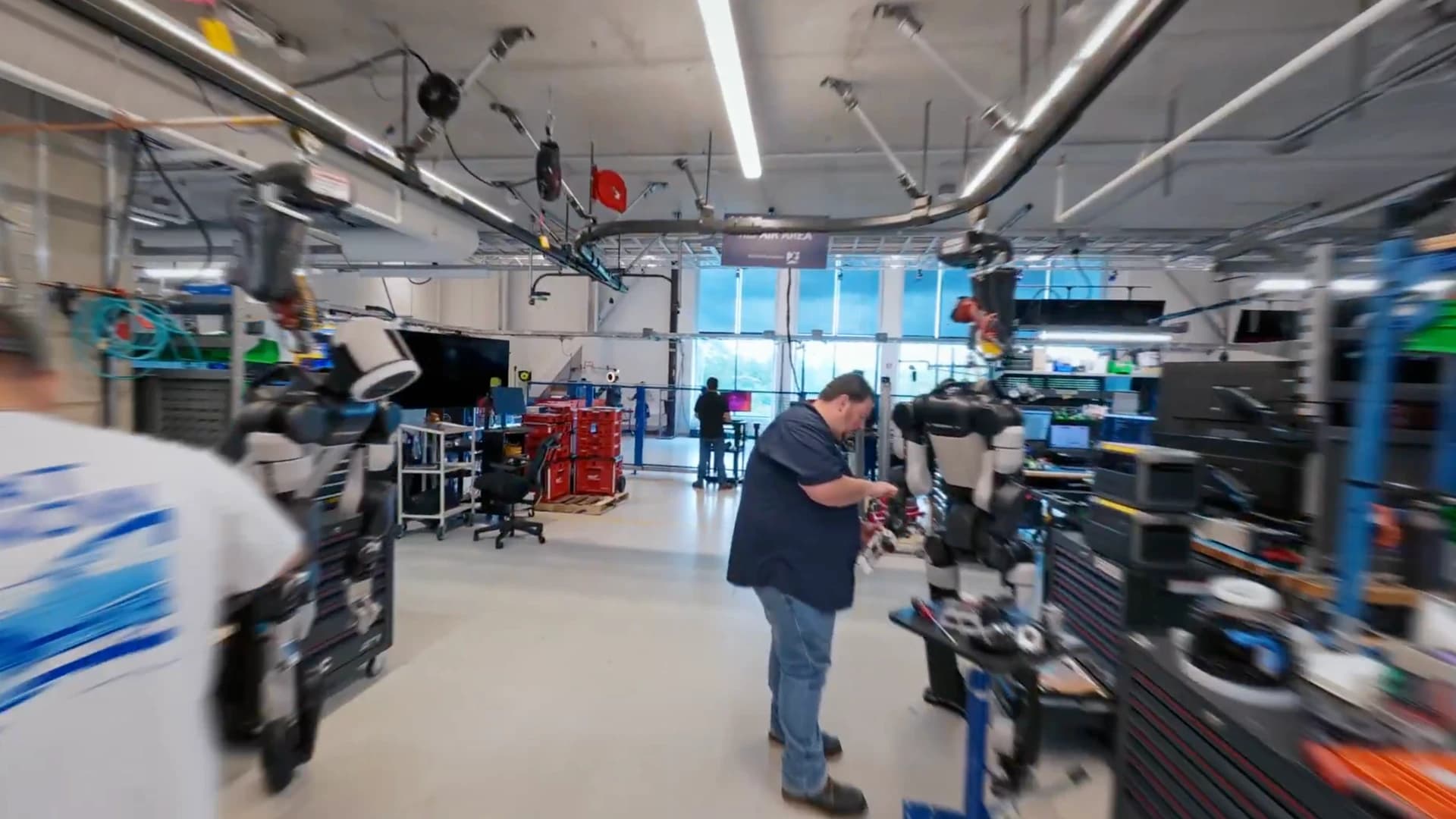
A new fly-through shows the workshops and assembly spaces behind Atlas, as Boston Dynamics promotes ProtoOps hiring and lists roles across manufacturing, testing and data operations.
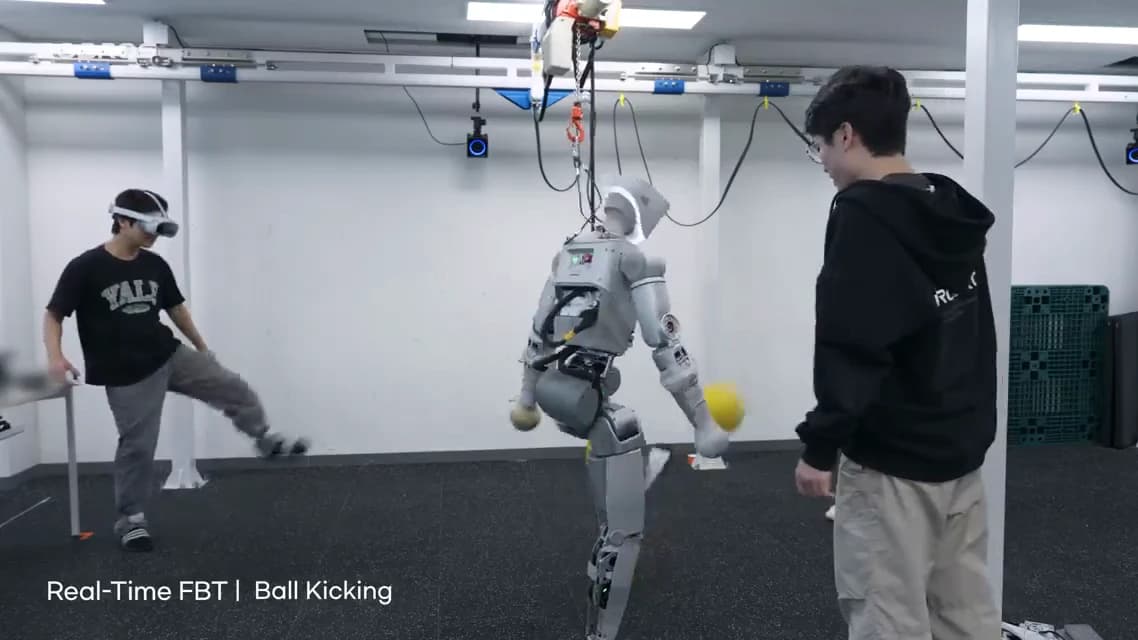
The project pairs T-Robotics with KAIST and a major display manufacturer for development and production-line trials through 2030, adding an industrial application to South Korea’s humanoid push.
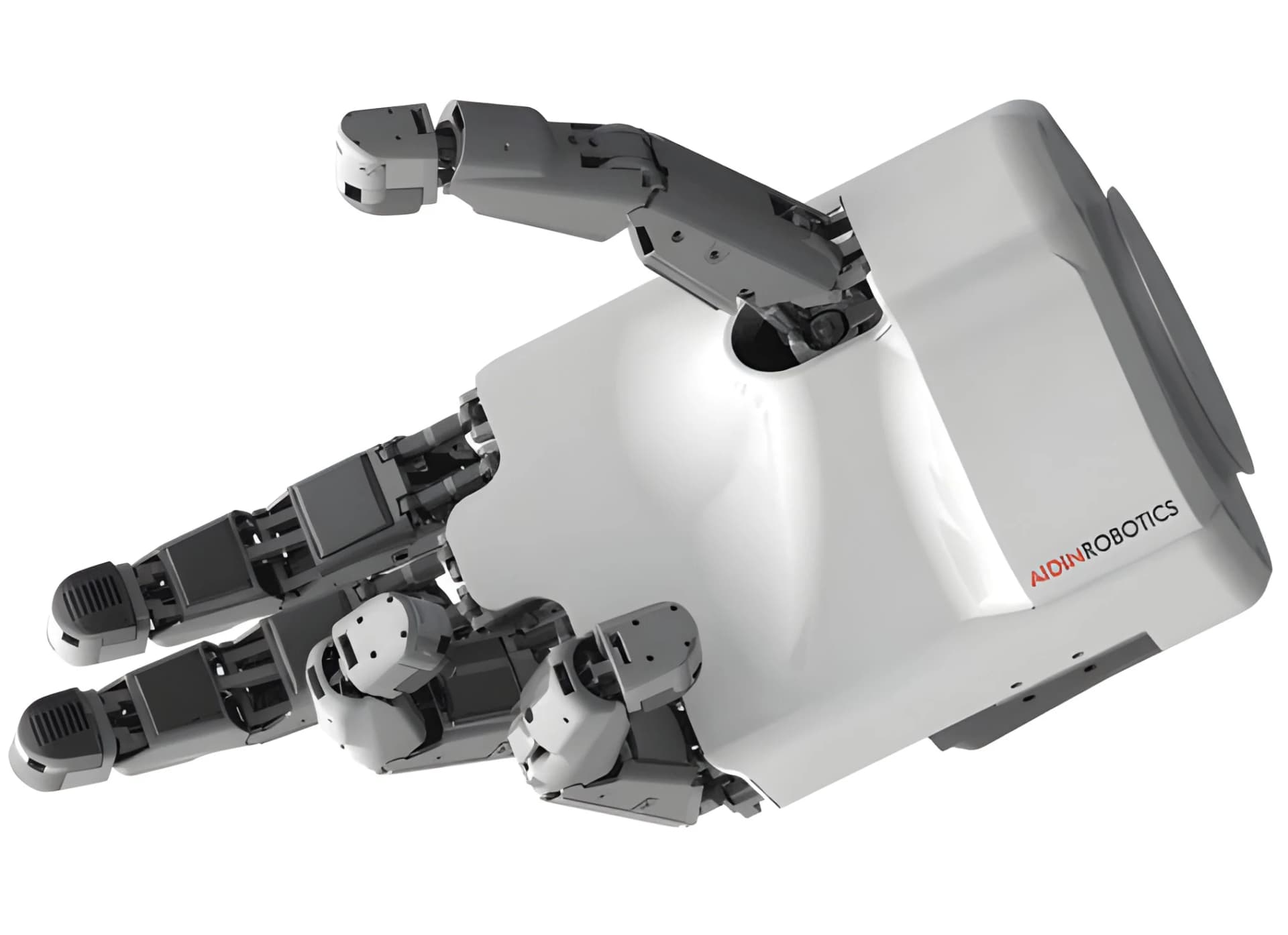
HD Hyundai Robotics plans to bring humanoid perception and manipulation technology to existing factory robots, alongside hand development with AIDIN and its Persona AI welding partnership.
A planned 2027 program would combine robot AI research, a physical-data library and early postal and logistics trials. Its budget is still being finalized.
Robros extends human control across IGRIS-C’s body as the Seoul startup reports early industrial sales and South Korea builds its humanoid ecosystem.
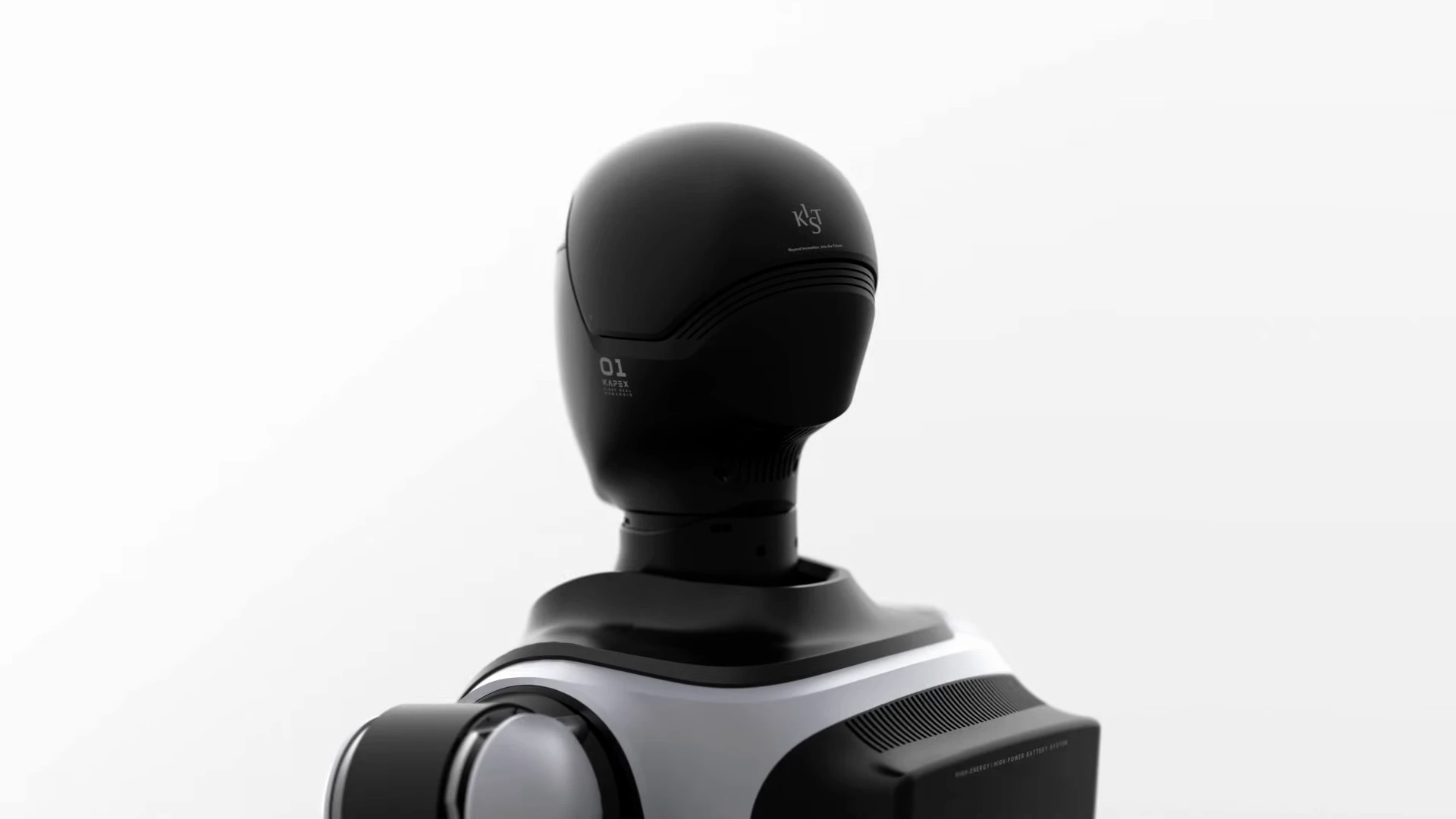
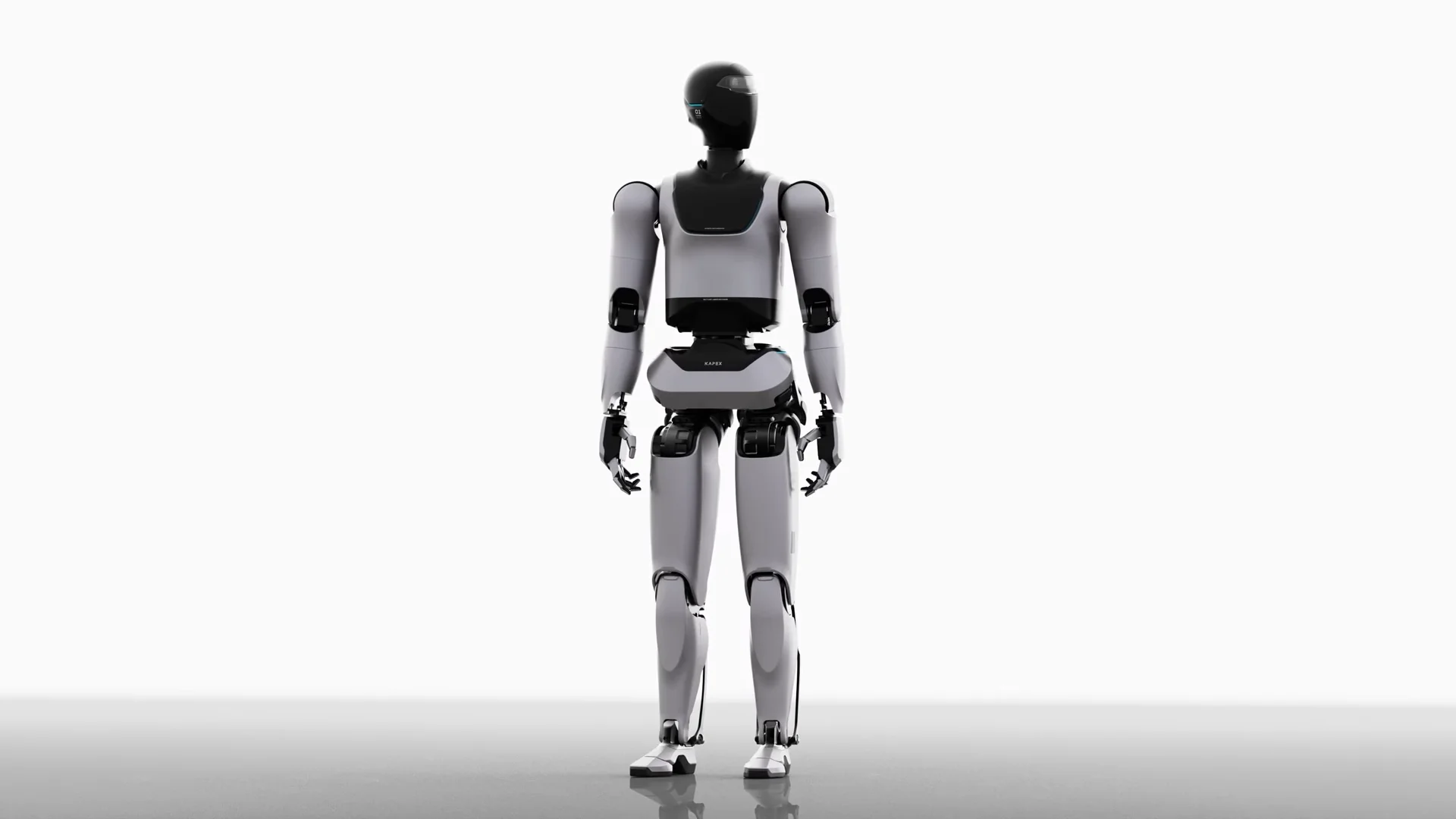
KIST’s president sees a path to a three-way humanoid race. Korea’s KAPEX and research strategy support that ambition, while Europe is pursuing its own industrial route.
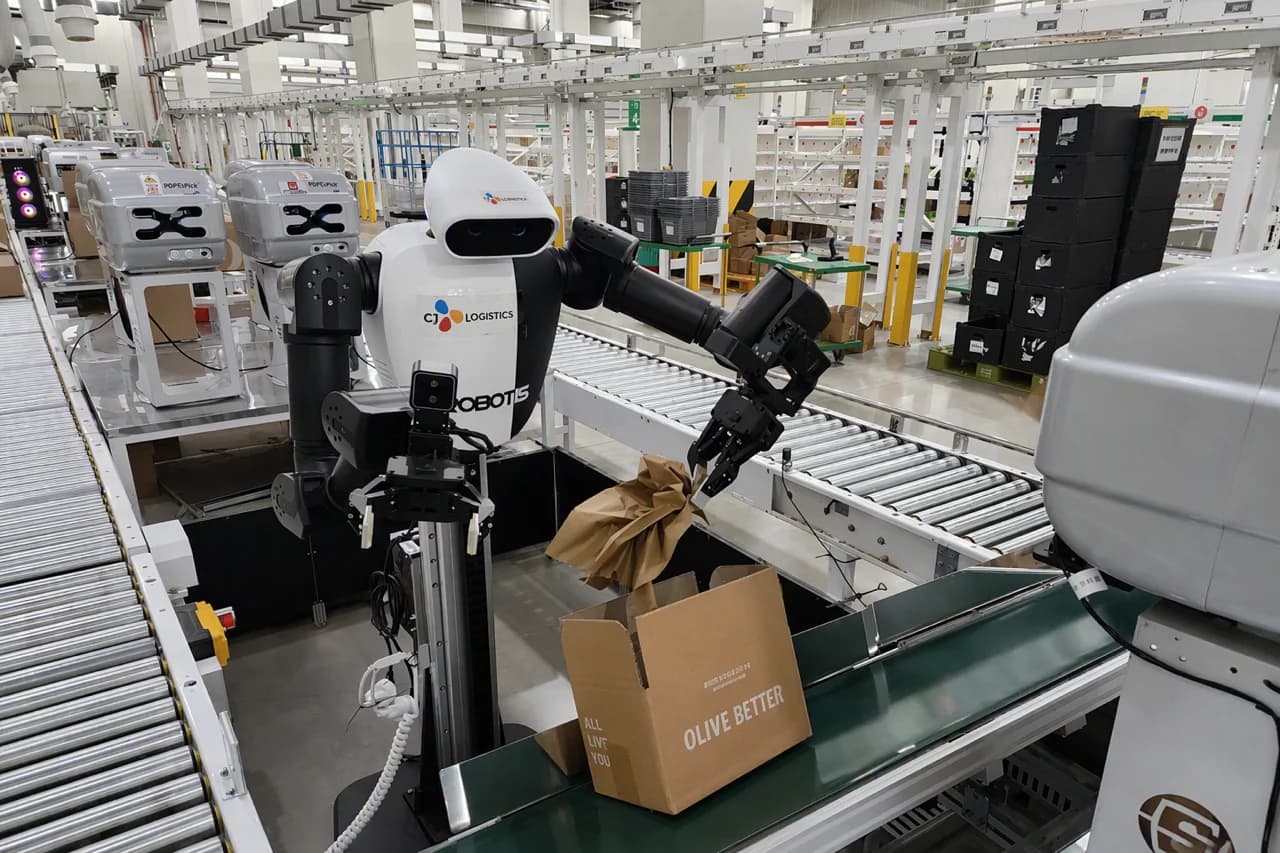
Moving beyond experimental pilots, South Korean logistics giant CJ Logistics has integrated two ROBOTIS semi-humanoids into an active e-commerce packing workflow to feed its Physical AI foundation models.
South Korea is allocating $1.66 billion directly to humanoid robotics and $2.0 billion for physical AI field verification, targeting an 80% domestic component localization rate and state procurement of over 1,000 bipedal units.
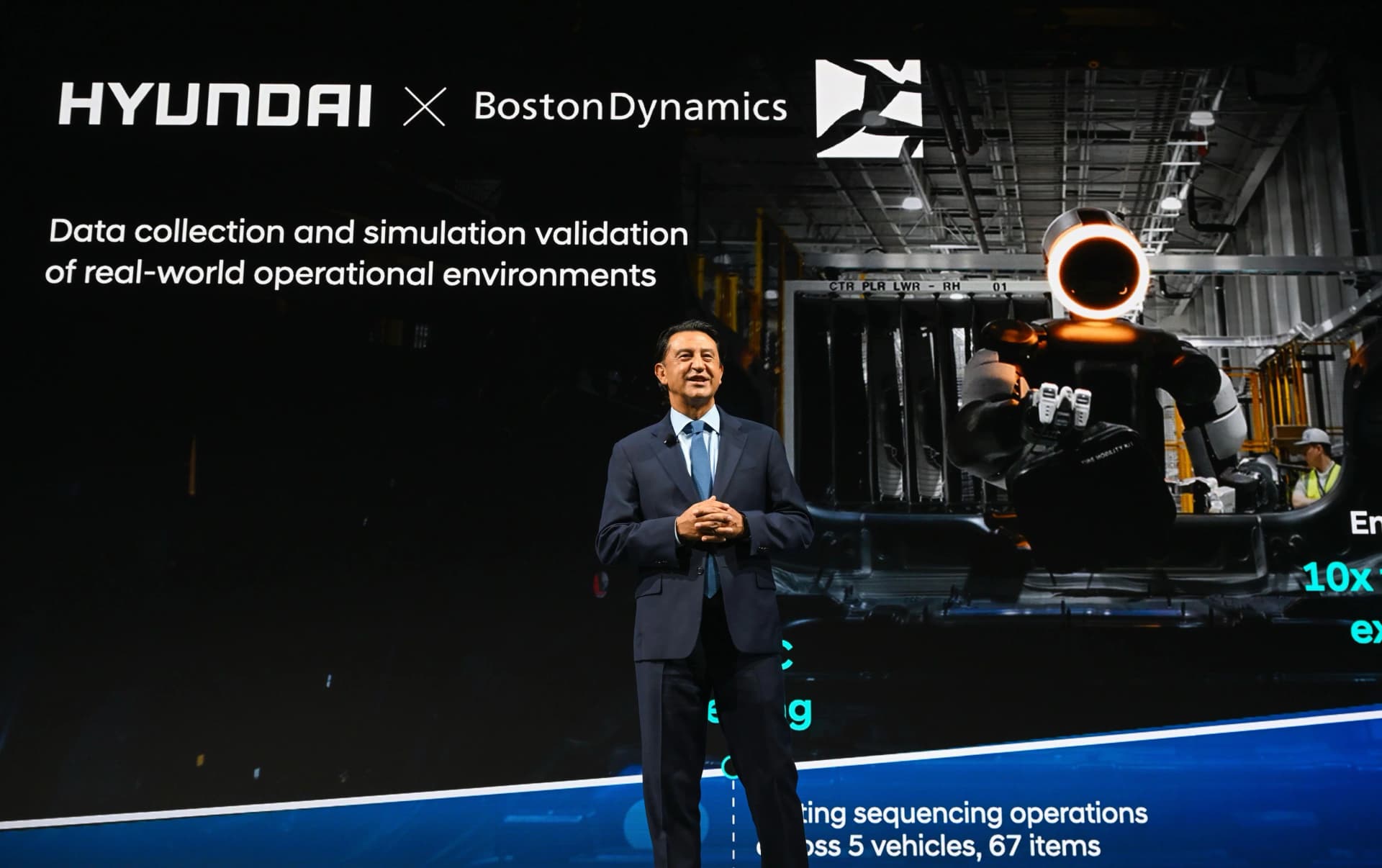
At its 2026 CEO Investor Day, Hyundai put hard numbers behind Atlas for the first time: 30,000 units of annual US capacity from 2028, 25,000 already spoken for. It also went out of its way to insist robots are "in service of humans" — a line delivered 24 hours after its Korean union settled a walkout that demanded protection from automation.