- Published on
Boston Dynamics Teases "Automotive Volumes" of Atlas in January Update
One tap, and our reporting appears more often in your Google Top Stories. It makes a real difference to a small newsroom.


Your guide
Rich Robinson
Jee Chee Ren · Executive tour
See China’s AI and robotics ecosystem first-hand.
Six days exploring AI, robotics and advanced manufacturing.
With Rich Robinson, Clinical Professor of Entrepreneurship at Peking University
Beijing · Guangzhou · Shenzhen
29 November–4 December 2026
Referral partnership · We earn a commission on referred bookings.
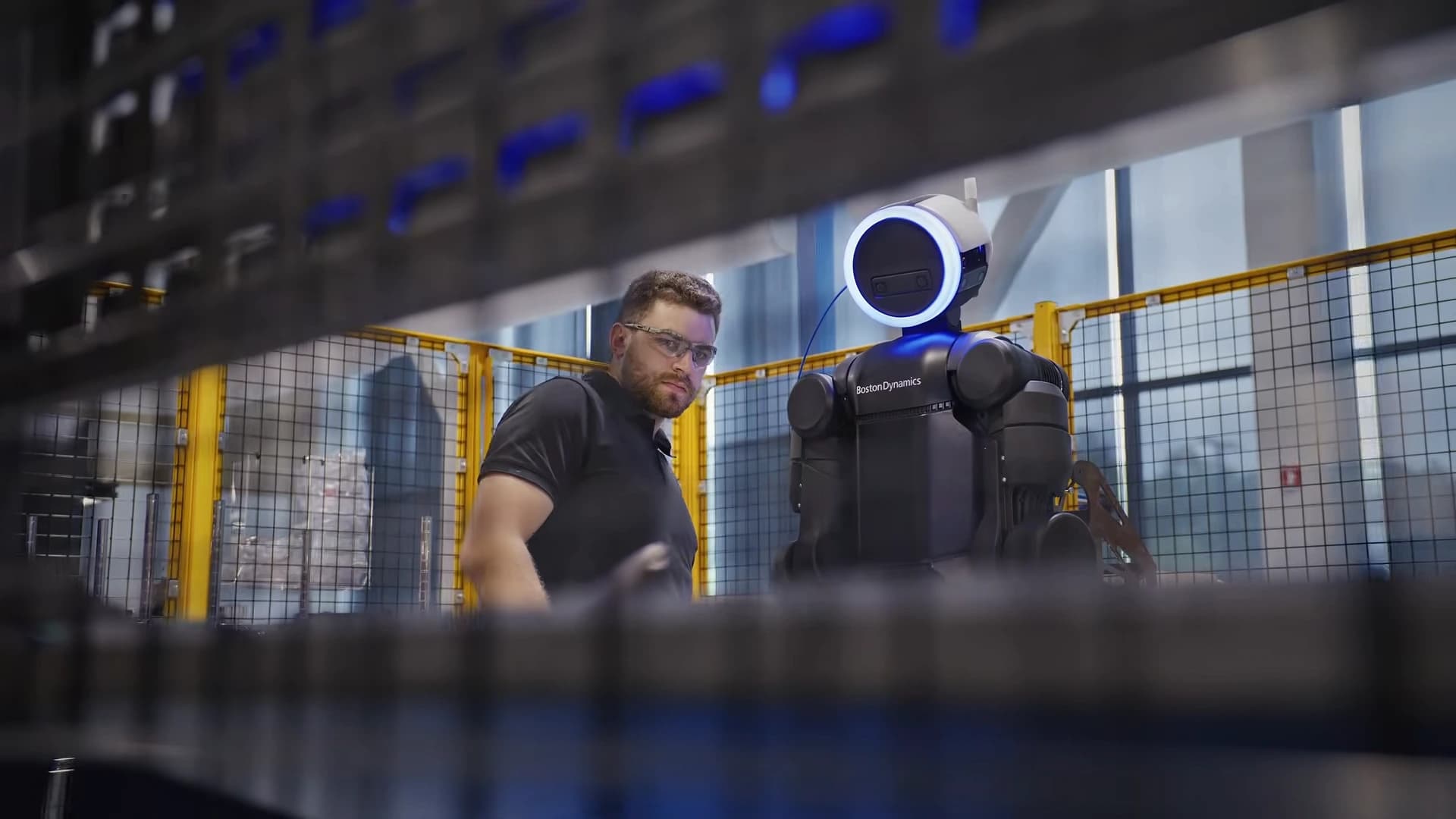
While the humanoid robotics news cycle has recently been dominated by sprinting records from Tesla and agile rebuttals from Figure AI, Boston Dynamics has remained relatively quiet. However, a series of recent social media interactions by Atlas Product Lead Mario Bollini suggests the Waltham-based firm is preparing to break its silence—not with another parkour video, but with a strategy for mass scale.
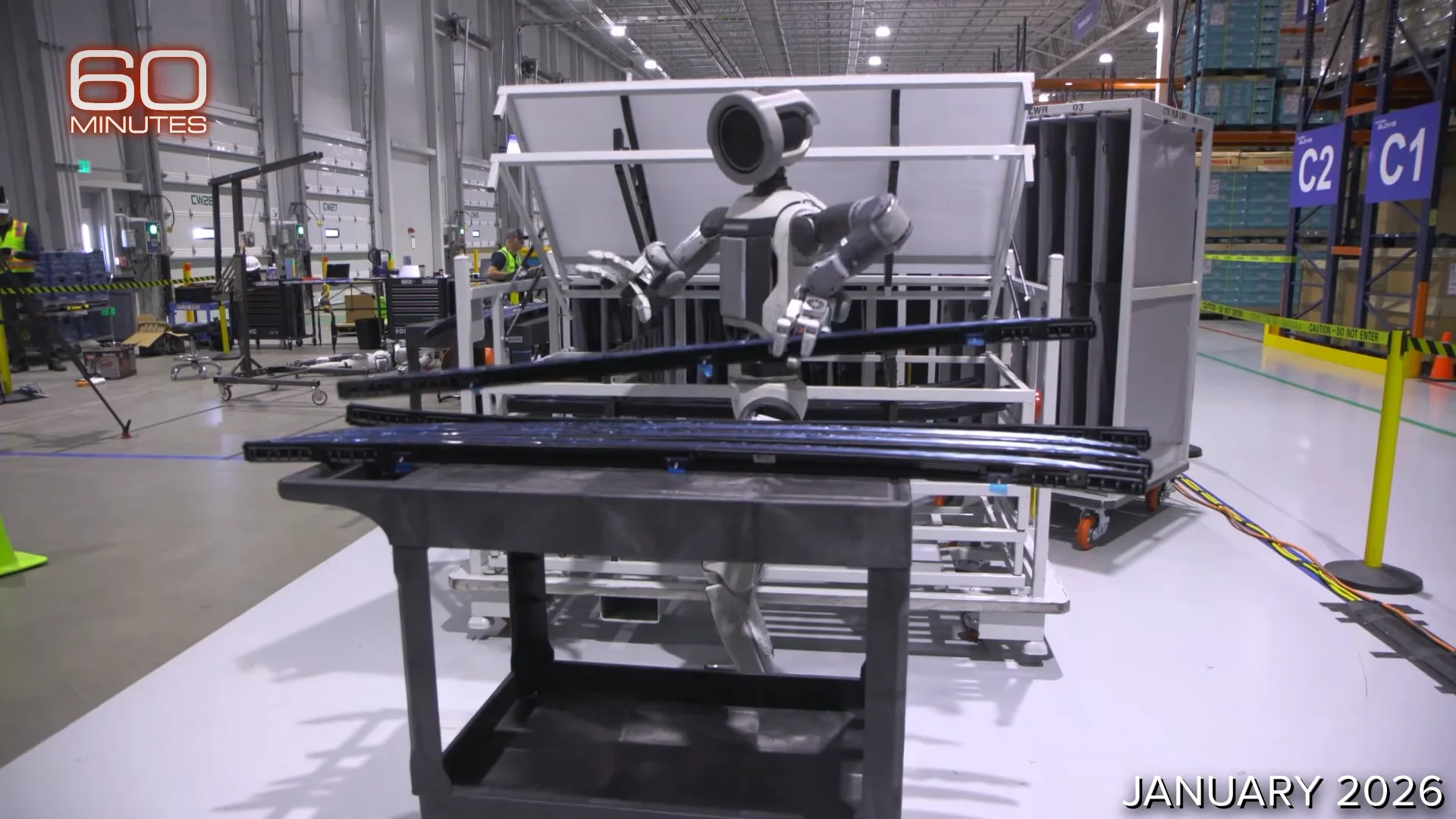
According to comments made by Bollini on X (formerly Twitter), Boston Dynamics is poised to announce significant updates in January regarding the production and deployment of its all-electric Atlas humanoid. The messaging signals a pivotal shift from R&D validation to what the company describes as "automotive volumes."
The "Automotive Volumes" Mandate
The catalyst for the discussion was a critique of Boston Dynamics' perceived pace compared to newer, venture-backed rivals. In response to a user questioning the company's standing against Tesla and Figure, Bollini offered a blunt assessment of his company's strategic advantage: its parent company, Hyundai Motor Group.
"We’re owned by Hyundai for a reason: ship automotive volumes of humanoids," Bollini wrote. "Stay tuned."
The weekly humanoid robotics briefing
One email a week: the launches, funding and research that mattered, with context from Humanoids Daily.
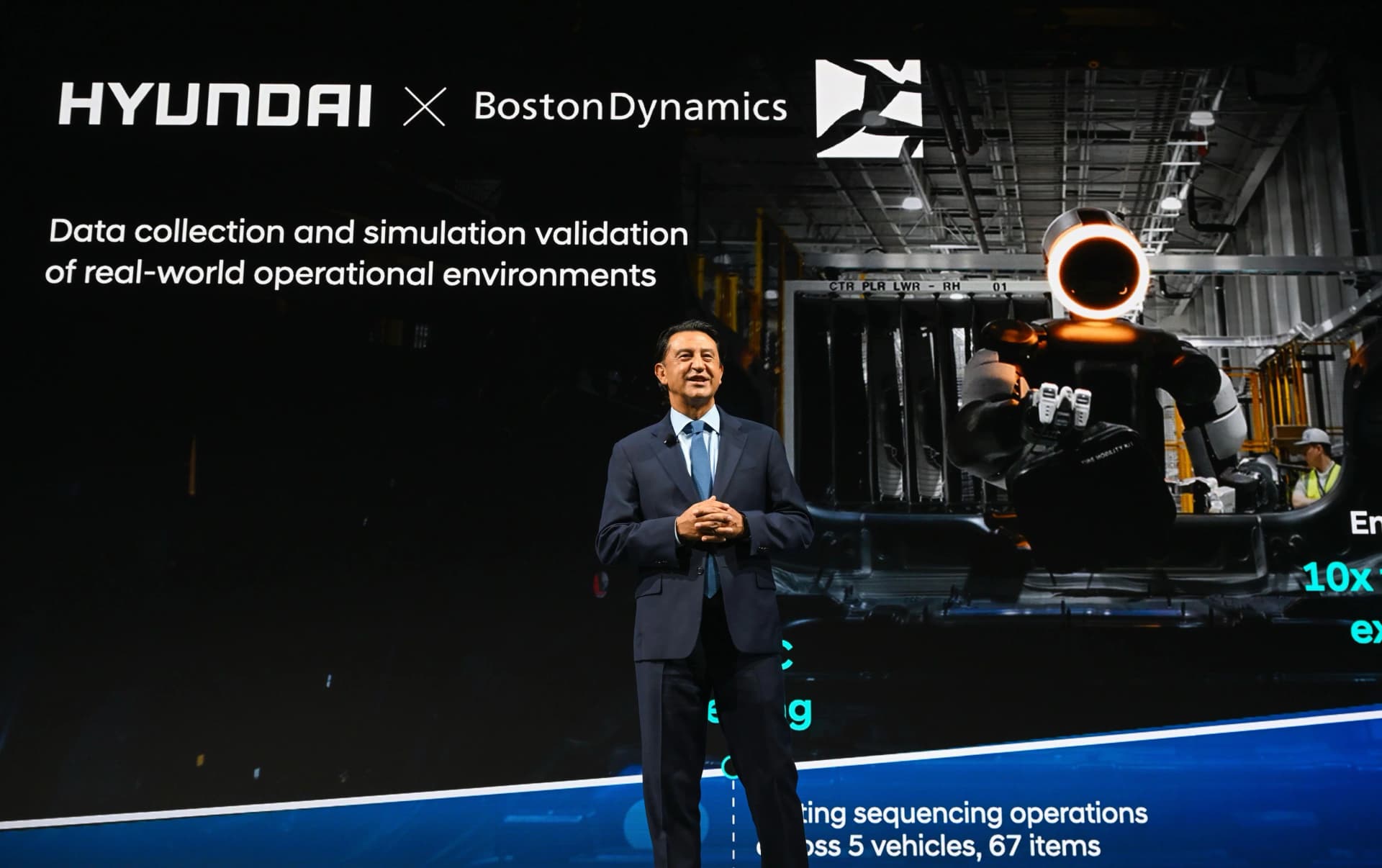
Read recent issuesThis reinforces a narrative that has been building since Hyundai deepened its ties with Boston Dynamics earlier this year. In April, reports confirmed that Hyundai plans to deploy "tens of thousands" of robots, including Atlas, across its manufacturing and logistics operations. Bollini reiterated this commitment, stating that Hyundai is not only deploying these units but also helping Boston Dynamics "make a lot more for everyone else."
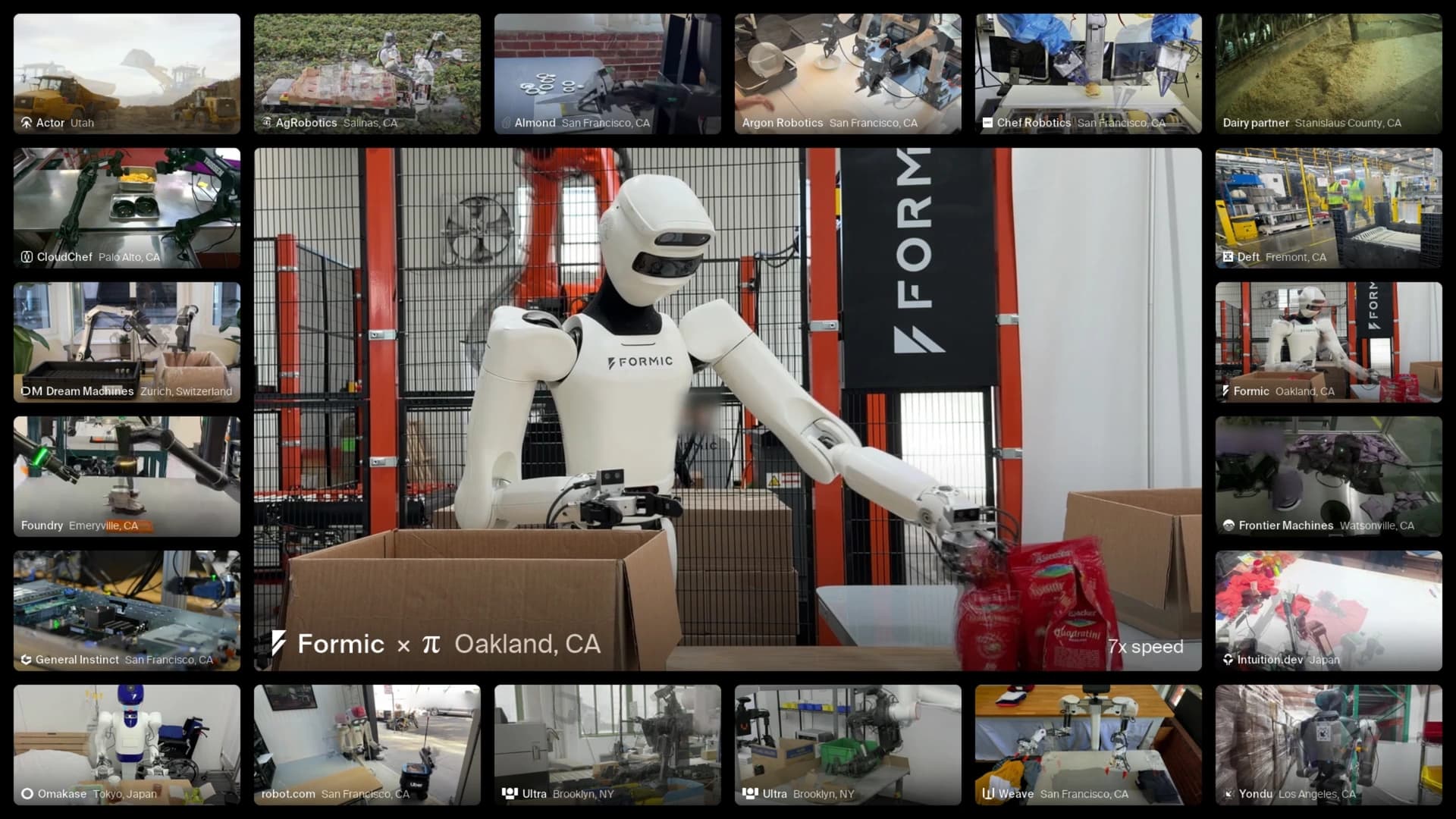
This manufacturing leverage is critical. While startups like Figure and Apptronik must build supply chains from scratch or rely on nascent partnerships, Boston Dynamics has access to the industrial infrastructure of the world's third-largest automaker.

Entering "Phase Two"
The upcoming announcement appears to mark an internal graduation for the Atlas program. Only last month, Boston Dynamics executives offered a sober reality check, with Atlas Product Lead Alberto Rodriguez stating that the entire industry was still in "Phase One"—the grind of ensuring hardware reliability.
Bollini’s recent comments suggest the company is finally ready to cross the threshold. Referencing Rodriguez's framework, Bollini noted he is "excited to be working with this amazing team to lay the product foundations for phase two."
In Boston Dynamics' view, Phase Two represents "iterating the product to find PMF [Product-Market Fit]," a step that can only happen once the hardware is robust enough to survive real-world pilots.
The Enterprise Motion
Despite the hype surrounding personal robots, Boston Dynamics is signaling a strictly B2B approach for now. When asked by YouTuber Harrison Kinsley (@Sentdex) if the January update would include a "buy button"—a reference to the direct sales model used for the Spot quadruped—Bollini tempered expectations.
"Not quite… that went sideways when we tried it with Spot," Bollini replied. "But the enterprise sales motion equivalent. Details in a few weeks."
The comment alludes to the challenges of supporting complex hardware for a broad, unvetted customer base. Instead, the "enterprise sales motion" likely points to a leasing or Robotics-as-a-Service (RaaS) model targeting large-scale fleet operators, similar to the strategy Agility Robotics is pursuing with GXO Logistics.
Bollini also pushed back on the lingering perception of Boston Dynamics as purely a "research company," noting that there are now "well over 2,000 Spots" delivered globally.
Quiet Confidence in the "Running" Wars
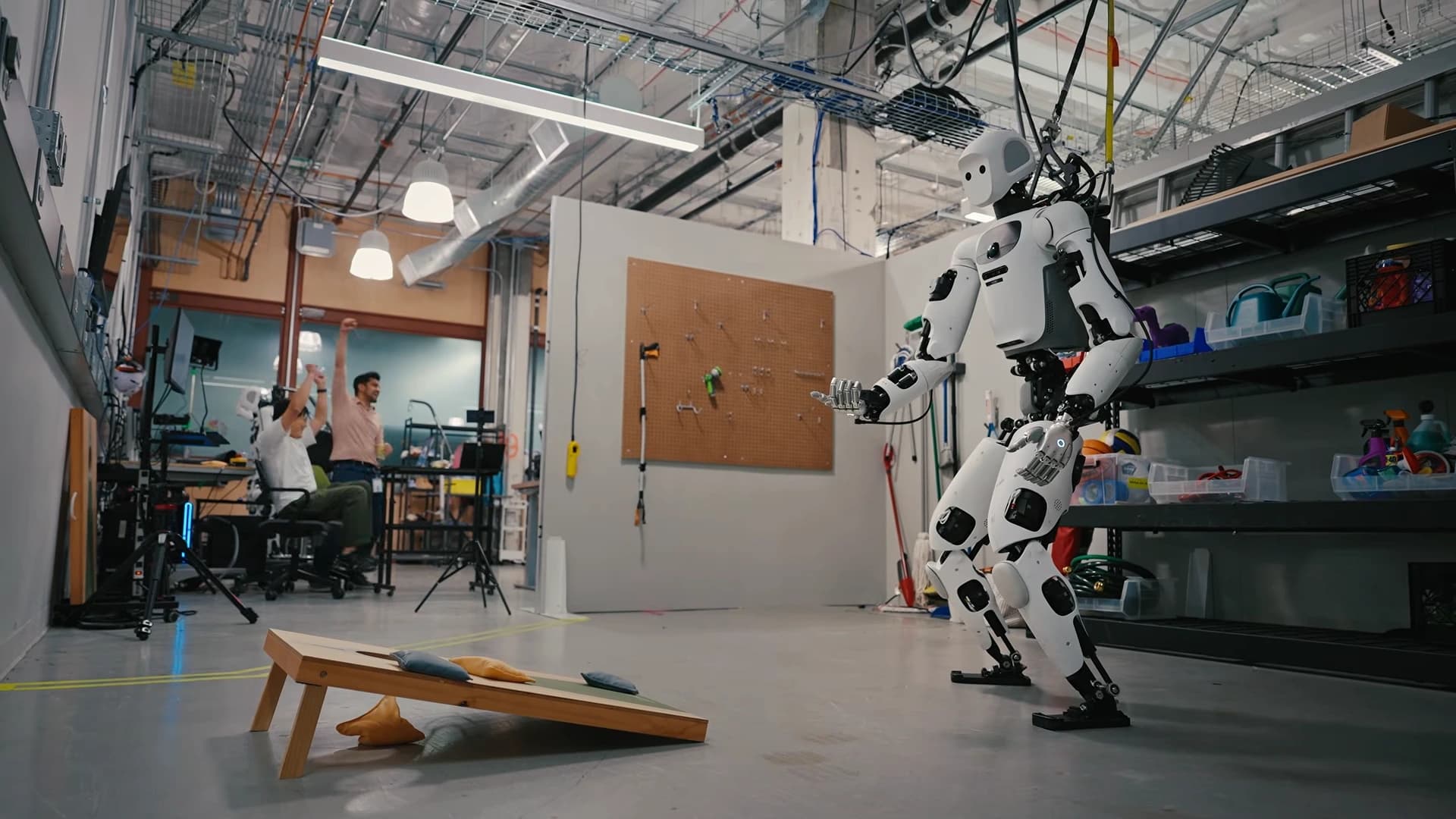
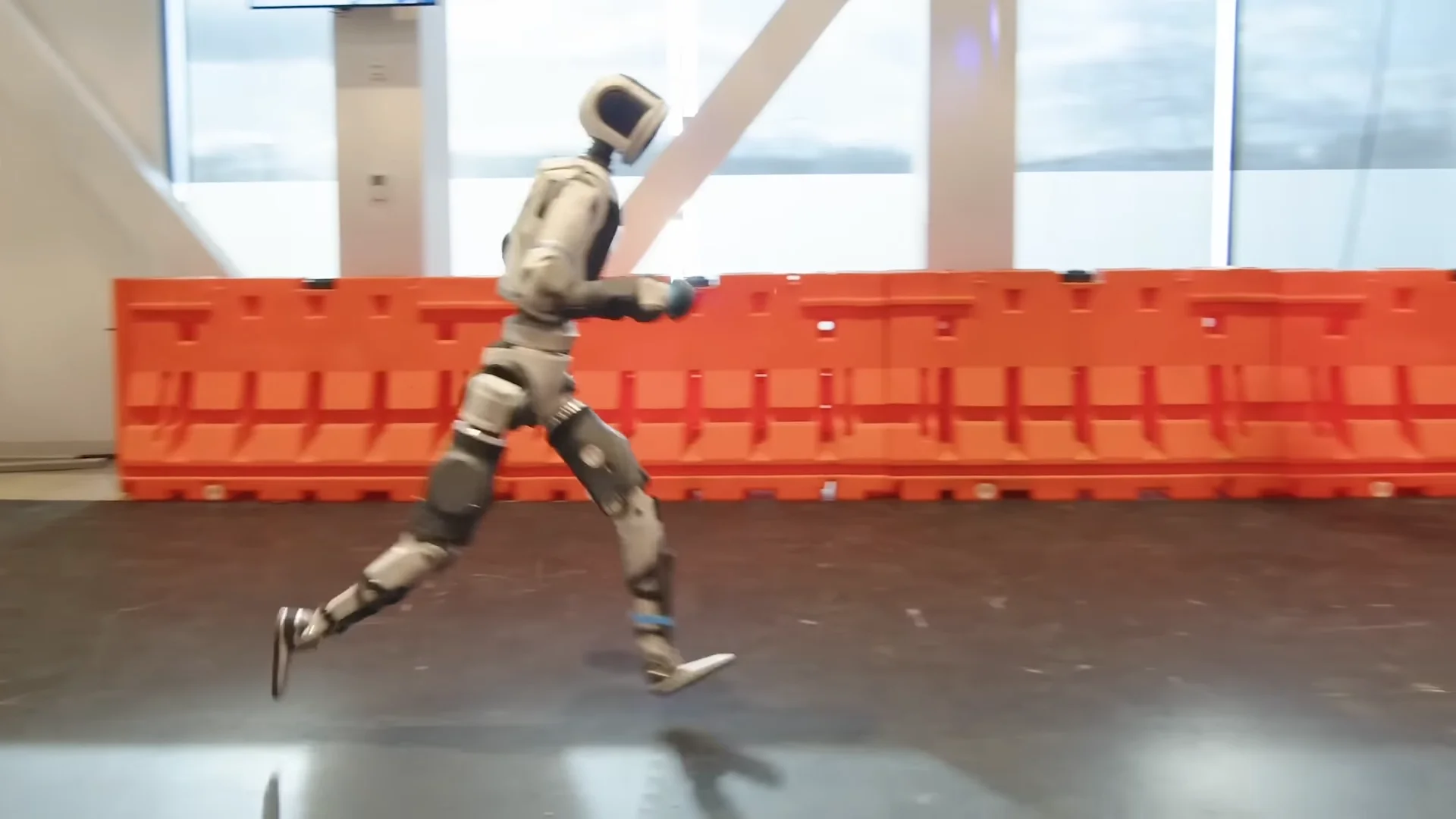
The timing of these teasers coincides with a week of high-velocity demonstrations from competitors. After Tesla posted a video of Optimus running at roughly 6 mph, and Figure followed up with its own sprinting demo, the industry focus shifted squarely to agility.
In a subtle nod to the competition, Bollini reposted a video of Atlas performing complex agility maneuvers with the caption, "Reposting for no reason in particular."
The implication is clear: while competitors are just now achieving dynamic flight phases in running, Boston Dynamics has spent years mastering agility. The upcoming January announcement, however, suggests they are finished proving they can make a robot move, and are now focused on proving they can make it matter at scale.
Share this article
Read next
- Published on
- Reading time
- 7 min read
Hyundai Says Atlas Will Not Replace Workers — One Day After Settling a Strike Over Exactly That
- Published on
- Reading time
- 4 min read
The Production Pivot: Leadership Exodus and Internal Pressure at Boston Dynamics
- Published on
- Reading time
- 4 min read
The Blueprint for a Bipedal Workforce: Kia Details Atlas Deployment Roadmap
- Published on
- Reading time
- 5 min read
Form as Function: Boston Dynamics Details the Industrial Design Logic Behind the Production Atlas
- Published on
- Reading time
- 5 min read
From Viral Clips to the Factory Floor: 60 Minutes Goes Inside Boston Dynamics’ Industrial Shift
- Published on
- Reading time
- 3 min read
End of an Era: Boston Dynamics CEO Robert Playter to Retire

The weekly humanoid robotics briefing
One email a week: the launches, funding and research that mattered, with context from Humanoids Daily.
Read recent issues