- Published on
Agile Robots CEO Predicts Physical AI Will Surpass Automotive by 10x
One tap, and our reporting appears more often in your Google Top Stories. It makes a real difference to a small newsroom.


Your guide
Rich Robinson
Jee Chee Ren · Executive tour
See China’s AI and robotics ecosystem first-hand.
Six days exploring AI, robotics and advanced manufacturing.
With Rich Robinson, Clinical Professor of Entrepreneurship at Peking University
Beijing · Guangzhou · Shenzhen
29 November–4 December 2026
Referral partnership · We earn a commission on referred bookings.
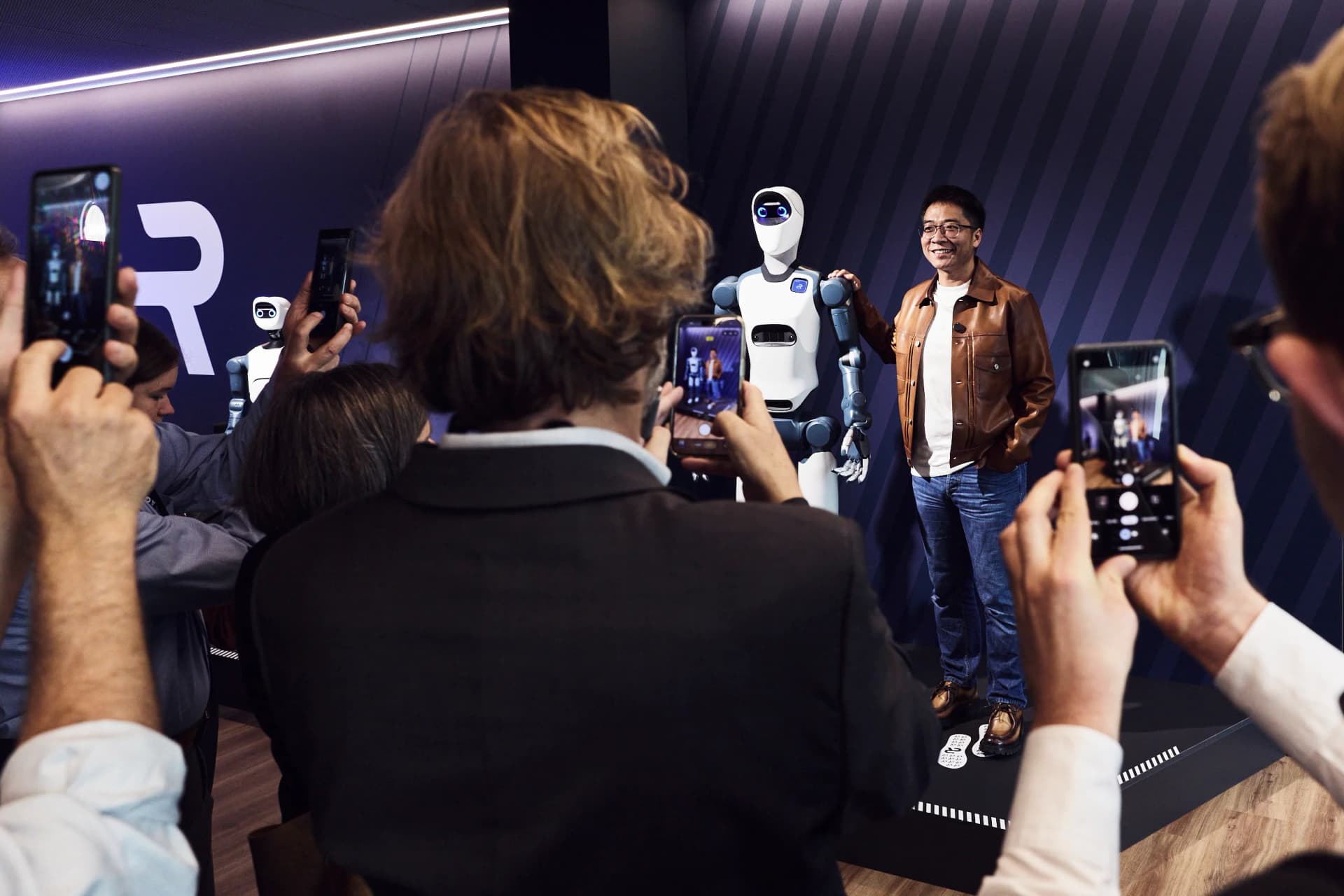
- Agile Robots founder and CEO Zhaopeng Chen projected that the physical AI and humanoid robotics market will eventually be "ten times bigger" than the global automotive industry.
- Chen pushed back against zero-shot AI assumptions, stating that intelligent factory automation cannot rely on "magic" and must systematically absorb the know-how of veteran human operators.
- The company confirmed that its Agile ONE humanoid platform entered production at its facility in Fürstenfeldbruck near Munich in 2026, anchored by more than 20,000 robotic systems already deployed globally.
- New technical disclosures highlight the platform's modular Agile Hand, featuring 21 degrees of freedom and joint speeds up to 360°/s, alongside benchmark metrics from its Google DeepMind research partnership achieving an 89.6% success rate in precision insertion.
- The scaling push coincides with discussions surrounding an $800 million funding round backed by SoftBank and Agile's deployment as an anchor tenant on the sovereign European Telekom-NVIDIA Industrial AI Cloud.
The robotics sector is no stranger to sky-high total addressable market projections, but Agile Robots founder and CEO Zhaopeng Chen offered one of the industry's most ambitious yardsticks yet. Speaking at the company's Physical AI event held at its Munich headquarters, Chen predicted that physical artificial intelligence and embodied humanoids will ultimately eclipse the global automotive sector by an order of magnitude.
"For us, I think for the whole market, I would expect the whole humanoid market will be ten times bigger in comparison to the car industry," Chen told Reuters. Grounding his comparison in industrial math, Chen pointed to the global passenger and commercial vehicle sector: roughly 90 million units produced annually, generating $2 trillion to $3 trillion in direct vehicle sales and around $4 trillion when accounting for Tier-1 and Tier-2 supply networks.
Chen’s thesis hinges on moving from household-level equipment to individualized deployment. "Instead of like one family has a car, I think every human being probably will be expecting to have something like a humanoid to be accompanying with them," he noted, echoing long-term personal assistant visions while keeping his immediate operations tethered to industrial demand. His calculation also mirrors broader market arguments, such as RoboStrategy's recent analysis on how to think about the robotics market, which framed the total addressable market for embodied labor as a multi-trillion-dollar displacement of human working hours.
Rejecting "Magic" on the Factory Floor
Despite the sweeping long-term market forecasts, Chen struck a decidedly pragmatic, skeptical tone regarding the current capabilities of foundation models in industrial manufacturing. Rather than embracing Silicon Valley-style promises of zero-shot autonomous operation straight out of the box, Chen pushed back on the notion that general-purpose intelligence can sidestep industrial domain expertise.
Follow humanoid robotics without following every announcement.
Get the week’s most important launches, funding and research—and why they matter—in one email from Humanoids Daily.
Once a week. Unsubscribe anytime.
Read recent issues"I'm a scientist. I believe in logic and science. So I don't believe magic—like you get a robot so smart and then it automatically will be working the factories," Chen said. "Even for human beings like you and me, we get trained, we have to be trained by the masters, which are living and working in the factories for decades. So robots and then AI models, that's the same thing. We need those know-hows to get into it, to really get on the shop floor."
That skepticism reflects an enduring engineering reality in manufacturing: while large multimodal models can interpret language and propose high-level task plans, robust physical manipulation requires precise force sensing, continuous closed-loop feedback, and repeatable execution under rigorous cycle-time tolerances.
Vertical Integration and Shop-Floor Benchmarks
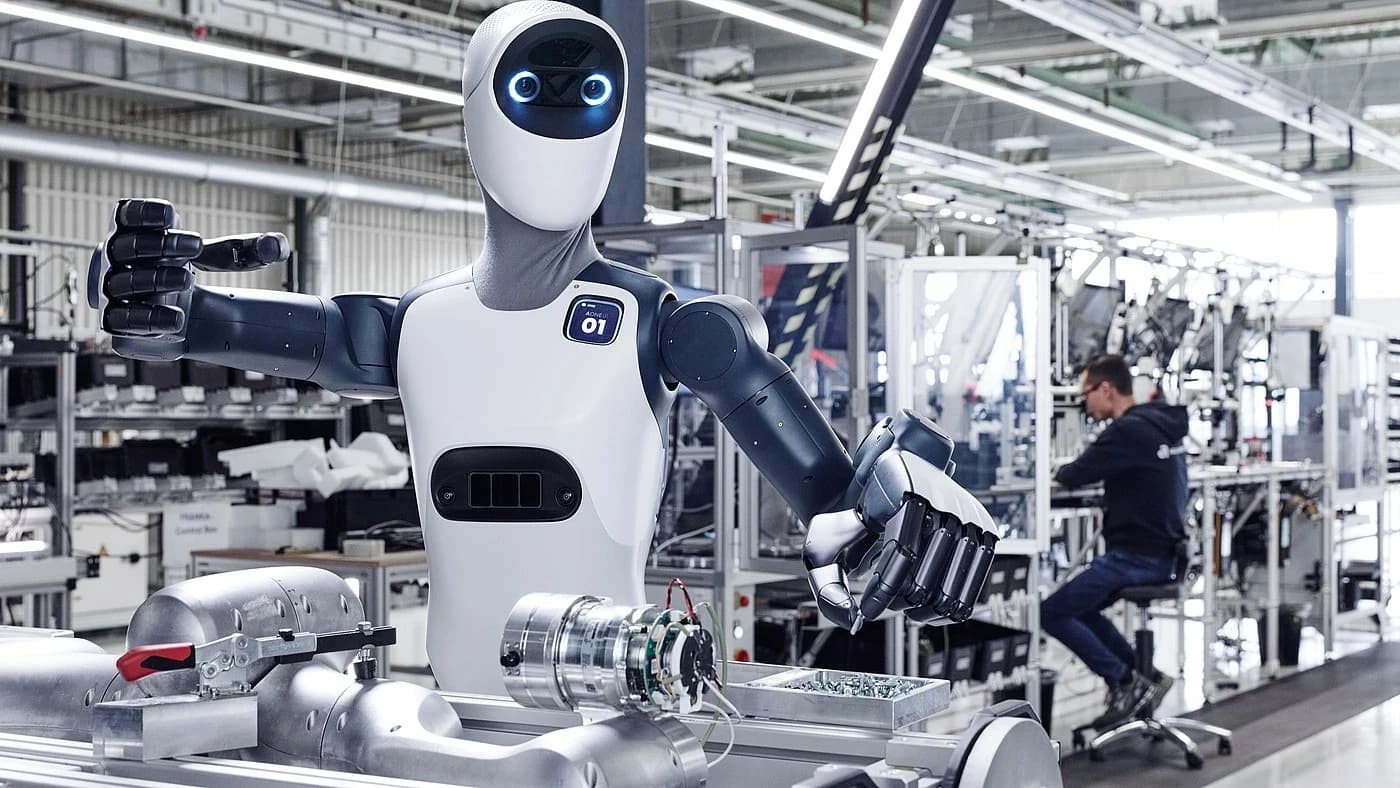
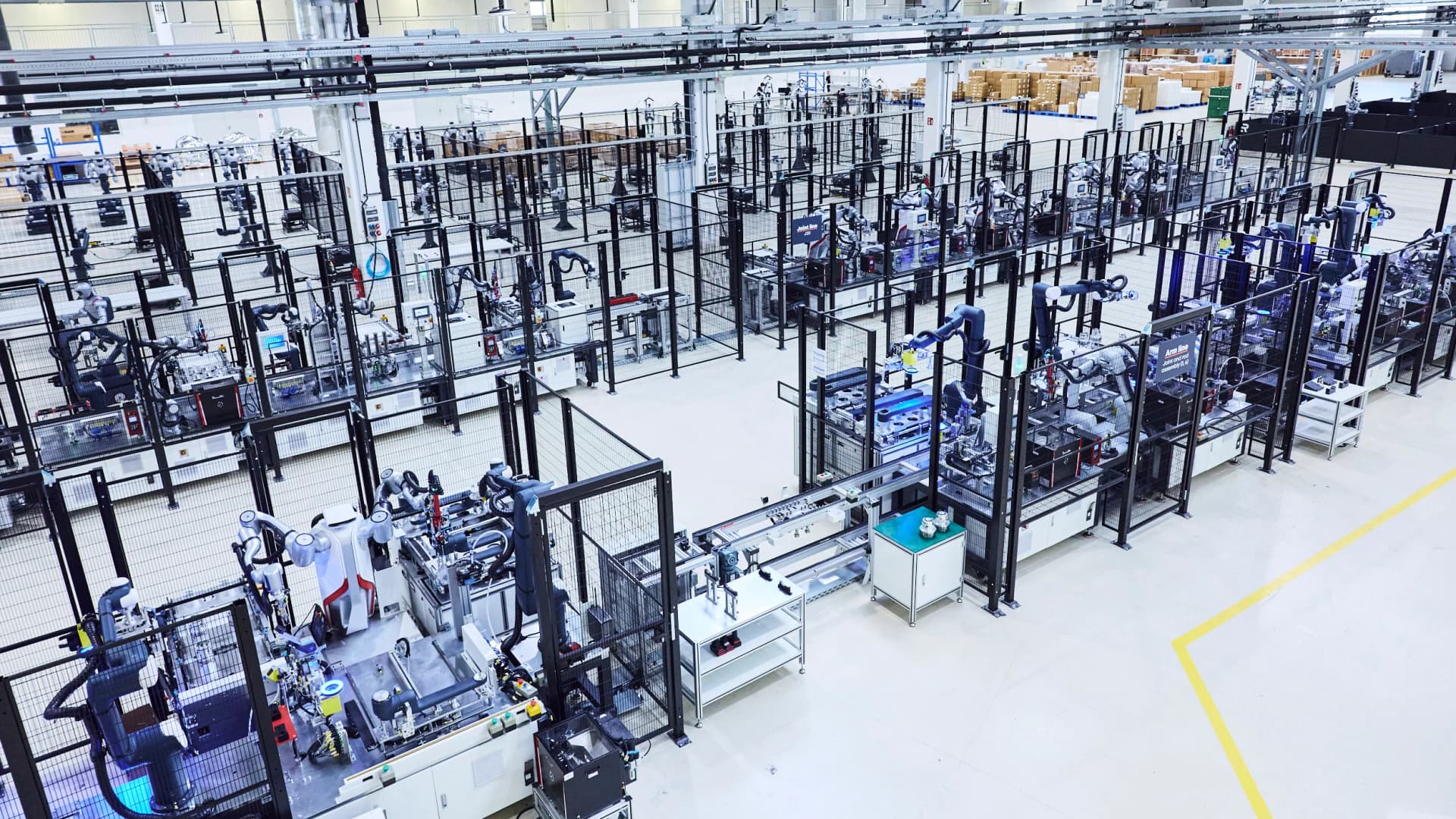
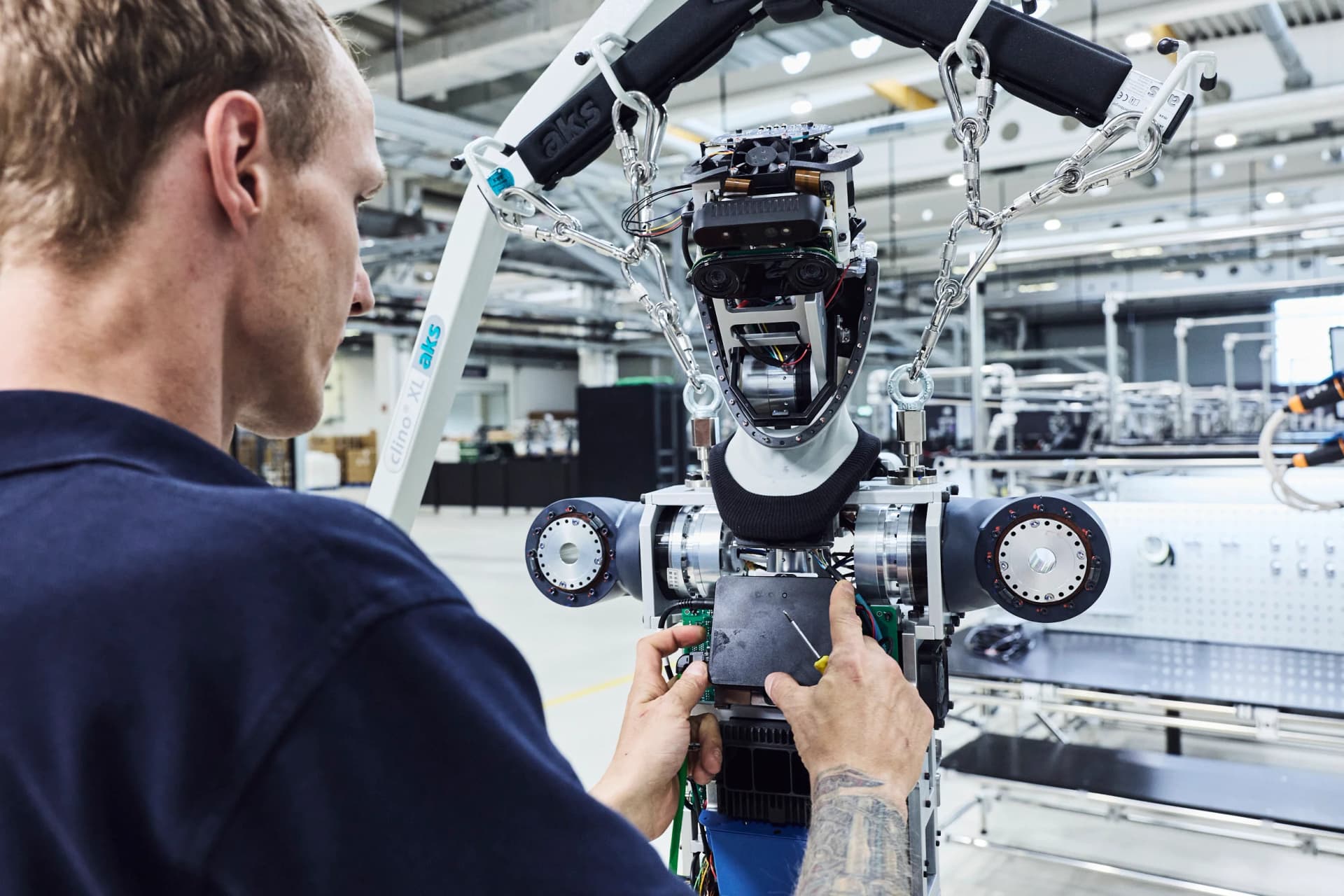
The Physical AI event offered a transparent look into how Agile Robots intends to execute that shop-floor transition. Attendees toured the firm’s headquarters, engineering labs, and internal Robots Academy in Munich before traveling to its industrial manufacturing site in Fürstenfeldbruck to observe systems operating at scale.
Chen characterized the company’s operating philosophy as a tightly coupled "combination of body, brain, and application." Unlike pure-play foundation model labs that treat physical chassis as interchangeable commodities, or legacy fabricators outsourcing AI policy development, Agile Robots continues to build its entire physical AI stack in-house. That vertical integration spans low-level joint torque sensors, motion controllers, end-effectors, and operational software via its AgileCore platform.
The company's hardware capability centers heavily on end-effector mechanics. According to corporate technical documentation released alongside the event, the company's standalone 1.5 kg Agile Hand features five modularly designed fingers with 21 joints, 21 degrees of freedom (DoF), and joint speeds reaching up to 360°/s. Both torque and position sensors are embedded directly into every actuated joint to deliver tactile sensitivity without requiring brittle external arrays.
The approach has provided the company with an empirical testing ground rooted in more than 20,000 deployed automation solutions worldwide. That footprint serves as a real-world data engine to train Vision-Language-Action (VLA) and world models. In industrial evaluations conducted alongside its strategic research partnership with Google DeepMind, the company reported that its FR3 Duo dual-arm manipulation system achieved an 89.6% success rate in precision part insertion, a 78.9% success rate in diverse tool kitting, and a 74% success rate in general pick-and-place trials.
Scaling European Hardware
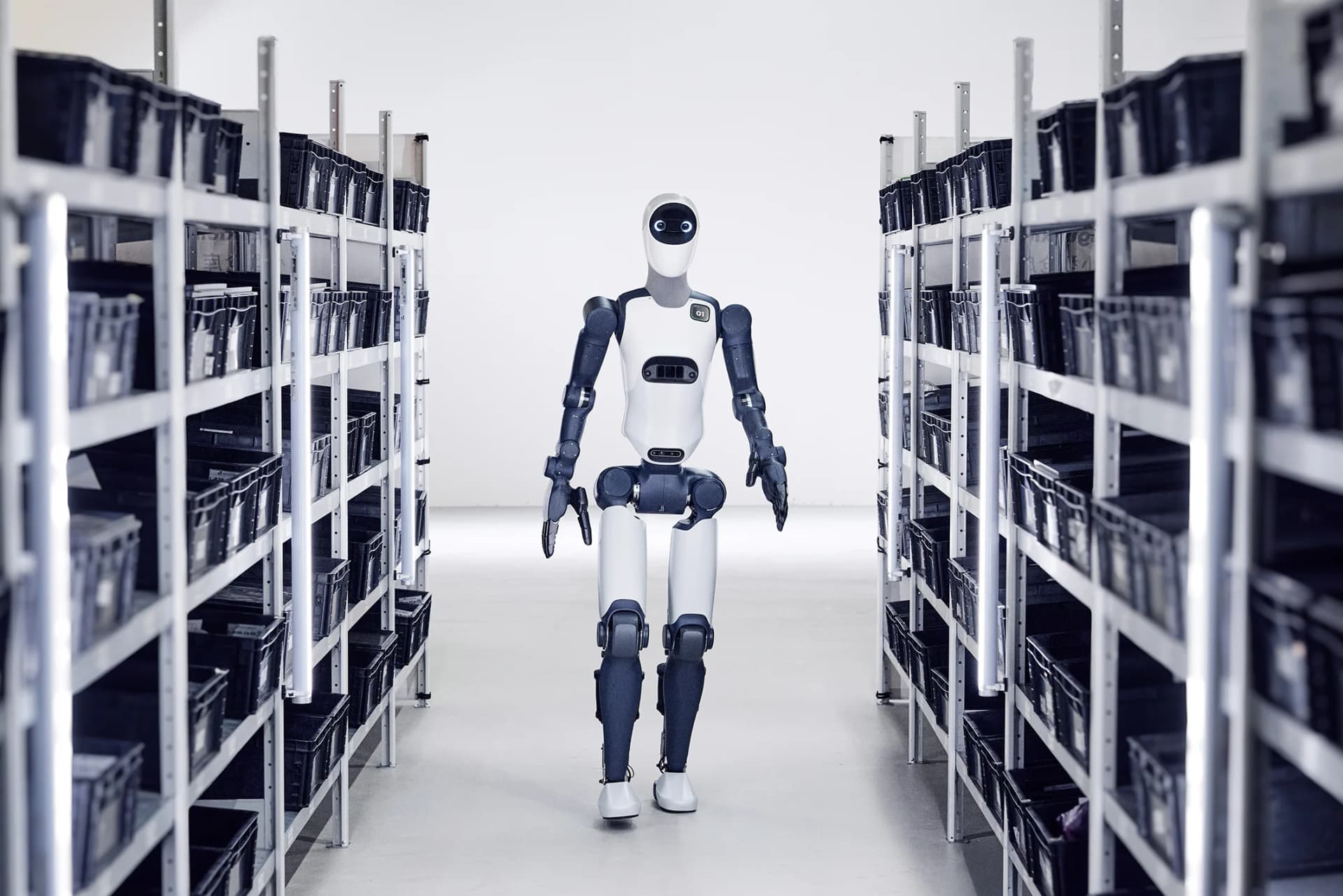
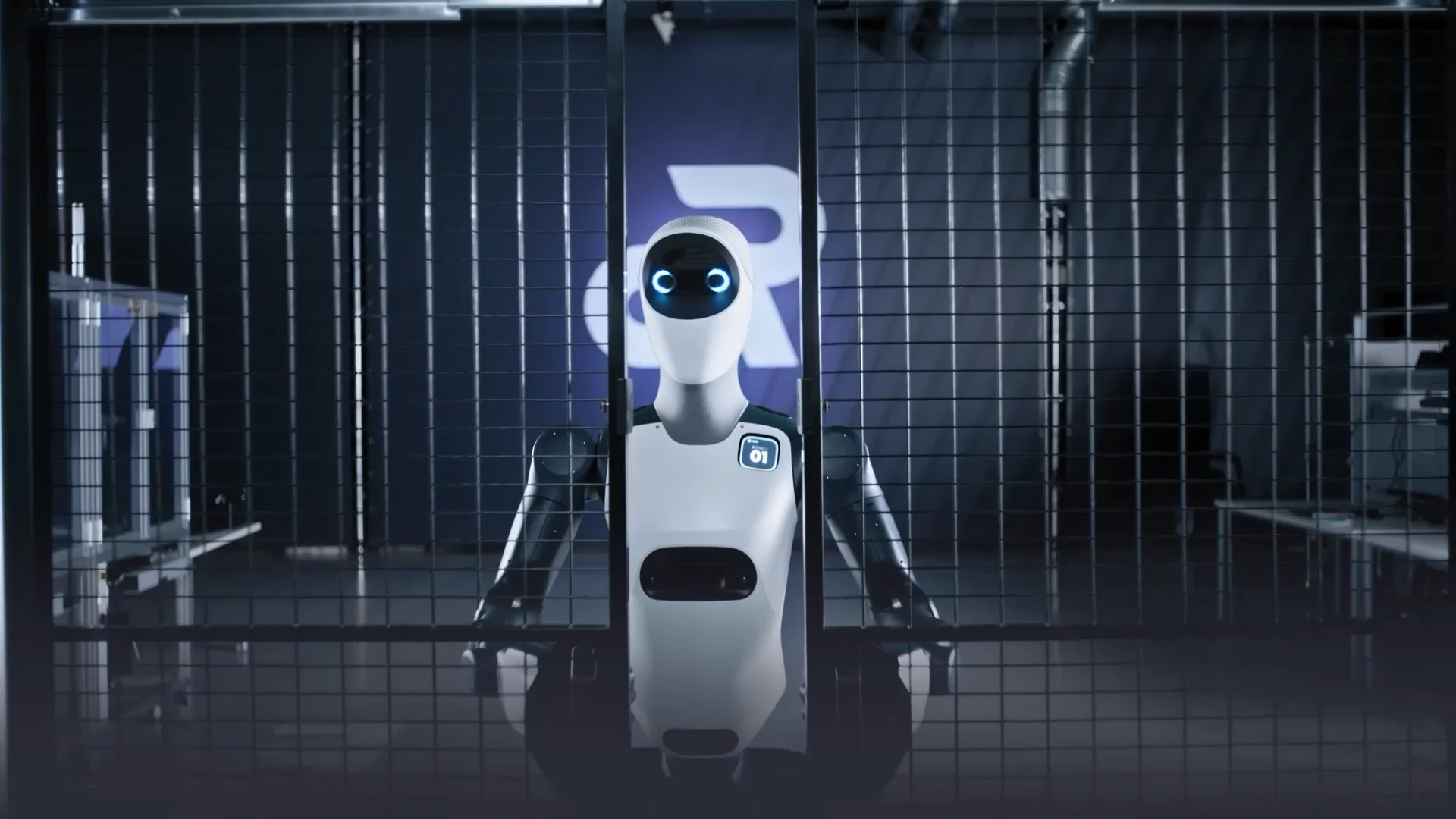
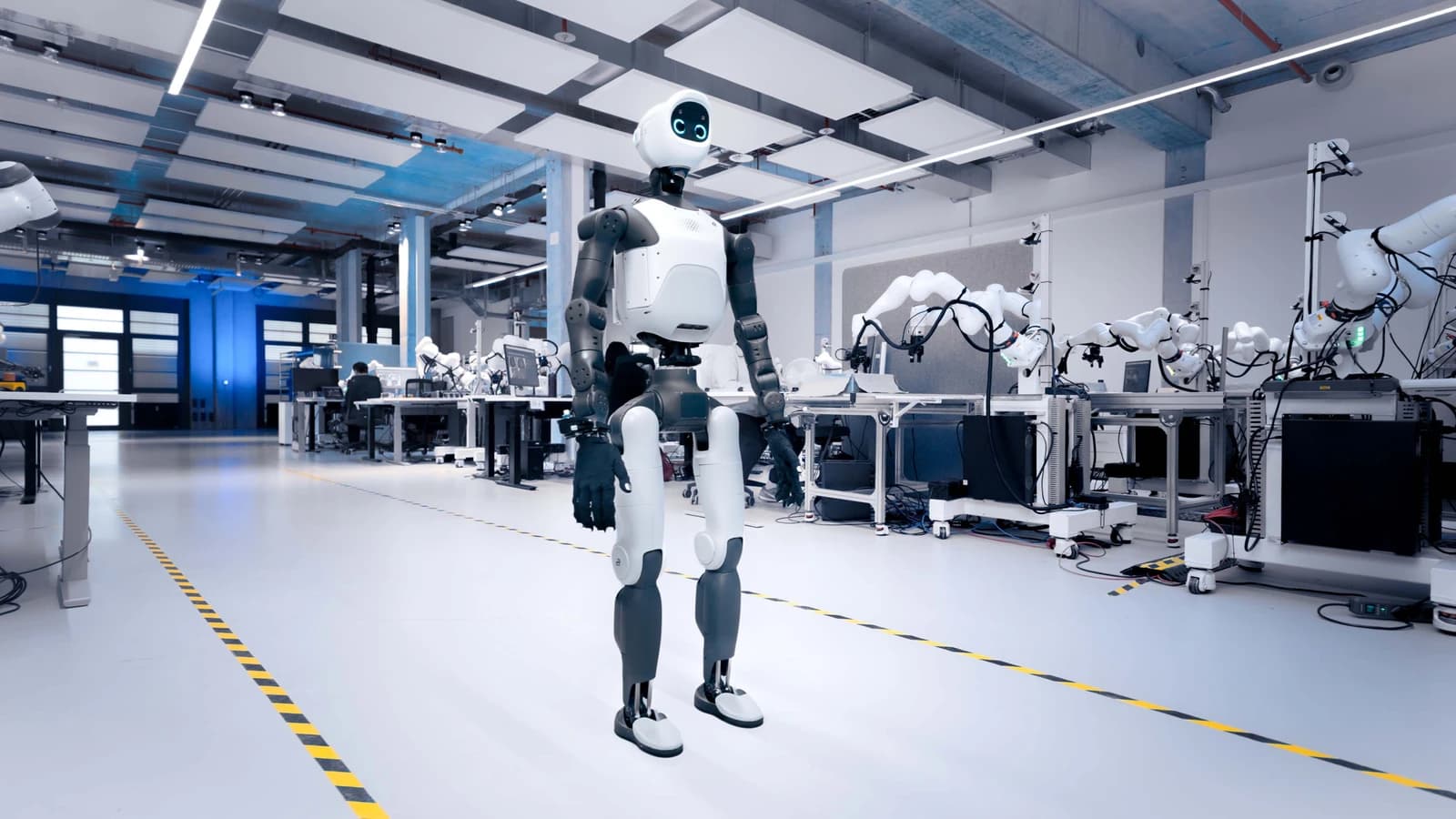
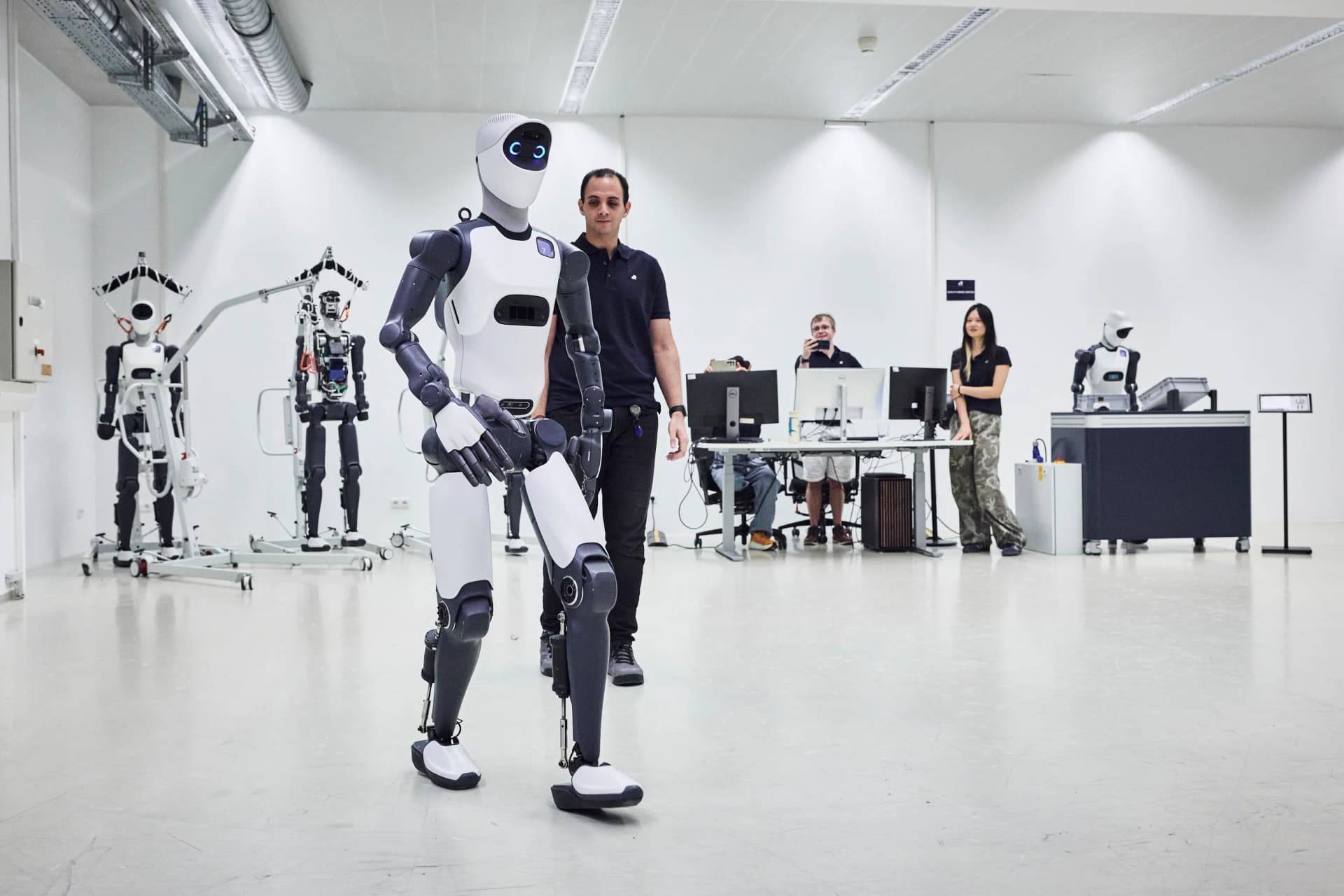
Agile Robots’ Munich showcase arrives amid a broader surge in European hardware investments. The German company confirmed that its flagship Agile ONE humanoid—a 174 cm, 69 kg biped capable of moving at 2.0 m/s with a 20 kg payload capacity—officially entered first production at the Fürstenfeldbruck plant in 2026.
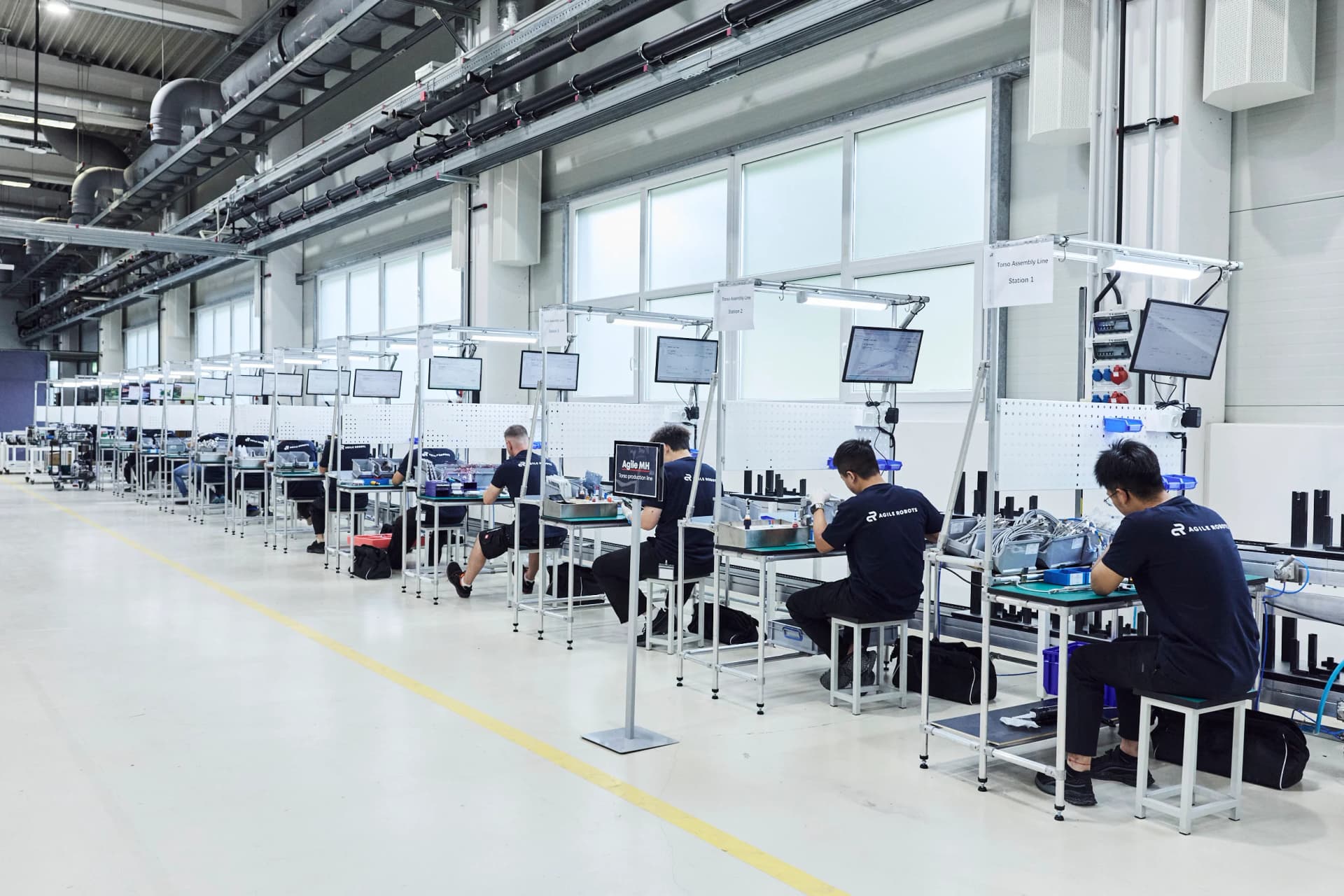
To run those production units on sovereign compute, Agile ONE operates on the European Telekom-NVIDIA Industrial AI Cloud, where Agile Robots acts as an anchor industrial customer. Backed by an R&D force of more than 2,000 specialists across 25 global sites—augmented by subsidiaries including cobot pioneer Franka Robotics, intralogistics developer idealworks, and custom line integrators BÄR Automation and Krause Automation—the firm controls an unusually complete manufacturing footprint.
Capital markets have tracked that operational expansion closely: reports emerged earlier this year that SoftBank is in early-stage talks to back an $800 million funding round for the Munich unicorn.
While a multi-trillion-dollar market of personal humanoid companions remains a long-term ambition, Agile Robots is betting that commercial viability does not run through laboratory demonstrations or viral stage stunts. It begins on the shop floor, absorbing human expertise one assembly step at a time.
Share this article
Follow humanoid robotics without following every announcement.
Get the week’s most important launches, funding and research—and why they matter—in one email from Humanoids Daily.
Once a week. Unsubscribe anytime.
Read recent issuesRead next
- Published on
- Reading time
- 25 min read
The Humanoids of Europe: Built by Their Customers
- Published on
- Reading time
- 4 min read
Agile Robots and Google DeepMind Partner to Bring Gemini to the Factory Floor
- Published on
- Reading time
- 5 min read
Agile Robots Unveils ‘Agile ONE,’ Entering the High-Stakes Battle for Humanoid Dexterity
- Published on
- Reading time
- 5 min read
SoftBank in Talks to Back Agile Robots in $800 Million Funding Round
- Published on
- Reading time
- 3 min read
Agile Robots Unveils Agile ONE SN as NVIDIA Expands Its Isaac Robotics Platform
- Published on
- Reading time
- 2 min read
Agile Robots and Hitachi Partner on Physical AI for Manufacturing