- Published on
Tesla Begins Optimus Production in Fremont, Targets Customer Deliveries in Late 2027
One tap, and our reporting appears more often in your Google Top Stories. It makes a real difference to a small newsroom.


Your guide
Rich Robinson
Jee Chee Ren · Executive tour
See China’s AI and robotics ecosystem first-hand.
Six days exploring AI, robotics and advanced manufacturing.
With Rich Robinson, Clinical Professor of Entrepreneurship at Peking University
Beijing · Guangzhou · Shenzhen
29 November–4 December 2026
Referral partnership · We earn a commission on referred bookings.
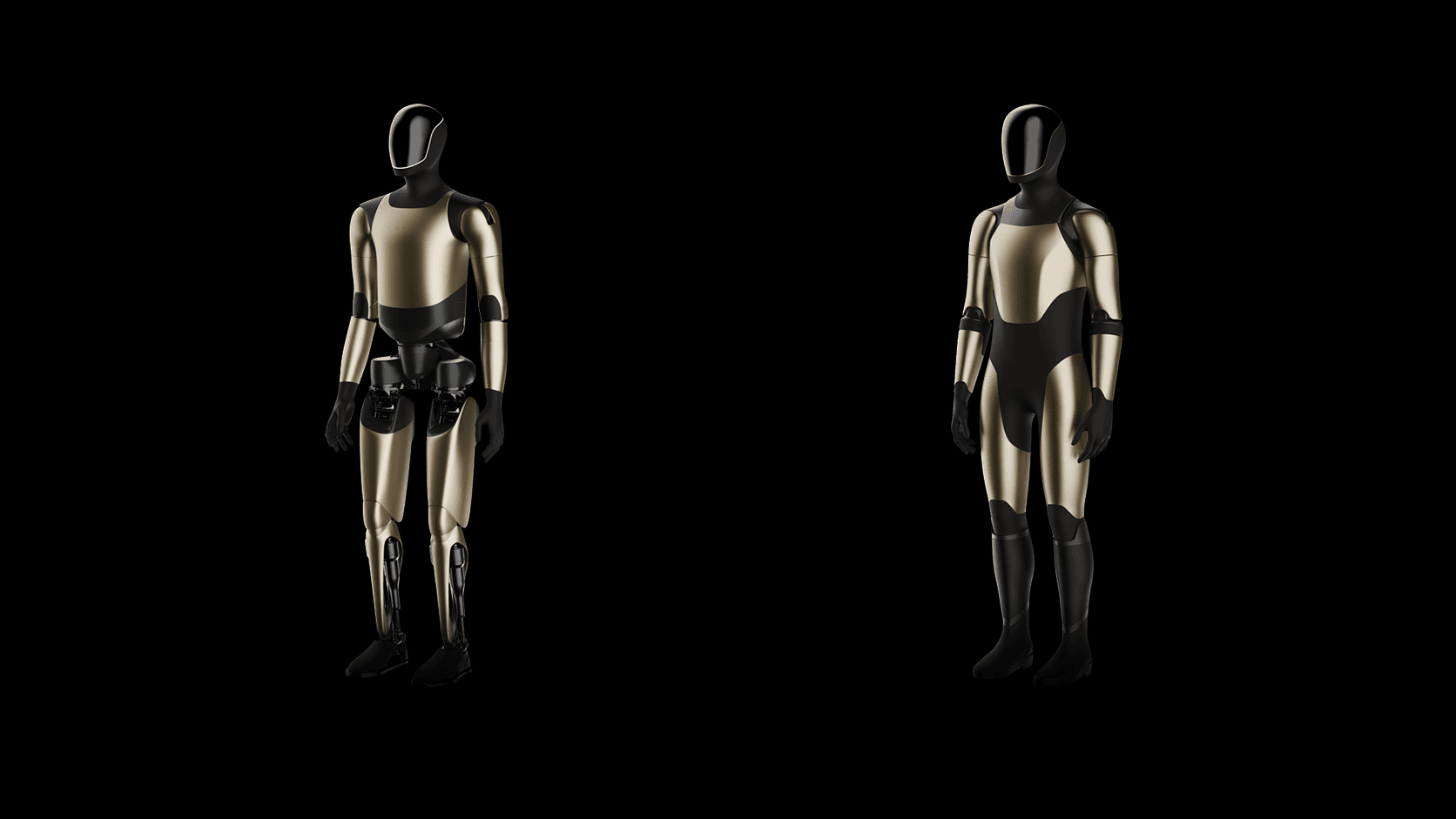
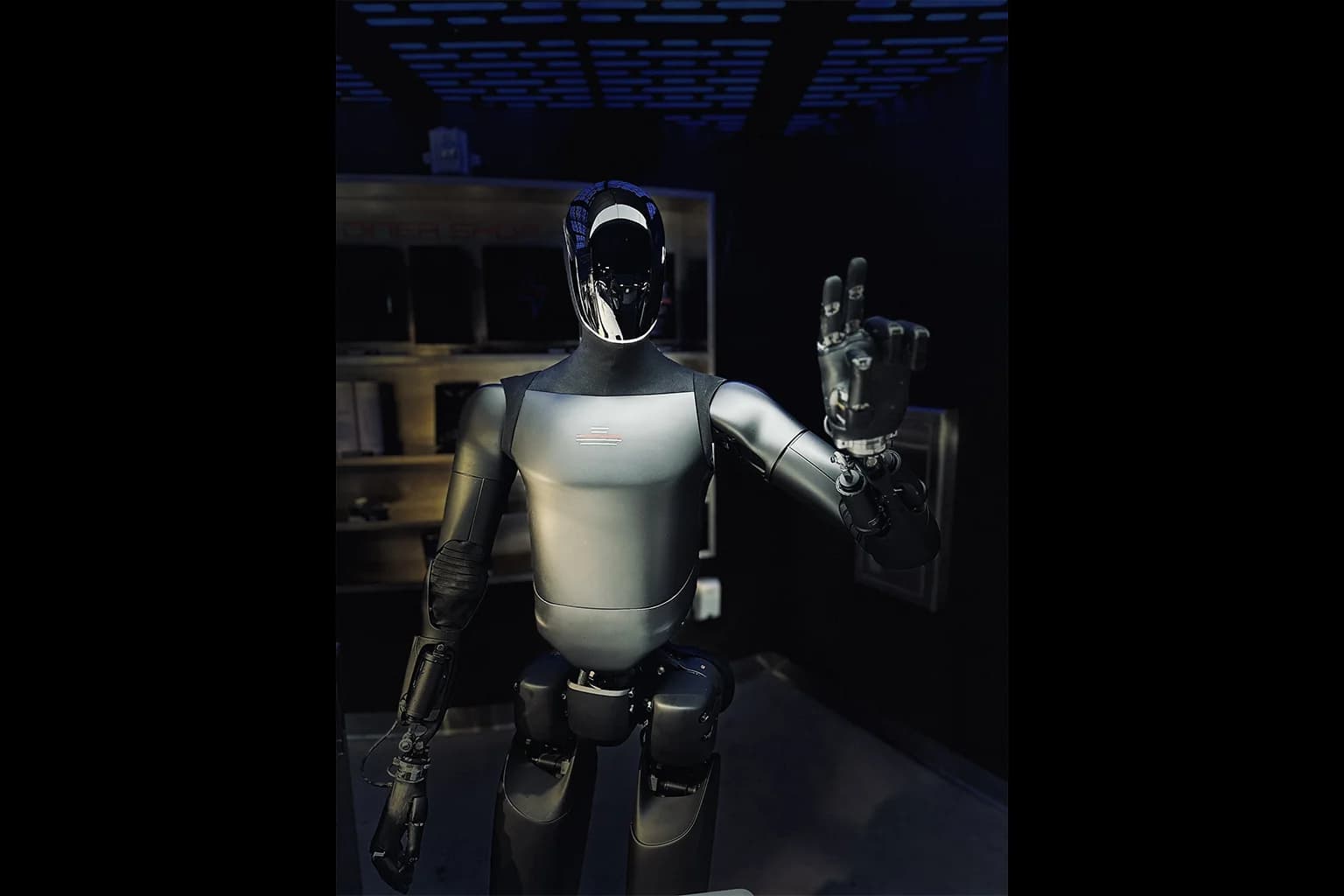
Tesla says Optimus production has begun on its high-volume manufacturing lines in Fremont, with the first robots it describes as production-quality now coming off the line. On the company's October 21 earnings call, Elon Musk characterized the start as early production and said deliveries to companies outside Tesla are likely toward the end of 2027.
The Q3 2026 shareholder deck presents the development as a manufacturing milestone: Tesla says it has demonstrated a process suitable for a commercial product, even as it continues changing the hardware and production methods. Musk's comments explain why that milestone still leaves substantial work before customers receive a useful, reliable robot.
- Tesla says its Fremont line has begun producing its first production-quality Optimus robots. The deck classifies the operation as an early ramp.
- Musk expects outside customer deliveries toward the end of 2027, with industrial applications first.
- Tesla wants roughly 10,000–20,000 robots for large-scale practice and training through its Optimus Academy. That is a planned training fleet, not a disclosed production total.
- Hardware refinements, durability, AI development and the planned integration of Tesla's AI5 chip remain part of the path to commercialization.
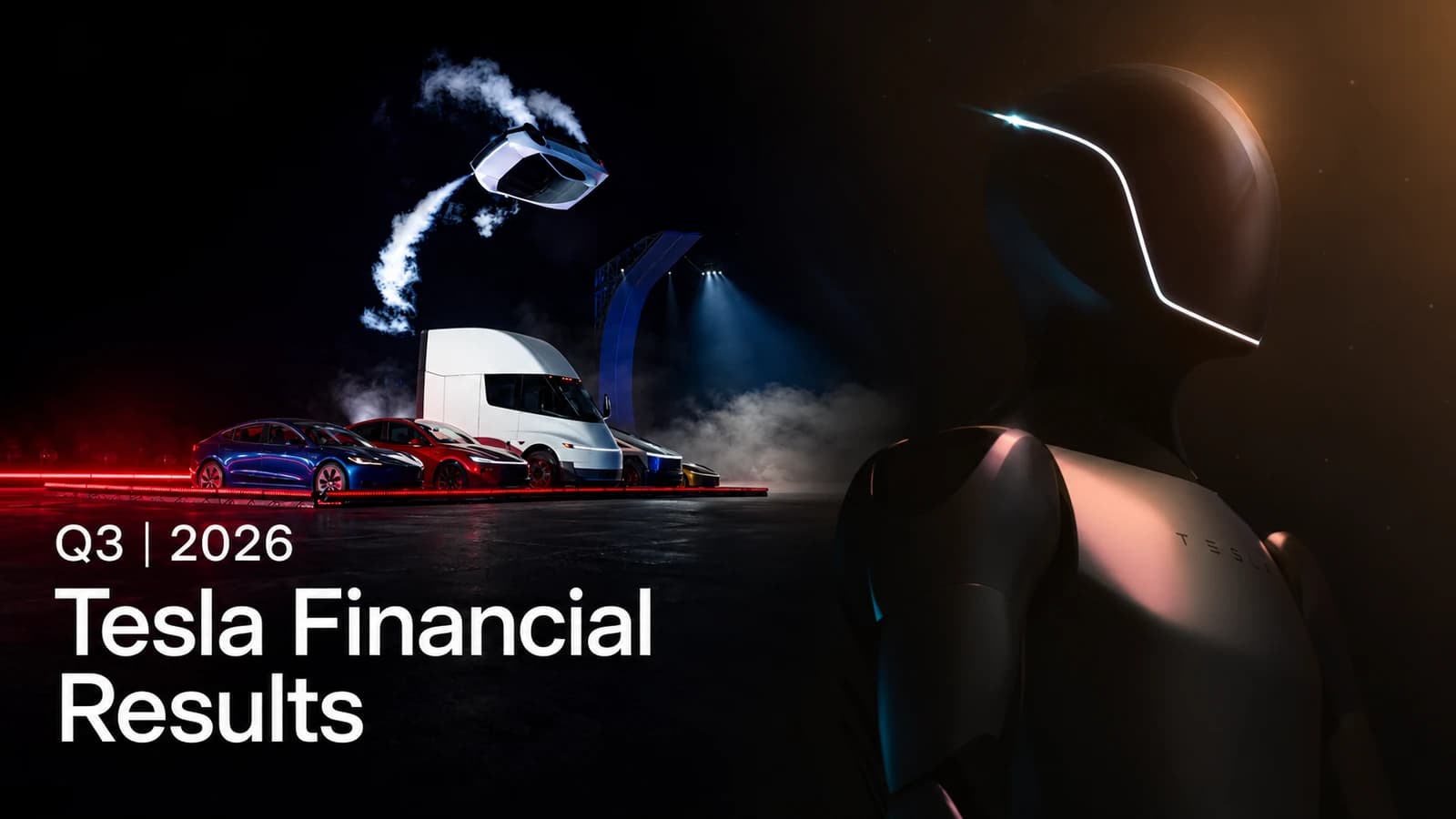
The update follows Tesla’s board letter ahead of the December 3 shareholder meeting, which highlighted the Fremont line without giving a delivery schedule. The earnings call adds a clearer timetable to that manufacturing message.
Production begins, with a gradual ramp ahead
“The bots coming off this line are the first production-quality bots that we have manufactured,” Tesla states in the deck. It lists California Optimus manufacturing as Early Ramp and Texas as Construction, without a numerical installed-capacity figure for either site.
The weekly humanoid robotics briefing
One email a week: the launches, funding and research that mattered, with context from Humanoids Daily.
Read recent issuesDuring the earnings call, Musk said most of the equipment for a line designed around an annual rate of one million robots was already in Fremont. Reaching approximately 20,000 robots per week would probably take at least a year, possibly longer, he said.
That is a target production rate, rather than a commitment to manufacture one million robots over the next twelve months. Tesla did not disclose a current weekly output or cumulative production count in the call or deck.
Musk described a slow and uneven start, with the ramp dependent on the least-ready component or process across a new supply chain. He also said aspects of the design were still changing. Later, responding to a question about training before the hands are finalized, he confirmed Tesla is building robots with unfinished hand designs while developing the supply chain, manufacturing system and AI in parallel.
The hand-development work echoes Musk’s earlier account of Optimus’s manipulation and durability challenges. We also examined Tesla’s flexible touch-sensor patent application, which describes approaches to sensing on curved robotic surfaces without confirming their use in the production hand.
CFO Vaibhav Taneja added that construction had begun on an Austin robot factory intended to produce more robots than the Fremont operation. He did not give a production-start date for that factory in his answer. Our earlier Texas construction coverage documented the rising steel structure, with observer estimates distinguished from Tesla’s own manufacturing commitments.
Why Tesla wants thousands of robots before selling them
The call gave a clearer account of how early production fits into Tesla's training strategy. Asked about crowdsourced data versus its internal Optimus Academy, Musk said the company still needed to resolve questions about the AI architecture and manufacture enough robots to generate experience.
He put the required fleet at roughly 10,000–20,000 robots, practicing a broad range of tasks through what he called self-play. The resulting data would feed further training.
Ashok Elluswamy described a process that begins with learning from human demonstrations, then moves to practice on the robot's own body. Tesla is building a reinforcement-learning cycle involving both simulation and real-world experience, he said.
The distinction from Tesla's vehicle program is important: Optimus does not inherit a large deployed fleet collecting data from the same type of machine. Early robots therefore serve two purposes, helping Tesla refine manufacturing while providing the physical systems needed for training.
AI5 and durability are still on the roadmap
Musk identified several pieces that need to come together before external deliveries: electromechanical dexterity, useful AI behavior, and the ability to work for extended periods without wearing out.
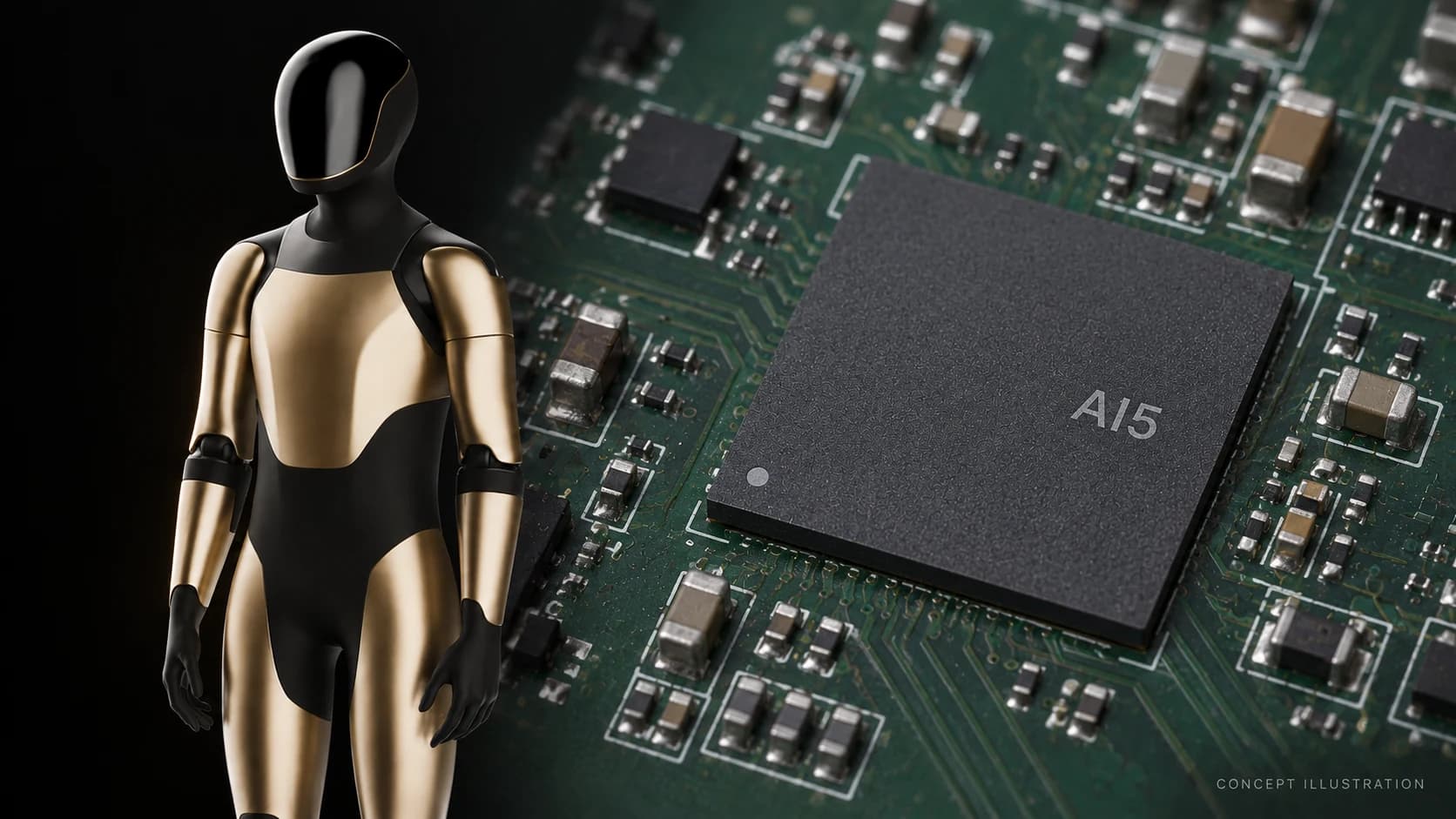
He also targeted approximately April 2027 for integrating Tesla's AI5 chip into Optimus, subject to the program staying on schedule. He described AI5 as providing roughly an order of magnitude more compute than AI4, arguing that a humanoid's many joints and wider range of tasks place greater demands on processing than driving does.
The chip roadmap also connects to Musk’s earlier explanation of cuts to AI5 and AI6 memory allocations. He said those changes were intended to secure sufficient memory supply for Optimus production, illustrating how component availability can shape the robot’s computing design.
Tesla may release a new Optimus demonstration in one or two months, Musk said. He wants it to show behavior that is not preprogrammed. That is a promise about a future demonstration; the earnings call itself did not establish how well the robot currently generalizes across unfamiliar tasks.
Industrial customers first
Musk said initial demand would likely come from industrial work, particularly dangerous or repetitive tasks that customers want performed around the clock. Home purchases would follow as production scales, but he did not give a consumer launch date.
Asked about unit economics, Taneja said costs were moving closer to Tesla's expected Cybercab costs, while stressing that ongoing design changes made it too early to declare the target achieved. No specific Optimus production cost or customer price was announced in that answer.
The commercial stakes are reflected in Musk’s recent claim that Optimus and Cybercab will account for most of Tesla’s future value. The earnings call provides a more detailed account of the work required to pursue that ambition.
Tesla's Q3 update therefore marks a concrete change in the program's manufacturing status. The next stage is to turn early output into both a training fleet and a durable commercial product. The late-2027 delivery window remains Musk's forecast, dependent on the hardware, AI and production ramp progressing together.
Share this article
Read next
- Published on
- Reading time
- 3 min read
Tesla Makes Its Case for Board Continuity Ahead of December 3 Shareholder Vote
- Published on
- Reading time
- 5 min read
Musk Details Optimus Hand Challenges, Warns of Slow Initial Production Ramp
- Published on
- Reading time
- 3 min read
Musk Says Tesla Halved AI5 RAM to Secure Memory for Optimus Production
- Published on
- Reading time
- 5 min read
Tesla App Contains Optimus Gen 3 Renders—Here’s What They Show
- Published on
- Reading time
- 4 min read
Supply Chain Rumors Hint at Massive Optimus Order as Fremont Production Line Ramps Up
- Published on
- Reading time
- 5 min read
The Terafab Manifesto: Tesla and Intel Join Forces to Power Musk’s "Galactic" AI Ambitions
The weekly humanoid robotics briefing
One email a week: the launches, funding and research that mattered, with context from Humanoids Daily.
Read recent issues