- Published on
UBTECH Pioneering Swarm Intelligence
One tap, and our reporting appears more often in your Google Top Stories. It makes a real difference to a small newsroom.


Your guide
Rich Robinson
Jee Chee Ren · Executive tour
See China’s AI and robotics ecosystem first-hand.
Six days exploring AI, robotics and advanced manufacturing.
With Rich Robinson, Clinical Professor of Entrepreneurship at Peking University
Beijing · Guangzhou · Shenzhen
29 November–4 December 2026
Referral partnership · We earn a commission on referred bookings.
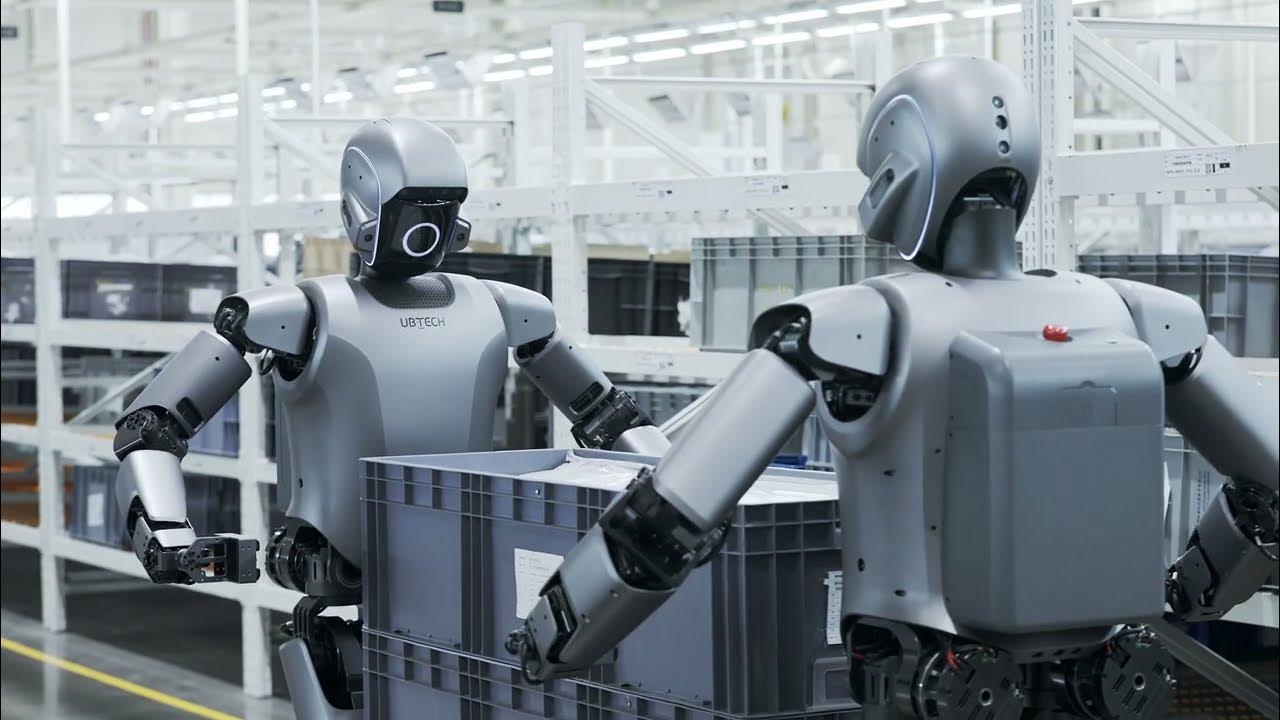
UBTECH's Humanoid Robots: Pioneering Swarm Intelligence
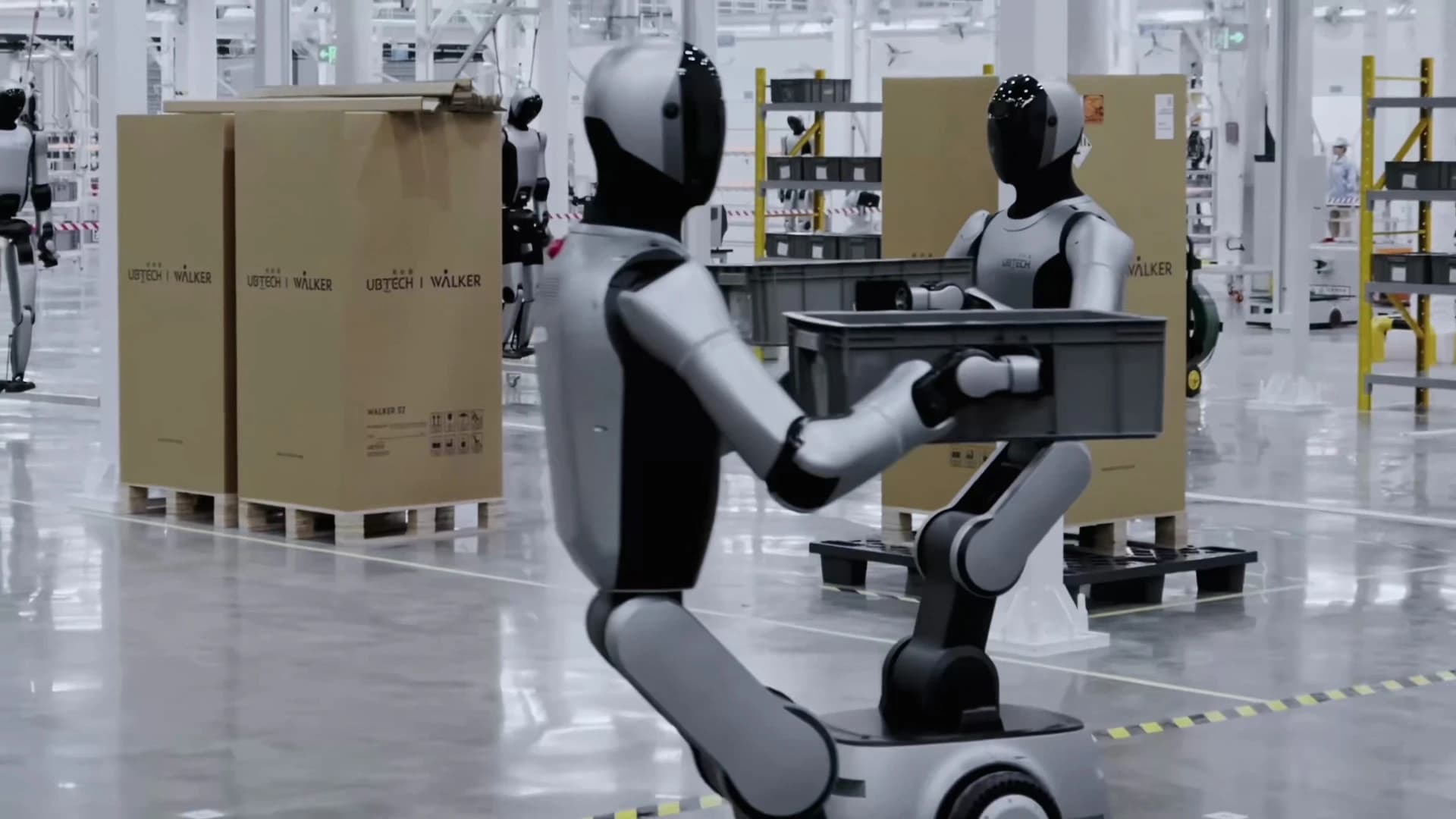
A groundbreaking initiative by Shenzhen-based UBTECH is setting a new milestone in the field of robotics. For the first time, humanoid robots are being harnessed to work collaboratively in a "swarm intelligence" system at Geely’s Zeekr 5G smart factory. This development could herald a new era in industrial automation, blending innovative technology with practical application.
Have a look at the swarm in the video above!
Swarm Intelligence in Robotics
The concept of swarm intelligence, long seen in nature, involves decentralized, self-organized systems working collectively. UBTECH’s introduction of this concept to humanoid robots marks a significant innovation. Through their newly developed software architecture called BrainNet, and the Internet of Humanoids (IoH), robots can now network and function as a cohesive unit. This system facilitates task distribution and real-time interaction between robots, setting a precedent for future industrial applications.
The Setting: Zeekr's 5G Smart Factory
At the core of this innovation is Geely’s Zeekr 5G smart factory, where dozens of UBTECH’s humanoid robots are undergoing multi-scenario, multi-task collaborative training. These robots are engaged in diverse tasks from sorting and assembly to complex coordination. The training aims to push the boundaries of what's possible with humanoid robots in industrial settings.
The weekly humanoid robotics briefing
One email a week: the launches, funding and research that mattered, with context from Humanoids Daily.
Read recent issuesCurrent Capabilities and Limitations
According to industry expert Guo Tao, while these robots are equipped with advanced sensory technologies, they still face challenges in perception accuracy and stability in complex environments. Their mobility allows for basic actions like walking and grasping, yet lacks the finesse of human workers. Additionally, while capable of simple collaborations, they still can't handle intricate communications effortlessly.
Industry Context and Future Outlook
China’s rapid advancements in robotics have narrowed the gap with global leaders. With over half of the world's industrial robot installations happening in China in recent years, the country is quickly becoming a hub for robotics innovation. Qiao Hong from the Chinese Academy of Sciences emphasizes that future robotic systems must be reliable, stable, versatile, intelligent, and secure to meet the demands of an increasingly complex industrial landscape.
Final thoughts
UBTECH's initiative is a bold step toward realizing a future where humanoid robots are seamlessly integrated into industrial operations. While challenges remain, the progress made suggests significant potential for these robots to transform how factories operate, offering a glimpse into the future of automation and intelligent machinery. As technology evolves, so too will the capabilities and applications of humanoid robots in diverse sectors.
Share this article
Read next
- Published on
- Reading time
- 2 min read
China Races Towards Dominance in Humanoid Robotics
- Published on
- Reading time
- 3 min read
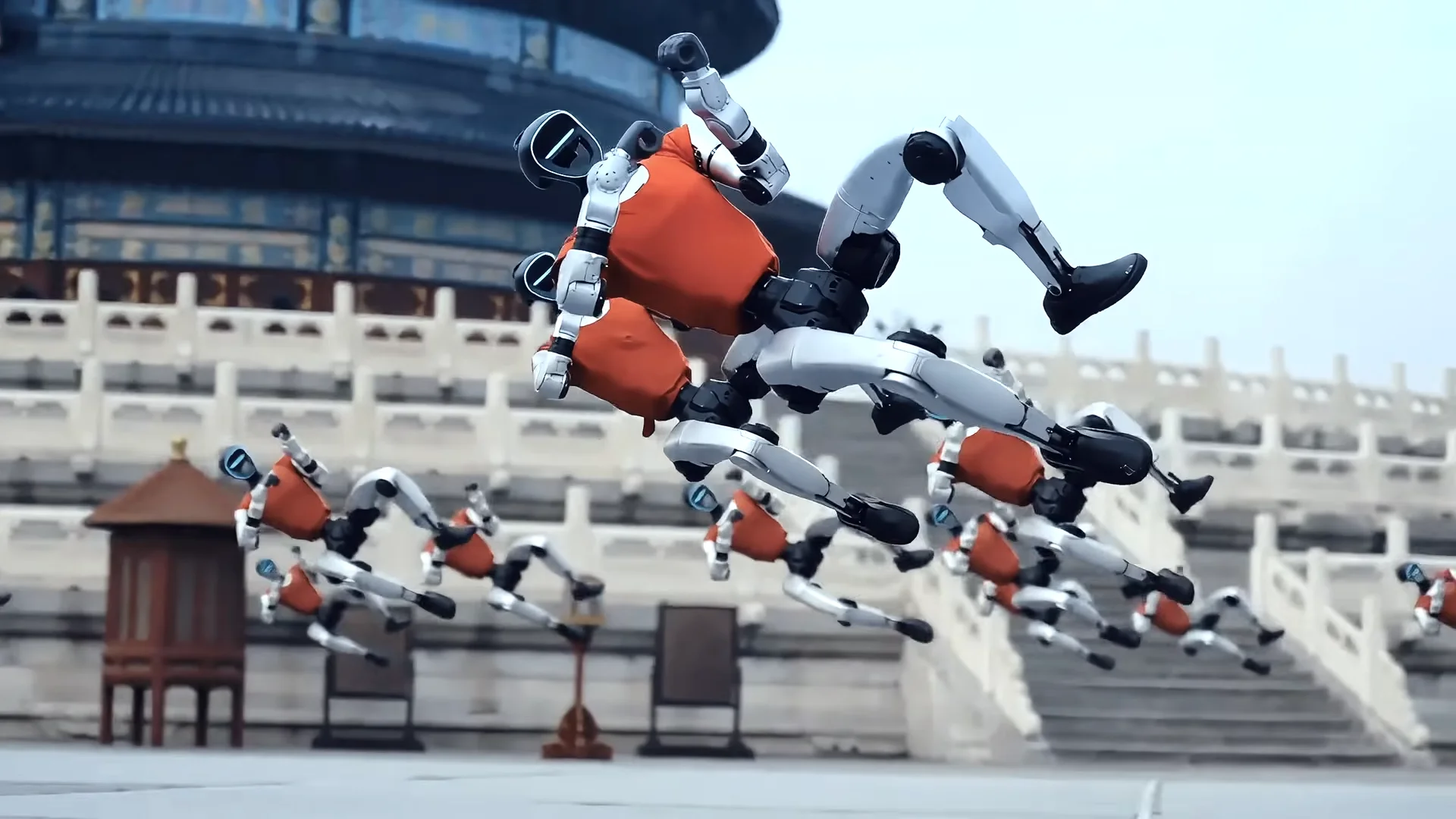
Sacred Ground, Silicon Swarm: Unitree’s G1 Fleet Performs at the Temple of Heaven
- Published on
- Reading time
- 3 min read
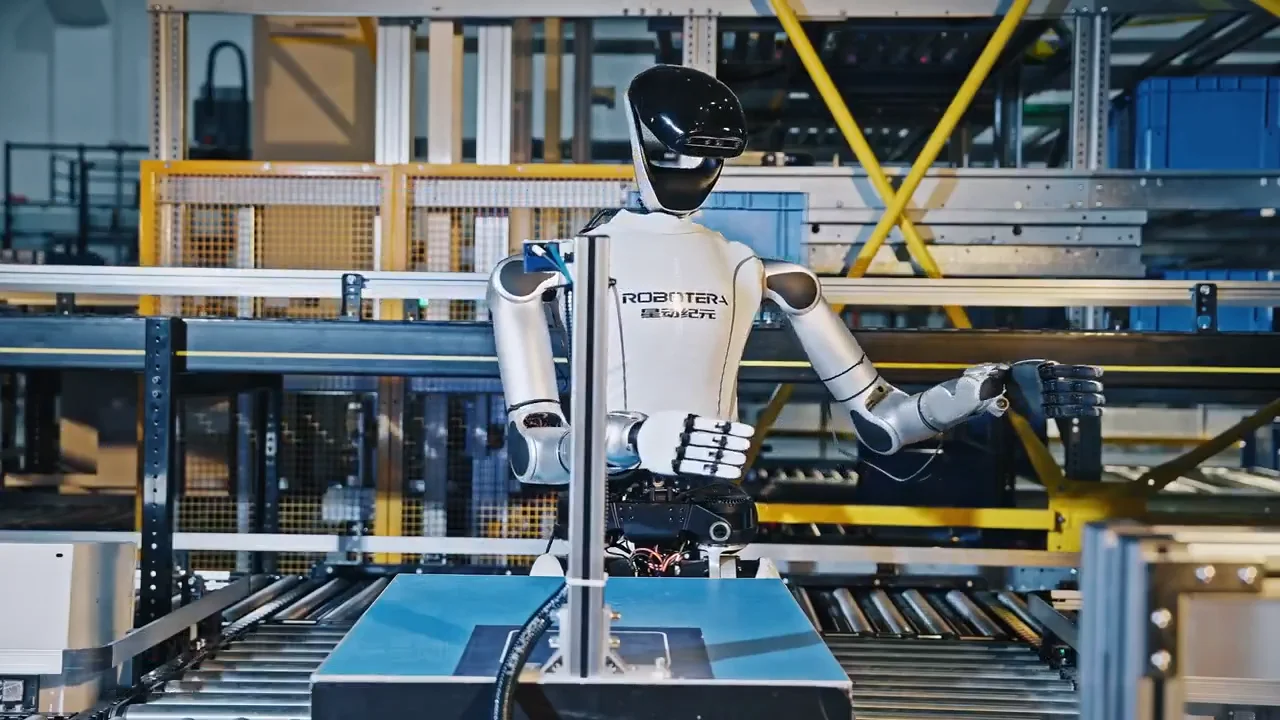
Robotera Secures $140M Series A+ Backed by Automakers Geely and BAIC, Claims $70M in Orders
- Published on
- Reading time
- 2 min read
UBTECH and FAW-Volkswagen Expand Humanoid Robot Partnership Into Factory Logistics
- Published on
- Reading time
- 3 min read
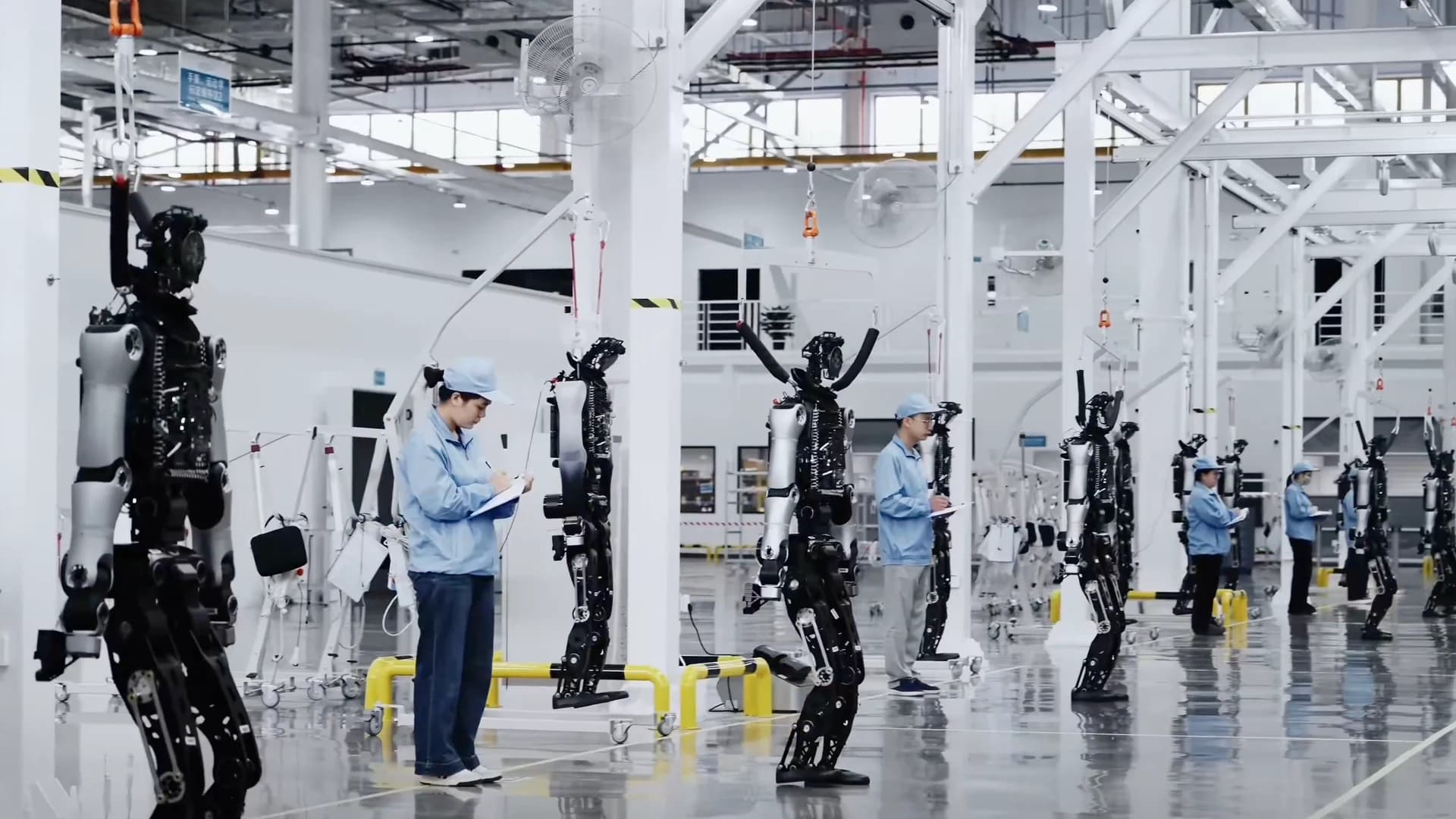
UBTECH CEO Tours Robot Factory, Says Monthly Output Could Reach 1,500 Units
- Published on
- Reading time
- 3 min read
UBTECH Brings Walker C1 to Slovenia in Balkan Expansion Push


The weekly humanoid robotics briefing
One email a week: the launches, funding and research that mattered, with context from Humanoids Daily.
Read recent issues