- Published on
UBTECH CEO Tours Robot Factory, Says Monthly Output Could Reach 1,500 Units
One tap, and our reporting appears more often in your Google Top Stories. It makes a real difference to a small newsroom.


- UBTECH has launched a factory-tour video series led by CEO James Zhou, also known as Zhou Jian.
- Zhou says the 14,000-square-meter facility could turn out a humanoid every eight to ten minutes at maximum capacity, with monthly output reaching around 1,500 units.
- The tour highlights robots handling materials, packaging and transport alongside people; it does not establish current production or shipment volumes.
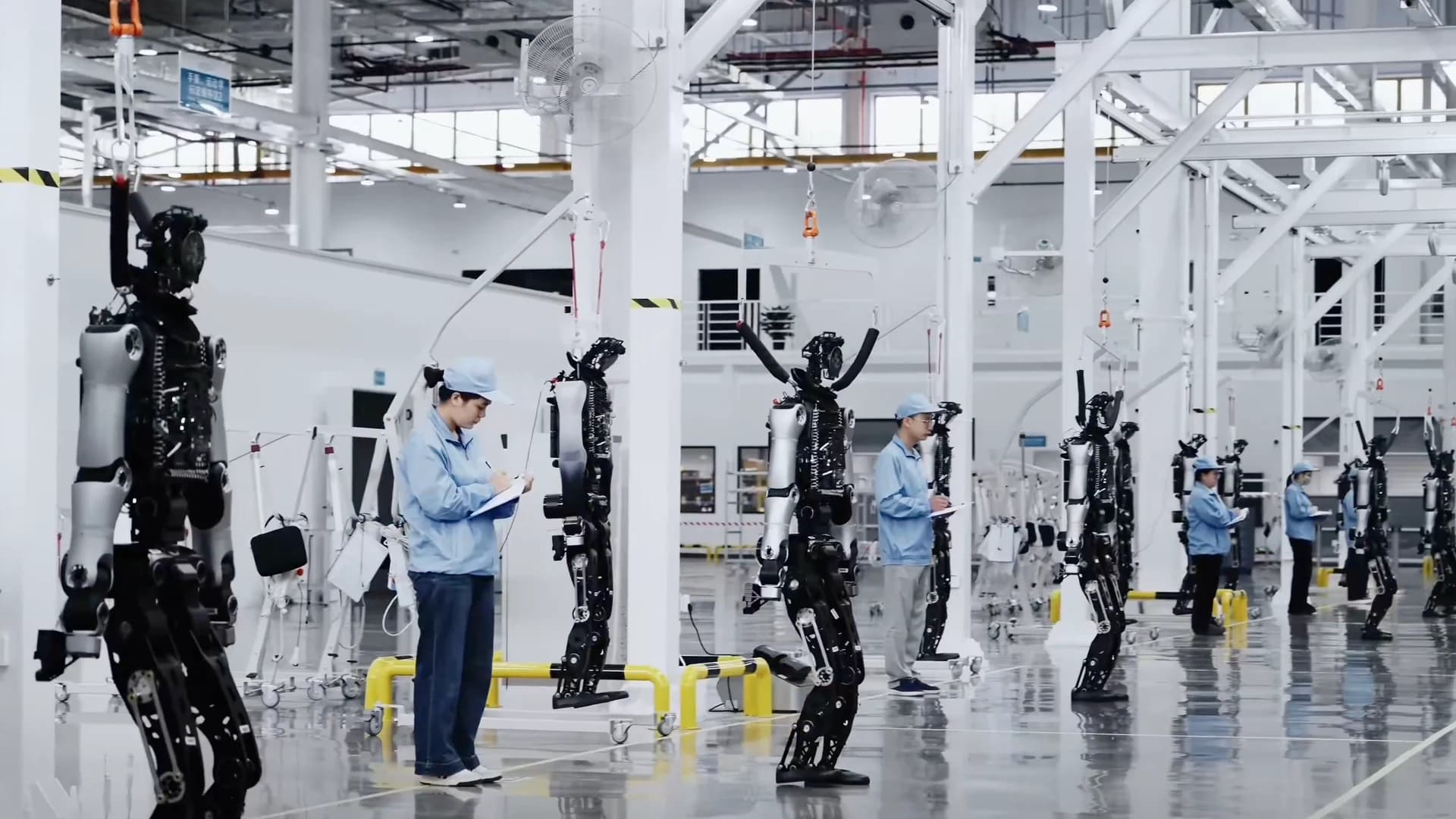
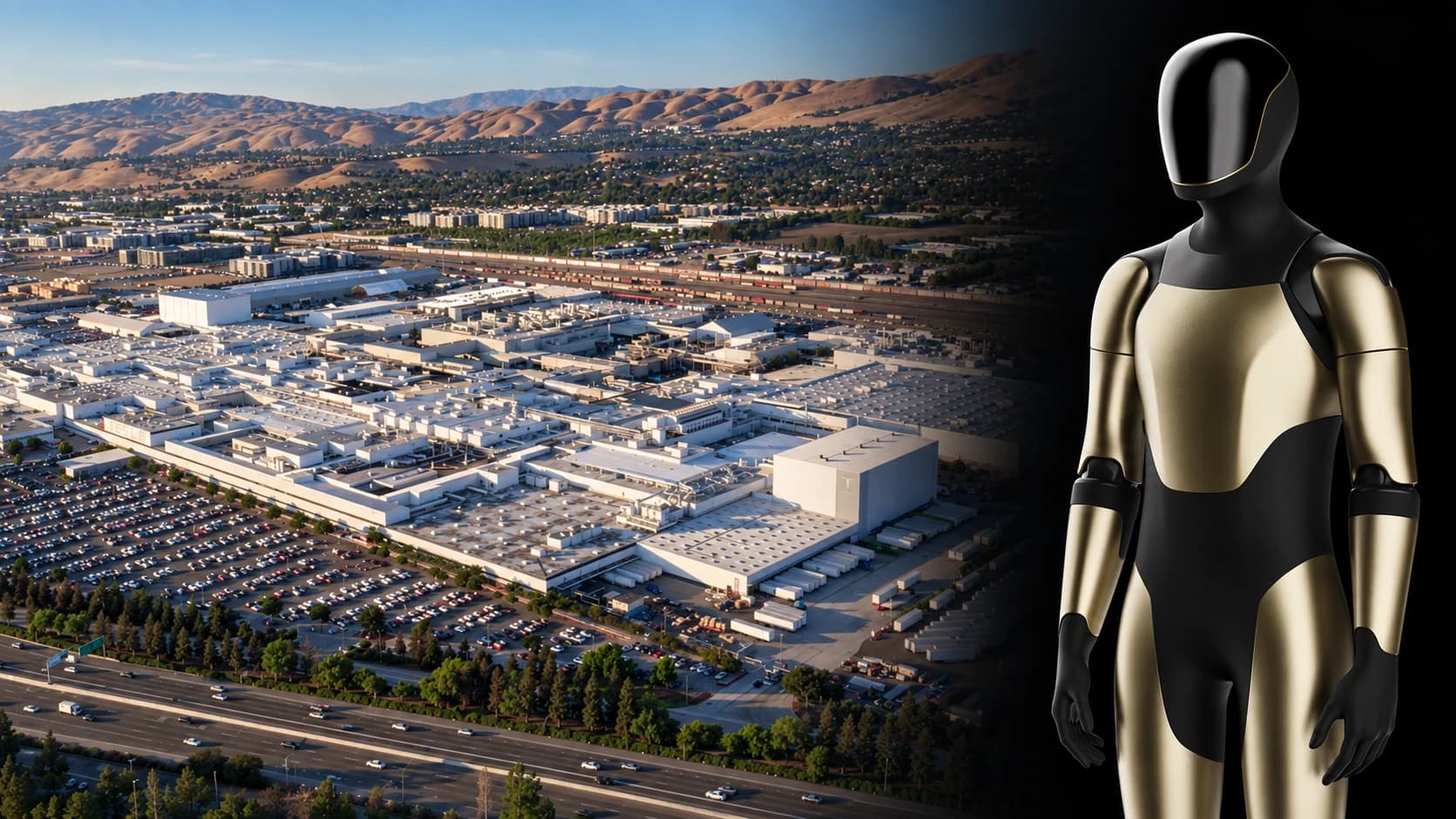
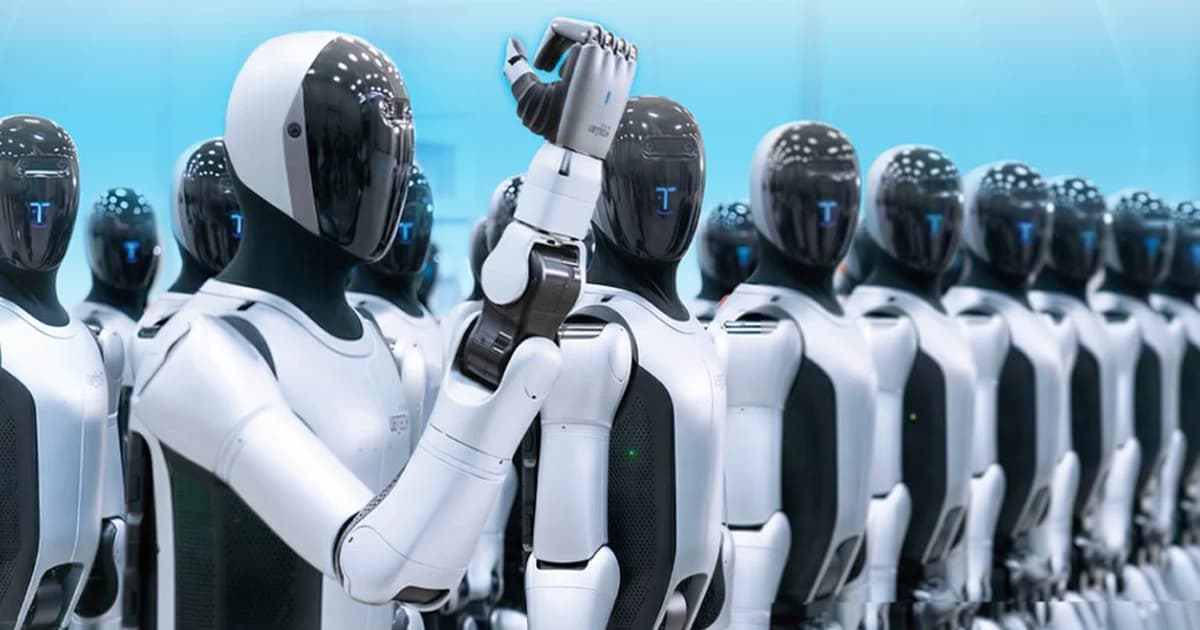
UBTECH is giving viewers a closer look at how it builds robots. In the first episode of a new factory-tour series, CEO James Zhou walks through the company's Super Smart Factory and outlines the production capacity behind its industrial humanoid ambitions.
The 1-minute-42-second video follows our September coverage of UBTECH's Liuzhou factory opening, which explored its assembly systems, logistics robots and Siemens collaboration.
Standing in front of the final assembly line, Zhou says the roughly 14,000-square-meter factory can roll out a humanoid every eight to ten minutes at maximum capacity. Monthly output, he adds, can reach around 1,500 units.
Those figures describe potential throughput. The video does not disclose actual monthly production, utilization or customer deliveries, and the interval between finished robots leaving a line is not the time required to build each robot from scratch.
The weekly humanoid robotics briefing
One email a week: the launches, funding and research that mattered, with context from Humanoids Daily.
Read recent issuesWhat “robots making robots” means here
Zhou describes a human-robot collaboration zone where UBTECH's own machines support production. Cruzr Y1 robots unpack materials and load them onto the line, while Cruzr S2 robots assist with packaging work. Once finished robots are packaged, a U7 Wally autonomous forklift transports them to the shipping dock.
These examples put practical detail behind the company's “robots making robots” description: automating the movement and handling of materials around production, with people still involved. They do not demonstrate a fully autonomous humanoid assembly process.
Zhou also credits Siemens with helping build the digital factory. UBTECH presents the tour as the opening installment of a series, leaving room for subsequent episodes to show more of the assembly, testing and quality-control work behind its capacity claims.
Share this article
Read next
- Published on
- Reading time
- 8 min read
Inside UBTECH’s 10,000-Unit Super Factory: How Robots Are Building Humanoids in Liuzhou
- Published on
- Reading time
- 6 min read
UBTECH Reports 104% Revenue Surge in H1 2026 as Full-Size Humanoids Drive Growth
- Published on
- Reading time
- 4 min read
AGIBOT Tops Medal Table at 2nd World Humanoid Robot Games as Beijing Showdown Concludes
- Published on
- Reading time
- 6 min read
Global Humanoid Shipments Surpass 22,000 in H1 2026 as AGIBOT Leads and Form-Factor Debates Intensify
- Published on
- Reading time
- 3 min read
Man or a Machine? UBTECH’s UWORLD Teases a Humanoid So Lifelike It Wears a Suit
- Published on
- Reading time
- 4 min read
UBTECH Pivots to the Home with Launch of Consumer Humanoid Brand UWORLD


The weekly humanoid robotics briefing
One email a week: the launches, funding and research that mattered, with context from Humanoids Daily.
Read recent issues