- Published on
Watch: Inside Foundation’s Humanoid Factory and the Anatomy of a "War Machine"
One tap, and our reporting appears more often in your Google Top Stories. It makes a real difference to a small newsroom.

Supported by RoboStrategySupport for Humanoids Daily comes from RoboStrategy
Sponsored
Investing involves risk, including possible loss of principal. Read the prospectus before investing.
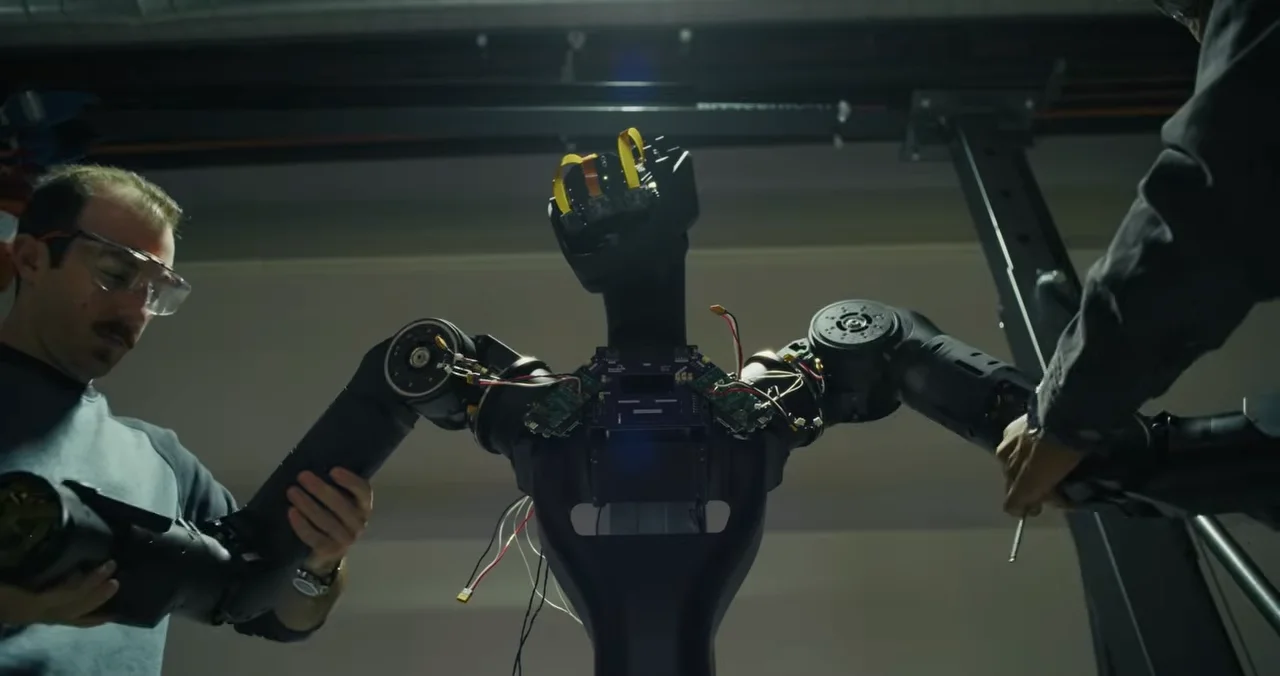
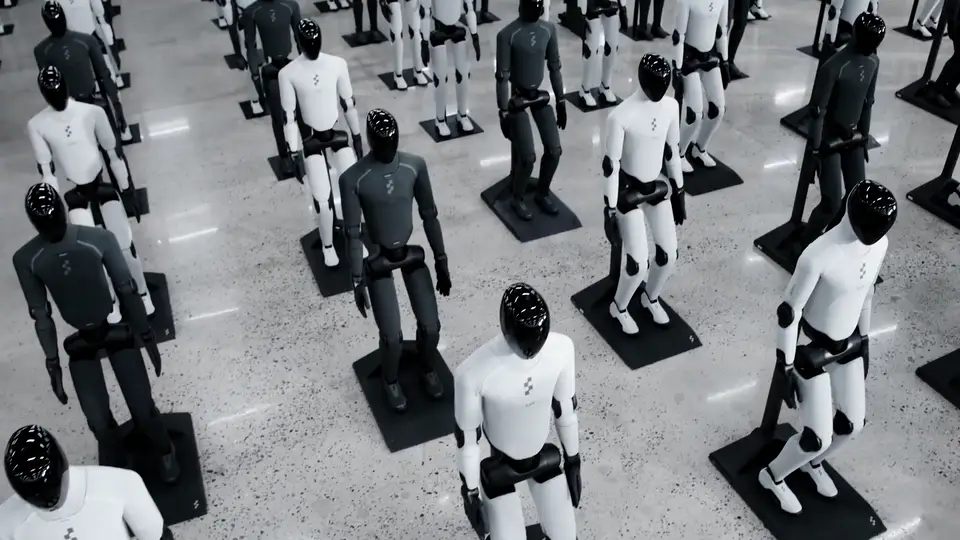
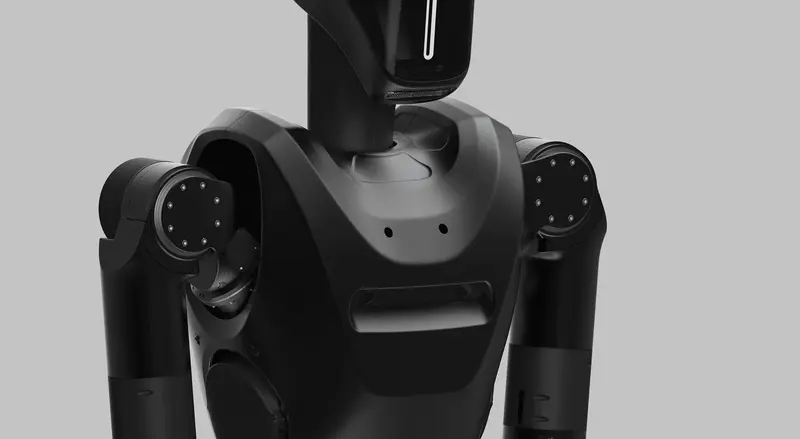
Foundation Robotics features in two new videos that provide the most intimate look yet at the Phantom MK1 and the company's next-generation "alien technology" hands. However, beneath the polished visuals lies a complex corporate lineage and a "dual-use" strategy that continues to rattle the robotics industry.
Inside Robo Factory 1
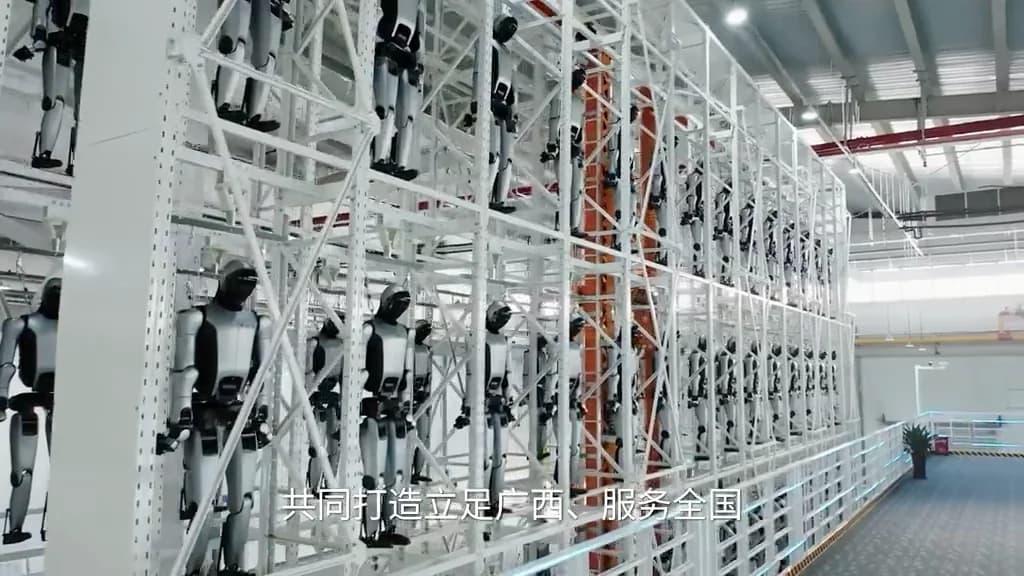
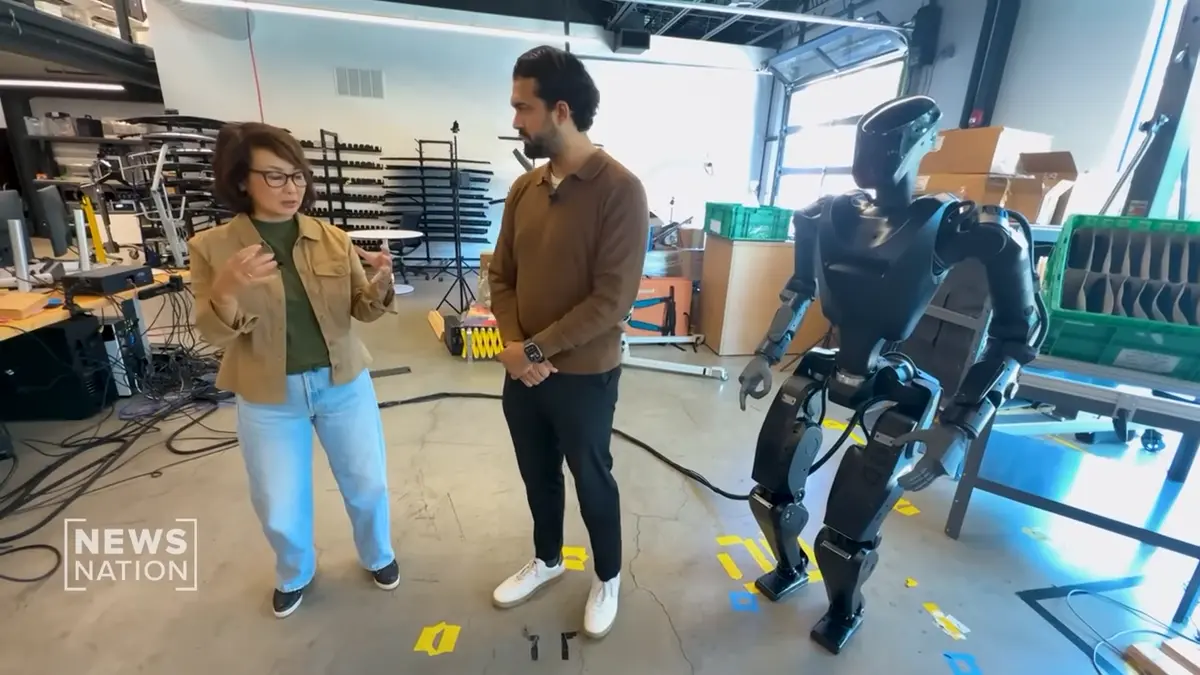
In a new feature by CoreMemory, Foundation CEO Sankaet Pathak leads a tour of "Robo Factory 1," the company’s San Francisco design headquarters. The video shows a surprisingly manual assembly process.
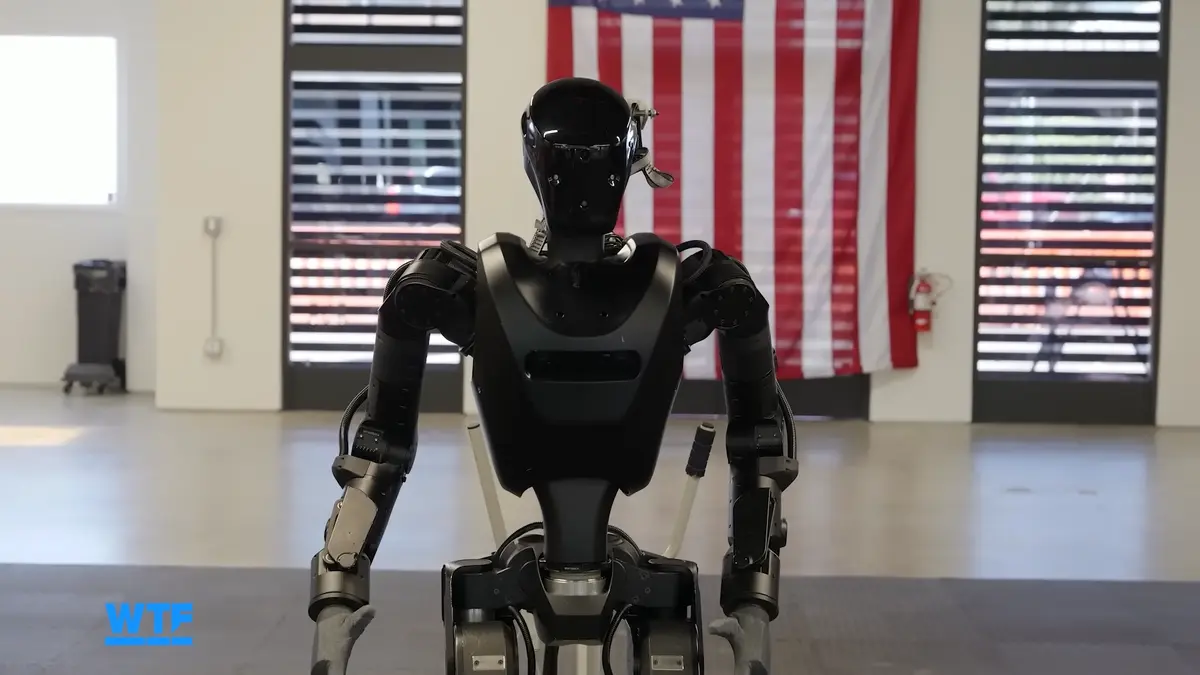
The Phantom MK1 is composed of approximately 500 unique parts, with Pathak highlighting that while 30% are sourced from China, the remainder comes from a global supply chain including the US, Mexico, Israel, and South Korea. Key assembly steps shown include:
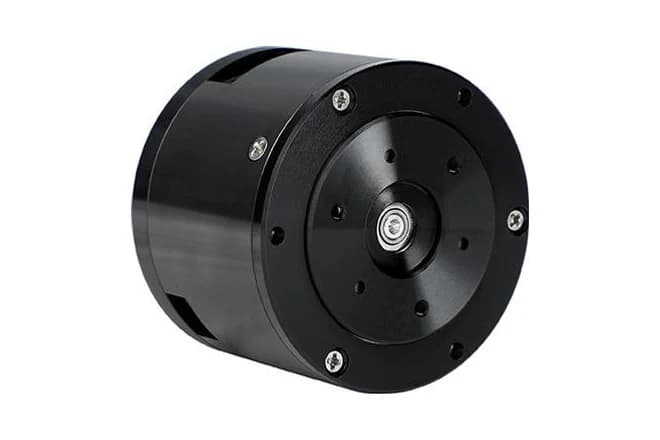
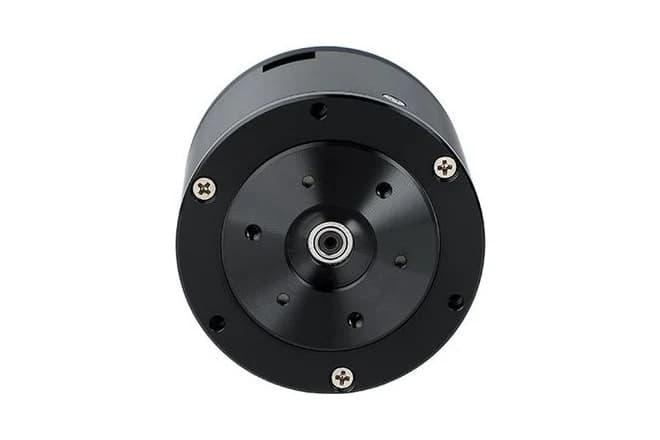
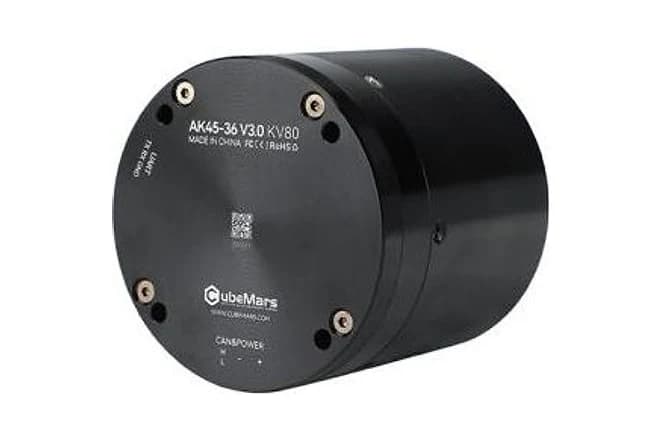
- Actuator Assembly: Technicians manually press ring pins into housing units to build the custom cycloidal gearboxes.
- Structural Integration: The "shin" of the robot features titanium rods designed to withstand the high-vibration environment of bipedal walking .
- Sensing: The head integrates six cameras to provide a near-360-degree field of view, which the company claims is essential for both task performance and safety .
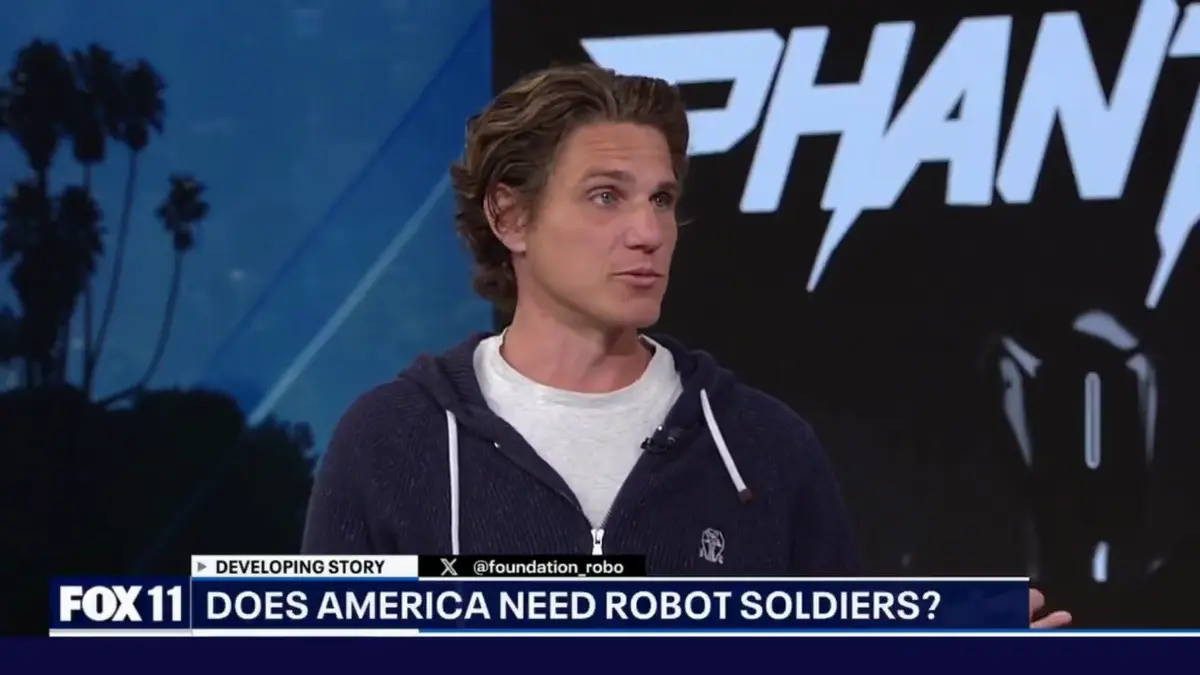
Interestingly, this cinematic tour avoids the overt military rhetoric Pathak has embraced in other forums. Instead, it frames the robot as a tool to liberate humans from a "screenless world" where machines handle the interface between physical tools .
The weekly humanoid robotics briefing
One email a week: the launches, funding and research that mattered, with context from Humanoids Daily.
Read recent issues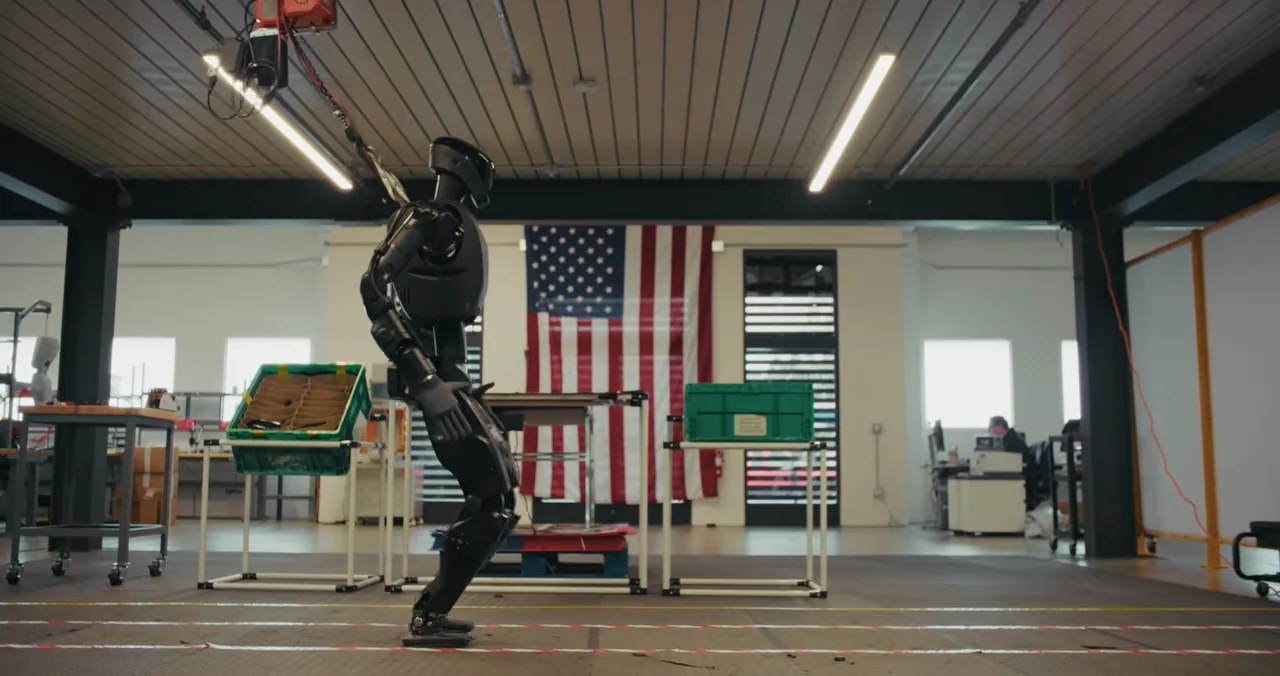
The Boardwalk Legacy: Buying a "Moat"
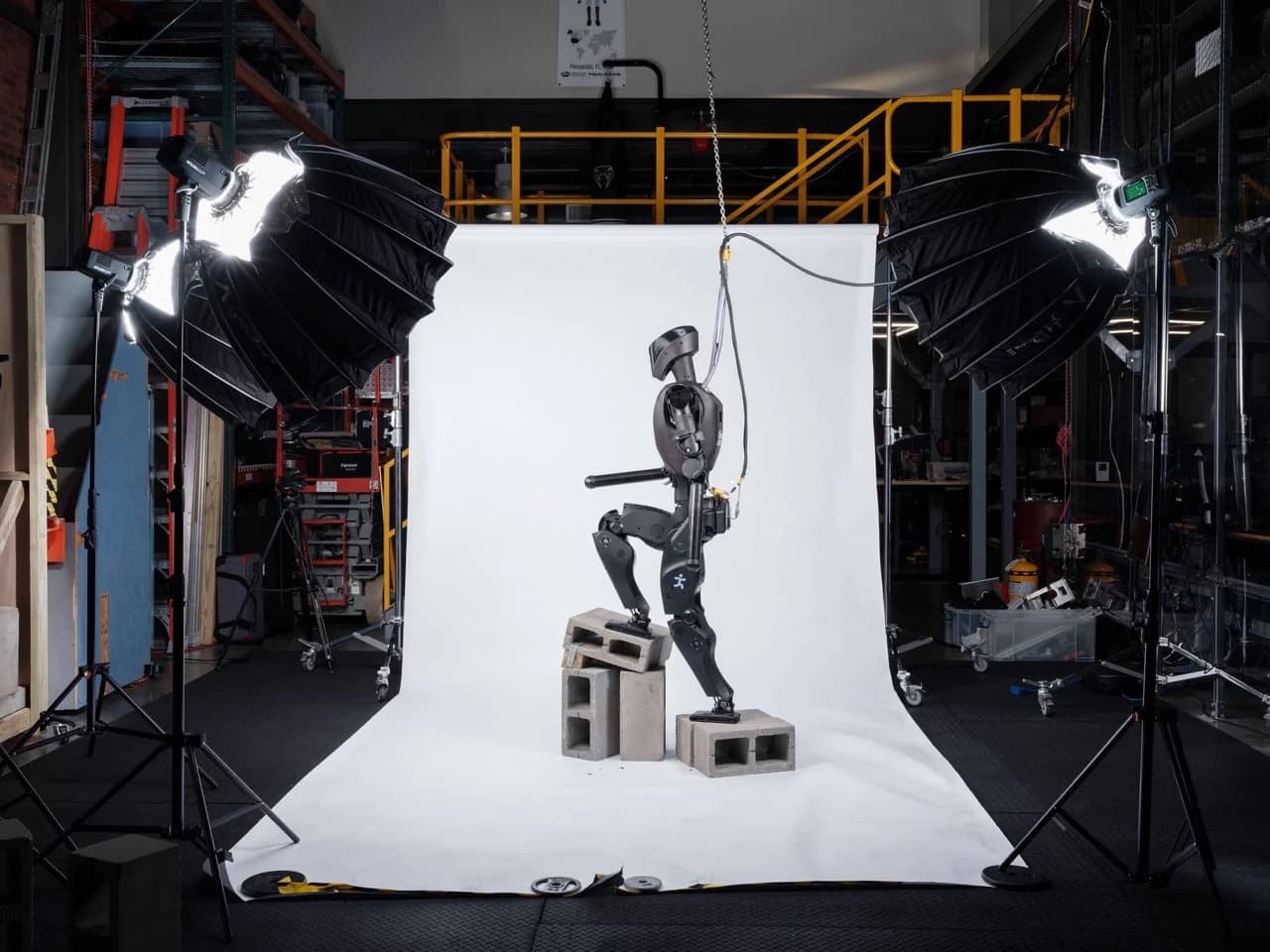
The similarities between the Phantom MK1 and the Boardwalk Robotics "Alex" platform are not coincidental. Foundation Robotics formally acquired Boardwalk Robotics in August 2024.
Boardwalk, a spinoff from the Florida Institute for Human and Machine Cognition (IHMC), had spent years perfecting the cycloidal actuator technology that now serves as Foundation’s technical moat. These actuators provide:
- High Efficiency: Claimed 90-95% energy efficiency compared to 50-60% in traditional harmonic drives.
- Ruggedness: Unlike fragile strain wave gears, cycloidal drives use rolling elements that are highly resistant to shock loads.
- Backdrivability: The low-friction design allows the robot to "feel" external forces, enabling safer human interaction and more precise torque control.
IHMC continues to develop a separate, fully bipedal research robot also named "Alex".
Engineering the "Alien Technology" Hand
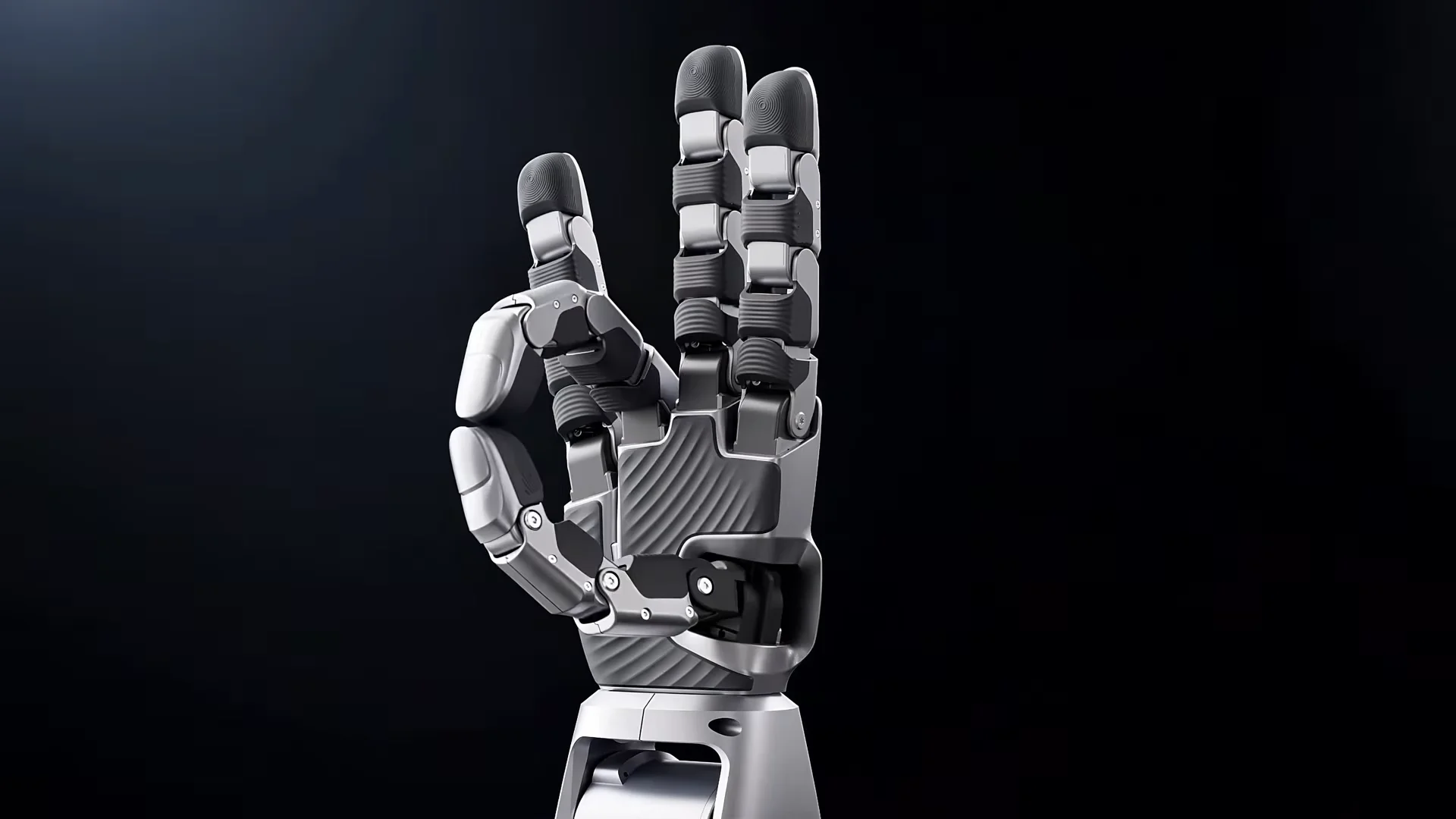
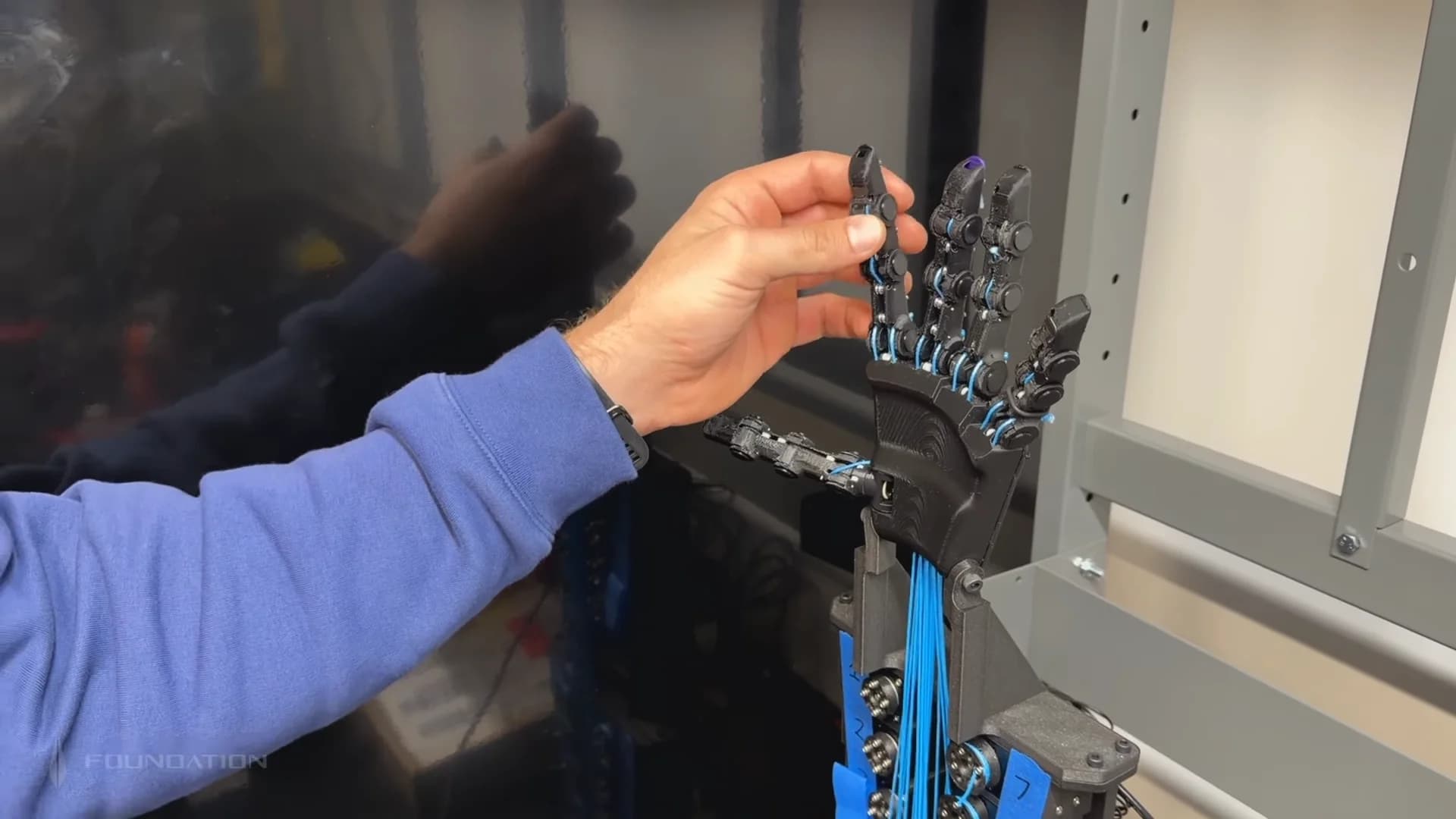
Foundation's second video, released today, focuses on the "rabbit hole" of robotic manipulation. The lead hand engineer, Andrea, describes their current Phantom hand as little more than a "gripper masquerading as a hand," featuring only two coupled joints per finger .
The company's future "Mach 2" hand aims for anatomical accuracy:
- Tendon-Driven Design: Moving the actuators into the forearm allows the fingers to remain thin and nimble, mimicking human musculature
- Actuation Density: The new prototype features 24 motors (representing muscles) and a complex network of flexor and extensor tendons .
- Bio-Mimicry: By studying human dissections, the team is implementing DIP, PIP, and MCP joints to enable abduction and adduction—the ability to spread fingers apart to grasp spherical objects.
The Path to Thousands of Units
Despite the "craftsmanship" feel of the factory video, Pathak remains committed to an aggressive, almost "insane" manufacturing roadmap. Foundation has previously said that they aim to produce thousands of robots in 2026.
For a startup still hand-soldering motor controllers and manually pressing pins, scaling to five-figure production in such a short time would require a transition from "Robo Factory 1" to a massive, automated industrial operation—all while navigating the financial shadow of Pathak’s previous venture, Synapse.
Watch the Features
Inside the Factory:
The Future of Manipulation:
Share this article
Read next
- Published on
- Reading time
- 3 min read
CNET Goes Hands-On With Foundation's 'Phantom' Humanoid as CEO Discusses Arming Robots
- Published on
- Reading time
- 4 min read
Foundation CEO Details Path to Armed Robots, Aims for 10,000-Unit Production in 2026
- Published on
- Reading time
- 4 min read
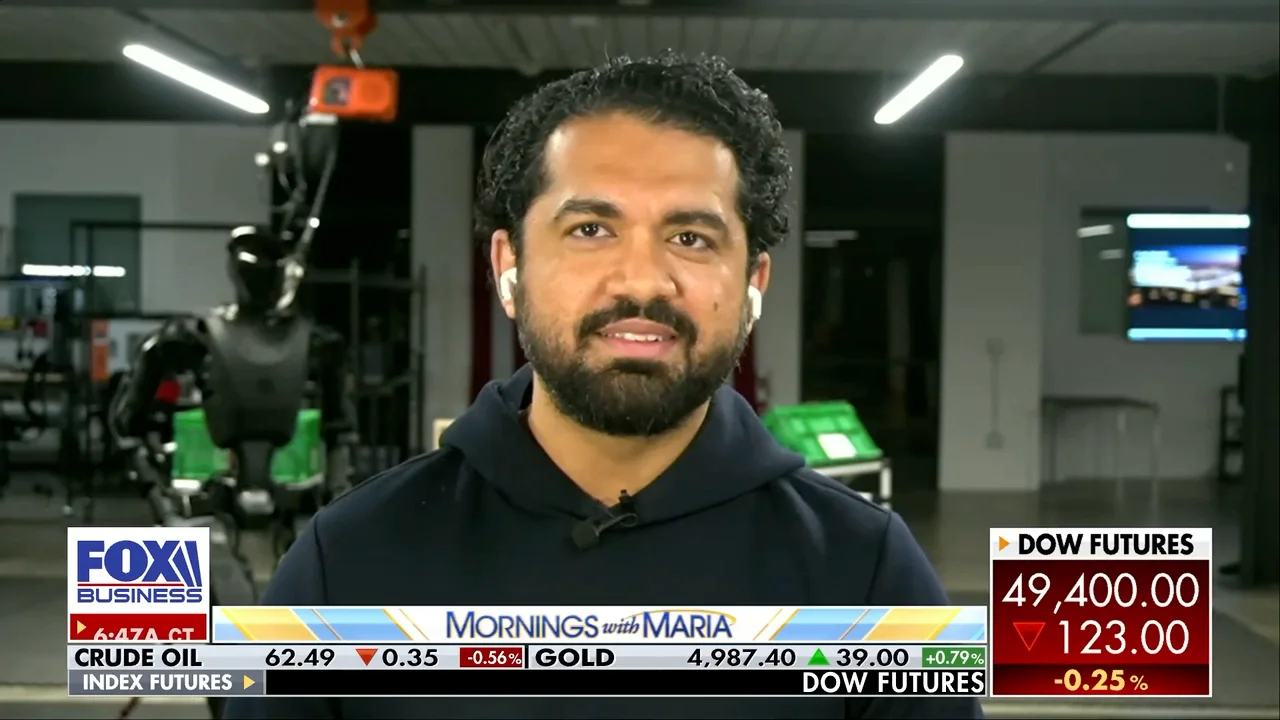
"Peace Through Strength": Foundation CEO Showcases Phantom Robot on Fox Business
- Published on
- Reading time
- 3 min read
Foundation CEO Discusses 'Dual-Use' Humanoids, From Factory Floors to Future Battlefields
- Published on
- Reading time
- 4 min read
'Don't Send a Marine, Send a Robot': Foundation Co-Founder Details Military Pitch for Humanoids
- Published on
- Reading time
- 5 min read
Foundation Robotics CEO Details Ukraine Pilot, "Super-Heavy" Phantom 2, and Rejection of Companion Bots

The weekly humanoid robotics briefing
One email a week: the launches, funding and research that mattered, with context from Humanoids Daily.
Read recent issues