- Published on
EngineAI Details URKL League: A $1.4 Million Gold Belt and the Future of Bipedal Brawling
One tap, and our reporting appears more often in your Google Top Stories. It makes a real difference to a small newsroom.

Supported by RoboStrategySupport for Humanoids Daily comes from RoboStrategy
Sponsored
Investing involves risk, including possible loss of principal. Read the prospectus before investing.
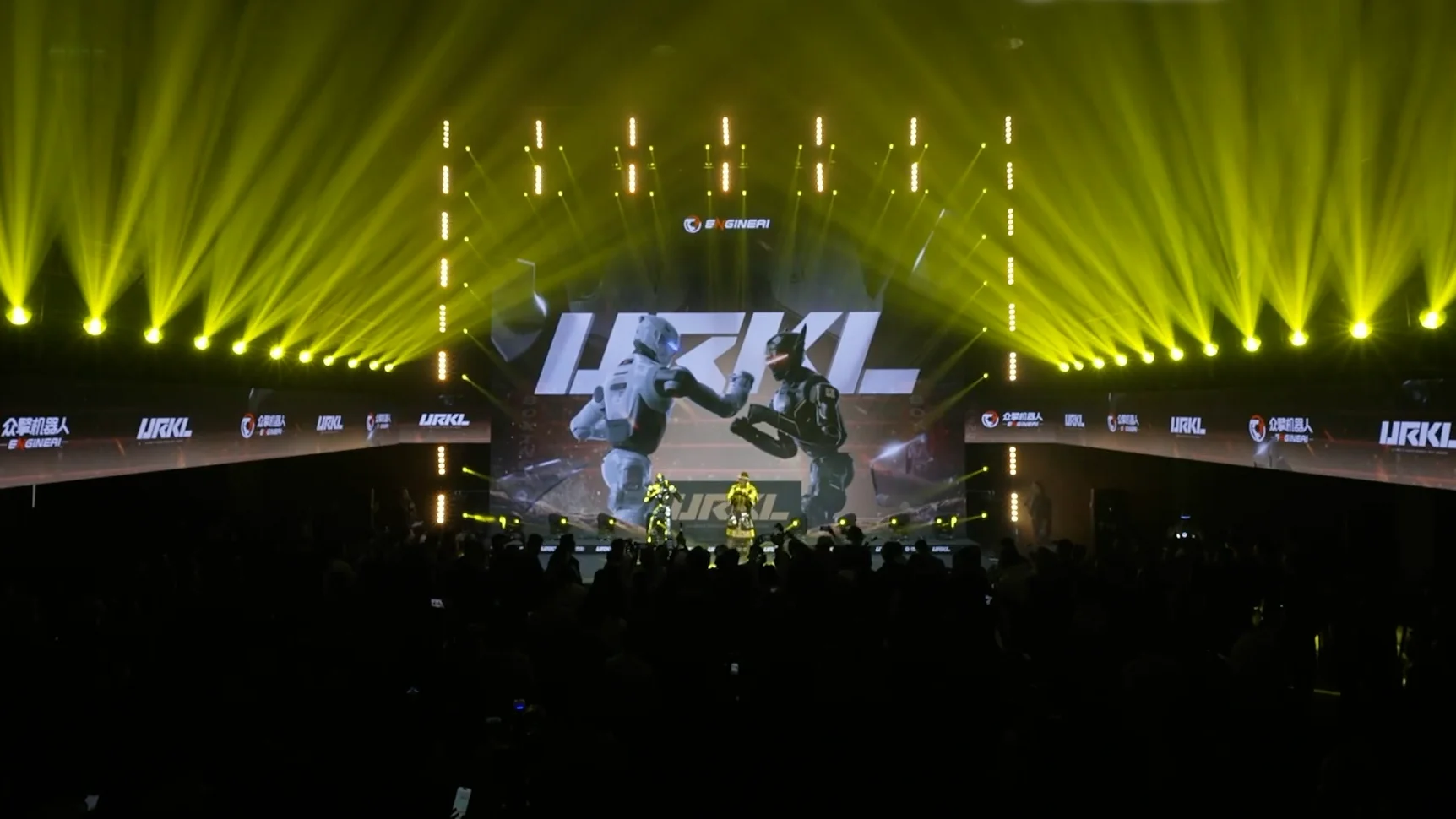
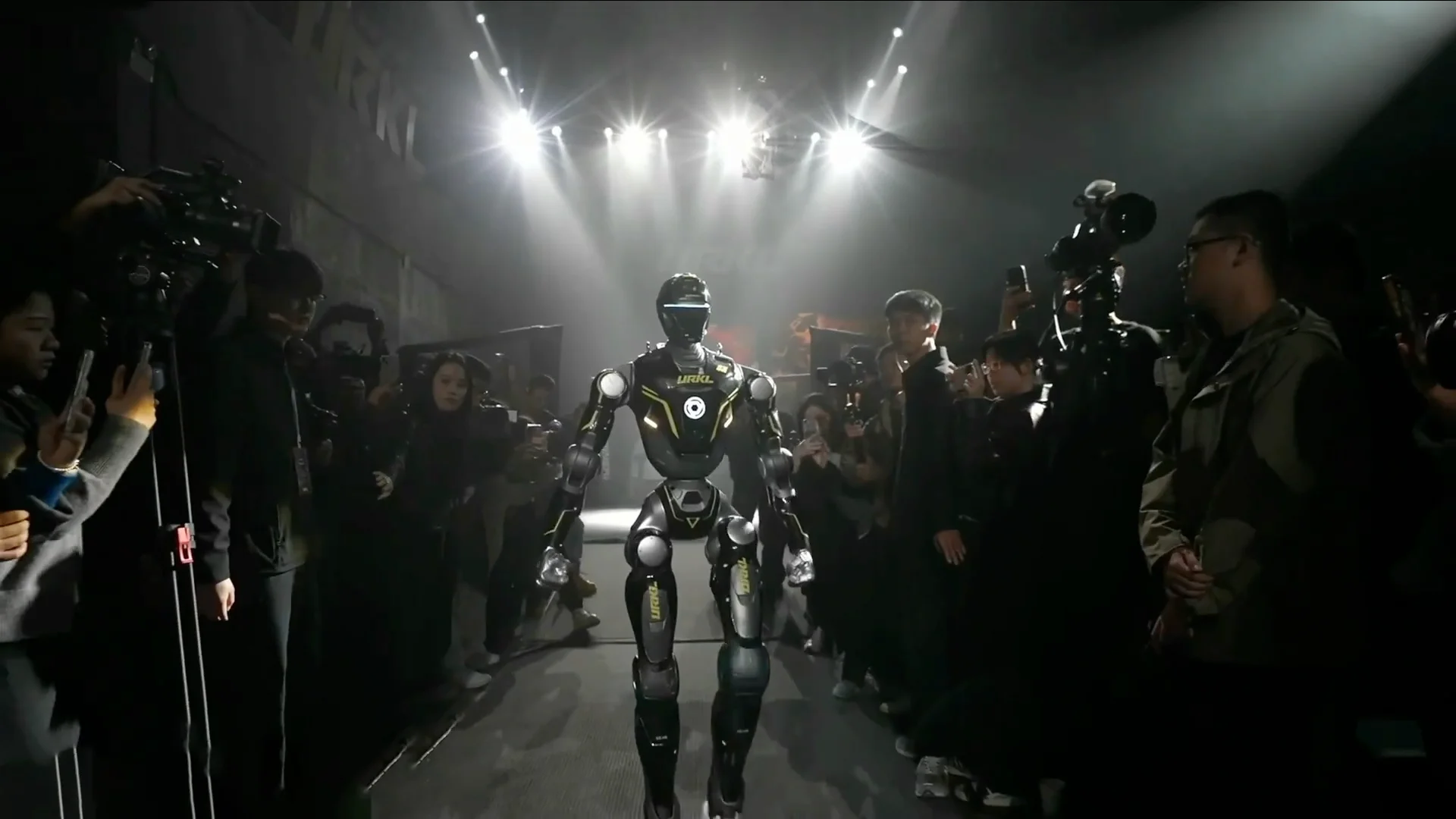
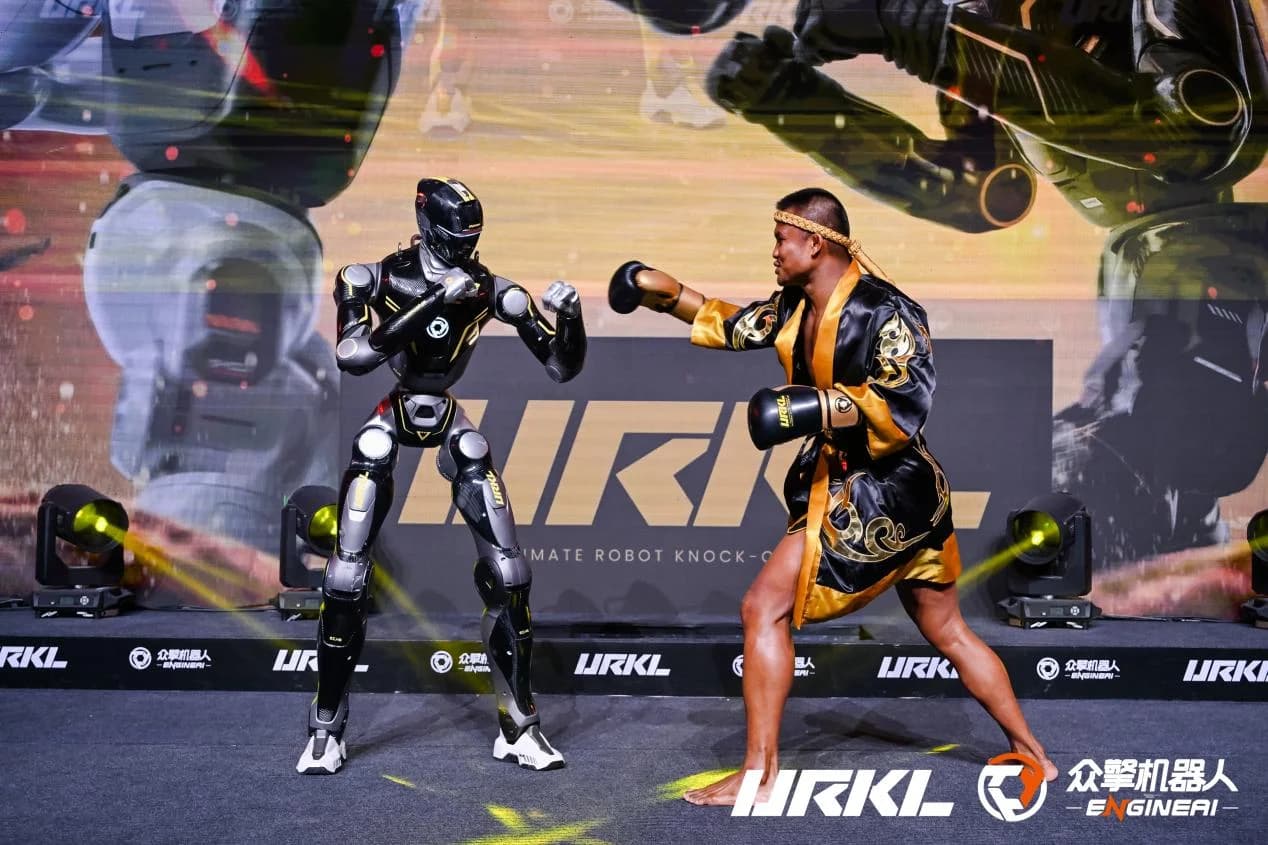
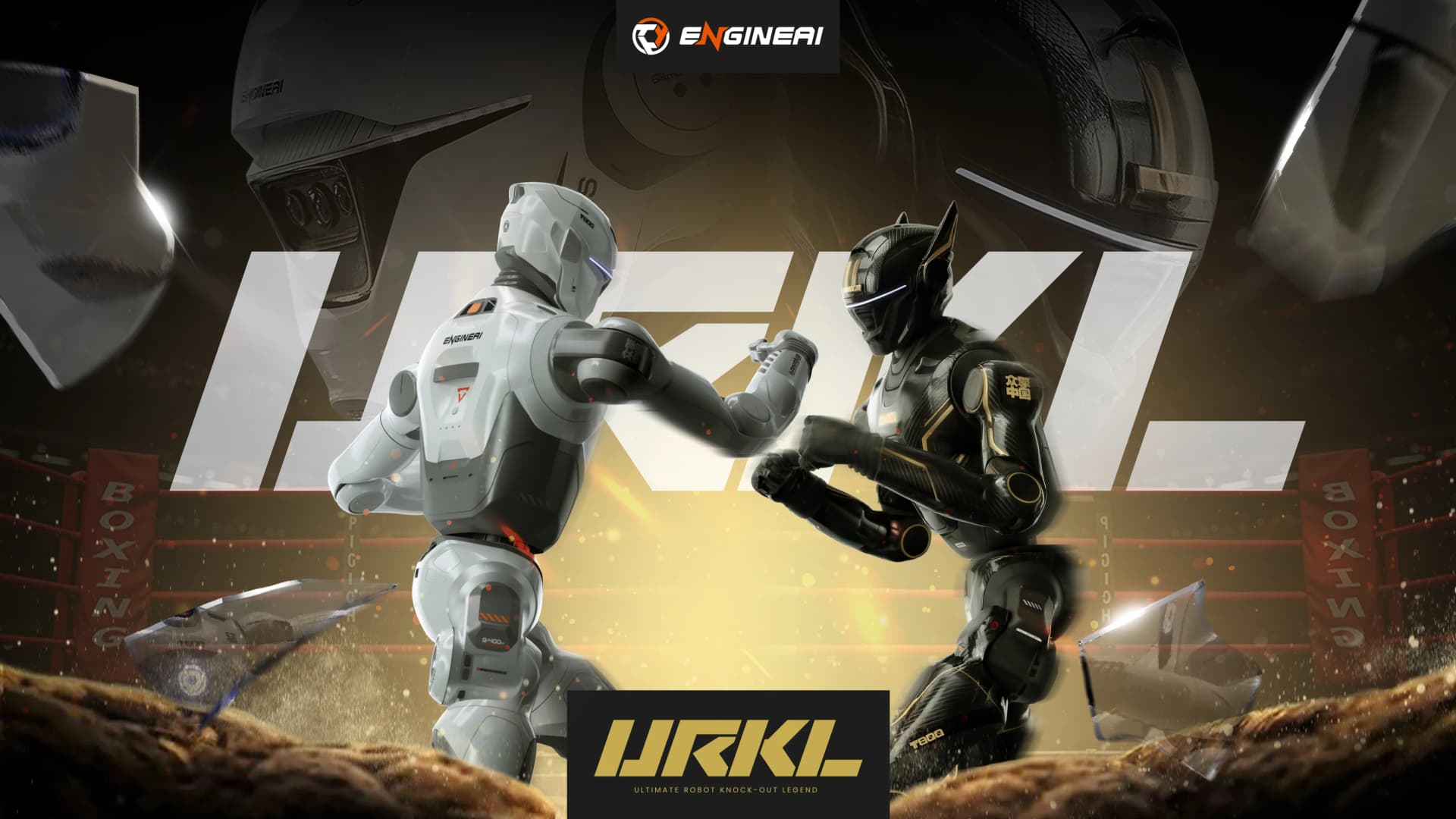
EngineAI has officially transitioned from viral marketing to competitive reality. At a high-profile launch event in Shenzhen today, the company and the Ultimate Robot Knock-out Legend (URKL) organization detailed the structure of their upcoming humanoid fighting league. The headline attraction is a championship prize as bold as the robots themselves: a solid gold belt valued at 10 million RMB (approximately $1.4 million).
The launch event, held under the theme "Disrupt, Clash for the Peak," marks the formal start of a competition that EngineAI hopes will do for humanoid robotics what Formula 1 did for the automotive industry—accelerating R&D through high-stakes competition.
The Format: 16 Teams, One Champion
The URKL league is positioning itself as a global platform, opening registration to universities, private companies, and research institutions worldwide. The tournament will feature 16 teams selected after a preliminary screening process. These teams will be divided into four groups for a round-robin stage before advancing to a single-elimination bracket.
In a move to ensure technical parity and focus on software optimization, the league is discouraging "violent modifications" common in wheeled combat sports like BattleBots. Instead, URKL emphasizes "self-developed protective gear" and algorithmic innovation. This aligns with EngineAI's broader dual-track strategy, using the ring to refine the balance and motion control systems required for their future industrial and domestic service bots.
The weekly humanoid robotics briefing
One email a week: the launches, funding and research that mattered, with context from Humanoids Daily.
Read recent issues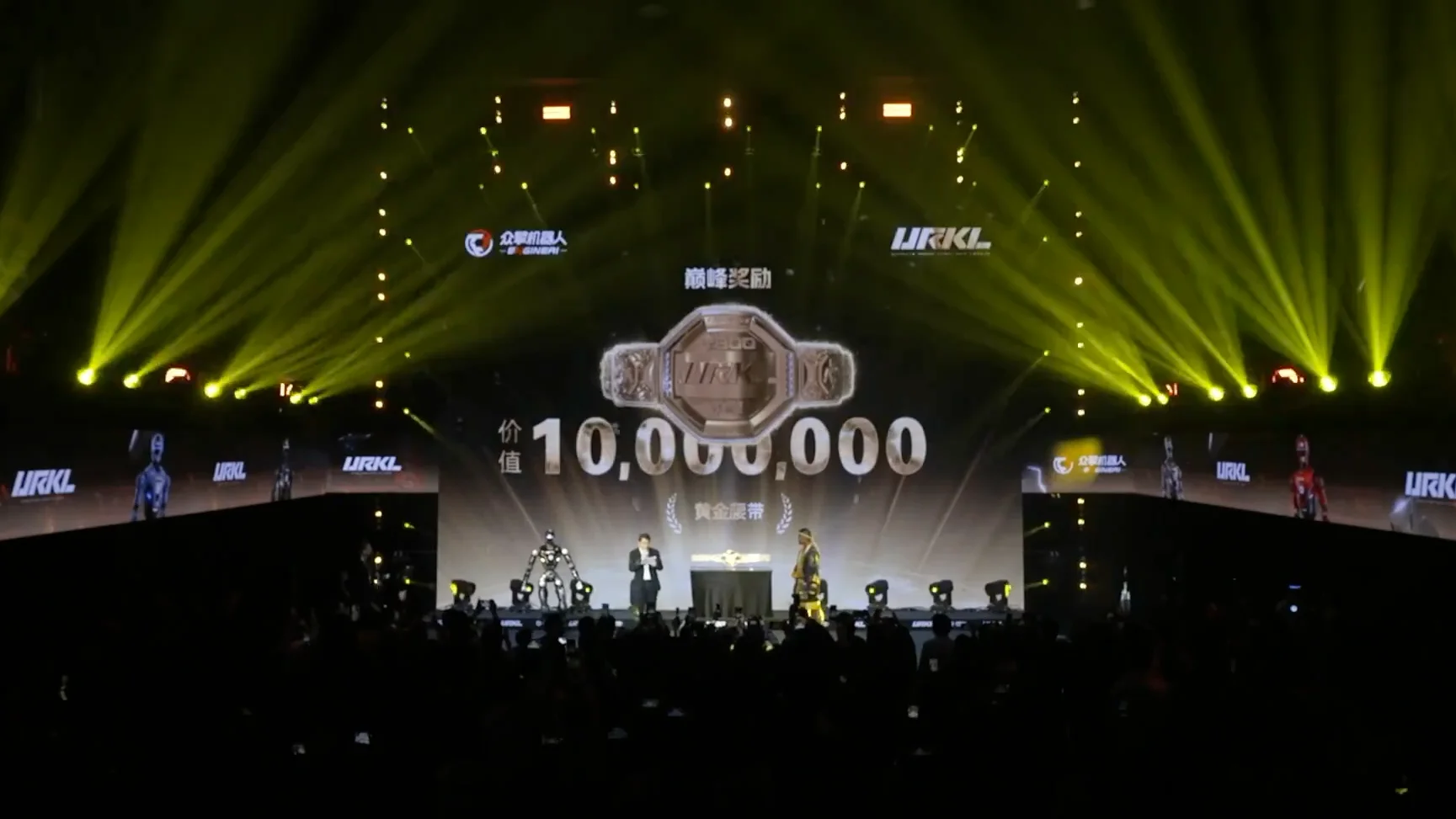
Rules of Engagement: "Real Steel" Reality
The competition rules released today highlight the extreme physical demands placed on the hardware, specifically the T800 humanoid platform:
- The Roster: Each team is permitted one primary robot and one backup. A robot swap is only allowed once per match in the event of "irreversible failure," subject to referee approval.
- The Match: Battles follow a Best-of-Three (BO3) format. Each round consists of five minutes of net competition time.
- The "Stand-up" Rule: If a robot is knocked down, it has 10 seconds to stand up autonomously without penalty. If it fails, a team can use one of only two "manual resets" per match. Exceeding the reset limit or the reset time results in a technical knockout (TKO).
- Power Management: Battery swaps are strictly prohibited during a round; they may only occur during intervals or tactical timeouts.
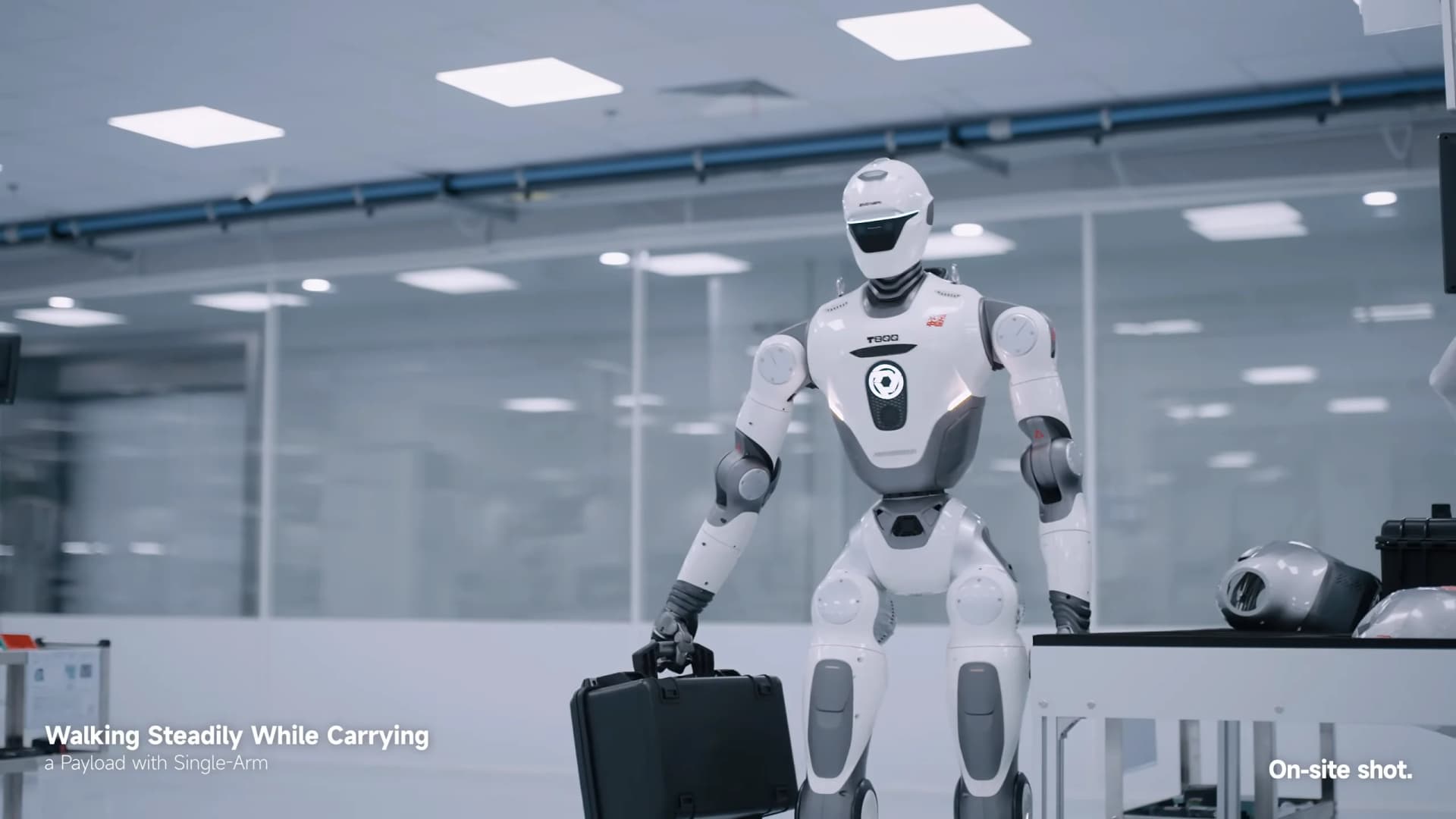
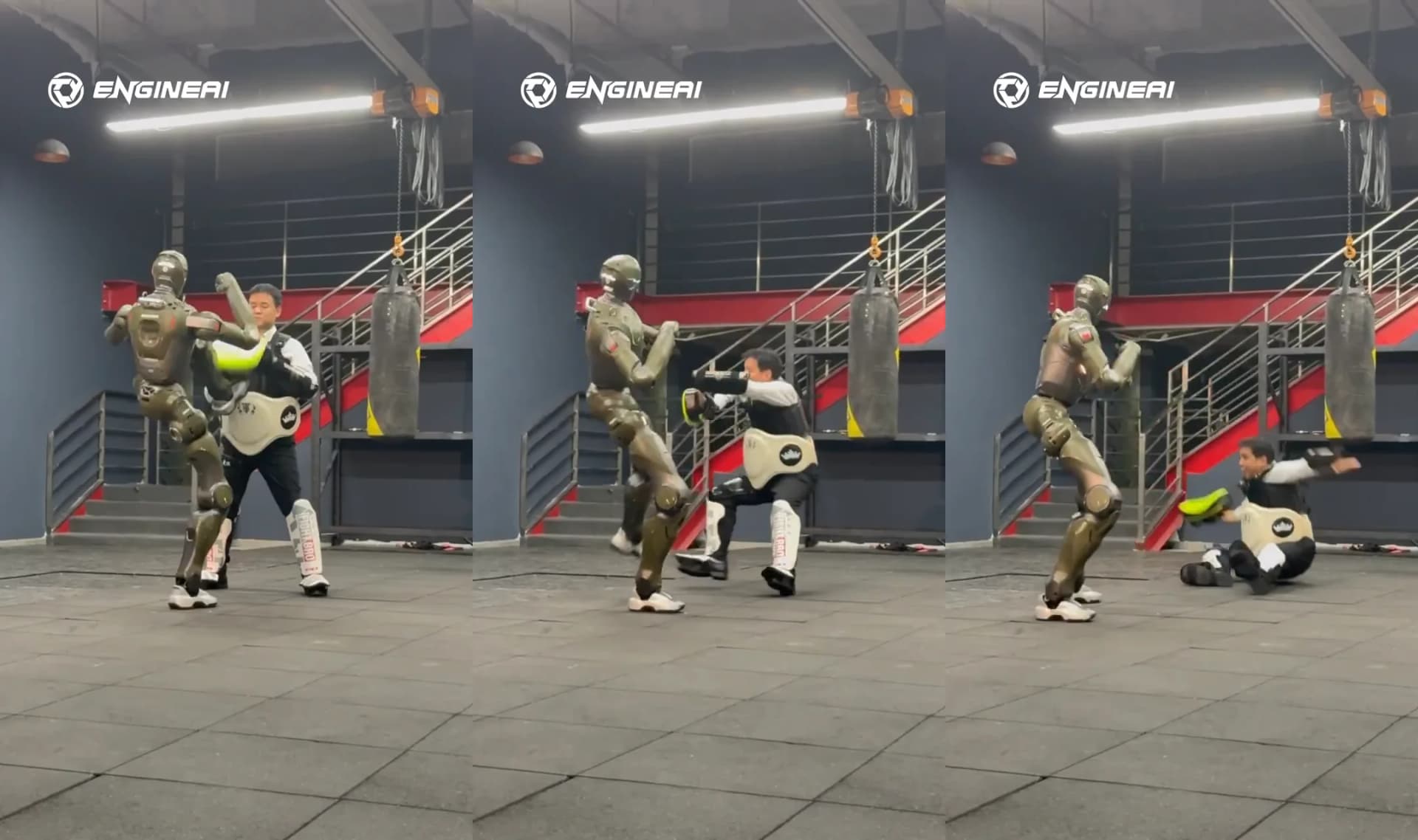
These rules are a direct test of the T800’s 450 N·m peak torque and its ability to maintain stability under impact—a capability EngineAI’s CEO famously demonstrated by absorbing a kick from the machine himself.
Stress-Testing the $25,000 "Action Hero"
While US-based leagues like REK (Robot Embodied Kombat) have focused on human-in-the-loop VR control, URKL appears to be leaning into autonomous or semi-autonomous mobility. By forcing robots to stand themselves back up and survive five-minute rounds without fresh batteries, the league is testing the thermal management and power efficiency of the T800's modular solid-state batteries and active cooling systems.
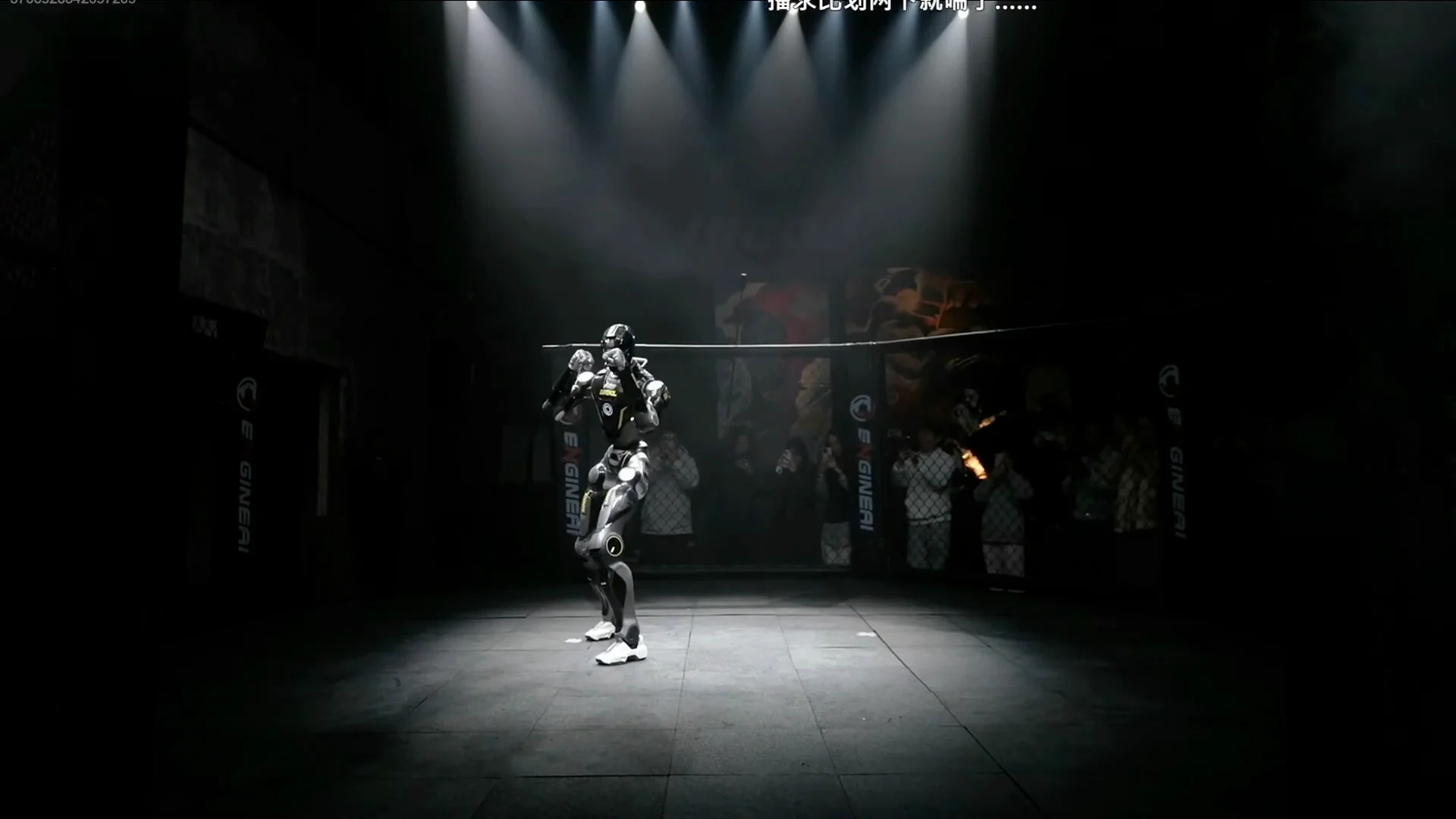
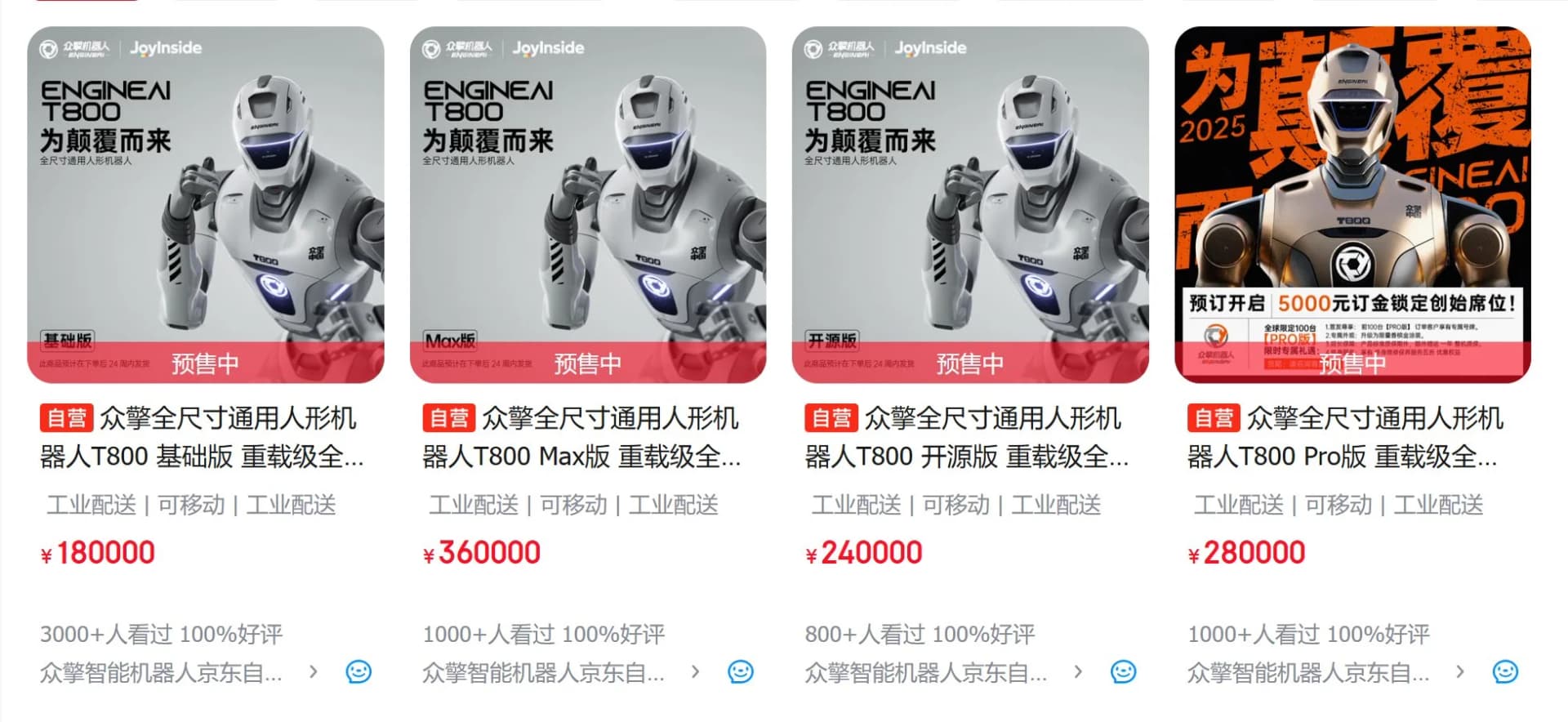
The timing of the league is critical for EngineAI’s commercial roadmap. With pre-orders currently live starting at $25,000 and first shipments expected in June 2026, URKL serves as a high-visibility validation of the hardware’s durability.
As 16 teams prepare to vie for a million-dollar gold belt, the industry will be watching to see if EngineAI’s "action movie" aesthetics can survive the unscripted violence of the ring. If the T800 can maintain its balance under the pressure of URKL, it may well prove ready for the equally unpredictable environments of retail stores and factory floors.
Share this article
Read next
- Published on
- Reading time
- 4 min read
EngineAI Opens Global Registration for URKL: The $1.4 Million Race for Humanoid Supremacy
- Published on
- Reading time
- 4 min read
Brawlers or Builders? EngineAI’s T800 Navigates the Split Between Factory Work and Combat Sports
- Published on
- Reading time
- 3 min read
EngineAI Secures $200 Million Series B as Manufacturing Giant Luxshare Joins the Cap Table
- Published on
- Reading time
- 3 min read
Arena Ready: EngineAI Slates URKL Debut Following CES Launch and State Endorsement
- Published on
- Reading time
- 4 min read
EngineAI CEO Takes a Kick from T800 Robot to Settle CGI Debates
- Published on
- Reading time
- 4 min read
EngineAI T800 Pre-Orders Go Live at $25,000, Undercutting Competitors in a Heating Price War
The weekly humanoid robotics briefing
One email a week: the launches, funding and research that mattered, with context from Humanoids Daily.
Read recent issues