- Published on
XPENG CEO Targets Late 2026 for Massive IRON Deployment
One tap, and our reporting appears more often in your Google Top Stories. It makes a real difference to a small newsroom.

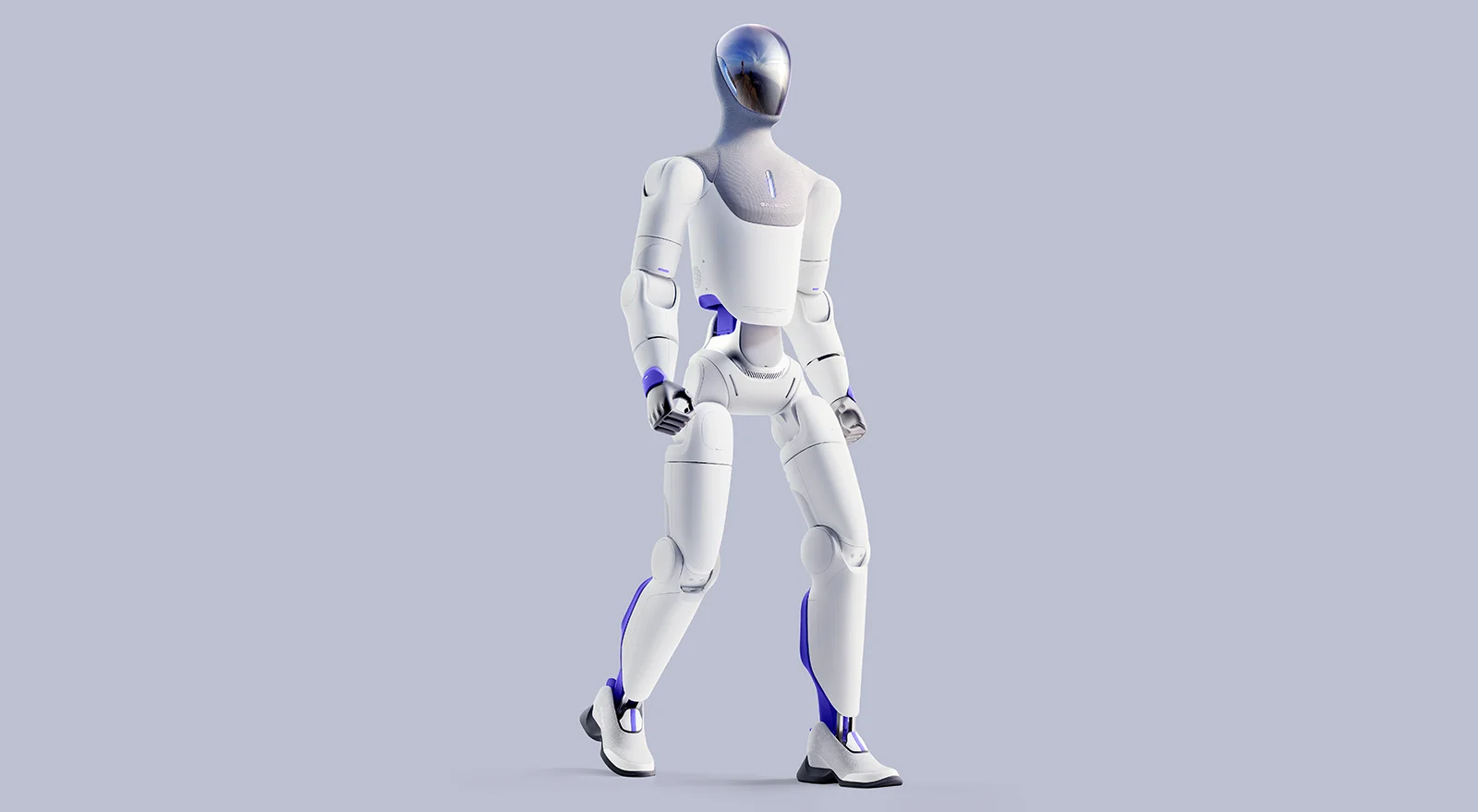
On the first day of operations following the Lunar New Year holiday, XPENG CEO He Xiaopeng issued a mandate to his workforce: the IRON humanoid robot is scheduled to begin mass production by the end of 2026. In an internal letter circulated on February 24, 2026, He described the "dream of mass production" as a central pillar for the company, aiming to position IRON as the first high-level humanoid to achieve true industrial scale.
A Festive Display of Social Interaction
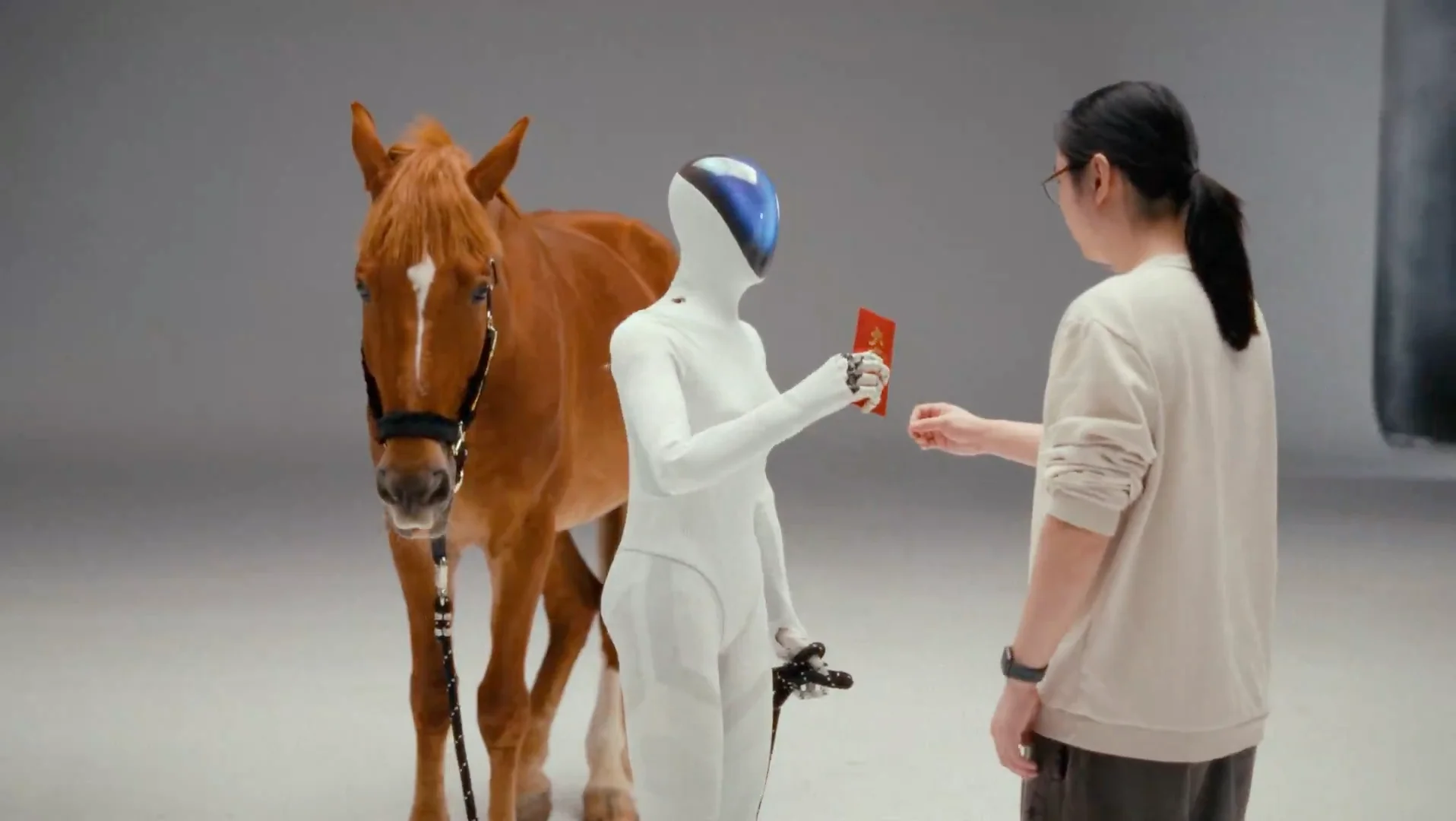
To coincide with the start of the "Year of the Horse," He shared a video on social media showcasing the robot's social interaction capabilities. The footage depicts IRON standing alongside a horse—a recurring visual theme in XPENG’s holiday branding—while performing the traditional act of handing out red envelopes.
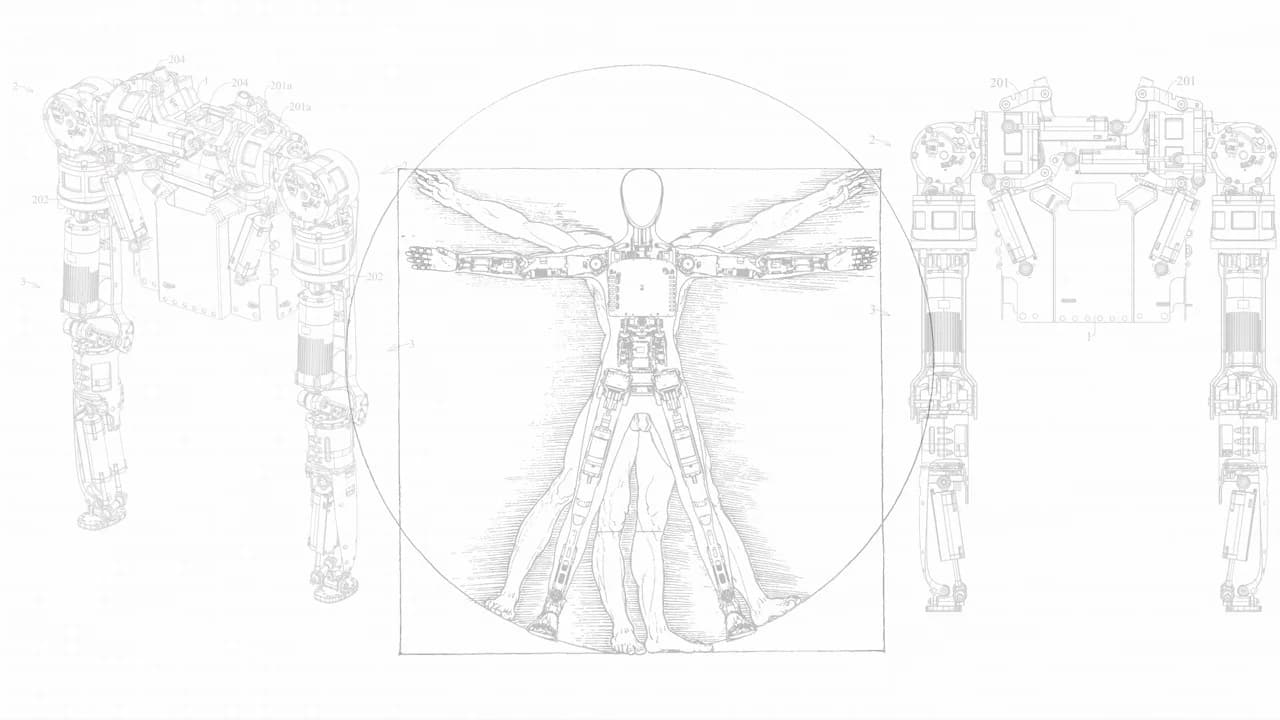
The robot playfully avoids a person’s grasp before successfully delivering the envelope. This demonstration follows previous lab-based showcases of the robot’s 82 degrees of freedom and human-like spine , which the company previously utilized to enable fluid, "model-like" walking and dancing routines.
Roadmap to the "Gen 8" Milestone
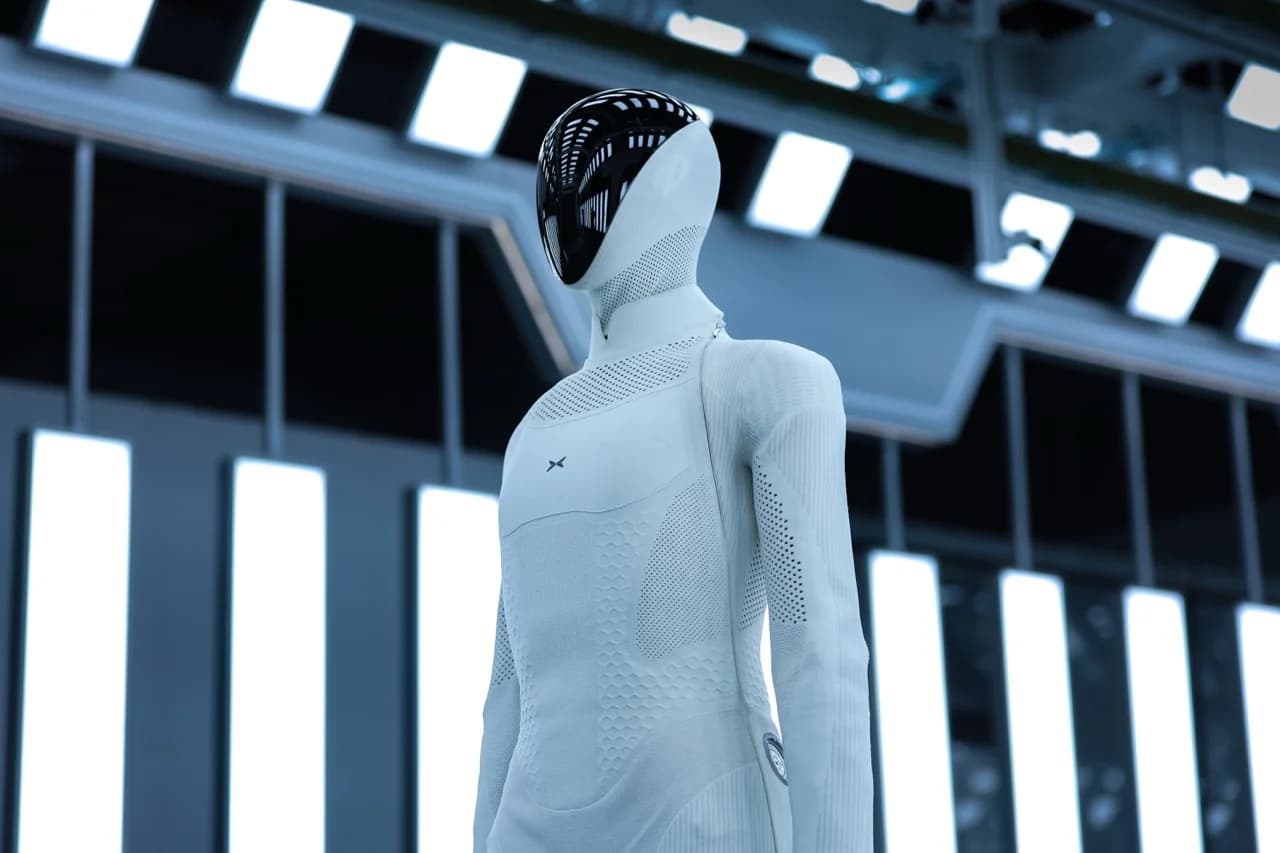
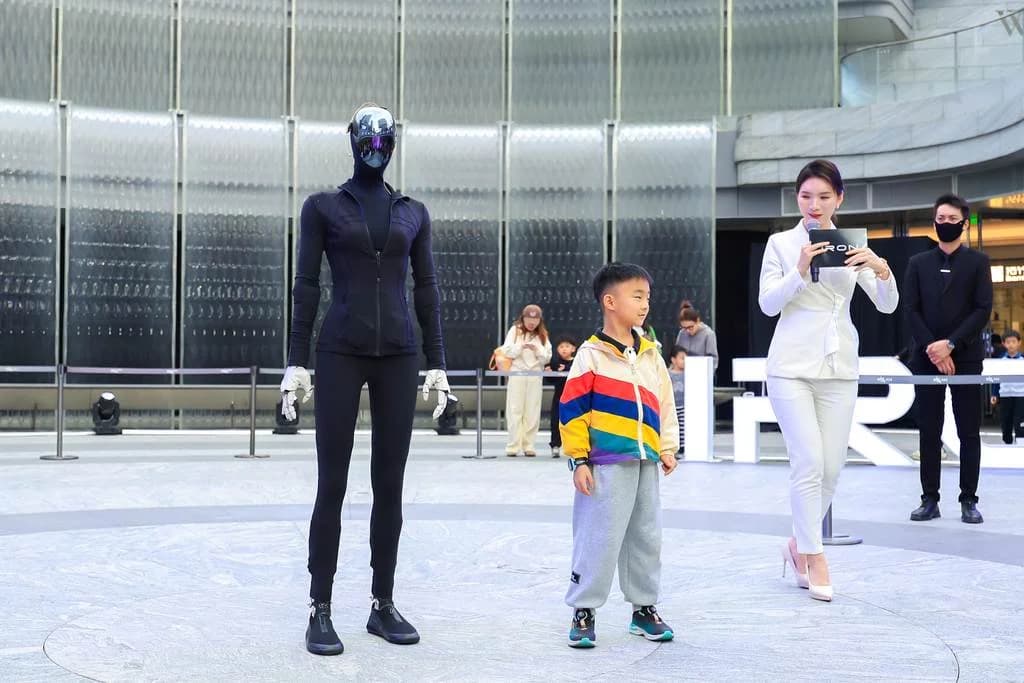
The 2026 target marks a significant step up from the current ET1 (Engineering Test 1) units that recently rolled off the production line . While the robots seen in recent public appearances—including a catwalk event in Shenzhen —are considered "seventh generation" prototypes, the units intended for the late 2026 rollout will be "eighth generation" models.
The weekly humanoid robotics briefing
One email a week: the launches, funding and research that mattered, with context from Humanoids Daily.
Read recent issuesKey milestones for the 2026 roadmap include:
- Commercial Deployment: Initial units will be deployed within XPENG’s own showrooms as tour guides and shopping assistants starting later this year.
- Developer Ecosystem: XPENG plans to open its SDK to global developers, encouraging third-party applications to accelerate the robot's utility.
- Hardware Integration: The production model is expected to leverage automotive-grade manufacturing standards and the proprietary Turing AI chips.
Market Confidence and Manufacturing Synergy
The internal letter notes that 2026 will be the year of "full capability integration". XPENG’s pivot toward robotics has already yielded tangible results for the company’s valuation. Following the controversial hardware reveals in late 2025 , which settled public debates regarding the authenticity of the robot's gait, XPENG’s market capitalization surged to over $212 billion HKD.
This momentum is supported by what the company calls "Physical AI," a strategy that shares software models and supply chain infrastructure between its electric vehicles and humanoid platforms. By treating human anatomy as a "masterpiece" to be replicated through complex lattice musculature and bionic frameworks , XPENG is betting that its scale as an automaker will provide a distinct advantage over pure-play robotics firms.
While durability challenges—particularly regarding the longevity of the robot's dexterous hands —remain a hurdle, the CEO’s latest communication signals that the transition from engineering trials to commercial reality is accelerating.
Share this article
Read next
- Published on
- Reading time
- 6 min read
Inside XPENG’s Bet on IRON: He Xiaopeng on Why the Hardest Path in Humanoid Robotics Is Never Crowded
- Published on
- Reading time
- 6 min read
XPENG Launches Mass Production of IRON Humanoid
- Published on
- Reading time
- 4 min read
XPENG's Head of Robotics Admits Hardware is 'Bottleneck' as 2026 Production Goal Looms
- Published on
- Reading time
- 4 min read
Xpeng to Break Ground on "Full-Chain" Humanoid Factory to Meet 2026 Production Goal
- Published on
- Reading time
- 5 min read
Simulating the 'Masterpiece': XPENG Robotics Unveils Design Framework and Lattice Musculature for IRON
- Published on
- Reading time
- 3 min read
Xpeng Iron Hits the Catwalk: Humanoid Prototype Makes Surprise Debut in Shenzhen

The weekly humanoid robotics briefing
One email a week: the launches, funding and research that mattered, with context from Humanoids Daily.
Read recent issues