- Published on
From Spring Gala to High Seas: MSC Cruises Enlists Unitree Humanoids as Entertainment Reaches Tipping Point
One tap, and our reporting appears more often in your Google Top Stories. It makes a real difference to a small newsroom.

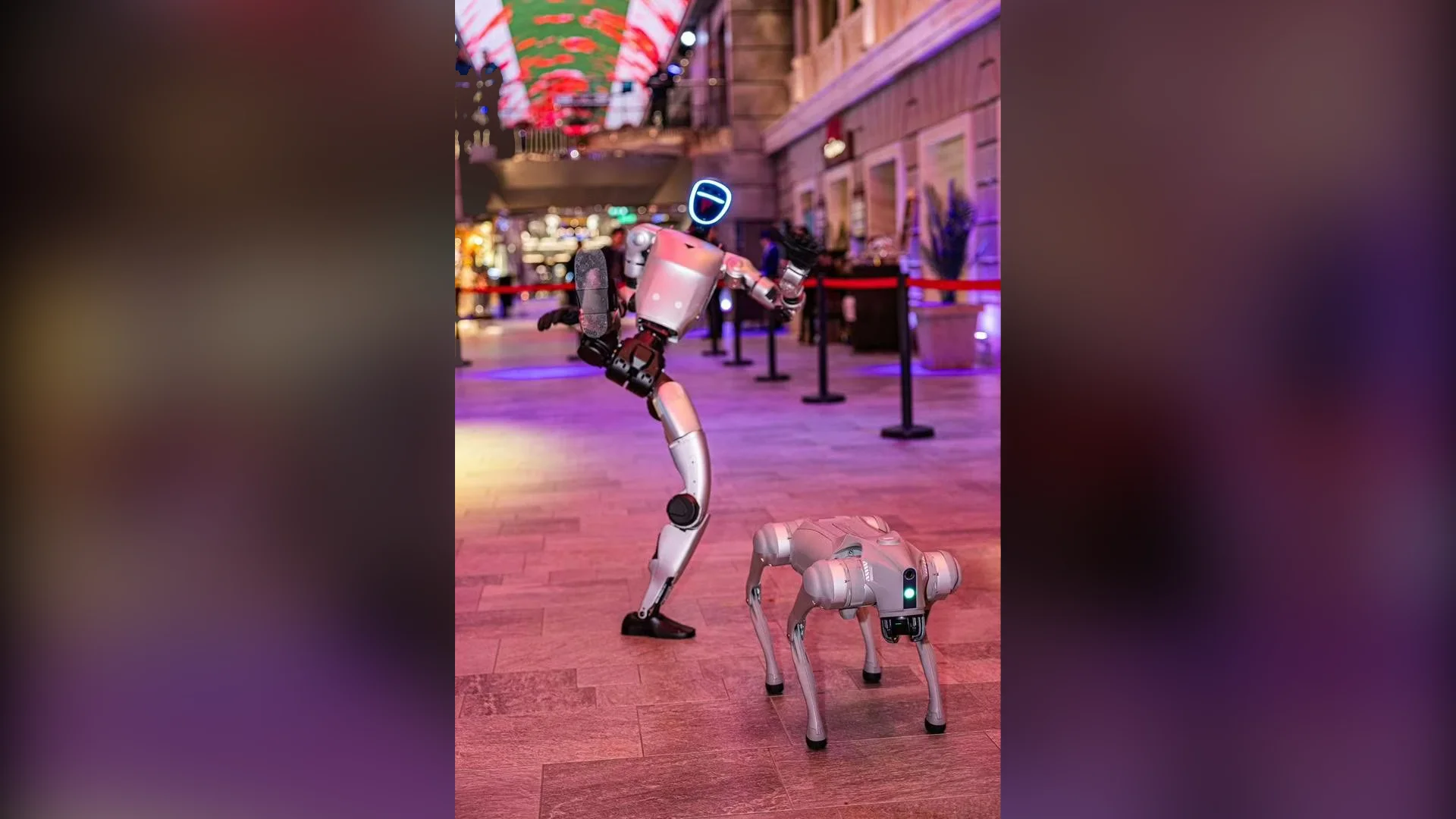
The humanoid robotics industry has long chased the "holy grail" of general-purpose machines capable of autonomously doing household chores and working assembly lines. However, a series of high-profile deployments in early 2026 suggests that the technology’s first true commercial stronghold isn't the factory floor—it's the stage.
In the latest signal of this shift, MSC Cruises has announced that it will feature Unitree Robotics hardware as a cornerstone of its 2026 entertainment program. In what the cruise line calls a "world-first at sea," MSC is currently piloting AI-powered robot dogs and humanoid machines on its Asian routes, with plans to roll them out globally during the World Cruise 2026.
While a robot doing a "Doremix Family Disco" dance may seem like a novelty, the move provides significant weight to recent market analyses suggesting that the path to mass adoption is being paved with spectacle rather than pure utility.
The "Dedicated Purpose" Strategy
The MSC announcement aligns closely with a pragmatic roadmap recently outlined by Goldman Sachs. Jacqueline Du, Head of China Industrial Tech Research at the firm, has argued that the industry is entering a transitional phase where "dedicated purpose" robots will thrive.
The weekly humanoid robotics briefing
One email a week: the launches, funding and research that mattered, with context from Humanoids Daily.
Read recent issuesDu suggests that before robots can handle the chaos of an unstructured household, they will find a niche as "shopping guides, tour guides, and exhibition guides." In these roles, the "futuristic sense" of the hardware provides experiential value that offsets the current limitations of their labor capabilities.
This strategy is being explicitly embraced by major manufacturers. XPeng, for instance, recently detailed its "Iron" humanoid, noting that while the machine features advanced "bionic" hardware and solid-state batteries, it will not be sent to factories. CEO He Xiaopeng dismissed industrial work as currently non-viable, instead prioritizing retail and reception roles where the robot acts as a brand ambassador.
A "Showbiz" Moment for Robotics
The MSC partnership arrives on the heels of several massive cultural "product launches" for humanoid hardware. The 2026 CCTV Spring Festival Gala in China served as a virtual "Robot Super Bowl," where over a dozen Unitree humanoids performed synchronized martial arts for hundreds of millions of viewers.
The impact of that entertainment-first approach was immediate: JD.com reported a 300% surge in robot-related searches within hours of the broadcast. This "gala effect" has empowered companies like Unitree to target aggressive shipment goals of up to 20,000 units in 2026.
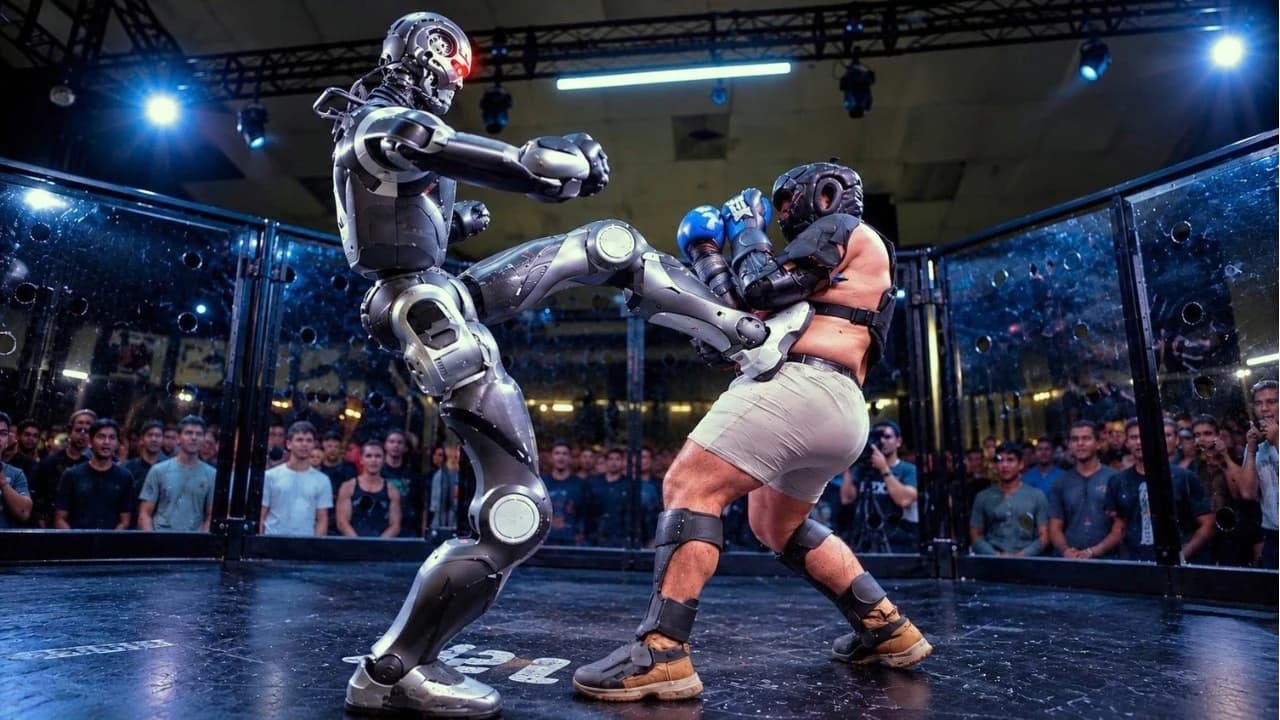
Beyond the stage, entertainment is also taking a more combative turn:
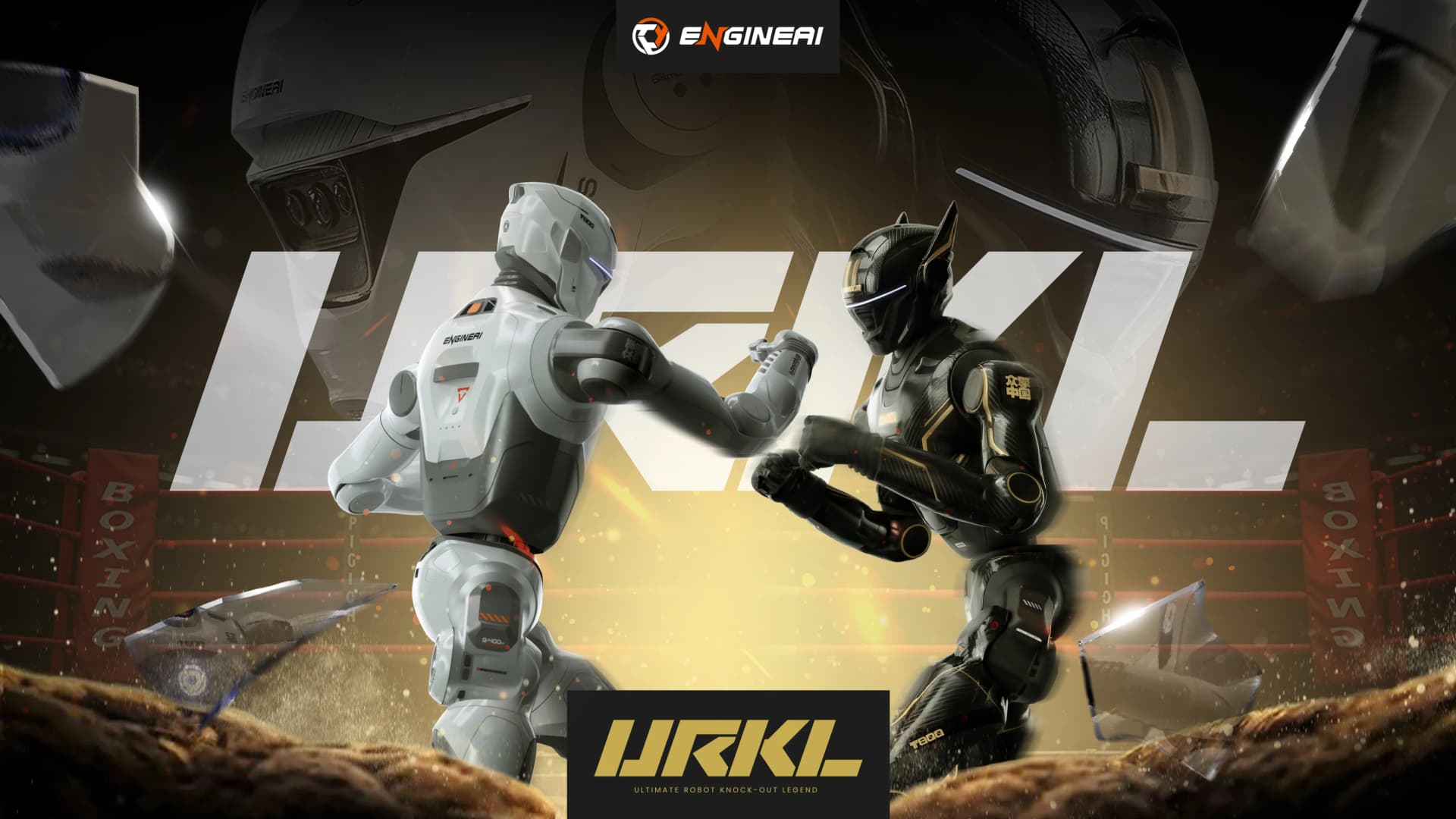
- The URKL League: In Shenzhen, EngineAI has launched a humanoid fighting league with a $1.4 million gold belt prize, using the ring to stress-test their T800 hardware.
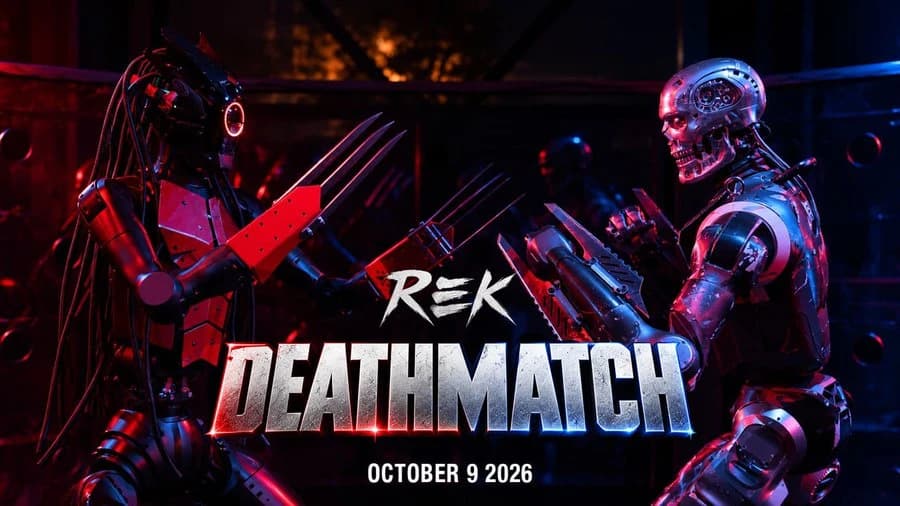
- REK and UFB: In the U.S., competing leagues are bringing human-piloted robot boxing to major cities, utilizing VR control schemes to turn bipedal robots into high-tech sports equipment.
REK founder and CEO CIX recently doubled down on this "entertainment-first" philosophy, dismissing critics focused on purely functional tasks. "By the time your ‘physical AI’ robots can make a good sandwich, humanoid robot fights will be bigger than the UFC," he posted on X, highlighting the belief that spectator sports may provide a faster path to massive scale than domestic utility.
Scaling Through Spectacle
For MSC Cruises, the Unitree robots will lead meet-and-greets, parades, and interactive workshops for children. It is a controlled, high-visibility environment that allows robotics companies to gather data and build public trust without the high stakes of a manufacturing line.
However, the pivot to entertainment also invites skepticism. As Chinese suppliers aggressively build capacity for up to 1 million units, the industry faces a looming "utility gap." While "showbiz" capabilities are driving a massive increase in year-on-year shipments, observers remain cautious about whether these machines can transition from being expensive performers to truly indispensable tools.
Share this article
Read next
- Published on
- Reading time
- 3 min read
Arena Ready: EngineAI Slates URKL Debut Following CES Launch and State Endorsement
- Published on
- Reading time
- 2 min read
REK Adds Swords to Humanoid Robot Fights With “Deathmatch”
- Published on
- Reading time
- 4 min read
Faraday Future’s “Built in USA” Robot Plan Starts With Assembly—and Sourced Hardware
- Published on
- Reading time
- 3 min read
Mecka Raises $60M Series B to Expand Robot Training Data and Deployment
- Published on
- Reading time
- 3 min read
Nvidia Has Discussed Another $1 Billion Investment in Figure, The Information Reports
- Published on
- Reading time
- 2 min read
Boston Dynamics Names Former Amazon AI Leader Rohit Prasad as CEO



The weekly humanoid robotics briefing
One email a week: the launches, funding and research that mattered, with context from Humanoids Daily.
Read recent issues