- Published on
Lights-Out in Sunnyvale: Figure 03 Fleet Shifts to 24/7 Autonomous Operation
One tap, and our reporting appears more often in your Google Top Stories. It makes a real difference to a small newsroom.

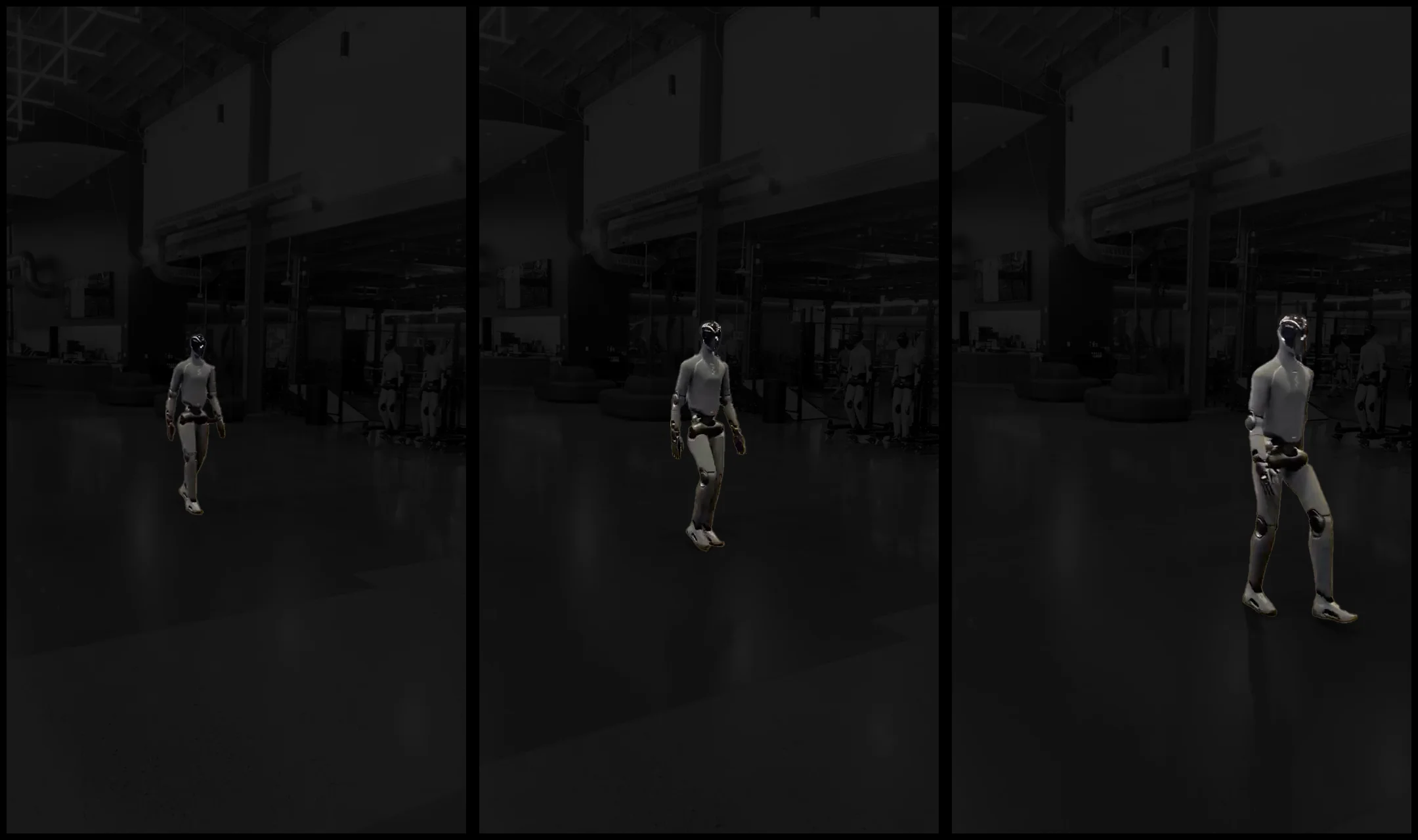
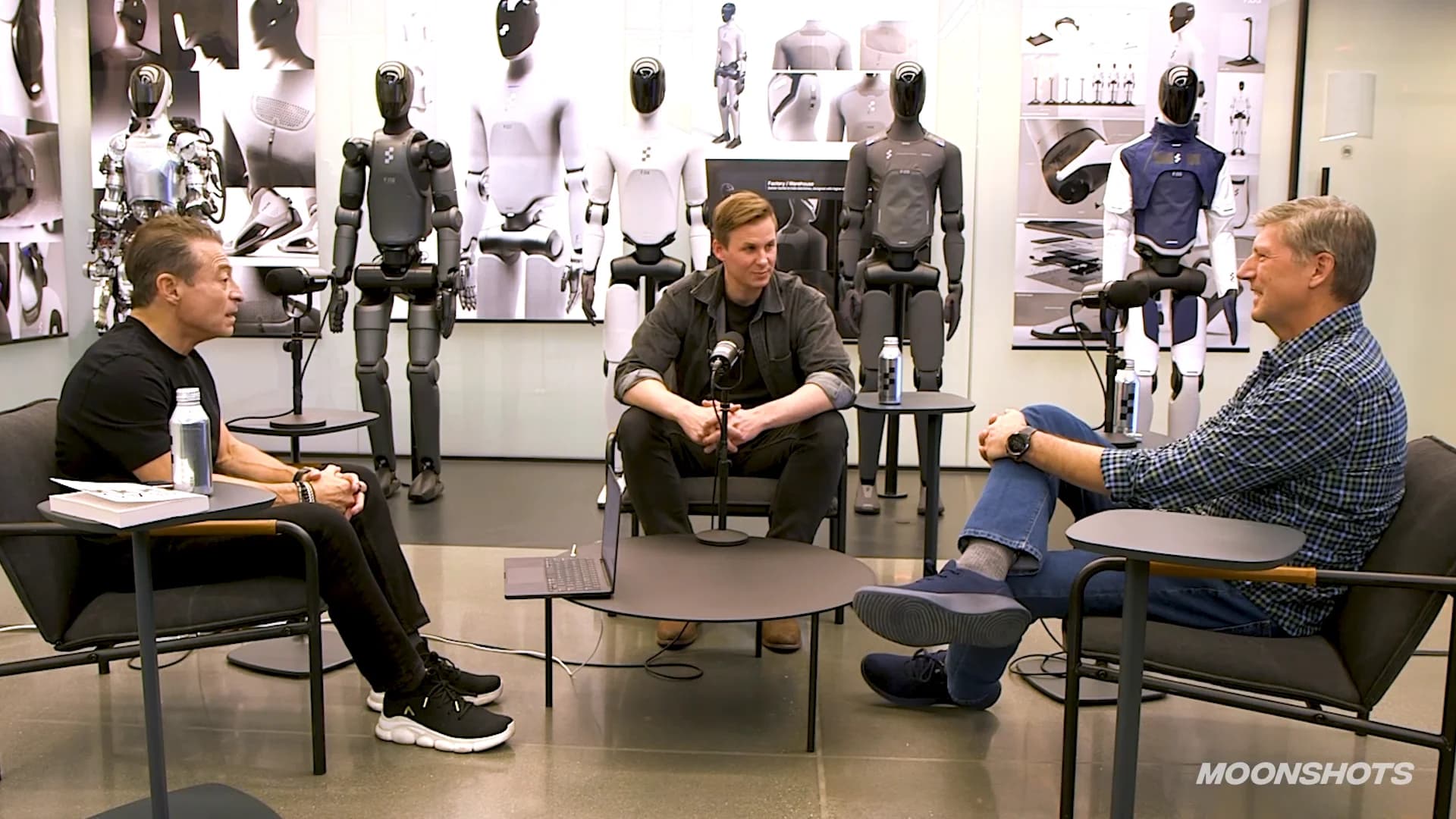
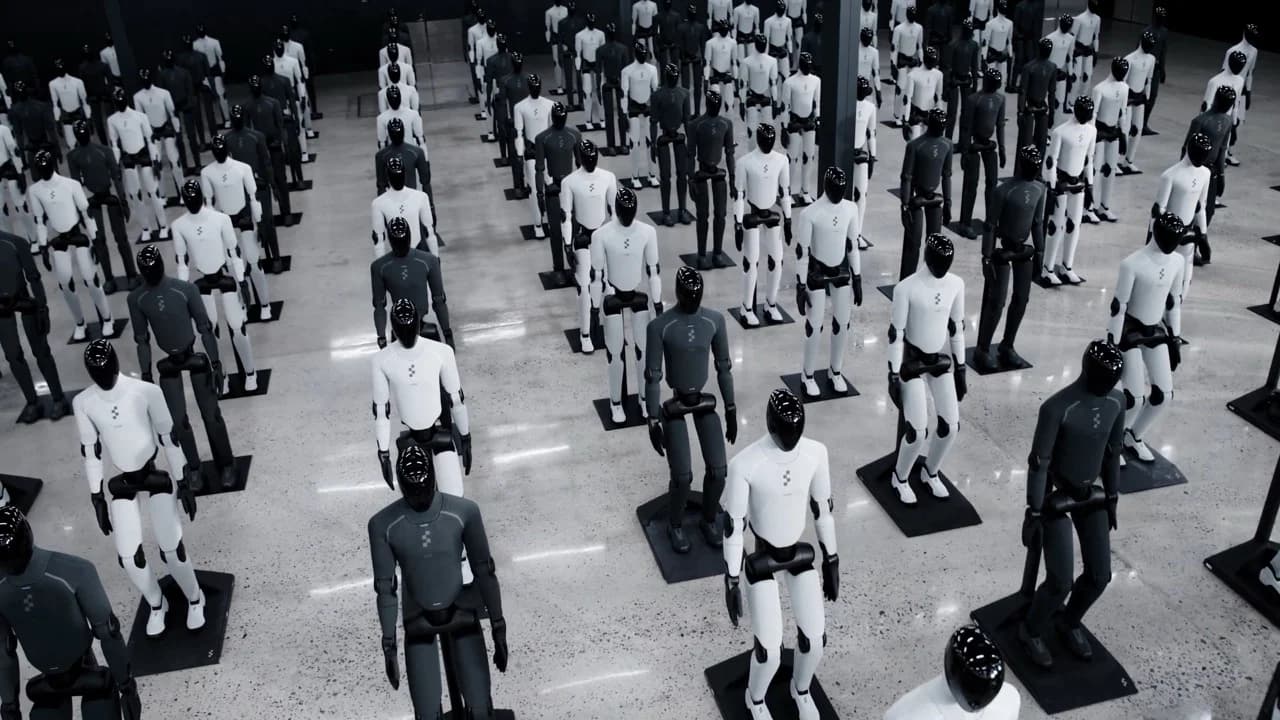
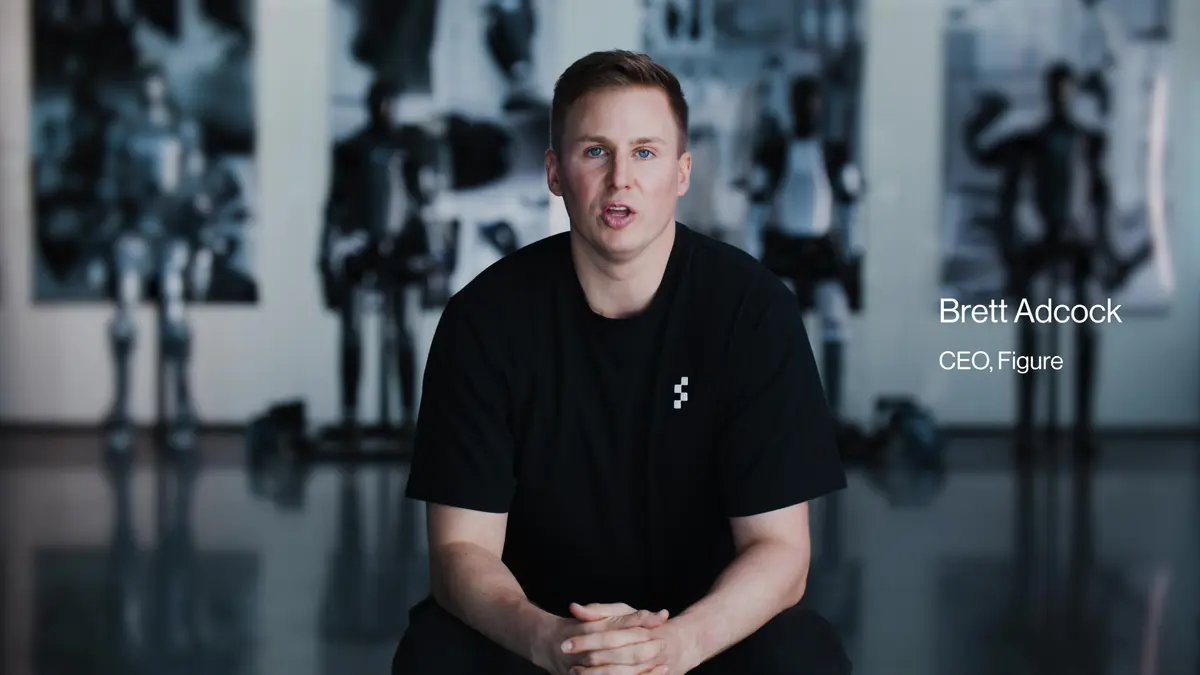
In a series of updates shared on X and LinkedIn, Figure CEO Brett Adcock has provided a glimpse into the "lights-out" future of the company’s Sunnyvale headquarters. Smartphone footage recorded by Adcock shows a fleet of seven Figure 03 robots—comprising six white units and one in dark gray—navigating the facility with a mix of stationary stances and active locomotion.
The release marks a significant milestone in Figure's stated goal for 2026: moving beyond isolated demonstrations toward continuous, unsupervised fleet operations.
The "No Babysitter" Protocol
The core of the update is the transition to 24/7 autonomy without human intervention, a feat Adcock described as "really hard" to achieve. According to Adcock, the robots now operate on a "replacement" cycle driven by battery telemetry:
- Autonomous Swapping: When a robot’s battery reaches a low threshold, it autonomously navigates to a docking station.
- Active Handoff: Upon the first robot's approach, a second robot receives a digital signal to vacate its dock and swap into the active work area.
- Inductive Charging: The robots utilize the wireless inductive charging system built into their feet, charging at a rate of up to 2 kW. Adcock noted that a full charge takes approximately one hour at a 1C rate.
- Triage and Reliability: If a unit encounters a hardware or software fault, it is programmed to autonomously move to a "triage area" for inspection while a replacement unit assumes its position.
This "Software 2.0" approach is powered by the Helix 02 AI architecture, which manages balance and coordination via neural networks rather than the 109,504 lines of hand-coded C++ that Figure recently deleted from its stack.
The weekly humanoid robotics briefing
One email a week: the launches, funding and research that mattered, with context from Humanoids Daily.
Read recent issuesScaling the Footprint
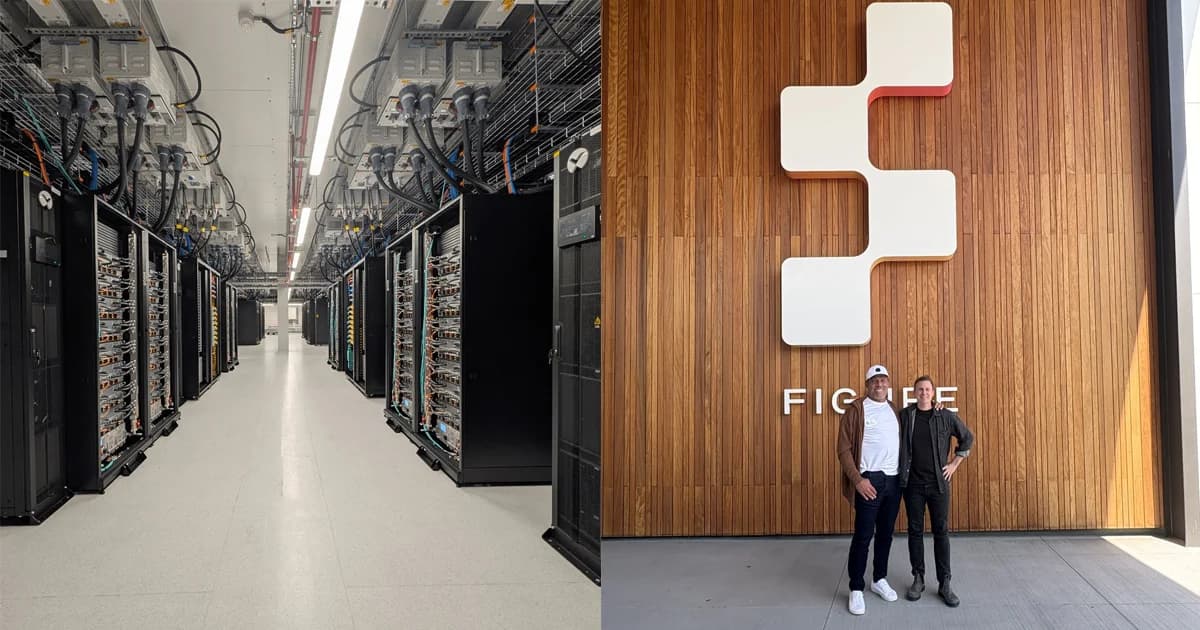
The footage also highlights the rapid physical expansion of Figure’s infrastructure. Industry observers noted a stark contrast between the current finished facility and images from 15 months ago, when the headquarters was still a construction site. Adcock confirmed the scale of this growth, stating that the company now occupies five buildings and is "accelerating very quickly."
This expansion aligns with Figure’s broader manufacturing roadmap for its "BotQ" facility, which aims for an initial capacity of 12,000 units per year with a long-term goal of 100,000. Unlike the retired Figure 02 fleet, which operated on structured 10-hour shifts at BMW, the Figure 03 is being positioned as a "general-purpose" machine capable of working weekends and holidays without supervision.
The Task Bottleneck
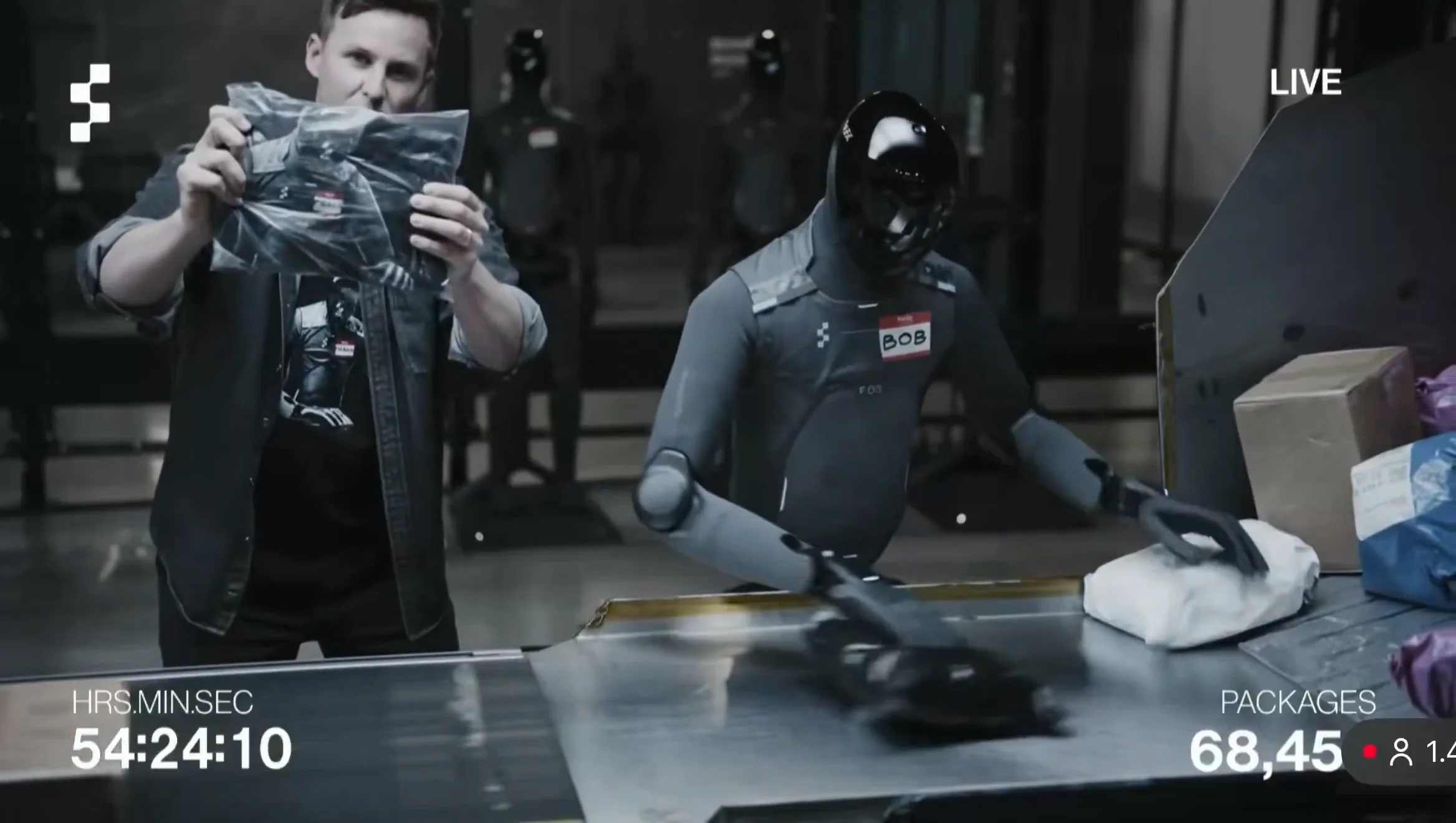
While the video demonstrates robust "room-scale" navigation and fleet management, Adcock remained tight-lipped about the specific tasks the robots were performing during the 24/7 cycle. In previous updates, Figure has showcased the robot handling delicate glassware and sorting laundry, but the "many different use cases" mentioned in the latest post have yet to be detailed.
The lack of human "babysitters" suggests a high degree of confidence in the System 0 balance controller and the tactile intelligence of the robot's hands. However, as Figure moves toward shipping the first units to "unseen" homes, the ultimate test will be whether this 24/7 reliability holds up in environments less controlled than its own Sunnyvale halls.
Share this article
Read next
- Published on
- Reading time
- 8 min read
Beyond the 60-Hour Mark: Figure AI’s Endurance Marathon Signals Playbook for Figure 4 and Supply Chain Independence
- Published on
- Reading time
- 3 min read
Compute War Chest: Figure and Hark Secure Full Datacenter of NVIDIA B200s
- Published on
- Reading time
- 4 min read
"I Fired Them": Brett Adcock on the OpenAI Split, Robot Self-Repair, and the Kid-Safety Test
- Published on
- Reading time
- 4 min read
The End of C++: Brett Adcock on Helix 02 and Figure’s Path to "Room-Scale" Autonomy
- Published on
- Reading time
- 5 min read
24x Throughput: Figure Scales Manufacturing to One Robot Per Hour
- Published on
- Reading time
- 3 min read
Figure AI Secures Over $1B to Accelerate Humanoid Robot Rollout
The weekly humanoid robotics briefing
One email a week: the launches, funding and research that mattered, with context from Humanoids Daily.
Read recent issues