- Published on
Beijing Humanoid Robot Innovation Center Secures $100 Million to Scale Commercial Operations
One tap, and our reporting appears more often in your Google Top Stories. It makes a real difference to a small newsroom.

Supported by RoboStrategySupport for Humanoids Daily comes from RoboStrategy
Sponsored

Investing involves risk, including possible loss of principal. Read the prospectus before investing.

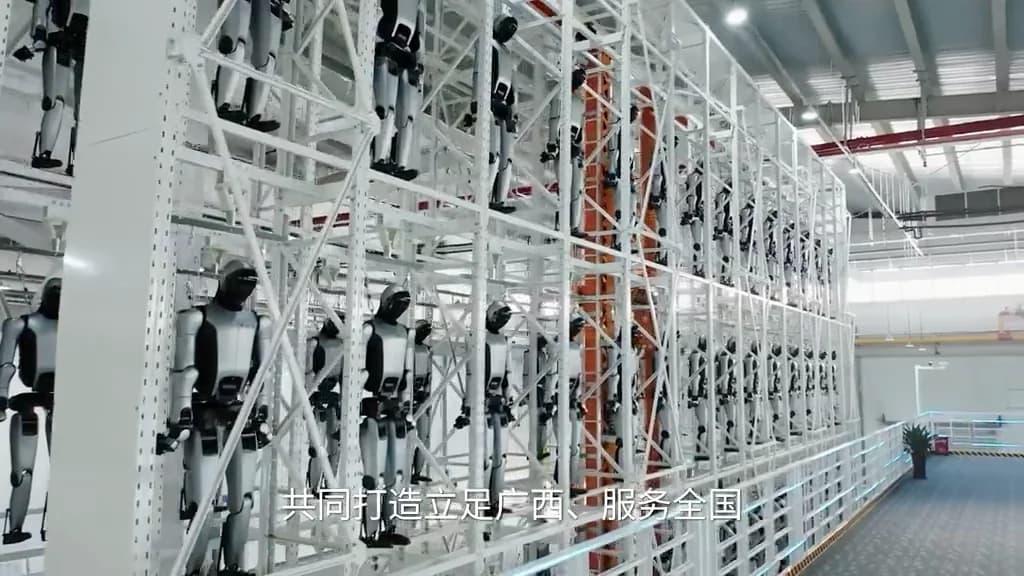
The Beijing Humanoid Robot Innovation Center, the state-backed entity behind some of China’s most visible robotic achievements, has officially moved beyond the laboratory phase. The center announced today that it has completed its first round of market-based financing, raising more than 700 million yuan (approximately $100 million) to accelerate the commercialization of its bipedal platforms.
The funding round attracted a mix of public and private capital, including the Beijing Artificial Intelligence Industry Investment Fund, Yizhuang State-owned Assets Investment Co., Ltd., and the Beijing High-end and Sophisticated Fund. Crucially, the round also secured strategic investments from major industrial and tech players, including Baidu and Dongtu Technology.
From Track Records to Factory Floors
The injection of capital marks a "new stage" for the center, where market-oriented operations will now sit alongside pure research and development. This pivot follows a series of high-profile performance milestones that have established the center’s technical credibility.
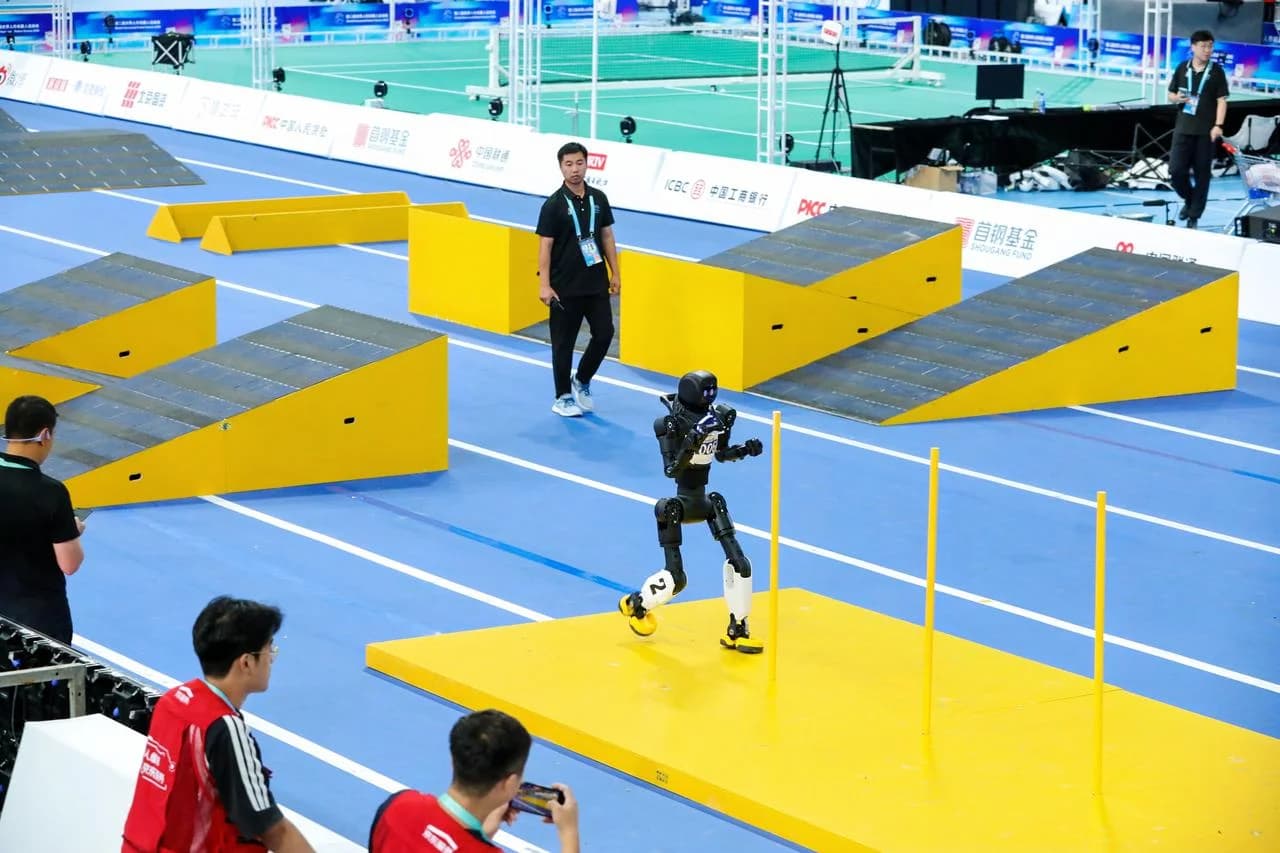
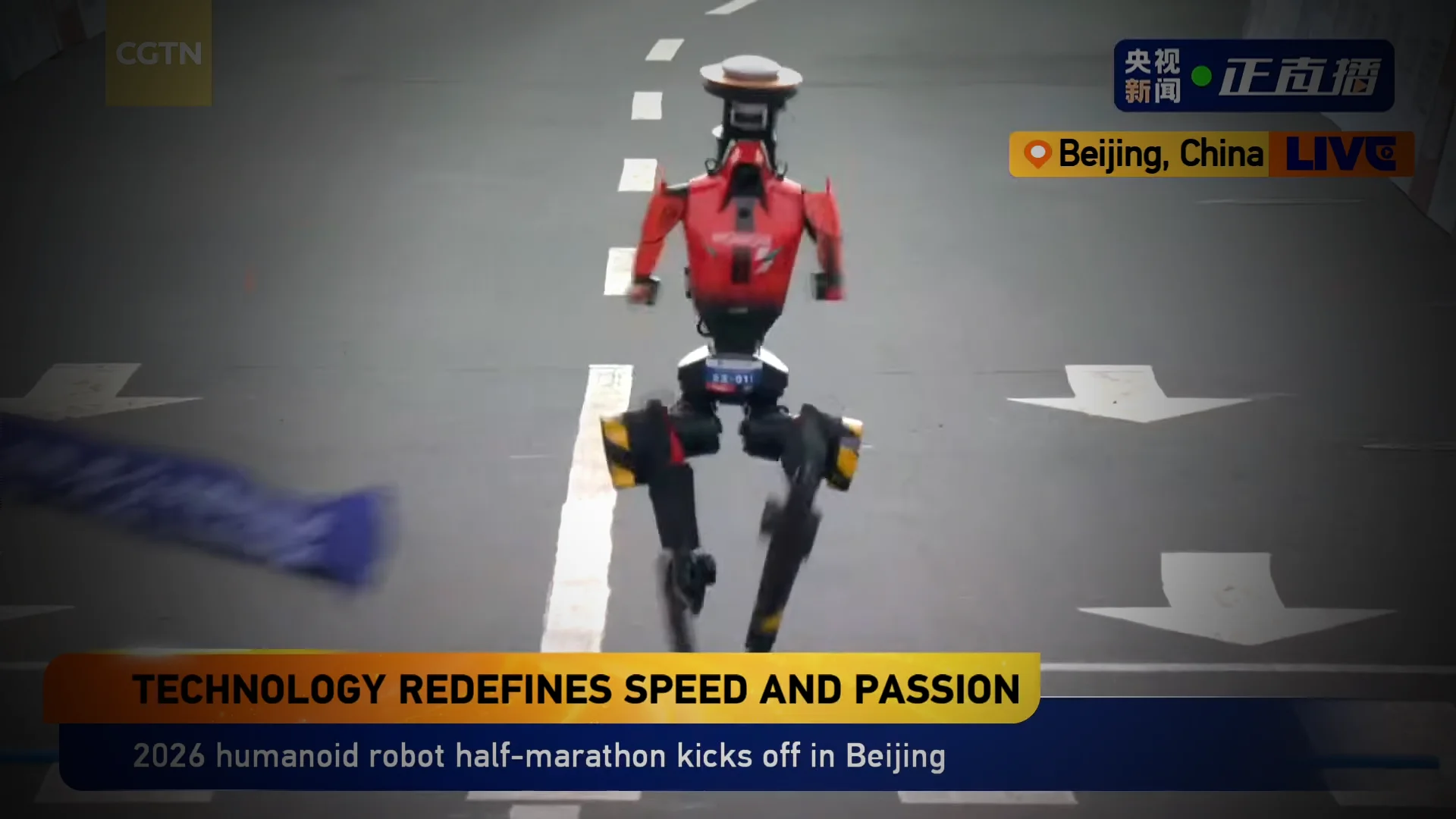
The center’s flagship platform, Tiangong Ultra, recently claimed victory in the Beijing Half-Marathon—the first event of its kind to include a dedicated humanoid category. Beyond endurance, the platform has demonstrated impressive speed, holding a 21.5-second record for the 100-meter sprint.
The weekly humanoid robotics briefing
One email a week: the launches, funding and research that mattered, with context from Humanoids Daily.
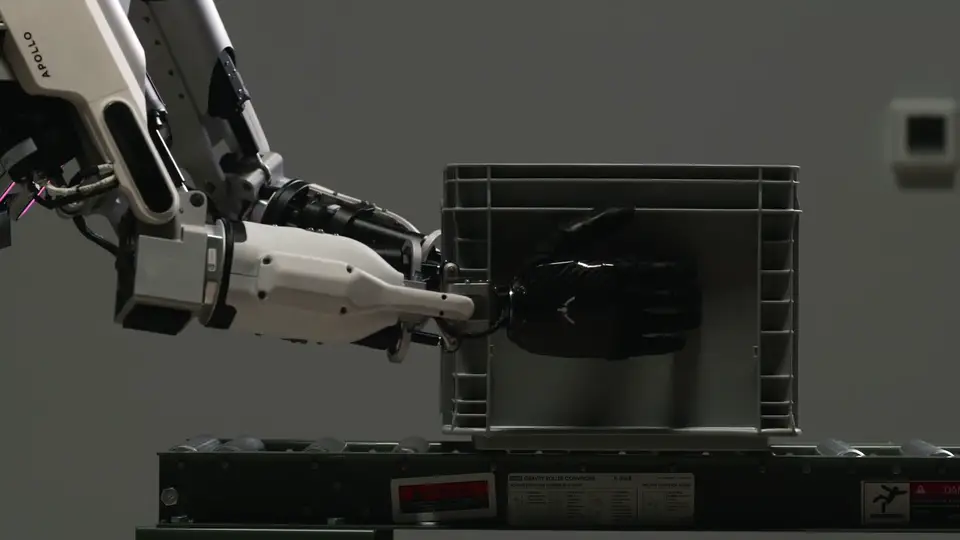
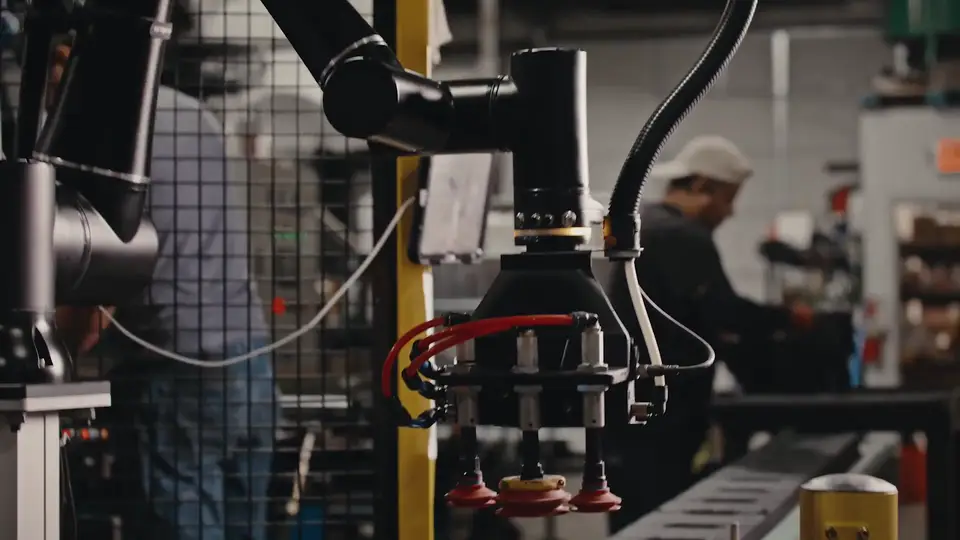
Read recent issuesWhile these feats are often viewed as demonstrations of agility, the center is already proving utility in structured environments. Its TianYi 2.0 platform is currently being deployed in factories and warehouses through partnerships with multinational firms like Cummins and Bayer.
Developing the "TienKung" 3.0
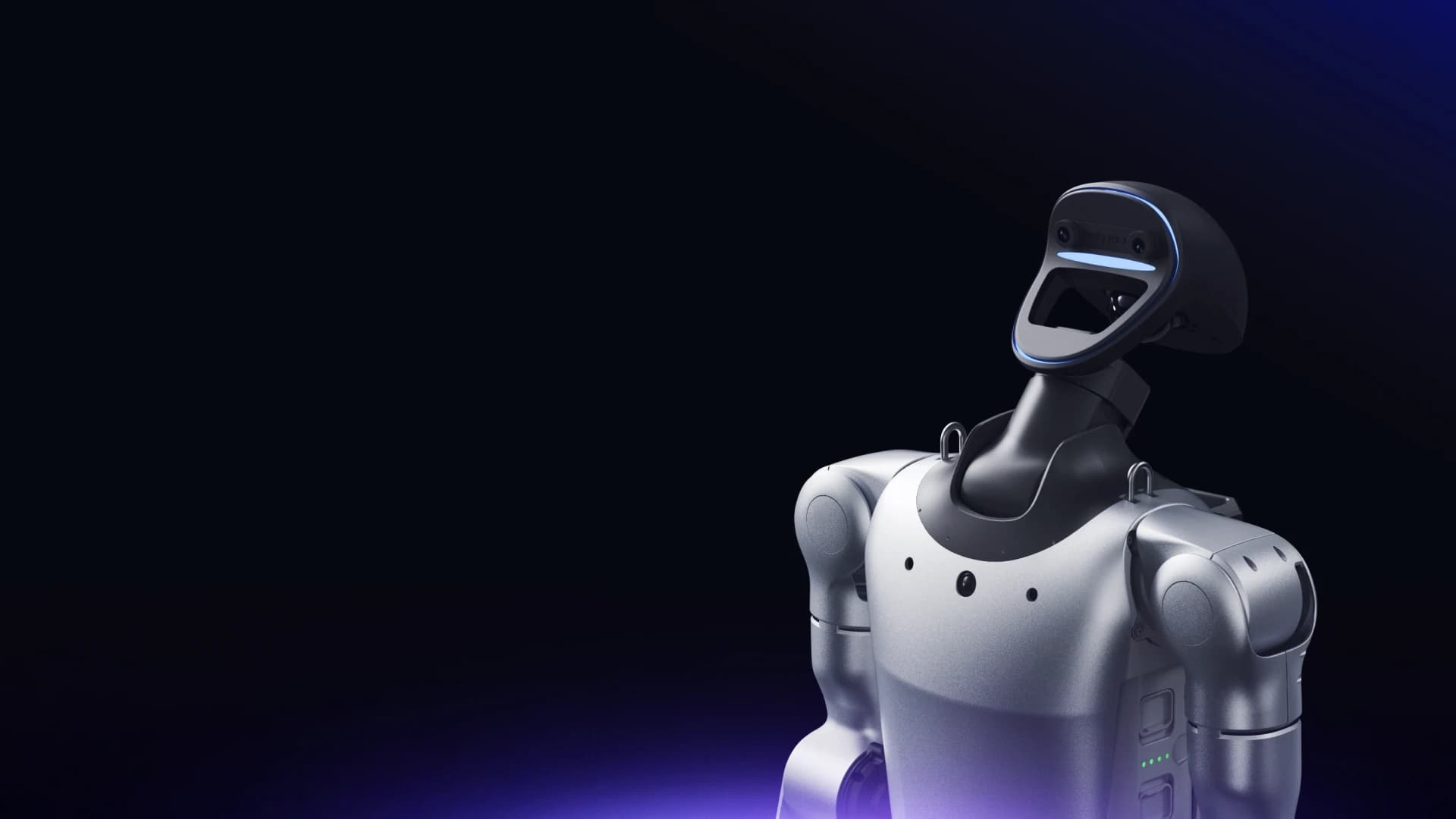
The new funds are earmarked for the next generation of the center's fleet. Reports indicate that the center is currently teasing the "TienKung" 3.0, with a focus on making both the TienKung and HuiSi platforms fully autonomous.
This move toward autonomy is a direct response to the "utility gap" that has long plagued the industry. As noted in previous analyses of the Chinese robotics landscape, Beijing has recently warned against "repetitive" low-quality projects. By securing industrial backers like Baidu, the Beijing Innovation Center is positioning itself to lead the shift from simple hardware replication to the development of sophisticated "embodied AI."
A Fragmented Market Eyes Consolidation
The center’s successful financing comes amid a broader "IPO rush" in the Chinese humanoid sector. While startups like Unitree and AgiBot are vying for public listings, the Beijing Humanoid Robot Innovation Center occupies a unique position as a collaborative hub involving state-owned enterprises and private giants like Xiaomi.
As the industry moves toward national standardization, the center’s CTO, Tang Jian, has emphasized that the ultimate goal is adapting these bipedal machines for industrial applications in factories and businesses. With $97 million in fresh capital, the path from the marathon track to the assembly line appears to have been significantly shortened.
Share this article
Read next
- Published on
- Reading time
- 4 min read
AGIBOT Tops Medal Table at 2nd World Humanoid Robot Games as Beijing Showdown Concludes
- Published on
- Reading time
- 5 min read
Robots Outrun Usain Bolt: Inside the Record-Shattering Spree at the 2nd World Humanoid Robot Games
- Published on
- Reading time
- 5 min read
Beijing Humanoid Half-Marathon: Honor Sweeps Podium as Robots Shatter Human World Record
- Published on
- Reading time
- 3 min read
Beijing’s Newest Humanoid: Tiangong 3.0 Breaks Cover with Parkour and Open-Source Ambitions
- Published on
- Reading time
- 3 min read
AGIBOT Says A3 Ultra Is Going to Work in Hotels, Shops and Metro Inspection
- Published on
- Reading time
- 3 min read
Unitree Says It Won’t Become a Robot Integration Company

The weekly humanoid robotics briefing
One email a week: the launches, funding and research that mattered, with context from Humanoids Daily.
Read recent issues