- Published on
LimX Dynamics Secures $200 Million Series B to Scale Modular and General-Purpose Humanoids
One tap, and our reporting appears more often in your Google Top Stories. It makes a real difference to a small newsroom.

Supported by RoboStrategySupport for Humanoids Daily comes from RoboStrategy
Sponsored

Investing involves risk, including possible loss of principal. Read the prospectus before investing.
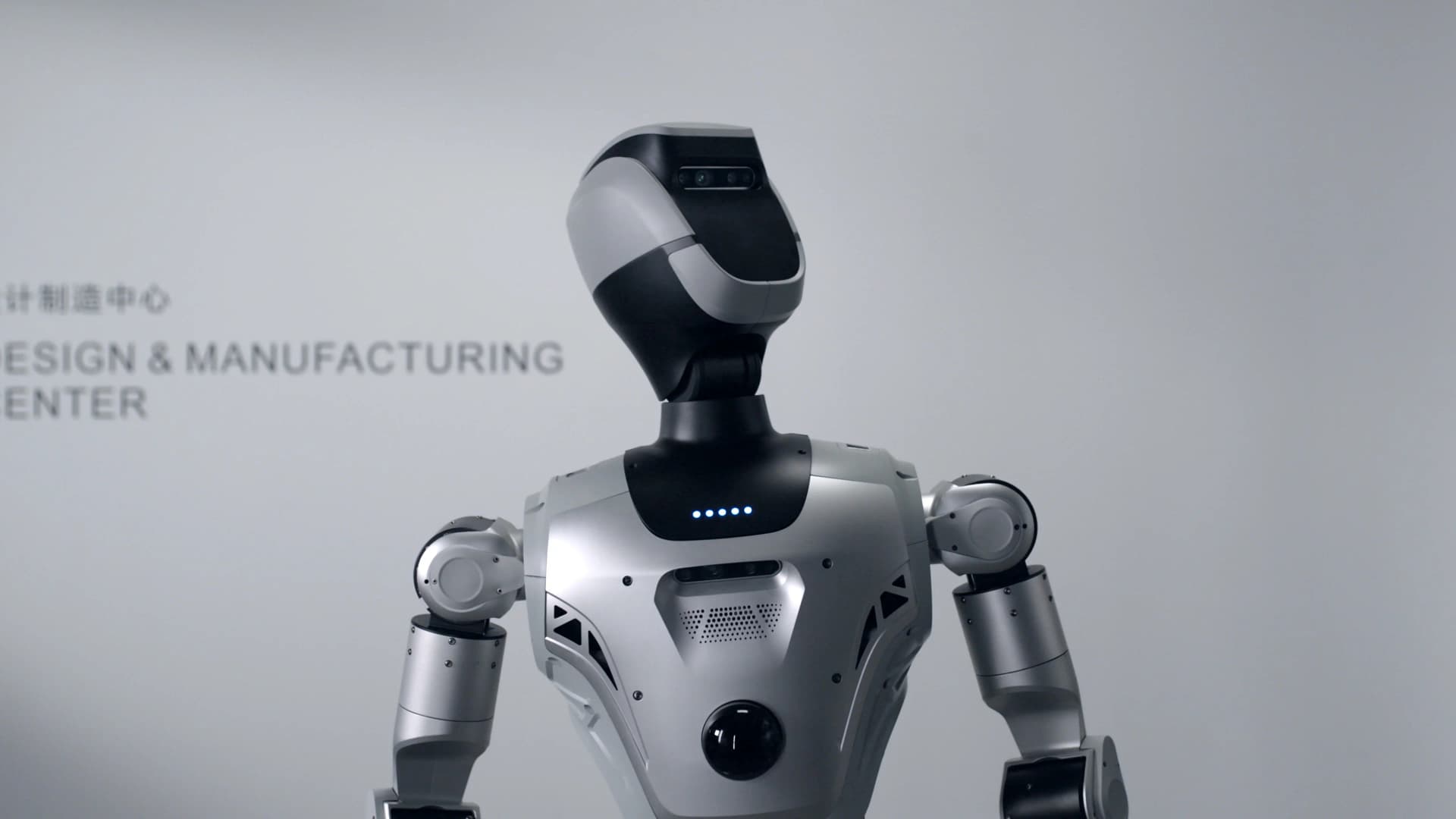
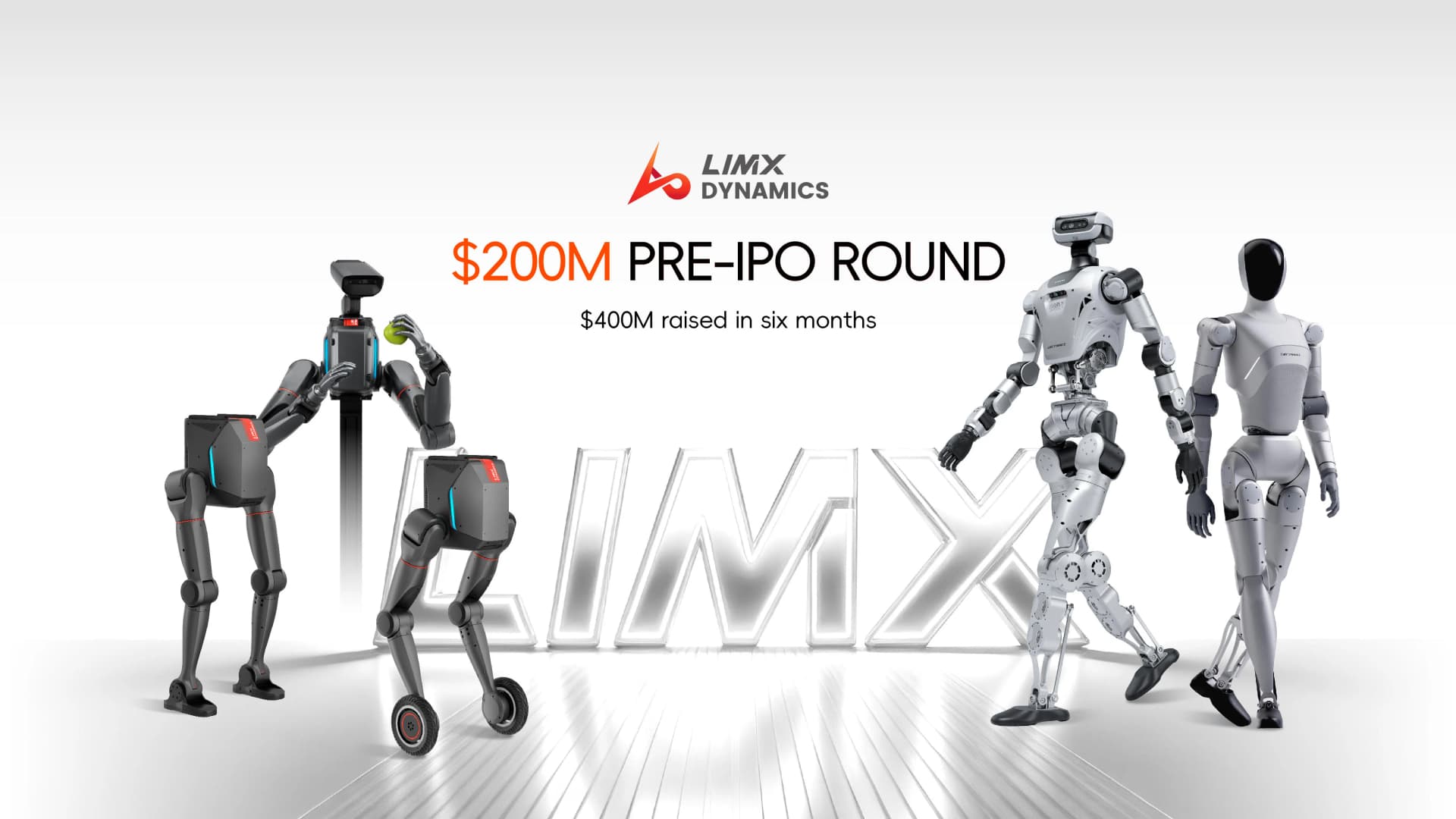
Shenzhen’s robotics scene continues to attract massive capital as LimX Dynamics announced today it has secured $200 million in Series B financing. The round features a heavy-hitting roster of domestic and international backers, including Stone Venture, JD, and Oriental Fortune Capital, alongside existing automotive-linked investors like Shangqi Capital (SAIC Motor) and NIO Capital.
The funding arrives at a critical juncture for the company, which has spent the last several months aggressively diversifying its product line. While many of its peers in the "humanoid clusters" of Shenzhen and Shanghai are focused on single-form bipedal chassis, LimX is betting on a "Tri-Form" architecture and a new "Agentic" operating system to bridge the gap between lab research and industrial utility.
From Hardware "Shapeshifting" to Agentic Software
The Series B capital is earmarked for three core pillars: hardware manufacturing, motion control foundation models, and the company’s new "physical-world-native" operating system, LimX COSA.
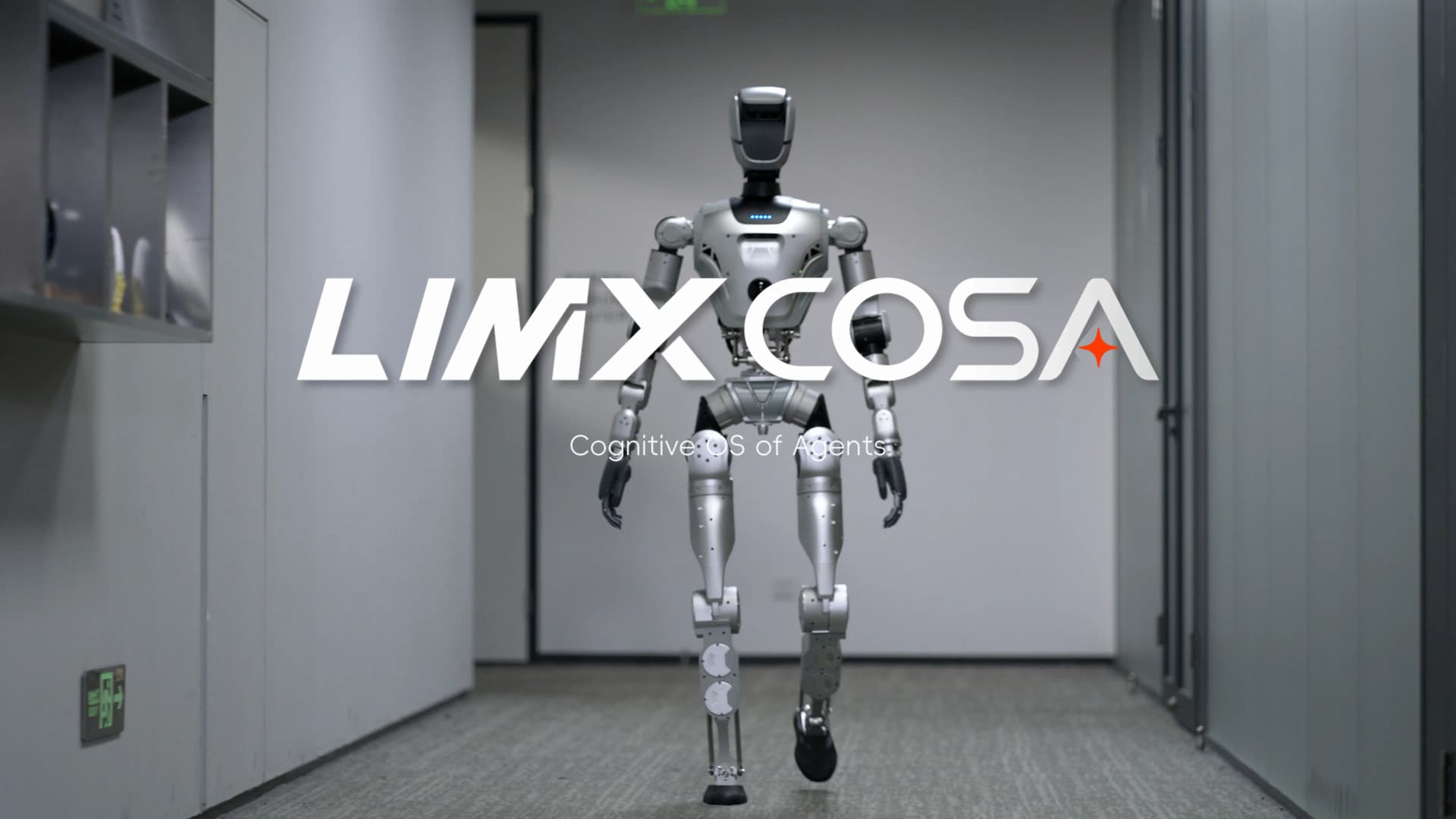
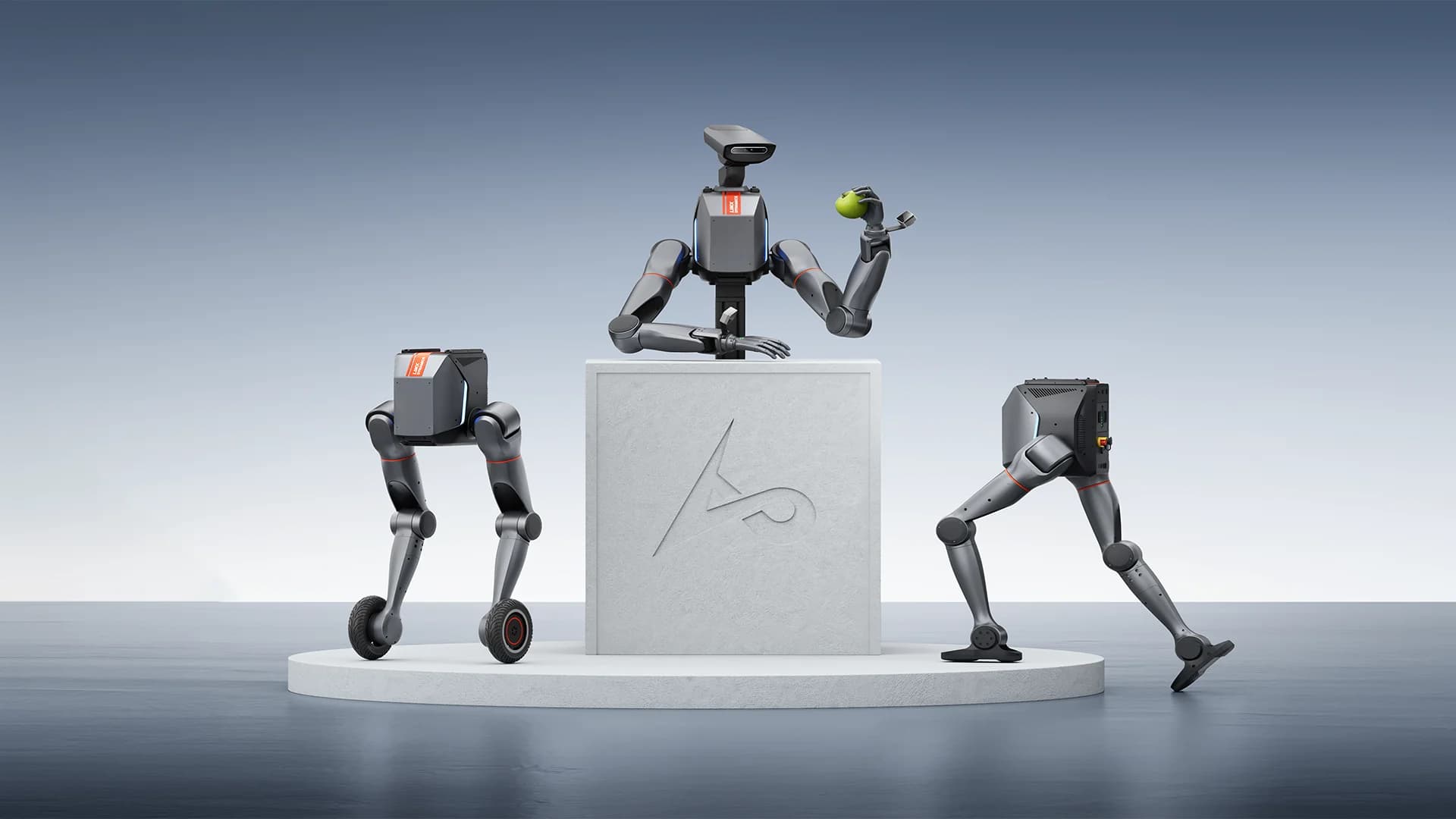
The announcement follows the recent launch of TRON 2, a modular platform that LimX markets as a "Swiss Army knife" for embodied AI. Unlike fixed-form humanoids, the TRON 2 can be physically reconfigured into a bipedal walker, a wheeled-legged robot, or a stationary dual-arm manipulator. By offering this flexibility for under $30,000 in its EDU edition, LimX is positioning itself as the primary hardware provider for labs working on Vision-Language-Action (VLA) models.
The weekly humanoid robotics briefing
One email a week: the launches, funding and research that mattered, with context from Humanoids Daily.
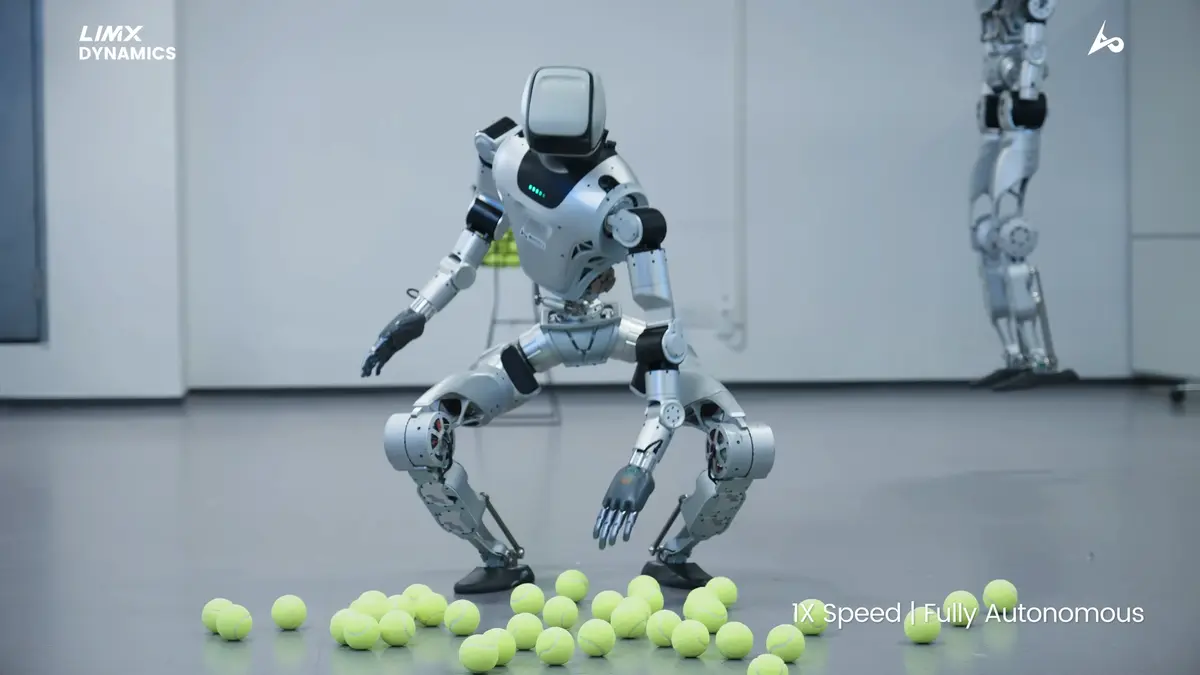
Read recent issuesHowever, the hardware is only half of the story. With LimX COSA, the company is attempting to solve the "intelligence gap" that has long plagued the sector. LimX claims that COSA allows its robots—including the full-size humanoid Oli—to move beyond fixed scripts. By coupling high-level reasoning with whole-body motion control, the system is designed to let robots interpret natural language tasks and adjust behaviors in real time within dynamic environments.
A Shared Nervous System: The OpenMind Collaboration
LimX’s push for software dominance is further bolstered by its role as a launch partner for OpenMind’s hardware-agnostic App Store. Alongside other industry heavyweights like UBTECH and AgiBot, LimX Dynamics is part of a founding consortium aimed at defining universal interfaces for robotic intelligence. This collaboration allows LimX hardware to gain new "skills" through cross-platform software updates, effectively trading proprietary "walled gardens" for a more interoperable ecosystem.
The Scaling Race and the "Bubble" Question
The size of this round highlights the intensifying IPO rush and capital concentration within China’s robotics sector. As the National Development and Reform Commission (NDRC) warns of "repetitive" clones and a potential industry bubble, LimX’s ability to secure $200 million suggests that investors are gravitating toward firms with "full-stack" capabilities—those who control the silicon-level software as well as the physical joints.
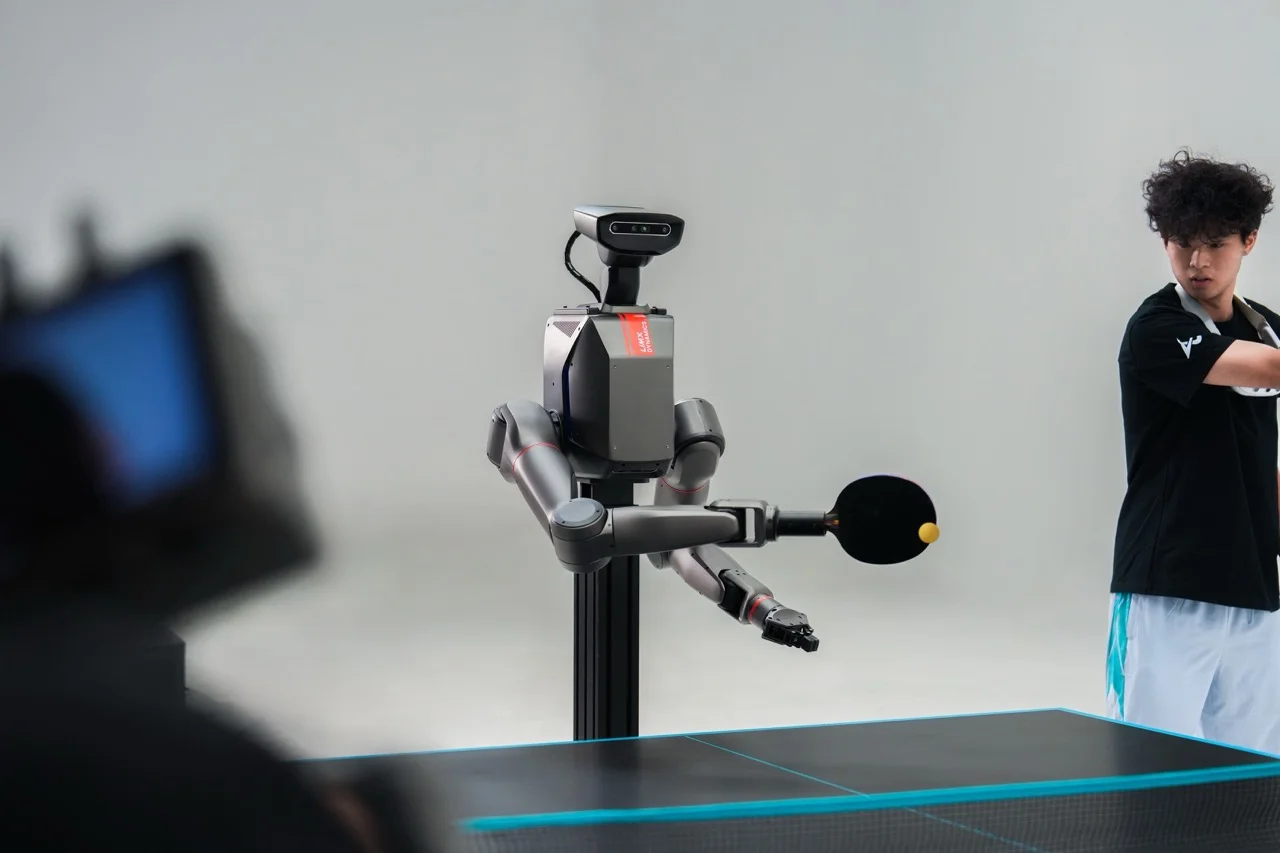
LimX's strategy mirrors the broader trend of "dedicated purpose" deployment recently noted by Goldman Sachs. While the ultimate goal is a general-purpose assistant, the modularity of TRON 2 allows the company to pursue immediate revenue in specialized research and education markets while it refines the "cerebrum" of its larger humanoid, Oli.
Global Aspirations and Industrial Context
The participation of SAIC-backed Shangqi Capital and NIO Capital underscores the growing overlap between the automotive and robotics industries. As Tesla pivots toward Optimus production in Fremont, Chinese manufacturers are leveraging their localized supply chains to drive down costs. LimX’s mission to "unlock the generalization of AGI in the real world" now has the financial runway to move from prototypes to what the company calls "system-level empowerment."
Whether LimX COSA can truly deliver the "ChatGPT moment" for robotics remains to be seen. However, with $200 million in fresh capital and a modular hardware strategy that lowers the barrier to entry, LimX Dynamics has cemented its status as a frontrunner in the global race for embodied intelligence.
Share this article
Read next
- Published on
- Reading time
- 5 min read
LimX Dynamics Secures $200M Pre-IPO Round, Unveils Fully Autonomous Oli in Uncut Demo
- Published on
- Reading time
- 6 min read
LimX Dynamics Launches TRON 2: A Modular "Shapeshifter" for Embodied AI Research
- Published on
- Reading time
- 3 min read
LimX Dynamics’ New Humanoid Robot Demonstrates a Rare Skill: Autonomous Loco-Manipulation
- Published on
- Reading time
- 3 min read
LimX Dynamics Teases Sleek New Humanoid Ahead of Taobao Influencer Festival
- Published on
- Reading time
- 3 min read
AGIBOT Says A3 Ultra Is Going to Work in Hotels, Shops and Metro Inspection
- Published on
- Reading time
- 3 min read
Unitree Says It Won’t Become a Robot Integration Company


The weekly humanoid robotics briefing
One email a week: the launches, funding and research that mattered, with context from Humanoids Daily.
Read recent issues