- Published on
Deep Robotics Secures $68M in Series C to Fuel Humanoid and ‘Embodied AI’ Push
One tap, and our reporting appears more often in your Google Top Stories. It makes a real difference to a small newsroom.


Your guide
Rich Robinson
Jee Chee Ren · Executive tour
See China’s AI and robotics ecosystem first-hand.
Six days exploring AI, robotics and advanced manufacturing.
With Rich Robinson, Clinical Professor of Entrepreneurship at Peking University
Beijing · Guangzhou · Shenzhen
29 November–4 December 2026
Referral partnership · We earn a commission on referred bookings.
Deep Robotics has secured over 500 million yuan (approximately $68 million) in Series C financing, a significant war chest that will fuel the company’s aggressive expansion from industrial quadrupeds into the heating up humanoid sector.
The round was jointly led by CMB International and ChinaAMC, but the most telling names on the capitalization table are the new strategic investors: funds affiliated with state-owned telecommunications giants China Telecom and China Unicom. Their participation signals a shift toward large-scale, infrastructure-level deployment of "embodied AI," moving beyond experimental pilots to integrated industrial networks.
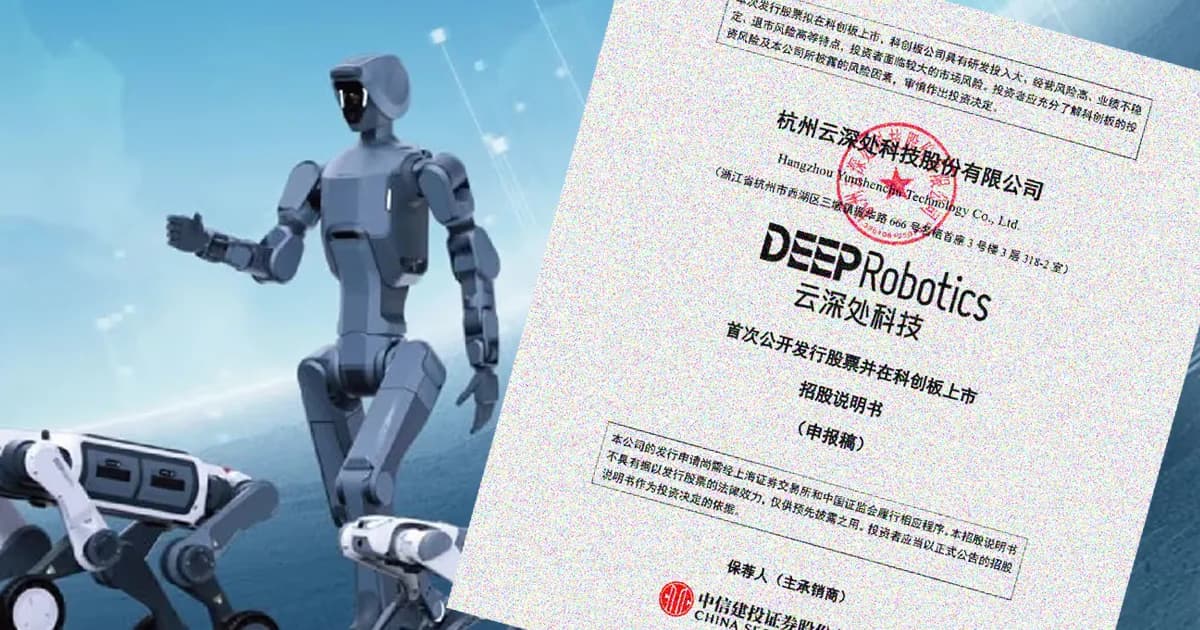
The funding comes just weeks after the company completed its shareholding reform, a move widely interpreted as the final preparatory step before an initial public offering.
Strategic Capital for "System-Level" Scale
While Deep Robotics built its reputation on the "Jueying" line of rugged robot dogs, the new capital is earmarked for a broader scope. CEO Zhu Qiuguo stated the funds would drive R&D and production capacity, specifically aiming to advance embodied AI from "isolated breakthroughs" to "system-level empowerment."
The weekly humanoid robotics briefing
One email a week: the launches, funding and research that mattered, with context from Humanoids Daily.
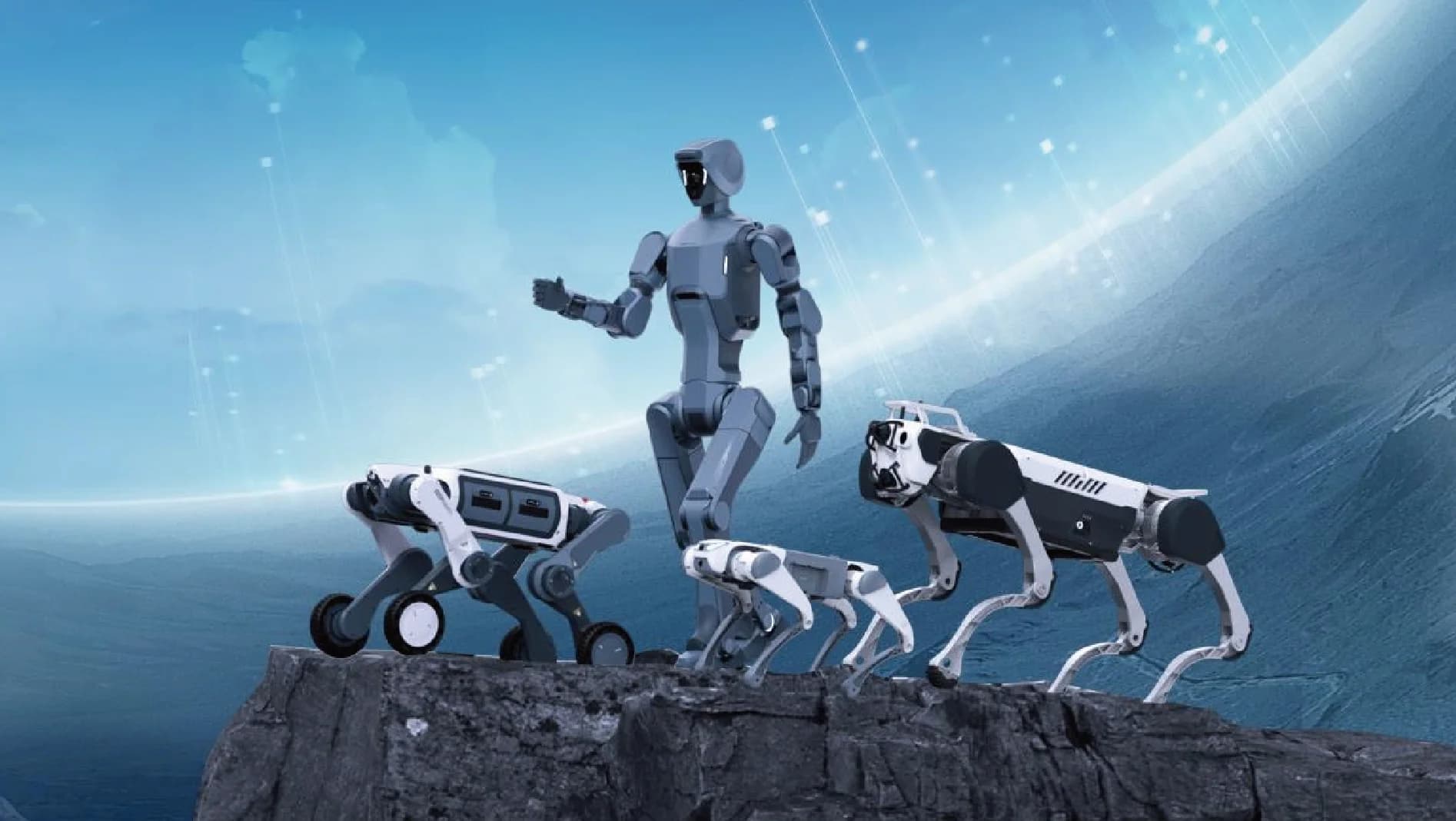
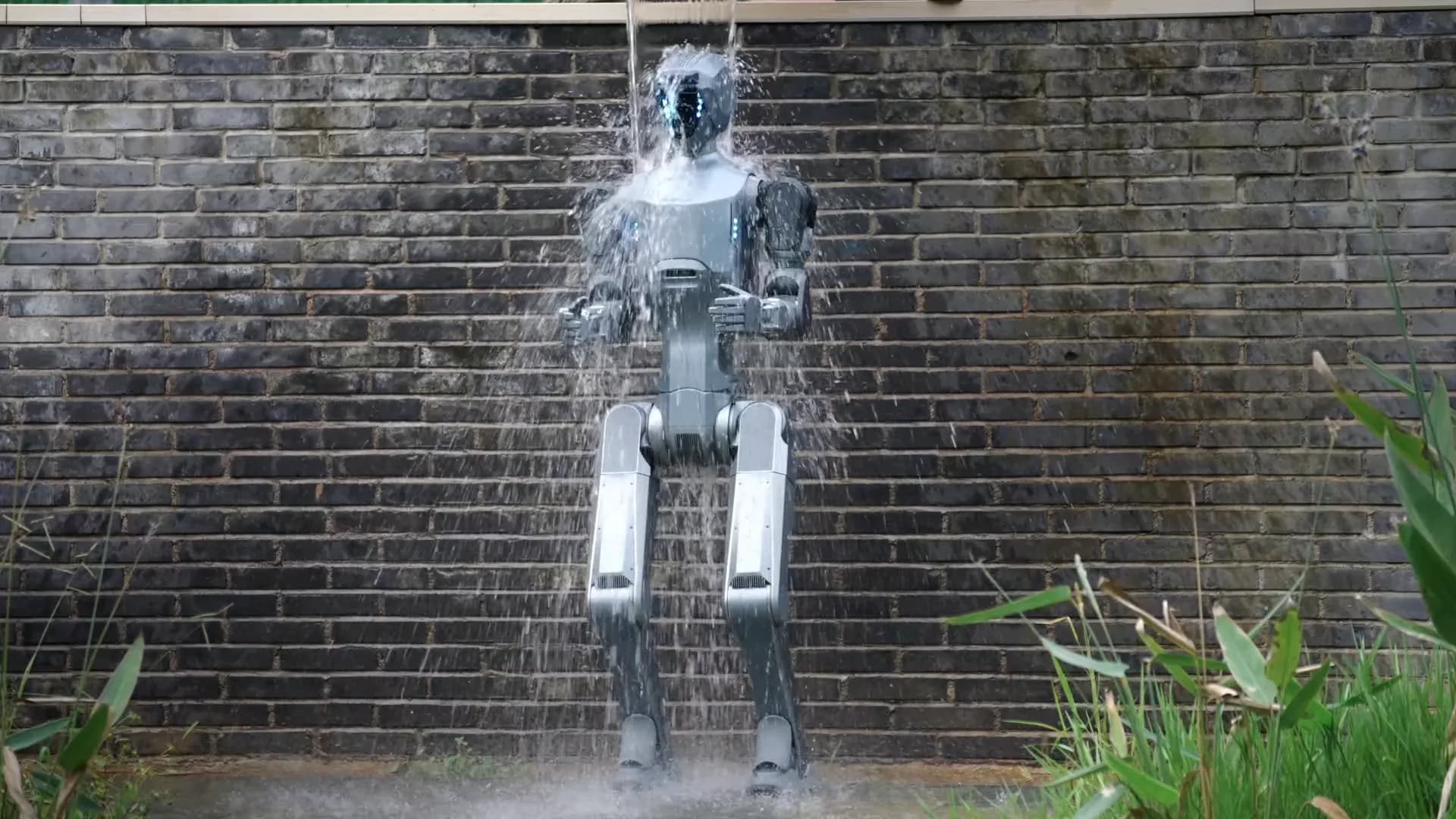
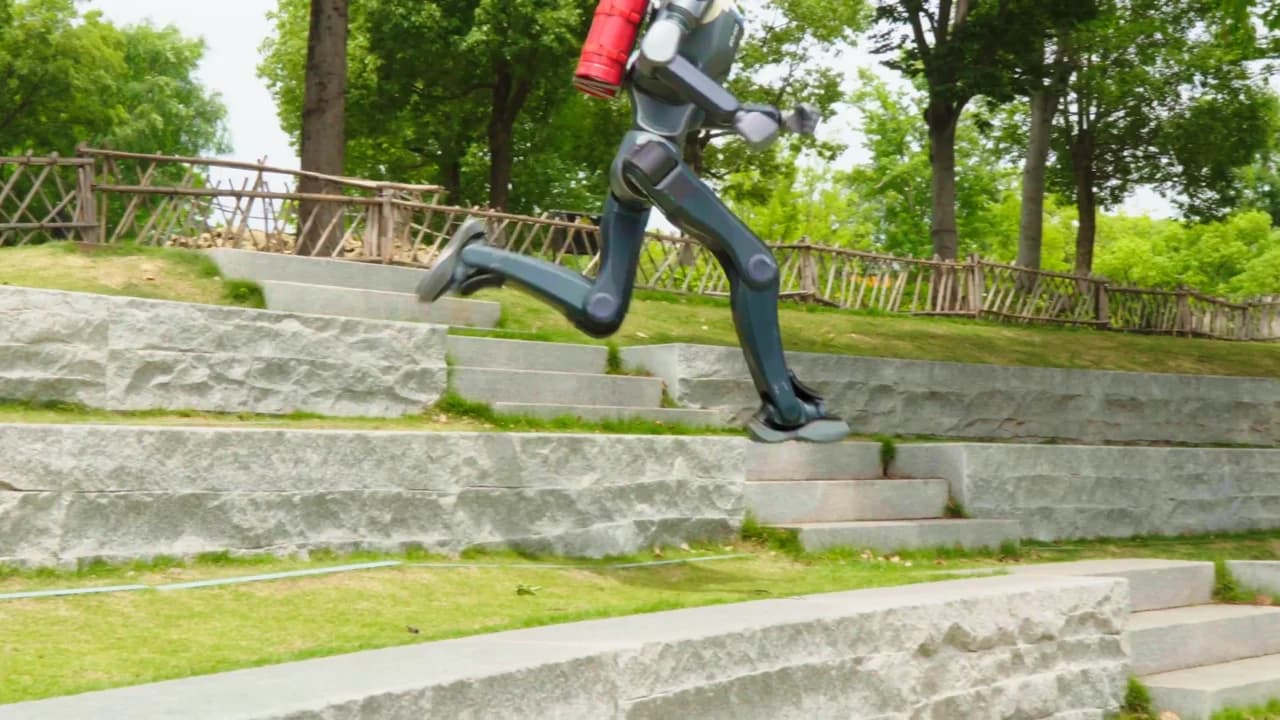
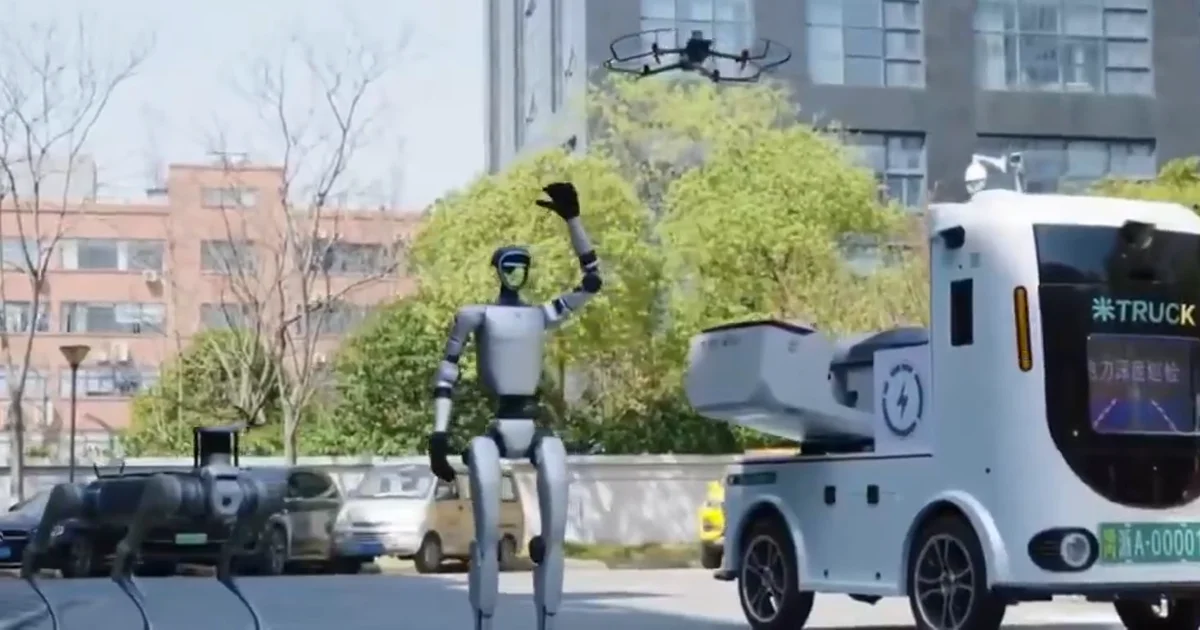
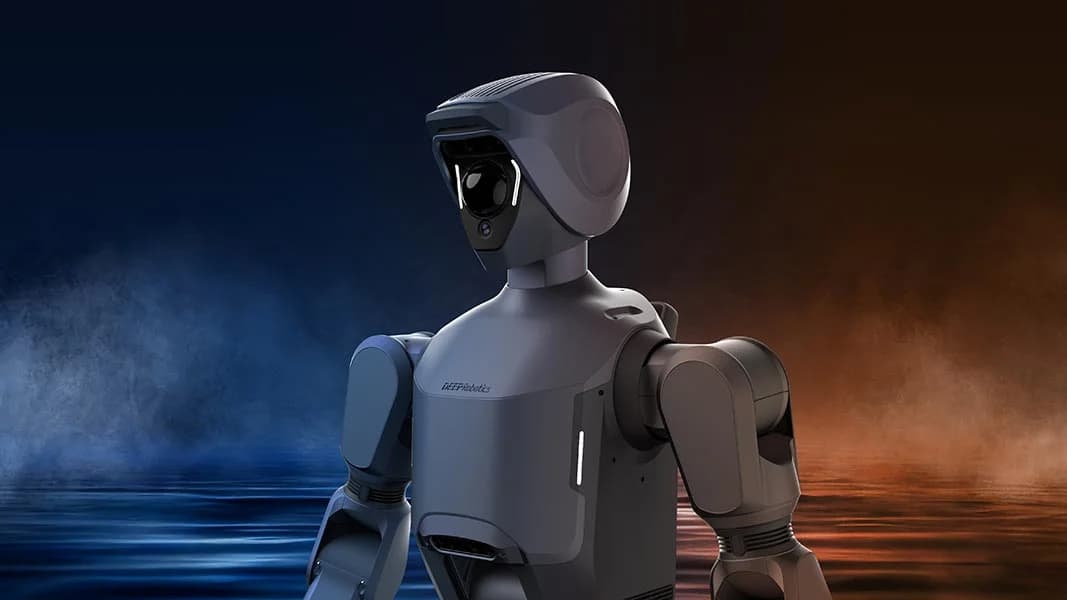
Read recent issuesThis aligns with the company's recent product pivots. No longer just a quadruped company, Deep Robotics is now marketing a diverse fleet that includes the newly revealed DR02 humanoid and the Lynx M20, a hybrid wheeled-legged robot.
The involvement of China Telecom and China Unicom is particularly notable. Unlike traditional venture capital, these strategic backers possess the digital infrastructure—5G networks and edge computing capabilities—necessary to coordinate fleets of autonomous robots in complex environments. This partnership could accelerate the deployment of Deep Robotics' "DeepVLA 1.0," a visual-language embodied navigation system designed to let robots understand natural language commands and navigate across multi-floor environments.
Beyond the Dog: Wheeled Legs and Bipeds
The Series C announcement highlights the company's rapid diversification. Deep Robotics is currently scaling two new form factors that depart from its traditional four-legged designs:
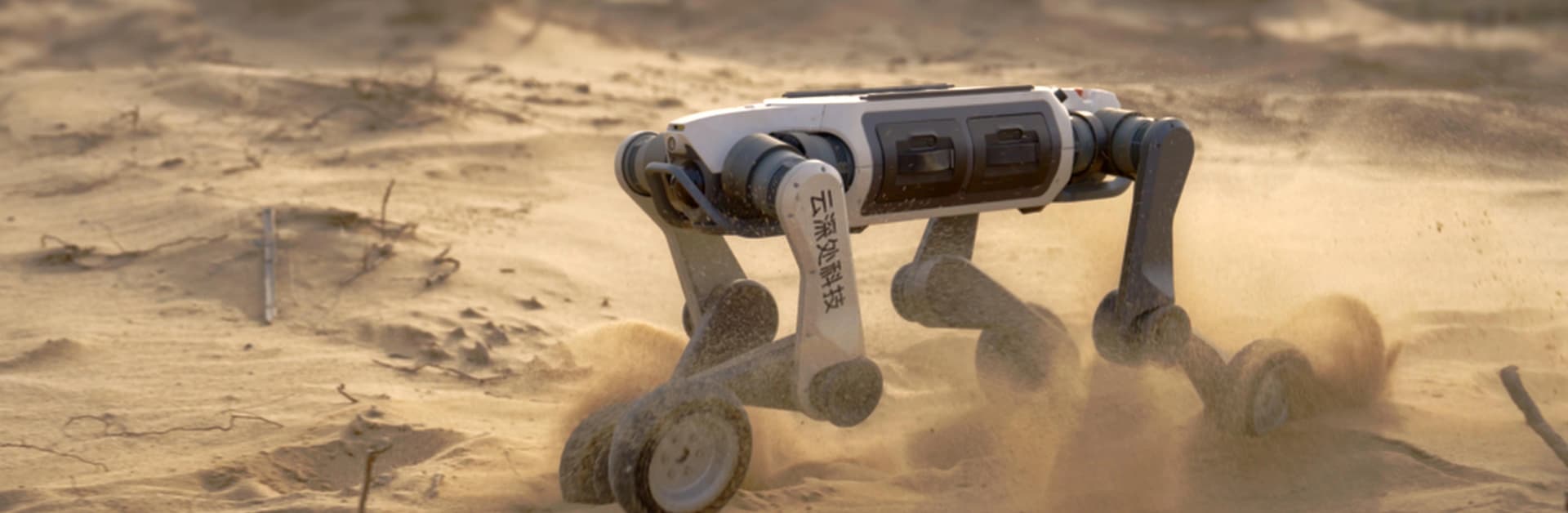
- The Lynx M20: Described as a "wheeled-legged" hybrid, this machine attempts to solve the efficiency vs. mobility trade-off. It combines the speed of wheels (up to 4 m/s) with the agility of legs to step over 80cm obstacles. It is designed for inspection tasks in complex terrain, weighing 33kg and boasting an IP66 rating for harsh weather.
- The DR02 Humanoid: As previously reported, the DR02 is an all-weather industrial humanoid capable of operating in temperatures ranging from -20°C to 55°C.
Real-World Traction Over Hype
Deep Robotics distinguishes itself from many competitors in the crowded humanoid space by emphasizing its existing commercial footprint. The company claims its robots are already "super employees" in nearly 30 substations under the China Southern Power Grid, reportedly reducing operational costs by 70%.
Perhaps most significantly, the company revealed a deployment in NEOM, Saudi Arabia’s futuristic megacity project. Deep Robotics says its Jueying X30 established the country’s first "fully automated outdoor inspection system" in an extreme beach environment, replacing manual patrols with unmanned operations.
The Pre-IPO Landscape
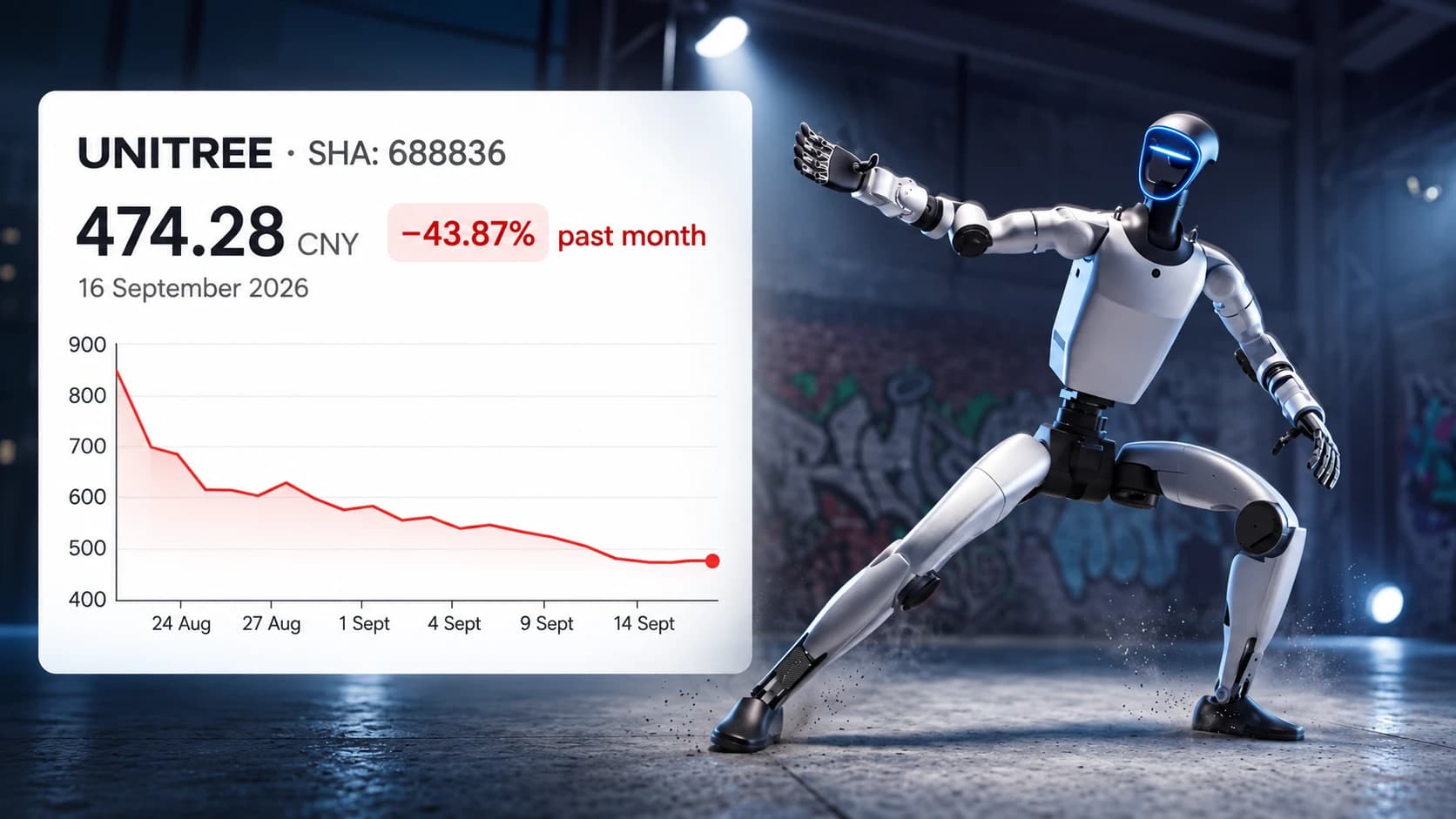
This financing round cements Deep Robotics' position as a frontrunner in China’s robotics "IPO Rush". With competitors like Unitree and AgiBot also vying for market dominance, the ability to secure large-scale Series C funding from top-tier industrial backers provides Deep Robotics with crucial runway.
The company claims to have achieved "shareholding system reform" earlier this year, changing its status to a joint-stock company—a prerequisite for a public listing in China. With $68 million in fresh capital and a clear mandate to scale production, Deep Robotics appears poised to take its "embodied AI" narrative to the public markets.
Share this article
Read next
- Published on
- Reading time
- 5 min read
Unitree’s Stock Slump Puts China’s Robot IPOs Under Scrutiny
- Published on
- Reading time
- 4 min read
Morgan Stanley Survey: Chinese Companies Want Humanoids, But the Products Aren't Ready
- Published on
- Reading time
- 4 min read
Deep Robotics Showcases Agile, Firefighting DR02 Humanoid in Dynamic New Demo
- Published on
- Reading time
- 5 min read
Deep Robotics Files for $367M STAR Market IPO Following First Profitable Year
- Published on
- Reading time
- 4 min read
State Grid’s $995 Million Bet: 8,500 Robots to Spearhead "Deployment Year One" in Energy
- Published on
- Reading time
- 3 min read
Deep Robotics Joins IPO Rush, Capping Quadruped Success with Humanoid Ambition
The weekly humanoid robotics briefing
One email a week: the launches, funding and research that mattered, with context from Humanoids Daily.
Read recent issues