- Published on
‘China is Next Level’: Elon Musk’s Bold Dismissal of Boston Dynamics, Figure, and the U.S. Robotics Scene
One tap, and our reporting appears more often in your Google Top Stories. It makes a real difference to a small newsroom.

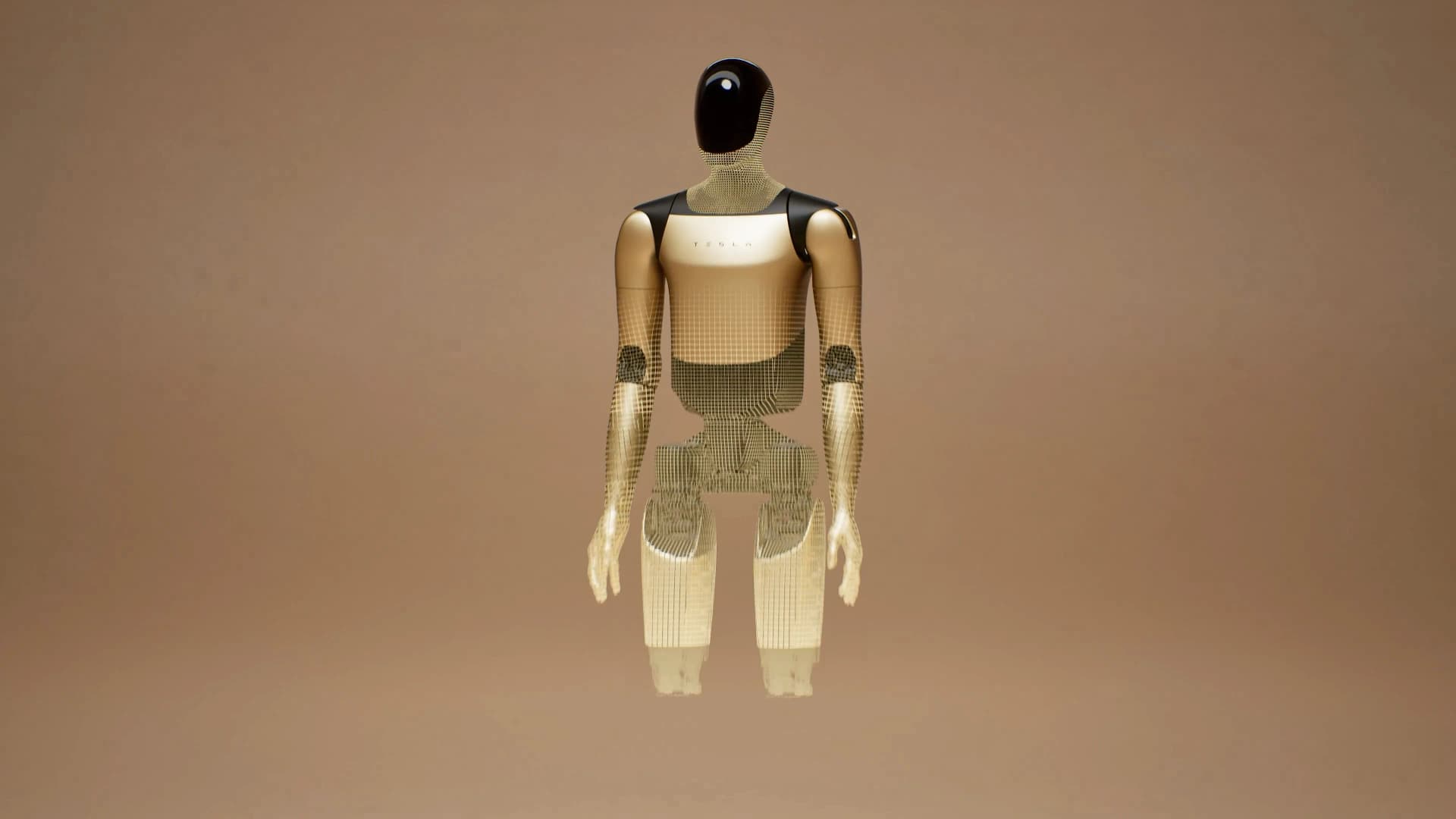
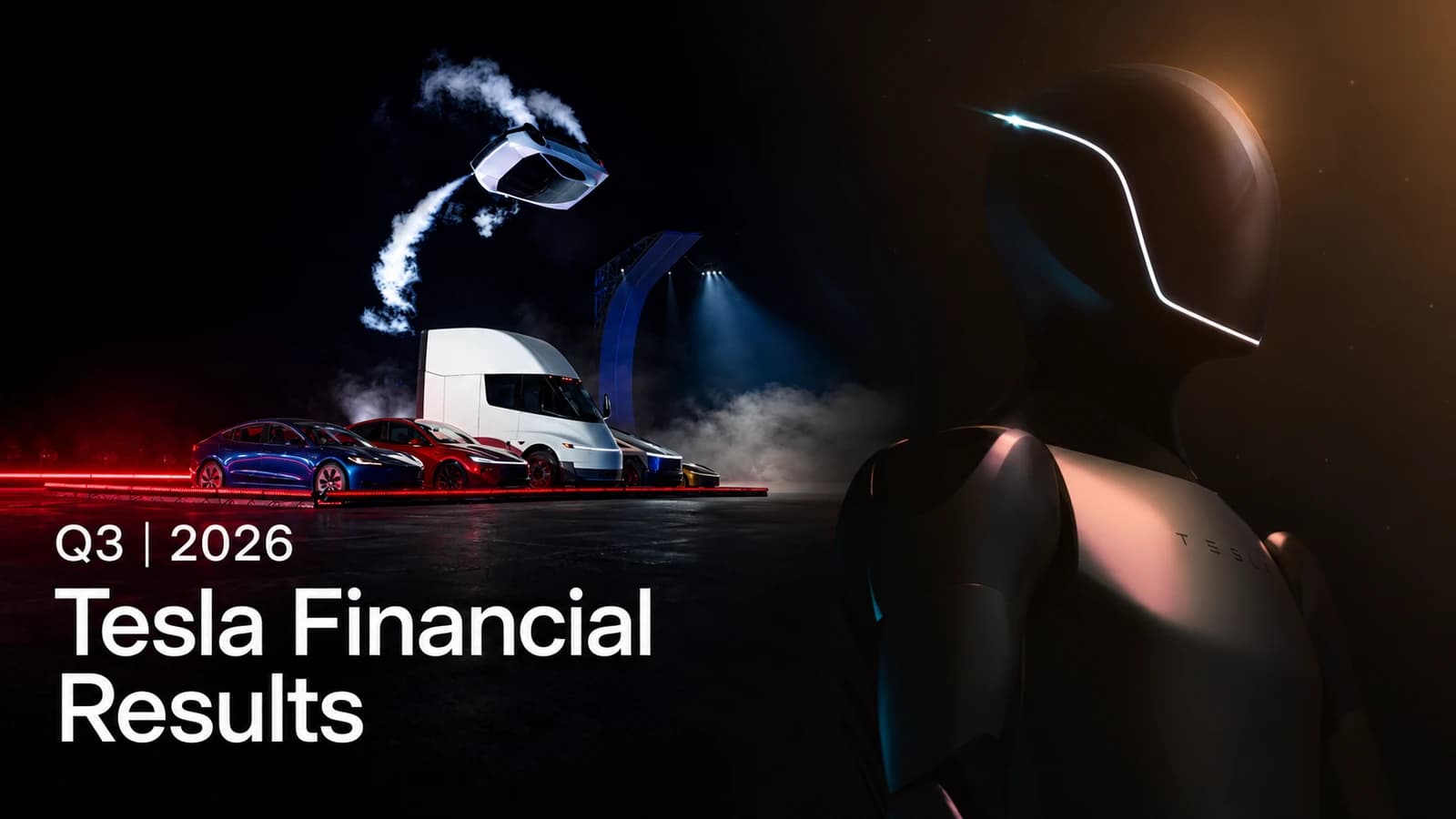
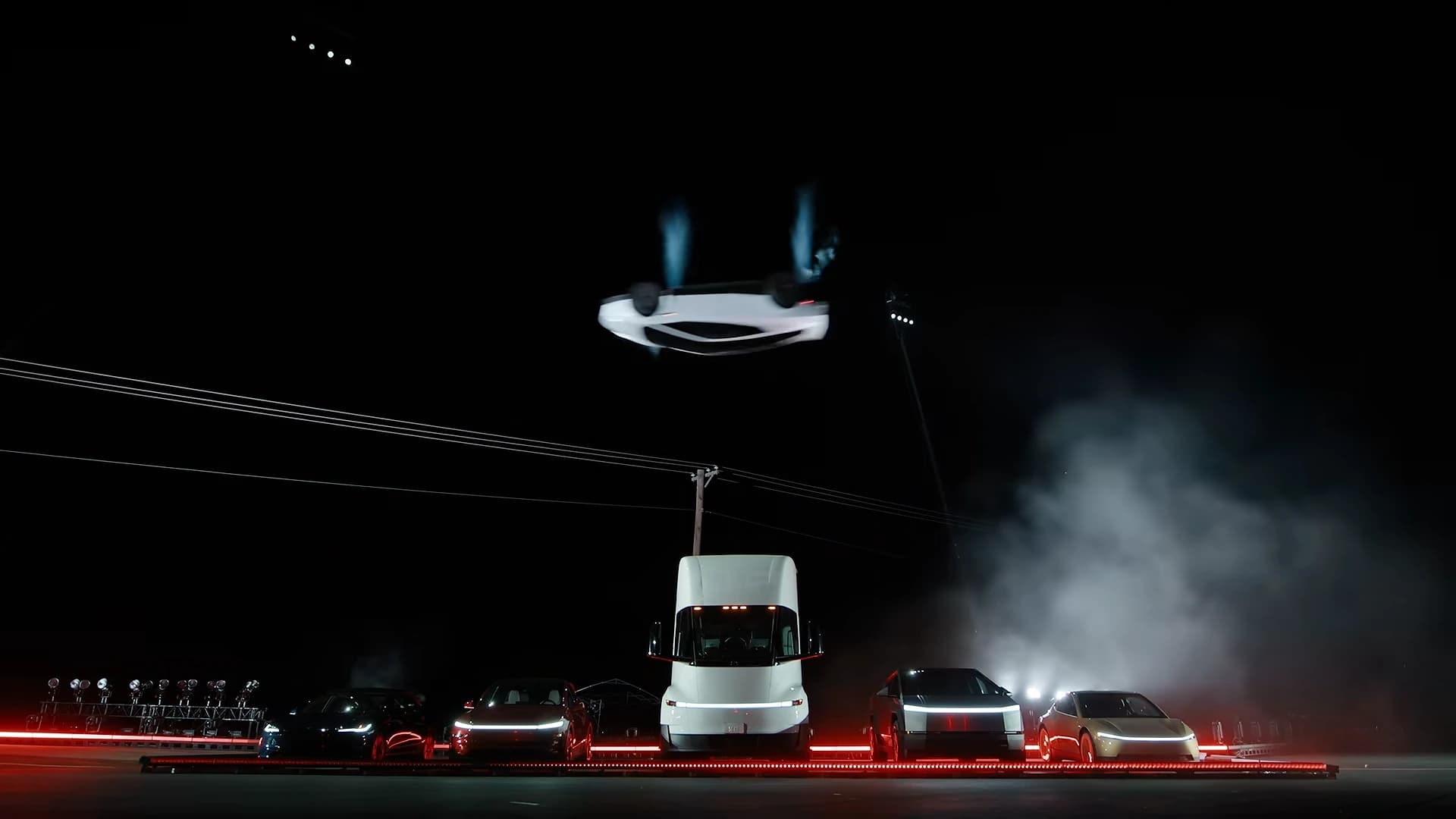
Tesla is officially burning the boats. In a landmark Q4 2025 financial results webcast, CEO Elon Musk announced that the company will wind down production of its flagship Model S and Model X vehicles next quarter. The move is more than a product retirement; it is a physical restructuring of Tesla’s manufacturing DNA, clearing floor space at the Fremont factory for a million-unit-per-year Optimus production line.
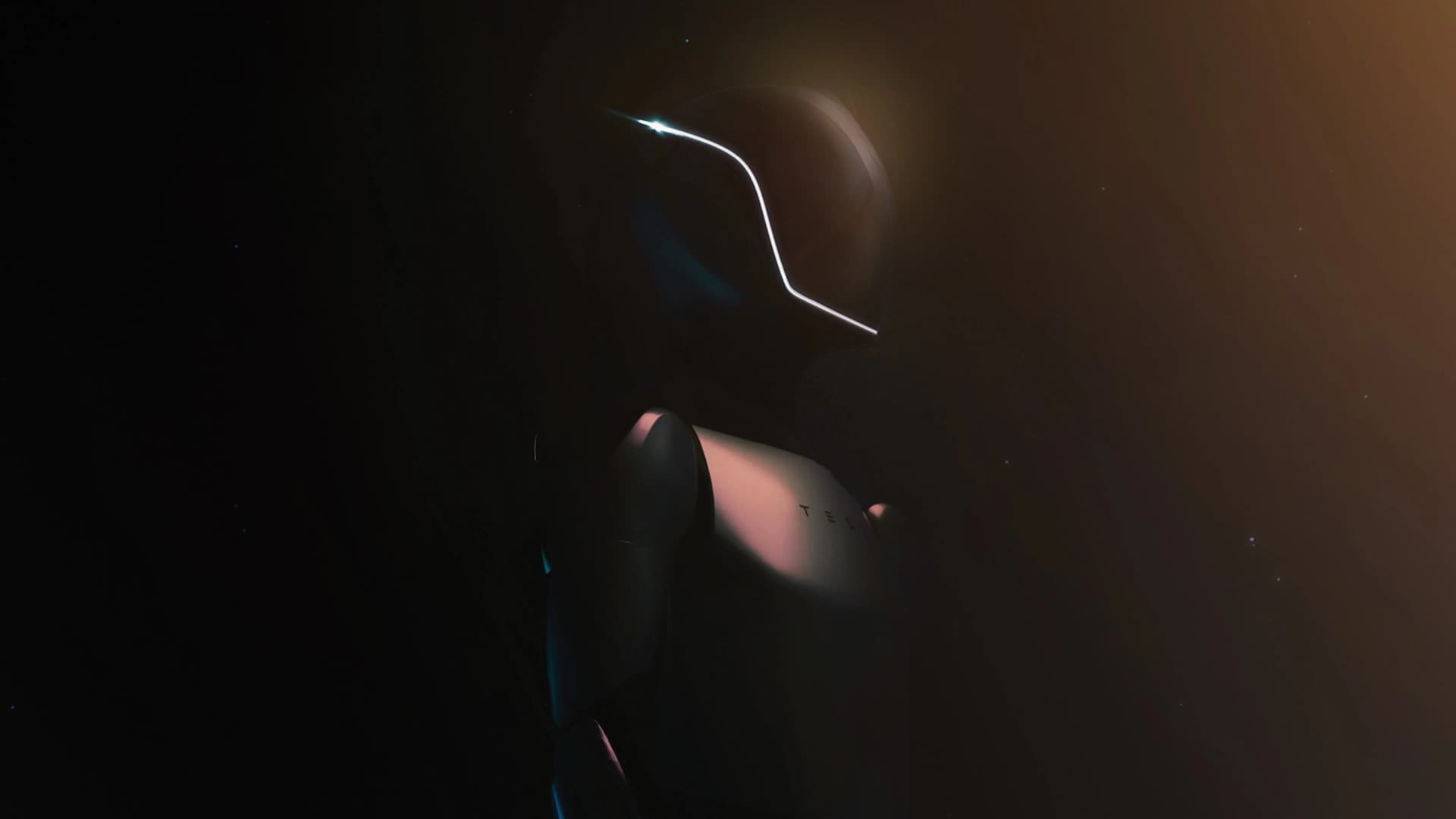
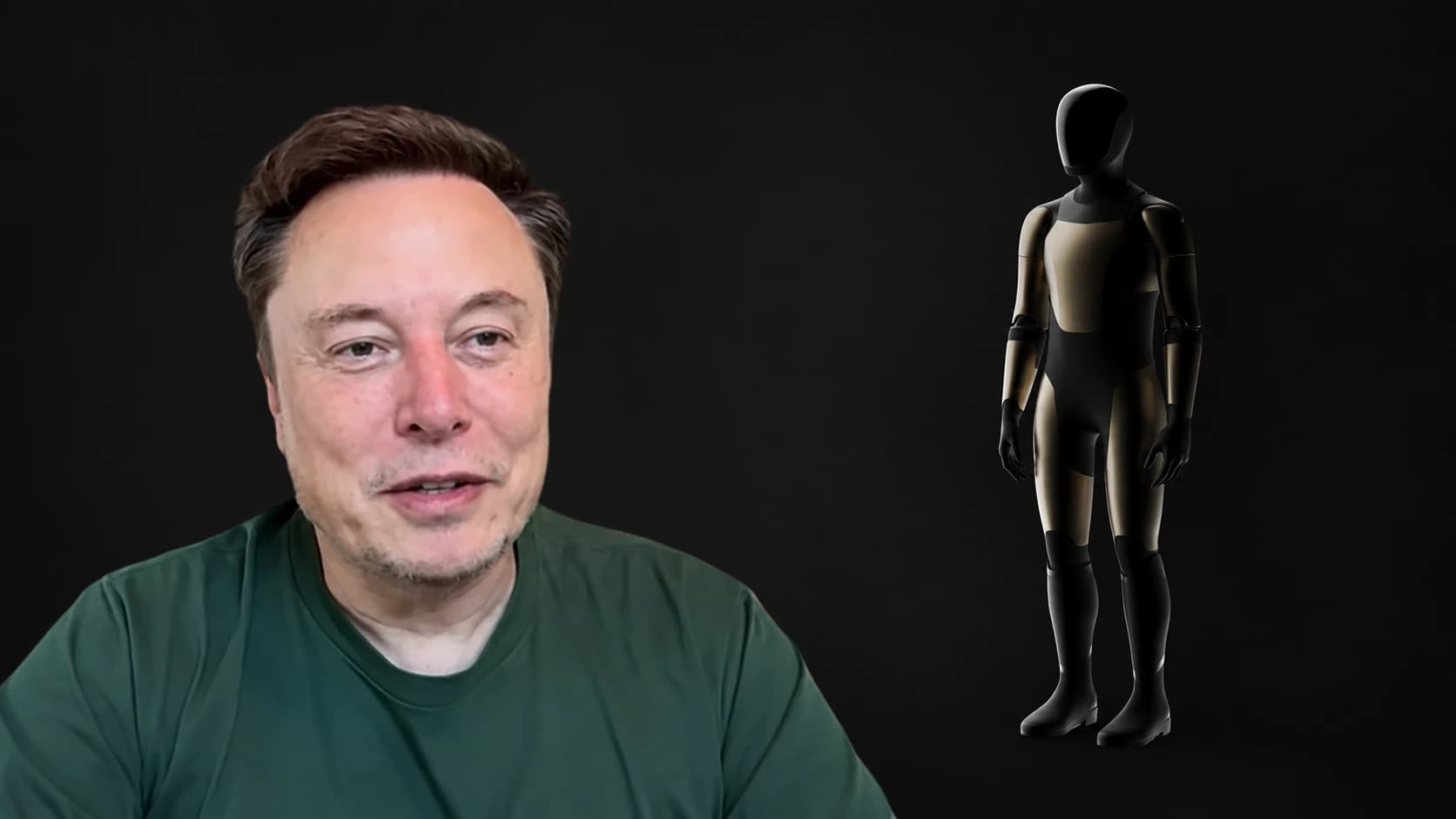
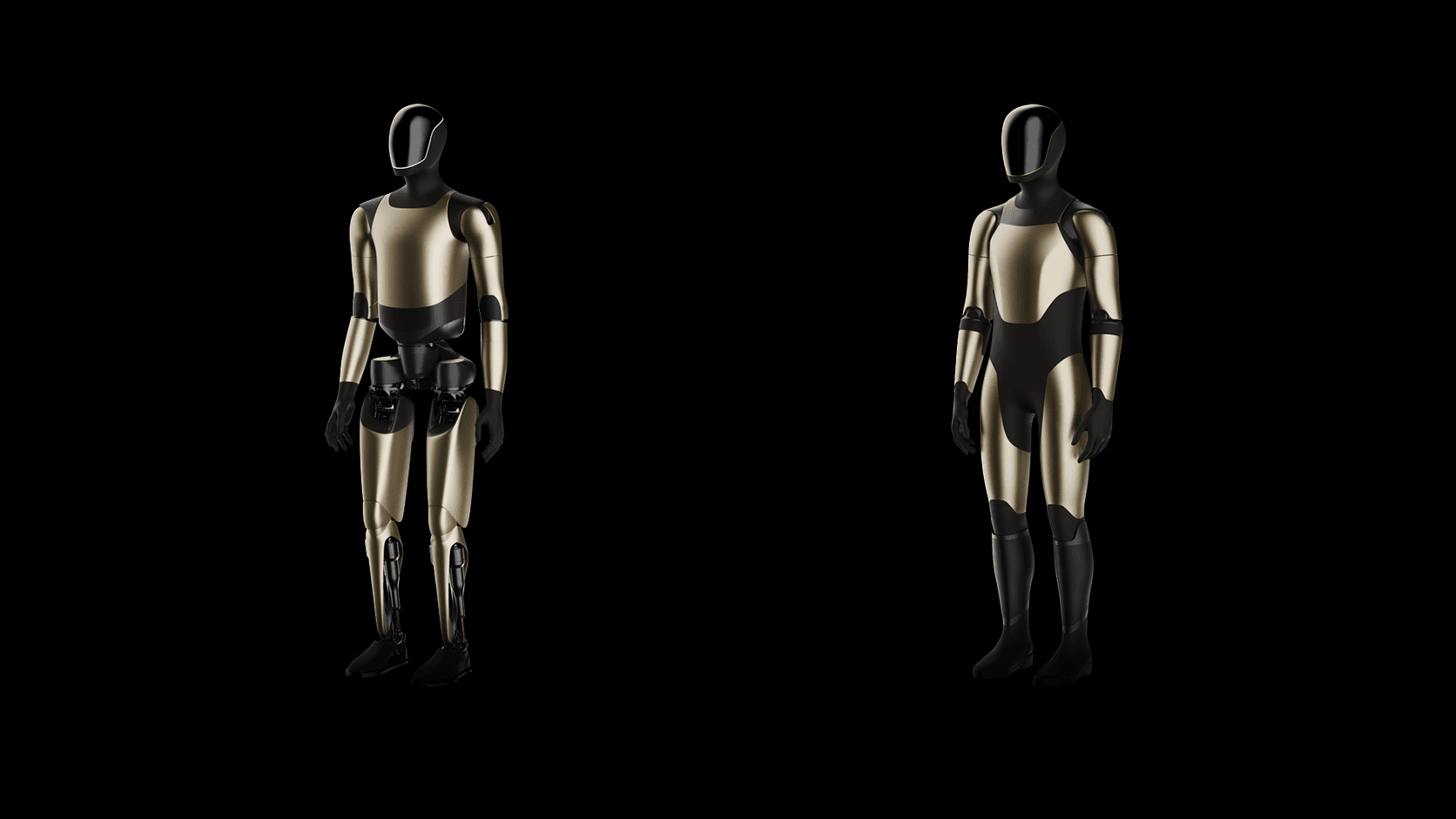
"It is time to bring the S and X programs to an end with an honorable discharge," Musk stated during the call, emphasizing that the factory space will be converted to build the upcoming Optimus Gen 3. This pivot is backed by a staggering capital expenditure (capex) forecast exceeding $20 billion for 2026, intended to fund six new factories—including a dedicated robotics facility—and a massive expansion of AI compute infrastructure.
The "S-Curve" of Agony and Abundance
The shift comes as Tesla updates its mission statement to "Amazing Abundance," a vision Musk claims will be realized through a future of "universal high income" driven by robotics. However, the path to this era will be defined by what Musk calls an "agonizingly slow" initial production ramp.
Because Optimus relies on a "non-existent" supply chain designed from physics first principles, the manufacturing S-curve is expected to be more "stretched out" than those of previous automotive products. Tesla is currently targeting a production cost of roughly $20,000 per unit, though Musk admitted that the initial rate would be "proportionate to the least lucky, least confident part" of the 10,000-part assembly.
Follow humanoid robotics without following every announcement.
Get the week’s most important launches, funding and research—and why they matter—in one email from Humanoids Daily.
Once a week. Unsubscribe anytime.
Read recent issuesMusk’s Bold Claim: No "Significant" US Competition
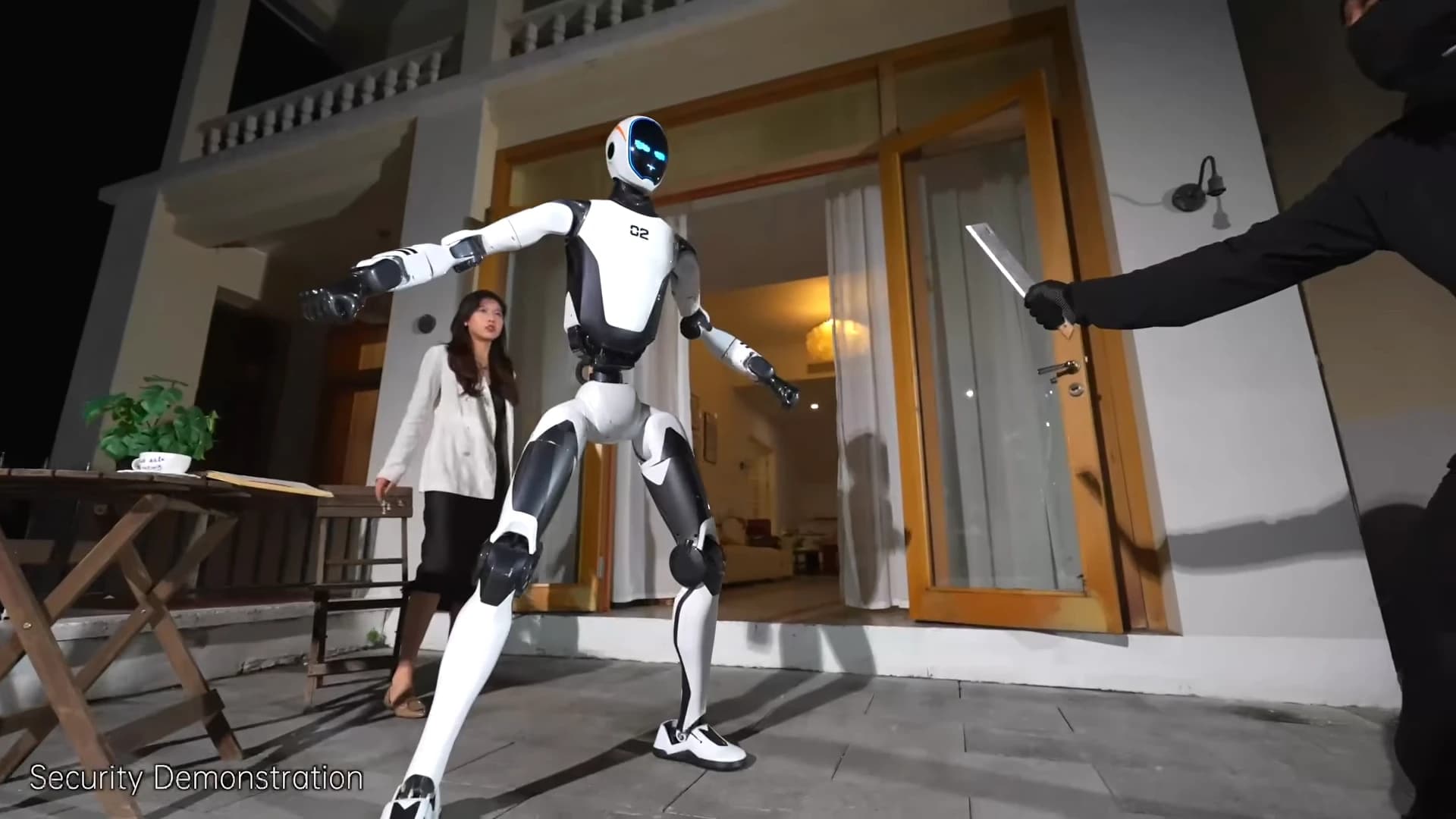
Perhaps the most controversial moment of the webcast was Musk’s assessment of the competitive landscape. When asked about the surge of humanoid startups, Musk was dismissive of domestic rivals. "To the best of our knowledge, we don't see any significant competitors outside of China," he remarked, identifying Chinese firms as the "toughest competition" due to their prowess in scaling manufacturing and real-world AI.
This claim sits in stark contrast to recent developments from several well-capitalized U.S. players:
- Boston Dynamics: Recently launched the production-ready all-electric Atlas at CES 2026, targeting industrial applications with Hyundai's backing.
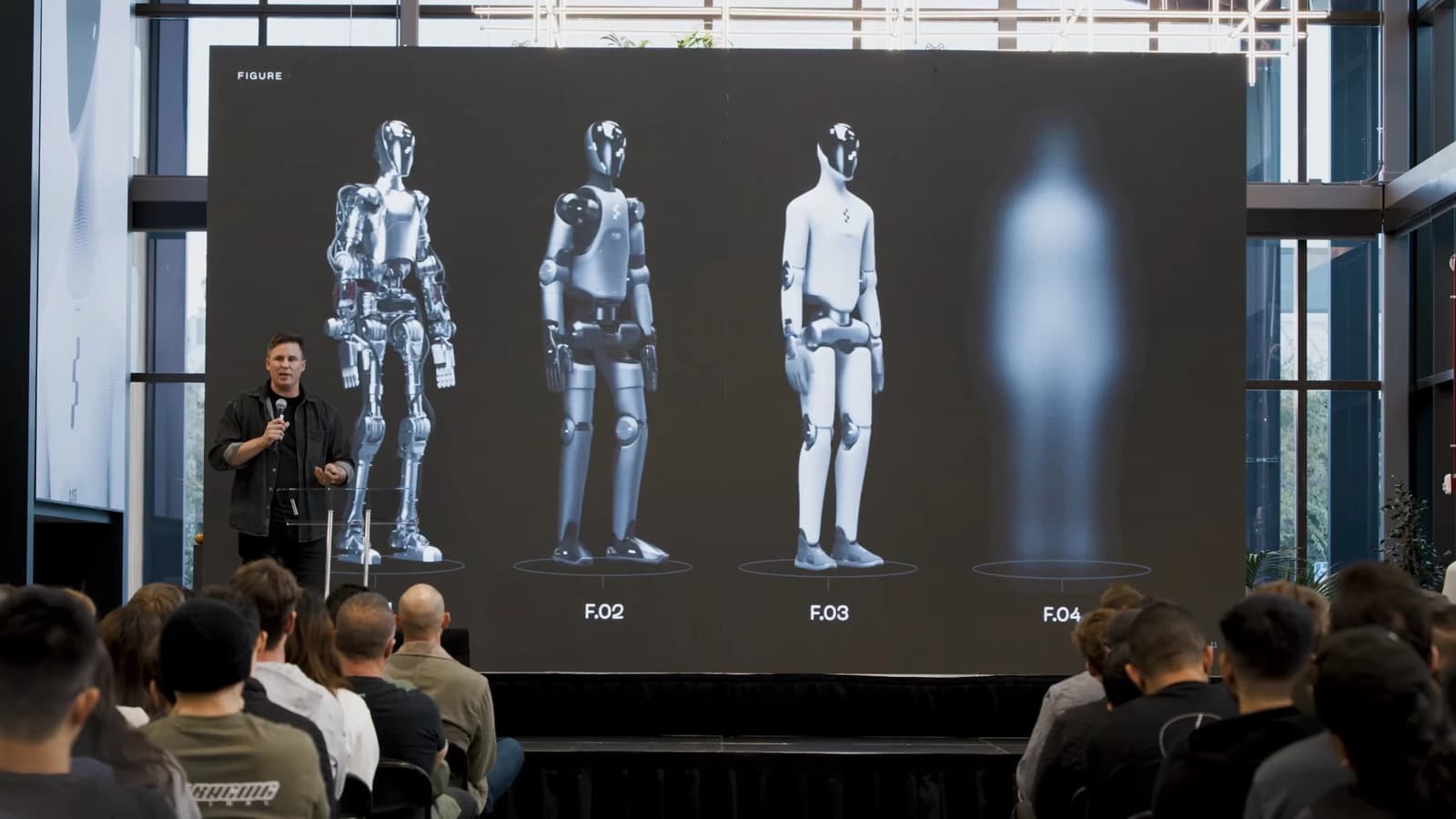
- Figure: Just unveiled its Helix 02 AI system, demonstrating high-fidelity "pixels-to-torque" autonomy in domestic settings.
- 1X: Unveiled its 1XWM world model, allowing robots to "imagine" and execute novel tasks like operating a toilet or steaming a shirt.
The "Space Race" Reality Check
While Musk looks toward the East, other U.S. leaders see a more internal struggle for survival. Jeff Cardenas, CEO of Austin-based Apptronik, recently framed the humanoid race as a geopolitical "space race" that will inevitably filter out all but the most capitalized firms.
"It's going to take a similar quantum of capital as it takes to build a car company or an aerospace company," Cardenas noted in a recent interview, as reported in our coverage of Apptronik’s roadmap. Cardenas believes there are "less than five companies" in the U.S. that are truly credible in this race—a list that surely includes Tesla and Figure, and likely his own firm.
Vertical Integration: From Lithium to "Terafabs"
Tesla’s strategy to maintain its lead relies on a level of vertical integration. Musk revealed plans for a "Tesla Terafab"—a domestic facility that would integrate logic, memory, and packaging for AI chips.
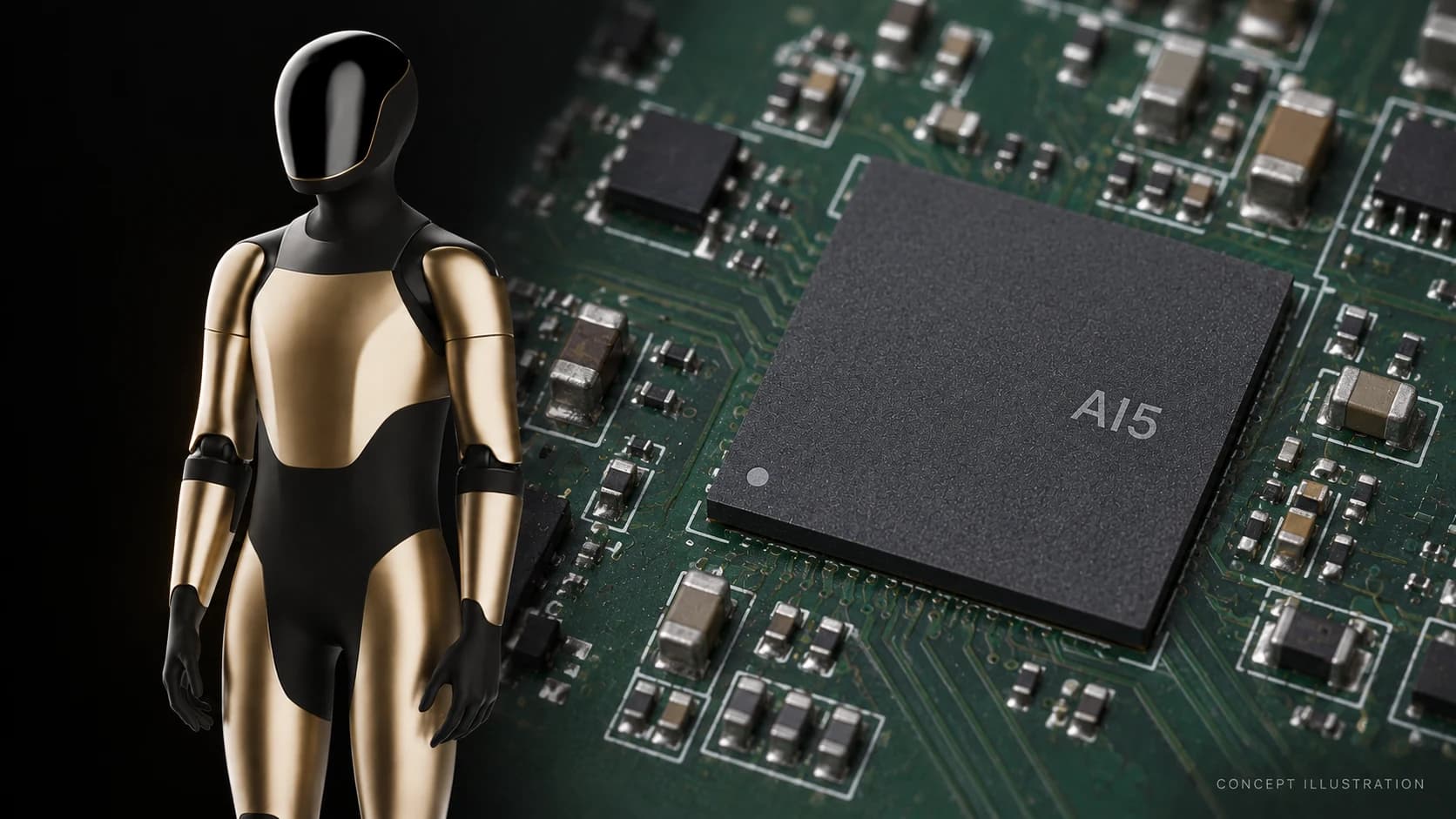
"Optimus is just a mannequin without an AI chip," Musk noted, citing geopolitical risks as the primary driver for building internal semiconductor capacity. This follows Tesla’s existing efforts to build its own lithium and cathode refineries in the U.S. to secure the battery supply chain.
As the Model S and X exit the stage, the focus shifts entirely to the Optimus Gen 3 reveal expected in Q1 2026. Whether Tesla can hit its million-unit target in Fremont by 2027 remains the $20 billion question facing the industry.
Share this article
Follow humanoid robotics without following every announcement.
Get the week’s most important launches, funding and research—and why they matter—in one email from Humanoids Daily.
Once a week. Unsubscribe anytime.
Read recent issuesRead next
- Published on
- Reading time
- 6 min read
Tesla Begins Optimus Production in Fremont, Targets Customer Deliveries in Late 2027
- Published on
- Reading time
- 3 min read
Tesla Makes Its Case for Board Continuity Ahead of December 3 Shareholder Vote
- Published on
- Reading time
- 2 min read
Musk Puts Optimus and Cybercab at the Center of Tesla’s Future Value
- Published on
- Reading time
- 5 min read
Musk Details Optimus Hand Challenges, Warns of Slow Initial Production Ramp
- Published on
- Reading time
- 3 min read
Musk Says Tesla Halved AI5 RAM to Secure Memory for Optimus Production
- Published on
- Reading time
- 5 min read
Tesla App Contains Optimus Gen 3 Renders—Here’s What They Show