- Published on
Texas Instruments Deploys UBTECH Humanoids in Strategic Semiconductor Push
One tap, and our reporting appears more often in your Google Top Stories. It makes a real difference to a small newsroom.

Supported by RoboStrategySupport for Humanoids Daily comes from RoboStrategy
Sponsored
Investing involves risk, including possible loss of principal. Read the prospectus before investing.
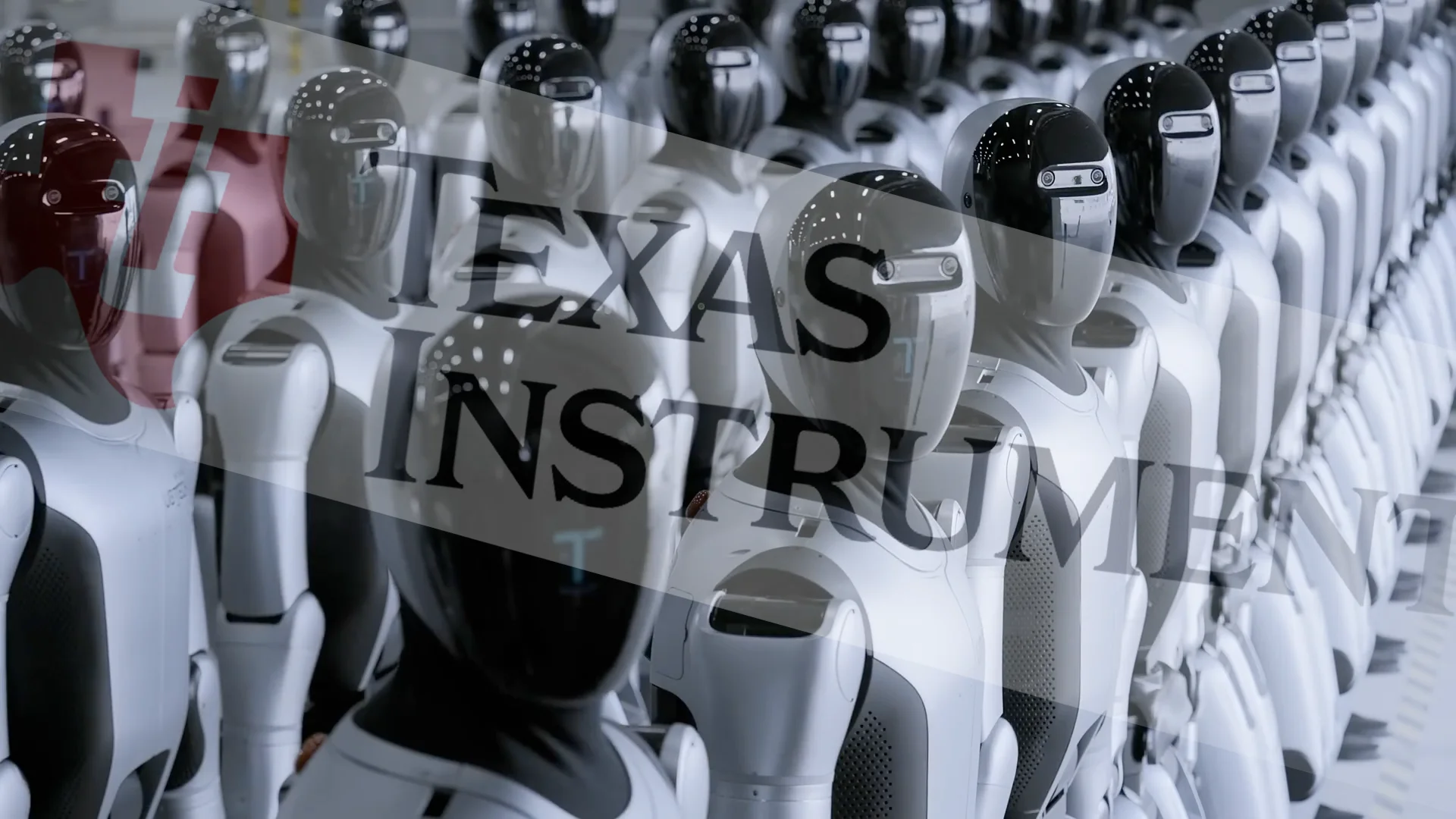
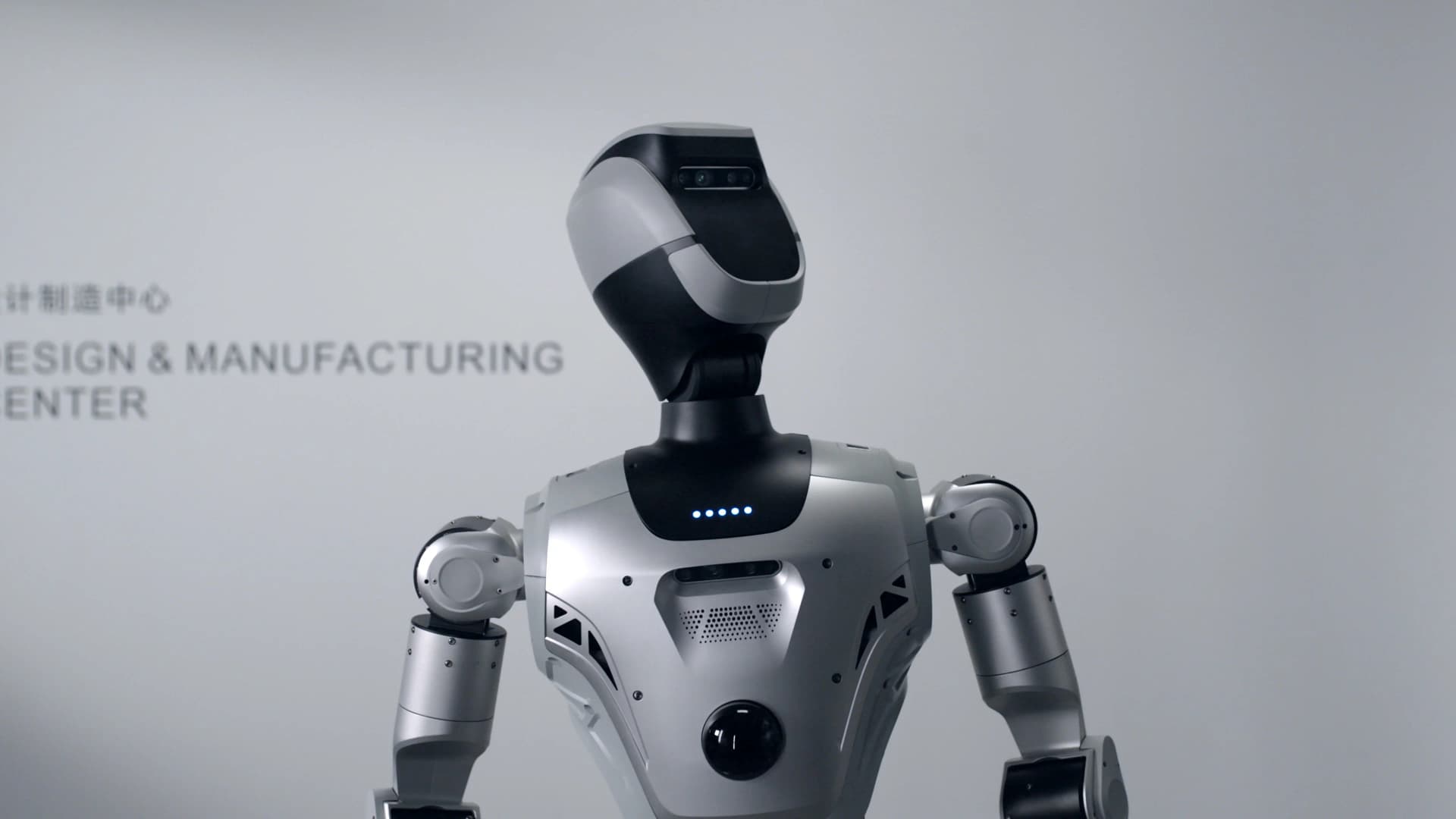
Shenzhen — UBTECH Robotics has secured a strategic partnership with US semiconductor giant Texas Instruments (TI), a deal that will see humanoid robots deployed into the highly sensitive environment of chip manufacturing.
According to a report by the Securities Times, TI has purchased UBTECH’s industrial Walker S2 robots and is currently deploying and "debugging" them on its production lines. While the specific financial terms were not disclosed, the agreement establishes a reciprocal supply chain relationship: as TI integrates the robots into its factories, UBTECH has committed to incorporating more TI components into the core architecture of its humanoid machines.
Breaking Into the Clean Room
This partnership marks a significant diversification for UBTECH. Until now, the company’s industrial validation has come primarily from the automotive sector, with high-profile deployments at BYD, Geely, and FAW-Volkswagen.
Moving from the assembly line of an electric vehicle plant to the floor of a semiconductor facility represents a substantial leap in technical difficulty. Semiconductor manufacturing typically requires rigorous clean-room standards, extreme precision in material handling, and low-vibration operation—constraints far tighter than those found in general automotive logistics.
The weekly humanoid robotics briefing
One email a week: the launches, funding and research that mattered, with context from Humanoids Daily.
Read recent issuesThe deployment suggests that TI is looking to automate specific material handling or inspection tasks within its fabrication plants, testing whether humanoid form factors can navigate the tight, complex corridors of older fabs or interface with legacy machinery designed for humans.
A Two-Way Supply Chain
The strategic cooperation goes beyond a simple hardware purchase. The agreement stipulates that UBTECH will "introduce more components from Texas Instruments" for the core parts of its robots.
This creates a symbiotic relationship that addresses a key vulnerability for the Chinese robotics giant. In a recent interview, UBTECH executives claimed their supply chain was "90 per cent" localized within China, but admitted that "specific computing chips" were the remaining outlier. Deepening ties with TI—a global leader in analog chips and embedded processors—could secure a stable supply of high-grade components needed to scale production.
For Texas Instruments, the move positions its silicon at the heart of the burgeoning humanoid robotics market. By validating its chips inside the Walker S2, TI gains a foothold in a sector that UBTECH predicts will demand 10,000 units annually by 2027.
Context: The Push for Volume
The deal comes during a period of aggressive expansion for UBTECH. The company recently claimed the "world's first mass delivery" of industrial humanoids, stating it had shipped hundreds of units to fulfill an order book exceeding 800 million yuan (approx. $113 million).
While previous wins focused on heavy industry and logistics—including a recent $37 million contract for border patrol robots—the entry into the semiconductor vertical validates the Walker S2's versatility. It also serves as a high-tech proof of concept for potential customers who may have doubted the precision capabilities of the platform.
The companies stated they plan to continue "in-depth exchanges" regarding the application of humanoids in semiconductor manufacturing, signaling that this initial deployment may be the precursor to a broader automation strategy within TI's global operations.
Share this article
Read next
- Published on
- Reading time
- 6 min read
Global Humanoid Shipments Surpass 22,000 in H1 2026 as AGIBOT Leads and Form-Factor Debates Intensify
- Published on
- Reading time
- 4 min read
Morgan Stanley Survey: Chinese Companies Want Humanoids, But the Products Aren't Ready
- Published on
- Reading time
- 4 min read
OpenMind Launches Hardware-Agnostic App Store to Unify Humanoid "Skills"
- Published on
- Reading time
- 3 min read
Beijing Humanoid Robot Innovation Center Secures $100 Million to Scale Commercial Operations
- Published on
- Reading time
- 4 min read
LimX Dynamics Secures $200 Million Series B to Scale Modular and General-Purpose Humanoids
- Published on
- Reading time
- 4 min read
The Shipment Wars: AgiBot Claims Top Spot in Five Industry Sectors as Global Market Surges
The weekly humanoid robotics briefing
One email a week: the launches, funding and research that mattered, with context from Humanoids Daily.
Read recent issues