- Published on
Build AI Scales to 100,000 Hours as Data Scaling Becomes Robotics’ New Frontier
One tap, and our reporting appears more often in your Google Top Stories. It makes a real difference to a small newsroom.

Supported by RoboStrategySupport for Humanoids Daily comes from RoboStrategy
Sponsored

Investing involves risk, including possible loss of principal. Read the prospectus before investing.
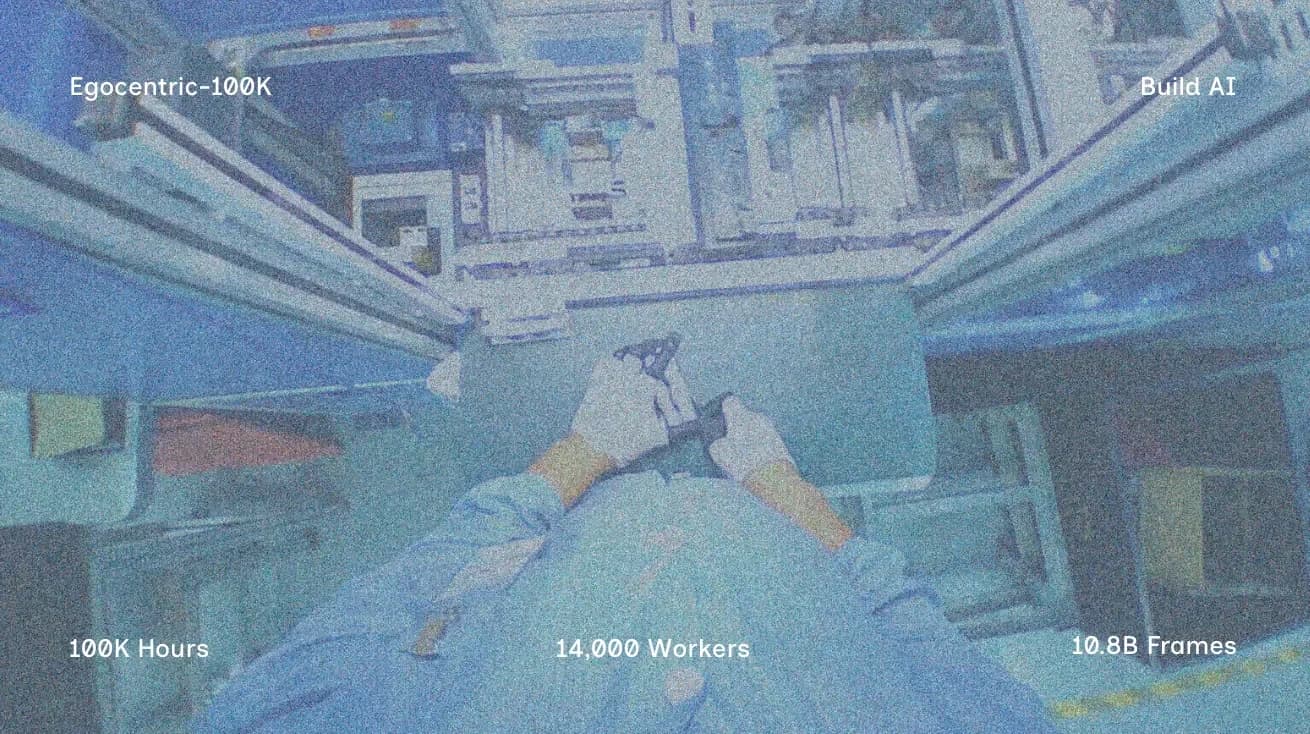
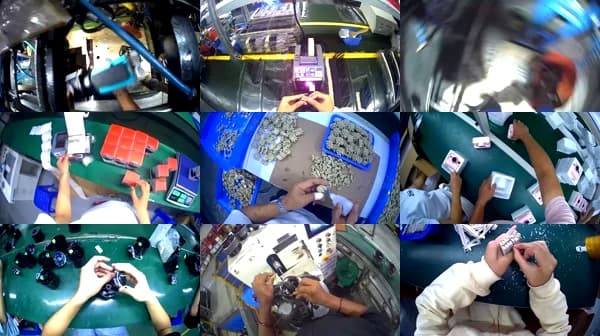
Just weeks after positioning itself at the forefront of the "physical AI" race, Build AI is accelerating. The startup, led by 18-year-old Columbia dropout Eddy Xu, has released Egocentric-100K, a dataset featuring over 100,000 hours of first-person factory footage. The release is accompanied by news of a significantly expanded funding round, bringing the company’s total raise to $15 million.
The announcement comes at a pivotal moment for the industry. Only a month ago, Build AI made headlines for open-sourcing 10,000 hours of video, then the largest dataset of its kind. By increasing that volume tenfold in such a short window, Build AI is signaling that the era of "data scaling" for robotics has moved from theory to aggressive execution.
The $15 Million "Back to Work"
Founder Eddy Xu revealed the updated funding total on X, quote-tweeting his previous September announcement of a $5 million seed round with a simple correction: "$15m*". The round, which was originally led by Abstract, Pear, and HF0, now includes a high-profile roster of angel investors and industry veterans.
Among those credited in the update are Balaji Srinivasan (author of The Network State and former CTO of Coinbase), Guillermo Rauch (CEO of Vercel), and Thomas Wolf (Co-founder of Hugging Face). The lean nature of the announcement—concluding with Xu’s signature "back to work"—reflects the company’s stated philosophy that speed and research contribution are the primary metrics of success.
The weekly humanoid robotics briefing
One email a week: the launches, funding and research that mattered, with context from Humanoids Daily.
Read recent issues100,000 Hours of "Active Manipulation"
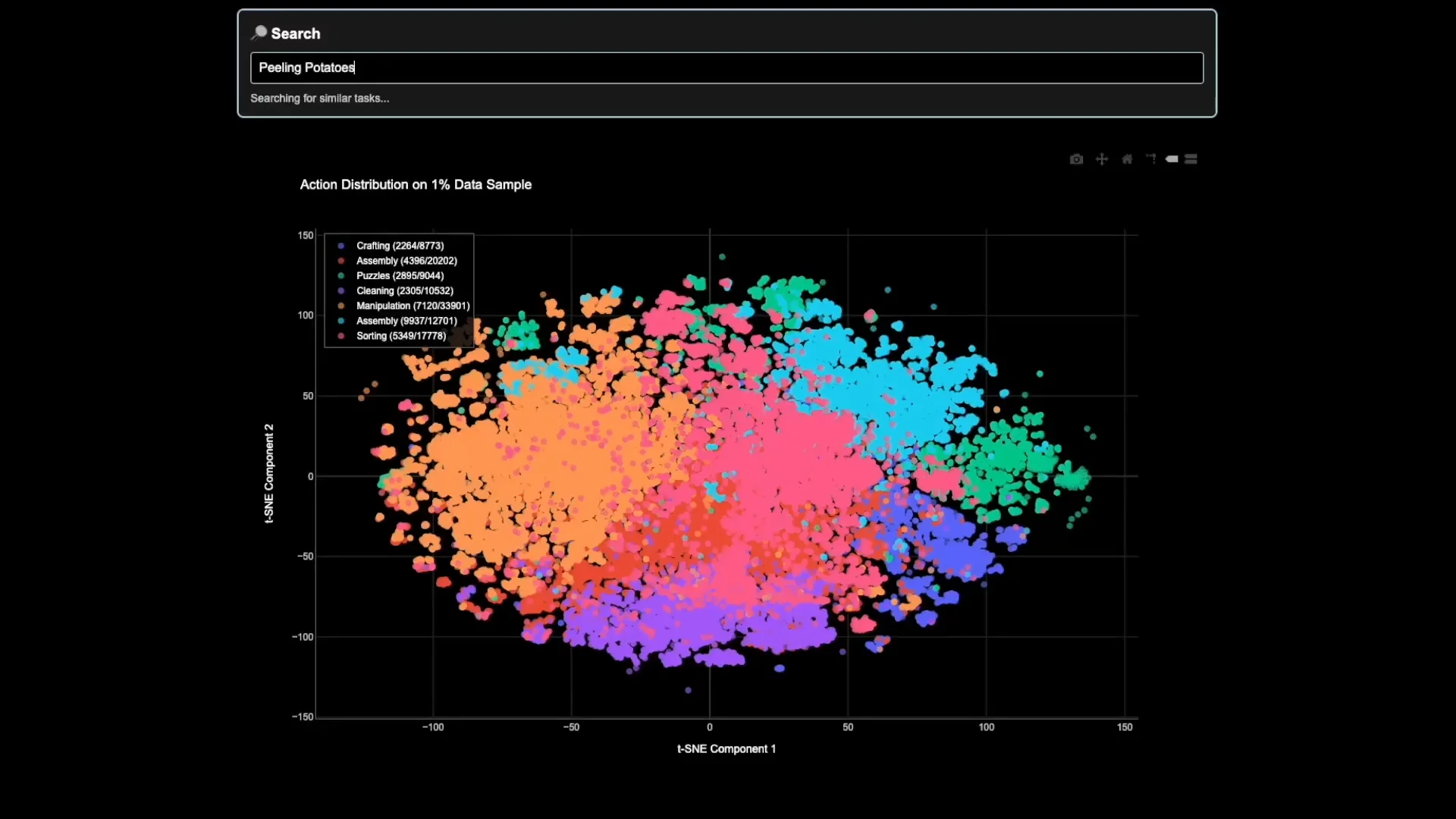
The newly released Egocentric-100K dataset represents a massive leap in scale and density. According to the technical details posted on Hugging Face, the dataset includes:
- Total Duration: 100,405 hours
- Participants: 14,228 factory workers
- Total Frames: 10.8 billion
- Storage Size: 24.79 TB
- Format: 256p, 30fps H.265 video captured via "Build AI Gen 1" monocular head-mounted devices.
Crucially, Build AI claims the dataset maintains "state-of-the-art" density in terms of hand visibility and active manipulation. Unlike general "in-the-wild" egocentric data, which might include walking or idle observation, this data is captured exclusively in factory settings where workers are performing skilled, economically useful tasks.

The "Emergent" Bridge to Robotics
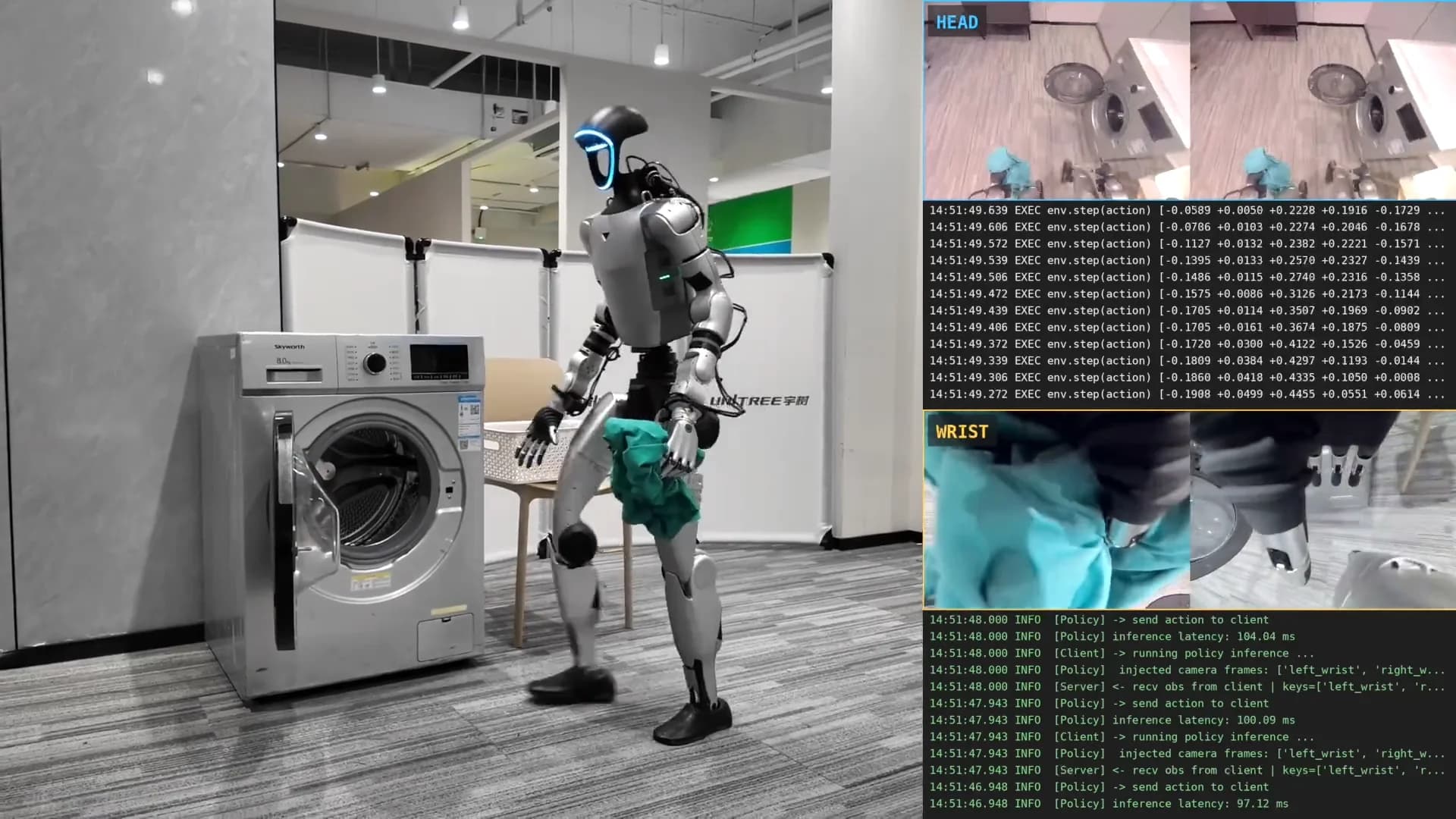
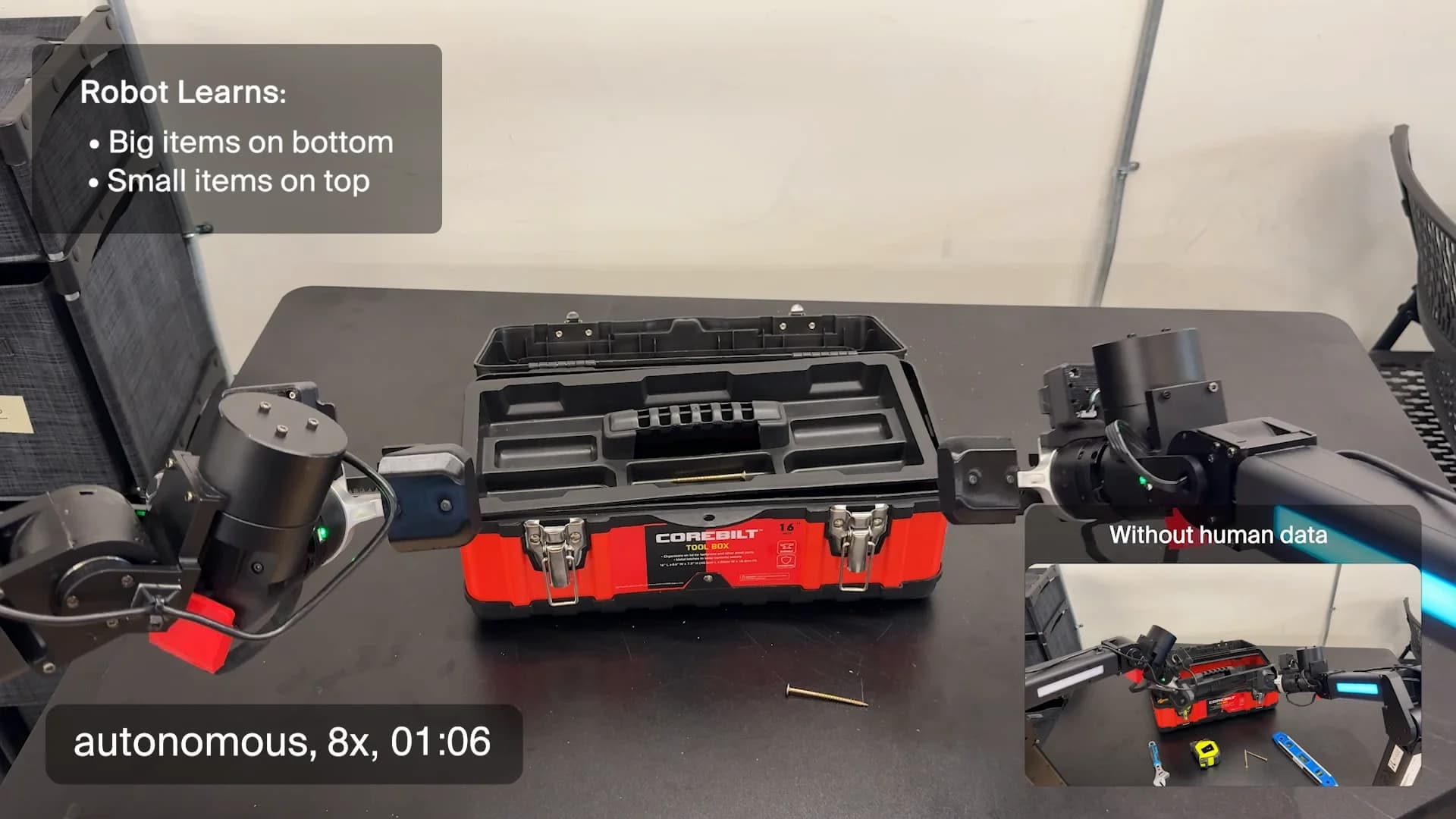
The timing of this release is particularly relevant following a recent breakthrough by Physical Intelligence (Pi). In a recent research update, Pi demonstrated that Vision-Language-Action (VLA) models exhibit an emergent property: as they scale, they spontaneously learn to align human movements with robot actions.
This finding validates Build AI’s core strategy. If a sufficiently large model can "translate" human hands into robot grippers without specialized hardware, then the bottleneck for general-purpose robotics is no longer just robot hardware, but the sheer volume of high-quality human demonstration data.
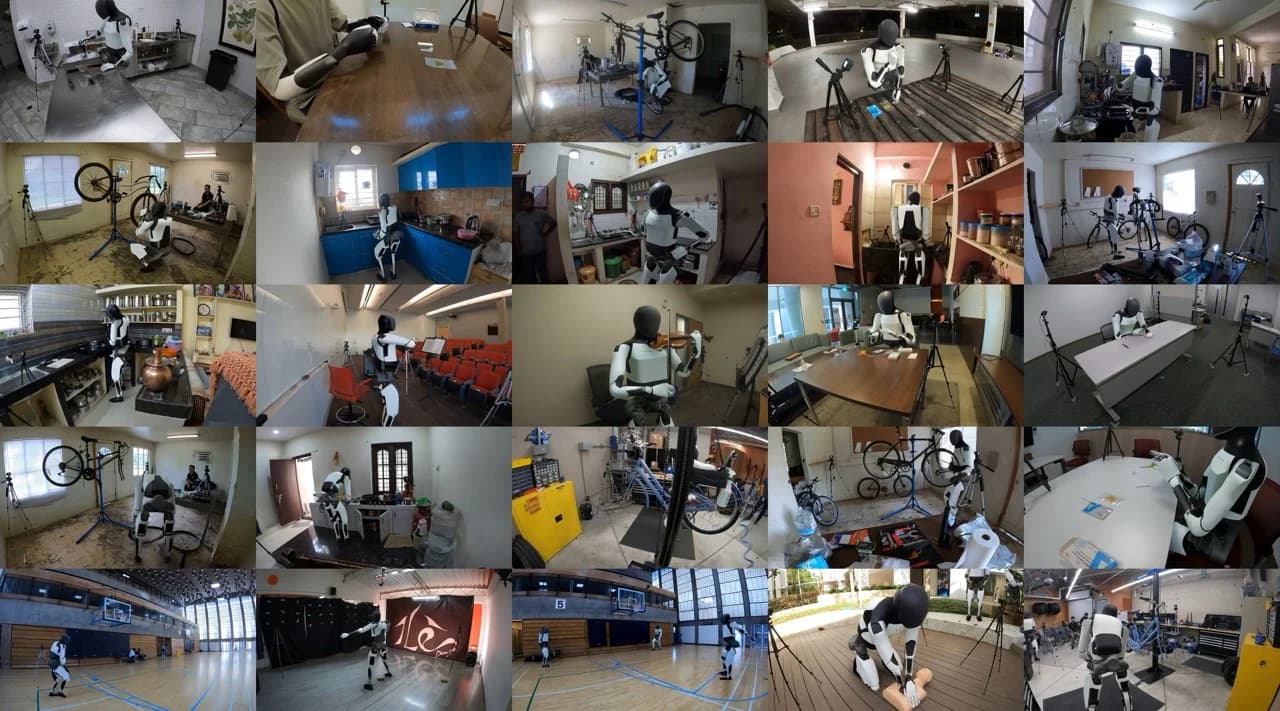
Xu also hinted at new data collection modalities, sharing footage of workers equipped with wrist-mounted cameras. "Wrist cam changes everything," Xu noted, suggesting that Build AI is moving beyond head-mounted views to capture the close-up, high-fidelity manipulation data that models like Pi’s thrive on.
A "Delusional Ambition"
The trajectory of Build AI is as much a story of its founder as its data. Xu, who turned down over $25 million in equity to pursue the company, has a track record that spans from winning business world championships to building "chess glasses" used by high-profile creators.
His team, composed of researchers who left top labs and academia, operates under the belief that "the only acceptable speed is as fast as physically possible." With Egocentric-100K, they are testing the limits of that speed, betting that the path to "physical superintelligence" is paved with billions of frames of human labor.
As the industry watches to see if this data leads to a "ChatGPT moment" for humanoids, Build AI has provided the academic and research community with the largest sandbox yet to find out.
Share this article
Read next
- Published on
- Reading time
- 4 min read
Physical Intelligence Finds 'Emergent' Bridge Between Human Video and Robot Action
- Published on
- Reading time
- 4 min read
Generalist AI Releases "Science of Pretraining" Deep Dive: Why Data Quality Trumps Volume in Robotics
- Published on
- Reading time
- 5 min read
Research Spotlight: X-Humanoid ‘Robotizes’ Human Videos to Train the Next Generation of Androids
- Published on
- Reading time
- 4 min read
Generalist AI Unveils GEN-0, Claims Scaling Laws for Robotics Backed by 270,000 Hours of Real-World Data
- Published on
- Reading time
- 3 min read
Build AI Open-Sources 10,000 Hours of Factory-Worker Video to Scale Robot Learning
- Published on
- Reading time
- 9 min read
The UMI Effect: Why Robotics Companies Are Building the Data Collector First
The weekly humanoid robotics briefing
One email a week: the launches, funding and research that mattered, with context from Humanoids Daily.
Read recent issues