- Published on
Sharpa Robotics Ramps Up Mass Production of "Vision-Based" Tactile Hand
One tap, and our reporting appears more often in your Google Top Stories. It makes a real difference to a small newsroom.

Supported by RoboStrategySupport for Humanoids Daily comes from RoboStrategy
Sponsored
Investing involves risk, including possible loss of principal. Read the prospectus before investing.
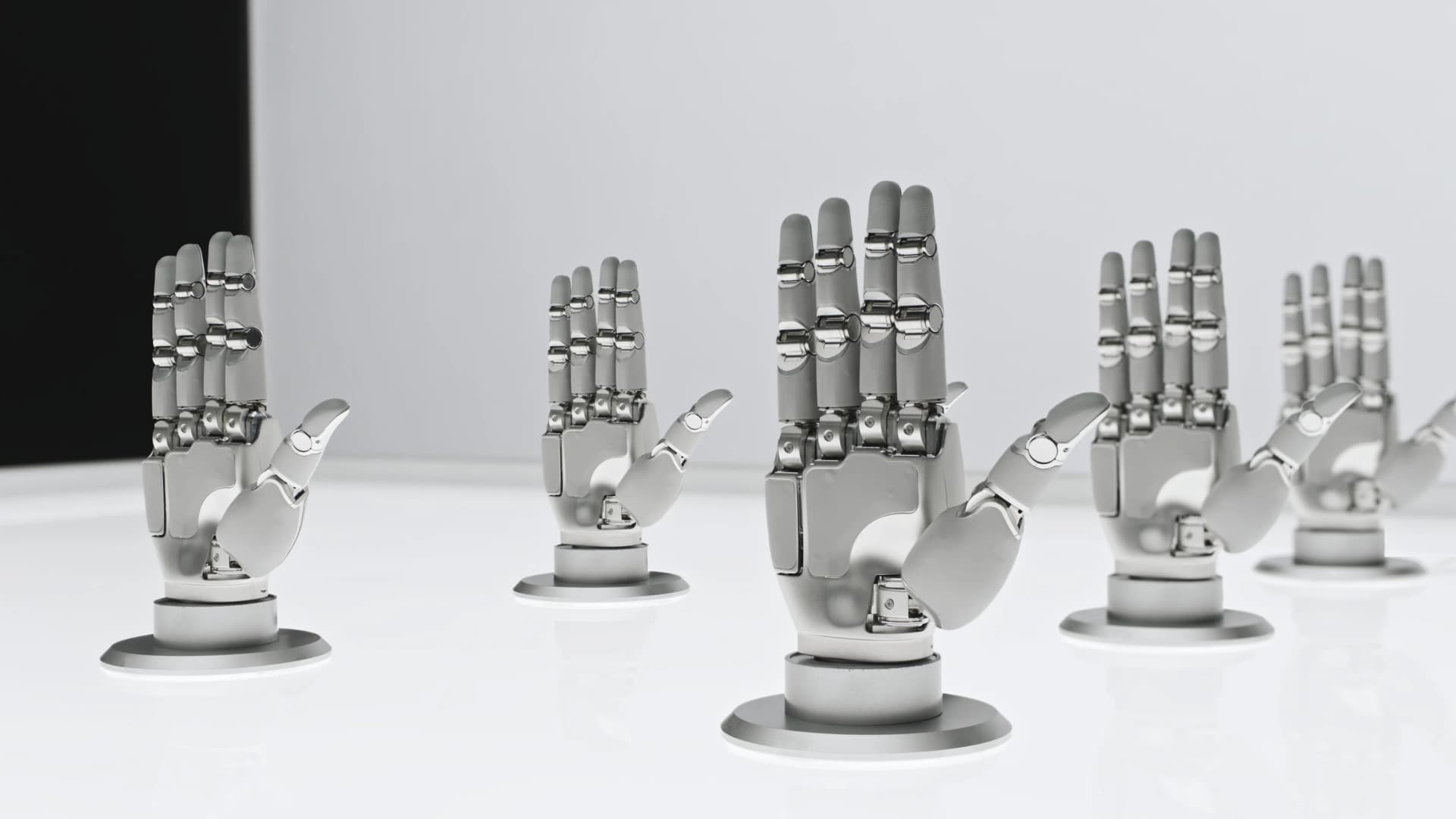
Sharpa Robotics has officially shifted its flagship dexterous hand, the SharpaWave, into mass production, aiming to supply the burgeoning general-purpose robot market with hardware capable of human-level manipulation.
The Singapore-headquartered company, which first teased the hand's release in October, announced this week that it has deployed automated testing systems to validate the durability of the thousands of microscale gears and motors inside the device.
In a statement to Humanoids Daily, the company clarified that while initial shipping commenced in October, the manufacturing lines have now scaled to a "rolling production process". This ramp-up comes just weeks before Sharpa is set to showcase the hardware as an Innovation Awards Honoree at CES 2026 in Las Vegas.
"Feeling by Seeing"
The SharpaWave is entering a competitive sector of the robotics market. However, Sharpa is betting on a high-fidelity sensory architecture to distinguish its product.
The weekly humanoid robotics briefing
One email a week: the launches, funding and research that mattered, with context from Humanoids Daily.
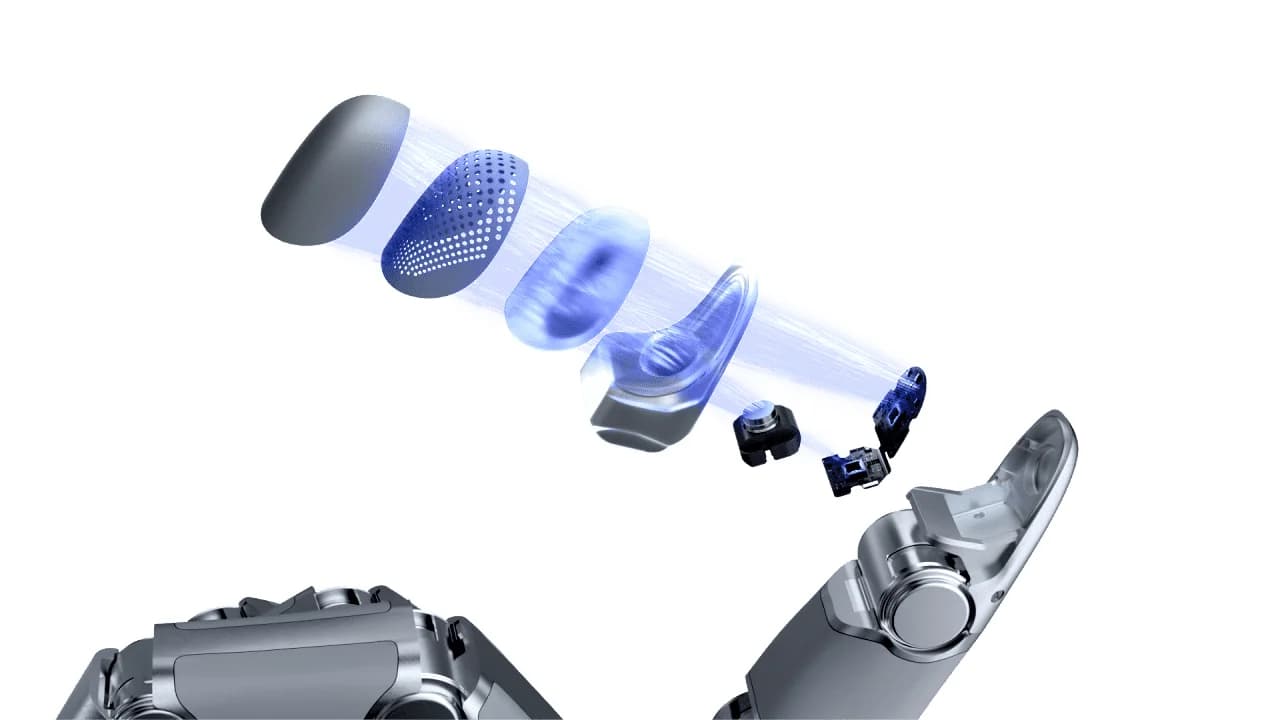
Read recent issuesAccording to the company, the hand utilizes a "Dynamic Tactile Array" (DTA) that essentially allows the robot to "feel by seeing". Each fingertip houses a miniature camera and over 1,000 tactile pixels. This visuo-tactile setup reportedly enables a pressure sensitivity of 0.005 N, allowing the hand to detect feather-light contact or manipulate heavy loads with equal precision.
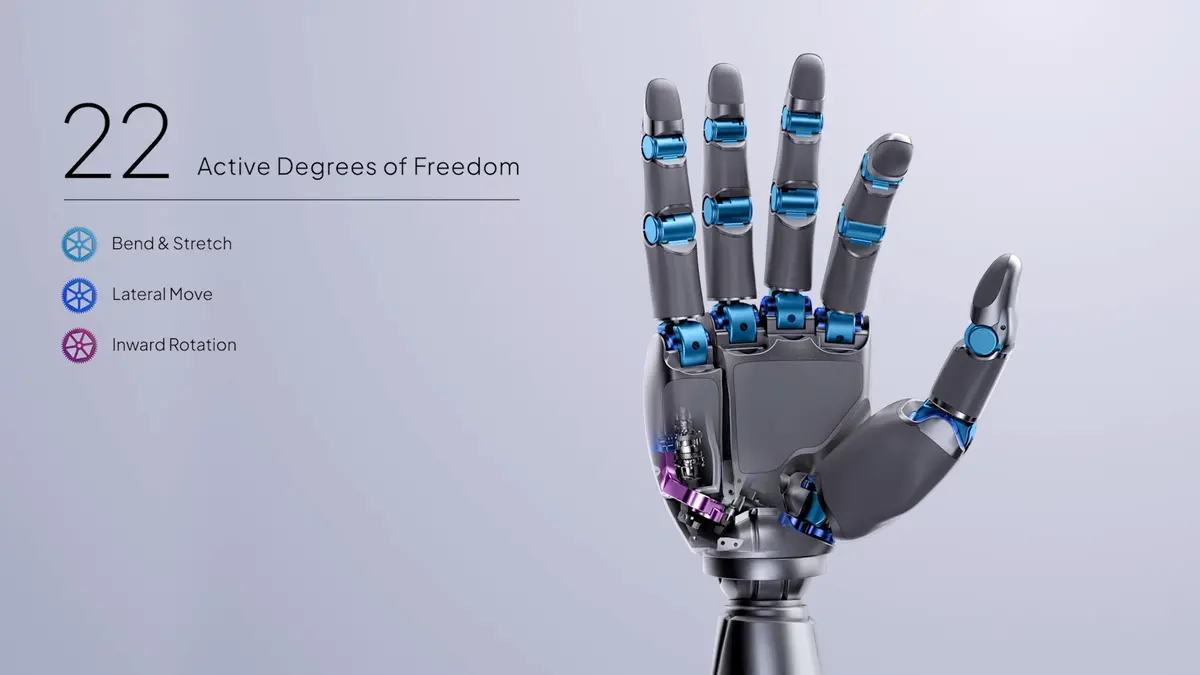
Combined with 22 active degrees of freedom (DOF) and a 6-dimensional force sensing capability, the system is designed to handle complex tasks ranging from cracking eggs to operating industrial tools.
New Details on Repairability
For research labs and industrial users, the durability of high-complexity hands is often a greater concern than raw performance. A 22-DOF hand with thousands of parts presents a significant maintenance risk if a single actuator fails.
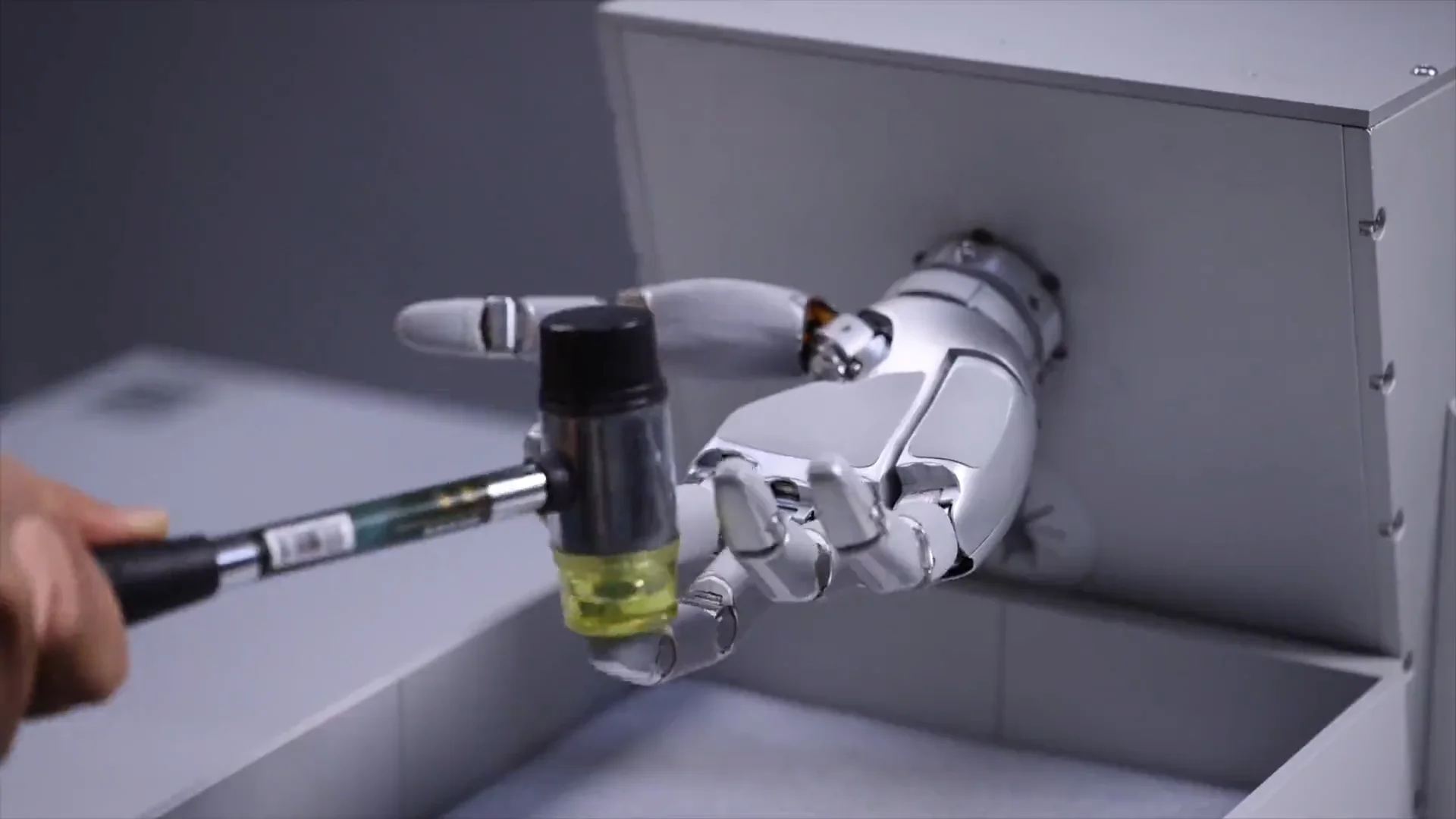
Addressing these concerns, a Sharpa spokesperson confirmed to Humanoids Daily that the SharpaWave features a modular design. Crucially, individual fingers can be replaced independently, a feature intended to reduce system downtime and repair costs compared to unibody designs that require full-unit replacements for localized damage.
The company also emphasized its new reliability rigs, which are currently validating the endurance of the hand's electromechanical components to ensure "mission-critical" consistency comparable to automotive systems.
Ecosystem and Availability
To speed up integration for developers, Sharpa is shipping the hand with an open-source software stack. The accompanying SharpaPilot application supports major simulation environments including NVIDIA's Isaac Gym and Isaac Lab, PyBullet, and MuJoCo.
While the technical specifications and production status are now clear, commercial details remain opaque. Sharpa has declined to comment on specific pricing tiers or publish specific Mean Time Between Failures (MTBF) statistics at this stage.
Sharpa will be at CES 2026, booth 9251 in the North Hall, from January 6–9.
For current Wave and Wave SE specifications, tactile sensing and software, see our Sharpa Wave hand guide.
Share this article
Read next
- Published on
- Reading time
- 4 min read
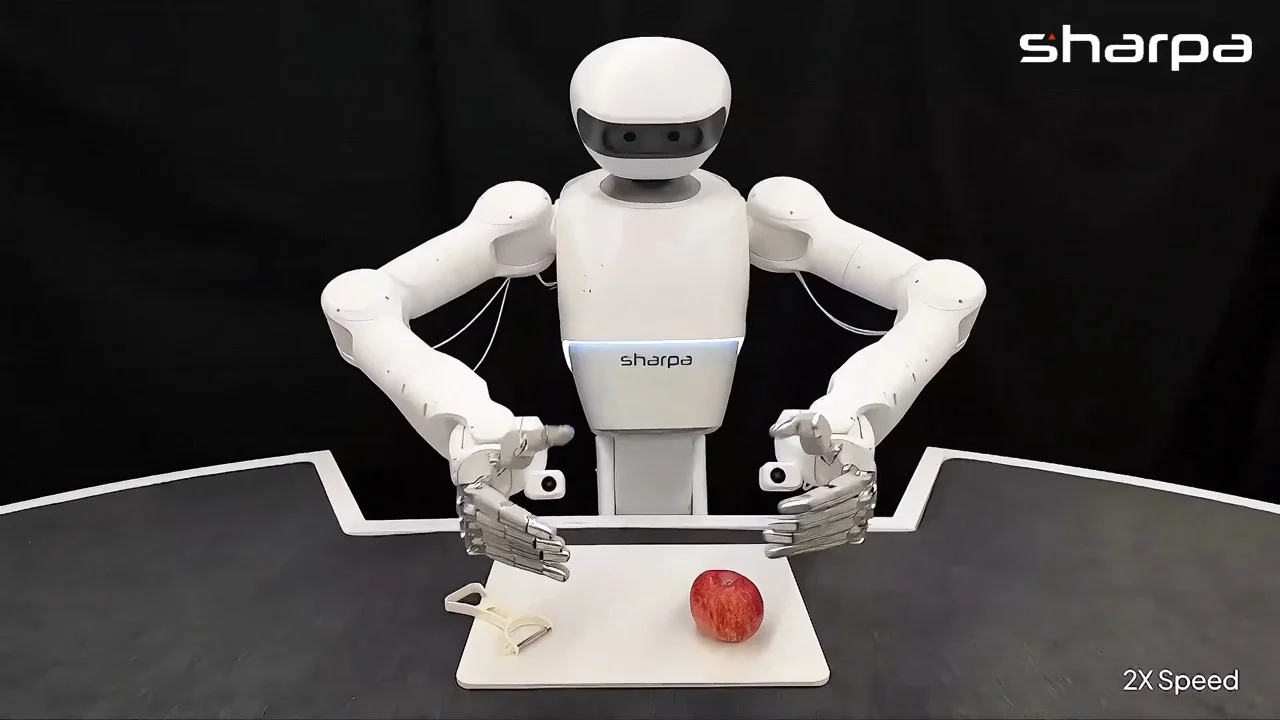
The Apple Peeling Milestone: How Sharpa’s "MoDE-VLA" Unlocks Bimanual Dexterity
- Published on
- Reading time
- 7 min read
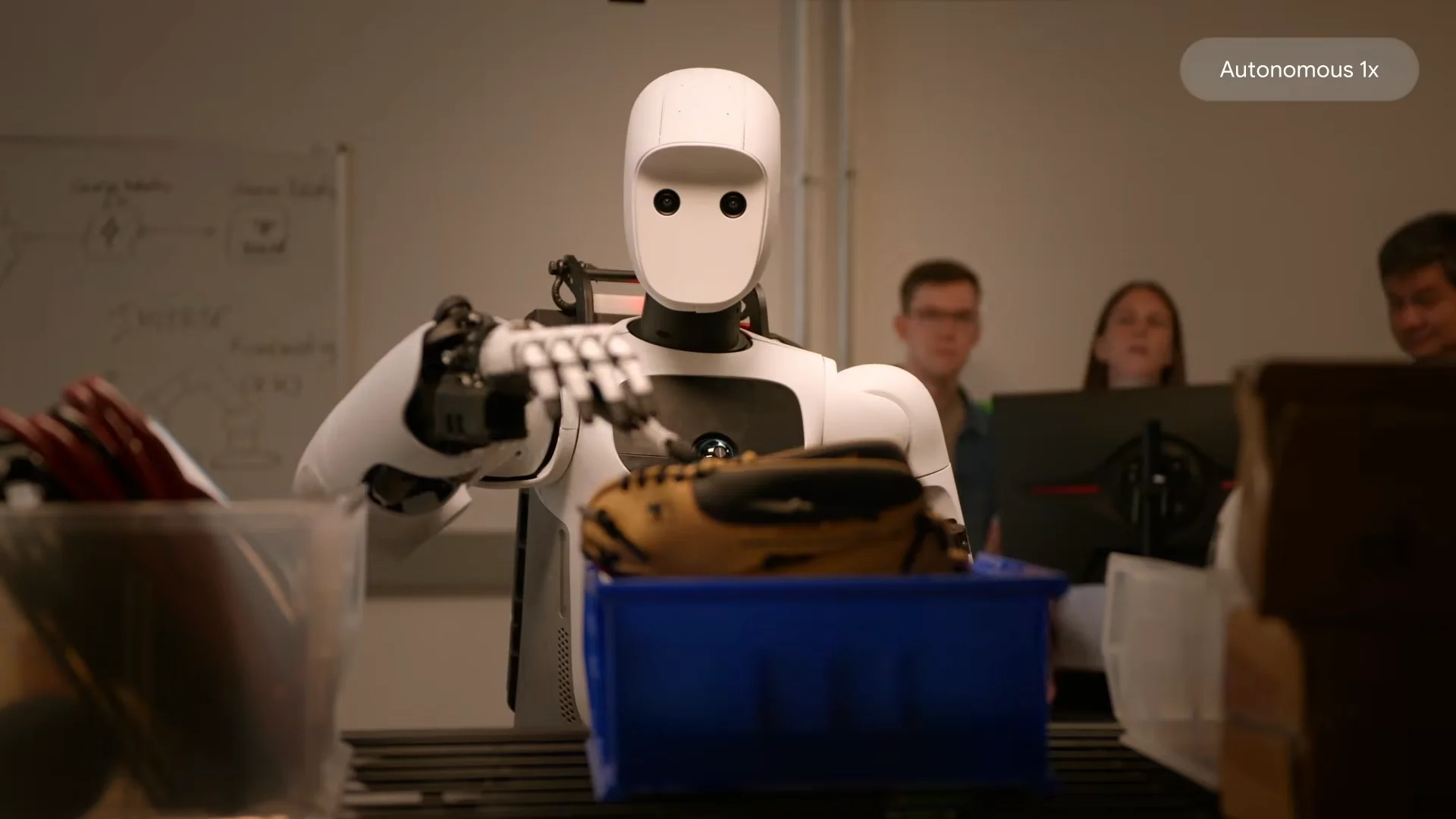
Google DeepMind Unveils Gemini Robotics 2, Bringing Whole-Body Intelligence and Multi-Robot Teams to Physical AI
- Published on
- Reading time
- 6 min read
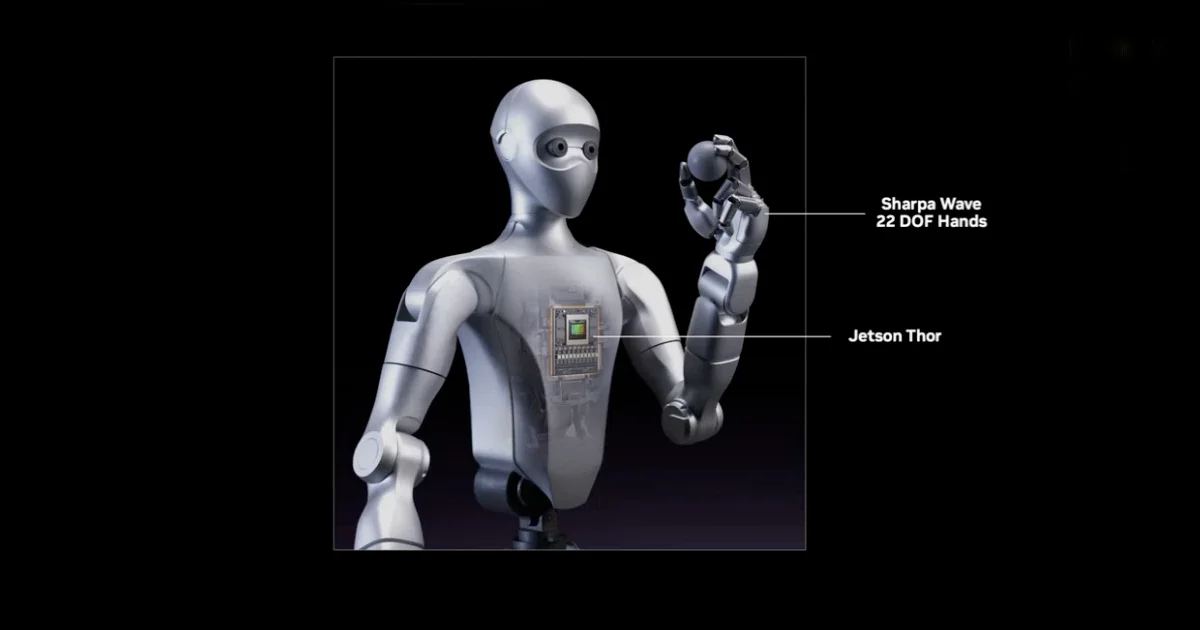
NVIDIA GTC: NVIDIA and Sharpa Unveil Isaac GR00T Reference Humanoid Robot
- Published on
- Reading time
- 4 min read
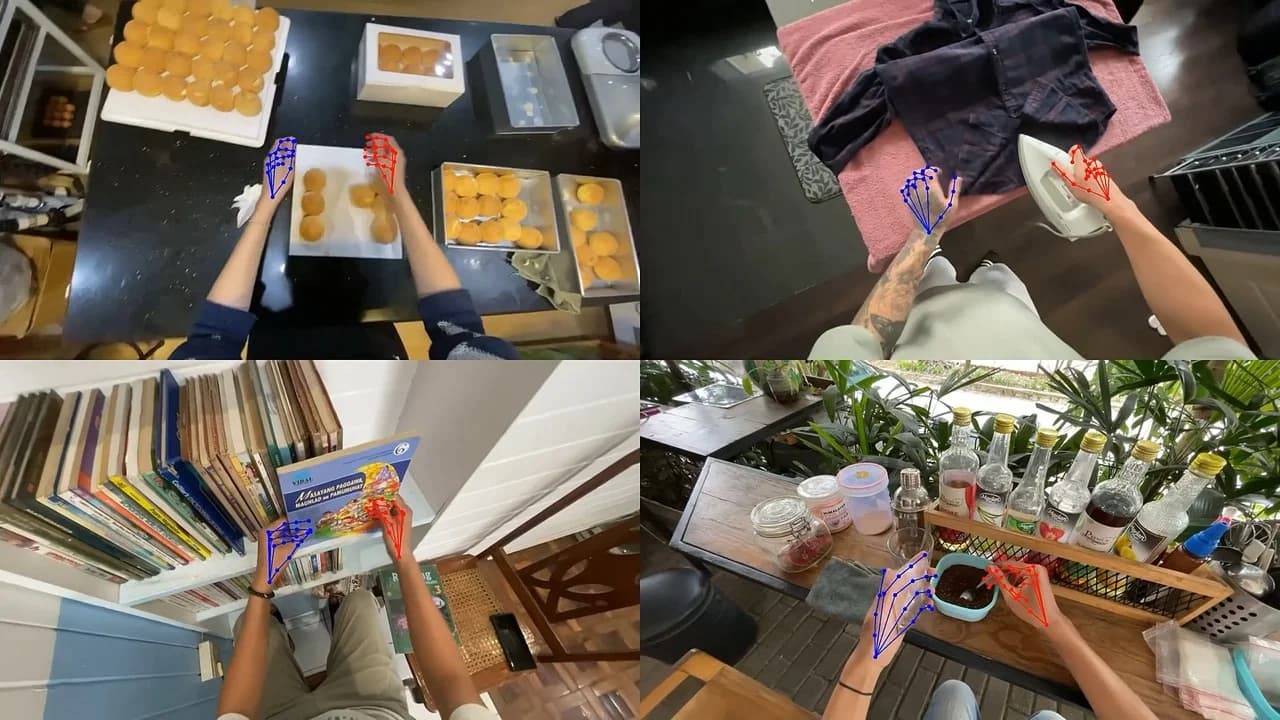
The Human Scale: NVIDIA’s EgoScale Unlocks High-Dexterity Robotics via 20,000 Hours of Human Video
- Published on
- Reading time
- 3 min read
Sharpa Robotics Begins Shipping Its SharpaWave Hand, Targeting Human-Level Tactile Sensing
- Published on
- Reading time
- 7 min read
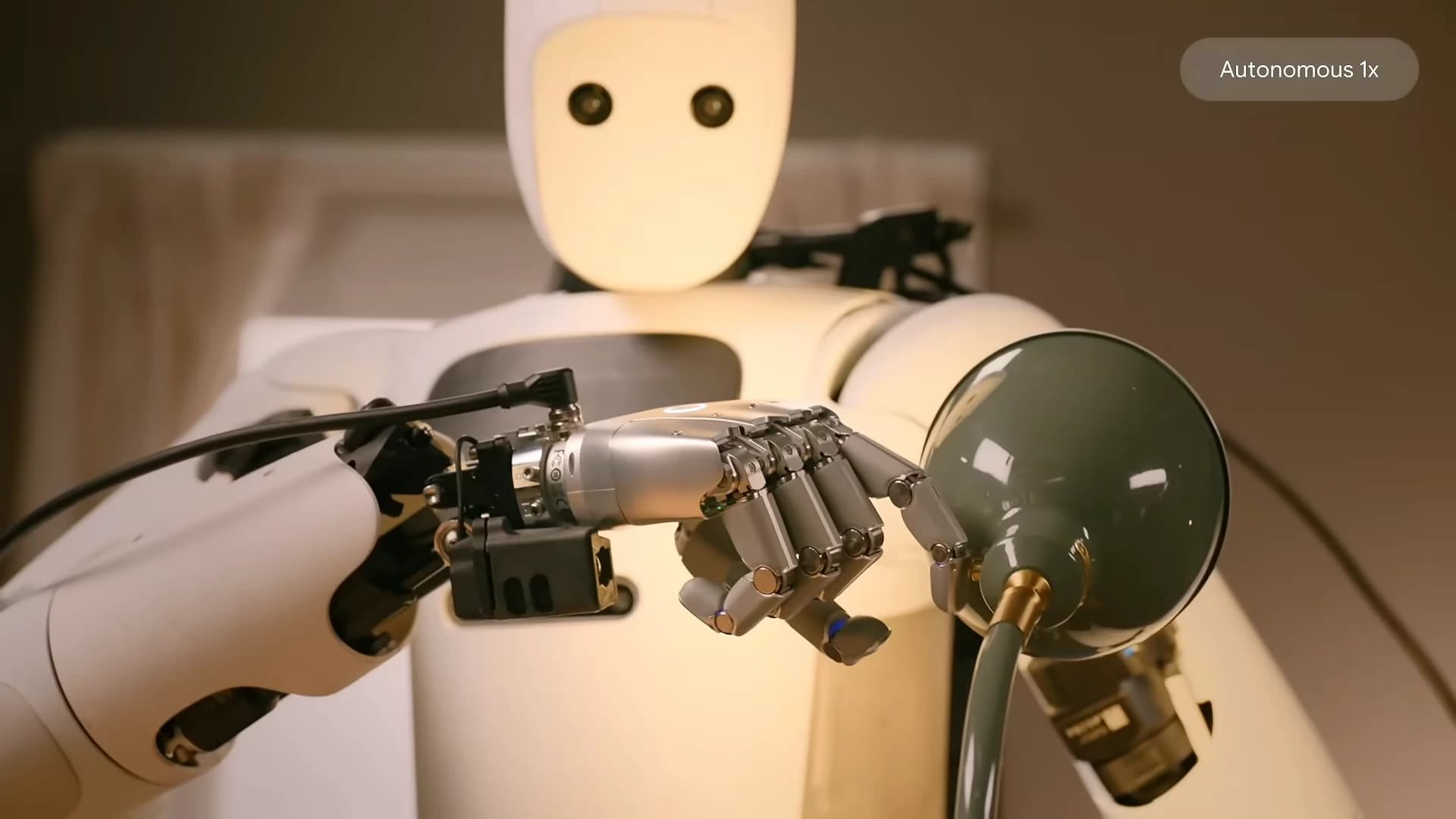
Sharpa Wave: the robotic hand used by NVIDIA and DeepMind
The weekly humanoid robotics briefing
One email a week: the launches, funding and research that mattered, with context from Humanoids Daily.
Read recent issues