- Published on
Cobot Giant Doosan Robotics Sets Sights on 'Practical Humanoid' Future
One tap, and our reporting appears more often in your Google Top Stories. It makes a real difference to a small newsroom.


Your guide
Rich Robinson
Jee Chee Ren · Executive tour
See China’s AI and robotics ecosystem first-hand.
Six days exploring AI, robotics and advanced manufacturing.
With Rich Robinson, Clinical Professor of Entrepreneurship at Peking University
Beijing · Guangzhou · Shenzhen
29 November–4 December 2026
Referral partnership · We earn a commission on referred bookings.
TL;DR: Doosan Robotics, a global leader in collaborative robots, is pivoting toward developing “practical humanoids.” The company aims to create function-first humanoid robots optimized for real-world tasks rather than human mimicry. With plans for large-scale hiring and new AI/humanoid R&D divisions in 2025, Doosan is shifting from hardware to AI-integrated robotic solutions — marking a major move into the rapidly evolving humanoid robotics space.
Cobot Leader Doosan Robotics Announces Pivot to Humanoid Robots
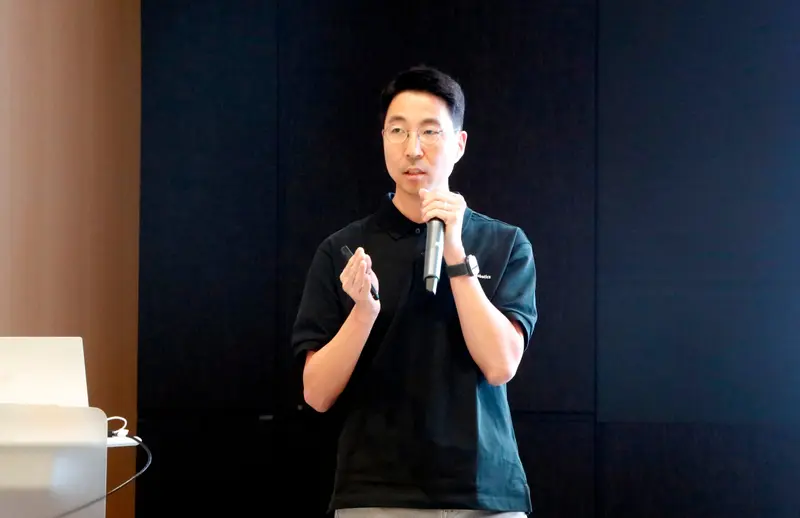
South Korean industrial robot manufacturer Doosan Robotics is making a significant strategic shift, announcing plans to enter the burgeoning field of humanoid robotics. Known primarily for its collaborative robots (cobots), where it holds a significant global market share, the company outlined its ambitions during a recent town hall meeting.
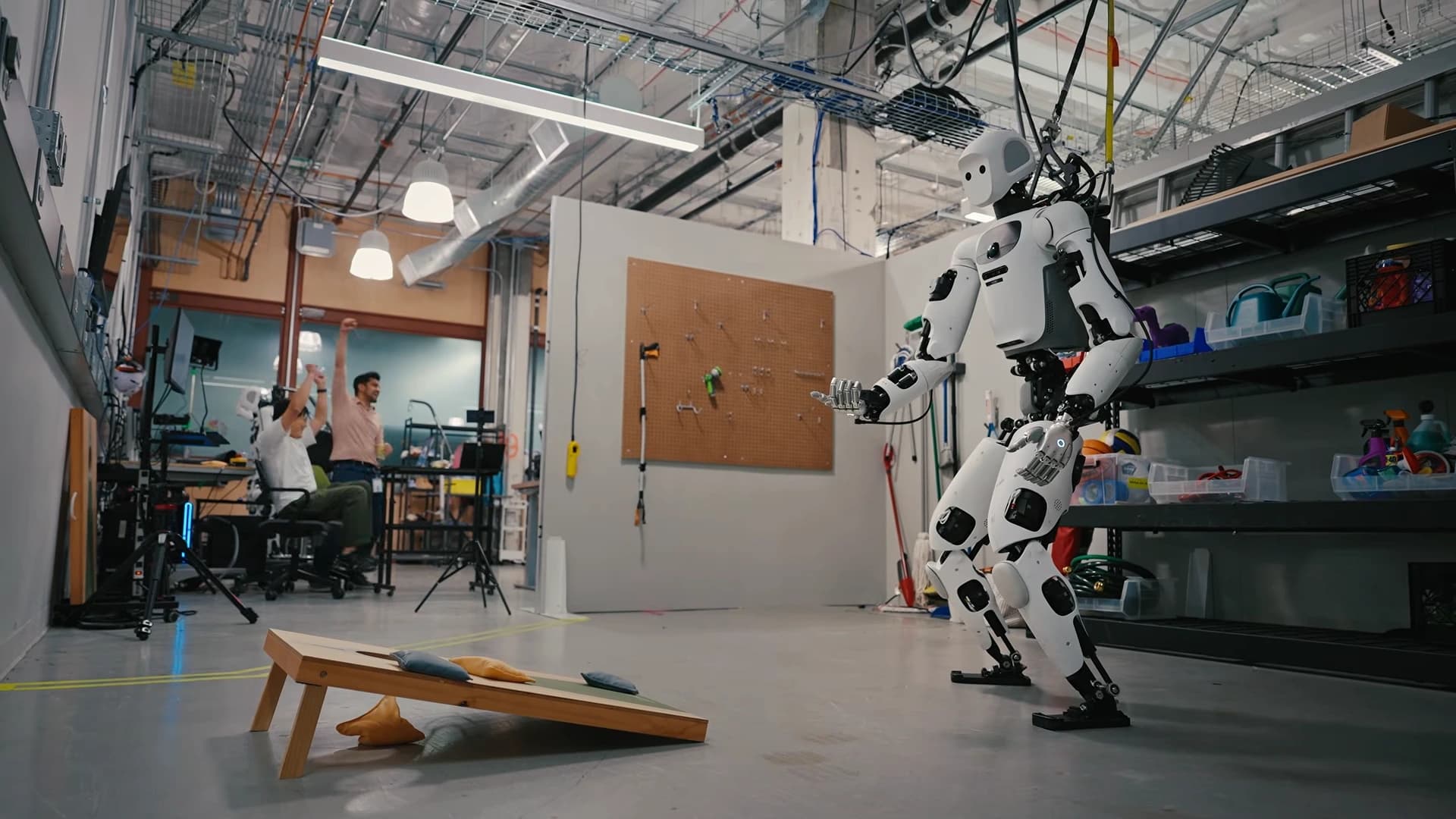
CEO Kim Min-pyo declared the company's intention to develop what it terms "practical humanoids." The focus, according to the announcement reported by Pulse News Korea, is less on mimicking human form for its own sake and more on creating robots optimized in form and function to efficiently perform tasks demanded by users.
This move marks a notable expansion for Doosan Robotics, which was founded in 2015 and has rapidly become a top-five global cobot supplier, particularly strong in higher payload categories. The company already possesses expertise in areas like multi-arm coordination and collision avoidance systems, technologies deemed crucial for developing capable humanoid platforms.
A video showcasing one of Doosan Robotics cobots
The weekly humanoid robotics briefing
One email a week: the launches, funding and research that mattered, with context from Humanoids Daily.
Read recent issuesDoosan Robotics framed the decision as a necessary step to lead in the evolving market for intelligent robot solutions. Morgan Stanley forecasts that predict the AI-based robotics market could surge from around $4.2 billion in 2030 to nearly $338 trillion by 2040. The company emphasized a strategic pivot from being hardware-centric towards integrated, AI-powered solutions, where artificial intelligence can optimize task planning, execution time, and multi-robot collaboration.
To fuel this ambition, Doosan Robotics plans a large-scale recruitment drive starting in late April 2025, seeking expertise in robotics R&D, AI, software development, user experience, and other related fields. It also intends to establish dedicated AI & software and humanoid R&D divisions in the latter half of 2025.
While details on specific humanoid prototypes or target applications remain sparse, Doosan's entry adds another established industrial automation player to the growing list of companies exploring humanoid form factors, signaling a potential acceleration in the development and deployment of these advanced robotic systems.
Check out the website of Doosan Robotics
Share this article
Read next
- Published on
- Reading time
- 3 min read
Doosan Robotics Taps Sensor Specialist Aidin Robotics for Dual-Arm Humanoid
- Published on
- Reading time
- 2 min read
From Moonwalking to Heavy Lifting: KAIST Humanoid v0.9 Moves 35 kg Objects
- Published on
- Reading time
- 4 min read
Boston Dynamics Says Atlas Takes a Day to Build—and Wants to Cut That to an Hour
- Published on
- Reading time
- 3 min read
South Korea Approves 20-Robot Robros Trial Across Industrial Sites
- Published on
- Reading time
- 2 min read
Boston Dynamics Names Former Amazon AI Leader Rohit Prasad as CEO
- Published on
- Reading time
- 4 min read
Boston Dynamics Gives Atlas Four-Finger Hands Built for Tools and AI Training

The weekly humanoid robotics briefing
One email a week: the launches, funding and research that mattered, with context from Humanoids Daily.
Read recent issues