- Published on
From Viral Clips to the Factory Floor: 60 Minutes Goes Inside Boston Dynamics’ Industrial Shift
One tap, and our reporting appears more often in your Google Top Stories. It makes a real difference to a small newsroom.

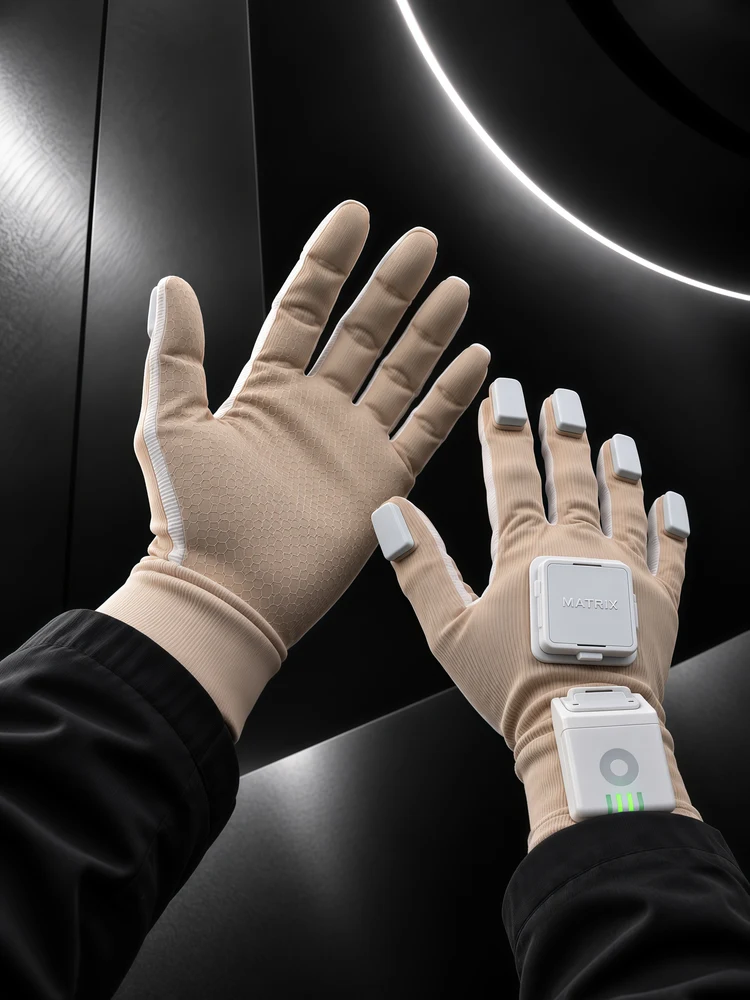
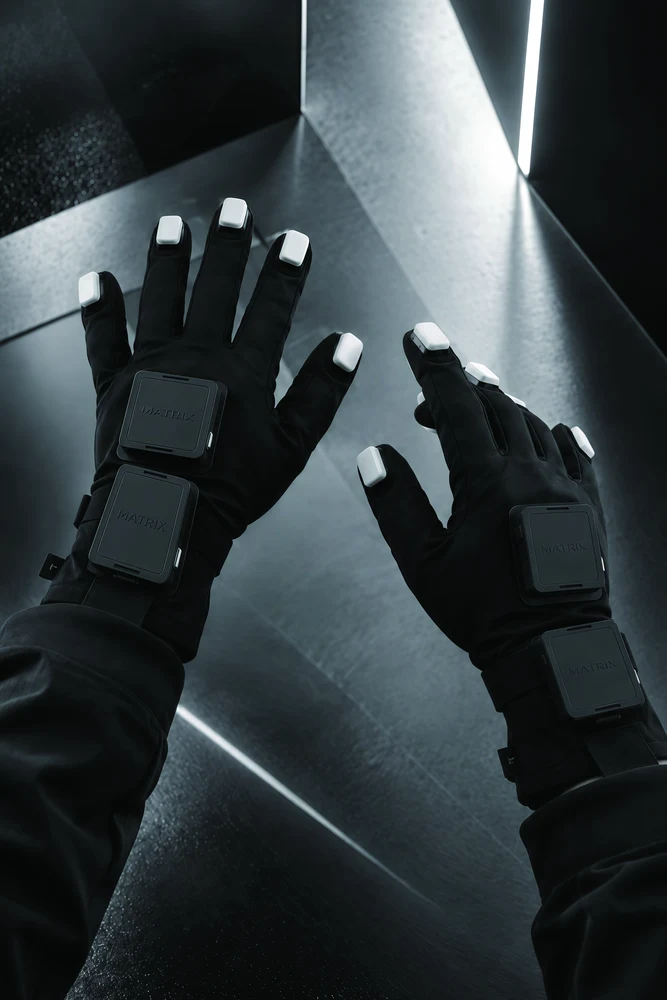

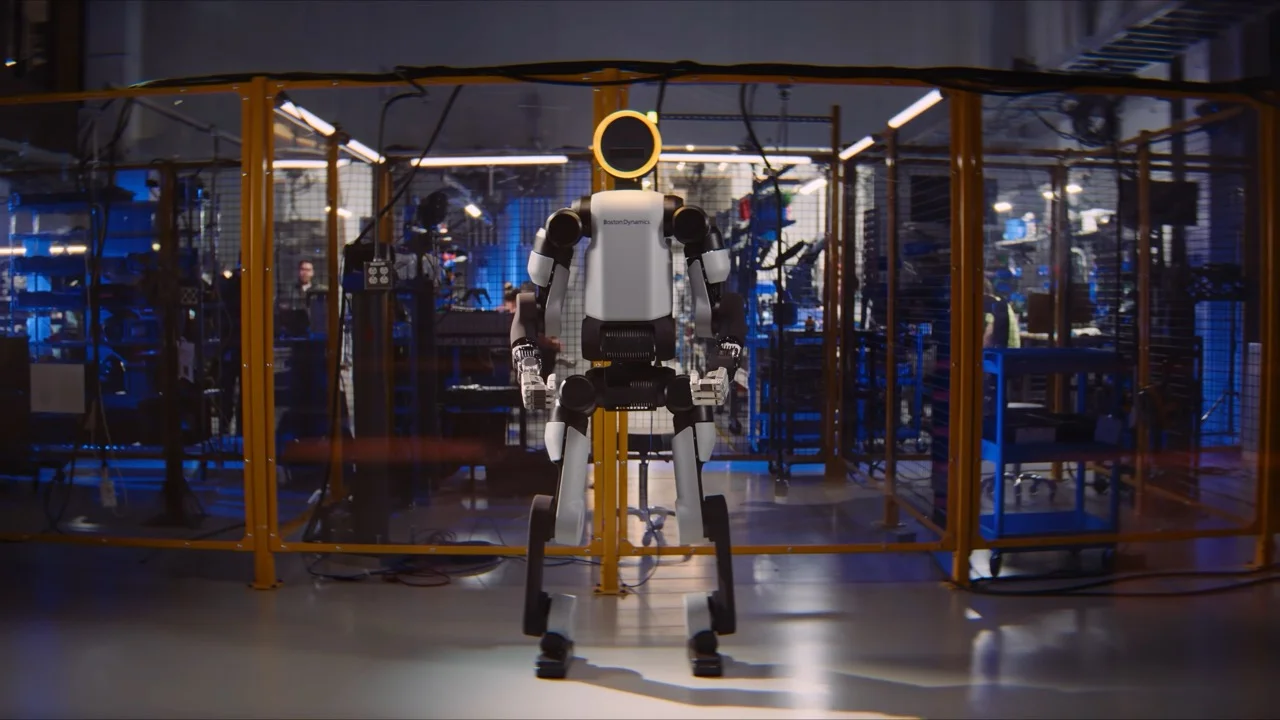
For decades, the name Boston Dynamics has been synonymous with viral research videos of hydraulic robots performing backflips and parkour. However, a recent segment on 60 Minutes titled "Here Come the Humanoids" signals that the era of laboratory curiosity is officially over. The broadcast, which aired in early this year, provided a rare look at the all-electric Atlas robot performing its first real-world field test at a Hyundai Motor Group factory near Savannah, Georgia.
The Graduation to the Real World
The centerpiece of the segment was the deployment of Atlas at the Hyundai Motor Group Metaplant America (HMGMA). Standing 5'9" and weighing 200 pounds, the all-electric Atlas was shown practicing the autonomous sorting of roof racks for an automotive assembly line. This marks a significant milestone in what the company has termed its graduation from "Phase One"—the grueling grind of hardware validation—to "Phase Two," which focuses on finding product-market fit in industrial environments.
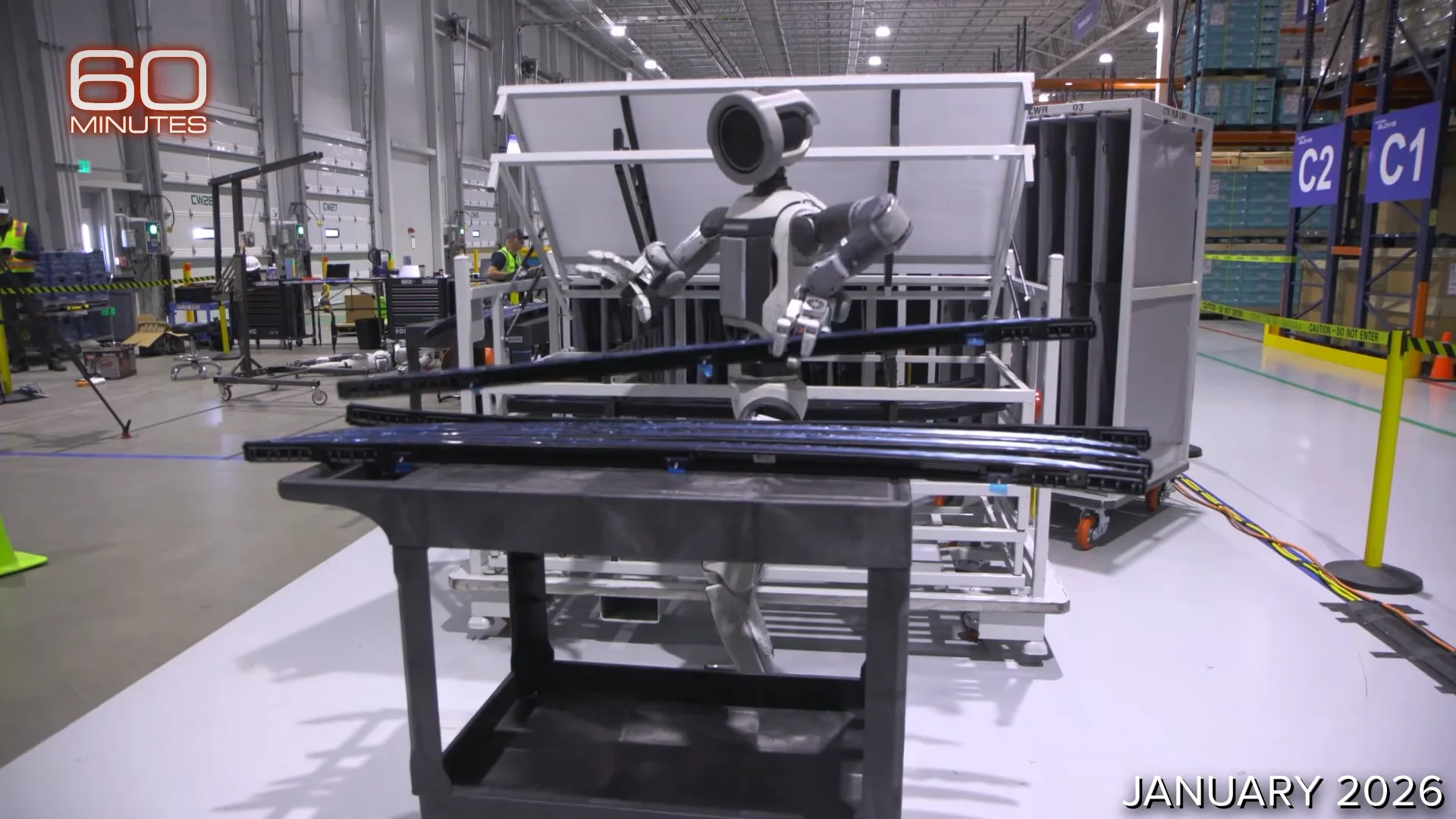
Zack Jackowski, who heads Atlas development, described the transition as a shift from "nervous engineering" to proving the robot’s utility in a setting where more than 1,000 industrial robots already work alongside 1,500 humans. "This is the first time Atlas has been out of the lab doing real work," Jackowski told correspondent Bill Whitaker.
Teaching the "Generalist" Brain
While the 2021 version of Atlas was a bulky hydraulic machine governed by hand-written algorithms, the new generation features a state-of-the-art "System 1 / System 2" setup. The 60 Minutes segment detailed the multi-pronged training approach Boston Dynamics is using to build this intelligence:
The weekly humanoid robotics briefing
One email a week: the launches, funding and research that mattered, with context from Humanoids Daily.
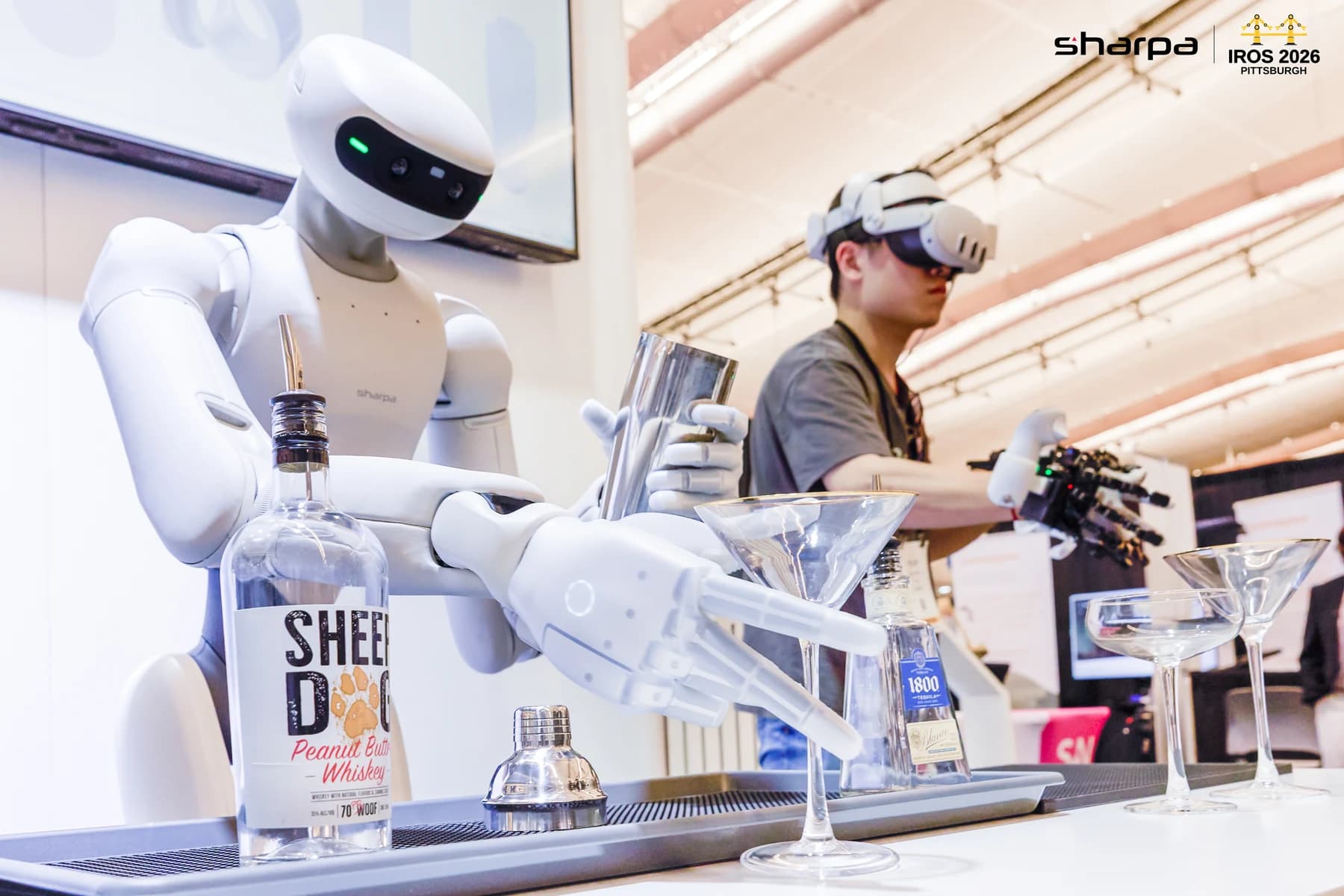
Read recent issues- Supervised Learning via Teleoperation: Machine learning scientist Kevin Bergamin demonstrated how a human pilot, wearing a VR headset, guides the robot’s hands move-by-move to generate the high-quality data needed for autonomous execution.
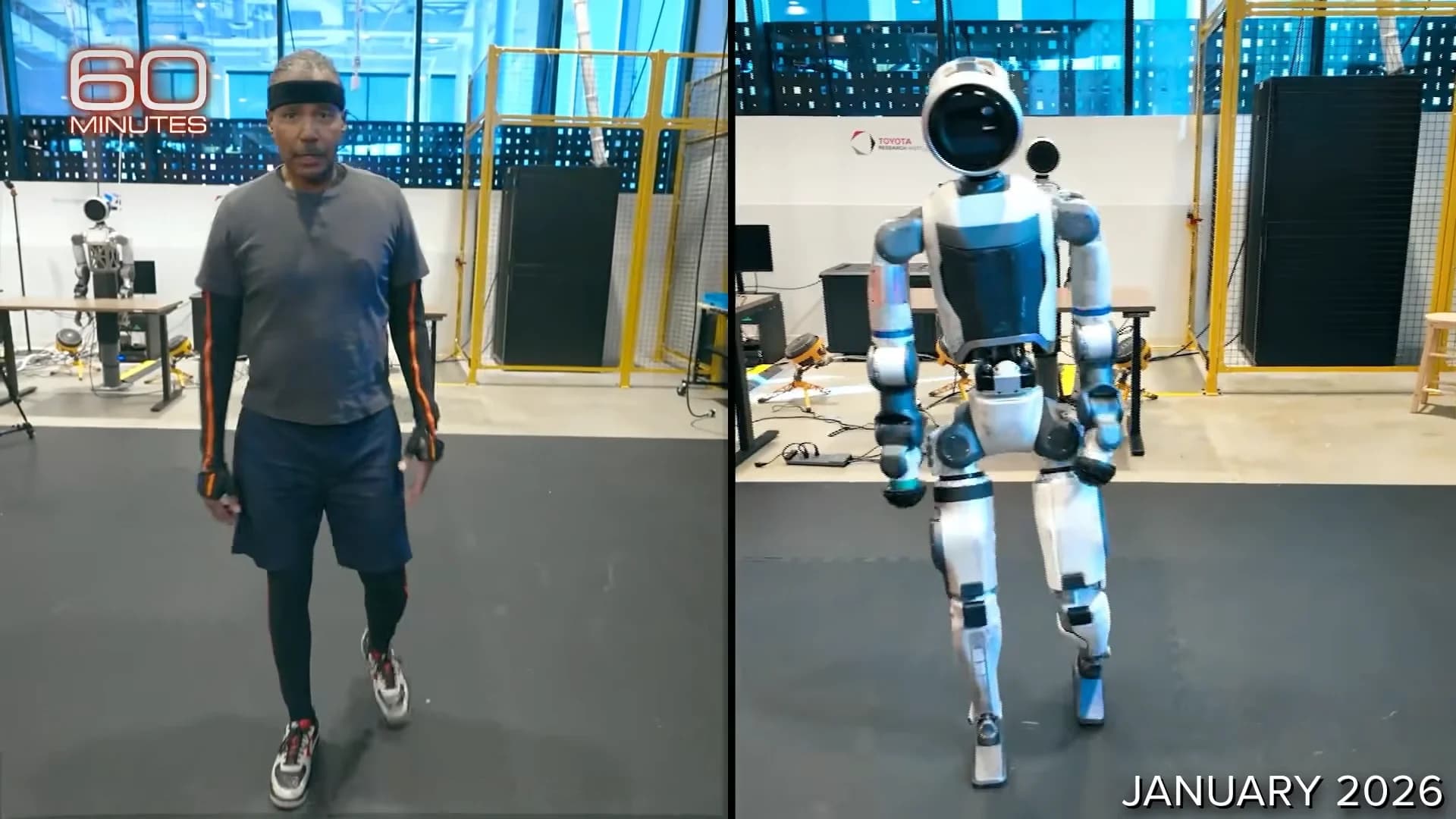
- Motion Capture: Whitaker himself donned a sensor-laden suit to capture human movement data. This data was then fed into a simulation where 4,000 digital Atlases trained for six hours to mimic his motions, accounting for physical differences such as the robot’s specialized joints.
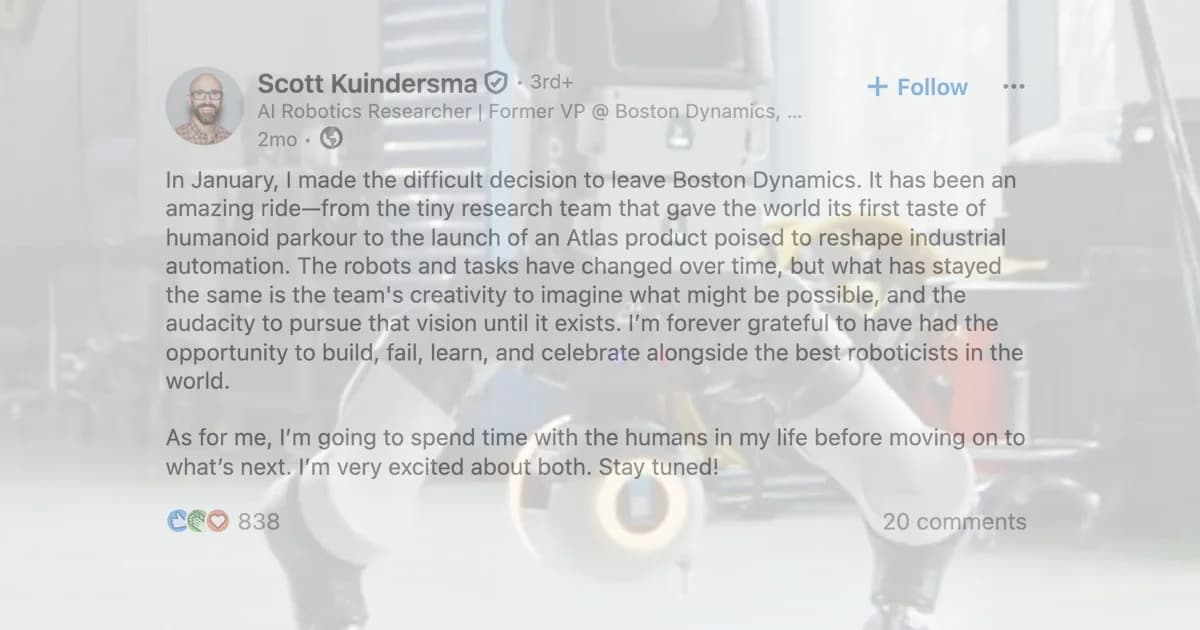
- Reinforcement Learning in Simulation: Scott Kuindersma, head of robotics research, explained that simulation allows the robot to encounter edge cases—like slippery floors or stiff joints—thousands of times before the code is ever uploaded to physical hardware.
The goal is to move toward a "generalist" machine that can be reprogrammed in days rather than engineered over months.
The "Superhuman" Mandate
Outgoing CEO Robert Playter, who has led the firm for over 30 years, addressed the philosophical shift in the robot's design. Rather than strictly mimicking human anatomy, Atlas is built with "superhuman" capabilities, such as joints capable of continuous 360-degree rotation.
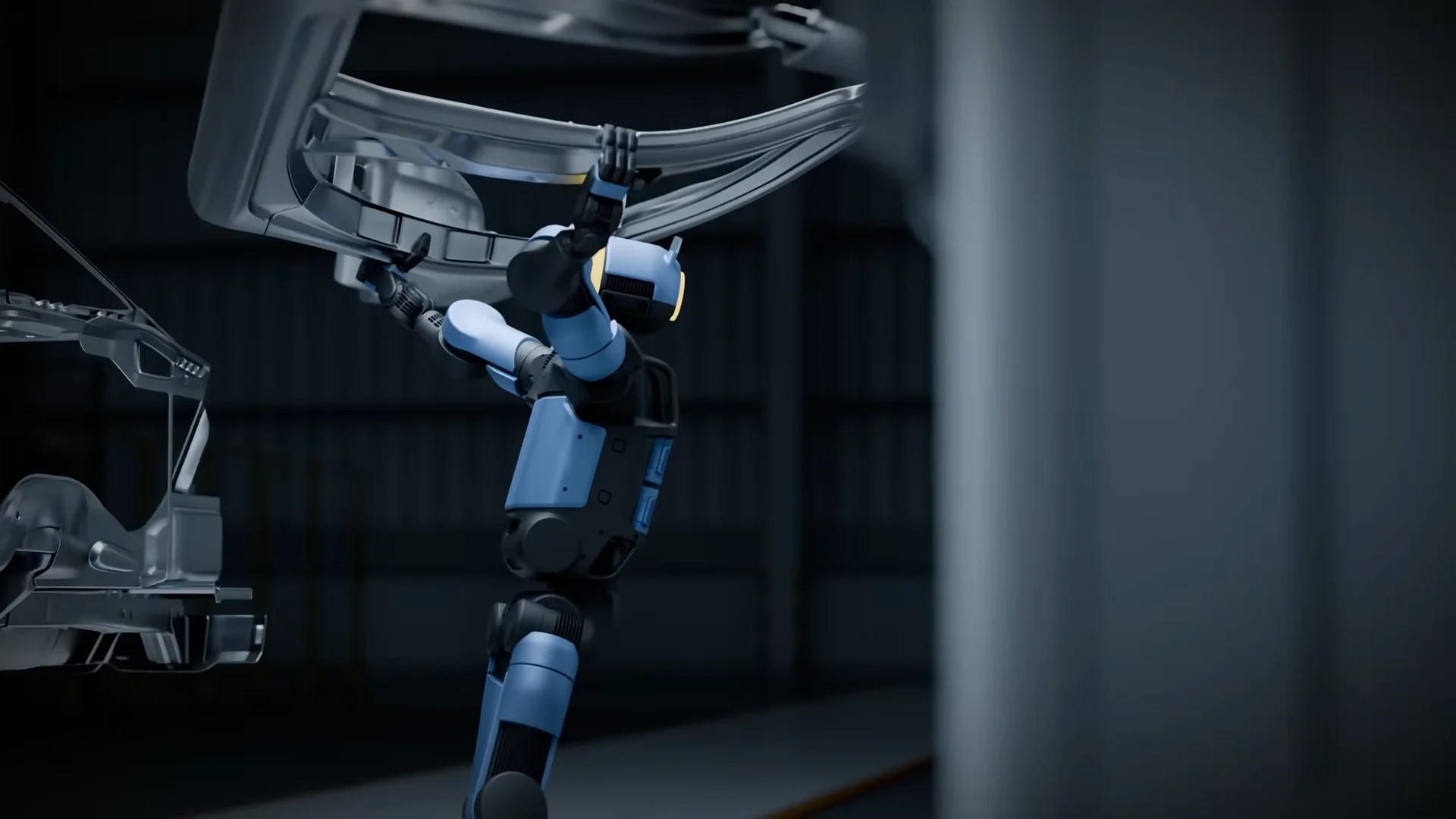
"We would like things that could be stronger than us or tolerate more heat than us," Playter noted, dismissing concerns about robot sentience by highlighting the sheer engineering difficulty required just to make Atlas perform basic sorting tasks reliably. He emphasized that the robot's design allows it to navigate tight factory constraints more efficiently than a human, such as rotating its torso 180 degrees without needing to take a single step.
The Road Ahead
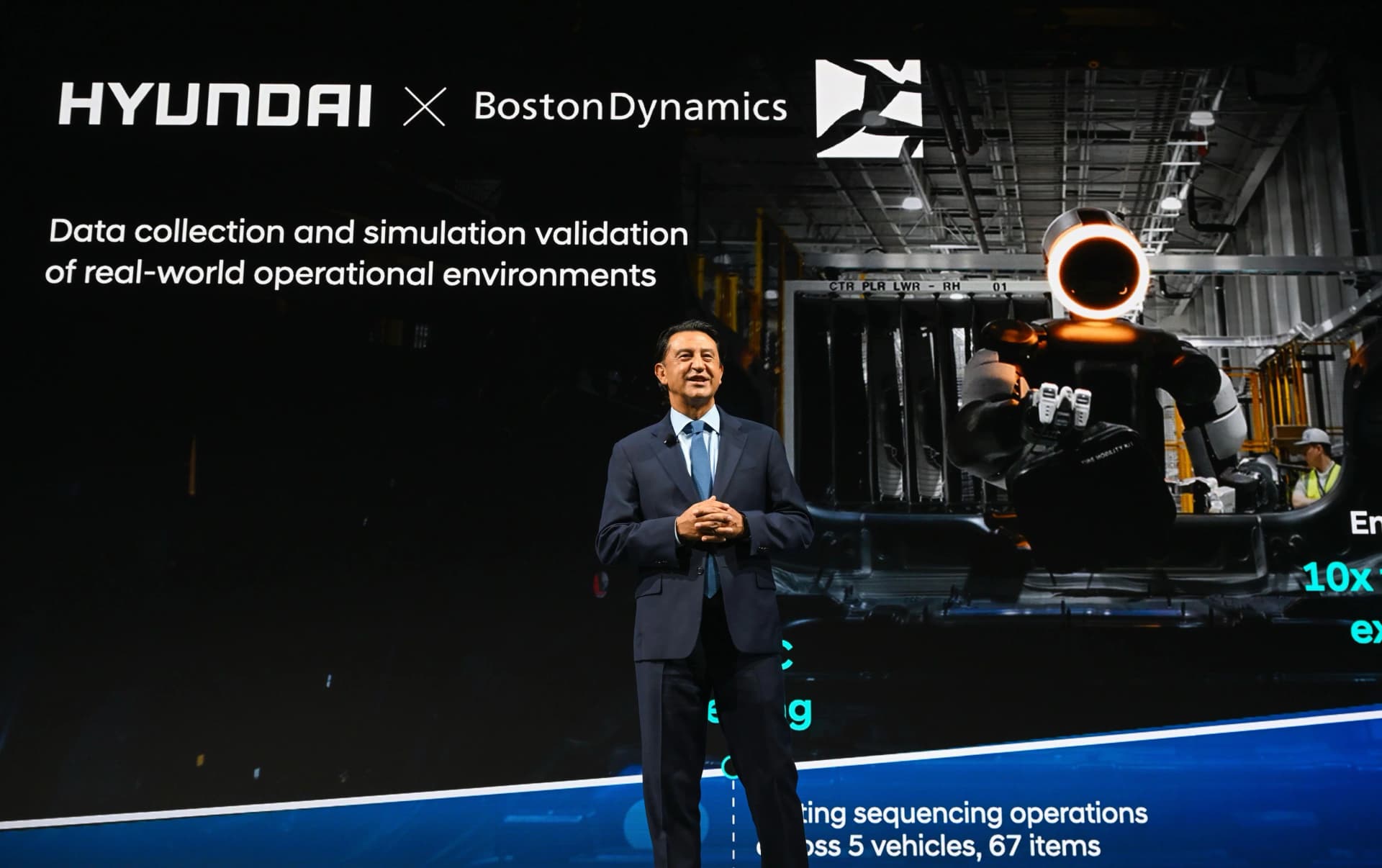
Hyundai, which holds an 88% stake in the firm, is viewing the Georgia tests as the "start of a great journey." While Playter admitted it could still be several years before Atlas joins the workforce full-time, the company is already laying the infrastructure to manufacture 30,000 humanoids annually by 2028. As the production version continues its pilots with Google DeepMind and Hyundai, the industry's eyes remain fixed on whether these "alien" machines can deliver on the promise of 99.9% uptime in the chaos of the factory floor.
Share this article
Read next
- Published on
- Reading time
- 7 min read
Hyundai Says Atlas Will Not Replace Workers — One Day After Settling a Strike Over Exactly That
- Published on
- Reading time
- 4 min read
The Production Pivot: Leadership Exodus and Internal Pressure at Boston Dynamics
- Published on
- Reading time
- 4 min read
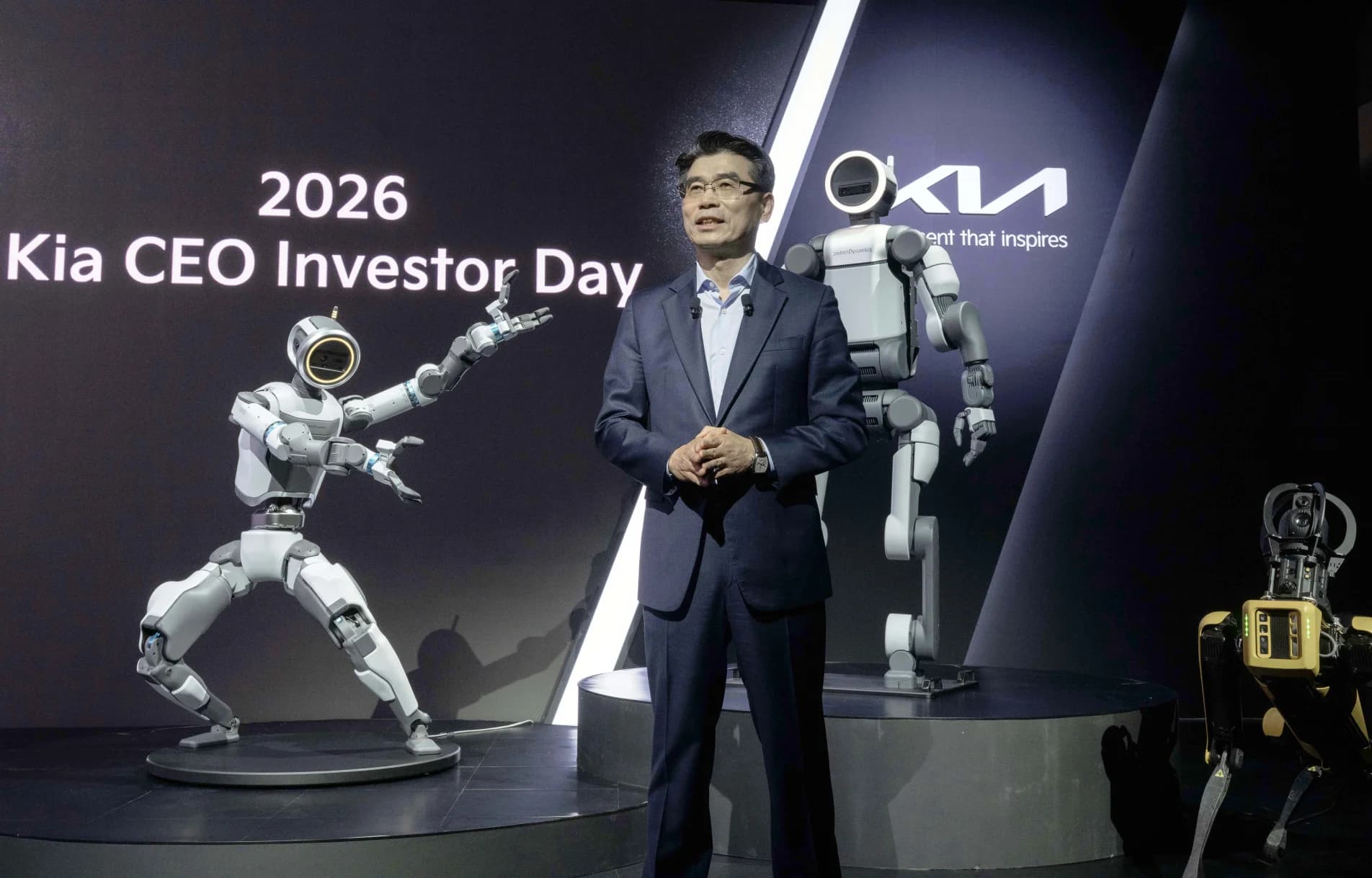
The Blueprint for a Bipedal Workforce: Kia Details Atlas Deployment Roadmap
- Published on
- Reading time
- 5 min read
Form as Function: Boston Dynamics Details the Industrial Design Logic Behind the Production Atlas
- Published on
- Reading time
- 3 min read
End of an Era: Boston Dynamics CEO Robert Playter to Retire
- Published on
- Reading time
- 6 min read
The Alien in the Factory: Boston Dynamics Launches Production-Ready Atlas at CES 2026
The weekly humanoid robotics briefing
One email a week: the launches, funding and research that mattered, with context from Humanoids Daily.
Read recent issues