- Published on
The "iPhone 1 Moment": Figure 04 Reaches Full Design Lock
One tap, and our reporting appears more often in your Google Top Stories. It makes a real difference to a small newsroom.

Supported by RoboStrategySupport for Humanoids Daily comes from RoboStrategy
Sponsored
Investing involves risk, including possible loss of principal. Read the prospectus before investing.
- Figure CEO Brett Adcock confirmed that Figure 04 has reached "full design lock," with the company already starting to ship parts for the new system.
- Adcock describes the upcoming humanoid as the industry’s "iPhone 1 moment," representing the most significant leap between generations in the company's history.
- The design incorporates critical feedback from the Figure 03 deployment, focusing on reducing manufacturing complexity at the BotQ facility and improving domestic usability.
- Despite the design lock, a public unveiling is not expected in the immediate future as the team enters a rigorous testing and assembly phase.
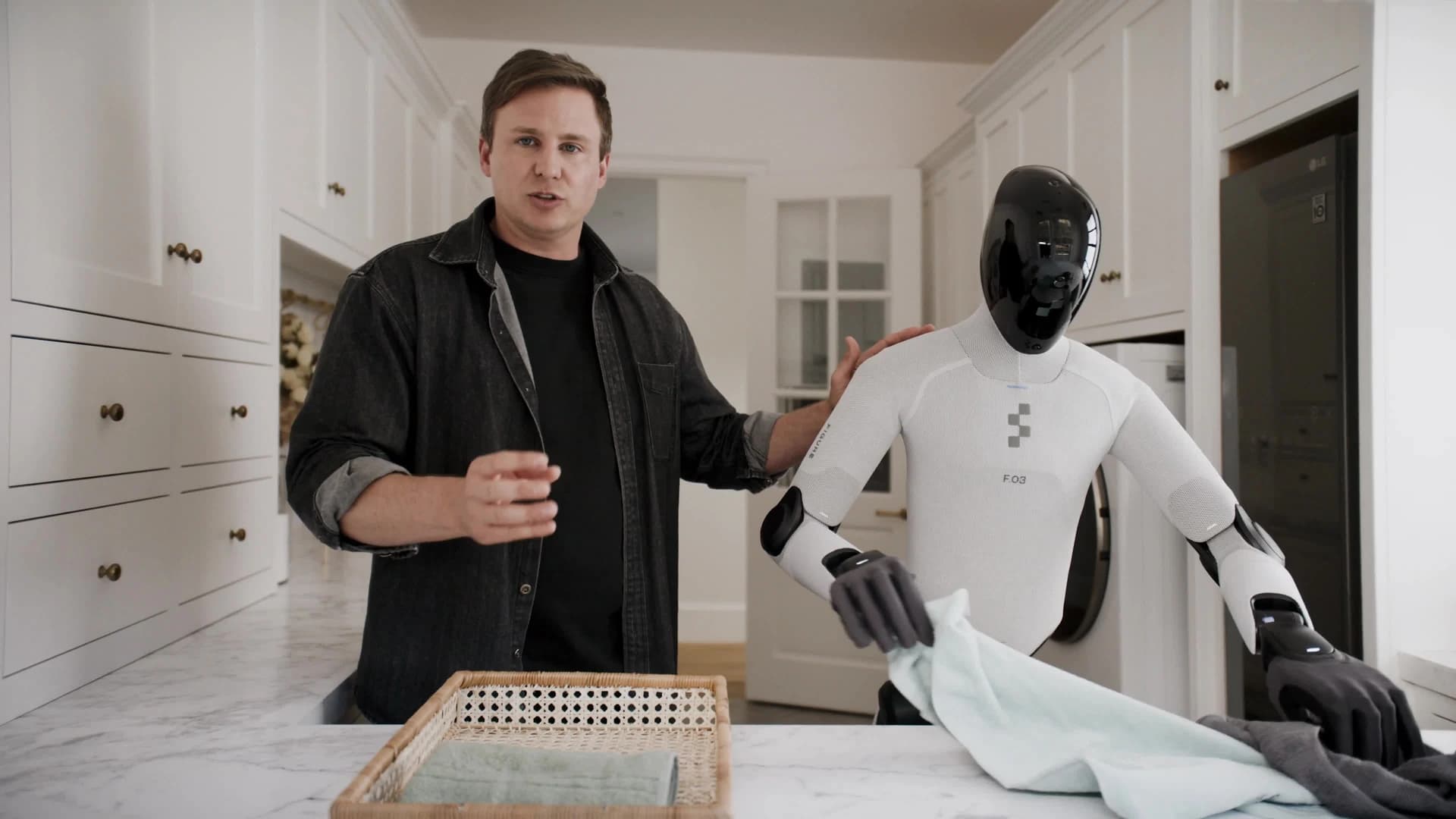
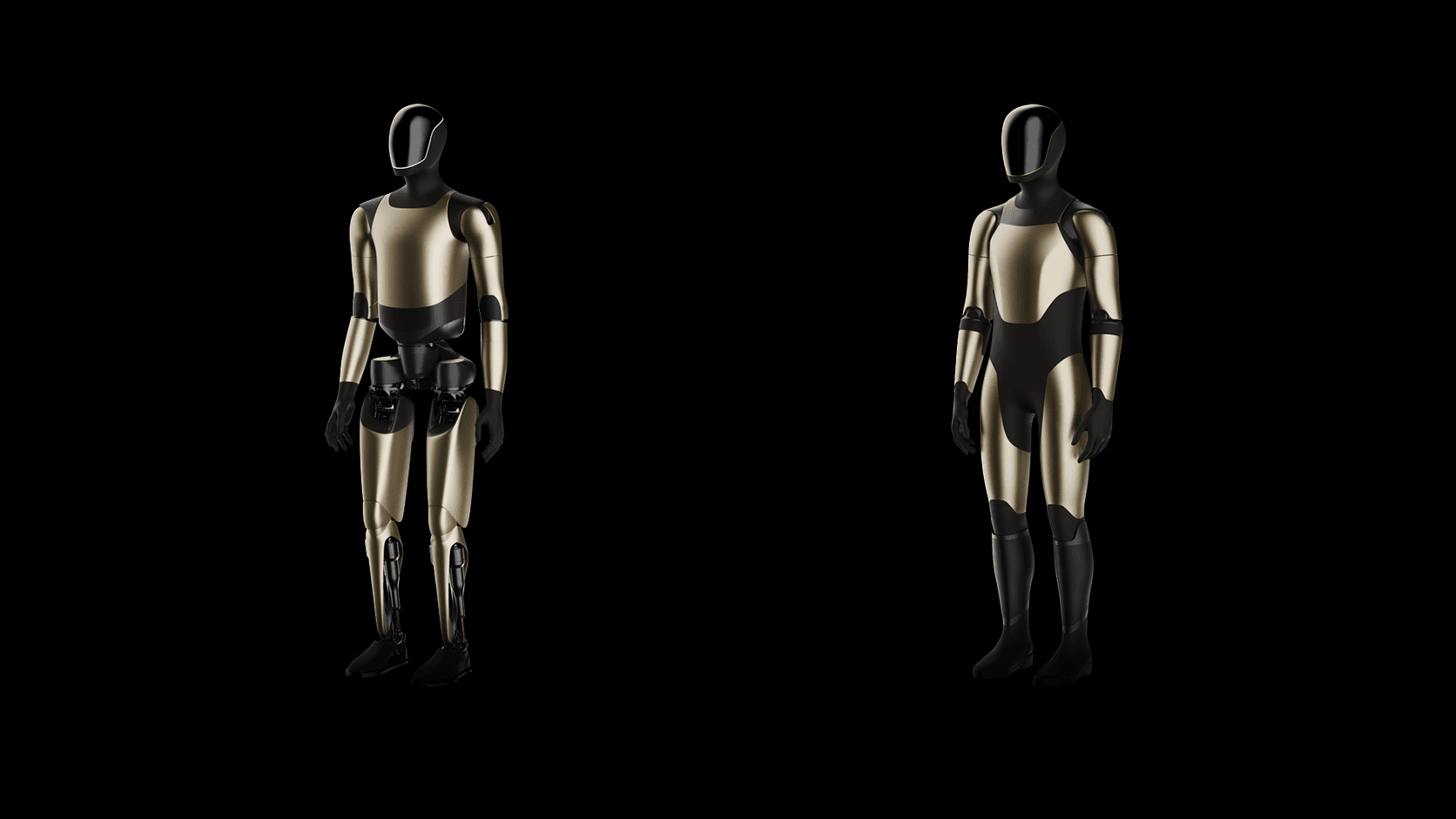
In a move that signals an aggressive acceleration of its hardware roadmap, Figure CEO Brett Adcock has announced that the company’s fourth-generation humanoid, Figure 04, has officially achieved "full design lock." The milestone indicates that the engineering specifications for the robot are finalized, allowing the $39 billion startup to begin shipping parts and transitioning into the assembly phase.
Adcock described the development as the result of "extremely rigorous" engineering reviews that scrutinized every "millimeter, watt, and gram" of the robot. While the Figure 03 is currently being produced at a rate of one unit per hour, Adcock suggested that Figure 04 represents a "completely different level" of engineering that departs radically from its predecessors.
The "iPhone 1" Milestone
The pivot toward Figure 04 comes as the company maintains a rapid, approximately yearly iteration cycle. During a recent deep-dive tour of Figure HQ, Adcock likened the company's trajectory to the evolution of mobile phones, suggesting that while Figure 01 through Figure 03 were akin to "flip phones," the Figure 04 is intended to be the industry's first true "iPhone 1 moment".
This new model is expected to be "radically different" in its physical architecture. Adcock noted that while he previously believed the Figure 03 might represent a point of saturation for humanoid design, the lessons learned from operating the current fleet 24/7 have revealed significant opportunities for improvement in hardware efficiency and reliability.
The weekly humanoid robotics briefing
One email a week: the launches, funding and research that mattered, with context from Humanoids Daily.
Read recent issues
Engineering Lessons from BotQ
A primary driver for the Figure 04 redesign is the pursuit of mass manufacturability. Despite the 24x increase in throughput achieved at the BotQ facility, Adcock admitted that certain elements of the Figure 03 remained "hard to manufacture."
The design lock for Figure 04 aims to solve these "gating" issues, specifically targeting:
- Production Ease: Simplifying the assembly process to ensure the hardware can be easily boxed and shipped to end-users.
- Domestic Readiness: Addressing the "kid-safety test" and the unpredictable entropy of home environments.
- Cost Reduction: Continuing the transition from expensive CNC-machined parts to high-volume tooling like die-casting and injection molding.
The Evolution of Dexterity
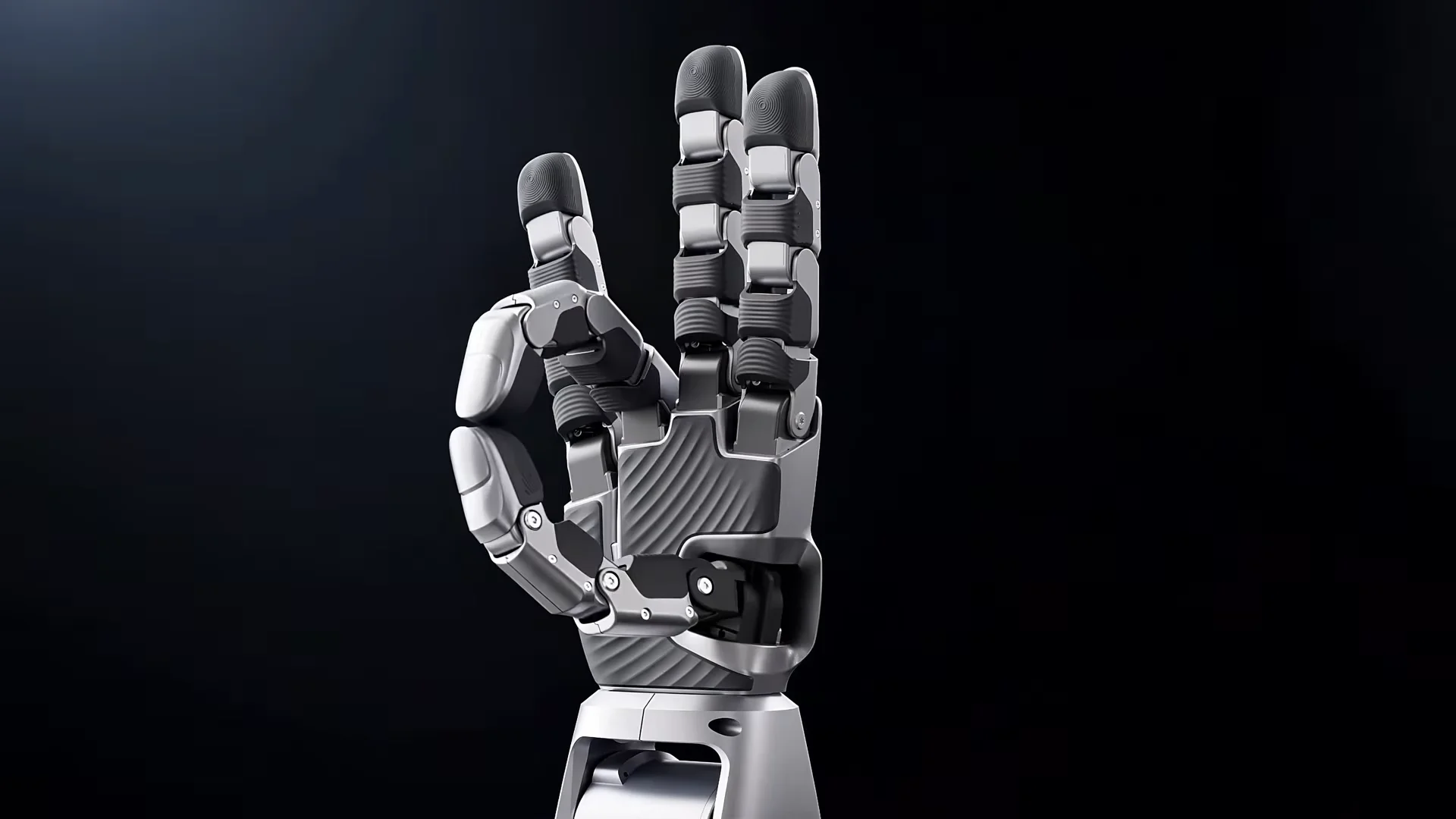
The Figure 04 will also likely feature the culmination of Figure's seventh-generation hand technology. Adcock recently reflected on the company's early "Frankenstein" designs, revealing that the first-generation Figure 01 utilized a tendon-driven hand that was eventually deemed an "engineering failure" due to its complexity. This led to a mid-development pivot where the team used foot motors in the robot's forearms to maintain progress, resulting in an unusually bulky limb architecture.
With the Figure 04, the company is moving toward a "perfect humanoid" form factor that integrates high-degree-of-freedom hands capable of human-level dexterity. This hardware is critical for the Helix 02 AI architecture, which requires precise tactile feedback to perform complex domestic tasks like folding laundry or managing small tools.
Vertical Integration and Timeline
The move to design lock so quickly after the launch of the Figure 03 is a testament to Adcock's philosophy of "11 out of 10" effort. By maintaining total vertical integration—designing everything from motors to sensors in-house—Figure avoids the delays associated with third-party vendors.
While parts are already being manufactured and shipped for the F.04, Adcock cautioned that "a ton of work" remains before a functional unit is ready for the public eye. For now, the Figure 03 remains the company's primary commercial vehicle as they target a production capacity of 50,000 units per year.
Share this article
Read next
- Published on
- Reading time
- 6 min read
Brett Adcock Says Figure 04 Will Be Figure’s Biggest Hardware Leap
- Published on
- Reading time
- 2 min read
Brett Adcock’s vehicle clip echoes Figure 03’s delivery demo
- Published on
- Reading time
- 6 min read
Figure CEO Brett Adcock Claims Humanoids Are Already Delivering ROI Amid Severe Labor Shortages
- Published on
- Reading time
- 4 min read
Stepping Up: Figure 03 Achieves Autonomous Ladder Climbing, Reigniting the Bipedal Debate
- Published on
- Reading time
- 4 min read
A Golden Milestone: Figure Manufactures Its 1,000th Figure 03 Humanoid
- Published on
- Reading time
- 5 min read
Figure Completes $100 Million Employee Tender Offer as Robotics Talent War Intensifies

The weekly humanoid robotics briefing
One email a week: the launches, funding and research that mattered, with context from Humanoids Daily.
Read recent issues