- Published on
Italy Enters the Chat: Generative Bionics Raises €70M to Bring "Physical AI" to Industry
One tap, and our reporting appears more often in your Google Top Stories. It makes a real difference to a small newsroom.


Your guide
Rich Robinson
Jee Chee Ren · Executive tour
See China’s AI and robotics ecosystem first-hand.
Six days exploring AI, robotics and advanced manufacturing.
With Rich Robinson, Clinical Professor of Entrepreneurship at Peking University
Beijing · Guangzhou · Shenzhen
29 November–4 December 2026
Referral partnership · We earn a commission on referred bookings.
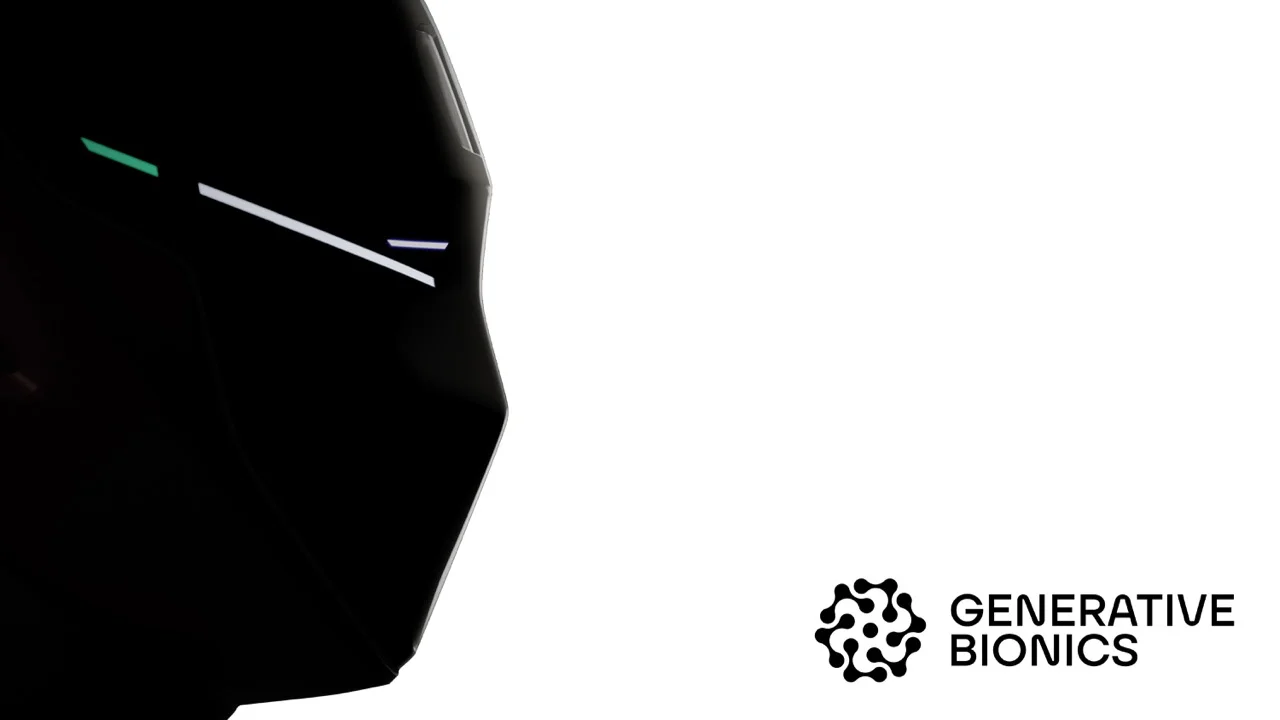
Genoa, Italy — The European humanoid robotics landscape just got a significant new player, and this one comes with a twenty-year academic pedigree.
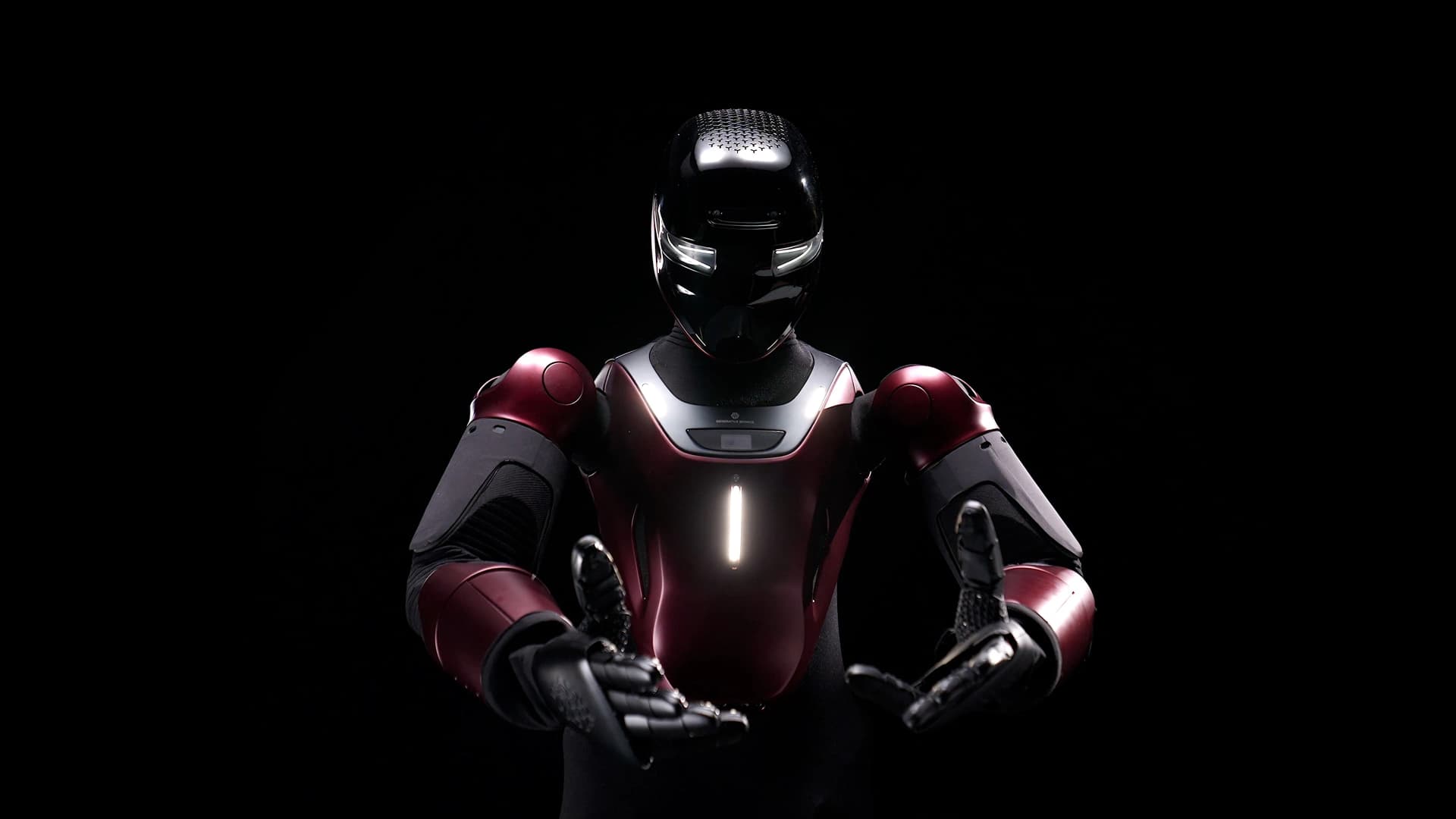
Generative Bionics, a spinoff from the Italian Institute of Technology (IIT), officially launched today with a €70 million funding round. The raise is one of the largest seed-stage rounds for a deep-tech robotics firm in Europe, signaling that Italy is ready to commercialize its long-standing reputation for high-level robotics research.
The round was led by the Artificial Intelligence Fund of CDP Venture Capital, with participation from a diverse roster of strategic backers including AMD Ventures, energy giant Eni Next, industrial holder Duferco, and—notably—the digital asset powerhouse Tether.
From Research Lab to Factory Floor
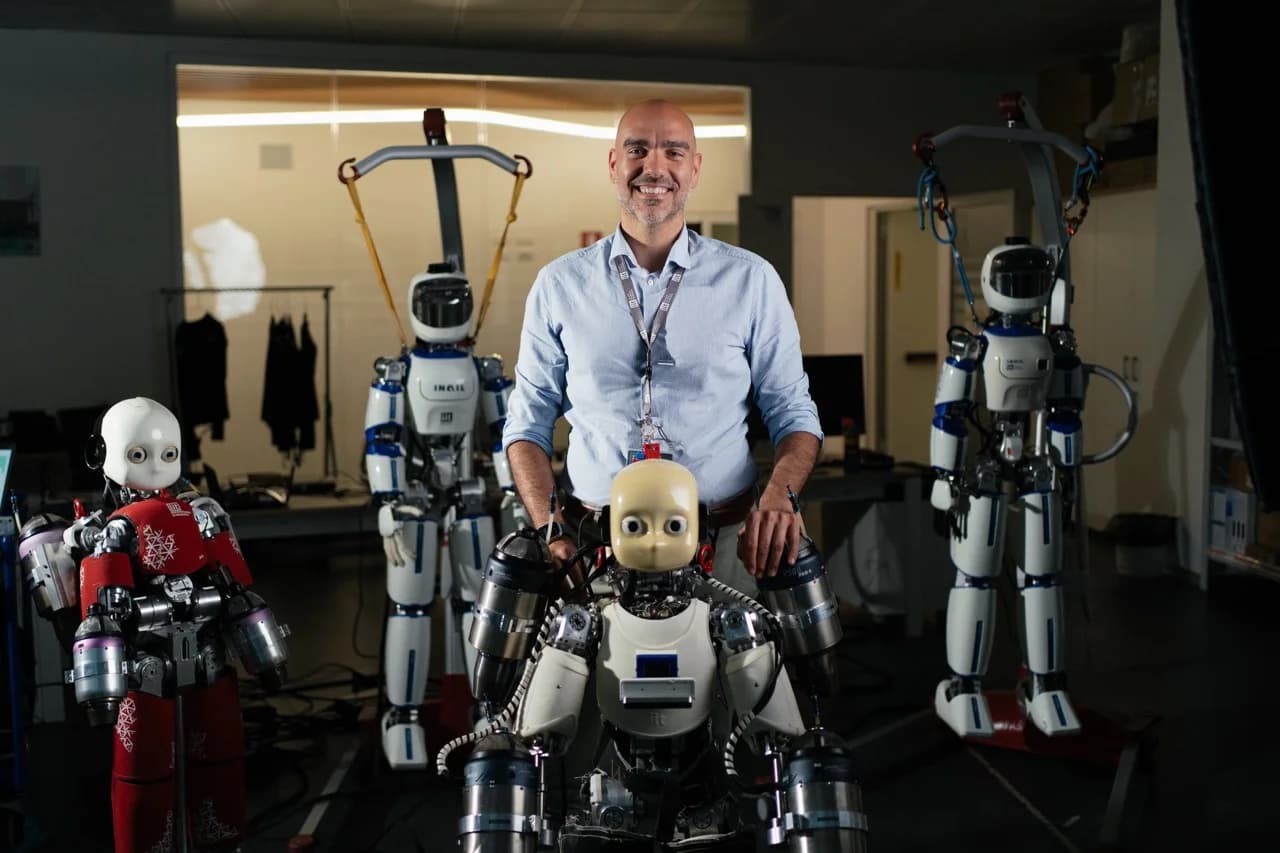
While new to the commercial market, the technology underpinning Generative Bionics is not. The company is built on the foundation of the IIT’s iCub project, a child-sized open-source humanoid platform that has been a staple in research labs worldwide since 2004.
The weekly humanoid robotics briefing
One email a week: the launches, funding and research that mattered, with context from Humanoids Daily.
Read recent issuesHowever, Generative Bionics is not building research tools. According to the company, the mission is to deploy "Physical AI" into industrial environments.
"Our mission is to digitize and amplify human work, translating the manual skill and cognitive expertise of 'Made in Italy' into codified, transferable capabilities," the company stated in its press materials.
The startup is led by CEO Daniele Pucci, the former head of IIT’s Artificial and Mechanical Intelligence line and the creator of iRonCub—a distinctive research project involving a jet-propelled humanoid. While the company’s commercial roadmap focuses on grounded industrial tasks in manufacturing and logistics, the presence of such experimental DNA suggests a high ceiling for their engineering capabilities.
The company plans to unveil its first complete humanoid concept internationally at CES in Las Vegas in early 2026.

The Tether Connection
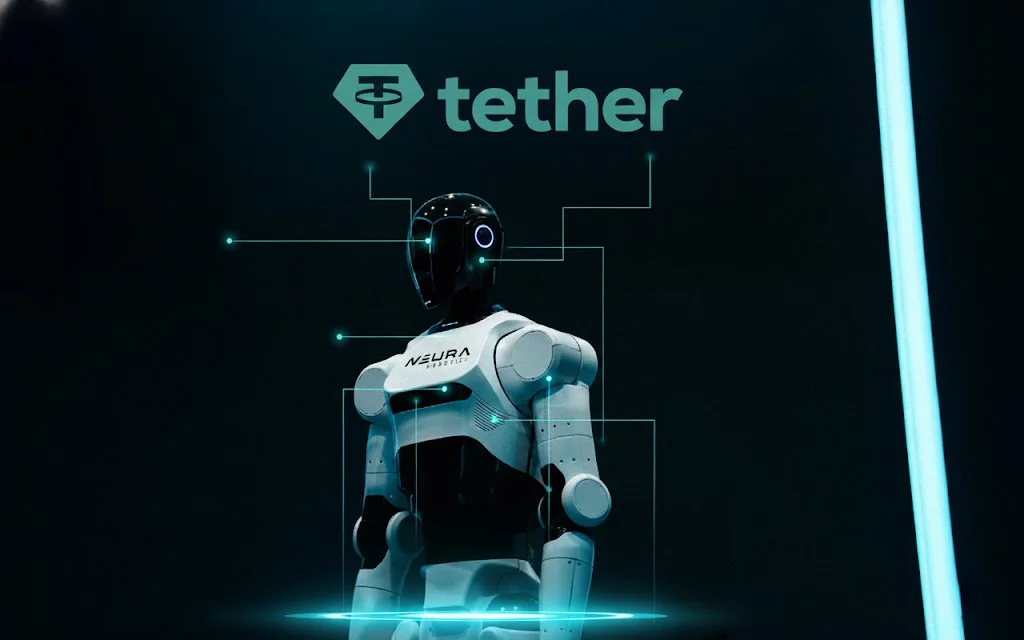
The inclusion of Tether in the capitalization table is particularly notable for industry watchers. The stablecoin issuer has been aggressively diversifying its massive profit reserves into "frontier tech."
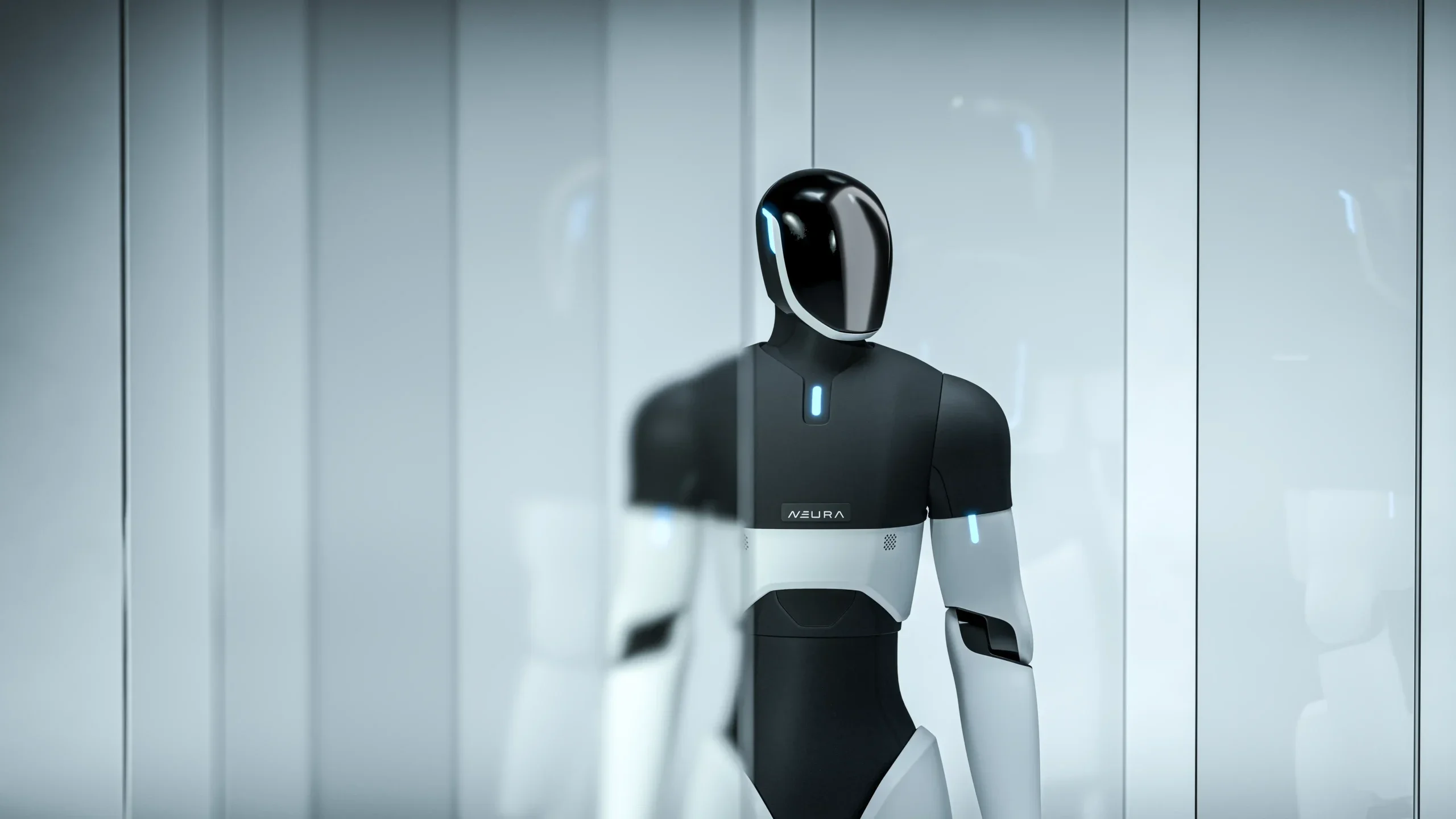
This investment follows a recent report that Tether was in talks to lead a massive funding round in Neura Robotics, the German cognitive robotics firm. While the Neura deal was rumored to be in the billions, the investment in Generative Bionics confirms that Tether is building a portfolio approach to the sector.
"Humanoid robotics and Physical AI represent a powerful evolution in how intelligence and capability operate in the real world," said Paolo Ardoino, CEO of Tether, regarding the investment.
A Crowded Continent
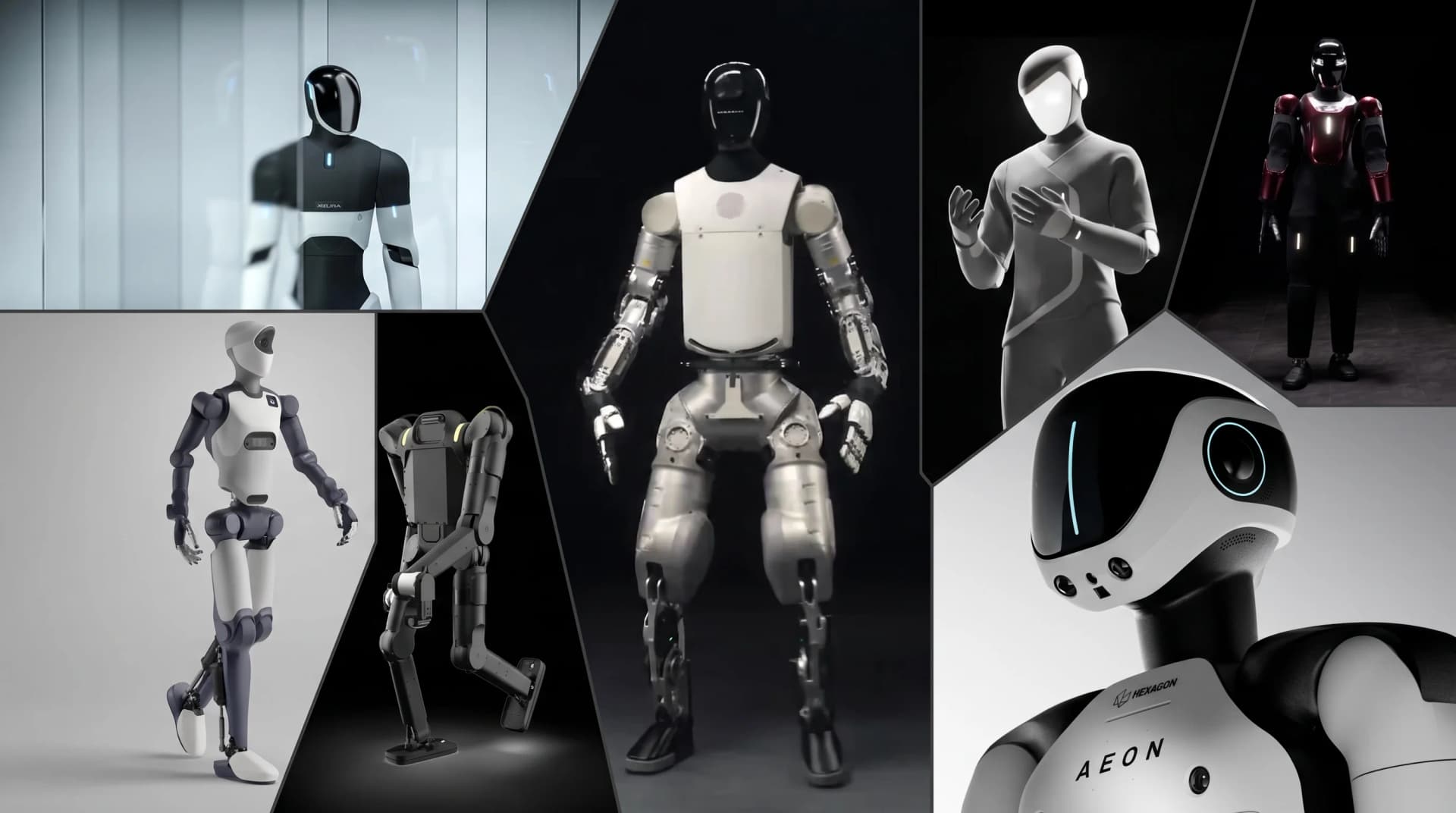
Generative Bionics enters a European market that is rapidly densifying. The "Made in Italy" narrative will compete directly with a "Made in France" and "Made in Germany" resurgence.
Just last week, the Paris-based stealth startup UMA revealed its "supergroup" team of former Tesla and Google DeepMind engineers, aiming to build general-purpose agents by 2026. You can read our full breakdown of the UMA launch here.
Meanwhile, Germany's Neura Robotics is already pushing into the market with its 4NE-1 humanoid and high-profile partnerships, such as with Schaeffler. German Agile Robotics recently revealed their Agile ONE.
What differentiates Generative Bionics, according to its founders, is the focus on "Physical AI"—a concept where the AI is not just a brain in a jar, but is shaped by sensorimotor experience. The company claims its robots will utilize a distributed network of tactile sensors (skin) derived from the iCub research, allowing for semantic grounding—meaning the robot understands "fragile" not just as a text label, but as a physical sensation of force and compliance.
The Road Ahead
The €70 million will be used to scale the team—which already includes roughly 70 engineers from IIT—and build a preliminary production facility.
The company has outlined a pragmatic roadmap. Phase one targets high-intensity sectors like heavy industry and automotive, where labor shortages are acute. If successful, they plan to expand into healthcare and service sectors later.
With industrial deployment contracts expected to be announced in early 2026, Generative Bionics is moving quickly to prove that academic excellence can translate into industrial ROI.
Share this article
Read next
- Published on
- Reading time
- 6 min read
NEURA Robotics Secures Record $1.4 Billion Series C, Led by Tether, to Build the "Machine Economy"
- Published on
- Reading time
- 4 min read
Neura Robotics Reportedly Secures €1 Billion from Tether to Scale Humanoid Vision
- Published on
- Reading time
- 3 min read
Report: Crypto Giant Tether in Talks to Lead €1B Funding Round in Neura Robotics
- Published on
- Reading time
- 4 min read
Generative Bionics Plans Major Humanoid Training Hub in Italy With AMD
- Published on
- Reading time
- 3 min read
Eni and Generative Bionics Explore Industrial Humanoids, Smart Footwear and AI Computing
- Published on
- Reading time
- 25 min read
The Humanoids of Europe: Built by Their Customers


The weekly humanoid robotics briefing
One email a week: the launches, funding and research that mattered, with context from Humanoids Daily.
Read recent issues